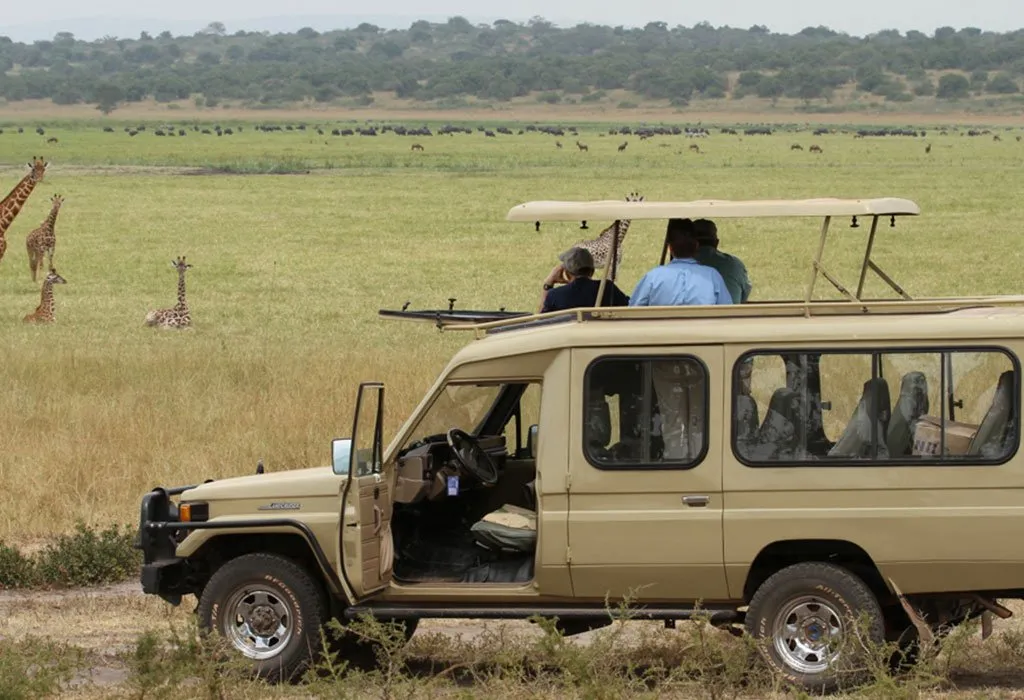
A 1-week (7-day) Tanzania Northern Circuit safari is ideal for first-timers, featuring iconic wildlife spots like the Serengeti, Ngorongoro Crater, and Tarangire. These packages typically run from Arusha, offering "Big Five" sightings and Great Migration views for $2,500–$7,500 per person, depending on budget or luxury choices.
7-days-best-great-wildebeest-migration-safari-in-tanzania
7-days-epic-africa-big-five-safari-in-tanzania-top-best-parks
7-days-budget-tanzania-safari-affordable-africa-budget-safari
7-days-kilimanjaro-climb-and-hiking-safari-ascent-to-peak
7-days-tanzania-wildlife-safari-africa-safari-tour-best-park-visits
7-days-best-southern-tanzania-safari-parks-nyerere-mikumi-ruaha-and-udzungwa
7-day-best-zanzibar-beach-holidays-combo-to-ruaha-and-mikumi-safari-parks
7-days-zanzibar-beach-activities-and-chimpanzee-tracking-in-mahale-mountains
7-days-amboseli-kenya-and-serengeti-fly-in-tanzania-safari
7-days-masai-mara-safari-tour-and-serengeti-safari-tour-in-kenya-and-tanzania
7-days-ultimate-budget-kenya-tanzania-safari-holiday-vacation
Itinerary 1: Classic Northern Circuit Highlights (7 Days)
Experience the quintessential Tanzania wildlife safari with the Classic Northern Circuit Highlights itinerary. Beginning and ending in Arusha, this journey takes you through three of Tanzania's most renowned parks: Tarangire, Ngorongoro Crater, and the Serengeti. In Tarangire, encounter vast elephant herds amidst iconic baobab trees, ideal for photography and wildlife viewing. The Ngorongoro Crater boasts one of Africa's densest wildlife populations, offering a chance to spot the Big Five in a stunning volcanic caldera. Finally, journey into the Serengeti, where you'll observe big cats in action against the backdrop of endless plains. This itinerary perfectly balances adventure and comfort, showcasing Tanzania's rich biodiversity and breathtaking landscapes.
Day 1: Arrive in Arusha
Arrive in Arusha and meet your safari guide. After a quick briefing, enjoy lunch at a local restaurant. Spend the afternoon exploring Arusha's vibrant markets, or relax at your lodge, enjoying the breathtaking views of Mount Meru. As the sun sets, prepare for the upcoming adventure. Discuss the itinerary with your guide and finalize any last-minute inquiries. The evening includes a delicious dinner, showcasing local cuisine, before resting in preparation for the journey ahead. Get a good night's sleep to ensure you’re refreshed for the safari excitement.
Day 2: Tarangire National Park
Depart early for Tarangire National Park, known for its large elephant herds and stunning landscapes. On the drive, you will witness beautiful scenery and glimpse local life along the way. Upon entering the park, enjoy a game drive, spotting elephants, giraffes, and unique baobab trees. The park is also rich in birdlife, making it a paradise for birdwatchers. Enjoy lunch amidst nature, followed by more wildlife viewing in the afternoon. As the day ends, watch the stunning sunset over the park before returning to your lodge for dinner and a restful night.
Day 3: Tarangire to Ngorongoro Crater
After breakfast, begin your journey to Ngorongoro Crater. Upon arrival, descend into the crater, renowned for its incredible wildlife concentration. Spend the day exploring the crater floor, where you may spot lions, buffalo, and black rhinos, as well as unique bird species. Enjoy a picnic lunch surrounded by stunning views and incredible wildlife. The diversity in such a compact space makes this an unforgettable experience. After a full day of game viewing, ascend back to the rim and head to your lodge for dinner, reflecting on the wildlife encounters of the day.
Day 4: Ngorongoro to Central Serengeti
After an early breakfast, depart for the Serengeti National Park. As you drive through picturesque landscapes, keep your eyes peeled for wildlife along the way. Upon entering the Serengeti, embark on an afternoon game drive in the central region, known for its abundant big cat population. Look for lions lounging in the grass and cheetahs hunting their prey. Enjoy a scenic picnic lunch surrounded by nature. As evening approaches, marvel at the expansive sunset views, followed by a return to your lodge for dinner and an opportunity to share stories about the day's sightings with fellow travelers.
Day 5: Central Serengeti Game Drives
Experience a full day of game drives in the Serengeti, an exploration of this iconic park's diverse wildlife. Start with an early breakfast before heading out to look for predators, including lions, leopards, and hyenas. The Serengeti's vast plains are also home to wildebeest, zebras, and various antelope species. Your guide will stop at key locations for maximizing wildlife sightings and taking photographs. After lunch, continue your game viewing, perhaps witnessing an action-packed hunt or a river crossing, depending on the season. Return to your lodge in the evening for dinner and downtime, sharing the day's highlights.
Day 6: Serengeti to Ngorongoro
Enjoy your last morning in the Serengeti with an early game drive, capturing any final wildlife sightings. After breakfast at the lodge, begin your journey back to Ngorongoro, with a stop for a picnic lunch along the way. Upon arrival, settle into your accommodation and enjoy the breathtaking views of the crater. In the afternoon, you have the option for a guided walk or visit local Maasai villages, enriching your understanding of the culture. After experiencing such diverse landscapes and wildlife, enjoy a hearty dinner at your lodge, preparing for your final day.
Day 7: Ngorongoro to Arusha
After breakfast, receive a final safari briefing before descending into the Ngorongoro Crater for another wildlife viewing session. Spend the morning exploring and spotting any wildlife you may have missed earlier. Time permitting, enjoy a picnic lunch inside the crater. After your adventure, begin the drive back to Arusha, enjoying the scenic landscapes along the way. Upon arrival, reflect on your incredible safari experiences before transferring to the airport for your departure or extending your stay in Tanzania. Your journey through Tanzania’s Northern Circuit ends with unforgettable memories of wildlife and nature.
Itinerary 2: Great Migration Focus (7-8 Days)
Experience the remarkable Great Migration Focus itinerary, tailored to follow the thrilling wildebeest migration across Tanzania’s Serengeti National Park. Departing from Arusha, this itinerary ensures you witness the dramatic river crossings between July and October, or the calving season between January and March. Explore the central Serengeti first and then move to the north, west, or south depending on the migration's location during your visit. This adventure promises awe-inspiring wildlife encounters, allowing you to fully immerse yourself in the rhythm of nature's spectacle and witness one of the world's most extraordinary wildlife events.
Day 1: Arrive in Arusha
Arrive in Arusha and meet your safari guide for a briefing about your exciting itinerary focused on the Great Migration. After lunch at a local restaurant, spend the afternoon relaxing or exploring Arusha's vibrant markets for local crafts. Get acquainted with your group, sharing your excitement for the upcoming days. In the evening, enjoy a welcome dinner featuring local cuisine. As you prepare for your adventure, review your gear and ensure you are ready for the experiences ahead. Rest well tonight to start your safari journey refreshed.
Day 2: Arusha to Central Serengeti
Depart from Arusha early in the morning, heading towards the Serengeti. As you enter the park, your guide will begin with a game drive, looking for wildlife such as elephants and lions. Enjoy a packed lunch in a scenic spot under a shade tree. Continue your journey into the heart of the Serengeti, where abundant wildlife is often spotted. Depending on the migration’s location, you might witness herds of wildebeests and zebras migrating toward greener pastures. After an exciting day, return to your lodge for dinner and share your wildlife encounters with fellow travelers.
Day 3: Central Serengeti Game Drives
This day focuses on exploring the central Serengeti, renowned for its diverse wildlife and excellent game viewing opportunities. Start your day with an early breakfast before heading out for a full day of wildlife observation. Keep an eye out for the big cats, including lions and leopards, as well as herds of wildebeests and gazelles. Your guide will share insights about the migration and local ecosystems. Enjoy a picnic lunch surrounded by nature, taking in the stunning landscapes. After an exhilarating day of wildlife photography, return to the lodge for dinner, reflecting on your day's adventures.
Day 4: Northern Serengeti Wildlife Exploration
Today, head towards the northern Serengeti to follow the wildebeest migration. As you travel, look out for wildlife such as giraffes and hippos. Depending on the time of year, you may witness the dramatic river crossings at the Mara River. This unique spectacle provides opportunities for remarkable photography as wildebeests and zebras traverse the river. After lunch, enjoy additional game drives, focusing on areas known for wildlife concentration during the migration. Conclude your day with a relaxing dinner at your lodge, sharing stories about your unforgettable wildlife encounters.
Day 5: Northern Serengeti Game Drives
Spend another day in the northern Serengeti, delving deeper into the migration. Early morning drives enhance wildlife sightings, allowing you to capture moments missed the previous day. Search for predator-prey interactions as you observe lions or crocodiles during river crossings. Enjoy lunch at a scenic spot while reflecting on the incredible sights of the migration. In the afternoon, continue exploring, focusing on different areas to maximize your chances of encountering unique wildlife. Return to your lodge in the evening, eagerly discussing the day's highlights with your companions over a delicious dinner.
Day 6: Northern Serengeti to Ngorongoro
After breakfast, depart from the northern Serengeti, making your way toward Ngorongoro Crater. On your journey, enjoy a game drive, keeping an eye out for any wildlife along the route. Upon arrival at the Ngorongoro Conservation Area, admire the breathtaking views of the crater. Spend the evening at your lodge, where you can relax and prepare for a full day of wildlife viewing in the crater. Take the time to appreciate the unique region’s cultural significance and natural beauty. Savor dinner and share your favorite moments before resting for the night.
Day 7: Ngorongoro Crater Wildlife Exploration
Wake early for a day in Ngorongoro Crater, known for its rich biodiversity. After breakfast, descend into the crater to experience its expansive wildlife. Look for animals like lions, elephants, and rare black rhinos while enjoying the unique scenery. The crater's floor is alive with wildlife, giving you an excellent opportunity for sightings. Have a picnic lunch amidst stunning views of the crater and its wildlife. After a full day, ascend back to the rim and return to your lodge for a farewell dinner, reflecting on the unforgettable sights of the day.
Day 8: Ngorongoro to Arusha
On your final day, enjoy a leisurely breakfast at the lodge before departing. If time permits, take a short walk or visit a local Maasai village, enriching your understanding of the culture before your journey back. Head back to Arusha, enjoying the beautiful landscapes along the way. Arriving in Arusha, you can unwind, shop for local crafts, or rest at your lodge. Conclude your adventure with a transfer to the airport, prepared to catch your flight home, filled with lasting memories from your exhilarating Great Migration safari.
Itinerary 3: Tarangire & Lake Manyara Wildlife Safari (7 Days)
Join us for the Tarangire & Lake Manyara Wildlife Safari, showcasing two of Tanzania's captivating national parks. Start in Arusha, traveling to Tarangire, where you’ll encounter massive elephant herds and view the park’s remarkable baobab trees. Next, visit Lake Manyara, famous for its tree-climbing lions and diverse bird species, providing fantastic wildlife viewing opportunities in unique landscapes. A journey to the Ngorongoro Crater then offers a chance to see an incredible variety of wildlife in one of Africa's most distinctive settings. This itinerary combines adventure with thoughtful relaxation, perfect for all wildlife enthusiasts.
Day 1: Arrive in Arusha
Upon arriving in Arusha, meet your guide who will brief you on the upcoming Tarangire & Lake Manyara Wildlife Safari. After lunch at a local restaurant, spend the afternoon exploring nearby markets and shops, offering unique handicrafts and local art. Take this time to familiarize yourself with Tanzanian culture. Participate in an optional city tour if time allows. Prepare for the adventure that lies ahead by discussing your itinerary with your guide. Relish dinner at a local restaurant or back at your lodge, and relax for a good night’s sleep as the safari begins tomorrow.
Day 2: Arusha to Tarangire National Park
Early in the morning, depart for Tarangire National Park, known for its renowned baobab trees and elephant herds. On arrival, begin your safari adventure with a game drive through diverse habitats. Look for animals like lions, antelopes, and a variety of bird species, making it a paradise for birdwatchers. Enjoy a packed picnic lunch surrounded by the park's beauty. Continue exploring in the afternoon, seeking out the park's unique wildlife and enjoying fantastic photography opportunities. As the sun sets, retreat to your lodge for dinner, reflecting on the day’s wonders in nature.
Day 3: Full Day in Tarangire National Park
Today, focus fully on discovering Tarangire National Park. Begin with an early breakfast followed by a full day of game drives to spot elephants, giraffes, and buffaloes alongside herds of wildebeest. Explore varied landscapes, including wetlands that attract many bird species. Your guide will share insights into animal behavior, enhancing your understanding of the wildlife. Enjoy lunch in a picturesque spot before continuing your exploration in the afternoon. Watch for stunning sunset views during your evening drive before returning to the lodge for dinner, sharing captivating stories of your day’s adventures.
Day 4: Tarangire to Lake Manyara National Park
Depart Tarangire and head towards Lake Manyara National Park after breakfast. Upon arrival, start with a game drive searching for the famous tree-climbing lions. The park is also home to elephants, hippos, and numerous bird species. After lunch at a scenic location, enjoy more wildlife viewing and take in breathtaking views of the lake and surrounding landscapes. The park’s diverse habitats promise unique wildlife experiences. In the late afternoon, return to your lodge for dinner, recounting the highlights of your sightings and enjoying relaxation before another day of adventure.
Day 5: Lake Manyara to Ngorongoro Crater
After breakfast, embark on a scenic drive to Ngorongoro Crater, one of the world’s natural wonders. Descend into the crater to explore its unique geological landscapes while observing abundant wildlife such as lions, elephants, and rhinoceros. Spend a full day in this wildlife haven, enjoying a picnic lunch on the crater floor. Look for unique interactions among species as you witness vast herds and predators in action. Exit the crater late afternoon and return to your lodge for dinner, reflecting on the incredible wildlife seen throughout the day.
Day 6: Ngorongoro Crater Exploration
Enjoy a leisurely breakfast at your lodge before heading out for a second day of exploring the Ngorongoro Crater. On this visit, focus on different areas to maximize wildlife viewing opportunities. Your guide will help identify animal tracks and signs, giving insights into behavior and ecology. Look for herds of wildebeest and opportunities to see predators on the prowl. Take pleasure in a picnic lunch while surrounded by the breathtaking surroundings. In the late afternoon, return to your lodge for dinner, celebrating the day’s wildlife encounters and the beauty of the crater.
Day 7: Ngorongoro to Arusha
On your last morning, enjoy a final breakfast surrounded by the scenic beauty of Ngorongoro. After breakfast, head back to Arusha, taking in the lush landscapes along the route. If time allows, visit local markets for a chance to purchase handmade goods, souvenirs, or snacks for your journey. Upon arriving in Arusha, reflect on your unforgettable Tarangire & Lake Manyara Wildlife Safari as you prepare for your departure. Transfer to the airport or your next destination, carrying with you lasting memories from your wildlife adventure.
Itinerary 4: Family/Light-Paced Safari (7 Days)
Embark on a Family/Light-Paced Safari designed to accommodate families or travelers seeking a less strenuous experience while still enjoying Tanzania's magnificent wildlife. Starting from Arusha, explore Tarangire, Ngorongoro, and Lake Manyara National Parks. This itinerary focuses on short driving distances between parks, offering ample leisure time to relax at comfortable lodges. Enjoy extensive wildlife viewing opportunities in easy-to-manage segments, highlighting the unique habitats and incredible animal diversity of each location. This thoughtful approach assures a fulfilling yet relaxed experience for all participants.
Day 1: Arrive in Arusha
Welcomed at Arusha's airport, meet your safari guide for a briefing on the Family/Light-Paced Safari itinerary. Afterward, enjoy lunch at a local restaurant specializing in traditional cuisine. Spend the afternoon exploring Arusha’s vibrant atmosphere or relaxing at your lodge. This time allows families to settle in before starting their adventure. Discuss any specific interests with your guide, ensuring the safari meets everyone’s expectations. Enjoy a casual dinner and get prepared for an exciting expedition into Tanzania’s wild wonders in the upcoming days.
Day 2: Arusha to Tarangire National Park
After breakfast, set off for Tarangire National Park, famous for its elephant population and iconic baobab trees. The drive is relatively short, letting you arrive ready for a mid-morning game drive. Enjoy the opportunity to encounter elephants, giraffes, and a diverse range of bird species. Delight in a picnic lunch amidst nature, providing a relaxed atmosphere for families. The afternoon includes more wildlife exploration, while your guide tailors your safari experience to ensure the pace is comfortable. Return to your lodge for dinner and a calm evening by the campfire.
Day 3: Full Day in Tarangire National Park
This day is dedicated to discovering more of Tarangire's incredible wildlife. After a leisurely breakfast, head out for a full day of safari activities. Shorter game drives combined with rest periods make for a comfortable atmosphere for families. Look for herds of elephants, playful monkeys, and various antelope species. Enjoy lunch in the park, providing an opportunity to rest and recharge. The afternoon offers additional wildlife viewing, and dusk presents a chance to appreciate the stunning sunset. Return to your lodge for dinner, sharing stories about the day's experiences.
Day 4: Tarangire to Ngorongoro Crater
Today, leave Tarangire and head towards Ngorongoro Crater. After breakfast, enjoy a scenic drive leading to the crater. Once you descend into the crater, engage in wildlife viewing, focusing on large mammals such as elephants and lions. Enjoy a picnic lunch on the crater floor, surrounded by extraordinary wildlife sightings. The steady pace allows families to appreciate the scenery and atmosphere fully. After exploring the crater, ascend back to the rim for views before returning to your lodge for dinner. Reflect on the day's marvels and enjoy a peaceful night.
Day 5: Ngorongoro Crater Exploration
On your second day in Ngorongoro, after breakfast, venture back down into the crater for more wildlife exploration. Focus on areas you may not have visited previously, seeking additional sightings of black rhinos and cheetahs. Engage in discussions with your guide about the diverse flora and fauna of the region. Enjoy a picnic lunch to keep the family comfortable and energized. Spend the afternoon leisurely observing wildlife encounters and taking photographs. Conclude your day with a relaxing dinner at your lodge, allowing everyone to unwind and recount the day's discoveries.
Day 6: Ngorongoro to Lake Manyara National Park
Depart Ngorongoro after breakfast for Lake Manyara National Park. Enjoy a short drive as you prepare for an exciting day of wildlife exploration. Upon arrival, start your game drive, looking for tree-climbing lions and various bird species in vibrant landscapes. Enjoy a packed picnic lunch surrounded by nature. The park’s unique habitats make for enjoyable wildlife experiences, ideal for families. After a day full of exploration, return to your lodge for dinner and evening relaxation. Share stories about the day's encounters and soak in the beautiful surroundings of Lake Manyara.
Day 7: Lake Manyara to Arusha
On the final day of your Family/Light-Paced Safari, enjoy a leisurely breakfast at the lodge and some time
What is the Best Itinerary for a 1-Week Tanzania Wildlife Safari Tour?
A popular 1-week itinerary for a Tanzania wildlife safari typically emphasizes the "Northern Circuit," renowned for its breathtaking landscapes and diverse wildlife. This classic route generally includes visits to three prime locations: Tarangire National Park, Ngorongoro Crater, and Serengeti National Park. Starting from Arusha, safari-goers will first explore Tarangire, known for its massive elephant herds and striking baobab trees. Visitors can enjoy morning and afternoon game drives, maximizing their chances of seeing iconic wildlife.
Following Tarangire, the itinerary moves to the Ngorongoro Crater, a UNESCO World Heritage Site featuring one of the highest concentrations of wildlife in Africa. Here, explorers can expect to see the "Big Five" in a stunning volcanic caldera, offering unique opportunities for photography and wildlife observation.
Finally, travelers will venture into the Serengeti, famous for its vast plains teeming with wildlife. Depending on the season, this leg of the trip could include witnessing the Great Migration, where hundreds of thousands of wildebeests and zebras traverse the plains, or spotting big cats hunting during early morning and late afternoon game drives.
This carefully crafted itinerary allows travelers to experience the essence of Tanzania’s wildlife while providing ample time for relaxation and reflection in nature. It strikes a balance between adventure and comfort, making it ideal for first-time safari-goers as well as those returning for more breathtaking encounters with wildlife.
What is the Best Time of Year for a 1-Week Tanzania Wildlife Safari Tour?
When considering a 1-week wildlife safari in Tanzania, timing can significantly enhance your experience. The best time for optimal game viewing generally falls during the dry season, which runs from late June to October. During these months, wildlife is easier to spot as animals congregate around diminishing water sources, making them more visible in the savannah. Furthermore, migratory animals like zebras and wildebeests are often found in the Serengeti, especially during August when the Great Migration sees them crossing rivers.
Alternatively, if you're particularly interested in witnessing the calving season, which occurs from January to March, this time is also remarkable for visiting the southern Serengeti. During the calving period, wildebeests give birth to thousands of calves, attracting predators that come to hunt, providing thrilling wildlife encounters.
Traveling during these key periods enhances not only your game-viewing opportunities but also your overall enjoyment of Tanzania's diverse ecosystems. The climate is generally pleasant and conducive to safari activities, although early mornings and evenings can be cooler, particularly in highland areas like Ngorongoro Crater.
Ultimately, whether you're drawn by the spectacle of the Great Migration or the vibrant wildlife during calving, selecting the appropriate season can make your 1-week safari truly unforgettable, maximizing both adventure and comfort.
What Wildlife Can I Expect to See on a 1-Week Tanzania Wildlife Safari Tour?
A 1-week safari in Tanzania is a treasure trove of wildlife experiences. On this journey, visitors can expect to encounter the Big Five—lion, leopard, rhinoceros, elephant, and buffalo—in their natural habitats. Each park along your route offers unique opportunities for diverse sightings.
In Tarangire National Park, the landscape is dotted with enormous baobab trees, providing the perfect backdrop to view large elephant herds. You can also spot various antelope species, such as the waterbuck, along with birds, including the majestic African Fish Eagle.
Traveling onward to the Ngorongoro Crater, expect to experience an unrivaled concentration of wildlife. The crater's diverse ecosystems support a rich variety of species, such as lions lounging on the grasslands and black rhinos roaming. This UNESCO World Heritage Site is particularly noted for its robust populations of both game and scavengers.
Finally, in the Serengeti, the vast plains come alive with wildebeest, zebras, and elusive predators, including cheetahs and leopards. Depending on the time of year, you may witness the extraordinary Great Migration, where herds cross rivers, creating breathtaking scenes that captivate photographers and wildlife lovers alike.
Overall, a 1-week Tanzania wildlife safari promises an exhilarating array of wildlife encounters, making it a truly unforgettable adventure.
Is a 1-Week Tanzania Wildlife Safari Tour Long Enough?
Yes, a 1-week Tanzania wildlife safari is typically long enough to experience the highlights of the famous Northern Circuit, making it an appealing choice for both first-timers and seasoned travelers. This itinerary covers key locations: Tarangire National Park, Ngorongoro Crater, and Serengeti National Park.
In a week’s time, you can comfortably spend 2-3 days exploring the Serengeti, engaging in game drives that offer opportunities to see everything from elephants to big cats. The Serengeti's vast expanse allows for varying wildlife encounters, including the iconic searches for leopards and cheetahs.
Moving on to the Ngorongoro Crater, while a day is often sufficient to witness its incredible wildlife density, the opportunity to interact with the Maasai culture or explore surrounding highlands can enhance your understanding of the region. Spending 1-2 days here allows for a more relaxed pace, less driving time, and deeper wildlife immersion.
Lastly, you will have a short yet fulfilling experience in Tarangire, where you can observe massive elephant herds and diverse birdlife. This itinerary effectively balances productive game-viewing days with downtime at accommodations, ensuring it appeals to various travelers.
In summary, one week is indeed adequate for an enriching Tanzania safari experience, allowing you the opportunity to see varied landscapes and iconic wildlife, while also enjoying moments of relaxation and reflection.
How Much Does a 1-Week Tanzania Wildlife Safari Tour Cost?
The cost of a 1-week Tanzania wildlife safari can vary significantly based on several factors, including the style of accommodation and level of service. Generally, a mid-range safari typically ranges from $2,500 to $4,000+ per person. Luxury options can easily exceed this, often reaching $6,000 or more, particularly during peak season.
Several key factors influence cost. Accommodation styles vary from budget camping to high-end lodges, with lodges offering more amenities, catering, and comfort, while camping tends to present a more rustic experience at a lower price. Your choice of private vs. group tours also affects pricing. Private tours tend to be more flexible and personalized but are more expensive than group tours where costs are shared among participants.
Other expenses such as transportation, park entry fees, meals, and tips for guides and drivers should also be factored into your budget. Typically, tipping is standard practice in Tanzania; a rough guideline is $15–$25 per day for the driver/guide.
Overall, understanding these elements helps prospective travelers budget effectively for their once-in-a-lifetime experience and ensures they get the most value for their safari adventure.
Do I Need a Visa for a 1-Week Tanzania Wildlife Safari Tour?
Yes, most travelers, including those from the United States, the United Kingdom, and the European Union, are required to obtain a visa to enter Tanzania for a safari. The process is generally straightforward, with several options available. You can obtain a visa online through the e-visa portal prior to your arrival, which allows for a streamlined entry process. The online application typically requires filling out a form, uploading a passport photo, and paying the visa fee electronically.
Alternatively, visas can also be obtained upon arrival at the airport; however, this option may involve longer wait times and is occasionally subject to limited availability. It is advisable to check the latest visa regulations beforehand, as requirements can change.
The visa is usually valid for a stay of up to 30 days, sufficient for a 1-week wildlife safari experience. Always ensure your passport is valid for at least six months beyond your planned departure date and contains sufficient blank pages for entry and exit stamps.
Understanding the visa requirements well in advance not only simplifies your travel experience but also helps in planning your itinerary effectively, ensuring a seamless start to your unforgettable adventure in Tanzania.
What Vaccinations Are Needed for a 1-Week Tanzania Wildlife Safari Tour?
Before embarking on a 1-week Tanzania wildlife safari, it's essential to consider vaccinations and health precautions. While specific requirements can vary, it is generally recommended to be up-to-date on routine vaccines, including measles, mumps, rubella (MMR), diphtheria, pertussis, and tetanus (DPT), along with varicella (chickenpox), polio, and the annual flu shot.
Additionally, travelers should get vaccinated for Hepatitis A and Typhoid, both of which can be contracted through contaminated food and water. For those planning to spend time in rural areas or going off the beaten path, Hepatitis B vaccinations are recommended too.
Malaria prophylaxis is crucial for travelers, particularly in areas below 1,800 meters. Consult a healthcare provider about appropriate medications before your trip. If you're coming from a region with yellow fever transmission, proof of vaccination is required to enter Tanzania.
Lastly, consider undergoing a yellow fever vaccination, even if it's not required, for added peace of mind during your travels. Staying informed about health precautions and securing the appropriate vaccinations ahead of time ensures a safer, more enjoyable experience on your Tanzania safari.
What is the Difference Between Lodge and Camping on a 1-Week Tanzania Wildlife Safari Tour?
When planning a 1-week Tanzania wildlife safari, travelers can choose between lodge accommodations and camping, each offering unique experiences tailored to different preferences.
Lodges provide permanent rooms with varying amenities, ranging from basic comfort to high-end luxury. These lodgings often include services like full meals, internet access, and guided tours, making for a more comfortable experience after a day of wildlife viewing. Many lodges also boast breathtaking views of landscapes or water bodies, enhancing the experience.
In contrast, camping offers a more adventurous experience, either in public campsites or private setups. Camping safaris allow you to immerse yourself in nature, providing a rustic, closer-to-the-wild experience. Tents may be more basic, but you still have the opportunity to watch wildlife in and around your campsite. Camping can also be a more economical choice for travelers who want to maximize their safari experience without compromising on game viewing.
Ultimately, the choice between lodge and camping depends on individual travel preferences. Lodges cater to those who value comfort while still wanting to experience the wilderness, while camping appeals to adventure-seekers looking for an authentic safari experience.
What Should I Pack for a 1-Week Tanzania Wildlife Safari Tour?
Packing appropriately for a 1-week Tanzania wildlife safari is crucial for comfort and enjoyment. Begin with lightweight, neutral-colored clothing that blends in with the natural environment. This helps keep you cool during the day and warm during the chillier mornings and evenings, especially in places like Ngorongoro Crater. Pack a warm jacket or fleece for early morning game drives.
Comfortable and sturdy walking shoes are essential for both exploring and safari activities. Don't forget sunscreen, a wide-brimmed hat, and sunglasses to protect yourself from the sun, as days can be sunny and intense. Binoculars and a good camera are a must for capturing wildlife and breathtaking landscapes, enhancing your wildlife viewing and photography experience.
Consider packing a small first-aid kit, insect repellent (especially for mosquito protection), and any personal medications you may need during your trip. If you're traveling during the rainy season, bring a light waterproof jacket or poncho.
Finally, pack a refillable water bottle to stay hydrated throughout your adventure. Ensure your luggage is manageable, as space in safari vehicles can be limited. Following these guidelines will help you prepare effectively for an unforgettable Tanzania safari.
How Do I Get to the Start of My 1-Week Tanzania Wildlife Safari Tour?
Most 1-week Tanzania wildlife safaris begin in Arusha, a city well-connected to international flight routes. Most travelers arrive at Kilimanjaro International Airport (JRO), located approximately 45 minutes from Arusha. Upon arrival, you can expect to be greeted by your safari guide, who will facilitate the smooth transition to your accommodation.
Several airlines operate flights to Kilimanjaro International, making it accessible for both direct and connecting flights from various major cities around the world. Once in Arusha, you’ll have the opportunity to relax before your safari begins, ensuring you’re well-rested and prepared for the adventure ahead.
If you arrive days earlier or plan to explore the area before your safari, Arusha offers numerous attractions, such as local markets and cultural experiences that can enrich your trip. Understanding the logistics of reaching your safari starting point enhances your travel planning and sets the stage for an extraordinary experience in Tanzania's national parks.
Is a Private or Group 1-Week Tanzania Wildlife Safari Tour Better?
Deciding between a private or group safari tour in Tanzania largely depends on personal preferences, travel styles, and budget considerations. A private safari offers unparalleled flexibility, allowing you to customize your itinerary based on your interests and pace. With a dedicated guide, you can adjust game drive times, choose specific parks, or even select exclusive activities like walking safaris or cultural visits. This option is often more comfortable, offering a personalized experience tailored to your needs.
On the other hand, group tours tend to be more budget-friendly and provide opportunities to meet fellow travelers, adding social aspects to your safari adventure. Group itineraries are also pre-planned, making it easier for those who prefer structured itineraries. While you may have less flexibility in schedules, many enjoy the camaraderie that comes with sharing experiences with others.
Ultimately, the best choice depends on your travel goals. Individuals seeking a more intimate and personal safari might lean towards private tours, while those looking for an inclusive experience on a budget may prefer group tours. Both options offer incredible wildlife encounters and memorable adventures.
Are There Age Restrictions for a 1-Week Tanzania Wildlife Safari Tour?
Generally, there are no strict age restrictions for participating in a 1-week Tanzania wildlife safari. However, some lodges or camps may have minimum age requirements, potentially restricting children under a certain age, usually around 6 years old. This is often due to safety considerations, particularly in areas where wildlife encounters are common.
Family-friendly lodges and tours are available, ensuring a suitable environment for families traveling with children. In these situations, activities may be tailored for younger travelers, incorporating educational elements that engage children with wildlife and nature.
It's always wise to check with the safari operator regarding their specific policies on age, as they can vary. If you're planning to travel with younger children, ensure that your chosen itinerary is tailored to accommodate their needs without compromising safety and enjoyment.
Overall, many families have had rewarding experiences on safari, and with proper planning and communication with your tour operators, you can create lasting memories together in the African wilderness.
How Much Tipping is Expected on a 1-Week Tanzania Wildlife Safari Tour?
Tipping is a customary practice in Tanzania and is an important way to show appreciation for quality service, especially during a 1-week wildlife safari. It's generally expected to tip your safari driver/guide between $15 to $25 per day per person, depending on the quality of service and the complexity of your safari. If you’re travelling in a larger group, the amount you tip may be pooled and divided among guides.
If your safari involves camping and you have a safari cook, an additional tip of $10 to $15 per day is customary. While these amounts are considered standard practices, remember that tips should reflect the level of service you receive.
Cash is commonly accepted, and bringing small bills in U.S. dollars or Tanzanian shillings can be convenient. Handing over tips directly to the individuals provides a personal touch. As a guideline, you can consider tipping based on your overall satisfaction and the experience provided.
Understanding the expectations surrounding tipping can enhance your travel experience, creating a positive exchange and ensuring that the hard work of your guides and support staff is acknowledged.
Is It Safe to Go on a 1-Week Tanzania Wildlife Safari Tour?
Yes, embarking on a 1-week Tanzania wildlife safari is generally considered safe. Tanzanian safari operators prioritize safety protocols to ensure a secure experience for all travelers. Safari vehicles are specially designed for wildlife viewing and are equipped with trained guides knowledgeable about animal behavior and safety procedures.
During their safari, travelers are briefed on guidelines to follow while in the parks, including proper behavior during wildlife encounters to minimize risks. Park rangers are present in various parks, providing additional safety measures and supporting the conservation efforts.
Moreover, health and safety regulations are enforced, and it’s recommended to stay updated on vaccinations and take preventive measures against mosquito bites, especially in malaria-prone areas. Having comprehensive travel insurance also enhances personal safety during your trip.
Tanzania’s tourism infrastructure is well-established, and many visitors report memorable, safe experiences in the country. With common sense and adherence to guidelines, a 1-week safari adventure can be remarkably safe and incredibly fulfilling.
Can I Combine a 1-Week Tanzania Wildlife Safari Tour with a Beach Holiday?
Absolutely! Combining a 1-week Tanzania wildlife safari with a beach holiday is common and highly recommended. A popular choice is to safari for 5-6 days and then relax for an additional 1-2 days on the beaches of Zanzibar or along the mainland coast, such as in Dar es Salaam or Nungwi.
Zanzibar is known for its stunning white-sand beaches, crystal-clear waters, and vibrant culture. After an exhilarating safari, spending time on the beach provides the perfect contrast, allowing you to relax, swim, and explore historical sites in Stone Town or indulge in local seafood.
This combination enriches your travel experience, providing a comprehensive taste of Tanzania's diverse offerings—from breathtaking wildlife to idyllic beaches. Many safari operators can arrange package deals that seamlessly connect your safari and beach holiday, making logistics easier.
Overall, blending a wildlife adventure with time on the beach offers a well-rounded and memorable trip, ensuring satisfaction for both adventure seekers and relaxation enthusiasts.
Booking 1-week Tanzania wildlife safari with us Roads of Adventure safaris
Book your unforgettable 1-week Tanzania wildlife safari with Us Roads of Adventure Safaris, specializing in tailor-made itineraries across the Serengeti, Ngorongoro Crater, and Tarangire. Experience expert-guided, private game drives in secure 4x4 vehicles, witnessing the Great Migration and diverse landscapes. As local Tanzanian experts, we handle all logistics—park fees, accommodation, and transport—ensuring a seamless, ethical, and thrilling adventure from Arusha. Contact us to customize your dream, 7-day, mid-range or luxury safari to suit your interests and budget today.
