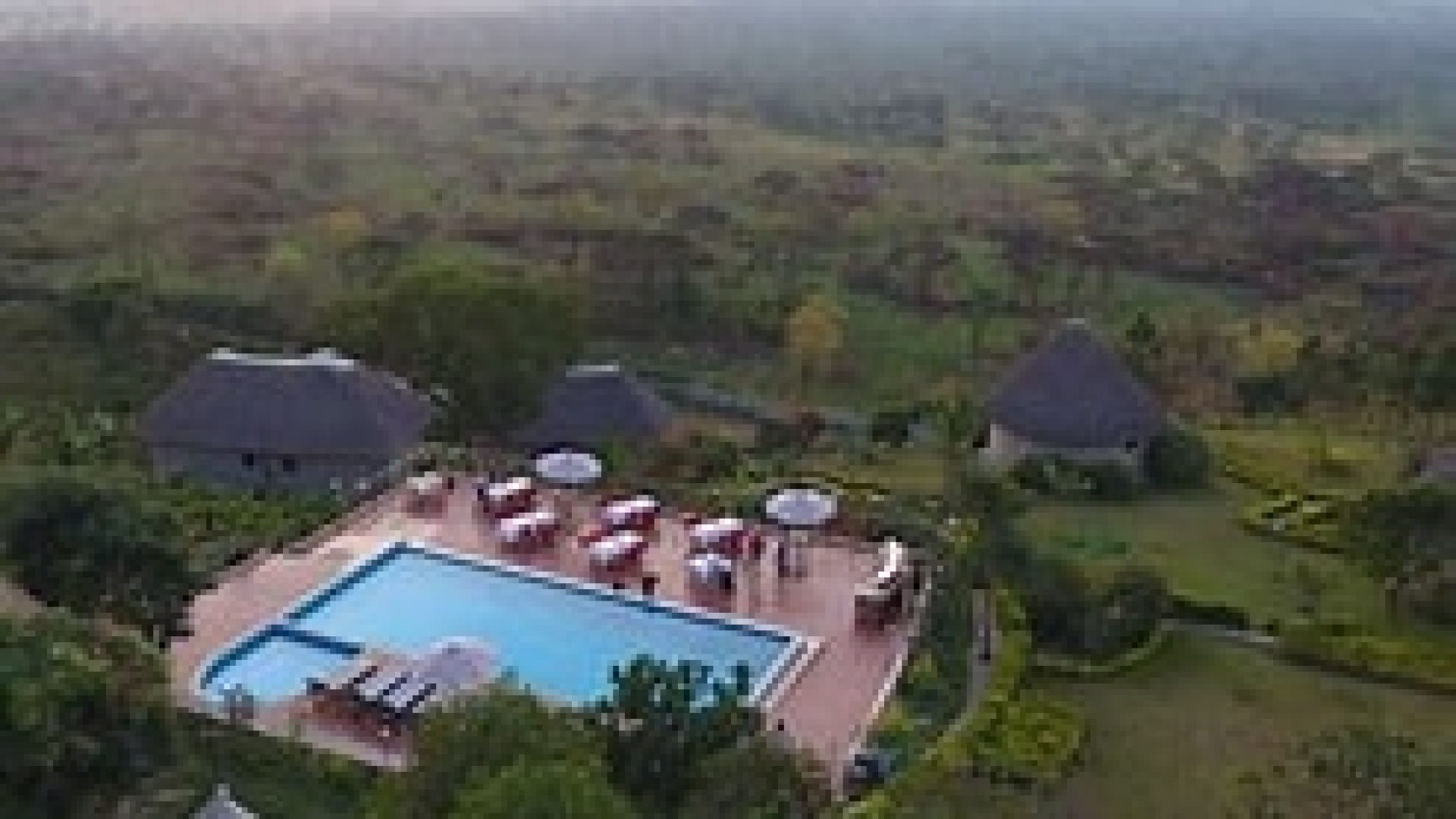
For a 6-day Uganda safari, top accommodation options range from luxury lodges to budget-friendly camps near national park gates. Key stays include Paraa Safari Lodge (Murchison Falls), Primate Lodge (Kibale), and Bwindi Lodge or Clouds Mountain Gorilla Lodge (Bwindi), offering comfort near major attractions.
6-days-best-of-murchison-and-kidepo-uganda-safari-via-ziwa
6-days-safari-in-uganda-gorilla-trekking-and-chimpanzee-tracking
6-days-classic-uganda-rwanda-primate-and-wildlife-safari
6-days-uganda-primate-safari-and-wildlife-experience
6-days-budget-uganda-wildlife-safari-holiday-vacation
6-days-double-gorilla-trekking-uganda-and-rwanda-side
6 Days Uganda safari holiday
Embarking on a 6-day Uganda safari offers a profound immersion into the "Pearl of Africa," a land where the mist-covered mountains of the southwest meet the vast, golden savannas of the west. This meticulously crafted itinerary is designed to showcase the country's most iconic treasures: the rare mountain gorillas of Bwindi, the playful chimpanzees of Kibale, and the diverse wildlife of Queen Elizabeth National Park. Uganda is a sanctuary of biodiversity, boasting over half of the world's remaining mountain gorilla population and a staggering array of birdlife and primates. Beyond the wildlife, the journey invites you to connect with the warm, vibrant culture of the local communities and marvel at the dramatic geography of the East African Rift Valley. From the thunderous roar of the Kazinga Channel to the silent, ancient depths of the impenetrable forest, this safari promises a transformative adventure that balances adrenaline-fueled trekking with serene moments of natural reflection.
Day 1: Journey to the Primate Capital
Your adventure begins with a scenic drive from Kampala or Entebbe, heading west toward the lush landscapes of Kibale National Park. As you leave the bustling city behind, the scenery transforms into a vibrant tapestry of rolling hills, traditional homesteads, and sprawling tea plantations that paint the hillsides in shades of emerald. A highlight of the journey is a stop at the Equator crossing, where you can stand in both hemispheres simultaneously and witness fascinating water experiments. After a traditional Ugandan lunch in a local town like Fort Portal—nestled in the shadows of the fabled "Mountains of the Moon"—you will continue into the heart of the forest. Arriving at your lodge in the late afternoon, the air cools and the sounds of the jungle begin to emerge. This evening is reserved for settling in and preparing for the primate encounters that await you in the dense canopy tomorrow.
Day 2: Chimpanzee Tracking and Bigodi Wetland
The morning begins with an exhilarating trek into Kibale Forest, home to the densest population of primates in East Africa. Guided by expert rangers, you will track a community of habituated chimpanzees, listening for their distinctive pant-hoots echoing through the trees. The encounter is electric; watching our closest relatives play, groom, and swing through the branches is a rare privilege. The forest also reveals red-tailed monkeys, L’Hoest’s monkeys, and grey-cheeked mangabeys. In the afternoon, the adventure shifts to the Bigodi Wetland Sanctuary, a community-run initiative that protects a rich swamp ecosystem. A guided nature walk here offers world-class birdwatching, including the magnificent Great Blue Turaco, and further primate sightings. This visit provides a beautiful look at how local communities coexist with wildlife. You will return to the lodge for a quiet evening, reflecting on a day spent in one of Africa’s most ancient and diverse rainforests.
Day 3: Savanna Secrets of Queen Elizabeth Park
After breakfast, you will bid farewell to the forest and drive south toward Queen Elizabeth National Park. The route offers breathtaking views of the Rwenzori Mountain ranges and passes through dozens of ancient crater lakes dotting the landscape. Upon entering the park, the scenery shifts to open savanna, where the quest for the "Big Five" begins. After lunch and a brief rest, you will head to the Kazinga Channel for a legendary afternoon boat safari. This 40-kilometer natural waterway connects Lake Edward and Lake George and hosts one of the world's highest concentrations of hippos. From the safety of the boat, you will see massive Nile crocodiles basking on the banks, elephants coming down to drink, and a kaleidoscope of water birds. The day concludes with a sunset drive back to your lodge, overlooking the vast plains where predators begin their nightly hunt.
Day 4: Tree-Climbing Lions and the Great Rift
The day starts with an early morning game drive through the Kasenyi plains, the park's primary breeding ground for Uganda Kobs. This is the best time to spot lions and elusive leopards as they retreat from the morning sun. After a hearty brunch, you will journey toward the southern Ishasha sector of the park. Ishasha is world-famous for its unique population of tree-climbing lions, which can often be found draped over the sturdy branches of ancient fig trees to escape the ground heat and insects. Watching these majestic predators lounging high above the ground is a sight found in few other places on Earth. As you continue further south, the terrain becomes more rugged and mountainous, signaling your entry into the Kigezi Highlands, often called the "Switzerland of Africa." You will reach the fringes of the Bwindi Impenetrable Forest by evening, where the air is crisp and the anticipation for gorillas builds.
Day 5: The Ultimate Gorilla Trekking Experience
Today marks the pinnacle of your Ugandan safari: trekking the mountain gorillas. After a briefing at the park headquarters, you will be led by rangers into the ancient, tangled vegetation of Bwindi. The trek can be physically demanding, involving steep ridges and thick undergrowth, but the reward is unparalleled. When you finally locate the gorilla family, time seems to stand still. You will have one hour to observe these gentle giants as they feed, play, and interact in their natural habitat. The sheer size of the silverback and the human-like expressions of the infants create a profound emotional connection. After the trek, if time permits, you may visit the local Batwa community—the original "people of the forest"—to learn about their ancient hunter-gatherer culture and traditional songs. This evening is a time of celebration and reflection on a truly life-changing encounter with one of the world's most endangered species.
Day 6: Departure via the Kigezi Highlands
On your final day, you will enjoy a relaxed breakfast while watching the mist rise off the forest canopy. The return journey to Entebbe or Kampala is long but incredibly scenic, offering one last look at the terraced hills of the Kigezi region. You will stop in Mbarara for lunch, often at the Igongo Cultural Centre, where you can explore a museum dedicated to the history of the Ankole kingdom. A final stop at the Equator allows for last-minute souvenir shopping, where you can find beautiful handmade crafts, bark cloth art, and local spices to take home. As you approach the city in the late afternoon, you will carry with you the memories of the primates, the vast savannas, and the incredible warmth of the Ugandan people. Your safari concludes with a transfer to the airport or your hotel, marking the end of an unforgettable East African odyssey.
1. Where do I sleep during a 6-day Uganda safari?
Accommodation on a 6-day Uganda safari is as much a part of the adventure as the wildlife itself. Because Uganda’s top attractions—gorillas, chimpanzees, and savannah giants—are spread across different ecosystems, your "home" will change every few days. You will likely start in a boutique guesthouse in Entebbe or Kampala, characterized by lush gardens and colonial architecture. As you move into the wild, the architecture shifts to reflect the environment.
In Kibale or Bwindi, you’ll find eco-lodges built with local timber and stone, designed to blend into the canopy. Many of these are "tented camps," which shouldn't be confused with basic camping. These are permanent structures with canvas walls, wooden floors, and full en-suite bathrooms, allowing you to hear the sounds of the forest while sleeping in a plush bed. For those on a budget, "bandas"—traditional thatched-roof huts—provide a rustic but cozy experience. On the higher end, luxury lodges offer private decks, plunge pools, and floor-to-ceiling windows. The common thread across all tiers is an emphasis on nature; whether you are in a tent or a stone villa, the goal is to keep you connected to the wilderness.
2. Are the lodges located inside or outside the national parks?
The choice between staying inside or outside park boundaries is a trade-off between immersion and cost. Lodges located inside the parks, such as those in Murchison Falls or Queen Elizabeth, offer an unparalleled "safari feel." You wake up to the sounds of hippos or the distant roar of a lion, and your game drive begins the moment you pull out of the driveway. This saves time on transit, especially during the "golden hours" of dawn and dusk when wildlife is most active. However, staying inside often comes with higher park concession fees added to your room rate.
Staying outside the park boundaries, often in "gateway" towns or community lands, is generally more budget-friendly. In Bwindi, many lodges sit right on the edge of the forest, providing the same view as internal lodges without the same price tag. Staying outside also allows for more interaction with local communities, as you might walk through a village or visit a local market on your way to the park gate. For a 6-day trip, a mix is often best: stay inside the savannah parks for the wildlife proximity, but consider well-reviewed lodges just outside the forest parks to balance the budget.
3. What are the best luxury lodges in Bwindi Impenetrable National Park?
Bwindi is home to some of Africa’s most exclusive properties, designed to provide a sanctuary after the physical demands of gorilla trekking. Clouds Mountain Gorilla Lodge is perhaps the most famous, situated at over 2,000 meters above sea level. Guests stay in massive stone cottages with fireplaces—essential for the chilly nights—and enjoy views that stretch across the Virunga Volcanoes into the Congo. Nkuringo Bwindi Gorilla Lodge is another standout, recently winning awards for its eco-luxury approach and stunning views of the Kashasha River Valley.
In the Buhoma sector, Buhoma Lodge offers a more classic forest experience, with chalets tucked directly into the greenery. The service at these lodges is highly personalized; you’ll often have a private butler to clean your muddy boots after a trek or prepare a hot bath. These properties focus on "barefoot luxury," where the opulence comes from the silence, the view, and the rarity of the experience rather than gold-plated fixtures. Staying here means supporting conservation, as these lodges often work closely with the Uganda Wildlife Authority to protect the gorillas' habitat.
4. What are the best lodges for chimpanzee trekking in Kibale Forest?
Kibale National Park is the primate capital of the world, and the lodges here reflect that forest-centric atmosphere. Kyaninga Lodge is a feat of engineering, built entirely of hand-carved logs on the rim of a volcanic crater lake. It offers some of the most dramatic views in Uganda and is a favorite for those who want a spa-like atmosphere. For those who want to be as close to the chimpanzees as possible, Primate Lodge Kibale is located right at the trekking start point. It offers luxury cottages and even a "sky tree house" for the truly adventurous.
Ndali Lodge and Crater Safari Lodge offer a different vibe, focusing on the stunning landscape of the Kasenda Crater Lakes. Ndali is famous for its old-world charm, lit by candles and lanterns at night, creating a deeply romantic and nostalgic safari atmosphere. These lodges are perfect for the middle of a 6-day trip, providing a lush, green contrast to the savannahs you might visit later. The proximity to the forest means you’ll likely see Black-and-white Colobus monkeys or Red-tailed monkeys right from your balcony.
5. What is the accommodation like in Murchison Falls National Park?
Accommodation in Murchison Falls is defined by the mighty Nile River. The park is split by the river, and the best lodges take full advantage of this. Nile Safari Lodge and Baker’s Lodge are high-end options where rooms are positioned just meters from the water’s edge. It’s common to see elephants drinking or hippos wallowing right in front of your deck. These lodges emphasize eco-minimalism, using natural materials that don't distract from the river's power.
Paraa Safari Lodge offers a more traditional, large-scale hotel experience with a massive swimming pool—a huge plus in the heat of Murchison. It has a colonial-era theme, reminiscent of early African explorers. On the south bank, you’ll find more budget and mid-range options like Murchison River Lodge, which offers a variety of "lazy camping" tents and thatched cottages. The heat in Murchison is significantly higher than in Bwindi or Kibale, so look for lodges with good airflow, fans, or pools. The sound of the Victoria Nile is the constant soundtrack to your stay here.
6. Do Uganda safari lodges have electricity and internet?
Navigating technology in the bush requires a bit of expectation management. Most lodges in Uganda operate off the grid, relying on solar power arrays and backup generators. This means you will have electricity to charge your camera, phone, and laptop, but you might find that power is only available during specific hours (usually morning and evening). High-wattage items like hair dryers are often discouraged because they can trip the solar system. Hot water is usually provided by solar heaters or "donkey boilers" (wood-fired heaters), so it’s always a good idea to shower when the sun is up or shortly after dark.
Internet connectivity is the bigger challenge. While most lodges claim to have Wi-Fi, it is typically restricted to the main lounge or dining area, not the individual rooms. The connection is often via satellite or cellular routers, meaning it can be slow or non-existent during heavy rain. For a 6-day safari, it’s best to treat the trip as a "digital detox." If you absolutely need to stay connected, buying a local SIM card (MTN or Airtel) with a data bundle is usually more reliable than relying on lodge Wi-Fi, though even cellular signals can vanish in the deep valleys of Bwindi.
7. Are meals included in the accommodation?
One of the best parts of a 6-day Uganda safari is the food, which is almost always included on a "full board" basis. This means your breakfast, lunch, and dinner are covered in the price of your stay. Because these lodges are remote, they can't easily pop to a grocery store, so menus are usually set or offer a few choices. Breakfast typically involves a "full English" style with eggs, sausages, and amazing Ugandan fruit (the pineapple and tiny bananas are world-class).
Lunch might be served at the lodge, or if you are out on a long game drive or trekking gorillas, the lodge will provide a "packed lunch" box. These are famously hearty, often containing roast chicken, a hard-boiled egg, fruit, juice, and a sandwich. Dinner is usually a three-course affair, often starting with soup, followed by a protein-heavy main and a dessert. Many lodges grow their own organic vegetables on-site. While food is included, drinks—especially sodas, beer, and spirits—are often billed separately at the end of your stay. Always let your tour operator know about dietary restrictions (vegan, gluten-free, etc.) well in advance, as lodges need time to fly in special ingredients.
8. What is the difference between midrange and luxury lodges?
The jump from mid-range to luxury in Uganda is less about "stuff" and more about "space, service, and location." A mid-range lodge (like Haven Lodge in Buhoma or Kasenyi Safari Camp in Queen Elizabeth) provides a very comfortable, clean, and private room with an en-suite bathroom and good food. You have everything you need for a great trip, and the staff will be incredibly welcoming. The rooms are usually closer together, and the menu might be a bit more limited.
A luxury lodge (like Kyambura Gorge Lodge or Sanctuary Gorilla Forest Camp) levels up by offering massive amounts of private space. Your "room" might actually be a 1,000-square-foot villa. Luxury lodges also boast the best locations—the ones with the clearest views of the volcanoes or the most frequent wildlife visitors. You’ll also see a higher staff-to-guest ratio, meaning someone is always there to hand you a cold towel after a game drive or escort you to your room at night. Features like swimming pools, spa treatments, and premium imported wines are hallmarks of the luxury tier. For many, mid-range is the "sweet spot" for value, but luxury is worth it for a milestone celebration.
9. Can I go camping on a 6-day safari?
Camping is a fantastic way to experience Uganda if you are on a tight budget or want to feel completely immersed in nature. Most national parks have designated UWA (Uganda Wildlife Authority) campsites. Some are "basic," providing only a cleared patch of ground and a pit latrine, while others are "private sites" located in beautiful corners of the park. If you choose to camp, you generally have two options: a fully serviced mobile camping safari (where a crew sets up high-quality tents, beds, and a kitchen for you) or self-drive camping where you bring your own gear.
Camping in Uganda is safe as long as you follow park rules. In places like Murchison Falls or Queen Elizabeth, you might wake up to see an elephant wandering through the camp—an exhilarating experience, provided you stay inside your tent. However, camping isn't always the best choice for the 6-day "western circuit" because of the rain. Bwindi and Kibale are rainforests, and packing up a wet tent in the morning can be a hassle. Many budget travelers opt for "lazy camping" instead, where you stay in a permanent, pre-set tent with a bed, giving you the camping vibe without the gear logistics.
10. What are the best options for a budget 6-day safari?
Budget travel in Uganda doesn't have to mean "low quality." There are excellent community-run and independent guesthouses that offer a warm, authentic experience for a fraction of the cost of big lodges. Buhoma Community Rest Camp is a classic choice in Bwindi; it's right at the park entrance and the profits go directly back into local schools and clinics. In Kibale, Rwenzori View Guesthouse in nearby Fort Portal is legendary for its home-cooked meals and cozy, family-style atmosphere.
In the savannah parks, look for "Tented Camps" that cater to the budget crowd, such as Pumba Safari Cottages near Queen Elizabeth. These places offer simple, clean rooms and focused service. The key to a successful budget safari is being prepared for the basics: you might have a mosquito net instead of an air conditioner, and your shower might be a "jerrycan shower" (where hot water is poured into a bag), but the view of the sunset over the savannah is exactly the same as the one from the luxury lodge next door.
11. Is there accommodation in the Rushaga sector of Bwindi?
The Rushaga sector, located in the southern part of Bwindi, has become one of the most popular areas for trekking because it has the highest number of habituated gorilla families. Consequently, a mini-hub of accommodation has sprung up there. Rushaga Gorilla Lodge is a great mid-range to luxury option that is within walking distance of the briefing point. Gorilla Valley Lodge is unique because it sits on the very border of the park; animals frequently cross into the lodge gardens, and the rooms are designed so that every guest faces the "wall" of the forest.
Ichumbi Gorilla Lodge is another excellent choice, offering a bit more modern comfort and great food. Rushaga is generally more mountainous and rugged than the northern Buhoma sector, so the lodges here often feature steep paths and dramatic misty views. Staying in Rushaga is highly recommended if you want a slightly more "wild" feel, as it is further from the main tourist trail of Fort Portal and Kasese.
12. How far in advance should I book my accommodation?
Timing is everything for a Uganda safari. Because gorilla permits are limited to 8 people per gorilla family per day, the permits usually sell out months in advance. Once you have your permits, you must secure your lodge immediately. For travel during the Peak Season (June–September and December–February), you should book at least 6 to 9 months in advance. The top-tier luxury lodges often fill up a year out because they only have 8 to 10 rooms.
If you are traveling in the Low Season (March–May and October–November), you might be able to book only 2 or 3 months out, and you might even find discounted "resident" or "off-season" rates. However, keep in mind that these are the rainy seasons; while the parks are lush and beautiful, trekking can be much more difficult. For a short 6-day trip, your schedule is tight, so having everything locked in early ensures you don't waste time driving between far-flung lodges because your first choice was full.
13. Do lodges offer laundry services?
Yes, laundry is a standard service at almost all mid-range and luxury lodges in Uganda. This is particularly helpful on a 6-day trip where you are trying to pack light but might get very muddy during gorilla or chimp trekking. Typically, you leave your clothes in a basket in your room in the morning, and they are returned to you the next evening, washed and ironed.
There are two things to keep in mind: First, laundry is often done by hand and dried in the sun. In the rainforests, things take a long time to dry, so don't expect a same-day turnaround if it's raining. Second, due to local cultural norms, many lodges will not wash "smalls" (undergarments). They will provide laundry soap in your room so you can wash those yourself. In luxury lodges, laundry is often included in the price; in mid-range and budget spots, you'll pay a small fee per item (usually $1–$3).
14. Are the lodges safe and secure?
Safety is a top priority for safari operators in Uganda. Lodges located inside national parks are patrolled by Uganda Wildlife Authority (UWA) rangers, and most lodges employ their own private security guards (often called "askaris"). These guards are there not just for people, but for animals. At night, it is standard practice for a guard to escort you from the dining hall to your room to ensure you don't stumble upon a grazing hippo or a buffalo in the dark.
Inside the rooms, you'll usually find a safe for your valuables. While Uganda is generally very safe for tourists, the lodges are often in remote areas where "opportunistic" wildlife (like monkeys or baboons) might try to enter your room if you leave windows open or food lying around. Always listen to the safety briefing provided by the lodge manager upon arrival. They will tell you the "rules of the house," which usually include not walking alone at night and keeping your tent zipped shut.
15. Can I see animals from my lodge?
Absolutely. One of the highlights of a Ugandan safari is "armchair or porch safari." In Queen Elizabeth National Park, lodges like Kasenyi Safari Camp or Mweya Safari Lodge overlook plains or water channels where elephants, kobs, and even lions are frequently seen. In Murchison Falls, the river-side lodges are essentially 24/7 wildlife viewing platforms for hippos and crocodiles.
In the forest parks (Bwindi and Kibale), you are less likely to see large mammals from your room, but the birdlife and primate sightings are incredible. You might see Great Blue Turacos or L'Hoest's monkeys right from your balcony. Some lodges even have "resident" animals; for example, a particular elephant might visit a lodge's watering hole every afternoon. This is why choosing a lodge with a good view or a veranda is so important—it allows the safari to continue even when you aren't on a game drive.
Booking 6 Days Uganda safari with us Roads of Adventure safaris
Booking a 6-day Uganda safari with Roads of Adventure Safaris offers several itinerary options that typically focus on the country's most iconic wildlife and primate experiences. You can contact them directly via their enquiry page or call at +256 701 041637
