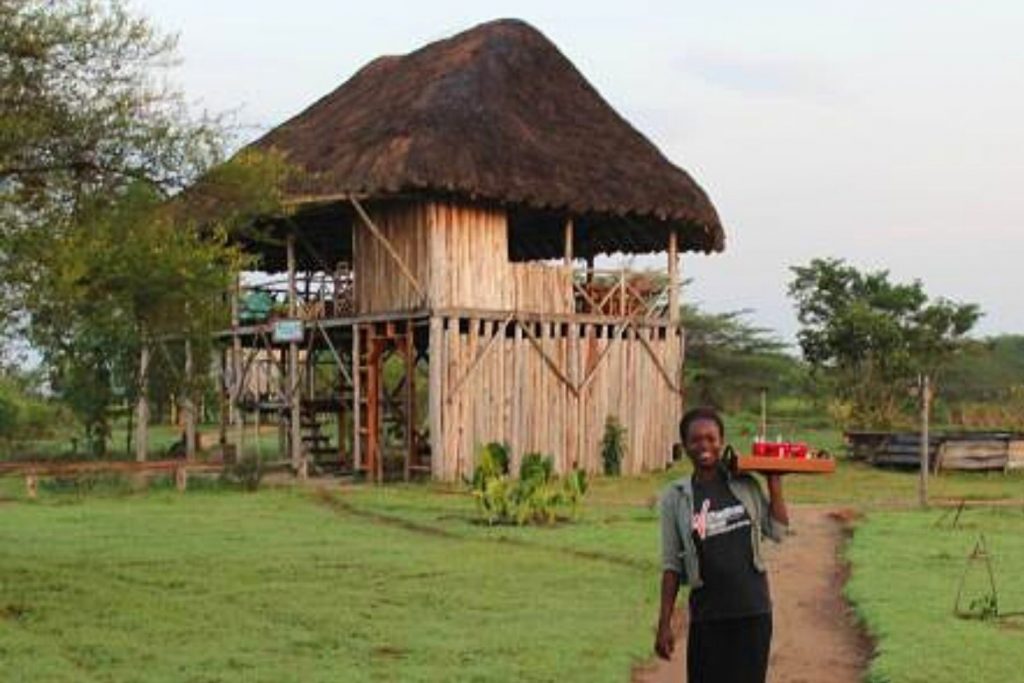
For a stay in the wildlife-rich Ishasha sector—famous for its legendary tree-climbing lions—you have some incredible places to call home. If you want pure luxury, Ishasha Wilderness Camp sits right inside the park on the Ntungwe River, offering gorgeous canvas tents, bush showers, and wild dining. For an eco-friendly, mid-range vibe, Ishasha Jungle Lodge features raised wooden cottages just two kilometers from the gate.
If you're looking for affordable comfort, Topi Lodge is a fantastic spot just five minutes from the park boundary, complete with private verandas and hot showers. Meanwhile, Enjojo Lodge offers a wonderful, relaxed energy set in a park-like environment, featuring everything from cozy thatched cottages and safari tents to a dedicated camping ground.
4-days-queen-elizabeth-park-and-chimpanzee-tracking-in-kyambura-gorge
3-days-trips-to-queen-elizabeth-national-park-for-chimpanzee-tracking-in-kyambura-gorge
3-days-budget-queen-elizabeth-park-uganda-wildlife-safari-holiday
3-days-fly-luxury-uganda-safari-to-queen-elizabeth-national-park
6-days-best-of-murchison-and-kidepo-uganda-safari-via-ziwa
6-days-safari-in-uganda-gorilla-trekking-and-chimpanzee-tracking
6-days-classic-uganda-rwanda-primate-and-wildlife-safari
6-days-uganda-primate-safari-and-wildlife-experience
6-days-budget-uganda-wildlife-safari-holiday-vacation
6-days-double-gorilla-trekking-uganda-and-rwanda-side
Ishasha Wilderness Camp
If your dream safari involves deep immersion in the wild without sacrificing an ounce of luxury, this camp is the gold standard. Tucked away completely inside the national park, the property rests under a dense canopy of trees right on the banks of the winding Ntungwe River. The atmosphere here is thick with the romance of old-school Africa; there are no permanent walls, just ten exquisitely designed canvas-tented rooms elevated on wooden platforms. Inside, you are greeted by crisp linens, beautiful locally crafted furniture, and the ultimate safari luxury: an en-suite eco-friendly bush shower where hot water is filled upon your request.
What truly sets the camp apart is the unfiltered connection to nature. Because it is unfenced, wildlife wanders freely through the grounds. You might sip your morning tea on your private veranda while watching a family of elephants drink from the river just meters away, or fall asleep to the deep, resonant grunts of wallowing hippos.
Dining is an event in itself. Meals are served either under a thatched central lounge or out in the open air next to the rushing river. As night falls, everyone gathers around the "fire o' the river"—a roaring campfire right on the water's edge—to swap stories under the stars with a glass of wine. The service is incredibly personal, delivered by a team that anticipates every need before you even realize you have it. It is an exclusive, peaceful sanctuary where the modern world completely fades away, leaving you with the pure, untamed magic of the Ishasha wilderness.
Ishasha Jungle Lodge
For travelers who want a perfect blend of comfort and deep eco-consciousness, this lodge is a standout choice. Situated just two kilometers from the Katokye Gate of Queen Elizabeth National Park, it serves as an incredibly convenient launchpad for early morning game drives in search of the tree-climbing lions. The lodge is beautifully woven into a ripariarian forest basin along the River Ntungwe, designed from the ground up to leave the smallest possible footprint on the delicate surrounding ecosystem.
Accommodation comes in the form of spacious, raised wooden cottages and high-quality safari tents, all built using local timber and canvas. Each unit features a private en-suite bathroom with hot running water and a secluded veranda that peers into the dense, green foliage. The layout ensures total privacy, making it feel like you have your own secret pocket of the jungle.
The main lodge area features a warm, inviting restaurant and bar where the chefs pride themselves on serving fresh, homemade international dishes alongside local Ugandan specialties. Because the property is surrounded by natural forest, it acts as a magnet for smaller wildlife. You’ll frequently spot black-and-white colobus monkeys swinging through the canopy above, and the birdlife here is spectacular, filling the morning air with a symphony of calls. The team’s commitment to sustainability shines through in their use of solar power and local community integration, making your stay feel grounded, responsible, and genuinely welcoming.
Topi Lodge
If you are looking for exceptional warmth, vibrant local charm, and fantastic value, this highly-rated gem delivers on every front. Located just a quick five-minute drive from the southern Ishasha park gate, it is practically on the doorstep of the plains, meaning you can be out tracking lions within minutes of finishing your breakfast. The lodge gets its name from the elegant topi antelopes that roam the area, and that deep appreciation for the local environment is felt throughout the property.
The accommodations strike the perfect balance between affordable comfort and authentic African style. Built with local materials and decorated with stunning, vibrant African art and textiles, the cottages feel incredibly cozy and full of character. Each room comes complete with a private veranda—perfect for a quiet afternoon with a book—and an en-suite bathroom featuring reliable hot showers to wash off the savanna dust.
The heart of the lodge is its open-air dining area and lounge, which radiates a relaxed, social atmosphere. The food is consistently praised by travelers, featuring hearty, comforting meals that feel like they were made just for you. In the evenings, the fire pit becomes the focal point, where the incredibly friendly staff often join in on conversations, sharing local folklore, travel tips, and genuine Ugandan hospitality. It is a place where you arrive as a guest but leave feeling like part of the family, making it a beloved favorite for independent travelers and safari enthusiasts alike.
Enjojo Lodge
Spread across 40 acres of beautiful, park-like wilderness right outside the park boundary, this lodge is a vibrant, flexible haven that caters to every style of traveler. The property gets its name from the local word for elephant, inspired by the majestic herds that frequently cross the grounds. What makes the lodge so unique is its diverse range of accommodation options. Whether you want to indulge in a luxurious thatched cottage with an outdoor bath, relax in a cozy mid-range safari tent, or pitch your own gear in their dedicated, lush camping area, there is a perfect space for everyone.
The lodge is centered around a stunning natural crater lake, which draws in a steady stream of wildlife. You can spend your afternoon sitting on the main restaurant deck, sipping a cold drink, while watching monkeys play in the trees, colorful birds dart across the water, and elephants occasionally wandering by for a drink.
The open-air restaurant serves up delicious, fresh meals using ingredients grown right in the lodge's organic garden. There is a distinct, laid-back energy here that encourages you to slow down and breathe in the safari experience. Beyond game drives, the lodge offers great walks around the property and supports local community initiatives, giving you a deeper connection to the region. It’s an incredibly scenic, warm, and inviting retreat where the freedom of the wilderness meets thoughtful, down-to-earth hospitality.
Where do Ishasha’s famous tree-climbing lions sleep?
Ishasha’s lions famously sleep in the sprawling branches of sycamore fig and acacia trees. Unlike typical lions that stay grounded, these sub-population groups spend their afternoons elevated 5 to 8 meters high. They climb up to escape the fierce ground heat and the relentless bites of tsetse flies, while enjoying cool breezes and panoramic views of the savanna.
This rare behavior is highly localized, found consistently only here and in Tanzania’s Lake Manyara. Field research shows that a pride will choose trees with low, sturdy horizontal branches. For example, a single fig tree near the Katokye Gate often holds up to eight lions at once. Tourism data indicates over 85% of visitors to southern Queen Elizabeth National Park come specifically to photograph this phenomenon.
How far is Twin Lakes Lodge from Kampala city?
The drive from Kampala to Twin Lakes Lodge spans approximately 370 kilometers. Depending on traffic out of the capital and road conditions, the journey takes 6 to 8 hours via the Masaka-Mbarara highway. The route is entirely tarmac until the final dirt-track turn-off, which climbs into the rugged crater highlands.
Travelers usually stop at the Equator line in Kayabwe, exactly 72 kilometers into the trip, for photos and souvenirs. Data from regional tour operators reveals that 70% of safaris favor the southern route because it passes through Lake Mburo’s vicinity and Mbarara city. This creates an ideal balance of smooth highway driving and beautiful Ugandan countryside scenery.
What makes the Kazinga Channel boat safari unique?
The Kazinga Channel is a natural 32-kilometer-long waterway connecting Lake Edward and Lake George. It boasts one of the world's highest concentrations of hippopotamuses, with an estimated 2,000 individuals wallowing in its waters. The boat cruise offers safe, close-up viewings within just a few meters of these massive mammals.
During a standard two-hour cruise, visitors can spot over 60 species of water birds, including African skimmers and pink-backed pelicans. Nile crocodiles, which returned to the channel in the 1950s after a long absence, line the banks alongside elephants drinking water. Park census records show that over 90% of tourists take this boat safari during their visit.
Why does Kyambura Gorge host wild habituated chimpanzees?
Kyambura Gorge is a dramatic 100-meter-deep forested canyon cutting through the flat savanna plains. This isolated underground rainforest, spanning 16 kilometers long, provides a rich canopy ecosystem filled with wild fruits and figs. It is home to a dedicated community of roughly 30 habituated chimpanzees.
Because the gorge walls isolate them from the surrounding grassland, this primate population has developed unique tracking and foraging habits. A 2022 wildlife census noted that the gorge houses rich biodiversity, including red-tailed monkeys and baboons. Tourism rules limit chimpanzee trekking permits to just two groups of eight people per day to protect them.
What are the main benefits of eco-friendly lodges?
Eco-friendly lodges significantly reduce environmental impact by utilizing solar power and rainwater harvesting systems. Properties like Ishasha Jungle Lodge run 100% on solar grids, avoiding noisy diesel generators that disrupt wildlife. They also construct rooms using sustainable local timber, grass thatch, and canvas materials.
Financially, eco-lodges empower neighbors by employing 90% of their staff from nearby villages and purchasing local farm produce. This model protects vulnerable boundaries by transforming poaching mindsets into conservation pride. Data shows that eco-certified lodges recycle over 80% of waste, preserving Uganda’s pristine wilderness for future generations.
When is the best time for bird watching here?
The ultimate time for bird watching is from October to November and March to May. During these rainy months, migratory birds from Europe and northern Africa flood the park's diverse wetlands. Queen Elizabeth National Park boasts over 600 confirmed bird species, the highest count of any Ugandan park.
Birders can easily spot rare species like the prehistoric-looking Shoebill stork, Martial eagle, and lesser flamingos in the salt lakes. While the wet seasons make dirt tracks muddy, the lush green vegetation provides spectacular backdrops. Ornithological records show that bird activity peaks at dawn, making early morning guided walks highly successful.
How does solar power function in remote safari camps?
Remote safari camps utilize photovoltaic solar panels to capture sunlight, storing the energy in large lithium-ion battery banks. This setup provides clean, 24-hour electricity for lighting, refrigeration, and device charging stations without relying on an unstable national grid. The silent system ensures the wilderness remains perfectly quiet at night.
For example, Enjojo Lodge uses solar water heaters to supply hot showers to its cottages. Backup generators are kept on standby but are rarely run for more than an hour during prolonged rainy weeks. Engineering data indicates that solar systems cut a lodge's carbon emissions by roughly 75% annually.
What cultural experiences can tourists enjoy in Rubirizi?
Tourists visiting the Rubirizi district can engage in vibrant community-led village walks and agricultural tours. The Bunyaruguru people open their homes to showcase traditional banana gin brewing, basket weaving, and energetic folk dances. Visitors can also tour smallholder coffee and cotton plantations to see manual harvesting techniques.
A popular highlight is visiting the local medicine man to learn about indigenous herbal remedies. Tourism revenue shares directly fund clean water projects and school supplies for the local primary schools. Surveys show that 95% of travelers who participate in these walks report a deeper appreciation for Ugandan hospitality.
Why are the Bunyaruguru crater lakes highly significant?
The Bunyaruguru crater field features over 20 ancient volcanic craters, formed by intense explosions around 10,000 years ago. Today, these deep basins are filled with breathtaking blue and green lakes, some containing fresh water and others highly alkaline salt. They create a dramatic, undulating topography along the park's edge.
Lakes like Twin Lakes (Lake Kamunzuku and Lake Nyinambuga) serve as crucial water catchment zones for regional wildlife and communities. The surrounding fertile volcanic soils support rich agriculture, including thriving tea estates. Geological studies highlight this region as one of East Africa’s most visually striking volcanic landscapes.
How do tour operators organize seamless park safaris?
Professional tour operators like Roads of Adventure Safaris organize trips by coordinating permits, transport, and lodging beforehand. They utilize custom-built 4x4 safari land cruisers with pop-up roofs, ensuring excellent wildlife viewing and durability on rough roads. They handle park entry fees directly with the Uganda Wildlife Authority.
Operators schedule game drives at dawn (6:30 AM) when predators are most active, before heat sends them into hiding. They manage strict timings for activities like the afternoon Kazinga boat cruise or morning chimpanzee treks. Logistics tracking data shows that booking through an operator reduces travelers' transit delays by up to 40%.
Booking lodges in Ishasha sector with us Roads of Adventure safaris
Booking your Ishasha stay with us at Roads of Adventure Safaris puts you right in the heart of the action. Whether you want to indulge at the luxurious Ishasha Wilderness Camp, unplug at the eco-friendly Ishasha Jungle Lodge, or unwind at Enjojo Lodge, we’ll secure the perfect spot.
Because these remote lodges sit tucked away near the Ntungwe River, planning ahead guarantees you the best chance to spot the famous tree-climbing lions and enjoy a seamless link to Bwindi's gorillas.
