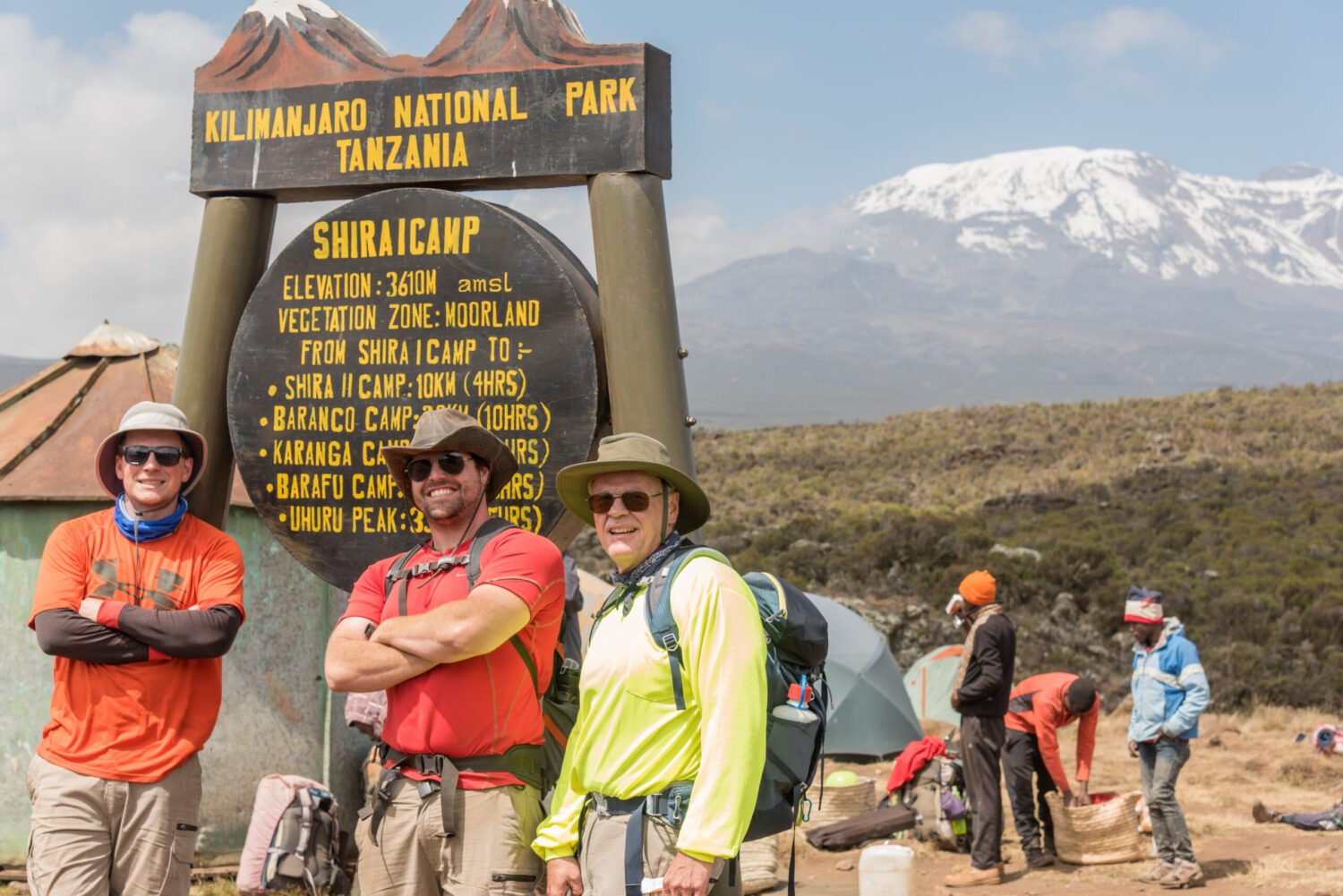
If you are planning a Mount Kilimanjaro hike, timing your trek during the dry seasons from January to mid-March or June to October is your best bet for successfully reaching Uhuru Peak, which stands at a towering 5,895 meters (19,341 feet). The earlier months of the year offer slightly warmer conditions, crisp mornings, and quieter trails, while the June-to-October window provides the absolute stablest weather, though you will be sharing the routes with peak-season crowds. Tackling the mountain during these optimal dry windows can boost your summit success rate to over 85% on routes like Lemosho or Machame, compared to the risky rainy seasons. While November brings short, manageable afternoon showers, you should definitely avoid the heavy mud, whiteout fog, and bone-chilling sub-zero temperatures of the main rainy season in April and May unless you are a highly experienced mountaineer. Ultimately, aligning your trek with the dry months gives you the clearest skies, safest trails, and your best possible shot at standing on the "Roof of Africa."
Some of the popular Mountain Kilimanjaro hike tour packages
12-days-kilimanjaro-and-safari-in-northern-tanzania-safari-parks
10-days-best-kilimanjaro-hike-serengeti-safari-tour-and-ngorongoro-tour-combo
9-days-northern-circuit-kilimanjaro-climb-adventure
8-days-lemosho-route-kilimanjaro-climb
7-days-kilimanjaro-climb-and-hiking-safari-ascent-to-peak
6-days-best-kilimanjaro-climb-via-marangu-route
6-days-kilimanjaro-climb-via-umbwe-route
5-day-kilimanjaro-climb-marangu-route
Breaking Down the Seasons
January – March: The Sweet Spot
These months offer a fantastic window with warmer daytime temperatures and crisp, clear mornings. Because they fall just outside the major European and North American summer holidays, the trails are far more peaceful. For example, popular routes like Lemosho and Machame see a significant drop in foot traffic compared to July, allowing you to enjoy the stunning Shira Plateau without tripping over other trekking groups. Best of all, the stable, clear weather during this short dry window keeps summit success rates high, often sitting around 85% to 90% for standard 7-to-8-day itineraries.
June – October (Peak Window)
This is the absolute peak climbing season on the mountain. It provides the driest, most reliable weather of the entire year, which naturally drives the highest summit success rates—frequently exceeding 90% on longer, well-acclimatized routes. However, that stability comes with a compromise: massive crowds. If you choose to climb during July or August, expect bustling campsites like Barafu Camp or Barranco Camp, where you will be sharing the space, social vibes, and bathroom lines with hundreds of fellow adventurers from around the globe.
November (Budget Gamble)
Known as the "short rains" season, November is a distinct transition period. The mountain experiences brief, predictable afternoon showers rather than all-day downpours, meaning you can still get beautifully clear mornings for hiking. This is the ultimate time for crowd-averse or budget-conscious travelers. For instance, you might find discounted tour operator rates and have massive camps virtually to yourself, but you must be prepared to hike with quality waterproof gear to handle the daily 2:00 PM cloudbursts.
April – May (Extreme Zone)
This is the main "long rains" season, and unless you are a deeply experienced mountaineer, it is highly recommended that you stay away. The mountain gets absolutely drenched, dropping average summit success rates down to 60% or lower. The lower rainforest zone transforms into a treacherous, slippery mudslide where a single misstep can cause an injury, while the high-altitude zones face heavy snow, thick whiteout fog, and bone-chilling, sub-zero wind chills. Without professional alpine winter experience and specialized gear, it turns a beautiful trek into a grueling test of survival.
How to Prepare for Your Hike
Book in Advance
Because the peak dry season from June to October is incredibly popular, top-tier ethical operators and prime permits fill up months ahead of time. Iconic routes like the scenic Lemosho Route or the popular Machame Route have strict daily trekker limits to prevent overcrowding, so locking in your spot 6 to 9 months early ensures you get your preferred dates and the best mountain guides.
Prepare for the Cold
Do not let the African sun fool you; as you ascend through five distinct climate zones, the temperature plummets. While your trek might start in a humid 27°C (80°F) rainforest, summit night at Uhuru Peak is a different beast entirely, where temperatures routinely drop to a bone-chilling -10°C to -20°C (14°F to -4°F). Investing in a high-quality, four-season sleeping bag and a heavy-duty down jacket is non-negotiable for survival and comfort.
Save Money
If you are looking for a world-class adventure that won't break the bank, aim for the shoulder months like late October or November. During these transitional windows, many reputable tour operators offer package discounts or lower group rates to fill their schedules, and you can often score significantly cheaper international flights into Kilimanjaro International Airport (JRO).
Which is the easiest Kilimanjaro route?
The Marangu Route, nicknamed the "Coca-Cola Route," is widely considered the easiest path because it features a well-established, gradual incline and offers indoor hut accommodations instead of winter tents. However, this ease is a dangerous illusion. Because Marangu is often tackled in just 5 days, hikers skip vital acclimatization time, leading to a surprisingly low summit success rate of around 50%. Conversely, while the Rongai Route is slightly more physically demanding, its steady, dry slope from the north gives it a much smoother progression. If you want a genuinely high chance of success, the Lemosho Route is your best bet; it is physically tougher with steeper trails like the Barranco Wall, but its 8-day profile allows your body to adapt beautifully.
How many days does the Mountain Kilimanjaro trek take?
A Kilimanjaro trek can take anywhere from 5 to 9 days, depending entirely on the route you choose. Short 5-day itineraries on the Marangu Route are highly discouraged because rushing up to 5,895 meters forces a high number of climbers to turn back due to severe altitude issues. Opting for a 7 or 8-day itinerary on the Machame or Lemosho routes drastically improves your odds. These longer options embrace the golden mountaineering rule: "climb high, sleep low." For example, on a 7-day Machame trek, you will hike up to the Lava Tower at 4,630 meters to challenge your body, then drop back down to sleep at Barranco Camp at 3,976 meters, giving your red blood cells time to multiply safely.
What causes altitude sickness on the mountain?
Altitude sickness, or Acute Mountain Sickness (AMS), is caused by the drop in atmospheric pressure as you climb higher, which means there are fewer oxygen molecules in each breath. At Kilimanjaro’s summit, Uhuru Peak, there is roughly 50% less oxygen available compared to sea level. If you ascend too quickly—for example, skipping rest days and pushing past the 3,000-meter mark without proper pacing—your brain and lungs cannot adapt to this sudden oxygen starvation. This triggers symptoms like throbbing headaches, nausea, and extreme fatigue. To combat this, guides constantly chant "Pole, Pole" (slowly, slowly) to keep your heart rate down and ensure your body acclimates naturally to the thinning air.
Do I need technical climbing gear for Mountain Kilimnajro hike?
No, you do not need technical climbing gear like ice axes, crampons, harnesses, or ropes to summit Kilimanjaro. It is fundamentally a "walk-up" peak, meaning it requires trekking rather than vertical rock climbing. Even notorious obstacles like the 257-meter Barranco Wall on the Machame Route only require basic, non-technical scrambling where you will use your hands and feet for balance. Instead of specialized alpine hardware, your focus should be on high-quality hiking gear. A sturdy pair of broken-in trekking boots with deep lung traction, a set of adjustable trekking poles to save your knees on the 1,000-meter summit descent, and a rugged, windproof shell are all you need to conquer the terrain.
Are there showers and huts on Kilimanjaro trails?
For the vast majority of Kilimanjaro routes, there are zero showers and absolutely no indoor cabins; you will be roughing it in the wilderness. On paths like Machame, Lemosho, and Northern Circuit, you will sleep in heavy-duty mountain tents pitched on rugged dirt clearings, and your hygiene will rely entirely on a small basin of warm water provided by your porters every morning. The sole exception is the Marangu Route, which features a network of A-frame wooden huts equipped with basic solar electricity and communal bunk beds. For example, Mandara Hut sleeps up to 60 people in multi-bed dorms. However, even on Marangu, running water is scarce, and warm showers do not exist anywhere on the mountain.
What is the success rate for summiting Mountain Rwenzori?
The overall average summit success rate across all climbers sits around 65% to 70%, but this figure changes drastically depending on the duration of your trek. On short, rushed 5-day itineraries, the success rate plummets to a dismal 40% to 50% because the human body simply cannot adjust to the high altitude that fast. On the flip side, if you book an 8-day Lemosho or a 9-day Northern Circuit trek, the success rate skyrockets to over 90%. These extended timelines give your body the necessary window to produce more oxygen-carrying red blood cells, ensuring that you can push through the grueling 1,200-meter final ascent to Uhuru Peak safely.
How much physical training is required?
While you don’t need to be an Olympic athlete, you do need a solid base of cardiovascular endurance and leg strength. Your training should start at least 3 to 4 months before your trip. The best way to prepare is by simulating the actual mountain conditions: put on a 6kg to 8kg backpack and go for 5-to-7-hour hikes on hilly terrain. If you live in a flat area, spend 45 minutes, three times a week on a gym stair-master or treadmill set to a steep 10% incline. Building up your quadriceps and calves is vital because the final summit night requires a relentless, steep 6-hour uphill slog, followed immediately by a brutal 5-hour knee-jarring descent.
Which gear must I pack for Mountain Kilimanjaro hike?
Packing effectively requires preparing for extreme temperature shifts ranging from a humid 25°C rainforest to a freezing -20°C alpine summit night. You must utilize a strict four-layer system: a moisture-wicking merino wool base layer, a warm fleece mid-layer, a thick 800-fill down jacket, and a waterproof, windproof Gore-Tex outer shell. For your feet, bring broken-in, waterproof hiking boots paired with thick thermal socks. Additionally, a four-season sleeping bag rated down to -20°C is absolutely mandatory to get a good night's rest in frozen high-altitude camps like Kossovo Camp. Do not forget a reliable headlamp with extra lithium batteries, as your ultimate summit push begins in pitch darkness at midnight.
What are the mountain's climate zones?
Trekking Kilimanjaro is the ecological equivalent of walking from the equator to Antarctica in less than a week, as you traverse five distinct climate zones. You start in the Cultivation and Rainforest zones (800m to 3,000m), a lush, humid jungle teeming with colobus monkeys and daily rain. Next is the Moorland zone (3,000m to 4,000m), characterized by surreal, prehistoric plants like the giant groundsels. You then enter the barren Alpine Desert (4,000m to 5,000m), a harsh, windy landscape where temperatures fluctuate from boiling hot midday sun to freezing nights. Finally, you reach the Arctic zone (above 5,000m), a frozen wasteland of massive glaciers, loose scree, and sub-zero temperatures.
When is the best time to climb Mountain Kilimanjaro?
The absolute best times to climb are during the mountain's two dry seasons: January to mid-March and June to October. The January-to-March window is highly recommended for hikers who prefer quieter trails and slightly warmer daytime temperatures around 15°C to 20°C in the lower moorlands. The June-to-October window offers the crispest skies and the stablest weather of the year, which pushes summit success rates past 85%. However, this peak period brings heavy traffic; you will be sharing iconic spots like Barafu Base Camp with hundreds of other climbers. You should actively avoid the heavy monsoon rains of April and May, where mudslides and zero visibility make the trek incredibly dangerous.
Where to stay on Mountain Kilimanjaro hike
Where you rest your head each night depends entirely on the path you choose to conquer. If you prefer a solid roof over your head, the Marangu Route is your only option; it features communal, wooden A-frame huts like Mandara (2,700m) and Horombo (3,720m) that offer solar-powered lighting and basic bunk beds. On all other paths—like Machame or Lemosho—you will be fully immersed in nature, sleeping in heavy-duty, weather-resistant tents pitched at rugged wilderness campsites like Barafu Camp (4,673m). Your dedicated crew handles the entire setup, layering your tent with thick, insulated foam pads to shield you from the frozen ground. Before and after the climb, you will unwind in a cozy hotel in Arusha or Moshi to prep and celebrate.
Booking Mountain Kilimanjaro hike with us Roads of Adventure safaris
When you trust your bucket-list journey to Roads of Adventure Safaris, you are getting far more than just a trekking agency—you are joining a supportive mountain family. We specialize in custom 7 to 12-day itineraries that perfectly pair high-success routes, like the 8-day Lemosho, with unforgettable wildlife safaris through the Serengeti. Our all-inclusive packages handle the heavy lifting, covering your park fees, fresh and hearty mountain meals, expert local guides, and comfortable hotel stays in Moshi. With our amazing team of porters managing the campsite and carrying your main gear, your only job is to focus on your rhythm. We put your safety first with daily health checks and oxygen gear, helping our climbers reach a fantastic 90% summit success rate.
