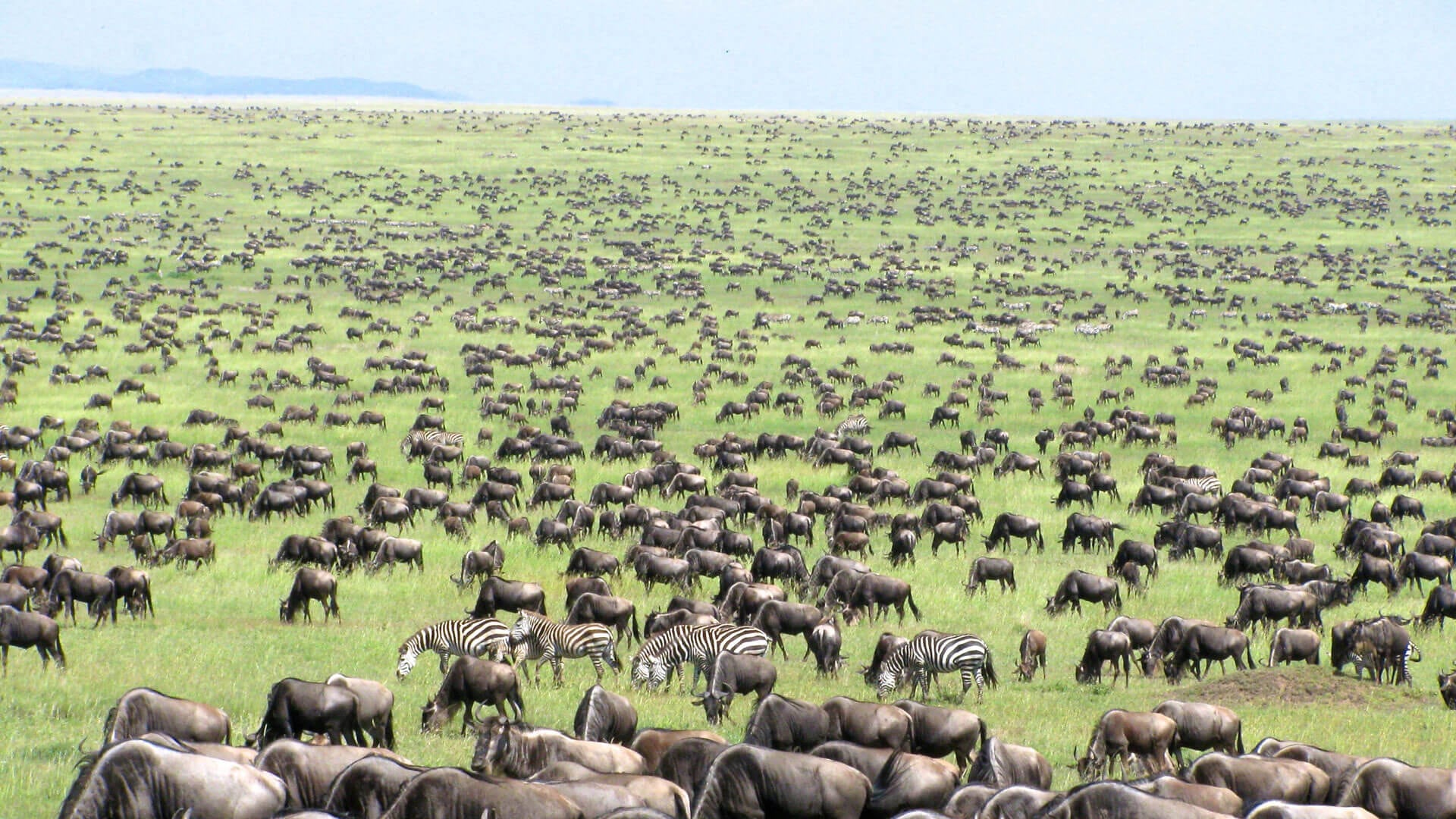
The best time for the Mara River crossing during the wildebeest migration is typically from late July to August, extending into September. During this peak, large herds gather on the northern Serengeti/Maasai Mara riverbanks. A second, smaller crossing window occurs as the herds return south in late October through early November
Popular related tour packages
10-days-ultimate-budget-tanzania-safari-holiday-vacation
8-days-great-mara-river-crossing-hadzabe-tribe-and-optional-hot-air-balloon-tanzania-safari
8-days-tanzania-honeymoon-safari-holiday-vacation-and-wildebeest-migration
7-days-best-of-tanzania-safari-grumetimara-river-crossing-and-masai-warrior-homestay
13-days-best-tanzania-kenya-safari-combined-tour-package
Key Details for Planning the Wildebeest Migration Safari
Prime Months:
For those looking to witness the wildebeest migration, August is widely regarded as the peak month when river crossings are at their most frequent and dramatic. While late July through September provides the highest probability of witnessing these breathtaking moments, the specific timing can be influenced by various factors such as weather patterns and herd dynamics. It is essential for travelers to remain flexible in their planning, as the crossing events are dictated by the animals' instincts and environmental cues, which can lead to variability in their schedules.
Location:
The primary locations for this spectacle are the Northern Serengeti in Tanzania and the Maasai Mara National Reserve in Kenya. The Mara River, which separates these two regions, serves as the primary crossing point for the wildebeest herds. Both areas are renowned for their consistent wildlife presence and stunning landscapes, offering ample opportunities for epic photography and immersive experiences. Proper planning should include knowledge of the best vantage points for viewing these crossings, which can enhance the overall safari experience.
Unpredictability:
One of the thrills of witnessing the wildebeest migration is its unpredictability. The timing of river crossings does not adhere to a fixed schedule. Factors such as seasonal rainfall and herd movements play a significant role in determining when and where the animals will cross. Travelers must be prepared for the spontaneous nature of these events, understanding that it may take hours or even days for crossings to materialize.
Tips for Success When Witnessing River Crossings
Patience:
Successfully witnessing a river crossing during the wildebeest migration often requires considerable patience. These events may not happen quickly or on cue; in fact, crossings can take several hours or even multiple days to unfold. To ensure the best chance of experiencing this captivating spectacle, travelers may need to spend extended periods at the riverbanks. Arriving early, having a comfortable setup, and being mentally prepared for a wait can significantly enhance your chances of witnessing the crossing.
Wildlife Action:
The intensity of predator-prey dynamics during the river crossings adds to the thrill and drama of the migration. As wildebeests gather at the riverbanks, they are met with the presence of various predators, including large Nile crocodiles and big cats like lions and leopards, eagerly awaiting the opportunity to hunt. This moment creates a perfect storm of action and excitement, making it crucial for travelers to stay alert and focused during their time at the river. The potential for wildlife interactions in this high-stakes environment can lead to unforgettable memories and stunning photography opportunities.
Alternatives for Missing the Main Crossing
Alternative Opportunities:
If travelers happen to miss the main river crossings during the peak months from late July to September, there are still opportunities to catch the drama of the migration later in the year. The wildebeests typically begin their return journey to the southern Serengeti in late October and early November as the season changes. This migration phase offers another chance to see the animals in transit, along with the recurring predator activity that follows them.
While the urgency of the river crossings may have diminished, the gradual movement of the herds southward still provides ample wildlife viewing opportunities. The landscapes will shift as the animals travel to new grazing grounds, and the chance to observe how they navigate changing environments can still make for an enriching safari experience. Additionally, planning for a longer stay can facilitate various activities such as exploring nearby conservation areas, cultural visits, or engaging in other wildlife viewing experiences.
When Does the Mara River Crossing Usually Start?
The Mara River crossings typically begin in July when the wildebeest herds arrive from the Serengeti, specifically from the southern regions where they have calved earlier in the year. July marks the onset of a significant phase of the migration, as the animals instinctively head north toward the more temperate climates of the Masai Mara. The precise timing of the crossings can vary slightly each year, depending on environmental factors such as rainfall amounts and the condition of grazing lands.
In the weeks leading up to the crossings, herds congregate in the Lamai and Kogatende regions of the Northern Serengeti. Here, wildebeests gather at the riverbanks, facing the daunting challenge of crossing the Mara River—a task fraught with dangers from both the swift currents and waiting crocodiles. Observers are often treated to the sight of thousands of wildebeests hesitating at the banks, creating a palpable tension as they weigh the risks of crossing.
Visitors planning to experience the initial crossings generally aim for early to mid-July, as this period offers a good chance to see these dramatic events unfold. This timing is crucial for those who wish to witness one of nature’s most remarkable spectacles in its early stages, setting the stage for the subsequent peak crossing activity that typically occurs in August.
What is the Peak Month for Mara River Crossings?
August is widely regarded as the peak month for the Mara River crossings during the wildebeest migration. This period is characterized by intense and frequent crossings as the herds fully settle in the Masai Mara after their long trek from the Serengeti. The combination of more ample fruiting grasses and the need to quench thirst often drives thousands of wildebeests to the riverbanks, where the iconic crossings take place.
The drama intensifies in August, with herds gathering at various points along the river. The famous crossing events become highly anticipated by wildlife enthusiasts and photographers alike, as the spectacle of wildebeests leaping into the crocodile-infested waters creates moments of both beauty and tension. This month is not only significant for the sheer volume of crossings but also for the accompanying predator activity, as lions and crocodiles lie in wait for opportunistic hunting scenarios.
Visitors during this peak time can expect a vibrant atmosphere, with tour operators and guides positioned at strategic vantage points to ensure optimal viewing experiences. Due to its popularity, August draws substantial tourist numbers, which offers a dynamic safari experience but also requires early bookings to secure accommodations. Consequently, the combination of the dramatic river crossings and stable weather makes August a prime time for witnessing the wildebeest migration in all its glory.
Can I See Crossings in September?
Yes, September is an excellent month for viewing the wildebeest river crossings. During this time, the herds are often fully settled in the Masai Mara, following the heightened activity of August. While the majority of the crossings might occur earlier in the migration season, September still holds strong potential for witnessing remarkable crossing events, as well as other forms of wildlife interactions.
Many herds establish themselves in the Masai Mara, leading to increasingly established patterns in terms of movement. Predators such as lions, leopards, and cheetahs continue to hunt alongside the migrating herds, making for thrilling wildlife observations. The crossings can still be frequent but may not reach the same intensity seen in August. However, visitors who plan their trips around this time may experience less crowded conditions, as the peak July-August period begins to taper off.
September's moderate climate also enhances the overall safari experience, with pleasant weather conditions for both wildlife viewing and photography. Wildlife enthusiasts often find this month offers opportunities for more intimate encounters with the animals, as the herds are not rushing toward river crossings but rather settling into the refreshing savannahs. For those eager to explore both the wildlife activities and relax into the rhythms of the landscape, September remains a favorable time to engage with the migration.
Are There Crossings in October?
Yes, the river crossings continue in early to mid-October before the herds begin their journey south back to the Serengeti. By this time, the wildebeests are gradually transitioning from the Masai Mara as they seek greener pastures and the moisture conditions of their southern territories. The crossings tend to become less frequent as the month progresses, but there are still opportunities to witness thrilling moments on the Mara River.
During early October, the wildebeest herds often exhibit behavior that hints at their migratory patterns as they assess the best time to make their move back home. Generally, this is a time of transition; it’s often characterized by fewer, though still dramatic, river crossings compared to peak months. Observing these crossings can be just as exhilarating, providing a last chance for guests to see the animals en masse before they venture south.
Safari-goers visiting in October benefit from relatively quiet conditions as tourist volumes decrease after the busy migration season peaks in August. Less crowded game drives can lead to more personalized wildlife viewing experiences, allowing more time to appreciate not just the crossings but also the surrounding wildlife. However, travelers should be aware that while crossings can still occur, the timing might be more unpredictable as the herds prepare for their next phase. Planning around early to mid-October may yield rewarding encounters with nature's splendor.
Do the Wildebeest Only Cross Once?
No, the wildebeest do not cross the Mara River just once; they often cross back and forth between the Serengeti and the Masai Mara, providing multiple opportunities to witness this extraordinary event. As part of their annual migration, the wildebeests engage in a cyclical movement that entails several crossings at various points along the river.
This behavior occurs as the herds assess conditions both in terms of predator presence and their need for water and food. Various factors, including environmental influences, herd dynamics, and the urgency to migrate towards greener pastures, dictate the multiple crossing events. This adds an exciting layer of unpredictability to the experience for observers, as no definitive schedule exists; instead, it becomes a waiting game.
Travelers flock to the riverbanks, hoping to witness these crossings unfold, and many remain for extended periods to catch multiple opportunities. This movement can provide several chances each day to see thousands of wildebeests navigating the perils of the Mara River, including evading crocodiles and brave leaps into the water. Thus, those hoping to witness the crossings can increase their chances by remaining flexible and patient, capitalizing on this extraordinary event throughout the migration journey.
The best place to watch the wildebeest crossings occurs along the banks of the Mara River, particularly in areas spanning both the Northern Serengeti (notably the Kogatende region) and the Maasai Mara National Reserve in Kenya. These key locations offer strategic vantage points for witnessing the heart-stopping moments of the migration as wildebeests gather at the river to cross.
The Mara River's various crossing points are popular with safari-goers due to their accessibility and the high likelihood of witnessing dramatic wildlife interactions. Some well-known crossing points, such as the “Toffee Crossing,” become focal areas where guides and travelers alike position themselves for optimal viewing. This strategic positioning allows observers to witness the raw power of nature at play as thousands of wildebeests make their way across the river, facing both the challenges of swift waters and predators lying in wait.
Many safari lodges and camps in the region are strategically located near the river, providing easy access to prime viewing spots. Some lodges even offer dedicated viewing platforms to enhance the experience for guests. For those eager to capture the action on camera, these locations provide unparalleled photo opportunities, blending breathtaking wildlife moments with the stunning landscapes of the Serengeti and Masai Mara.
Overall, the quality of your experience during river crossings will hinge on careful planning regarding not just timing but also your choice of locations to observe this awe-inspiring natural event.
How Long Should I Stay to Guarantee Seeing a Crossing?
While there's no guaranteed way to predict precise timings for the wildebeest river crossings, staying for 3 to 4 nights in the Mara River area significantly increases your chances of witnessing this breathtaking spectacle. This duration allows for ample time to settle into the rhythms of the migration and enjoy the varied wildlife interactions that the region has to offer.
Extended stays enable travelers to adapt flexibly to the unpredictability of the crossings, which can happen at any time during the day. By spending several evenings and mornings at strategic vantage points, you can maximize opportunities for witnessing the crossings as the wildebeests gather at different times and locations.
Additionally, a longer stay offers the chance to engage in other safari activities, including night drives and guided walks that further enhance your experience of the local wildlife and ecosystem. Being immersed in the landscapes allows for deeper appreciation and understanding of the dynamic animal behaviors surrounding the migration.
Moreover, accommodating travel plans that include rest periods between game drives may not only optimize your energy but also increase the likelihood of spotting both the crossings and associated predator-prey interactions. Therefore, while the crossing events remain unpredictable, a thoughtfully planned multi-night stay significantly raises the chances of witnessing one of nature's greatest spectacles.
What Time of Day Do Crossings Happen?
The timing of wildebeest river crossings is notably unpredictable, but they often occur in the mid-morning to afternoon hours when temperatures are starting to rise. This timeframe is characterized by rising heat that drives the wildebeests to the river for drinking, which can prompt them to initiate the crossing despite the dangers posed by fast-moving waters and lurking crocodiles.
As animals congregate near the riverbanks to hydrate and assess the crossing conditions, the tension builds, leading to bursts of action. The unpredictable nature of the crossings means that travelers must remain attentive and patient during their safari hours, prepared for swift developments as herds make the critical decision to cross.
While some crossings may occur earlier in the morning or later in the day, many guides recommend planning around the mid-morning to early afternoon window for peak observation opportunities. Observing the animals as they evaluate the risks presents thrilling moments, making the wait worthwhile for visitors eager to witness the dynamic relationship between the wildebeests and their environment.
To optimize your chances of catching a crossing event, it is advisable to remain at designated viewing points during these hours, as the drama and excitement surrounding the river can unfold quickly. For those invested in photography, understanding the timing aspects of crossings will enhance the opportunity to capture exceptional moments in this remarkable wildlife spectacle.
Are There Crossings in the Northern Serengeti in July?
Yes, the wildebeests do cross in the Northern Serengeti during July, particularly in the Lamai and Kogatende regions. This area serves as an essential gathering point for the herds as they prepare to transition from the southern Serengeti to the Masai Mara in Kenya.
In July, anticipation builds as large numbers of wildebeests converge at these riverbanks, creating an electrifying atmosphere rife with the potential for dramatic crossings. This convergence coincides with the early stages of the migration, where herds begin to adapt as they face both environmental challenges and the ever-present threat from predators.
The environment surrounding the Northern Serengeti in July offers lush grass and ample water, making it an optimal spot for the wildebeests to rest and nourish themselves before undertaking the considerable risk of crossing the Mara River. Witnessing these early crossings provides safari-goers with thrilling opportunities to observe not only the wildebeests but also the accompanying predator activity that accompanies them.
For those looking to experience the migration dynamics during its early phases, visiting during July is advantageous, as the excitement of potential crossings presents unparalleled chances for wildlife encounters. Those planning a visit should ensure that their accommodations are located near the river crossings for convenient access to this extraordinary event unfolding in one of Africa's most stunning landscapes.
When Do the Herds Return to the Serengeti?
The return migration of the wildebeests to the Serengeti typically begins in late October and continues through November. This return journey represents the latter phase of the annual migration cycle, as the wildebeests seek more favorable grazing conditions and water sources that align with the changing seasons in East Africa.
As the herds gradually move southward, they often follow the routes established during their initial migration northward. The landscapes transform with the seasonal shifts, offering different challenges and opportunities for the animals. This period allows for continued wildlife viewing, especially as the herds navigate their way back through areas frequented earlier in the year.
While the crossings may not be as dramatic or frequent as those experienced during the peak months of July and August, the return migration still presents opportunities to observe and interact with these iconic animals in their natural habitat. Travelers who plan a visit during this period can enjoy a more tranquil safari experience, characterized by fewer tourists and a relaxed environment amid the vibrant wildlife.
For those eager to witness the full cycle of the wildebeest migration, understanding these timings aids in effective planning and scheduling to ensure an enriching experience that captures the essence of this spectacular annual journey.
Why is August So Popular?
August is famously popular among wildlife enthusiasts for witnessing the wildebeest migration due to its combination of peak crossing activity and generally favorable weather conditions. This month marks a critical time when the wildebeests are fully entrenched in the Masai Mara, actively participating in dramatic river crossings at the Mara River.
One of the key factors contributing to August's popularity is the high likelihood of witnessing these intense crossings. The sheer volume of wildebeests arriving at the river, paired with the presence of predators like crocodiles and lions, creates a captivating and adrenaline-fueled wildlife spectacle that attracts visitors from around the globe. The encounters become moments of both beauty and tension, marking the thrill of nature in action.
In addition to the heightened crossing frequency, August typically enjoys dry weather conditions that enhance overall safari experiences. Clear skies facilitate superb visibility for wildlife viewing and photography, while pleasant temperatures create conducive conditions for day-long game drives. Travelers benefit from the opportunity to immerse themselves in the breathtaking landscapes of the Maasai Mara, capturing the essence of an African safari amidst awe-inspiring wildlife encounters.
However, these appealing aspects also result in increased visitor numbers and competition for accommodations. It is advisable for those planning a trip during August to secure reservations as far in advance as possible to navigate the crowded conditions. Despite the bustling atmosphere, the chance to witness the migration in its full glory makes August a must-visit month for wildlife enthusiasts.
Is It Possible to See a Crossing Earlier than July?
While it is possible to see early, smaller crossings in late June, it is generally rare and less reliable compared to the peak crossing activity that begins in July. The dynamics of the migration compel wildebeests to wait for optimal environmental conditions before making the treacherous river crossing. Consequently, July serves as the more dependable timeframe for witnessing the full-scale crossings as herds gather in larger numbers near the riverbanks.
Travelers visiting in June may experience a quieter environment, as the herds tend to be less concentrated, and crossing activity may not occur. However, some adventurous safari-goers may get lucky and witness the first inklings of crossing behavior as the wildebeests begin to inch closer to the river.
For those eager to capture the iconic migration spectacle, planning to arrive in early July is advisable. This timing capitalizes on the natural instincts of the herds, who are more likely to engage in significant crossings as they fully congregate at the river. Additionally, the anticipation and excitement of the impending migration in July can lead to thrilling experiences, making it a perfect opportunity for those hoping to see one of nature’s most spectacular events in action.
Do the Herds Cross at the Same Spot Every Day?
No, the wildebeest herds do not cross at the same spot every day; they choose different crossing points along the Mara River, making it somewhat unpredictable for observers. This variability is influenced by multiple factors, including safety considerations, environmental conditions, and the movements of other wildlife in the area.
The decision on where to cross reflects instinctual behaviors shaped by experience and the immediate landscape at the riverbanks. As the wildebeests approach the river, they assess factors like predator presence, river currents, and vegetation availability to choose the most advantageous crossing point. This behavior results in a dynamic pattern that constantly shifts the location of crossings, providing travelers with the unique challenge of locating the best vantage points.
For safari-goers, this unpredictability means that waiting at well-known crossing points can be a waiting game, requiring patience and flexibility. Guided tours often utilize real-time information from local guides who keep track of herd movements, increasing the chances of witnessing these thrilling moments. By remaining adaptive and open to various locations, travelers are more likely to witness wildebeests navigating the river, which adds to the excitement of the overall safari experience.
How Far in Advance Should I Book for the Crossing?
For those eager to secure a front-row seat to the wildebeest river crossings during the peak months of July to September, it is highly recommended to book accommodations and safari packages 12 to 18 months in advance. This timeframe provides a buffer to ensure availability in popular lodges and camps close to the Mara River, where most of the action occurs.
As many travelers aim to experience the excitement of the crossings, the demand for quality lodging becomes extremely high during these months—leading to limited options if left until the last minute. Booking early enables safari-goers to carefully select accommodations that suit their preferences, whether luxury, mid-range, or budget-friendly options.
In addition to securing accommodations, early booking allows travelers to plan comprehensive itineraries that may include multiple activities, such as cultural experiences, hot air balloon rides, and guided walks, enriching the overall experience. However, with the influx of visitors during peak season, obtaining permits for popular activities can also become competitive, making early planning even more critical.
Consequently, reaching out to reputable safari operators well in advance not only ensures optimal lodging conditions but also enhances the overall safari experience, aligning your adventure with nature’s stunning display of the wildebeest migration.
What is the "Best" Year-Round Spot?
While the Mara River draws attention from July to October for its dramatic river crossings, the Southern Serengeti and Ndutu regions are considered the "best" year-round spots during the calving season, which peaks in February. This area becomes a focal point for the wildebeest migration as it offers optimal conditions for pregnant wildebeests to give birth.
During February, the Southern Serengeti transforms into a vivid landscape teeming with life, as over 8,000 calves are born daily. This high concentration of newborns attracts various predators—such as lions, hyenas, and cheetahs—resulting in intense wildlife activity that creates a riveting spectacle for photographers and wildlife enthusiasts.
The Southern Serengeti's rolling plains and lush grasslands provide essential resources and safety for mothers and their calves, making it an ideal breeding ground. While this region hosts the beginning of the migration cycle, the following months see the herds gradually moving north toward the rivers as the grasslands change with the seasons.
Travelers who visit during February and March have the incredible opportunity to witness both the nurturing behaviors of mothers with newborn calves and the consequential predator-prey dynamics in action. Consequently, for those aiming to experience the full spectrum of the wildebeest migration, planning a trip during the calving season in the Southern Serengeti delivers a profoundly enriching wildlife experience.
Booking Mara River crossing with us Roads of Adventure safaris
Experience the thrilling Mara River crossing with Roads of Adventure Safaris, specializing in unforgettable, customized Kenya and Tanzania migration safaris. Our expert team provides secure 4x4 transport, knowledgeable guides, and prime viewing spots for the Great Migration, typically from July to September. We ensure a safe, luxurious, and intimate encounter with wildlife, covering Masai Mara and Serengeti. Book your adventure today with a 30% deposit for a tailored, memorable journey.
