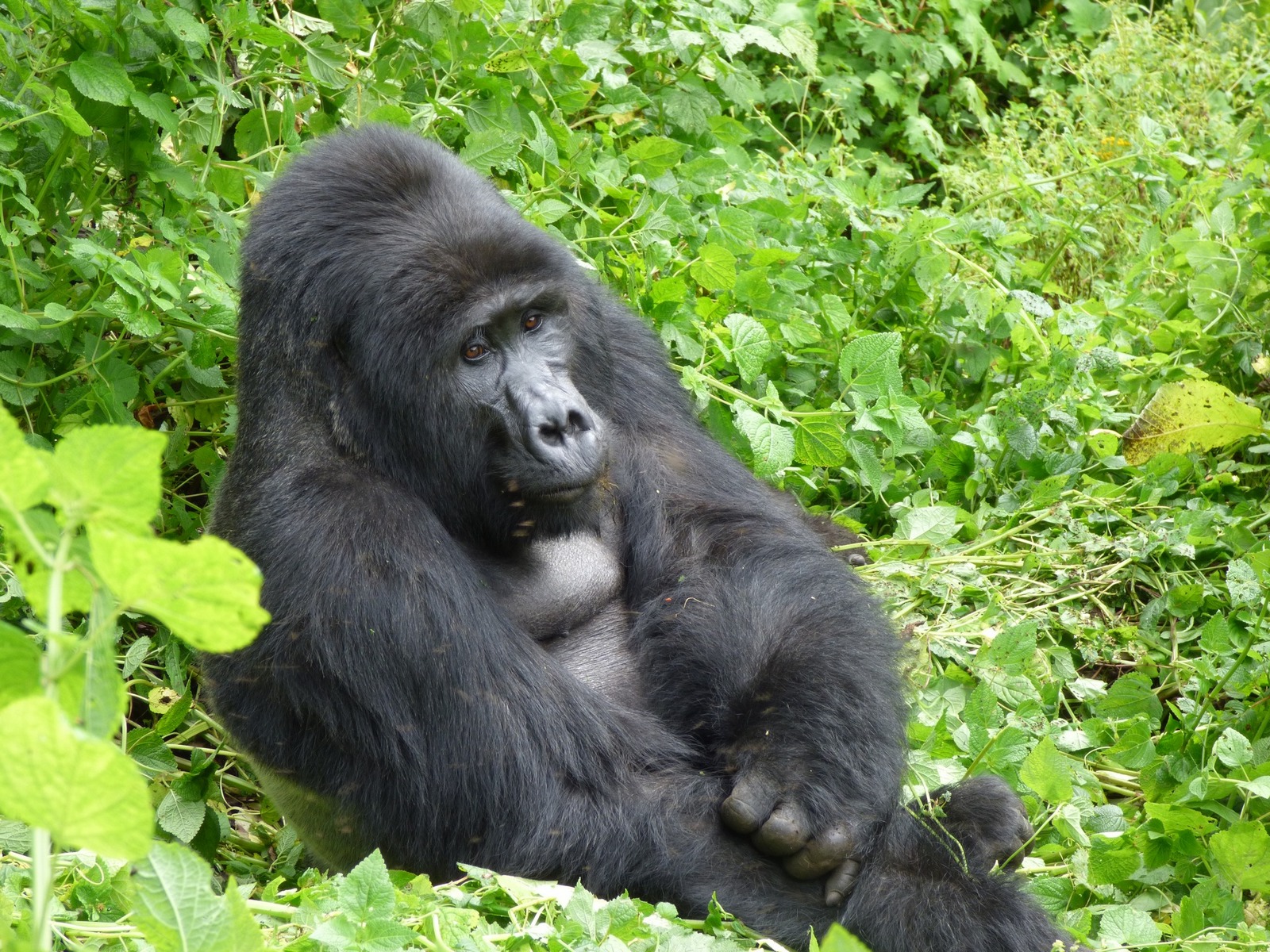
The best time for a 2-day Uganda gorilla trek from Kigali is during the dry seasons, June to August and December to February. During these periods, trails in Bwindi Impenetrable National Park or Mgahinga Gorilla National Park are less muddy and slippery, making the hike easier and providing better visibility
2-days-best-gorilla-trekking-safari-tour-via-kigali-to-bwindi-impenetrable-forest-park
2-days-quick-escape-to-bwindi-impenetrable-to-trek-mountain-gorilla-from-kigali
Dry Season (Peak Season): The Gold Standard
The dry seasons (June to August and December to February) are widely considered the "Gold Standard" for gorilla trekking in 2026. During these months, the modified equatorial climate of the region offers clear skies and significantly less rainfall, which transforms the physical experience of the trek. In Bwindi and Volcanoes National Parks, the lack of heavy rain means the forest floor is firmer and the steep, mud-prone slopes are much easier to navigate. This is particularly beneficial for photography; with less mist and thinning vegetation, trekkers often enjoy clearer lines of sight for that iconic "National Geographic" portrait of a silverback.
However, the "best" conditions come with the highest demand. These months are the peak of the global safari calendar, and permits—which are limited to only eight people per gorilla family per day—frequently sell out 6 to 12 months in advance. For a 2-day trip from Kigali, this requires military-grade planning. The "festive peak" in late December and January is especially competitive as travelers escape the northern winter. While the experience is socially vibrant and weather-reliable, travelers should expect busier park headquarters and higher rates at luxury lodges, which rarely offer discounts during this prime window.
Wet Season (Low Season): The Emerald Exclusive
Often referred to as the "Emerald Season," the months of March to May and September to November offer a vastly different but deeply authentic rainforest experience. While the heavy "long rains" can make trails slippery and physically challenging, there is a distinct biological advantage: food (bamboo shoots and wild fruits) becomes abundant on the lower slopes. This often means the gorillas descend from the higher peaks, potentially resulting in shorter, less vertical treks than those experienced in the dry season.
For the budget-conscious traveler, this is the most strategic time to visit. While the permit price for foreign non-residents is currently fixed at $800 in Uganda, many high-end lodges offer significant "low season" incentives, such as "stay for 3, pay for 2" deals or reduced nightly rates to attract visitors during the quiet months. For the 2-day traveler from Kigali, this season offers "solitude and soul"; you will likely find yourself in a much smaller trekking group, sometimes with only 2 or 3 other people, allowing for a more intimate and unhurried connection with both the primates and the expert rangers.
Why 2 Days from Kigali: The Efficiency Play
The 2-day itinerary from Kigali is the most popular choice for modern travelers because it solves the "geographic hurdle" of reaching the gorillas. While the gorillas are located in Uganda, Bwindi’s southern sectors (Rushaga and Nkuringo) are significantly closer to Kigali International Airport (a 4–5 hour drive) than they are to Uganda’s own Entebbe International Airport (a 9–10 hour drive). This "logistical shortcut" allows you to land in a modern, organized capital and be at the edge of the ancient rainforest by mid-afternoon.
This efficiency is not just about saving time; it's about saving money and energy. A 2-day trip via Kigali eliminates the need for expensive domestic "bush flights" from Entebbe to Kisoro, which can cost $500+. It also reduces the "transit fatigue" that comes with a full day of driving across Uganda. For business travelers in Kigali or those on a multi-country African tour, this route offers the most "focused" encounter possible. You effectively utilize Rwanda's world-class road infrastructure to reach Uganda’s more affordable $800 permits, creating a high-value safari that maximizes your time in the forest rather than on the road.
Alternative Timing: The "Sweet Spot" (Dec & Jan)
The "short dry season" of December and January is often cited by experts as the hidden "sweet spot" for 2-day trekking. While technically a peak season due to the holidays, the weather conditions are nearly identical to the June–August window but with a slightly higher humidity that keeps the forest looking lush and vibrant without the torrential downpours. This period also coincides with the arrival of migratory bird species, making it an elite time for those who want to combine primate tracking with world-class birding.
For the 2-day trekker, January offers a unique "post-holiday" lull. Once the New Year’s rush subsides, the trails become significantly less crowded, yet the ground remains dry and the temperatures are warm and pleasant. This window provides the perfect balance: the ease of trekking found in the dry season combined with the high visibility and "freshness" of the forest. It is an excellent choice for first-time trekkers or seniors who want the most stable footing possible while enjoying the festive, celebratory atmosphere that often lingers in the local Rwandan and Ugandan communities.
Alternative Option: Navigating the Rains (Mar–May)
There is a long-standing debate among safari operators regarding the March to May window. Some traditionalists recommend avoiding a Uganda safari entirely during these months because the "long rains" can be relentless, occasionally leading to flight delays or road washouts in remote areas. However, modern 2-day itineraries from Kigali have largely mitigated these risks. Because the drive from Kigali stays on high-quality paved roads for the majority of the trip, the "logistical danger" of the rainy season is significantly lower than it would be on the long cross-country trek from Entebbe.
For the adventurous traveler, the rainy season is a time of "Mist and Mystery." The forest is at its most photogenic, with dramatic clouds clinging to the volcanic peaks and the vegetation a deep, saturated green. While the trek will be "soggy," the reward is the absolute lowest cost for the entire year. Many tour operators offer discounted vehicle rentals, and lodges that are usually $600 a night might drop to $350. If you are physically fit, have high-quality waterproof gear (including gaiters and gardening gloves for grip), and appreciate solitude over sunshine, this "difficult" season can provide the most transformative and budget-friendly 2-day experience available.
2-Day Uganda Gorilla Trekking from Kigali
The 2-Day Uganda Gorilla Trekking from Kigali is a masterfully designed "express" safari, perfect for travelers seeking a high-impact wildlife encounter within a condensed timeframe. By utilizing Kigali as your gateway, you take advantage of Rwanda’s superior road infrastructure to reach the southern sectors of Bwindi Impenetrable National Park in just four to five hours. This logistical shortcut allows you to access Uganda’s significantly more affordable $800 trekking permit, saving you $700 compared to Rwandan permits without sacrificing the quality of the experience. The journey transitions from the organized, rolling streets of Kigali into the rugged, emerald-green highlands of the Kigezi region. Within 48 hours, you will navigate international borders, climb through ancient, mist-shrouded rainforests, and secure a life-changing connection with the world’s most famous primates. It is the ultimate high-value itinerary, proving that a profound encounter with mountain gorillas can be both time-efficient and budget-conscious.
Day 1: Kigali to the Bwindi Highlands
Your adventure begins with an early morning pickup in Kigali, heading north toward the Ugandan border. The drive is a scenic traverse through Rwanda’s terraced hills, offering a vivid window into rural life and the "Land of a Thousand Hills." After a seamless border crossing at Cyanika—the fastest route to the southern Bwindi sectors—you enter the rugged, high-altitude highlands of Uganda. You’ll check into a lodge in the Rushaga or Nkuringo sector, positioned directly at the edge of the ancient rainforest. The afternoon is yours to rest, enjoy the panoramic views of the Virunga Volcanoes, or take a guided walk through the local community to learn about forest conservation. As night falls, the sounds of the "Impenetrable Forest" set a thrilling stage for tomorrow’s trek into the misty, prehistoric depths of the mountains.
Day 2: The Gorilla Trek and Return to Kigali
The day starts at 7:00 AM with a mandatory briefing at the park headquarters. Accompanied by expert rangers and trackers, you’ll plunge into the dense, multi-layered rainforest. The hike can be physically demanding, navigating steep ridges and thick vines, but all effort vanishes the moment you lock eyes with a silverback. You spend one "Magic Hour" observing the troop’s human-like social interactions and gentle strength in their natural home. Following the trek, you’ll receive your completion certificate and enjoy a quick lunch before beginning the return journey. Crossing back into Rwanda, you wind down the hills toward the capital, arriving in Kigali by late evening for your flight or hotel drop-off. You leave with an extra stamp in your passport and a soul full of the raw, untamed spirit of Africa’s great apes.
Selecting the right season for a 2-day gorilla trek from Kigali is a balancing act between trail comfort and logistical ease. In 2026, the cross-border route has become the primary "shortcut" for travelers, but weather patterns in the Bwindi highlands dictate the intensity of the experience.
What are the absolute best months to book a 2-day Uganda trekking tour from Kigali?
The best months for a 2-day tour are June to September (the long dry season) and December to February (the short dry season). These windows provide the most stable weather for the 4.5-hour drive from Kigali and the subsequent hike. During these months, the "last mile" roads from the Cyanika border to the Rushaga sector are at their most reliable. By choosing these months, you minimize the risk of logistical delays that could cause you to miss the 7:30 AM mandatory briefing at the park headquarters.
Why is the dry season, June to September, considered peak season for Uganda gorilla tracking?
This period is peak season because it offers the lowest rainfall and firmest trails. In the dense undergrowth of Bwindi, less rain means fewer slippery slopes and a significantly reduced physical strain during the trek. Additionally, thinner vegetation during the dry months provides clearer sightlines for photography. Because of these ideal conditions, demand for the 160 daily permits in the southern sectors (Rushaga/Nkuringo) is highest, often requiring you to book 6 to 12 months in advance to secure your preferred date.
How does trekking in December compare to trekking in June for a short 2-day trip?
Both are excellent, but they offer different "vibes." June is the start of the long dry season, featuring the most predictable weather and the highest international crowds. December is a "short dry" window that often feels more festive; the forest is vibrant and green from the October/November rains, yet the trails are steadily drying. For a 2-day trip, December (specifically January/February) can be slightly more "exclusive" as the primary holiday rush subsides, offering excellent conditions with marginally fewer trekkers on the trails than in July.
Is it possible to go gorilla trekking in Uganda during the long rainy season months?
Yes, it is entirely possible and often very rewarding. The gorillas are present year-round, and the parks never close. During the long rains (March to May), the rainforest becomes a vivid, emerald paradise. While the physical challenge is higher due to muddy terrain, the gorillas often descend to lower altitudes to feed on fresh bamboo shoots, which can actually result in shorter total trekking times compared to the dry season when they may roam higher in search of food.
Will it rain every single day if I go on a gorilla trek in March or April?
In a tropical rainforest, rain is frequent but rarely "constant." You will likely experience heavy, short-lived afternoon downpours rather than 24-hour deluges. In April 2026, many trekkers find that the rain often stops by mid-morning, leaving the forest misty and atmospheric for the trek. However, you must be prepared with heavy-duty waterproof gear, as a sudden downpour during your one-hour observation period is a distinct possibility.
Can I still have a successful 2-day trekking experience during the rainy season in Uganda?
A successful 2-day rainy season trip relies on superior logistics. Since the unpaved "murram" roads in Uganda can become slick, it is essential to use a robust 4x4 Land Cruiser rather than a smaller SUV. Local operators in 2026 often build in more "buffer time" for the border crossing and the drive to the lodge to account for slower mountain transit. As long as you have the right vehicle and a professional driver, the rainy season remains a viable and highly adventurous option.
Which months offer the best lighting for photography during a 2-day gorilla trekking safari in Uganda? For photography, the "shoulder" months of September and February are often considered the best. They offer the clear skies of the dry season but retain the lush greenery of the rainy season. However, professional photographers often prefer the rainy season (April/May) for its dramatic "misty" backgrounds and the saturated greens that make a gorilla’s black fur "pop" in portraits. The lack of harsh overhead sun under the forest canopy during cloudy days actually creates a soft, natural lightbox effect that is ideal for wildlife photography.
Is the 2-day trekking trip from Kigali cheaper during the wet season compared to the dry season? While the $800 permit price is fixed year-round by the Uganda Wildlife Authority (UWA), the total trip cost is lower in the wet season. High-end lodges in the Rushaga and Nkuringo sectors frequently offer "low-season rates" or "green season discounts" in April, May, and November to fill rooms. You might find luxury accommodation for 30–50% less than peak-season prices, making the 2-day "Kigali-Uganda" loop an exceptional value for money during these months.
Is November a good time for a 2-day gorilla safari due to the low season discounts?
November is a "strategic" choice. It falls during the short rainy season, meaning you can snag significant lodge discounts and often secure permits with much less lead time—sometimes just a few weeks in advance. While you should expect daily showers, the rain is typically less intense than in April. For a traveler on a budget who wants a more private experience with fewer crowds, November offers the perfect intersection of affordability and accessibility.
How do the trails in Bwindi Impenetrable National Park change from the dry season to rainy season? In the dry season, the trails are dusty and firm, making for a standard "hiking" experience. In the rainy season, the same trails become slippery and "greasy." You will often find yourself grabbing onto vines and roots for stability. This is why gardening gloves and sturdy hiking boots are non-negotiable in the wet season. The vegetation also grows more densely, making the forest feel more "impenetrable" and the work of the trackers more impressive as they machete a path through the brush.
Is it easier to get from Kigali to Uganda and back within two days during heavy rains?
The "main" road from Kigali to the border is world-class tarmac and remains unaffected by rain. The challenge is the Ugandan side, where mountain passes can experience fog or slow-moving traffic. In 2026, both the Cyanika and Katuna borders operate as "One-Stop Border Posts," which has slashed processing times to 30–45 minutes. Even in heavy rain, a 2-day trip is very manageable as long as you avoid night driving, which is hazardous due to mist and sharp volcanic ridges.
What are the specific downsides of taking a 2-day trip during the peak season in Uganda?
The main downsides are lack of flexibility and higher costs. In peak season (July/August), if you miss your specific trekking date due to a flight delay, it is almost impossible to reschedule because permits are entirely sold out. Lodges are also at their maximum capacity, leading to a busier, more "touristic" feel at the park headquarters. For those seeking solitude and a "wild" forest atmosphere, the peak season can occasionally feel a bit crowded during the morning briefing.
Booking 2 days gorilla trekking from Kigali with us Roads of Adventure safaris
Book a 2-day Uganda gorilla trekking safari starting from Kigali with Roads of Adventure Safaris for a cost-efficient adventure that saves (sim$800) on permit fees compared to Rwanda. This express trip involves a 4–5-hour drive from Kigali to Bwindi Impenetrable National Park, covering transport, accommodation, meals, and gorilla permit (often pre-booked by the operator). Permits should be booked 6-12 months in advance.
