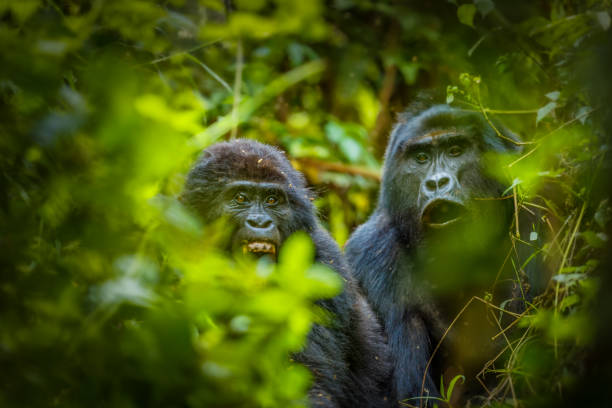
Uganda gorilla trekking tours offer an incredible experience in Bwindi Impenetrable National Park, primarily featuring the iconic mountain gorillas, with permits costing $800 USD for foreign non-residents, covering park entry and a limited viewing time with a habituated family. Tours vary from short 3-day trips to longer safaris, combining trekking with other wildlife and cultural experiences, booked through tour operators who arrange permits and logistics, requiring advance booking due to permit limitations.
3-days-fly-in-uganda-gorilla-habituation-africa-safari-tour-package
2-days-best-gorilla-trekking-safari-tour-via-kigali-to-bwindi-impenetrable-forest-park
3-days-gorilla-trekking-safari-and-lake-bunyonyi-relaxation-itinerary
3-days-affordable-uganda-budget-gorilla-trekking-via-kigali
4-days-ultimate-gorilla-and-uganda-safari-and-chimpanzee-tracking
4-days-ultimate-gorilla-and-uganda-safari-and-chimpanzee-tracking
4-days-uganda-gorilla-safari-with-golden-monkey-tracking-from-rwanda
4-days-luxury-gorilla-trekking-safari-in-bwindi-fly-in-all-inclusive-tour
5-days-gorilla-and-uganda-safari-and-golden-monkey-trekking-tour-from-kigali
5-days-un-matched-uganda-gorilla-safari-and-chimpanzee-tour-itinerary
6-days-gorilla-and-uganda-safari-to-see-big-five
7-day-ultimate-uganda-primate-safari-chimpanzees-and-game-drives
What is Gorilla Trekking?
Gorilla trekking is an extraordinary adventure that involves guided hiking through lush, dense rainforests to observe mountain gorillas in their natural habitat. This immersive experience allows participants to witness these majestic creatures up close, fostering a deeper appreciation for wildlife conservation. The trek is led by experienced guides who are experts in tracking gorillas and understanding their behavior. Visitors will navigate through challenging terrain, including steep trails and potentially muddy paths, to locate a habituated gorilla family. Gorilla trekking not only provides the chance to see these incredible animals but also offers insights into their social structures, habits, and the biodiversity of their rainforest ecosystems. The experience is both exhilarating and rewarding, often leaving trekkers with unforgettable memories and a greater awareness of the importance of conserving endangered species. With strict guidelines in place to ensure the safety of both the gorillas and the visitors, trekking is conducted in a responsible manner, prioritizing the well-being of these magnificent animals and their habitats.
Where Can I Go Gorilla Trekking in Uganda?
Gorilla trekking in Uganda is primarily conducted in two breathtaking locations: Bwindi Impenetrable National Park and Mgahinga Gorilla National Park. Bwindi Impenetrable National Park is a UNESCO World Heritage site, celebrated for its vast diversity of flora and fauna, and is home to approximately half of the world’s remaining mountain gorilla population. The park has several trekking trails that vary in difficulty, catering to different fitness levels and preferences. On the other hand, Mgahinga Gorilla National Park, while smaller, offers the same extraordinary opportunity to observe and photograph these gentle giants. It is also known for its stunning landscapes and the rare opportunity to see the unique golden monkeys. Both parks provide efficient tracking systems guided by skilled local trackers and rangers, making gorilla viewing highly successful. When visiting Uganda, choosing either Bwindi or Mgahinga ensures a rich and fulfilling experience, combining wildlife encounters with the beauty of Africa’s mountainous terrain.
How Much Does a Gorilla Permit Cost?
A standard gorilla trekking permit in Uganda costs $700 USD per person for foreign non-residents. This fee grants access to the national parks where the treks take place and covers the cost of park management, conservation efforts, and the support of local communities. The permit also includes the services of trained guides and park rangers who lead your trek and ensure your safety while respecting the animals' natural behavior. Given the high demand for gorilla permits, especially during peak trekking seasons, it’s advisable to secure your permit well in advance. This investment contributes significantly to the conservation of mountain gorillas, helping to fund their ongoing protection and the habitats they rely upon. Additionally, revenue from permits supports local communities by providing employment opportunities and fostering sustainable development. Gorilla trekking permits are essential for maintaining the delicate balance of tourism and conservation in Uganda, making every trek not just an adventure but a vital contribution to wildlife preservation.
When is the Best Time to Go Gorilla Trekking?
Gorilla trekking in Uganda is possible year-round, but the best times to embark on this adventure are during the drier months from June to September and December to February. During these periods, the trails are less muddy and slippery, making the trekking experience more comfortable and accessible. Clearer weather conditions also enhance visibility, allowing for better photographic opportunities in the stunning rainforests. While the dry season offers more favorable hiking conditions, the wet months have their advantages, such as vibrant greenery and fewer tourists, which may provide a more intimate experience with nature. However, it’s important to be prepared for rain, as tropical weather can be unpredictable. Regardless of the season, tracking gorillas is an exhilarating experience, filled with opportunities to witness their natural behaviors and interactions in the wild. When planning your trip, consider the timing that best aligns with your preferences for weather and trekking conditions, ensuring a memorable adventure with these remarkable animals.
How Far in Advance Should I Book My Permit?
Given the popularity of gorilla trekking, it’s recommended to book your permit at least 3 to 6 months in advance. Permits are limited and in high demand, particularly during peak travel seasons, making early booking essential to secure your spot. During busy periods, such as summer and holiday seasons, permits can sell out quickly, leading to disappointment for those who wait until the last minute. Booking in advance also allows you to plan other aspects of your trip, including accommodations and transportation, ensuring a smooth and enjoyable experience. Additionally, early reservations often offer better choices in terms of visiting specific gorilla families or selecting dates that fit your schedule. You can book directly through the Uganda Wildlife Authority (UWA) or via licensed tour operators who can assist with all logistics. Regardless of your approach, securing your gorilla trekking permit well in advance is crucial for an unforgettable adventure in the breathtaking landscapes of Uganda.
How Do I Book a Gorilla Permit?
Booking a gorilla trekking permit in Uganda can be done in two primary ways: directly through the Uganda Wildlife Authority (UWA) or via a licensed tour operator. To book directly, you can visit the UWA official website, where you can check availability, select your desired dates, and pay the required fee. This method allows for direct engagement with the authorities, ensuring that you get accurate and up-to-date information. Alternatively, using a licensed tour operator can simplify your experience, as they can handle all aspects of your trip, including permit acquisition, accommodations, transport, and even guided treks. Operators often provide additional insights into the best times to travel and specific trek details, making your planning stress-free. Regardless of your chosen method, it’s essential to book your permits well in advance to secure your place for this remarkable experience. Each step helps create a seamless journey that culminates in the unforgettable experience of gorilla trekking in Uganda.
What is the Minimum Age Limit for Gorilla Trekking?
The minimum age for gorilla trekking in Uganda is strictly set at 15 years old. This regulation is in place to ensure the safety of both the participants and the gorillas. Trekking through dense rainforests can be physically demanding, requiring a certain level of fitness and maturity to handle the challenges of the environment. Younger individuals may also lack the understanding of the necessary rules and conduct required while interacting with wildlife. By enforcing this age limit, park authorities aim to maintain the safety of all parties involved and ensure that the experience is enjoyable and responsible. Families planning to trek should keep this age restriction in mind and consider alternative activities for younger children, such as nature walks or visits to nearby attractions. This policy not only protects the gorillas but also enhances the overall quality of the trekking experience, ensuring that all participants are adequately prepared for the adventure ahead.
How Long Does the Trek Take?
The duration of a gorilla trek in Uganda can vary significantly, lasting anywhere from 30 minutes to a full day. The actual time depends on several factors, including the location of the gorilla family, the terrain, and the experience level of the group. Trekkers may find themselves hiking through steep, dense foliage, which can either facilitate or prolong the journey to the gorillas. On average, most treks last around 2 to 6 hours, including the time spent tracking and observing the gorillas once located. It's advisable to prepare for a range of durations, as gorillas can move freely within their territories. Depending on your fitness level and the group's pace, your guide will tailor the trek to suit your needs while maximizing the chances of encountering the gorillas. Being prepared for varying trek lengths allows for flexibility and enhances the overall experience, ensuring that each moment spent tracking these incredible creatures is memorable.
What is the Difference Between Gorilla Trekking and Gorilla Habituation?
Gorilla trekking and gorilla habituation are two distinct experiences that cater to different interests. Gorilla trekking typically allows you to spend one hour with a fully habituated family, accommodating up to eight visitors per group. This interaction is designed for quick but rewarding encounters, allowing trekkers to observe and photograph the magnificent animals in their natural habitat. On the other hand, gorilla habituation involves a longer experience, where participants can spend up to four hours with a semi-habituated family alongside researchers. With a maximum of four visitors per group, this experience allows for a deeper understanding of gorilla behavior and the ongoing process of habituation. Participants in habituation have the unique opportunity to witness the multifaceted aspects of the gorillas’ lives, including their interactions and social dynamics. Each experience provides a different but equally enriching insight into the world of mountain gorillas, catering to individual preferences for wildlife encounters.
Am I Guaranteed to See the Mountain Gorillas?
While there is a very high chance of seeing mountain gorillas during your trek—over 95%—there are no guarantees due to the unpredictable nature of wildlife. Experienced trackers follow the gorillas’ trails and communicate their locations to guides, significantly increasing the likelihood of a successful encounter. However, mountain gorillas can move quickly through their dense habitat, which can sometimes make locating them a challenge. Participants should prepare for the possibility of varying trek lengths and be patient during the search. The thrill of spotting these majestic animals in their natural environment is well worth the effort. Regardless of the outcome, the journey through the lush rainforests, fresh air, and captivating biodiversity presents an immersive experience. Trekking is not only about the destination; it’s about the adventure and connection to nature. So, while sightings are highly probable, it’s essential to embrace the overall experience of gorilla trekking, as each journey holds its own unique rewards.
What to Expect and How to Prepare
Do I Need a Certain Level of Physical Fitness?
Yes, a moderate level of physical fitness is recommended for gorilla trekking. The trek can involve hiking on steep, uneven, and often muddy terrain, requiring stamina and endurance to navigate various challenges. It's essential to be prepared for potentially strenuous sections of the hike, as both the altitude and physical exertion can take a toll. Participants are encouraged to engage in some form of preparation before their trip, such as walking, hiking, or regular exercise, to build endurance. Being physically fit will enhance your overall experience and enjoyment during the trek, enabling you to appreciate the beauty of the rainforest and the thrill of encountering magnificent mountain gorillas. Guides will assess the group’s fitness levels and adjust trekking routes accordingly, ensuring a safe and enjoyable adventure for everyone involved. Ultimately, being prepared physically will enhance your enjoyment and connection to this extraordinary wildlife experience in Uganda.
What Should I Pack for the Trek?
Packing appropriately for your gorilla trekking adventure is crucial to ensure a comfortable and enjoyable experience. Essential items include sturdy waterproof hiking boots to navigate the slippery and uneven terrain, along with long-sleeved shirts and trousers to protect against thorny vegetation and insects. A rain jacket or poncho is vital, as weather conditions can be unpredictable in the rainforest. Additionally, a hat, garden gloves, and insect repellent will help shield you from sun exposure and bugs. Don’t forget to pack a daypack containing water, snacks, and a camera to capture unforgettable moments while minimizing your load. Opt for lightweight and easily portable gear, as porters can be hired to handle heavier items, allowing hikers to focus on enjoying the trek. Lastly, consider bringing binoculars for a closer view of wildlife and the stunning environment. Proper packing contributes significantly to the overall enjoyment and success of your gorilla trekking experience.
Should I Hire a Porter?
Hiring a porter for your gorilla trekking adventure is highly recommended and considered a great investment. The service usually costs between $15 to $20 and provides valuable support during the trek. Porters assist in carrying your gear, making it easier to manage the physical demands of hiking through steep and challenging terrain. Their presence can enhance your experience by allowing you to focus on the journey and the incredible wildlife rather than the burden of your belongings. Additionally, employing a local porter supports the community and contributes directly to conservation efforts. These experienced individuals know the terrain well and can offer assistance with navigating difficult sections of the trek. Their guidance and support can significantly improve your trekking experience, ensuring that you have the stamina to enjoy your time with the gorillas. Ultimately, hiring a porter is a practical and beneficial choice for anyone embarking on this unforgettable journey in Uganda.
How Safe is Gorilla Trekking?
Gorilla trekking is considered very safe when the rules and guidelines are followed. Trekkers are accompanied by trained and armed park rangers who are experienced in handling any potential situations that may arise. These professionals prioritize the safety of both the visitors and the gorillas, ensuring a responsible and well-managed experience. Before the trek begins, participants receive thorough briefings on safety protocols and how to conduct themselves around the gorillas. Strict rules, such as maintaining a minimum distance of 7 meters, help minimize the risk of disease transmission and ensure that the gorillas remain undisturbed. By adhering to the guidelines and following your guide’s instructions, you can have a secure and fulfilling experience. The combination of professional oversight, appropriate regulations, and education on responsible practices makes gorilla trekking a safe and rewarding adventure, allowing participants to engage with nature while ensuring the well-being of these endangered animals.
What Should I Do if a Gorilla Charges?
If a gorilla charges during your trek, it's essential to remain calm and adhere to your guide's instructions. Avoid sudden movements, crouch down slowly to make yourself less threatening, and do not establish direct eye contact with the gorilla. Running away is not an option, as it may trigger a chase instinct. Most gorilla charges are bluff charges, meant to assert dominance rather than an actual attack. Staying still and quiet allows the gorilla to feel secure and retreat. Obey your guide, as they have extensive training and experience in handling such encounters. They will assess the situation and determine the best course of action. Understanding gorilla behavior and following guidelines significantly reduces risks during these encounters, ensuring a safer trekking experience. Remember, the focus should always be on respecting the gorillas and their environment while enjoying the thrill of observing them in the wild.
Rules and Regulations
How Close Can I Get to the Gorillas?
When gorilla trekking, it is imperative to maintain a minimum distance of 7 meters (21 feet) from the gorillas at all times. This regulation is designed to protect both the animals and trekkers, minimizing the risk of disease transmission and ensuring that the gorillas remain in their natural behavior patterns. Approaching too closely can stress the gorillas and make them feel threatened, potentially leading to defensive reactions. The guidelines set by the Uganda Wildlife Authority (UWA) help to maintain a safe and respectful distance, allowing for observational opportunities without disturbing the animals. Guides will ensure that all visitors adhere to this rule, reinforcing the importance of responsible wildlife tourism. By following these regulations, trekkers contribute to conservation efforts and the ongoing protection of these magnificent creatures, ensuring that future generations can enjoy the experience of observing mountain gorillas in their natural habitats.
How Long Can I Spend with the Gorillas?
The maximum time allowed with a gorilla family during a trek is strictly one hour. This time limit ensures that the gorillas are not overly disturbed and can continue their natural behaviors without significant interruption. Spending just an hour allows you to observe and photograph these magnificent creatures while prioritizing their well-being. Guides will make sure that your time is both fulfilling and responsible, providing opportunities for close observation and capturing memorable shots without causing undue stress to the gorillas. This time frame strikes a balance between ensuring a rewarding experience for trekkers and respecting the needs of the animals. Adhering to this regulation is crucial for the conservation of mountain gorillas, as it helps maintain their health and stability in the wild while allowing visitors to appreciate their beauty and complexity in a short but impactful interaction.
Can I Use a Camera with a Flash?
No, flash photography is strictly prohibited during gorilla trekking. Flash can agitate and disturb gorillas, impacting their comfort and behavior. The use of flash may provoke stress responses in these sensitive animals, which can compromise their well-being and alter their natural behavior. Photographers are encouraged to use natural light whenever possible and adjust their camera settings to accommodate varying lighting conditions in the dense rainforest. Shooting in low light can yield beautiful images without disturbing the gorillas, showcasing their natural beauty in an authentic setting. Additionally, respecting the rules regarding photography enhances the overall experience, ensuring that the focus remains on observing the gorillas and appreciating their environment. By embracing responsible photography practices, visitors can create lasting memories while contributing positively to the conservation of these endangered creatures.
Can I Eat or Drink Near the Gorillas?
Eating, drinking, or smoking near the gorillas is strictly prohibited to minimize the risk of disease transmission via food particles. Human diseases can be detrimental to mountain gorillas, as they have very sensitive immune systems. Even the smallest crumbs or food odor can pose a risk, which is why park authorities enforce these rules rigorously. Visitors are required to keep all food and drink securely stored in their packs until they are safely away from the gorillas and their habitats. This precaution ensures that the gorillas are not inadvertently exposed to human pathogens during trekking activities. Additionally, maintaining cleanliness around wildlife preserves promotes harmonious interactions and responsible tourism practices. By adhering to these regulations, trekkers not only protect the health of the gorillas but also contribute to ongoing conservation efforts that safeguard their future in the wild.
What Happens If I Am Sick on the Day of the Trek?
If you are feeling unwell or have a contagious illness, such as a cold or flu, you will not be allowed to participate in the gorilla trek. This strict policy is in place to protect the mountain gorillas from human diseases, as they are susceptible to illnesses that can be transmitted from humans. Park officials take the health of the gorillas seriously and prioritize their safety. If you find yourself unwell on the day of the trek, it is important to communicate with your tour operator or park authority ahead of time. They will advise you on alternative arrangements, which may include rescheduling your trek or processing a refund, depending on the specific circumstances. Taking care of your health and that of the gorillas is crucial for the sustainability of the gorilla trekking experience. By adhering to these guidelines, you contribute to the long-term conservation of these endangered creatures and ensure their protection for future visitors.
Where to Stay on Uganda Gorilla Trekking
When planning your Uganda gorilla trekking adventure, choosing the right accommodations is essential for enhancing your experience. Options range from luxurious lodges to cozy tented camps located near the prime trekking areas of Bwindi Impenetrable National Park and Mgahinga Gorilla National Park. These establishments often offer stunning views of the surrounding rainforests and mountains, creating a serene environment for relaxation after an exhilarating day of trekking. Many lodges cater specifically to trekkers, providing conveniences such as early morning meals and packed lunches for your trek. Amenities like hot showers, comfortable bedding, and excellent dining options can make your stay enjoyable, while knowledgeable staff can offer insights into local culture and wildlife. By selecting accommodations that meet your preferences and budget, you can ensure a memorable and comfortable experience in the heart of Uganda's gorilla habitat, making your trekking adventure even more rewarding.
Booking Uganda Gorilla Trekking with Us Roads of Adventure Safaris
Booking your Uganda gorilla trekking experience with Roads of Adventure Safaris guarantees a well-organized and unforgettable journey tailored to your interests. We specialize in providing personalized itineraries that focus on your specific needs, ensuring that every detail is meticulously planned. Our expert guides are knowledgeable about gorilla behavior and local ecosystems, leading you safely through the breathtaking landscapes while maximizing your chances of memorable encounters. We take care of all aspects of your trip, including accommodation arrangements, transportation, and securing your gorilla permits well in advance. This allows you to focus solely on the adventure ahead. With our commitment to exceptional service and attention to detail, Roads of Adventure Safaris aims to create a seamless experience that enriches your travel, making your time in Uganda unforgettable. Join us for a once-in-a-lifetime adventure where you can connect with majestic mountain gorillas and support conservation efforts.
