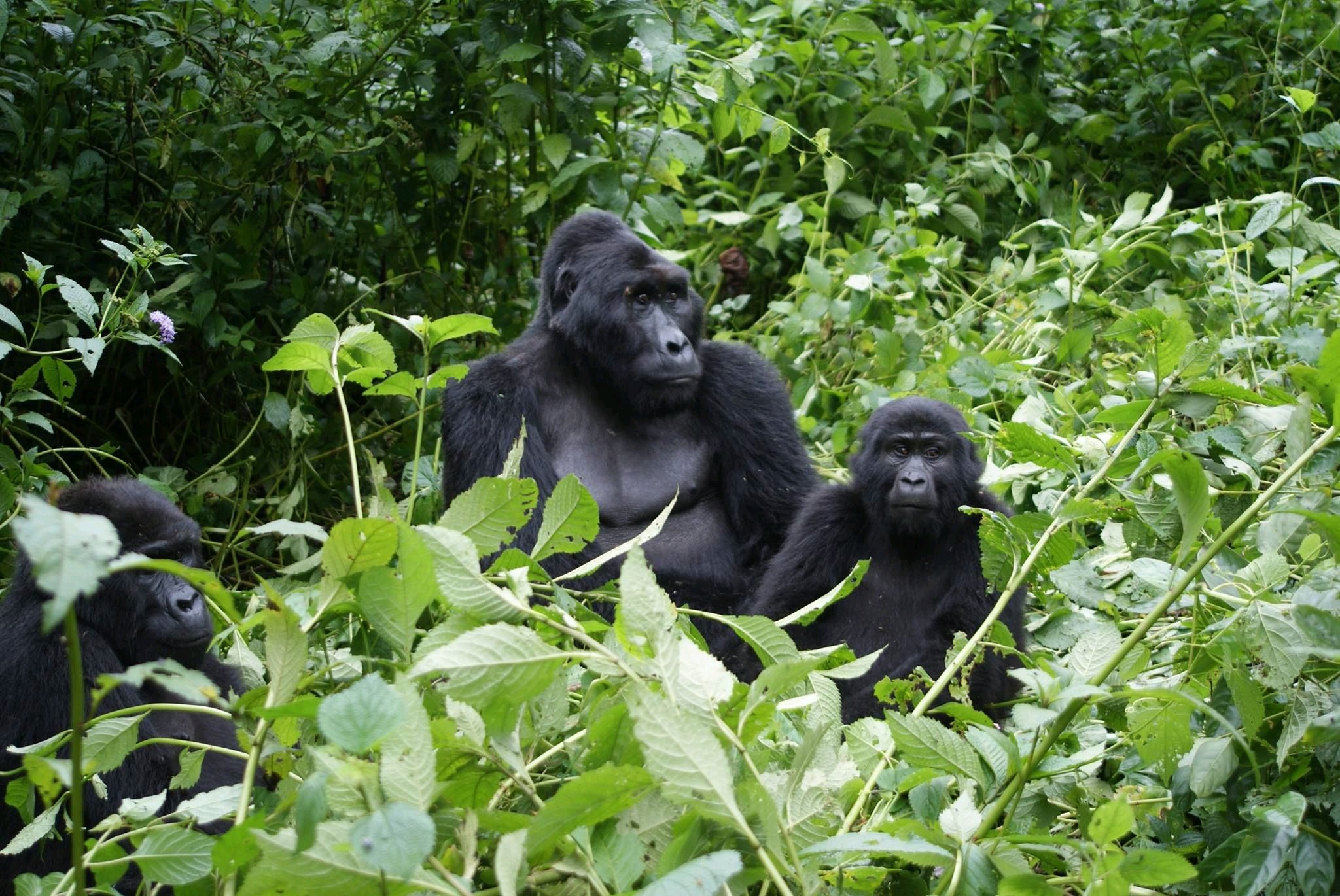
The best time for a 12-day Rwanda primate safari is during the dry seasons: June to September (longest dry season) and December to February. These months provide drier trails for trekking, clearer visibility for wildlife, and easier access to forests. Early booking is essential as this is peak season.
12-days-classic-rwanda-uganda-africa-safari-tour-package-combo
12-days-rwanda-primate-safari-vacation-and-akagera-national-park
12-days-best-rwanda-wildlife-safari-and-rwanda-primate-safari-vacation
12-days-rwanda-safari-adventure-and-active-hiking-safari
12-days-rwanda-uganda-safari-and-rwenzori-climb-and-hiking
12-days-perfect-rwanda-birding-safari-itinerary
Key Periods for a 12-Day Trip
- Best Overall (June – September): This is the ideal time. The weather is dry, making the strenuous hikes for gorillas and chimpanzees more enjoyable. It is ideal for spotting primates in Volcanoes National Park and Nyungwe National Park.
- Excellent Alternatives (December – February): A shorter dry spell that offers great weather, often with fewer crowds than the summer months.
- Avoid (March – May & November): These are the heaviest rainy seasons. While they offer lush landscapes, trekking paths become very muddy, slippery, and challenging.
Why These Times Matter
- Primate Tracking: Trails are less muddy, reducing the physical difficulty of hiking through dense forests.
- Visibility: With less rain, vegetation is less dense, allowing better views of mountain gorillas, chimpanzees, and golden monkeys.
- Wildlife Viewing: The dry season is perfect for combining trekking with a wildlife safari in Akagera National Park.
12 Days Rwanda primate safari holiday
This 12-day Rwanda primate safari is a masterclass in biodiversity, taking you through a landscape of emerald craters, ancient rainforests, and sun-drenched savannahs. Rwanda, the "Land of a Thousand Hills," has emerged as a global leader in conservation, and this journey offers an intimate look at its crown jewels. You will go beyond the standard tourist path to track three distinct primate species: the iconic mountain gorillas of the Virungas, the charismatic chimpanzees of Nyungwe, and the rare, vibrant golden monkeys.
Your odyssey begins in the sophisticated capital of Kigali before heading east to the "Big Five" territory of Akagera. From there, you will traverse the scenic Congo Nile Divide to reach the prehistoric canopy of Nyungwe Forest. Finally, the journey culminates in the mist-shrouded peaks of Volcanoes National Park. This 12 Days Rwanda primate safari itinerary balances the physical thrill of trekking with moments of serene reflection on the shores of Lake Kivu, offering a profound connection to nature.
Day 1: Arrival and Kigali Immersion
Your journey begins at Kigali International Airport, where the city’s remarkably clean and orderly atmosphere provides a welcoming introduction to Rwanda. After a seamless transfer to your hotel, take the afternoon to adjust to the altitude and the "land of a thousand hills." Kigali is a city of vibrant contrasts—modern glass architecture sits alongside bustling traditional neighborhoods. If you arrive early, enjoy a coffee at a local boutique café or take a gentle stroll through the leafy suburbs. This evening, you’ll meet your specialist safari guide for a detailed briefing over a welcome dinner. It is the perfect time to discuss the trekking etiquette and prepare your gear for the adventure ahead. The city’s cool evening breeze and the twinkling lights of the surrounding hills provide a tranquil backdrop for your first night in this resilient and hospitable nation.
Day 2: Kigali History and Local Culture
Before heading into the wild, it is essential to understand the heartbeat of Rwanda. Spend your morning at the Kigali Genocide Memorial, a powerful site that provides a somber but necessary look at the country's past and its incredible journey of reconciliation. Afterward, the mood shifts to the vibrant present at the Kimironko Market. Here, you can wander through stalls of colorful Kitenge fabrics and fresh tropical fruits. Visit the Nyamirambo Women’s Center for a traditional lunch and a walking tour that reveals the local life of Kigali’s oldest neighborhood. This day isn't just about sightseeing; it’s about context. Understanding the people and their history enriches every wildlife encounter you will have over the next ten days, as you see firsthand how conservation is intertwined with the country’s social fabric and its bright, optimistic future.
Day 3: Wildlife Transition to Akagera
Leave the urban heights of Kigali behind as you drive eastward toward Akagera National Park. The landscape transforms from steep, terraced hills to the warmer, flatter savannahs and wetlands bordering Tanzania. Upon arrival, you’ll enter a park that is a true conservation miracle, having been successfully restocked with lions and black rhinos. After checking into your lodge, embark on an afternoon boat cruise on Lake Ihema. This is a sensory delight; you’ll drift past pods of hippos and massive Nile crocodiles sunning on the banks. The birdlife is spectacular, with the chance to spot the African Fish Eagle or the elusive Shoebill Stork in the papyrus. As the sun sets, casting a golden hue over the water, you’ll feel the true spirit of the African wild take hold, marking the transition from the city to the savannah.
Day 4: The Big Five Savannah Game Drive
Dedicate a full day to exploring the diverse ecosystems of Akagera. Starting at dawn, when predators are most active, you will traverse the park from the woodland-heavy south to the open plains of the north. Keep your binoculars ready for the "Big Five." The park’s lions and leopards often seek shade in the acacia thickets, while herds of elephants and buffaloes roam the lake shores. The northern Mutumba plains offer a classic safari experience, where you can find giraffes, zebras, and various antelopes like the topi and the majestic eland. Akagera’s beauty lies in its exclusivity; you often feel like you have the entire wilderness to yourself. A picnic lunch in the bush allows you to soak in the silence, broken only by the calls of over 480 bird species, before returning to your lodge for dinner under the stars.
Day 5: Northern Plains and Return to Kigali
Your final morning in the savannah is spent in the northern sector, where the vast grasslands provide the best visibility for cheetahs and hyenas. After a sunrise game drive, you will begin the scenic drive back toward Kigali. The journey offers a fascinating look at rural Rwandan life, passing through small trading centers and expansive cattle farms. Once back in the capital, you will check into your hotel for a night of "city comfort" before the primate focus of the trip begins. This evening is an ideal time to repack your bags for the rainforest, ensuring your waterproof gear and hiking boots are ready. Enjoy a final meal in one of Kigali’s international restaurants, reflecting on the savannah experience before heading into the misty, high-altitude forests of the south the following morning.
Day 6: The Scenic Drive to Nyungwe Forest
Today’s journey takes you southwest toward the ancient Nyungwe Forest National Park. The drive is a highlight in itself, winding through endless hills and tea plantations. You will stop in Huye to visit the Ethnographic Museum, home to one of Africa’s finest collections of traditional artifacts, offering a deep dive into Rwanda’s pre-colonial royal history. Nearby, the King's Palace in Nyanza features a reconstruction of a traditional royal residence and the magnificent, long-horned Inyambo cattle. As you approach Nyungwe, the air turns cool and crisp. This forest is one of the oldest in Africa, serving as a vital watershed. You’ll arrive at your lodge on the forest’s edge in the late afternoon, just as the mist begins to descend over the canopy, signaling your entry into one of the most biodiverse regions on the continent.
Day 7: Chimpanzee Trekking and Canopy Walk
An early start is required for your first major primate encounter. Nyungwe is home to 13 primate species, but the chimpanzees are the stars. Following expert trackers, you’ll head into the dense rainforest. The experience is visceral; the forest floor is damp, and the air is thick with the scent of wild ginger. When you find the chimps, the atmosphere becomes electric with their pant-hoots and screams echoing through the trees. You’ll spend an hour watching them play, groom, and swing through the canopy. After lunch, you’ll take to the skies on the Nyungwe Canopy Walk. Suspended 70 meters above a deep ravine, this bridge offers a breathtaking bird’s-eye view of the ancient forest. It’s a perspective usually reserved for the birds and monkeys, providing a sense of the immense scale of this prehistoric ecosystem.
Day 8: Colobus Monkey Trek and Waterfalls
Nyungwe’s biodiversity is so vast that one day is never enough. Today, you will trek to see the Black and White Colobus monkeys. Unlike the chimpanzees, these monkeys live in massive "super-groups" of up to 400 individuals. Watching a sea of black and white fur move through the emerald trees is a stunning visual spectacle. In the afternoon, choose to hike the Isumo Waterfall trail. This path winds through tea estates before plunging into a tree-fern-shrouded canyon where a thundering waterfall creates a permanent mist. The forest is also a haven for birders; look out for the Great Blue Turaco with its vibrant plumage. This day is about the smaller details of the rainforest—the rare orchids, the giant lobelias, and the incredible variety of butterflies that thrive in this high-altitude paradise, offering a tranquil counterpoint to the high-energy chimp trek.
Day 9: Coastal Drive to Lake Kivu
Depart the rainforest and head north toward the sparkling waters of Lake Kivu. The drive along the Congo Nile Divide offers some of the most dramatic vistas in Africa, with the road clinging to steep hillsides that drop away to the turquoise lake below. You will arrive in Kibuye, a town known for its peaceful bays and emerald islands. This is the "active relaxation" phase of your safari. Check into your lakeside lodge and take a boat trip to Napoleon Island, named for its shape. The island is home to a massive colony of fruit bats, and a short hike to its summit provides a 360-degree view of the lake and the distant volcanoes. Spend your evening enjoying fresh "Sambaza" (local sardines) and watching the sunset turn the water into liquid gold as the local fishermen begin their nightly songs.
Day 10: The Gateway to the Volcanoes
Continue your journey north along the scenic lake road toward Gisenyi and eventually Musanze. This area is the gateway to Volcanoes National Park, the world-famous habitat of the mountain gorillas. The landscape shifts dramatically once more as the five massive peaks of the Virunga Volcanoes begin to dominate the horizon. Upon arrival in Musanze, the air is noticeably thinner and cooler. You’ll check into your lodge, which offers stunning views of the serrated volcanic peaks. This afternoon is about preparation and anticipation. You might visit the Ellen DeGeneres Campus of the Dian Fossey Gorilla Fund to learn about the history of gorilla conservation. The evening is spent in quiet excitement, checking your camera gear and waterproofs for the pinnacle event of your safari: the encounter with the gentle giants of the mist.
Day 11: The Mountain Gorilla Encounter
This is the day of a lifetime. After an early briefing at the park headquarters, you will be assigned to a gorilla family. Accompanied by armed rangers and expert trackers, you will hike into the bamboo and hagenia forests. The trek can be challenging, but all fatigue vanishes the moment you see them. You have exactly one hour to sit among the gorillas. Seeing a 400-pound Silverback calmly presiding over his family while infants play nearby is a spiritual, transformative experience. In the afternoon, visit the Iby’iwacu Cultural Village to see how former poachers have become the forest’s fiercest protectors through dance, archery, and traditional medicine. This day celebrates the ultimate success of Rwandan conservation, showing how tourism, community, and wildlife can thrive together in one of the most beautiful corners of the Earth.
Day 12: Golden Monkeys and Departure
On your final morning, return to the forest for a lighter, playful trek to find the Golden Monkeys. These "little primates of the Virungas" are known for their striking orange coats and hyperactive behavior. They live in the bamboo forests at the base of the volcanoes, making for a relatively easy and beautiful walk. Watching them leap through the bamboo stalks is a joyful way to conclude your primate odyssey. After the trek, enjoy a celebratory final lunch in the shadow of the volcanoes before the two-hour drive back to Kigali. Use this time for some last-minute souvenir shopping—perhaps some world-class Rwandan coffee or hand-woven Agaseke baskets—before transferring to the airport for your flight home. You leave with a full camera and a soul enriched by the profound beauty of the Land of a Thousand Hills.
When is the absolute best time for a 12-day Rwanda safari?
The absolute best time to embark on a 12-day Rwanda safari is during the long dry season, which spans from June to September. During these months, the weather is characterized by clear blue skies and minimal rainfall, providing the most stable conditions for the diverse activities included in a comprehensive itinerary. Because a 12-day trip typically covers the high-altitude volcanoes, the dense southern rainforests, and the eastern savannahs, having predictable weather is a significant advantage. This period offers the most comfortable temperatures, usually hovering around 25°C to 27°C during the day, while remaining cool and crisp at night.
The short dry season, from mid-December to early February, is the second-best window. It is particularly popular for travelers looking to spend the festive season in the tropics. While there may be occasional light showers—this is a rainforest-heavy country, after all—the trails remain manageable and the humidity is lower. For a 12-day journey that involves significant transit between parks like Akagera and Nyungwe, these dry windows ensure that travel times are predictable and that the stunning "thousand hills" are not obscured by heavy mist or downpours.
Why choose the dry season for a 12-day safari?
Choosing the dry season for a 12-day Rwanda safari is largely a matter of logistical ease and physical comfort. In a country where the primary attractions—mountain gorillas and chimpanzees—live in steep, high-altitude rainforests, the condition of the ground underfoot is paramount. During the dry months, the volcanic soil of Volcanoes National Park and the clay-rich earth of Nyungwe are firmer. This makes the often-strenuous climbs significantly safer and less exhausting, as you aren't constantly fighting for traction on slippery slopes or navigating deep mud.
Furthermore, the dry season offers easier forest access. When the undergrowth is less dense, visibility improves, allowing for better photography and clearer views of the primates through the foliage. Beyond the primates, the dry season reduces the prevalence of mosquitoes, lowering the risk of malaria and making evening sundowners on Lake Kivu or in Akagera much more pleasant. For a 12-day trip, the dry season maximizes your "active" time; you are less likely to have a scheduled boat cruise on Lake Ihema or a canopy walk in Nyungwe canceled or shortened due to a sudden tropical deluge.
Are there risks to visiting during the wet season?
Visiting during the long rains (March to May) or the short rains (October to November) does carry specific risks, primarily related to the physicality of the experience. The most immediate risk is the condition of the trekking trails. Heavy rainfall can transform the steep paths of the Virunga Mountains into treacherous "mud slides." This increases the physical strain on your knees and ankles and can make a "moderate" trek feel "highly strenuous." For a 12-day safari that includes multiple hikes, the cumulative fatigue of trekking in the mud can be significant.
Additionally, the weather can impact the quality of your wildlife encounters. Heavy rain often forces primates to seek shelter or stay huddled, which can make them less active and more difficult to photograph. In Akagera National Park, the "Big Five" animals tend to disperse away from permanent water sources during the rainy season because water is available in small pools throughout the park. This makes game viewing much more of a "treasure hunt" compared to the dry season. Finally, while Rwanda’s main roads are world-class, the secondary tracks leading into some lodges or specific trailheads can become difficult to navigate, even for the most robust 4x4 safari vehicles.
Can I see gorillas in the rain?
Yes, you can absolutely see gorillas in the rain. In fact, it is quite common. Mountain gorillas live in a rainforest, and even during the "dry" season, a localized shower is always possible. The gorillas themselves are largely indifferent to the rain; they are well-insulated by their thick, oily fur. They do not migrate or go into "hiding" when it pours; instead, they usually remain in a relatively small area, perhaps huddling together or staying under large leaves for shelter. The gorilla trekking operations run 365 days a year, regardless of the weather, unless conditions are deemed truly dangerous by the park wardens.
Trekking in the rain provides a very different, "moody" atmosphere that many photographers actually prefer. The mist clinging to the volcanoes creates the iconic "Gorillas in the Mist" aesthetic. However, you must come prepared. High-quality waterproof gear for your body and your camera is essential. One unexpected benefit of trekking in the rain is that the gorillas often stay at lower altitudes during the wet months to feed on the fresh bamboo shoots that sprout with the rain. This can sometimes result in a much shorter hike than you would experience during the dry season when they might move higher up the slopes.
Is June to September crowded?
Yes, June to September is the peak tourism season in Rwanda. Because this window offers the best trekking conditions, it attracts the highest volume of international travelers. While the Rwanda Development Board (RDB) strictly limits the number of gorilla permits to 96 per day to prevent overcrowding in the presence of the animals, the "crowding" is most noticeable at park headquarters during morning briefings and at the most popular luxury lodges. During these months, the "exclusive" feel of the wilderness can be slightly diluted by the presence of other trekking groups at the staging areas.
Peak season also means higher costs and limited availability. Many of the top-tier lodges near Volcanoes National Park and Akagera charge "premium" rates and are booked out a year in advance. If you plan to travel during this window, you must be prepared for a busier atmosphere and a more competitive booking environment. For a 12-day itinerary, this means you might have to be flexible with your lodge choices if you haven't secured your spots early. However, the trade-off is the guarantee of the best possible weather, which most travelers find worth the extra cost and the slightly larger crowds at the transit hubs.
How does the rainy season affect tracking?
The rainy season significantly changes the dynamics of tracking in both Nyungwe and Volcanoes National Park. On the one hand, the rain makes the physical act of walking more difficult. The ground is soft, and the vegetation is much thicker and more lush, which can sometimes obstruct your view of the primates. You will likely spend more time looking through "windows" in the foliage rather than having clear, open vistas. The humidity also increases, which can cause camera lenses to fog up—a constant challenge for photographers during the wet months.
On the other hand, the rainy season often leads to shorter trekking distances. In Volcanoes National Park, the bamboo—a primary food source for mountain gorillas—grows abundantly at the lower edges of the forest during the rains. The gorillas often descend from the higher, colder slopes to feast on these succulent shoots, often putting them just a 30- to 45-minute walk from the park boundary. Similarly, in Nyungwe, the fruiting of various trees during the rainy season can keep chimpanzee communities in more predictable locations. If you are willing to brave the mud and the wet, you might find that your actual "tracking time" is significantly reduced compared to the dry season.
Is December a good time for a 12-day safari?
Yes, December is an excellent time for a 12-day Rwanda safari, specifically from the middle of the month onward. This period marks the start of the short dry season. The heavy rains of October and November typically subside, leaving the landscape incredibly lush, green, and vibrant, but with trails that are beginning to dry out and become firm again. The dust of the savannah in Akagera is washed away, and the air is exceptionally clear, offering some of the best landscape photography opportunities of the year with the volcanoes standing sharply against the sky.
December is also a festive and vibrant time to be in Rwanda. The hotels in Kigali and the safari lodges in the parks often host special dinners and cultural events. However, because this coincides with the global holiday season, it is a very popular time for family travel. Gorilla permits and lodge rooms for the last two weeks of December are often some of the first to sell out. For a 12-day trip, December offers a perfect balance: you get the beautiful "green" scenery of the rainy season but the improved trekking conditions of the dry season, making it a "best of both worlds" choice for a year-end adventure.
When is the best time to see golden monkeys in Volcanoes National Park?
Golden monkeys are active year-round, but the dry seasons (June to September and December to February) offer the most "enjoyable" viewing conditions. Unlike the mountain gorillas, who are relatively sedentary during their one-hour encounter, golden monkeys are extremely active and fast-moving. They live primarily in the bamboo forests at the base of the volcanoes. During the dry season, the bamboo canopy is slightly less dense, making it much easier to track their rapid movements as they leap from branch to branch and forage for shoots on the ground.
Clearer weather also means better light for photography. Golden monkeys have beautiful, iridescent orange and gold coats that truly "pop" when hit by the sun. In the rainy season, the low light of the forest floor can make it difficult to capture high-speed shots of these primates. However, similar to the gorillas, the golden monkeys often stay at lower altitudes during the rainy season to feed on fresh bamboo shoots, which can make the trek to find them very short and easy. If your goal is purely to see them without a long hike, the wet season is fine; if your goal is high-quality photography, the dry season is superior.
When is best for chimpanzee trekking in Nyungwe National Park?
The best time for chimpanzee trekking in Nyungwe is during the long dry season from June to September. Nyungwe is a true primary montane rainforest, receiving significantly more rainfall than the northern volcanoes. During the wet months, the trails in Nyungwe—which are already steep and clay-heavy—can become incredibly slippery and challenging. Tracking chimpanzees, who are much more mobile than gorillas, often requires fast walking and occasional "off-roading" through the brush. Doing this in the dry season is much safer and more comfortable.
Another factor is the fruiting season. Chimpanzees are easier to locate when they are congregating around specific fruiting trees. While there is food year-round in the forest, the dry season often sees them move in larger, more vocal groups. In the height of the rainy season, the chimps may become quieter and more dispersed, making the trackers' jobs more difficult. For a 12-day safari that relies on a successful chimp encounter to "complete" the primate circuit, the stable weather of July and August provides the highest probability of a high-quality, close-up encounter with our vocal great ape cousins.
Does Rwanda's weather affect Akagera National Park game drives?
Yes, the weather has a profound impact on the game-viewing experience in Akagera National Park. During the dry season (June to September), the vegetation thins out and the grass becomes shorter, which significantly improves visibility for spotting predators like lions and leopards. More importantly, as the smaller seasonal pools of water dry up, the animals are forced to congregate around the permanent lakes (like Lake Ihema and Lake Rwanyakazinga). This makes wildlife sightings much more predictable, as you can focus your game drives around these water sources.
In contrast, during the rainy season, Akagera becomes a lush, green paradise. While this is visually stunning, it makes game viewing more challenging. The animals disperse throughout the park because water is available everywhere, and the tall grass provides excellent camouflage for leopards and lions. However, the rainy season is the best time for birdwatching, as migratory species arrive and the resident birds are in their bright breeding plumage. For a 12-day safari seeking the "Big Five," the dry season is the mechanical winner; for a traveler interested in botany and ornithology, the wet season offers a spectacular, albeit more difficult, experience.
When should I book my 12-day itinerary to get the best lodges?
For a 12-day Rwanda safari, you should ideally book 4 to 6 months in advance. If you are planning to travel during the "super-peak" months of July, August, or late December, you should consider booking 8 to 12 months in advance. This is primarily because of the Gorilla Permits. With only 96 permits available per day, they are the first "bottleneck" in your planning. Once the permits for your preferred dates are gone, the rest of the itinerary becomes impossible to execute.
The second bottleneck is luxury accommodation. Rwanda’s most iconic lodges—like Bisate, Singita Kwitonda, and Magashi—have a very small number of rooms (often only 6 to 12 villas). These high-end properties are in high demand from global travelers and luxury agencies. If you want a specific room with a specific view of the volcanoes, early booking is non-negotiable. Booking early also gives you the best chance of securing a private safari vehicle and a highly-rated senior guide, who are often requested by name months in advance. Early planning turns a "good" safari into a "seamless" one, ensuring that every logistical piece of the 12-day puzzle fits perfectly.
Is it cheaper to visit in the off-season?
Yes, visiting during the off-season (March to May and October to November) can offer significant financial advantages. Many luxury and mid-range lodges offer "low season rates" or "stay 3, pay 2" deals to attract travelers during the rainier months. This can lead to savings of 20% to 30% on your total accommodation bill. More importantly, Rwanda offers a 30% discount on gorilla permits (reducing the price from $1,500 to $1,050) if you visit during the low season and spend at least three nights in either Akagera or Nyungwe National Park.
For a 12-day itinerary, which naturally includes multiple nights in these other parks, this discount is a major incentive. You can save hundreds of dollars while enjoying a much more exclusive and quiet experience in the parks. While you must accept the trade-off of more challenging trekking conditions and higher chances of rain, many travelers find the "Green Season" to be a more authentic and rewarding time to visit. The forest is at its most fragrant, the crowds are non-existent, and you are contributing to the economic stability of the parks during their quietest months.
Are Akagera and Nyungwe National Park accessible in the rain?
Yes, both Akagera and Nyungwe are accessible in the rain, but the experience requires more caution and specific equipment. Rwanda has invested heavily in its infrastructure, and the main roads leading to these parks are paved and well-maintained. However, once you are inside the parks, you are dealing with dirt and clay tracks. For this reason, a high-clearance safari vehicle is mandatory during the rainy season. Even with a 4x4, some of the steeper tracks in Akagera can become "slick" and may be temporarily closed by park authorities to prevent erosion.
In Nyungwe, the rainforest is designed to handle water, but the hiking trails can become very muddy. The Canopy Walkway remains open in light rain, but it may be closed during thunderstorms or high winds for safety. The key to enjoying these parks in the rain is proper gear. You will need waterproof covers for your camera, a high-quality raincoat, and boots with aggressive tread. As long as you are prepared for the elements and have a skilled driver who knows how to handle "muddy" conditions, the parks remain open and beautiful, offering a lush, primeval experience that you won't get during the dry months.
Is the 12-day safari comfortable during the dry season?
Yes, a 12-day safari is exceptionally comfortable during the dry season. The primary reason is predictability. You can plan your days with the confidence that your flights, transfers, and treks will proceed on schedule. The "comfort" also extends to the physical environment; the humidity is lower, making the long drives between parks more pleasant, and the temperatures are moderate—warm during the day and cool enough at night to enjoy a roaring fire in your lodge.
The dry season also makes the "wellness" aspects of a luxury safari more enjoyable. You can enjoy al fresco dining under the stars in Akagera, or relax on your private deck overlooking the volcanoes without being chased inside by a downpour. For the active components, like the Congo Nile Trail biking or the Bisoke Volcano hike, the dry season is the only time these activities are truly "comfortable." Without the constant threat of slipping or getting soaked, you can focus on the scenery and the wildlife. For a 12-day commitment, the dry season ensures that your memories are of the majestic silverbacks and the golden savannah, rather than the struggle against the elements.
What is the best time to combine a Rwanda safari with a Uganda visit?
The best time to combine a Rwanda safari with a Uganda visit is from June to September. Because both countries share the same equatorial weather patterns, they both experience their long dry season during these months. This is critical for a "Combo" tour because it ensures that your trekking conditions are optimal in both the Virunga Mountains (Rwanda) and the Bwindi Impenetrable Forest (Uganda). Bwindi, in particular, is known for its steep, rugged ridges; trekking there during the dry season is significantly more manageable than during the rains.
Furthermore, the dry season is the best time for the Ugandan "savannah" additions to your 12-day trip, such as the Queen Elizabeth National Park game drives or the Murchison Falls boat cruises. In both countries, the animals will be easier to spot near water sources. By traveling between June and September, you maximize the efficiency of your cross-border transfers; the dirt roads used for border crossings at Cyanika or Gatuna are much more reliable when dry. If you want the "Ultimate East Africa" experience with minimal logistical friction, the June–September window is the undisputed champion for a dual-country primate and wildlife discovery.
Booking 12 Days Rwanda safari with us Roads of Adventure safaris
To book your 12-Day Rwanda Safari with Roads of Adventure Safaris, you can contact their team directly via WhatsApp at +256 701 041 637 or through their official website
