For a 6-day Uganda safari, pack lightweight, neutral-colored clothing (khaki, green, beige) for layering, sturdy waterproof hiking boots for trekking, and a waterproof rain jacket. Focus on essentials like insect repellent (30–50% DEET), high-SPF sunscreen, a wide-brimmed hat, binoculars, and a, camera with extra batteries. A small, soft-sided bag is ideal for transport
6-days-best-of-murchison-and-kidepo-uganda-safari-via-ziwa
6-days-safari-in-uganda-gorilla-trekking-and-chimpanzee-tracking
6-days-classic-uganda-rwanda-primate-and-wildlife-safari
6-days-uganda-primate-safari-and-wildlife-experience
6-days-budget-uganda-wildlife-safari-holiday-vacation
6-days-double-gorilla-trekking-uganda-and-rwanda-side
Clothing Essentials
Dressing for a Ugandan safari is all about utility and protection. Long-sleeved shirts and trousers are your first line of defense; in the dense thickets of Bwindi or Kibale, they protect your skin from stinging nettles, thorny branches, and "safari ants." Neutral tones like khaki, olive, and tan are best—not just for blending in, but because they don't show the ubiquitous red African dust. Avoid dark blue and black, as these colors are known to attract tsetse flies, which have a painful bite.
Because Uganda sits on the equator but features high-altitude parks, the weather is a paradox. You’ll need lightweight layers to peel off as the equatorial sun heats up the savannah of Queen Elizabeth Park, but a heavy fleece or jumper is non-negotiable for the misty, damp mornings in the mountains. Perhaps most important is your waterproof gear. Tropical rain can move in rapidly and with great intensity. A lightweight, breathable rain jacket or a heavy-duty poncho will keep you dry during a four-hour gorilla trek, preventing the "damp chill" that can ruin an afternoon. For undergarments, prioritize moisture-wicking, quick-drying fabrics. Cotton stays wet for a long time in humid forests, whereas synthetic blends will keep you comfortable and are easier to wash and dry at a lodge overnight. Finally, keep some casual evening wear—like a clean pair of jeans or a sundress—for dinners by the fire, where you can finally swap your "trekking armor" for something breathable.
Footwear
Your choice of footwear can make or break your experience, particularly during primate trekking. Sturdy, waterproof hiking boots are the most critical item in this category. Gorilla tracking often involves "bushwhacking" through steep, muddy terrain without clear paths. You need boots with deep tread for grip on slippery slopes and high ankle support to prevent twists on uneven ground. Ensure they are broken in well before you land in Entebbe to avoid debilitating blisters.
When you return to the lodge, your feet will need a break. Light shoes or sandals are perfect for letting your feet breathe while you relax on the veranda. These are also handy if your boots are being cleaned of mud by the lodge staff. A "pro-tip" for the forest is bringing several pairs of long, thick socks. When trekking, it is standard practice to tuck your trousers into your socks. While it looks a bit silly, it creates a physical barrier that prevents safari ants and other crawling insects from climbing up your legs. This simple trick is the difference between a focused wildlife encounter and a frantic scramble to remove biting ants from your clothes.
Gear & Equipment
A 6-day safari is a sensory overload, and the right gear helps you capture it. A daypack (20–30 liters) is your mobile base station. It needs to be comfortable enough to wear for hours and should house your water, snacks, and rain gear. Inside, you’ll want high-quality binoculars. While your guide will have a pair, having your own means you won't miss a fleeting glimpse of a Shoebill stork or a leopard hidden in a thicket.
For the photographers, a camera with a versatile zoom lens (at least 200mm–300mm) is ideal for wildlife, but don't forget a wide-angle lens for the breathtaking landscapes of the Albertine Rift. Bring extra batteries and memory cards; the humidity and constant shooting can drain power faster than expected. Since many lodges rely on solar power or generators that may be turned off at night, a portable power bank is a lifesaver for keeping your phone or camera charged. Lastly, a headlamp or flashlight is essential. Many safari camps are unfenced, and paths between your tent and the dining area can be dark and uneven; a hands-free headlamp makes navigating these spaces safe and easy.
Toiletries & Health
Health is your greatest asset in the bush. Insect repellent is a top priority. Look for brands with 30–50% DEET; while lower concentrations exist, the tsetse flies in parks like Murchison Falls are persistent, and a stronger repellent is more effective. Complement this with sun protection: the Ugandan sun is deceptively strong even on cloudy days. A high-SPF sunscreen, polarized sunglasses, and a wide-brimmed hat with a chin strap (to keep it from blowing off during game drives) are mandatory.
Your first-aid kit should be compact but comprehensive. Beyond your malaria prophylactics, include "just in case" meds: antidiarrheal tablets, rehydration salts, and a broad-spectrum antibiotic. Blister plasters are a must for hikers. Given the dusty roads of the savannah, hand sanitizer and wet wipes are invaluable for freshening up before a bush lunch. These small additions to your kit ensure that minor discomforts don't escalate into trip-interrupting issues.
Documents & Personal Items
The "boring" stuff is often the most vital. You cannot enter Uganda without your Passport (valid for at least six months) and your Yellow Fever Vaccination Certificate. Authorities often check the latter at the airport, and without it, you may be denied entry or required to get a vaccination on the spot. Keep digital scans of these in the cloud or on your phone as a backup.
Financially, Uganda is still very much a cash society. While lodges take cards, you’ll need USD or Ugandan Shillings (UGX) for tips, porters, and local crafts. Note that USD bills must be "new style" (printed after 2006) and should be crisp and un-torn, as banks in East Africa often reject older or damaged currency. Finally, bring a reusable water bottle. Uganda is making efforts to reduce plastic waste, and most lodges provide large jugs of purified water where you can refill your bottle daily, keeping you hydrated and eco-friendly throughout your 6-day adventure.
6-day Uganda safari
Embarking on a 6-day Uganda safari is an immersion into the "Pearl of Africa," a land where the mist-covered mountains of the Albertine Rift meet the sprawling golden savannahs. This journey is a curated highlight reel of nature’s most profound encounters, designed for those who seek both the thrill of the hunt and the soul-stirring silence of the ancient rainforest. You will navigate through diverse ecosystems, from the legendary Bwindi Impenetrable Forest, home to the world’s last remaining mountain gorillas, to the crater-dotted plains of Queen Elizabeth National Park. Witness the raw power of the Nile, the playful acrobatics of chimpanzees in Kibale, and the rare sight of tree-climbing lions. Beyond the wildlife, the warmth of the Ugandan people and the vibrant green landscapes create a backdrop of unparalleled beauty. This 6 days itinerary balances rugged adventure with serene lodge stays, offering a transformative escape into one of the most biodiverse regions on Earth.
Day 1: Arrival and Transfer to Kibale
After arriving in Entebbe, head west through lush tea plantations toward Kibale National Park. Known as the primate capital of the world, this lush forest welcomes you with the sounds of turacos and monkeys. Settle into your lodge, breathing in the crisp air of the surrounding crater lake region.
Day 2: Chimpanzee Trekking & Bigodi Walk
Spend your morning tracking chimpanzees through the forest floor; hearing their pant-hoots for the first time is unforgettable. In the afternoon, explore Bigodi Wetland Sanctuary. This community-led boardwalk tour is a birdwatcher’s paradise, offering glimpses of Great Blue Turacos, swamp-dwelling sitatunga antelopes, and various colorful primate species.
Day 3: Queen Elizabeth Park & Boat Cruise
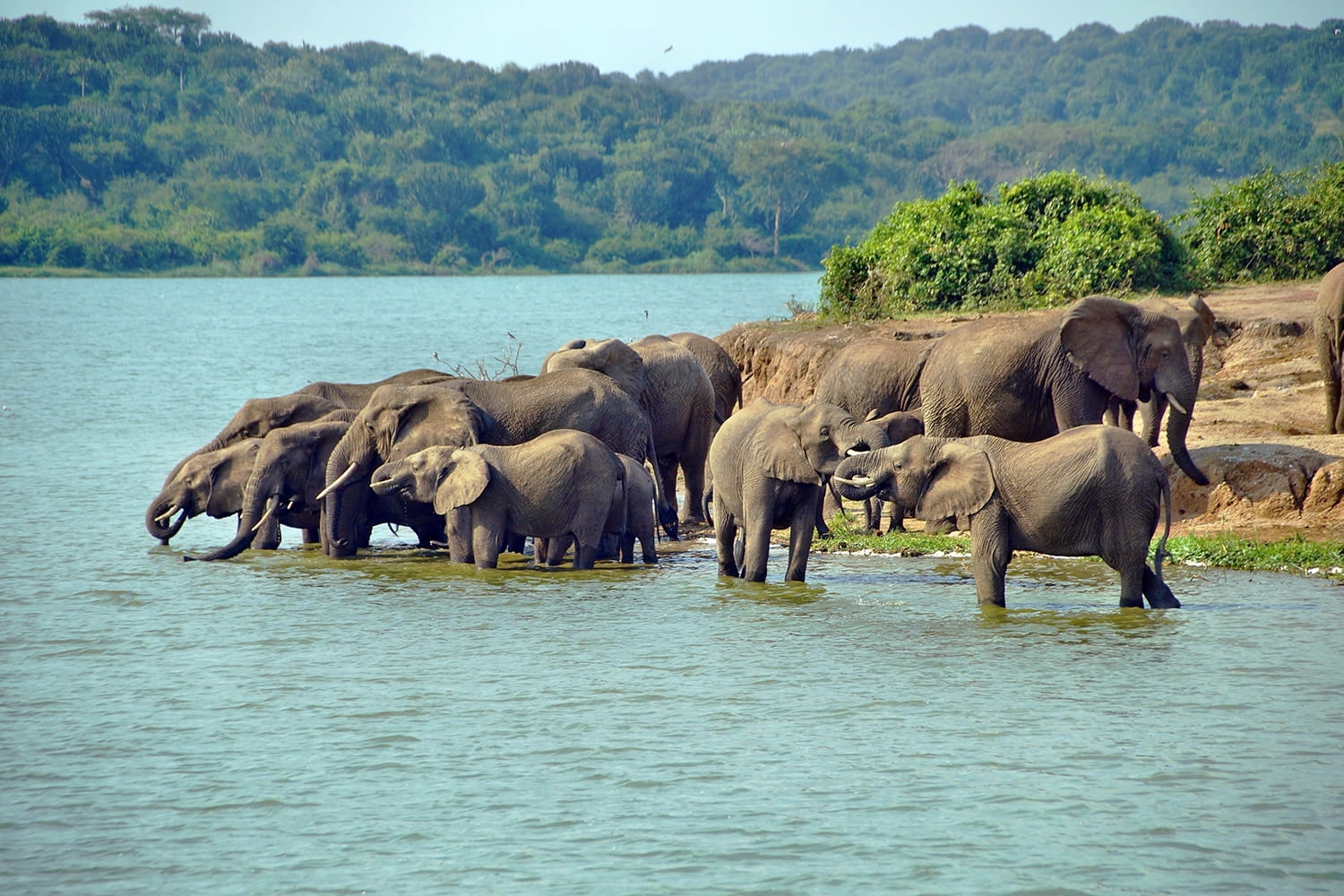
Drive to Queen Elizabeth National Park, framed by the Rwenzori Mountains. In the afternoon, enjoy a boat cruise on the Kazinga Channel. This natural waterway hosts one of the world's highest concentrations of hippos and crocodiles, while elephants and buffaloes frequently congregate at the water’s edge to drink.
Day 4: Ishasha Tree-Climbing Lions & Bwindi
Traverse the Ishasha sector, famous for its unique tree-climbing lions lounging in ancient fig trees. Keep your eyes peeled for leopards and topi before continuing your journey toward Bwindi Impenetrable Forest. The landscape shifts from open savannah to steep, densely forested mountains, setting the stage for tomorrow's adventure.
Day 5: Mountain Gorilla Trekking
Today is the highlight: Gorilla Trekking. Guided by expert rangers, hike through dense foliage to find a habituated family. Spending one hour sitting just meters away from a silverback and his family is a profound, life-changing experience. Return to the lodge to share stories and celebrate a successful trek.
Day 6: Lake Bunyonyi & Departure
Relax at Lake Bunyonyi, the deepest lake in Uganda, dotted with 29 emerald islands. Take a short canoe ride or enjoy the stunning views before driving back toward Entebbe. Stop at the Equator for photos and souvenir shopping before catching your evening flight home, forever changed by Uganda.
What clothing colors are best for a Uganda safari?
For a Uganda safari, the best clothing colors are neutral, earth-tone shades that don’t visually overpower the natural environment. Think khaki, olive green, beige, brown, and muted gray. These colors help you blend in with the landscape, which is useful when you’re watching wildlife from a vehicle or walking along nature paths. While you won’t be “invisible” to animals, wearing colors that match the scenery can make the experience feel more natural and less disruptive. Bright colors like neon green, red, or loud patterns can stand out strongly—especially in savanna areas where the background is often open grass and dry soil. Another practical reason to choose earth tones is that dust is common on safari routes. Light beige and tan clothing can hide dust better than pure white, while dark colors can still look acceptable because they don’t show every stain.
It’s also a good idea to pack a few layers in different shades. For example, you can wear an olive shirt with khaki trousers, and later add a brown fleece during cooler mornings. Avoid clothing with heavy reflective materials or flashy trims. If you plan to do gorilla or chimpanzee trekking, choose colors that are comfortable and low-profile, since you’ll be moving through vegetation and possibly wet areas. Lastly, consider that you’ll likely wash or re-wear items during a multi-day trip. Simple, solid earth-tone outfits are easier to mix, match, and maintain.
Are long-sleeved clothes necessary for a 6-day Uganda safari?
Yes—long-sleeved shirts and long trousers are strongly necessary for a 6-day Uganda safari, especially if your itinerary includes forest treks and activities in dense vegetation. Uganda is warm overall, but the main concern isn’t only temperature—it’s insects and scratches. Mosquitoes are common around humid areas, and long sleeves reduce exposed skin. This matters during early morning walks, late afternoon nature walks, and time spent near water sources where insects are active. In areas with thicker brush, long clothing also protects you from small thorns, branches, and rough vegetation that can cause irritation.
Long trousers are equally important for trekking because they reduce the risk of bites from insects living near ground level, and they help you avoid discomfort from uneven terrain. Even in savanna regions, where you may sit in vehicles for game drives, long pants can be helpful for overall protection and comfort.
When packing, focus on lightweight breathable fabrics rather than heavy winter clothing. Options like cotton blends or moisture-wicking travel shirts can keep you comfortable while still offering protection. If you prefer, you can bring a short-sleeve shirt for lodge time, but plan for long sleeves as your main trekking clothing. If you’re worried about heat, you can also select long-sleeve shirts that are loose-fitting, and use insect repellent on exposed areas like hands and face.
In short: long sleeves and trousers aren’t just “recommended”—they are part of staying safe, comfortable, and prepared in Uganda’s varied environments.
What shoes should I pack for trekking during a Uganda safari?
For trekking during a Uganda safari, the best footwear is sturdy, waterproof hiking boots with good traction. Gorilla and chimpanzee trekking routes are often muddy, slippery, and uneven. Even if the forecast looks good, forest trails can stay damp because of humidity and shade. Waterproof boots help keep your feet dry, which reduces the chance of blisters and discomfort caused by wet socks.
Traction is critical because you’ll step over rocks, roots, and ruts. A sole with strong grip helps you maintain balance when the ground is soft. Boots should also provide adequate ankle support, which can reduce fatigue and help prevent injuries when walking for long stretches on difficult terrain. If you’re trekking multiple days, comfort becomes even more important, so choose boots that are already broken in before you arrive. New boots can rub your feet and cause blisters during long hikes.
When packing, consider bringing two pairs of socks—or at least enough to rotate—because dry socks significantly improve comfort. Moisture control is key in forest areas. A good boot-and-sock combo also helps your feet stay warm at times when mornings and evenings are cooler.
If you already own hiking boots, test them on uneven ground beforehand to ensure they feel stable. Lightweight walking shoes may be tempting, but they often don’t perform well in mud and can lead to sore feet during trekking. For Uganda’s trekking style, boots are usually the safest and most practical choice.
Ultimately, your shoes are one of the most important items for your safari success and comfort.
Is a rain jacket needed for a 6-day Uganda safari?
Yes—a lightweight waterproof rain jacket or poncho is needed for a 6-day Uganda safari. Rain in Uganda can be sudden, and even short showers can make trails wet and muddy. Forest trekking is the biggest reason to pack a rain layer, because you’ll be moving through vegetation where rain can cling to leaves and then soak into clothing. A waterproof jacket helps you stay comfortable and reduces chills after you get wet. It also protects your daypack, especially if your essentials include cameras, phones, and clothing layers.
Choose a jacket that is breathable and packable so it doesn’t take too much space. Look for something that blocks rain but still allows ventilation, since trekking can raise your body temperature quickly. A poncho can work well too, especially in forest conditions where you might want full coverage that also protects your arms. Some travelers prefer ponchos because they’re quick to put on during sudden rain, but a jacket with a hood may give you better control.
It’s wise to remember that rain can also affect visibility during game drives, but most vehicle time is sheltered. Still, you may step out occasionally for certain viewing opportunities or for short walks near lodges, so being prepared is useful.
A separate tip: pack a small waterproof cover for your camera or a dry bag for your gear. If your equipment gets wet, it can be difficult to dry properly in humid environments.
In summary, a rain jacket isn’t optional for a forest-heavy safari—it’s an everyday comfort and protection item that improves your experience during unpredictable weather.
What kind of luggage is best for a Uganda safari?
The best luggage for a Uganda safari is typically soft-sided bags such as duffels or soft travel suitcases. This preference is mainly about practicality. Safari vehicles and storage spaces can be limited, and soft bags often fit more easily into tight compartments. They also allow you to adjust how the bag sits, which can be helpful when multiple travelers share vehicle space. Hard suitcases can take up more room and can be harder to pack efficiently.
Soft luggage is also more flexible if you need to rearrange items during the trip. For example, you might need to access a rain jacket, medication, or trekking gear while traveling. A soft bag usually opens more smoothly and can store gear in a way that’s easier to organize. Many safaris also involve checkpoints, transfers, and quick loading/unloading, so durability and ease of use matter.
When choosing luggage size, consider how many days you’re traveling and how often you’ll wash clothes. A 6-day safari usually doesn’t require oversized luggage if you pack smart layers and neutral outfits. Bringing a bag with multiple pockets can also help with organization—especially for items like chargers, documents, and personal care items you want to keep reachable.
Make sure your bag is durable enough for travel conditions, including potential dust and rough handling. A bag with a sturdy zipper and reinforced seams is ideal. Also consider packing essentials in a separate daypack so you’re not always digging into your main luggage during daily activities.
In short: soft-sided luggage maximizes space, simplifies packing, and makes daily logistics easier—so it’s the most safari-friendly option for most travelers.
Do I need a daypack for a 6-day Uganda safari?
Yes, you do need a daypack for a 6-day Uganda safari. Even though most of your luggage will stay at the lodge or in storage, your daily activities require a smaller bag for essentials. During game drives, nature walks, and especially trekking days, you’ll want easy access to items you’ll use immediately, without having to open a larger suitcase. A daypack is the perfect solution for that.
Your daypack should be comfortable and easy to carry for long hours. Choose one with padded shoulder straps and enough capacity to fit your essentials: water, snacks, sunscreen, a light layer for cool mornings, binoculars, and your camera (or at least a camera compartment). A daypack also helps you keep your documents and small personal items organized and within reach.
During gorilla or chimpanzee trekking, a daypack often becomes your lifeline for small comforts. You may need to carry water and any required personal items while following your guide’s instructions. Even if trekking involves specific rules, having a bag for your daily needs improves independence and readiness.
It’s also helpful for staying prepared during unpredictable weather. If rain starts, you can quickly store a rain cover or keep wet items separated. Similarly, insect repellent and wet wipes are easier to access from a daypack than from a suitcase.
Pack your daypack the night before each activity day, and keep frequently used items at the top or in outer pockets. For comfort and safety, avoid overpacking—keep weight manageable.
Overall, a daypack is one of the most practical items for making your safari days smooth and enjoyable.
What camera gear is essential for a Uganda safari?
For a Uganda safari, essential camera gear includes a reliable camera, the right lens choice, and enough power and storage to capture wildlife moments. Uganda offers excellent opportunities for photography—from big wildlife sightings during game drives to close-range excitement during treks. A camera with a good zoom lens is especially useful because animals are often at a distance, and you may not be able to get close safely. A telephoto lens helps you frame animals clearly without disturbing them or breaking safe viewing distances.
Bring extra memory cards because wildlife photography can use storage quickly, especially if you shoot burst mode or record video. Running out of space at the wrong time can be frustrating, particularly during rare encounters. Also pack extra batteries, since cameras can drain battery faster in warm, humid conditions or when you use screens and continuous shooting.
If you use a smartphone, consider bringing a charging solution and a way to protect your phone from dust and rain. Many travelers rely on a phone plus a camera, but keep both charged. A small camera bag or padded insert inside your daypack helps protect equipment during bumpy rides.
Consider bringing accessories such as a lens cloth for dust and moisture, and a simple rain cover for your camera. In forest environments, humidity and light rain can affect equipment. A lightweight tripod may help for steadier shots during game drives, but it’s not always necessary and can be inconvenient in vehicles.
In summary, your essential camera kit is: a camera you know how to use, an appropriate zoom/telephoto lens, extra memory cards, spare batteries, and basic protective accessories like cloth and rain cover. This combination gives you flexibility and confidence across all safari settings.
Are binoculars important for a 6-day Uganda safari?
Yes—binoculars are highly important for a Uganda safari, especially if you enjoy wildlife spotting and birdwatching. Uganda’s safari experiences often involve animals that are far from viewing areas, particularly during game drives. Even when you can see movement, binoculars help you identify details such as animal species, behavior, and sometimes even patterns in fur or feathers.
Binoculars also enhance your ability to observe birds. Birdlife can be very diverse, and many species are small or fast-moving. Binoculars allow you to follow birds more easily and reduce the need to constantly reposition. This makes your experience more relaxing and rewarding because you get clear views without having to guess from a distance.
Choose binoculars that are comfortable to hold and easy to use. Many travelers prefer standard options around 8x or 10x, but the best choice depends on your preference and stability. If you plan to wear binoculars for long periods, comfort and weight matter. Also consider whether you want straps and lens covers for protection from dust.
During game drives, binoculars complement your camera. You may use binoculars to locate wildlife and track movement, then use your camera to take photos when an animal is in the right position. During walks and viewing stops, binoculars help you scan the landscape for animals and birds.
One more benefit: binoculars are useful even when photography isn’t possible. Sometimes lighting changes quickly or animals move away. Binoculars let you keep observing in those moments.
In short, binoculars are one of the best “quality of experience” items you can bring on a 6-day Uganda safari.
What toiletries should I pack for a Uganda safari?
For toiletries, pack essentials that you know you’ll use and that are difficult to replace on short notice. A Uganda safari often includes time outdoors, dust exposure, and limited access to stores, so it’s safer to bring your own items. Key toiletries include sunscreen to protect your skin from strong sunlight, especially during long game drives. Wear sunscreen even if the day seems cloudy because UV exposure can still be significant.
Bring insect repellent to protect against mosquitoes and other biting insects. This is especially important in areas with vegetation and around evenings when insects are more active. Also pack wet wipes because they’re incredibly useful after dusty travel days, before meals, or after trekking. They provide quick cleanliness when showers aren’t immediate.
Bring hand sanitizer to help you stay hygienic throughout the day. Hotels and lodges may provide some toiletries, but your need for sanitizer and wipes is personal and practical, so plan to bring your own.
If you wear medications, include them in your toiletries kit or carry them separately in a secure pouch. You may also want basic items like lip balm, a small tube of toothpaste, deodorant, and any personal hygiene products you rely on.
In humid and outdoor environments, consider including a small amount of moisturizer or after-sun lotion to prevent dryness. A simple tissue pack can also help.
Finally, keep toiletries in a waterproof pouch if possible. Rain and humidity can happen unexpectedly, and protecting toiletry bags prevents spills and damage.
Overall, pack what you need for comfort and cleanliness, especially repellent, sunscreen, wet wipes, and sanitizer, since those are the most repeatedly used items on safari.
Do I need warm clothes for a Uganda safari?
Yes, you should pack warm clothes even for a Uganda safari that is generally warm during the day. The reason is temperature change between day and night, especially in regions close to mountains and highlands. In places like Bwindi, mornings and evenings can feel chilly due to elevation and wind. Even if daytime temperatures are comfortable, you may feel cold when you start early for activities or when you return to the lodge after sunset.
A simple fleece jacket or light sweater is usually enough for most travelers. Choose something packable so it doesn’t take too much space. Layering is the best strategy: you can wear a warm top over a t-shirt and adjust based on temperature. Long-sleeve shirts also contribute to warmth during cooler moments.
Another helpful item is a thin beanie or hat, especially if you get cold easily. While not everyone needs it, it can make mornings more comfortable. If you’re prone to feeling cold during outdoor activities, bringing a light scarf can also help protect your neck from wind.
Even if you’re not trekking at night, you may spend time waiting for wildlife sightings, or you might walk between lodge areas. Air can be cooler after rain or during windy evenings.
So yes—warm clothes aren’t about winter survival; they’re about daily comfort and preventing chills. Pack at least one warm layer, plus whatever long-sleeve and long-trouser items you already planned for insect protection.
With the right layers, you’ll stay comfortable from early morning departures to relaxed evenings at your lodge.
What is essential for a 6-day Uganda safari first aid kit?
A good first aid kit for a 6-day Uganda safari should be compact but practical for common travel issues. Trekking days and long hours in the outdoors increase the chances of minor injuries like blisters, cuts, and insect bites. Start with pain relievers such as acetaminophen or ibuprofen (assuming you can safely take them). Bring them because headaches, soreness, or minor aches can happen after long treks or travel days.
Add blister bandages or blister treatment materials. Foot care is critical when you wear boots for hours, often on uneven and sometimes muddy terrain. Blister bandages can prevent a small blister from becoming a major problem. Include basic supplies like antiseptic wipes or antiseptic cream to clean small wounds quickly. Also pack bandages in different sizes for cuts or scrapes.
Insect-related essentials are important. Bring insect repellent and consider including a cream to soothe itch from bites. If you’re prone to allergic reactions, pack any antihistamine recommended for your health situation.
You also mentioned antimalarial tablets—these are not something you should self-prescribe during travel. If your doctor recommends malaria prevention, take the correct medication as instructed before and during your trip. For your kit, include only what a healthcare professional specifically advises for you.
Other useful items include tweezers (for small splinters), a small pack of gauze, and a basic thermometer if you want. Most importantly, keep your first aid kit accessible in your luggage or daypack where appropriate.
A well-prepared first aid kit helps you handle small issues quickly and keeps your safari safe, comfortable, and enjoyable.
Should I bring a reusable water bottle for a Uganda safari?
Yes—you should bring a reusable water bottle for your Uganda safari. Hydration is essential because safari activities involve long periods outdoors, often in warm conditions with lots of sun. Dehydration can make you feel tired, dizzy, or headachy, and it can also affect your stamina during trekking. A reusable bottle makes it easier to drink regularly.
The bottle also supports eco-friendly travel by reducing plastic waste. Even though bottled water is often provided during tours, having your own bottle means you can refill when your guide allows it and when safe water sources are available. Reusable bottles are usually more convenient than buying single-use plastic bottles repeatedly.
When choosing a bottle, consider whether it’s easy to carry and durable. A lightweight bottle is ideal for a daypack. If you sweat a lot or want to stay hydrated for several hours, a bottle with adequate volume helps you avoid running out too quickly. Many travelers prefer insulated bottles, but any reliable bottle works if you can keep it clean.
Also remember cleanliness: wash the bottle before your trip and bring a way to keep it hygienic while traveling. If you’re unsure about safe refilling options, follow your guide’s instructions. In some remote areas, only certain water sources are safe, so don’t refill unless the guide confirms it.
In short, a reusable water bottle is a small but valuable item. It improves comfort, helps you drink consistently, and supports better hydration throughout your 6-day safari.
Are there power issues during a 6-day Uganda safari?
There can be power limitations during parts of a Uganda safari, especially in lodges near remote areas. Electricity availability may be limited, and charging options might not always be convenient. Because you’ll rely on your phone and camera for photos, maps, and communication, it’s smart to plan for charging challenges.
Bring a power bank so you can charge essentials even if outlets are limited or unavailable. A power bank is especially helpful during full-day activities when you won’t have access to charging. Choose one with enough capacity for your devices and ideally with multiple outputs if you have more than one charger.
Also bring a universal adapter appropriate for the outlets in Uganda. Since plug shapes may differ from home, a universal adapter ensures you can plug in your chargers without searching for special equipment. If you use camera chargers, phone charging cables, and other small electronics, you’ll appreciate having the correct adapter.
To reduce energy drain, charge devices whenever outlets are available—often in the evening at the lodge—then use your power bank for daytime needs. Reduce battery usage by lowering screen brightness and turning off unnecessary settings like Bluetooth. If you’re using your phone for GPS or photos, be mindful of battery consumption.
In summary, while your lodge may have electricity, remote travel makes it safer to assume charging won’t always be consistent. A power bank and universal adapter are simple solutions that protect your ability to capture memories and stay connected.
What documents are required for a 6-day Uganda safari?
For a 6-day Uganda safari, you’ll need key travel documents to ensure smooth entry, check-in, and participation in activities. The most important document is your passport, which must be valid for your trip duration and sometimes beyond depending on entry requirements. Check your passport validity well before travel.
You should also carry travel insurance documents. Insurance is important in case of medical issues, delays, or other travel disruptions. Keep both digital and printed copies if possible, but printed copies are especially useful if internet service is unreliable.
For gorilla or chimpanzee trekking, you must carry printed copies of your permits. These permits are essential for entry into tracking activities and can be required at checkpoints or during briefings. Having paper copies prevents issues if your phone battery dies or if a digital copy isn’t accessible.
Organize your documents in a safe folder or document wallet. Keep them separate from your main luggage where possible—many travelers put them in a daypack or carry pouch so they’re accessible on arrival and during check-ins.
If you have additional documents like vaccination records or visas, keep copies as well. Requirements can vary based on your nationality and itinerary, so confirm your specific requirements before departure.
In short, carry your passport, travel insurance proof, and printed trekking permits. These three items cover the majority of essential document needs for a Uganda safari, particularly for guided trekking days.
Are shorts allowed on a Uganda safari?
Shorts are allowed for some parts of a Uganda safari, but they should be limited to safer, lower-risk situations. Shorts are generally fine for lodge relaxation, meals, and time when you’re not trekking through brushy areas. During savanna game drives, short periods of walking near the vehicle may also be okay depending on your comfort and the specific conditions.
However, shorts are not the best choice for forest trekking. Forest trekking involves insects, vegetation, and uneven terrain. Long trousers provide better protection from mosquito bites, small insects, and scratches from branches and leaves. They also help you stay comfortable because forest environments can be humid and wet.
A good approach is to pack both types: bring one or two pairs of shorts for downtime, and your main trekking clothing should include long trousers. This way you’re prepared for different parts of your itinerary.
If you prefer shorts but want protection, consider wearing convertible pants or leggings as an alternative. Some travelers also wear long socks with shorts, but for full safety, long trousers remain the better option during treks.
In summary: shorts can work for lodge time and some savanna driving, but for the forest sections of a 6-day Uganda safari, long trousers are strongly recommended.
Booking 6 days Uganda safari with us Roads of Adventure safaris
Booking a 6-day Uganda safari with Roads of Adventure Safaris offers several popular itineraries that can be tailored to your interests, ranging from primate tracking to classic savanna game drives.
