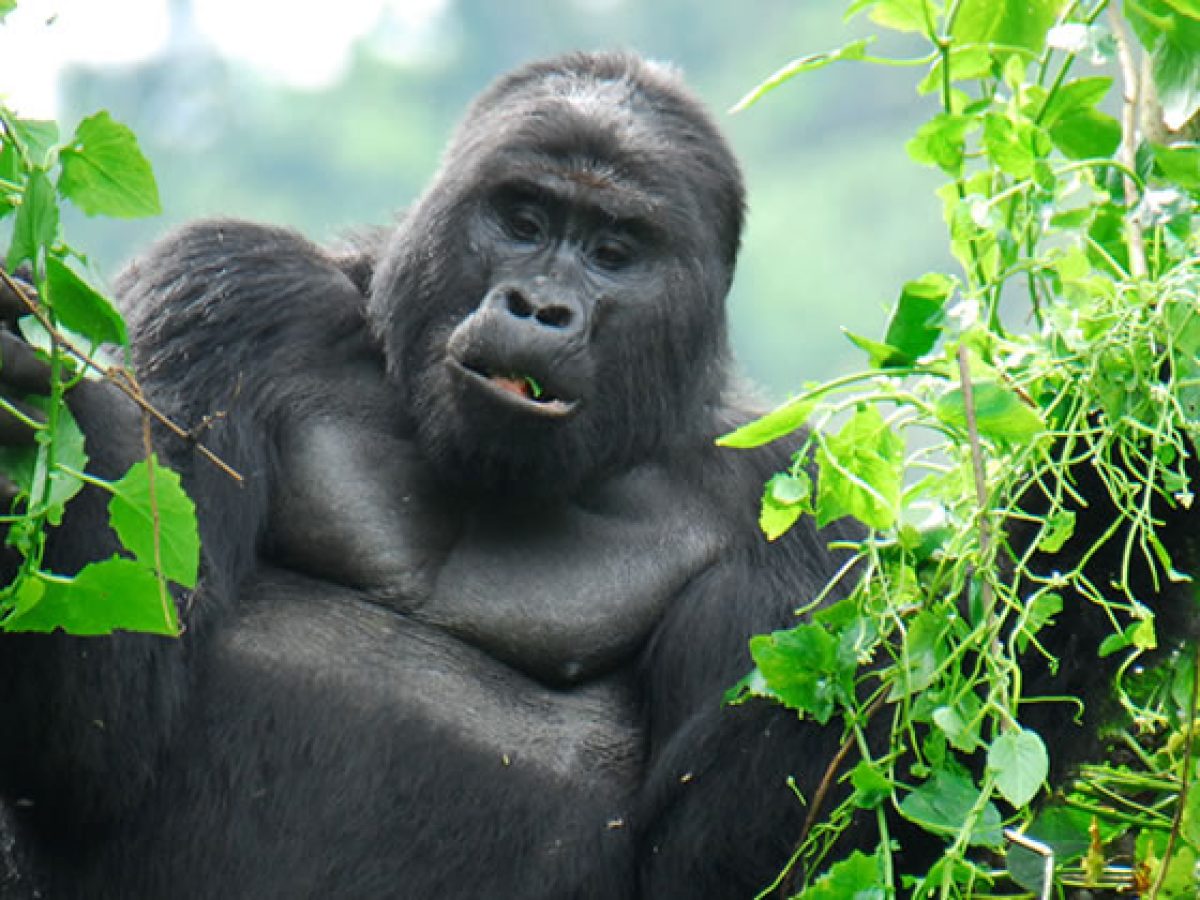
A 14-day safari in Uganda offers a comprehensive journey through the "Pearl of Africa," featuring prime mountain gorilla trekking in Bwindi, chimpanzee tracking in Kibale, and diverse wildlife viewing in Murchison Falls and Queen Elizabeth National Parks. Expect to see the "Big Five," visit the Equator, and experience scenic boat cruises, savanna game drives, and community culture over two weeks
14-days-complete-uganda-safari-tour-and-primate-safari-experience
14-days-uganda-and-rwanda-safari-tour-itinerary
14-days-luxury-uganda-primate-safari-holiday
14-days-uganda-primate-safari-and-jinja-white-water-rafting
14-days-classic-uganda-birding-safari-expedition
14-days-best-africa-big-five-safari-in-uganda-and-best-gorilla-trekking-adventure
Gorilla Trekking
Gorilla trekking in Bwindi Impenetrable National Park is widely regarded as the ultimate wildlife encounter on the planet. This ancient, UNESCO-protected rainforest is home to roughly half of the world's remaining mountain gorillas. The experience begins early in the morning at the park headquarters with a briefing on safety and etiquette. You are then assigned to a specific gorilla family based on your fitness level, as the terrain can vary from manageable slopes to incredibly steep, vine-tangled ridges. Tracking involves hiking through dense undergrowth, often with rangers using machetes to clear a path, until the advanced trackers locate the family's current position.
Once you find the gorillas, you are granted exactly one hour to observe them. Sitting just meters away from a 400-pound Silverback is a profoundly humbling experience. You will witness the remarkably human-like social dynamics of the group—mothers nursing infants, juveniles wrestling playfully, and the dominant male maintaining a watchful, protective eye over his troop. The silence of the forest, broken only by the sound of the gorillas chewing on bamboo or the occasional guttural grunt, creates a visceral connection to our evolutionary cousins. Despite the "moderate to strenuous" physical demand of the hike, the emotional reward is so significant that most travelers describe it as the single most impactful hour of their lives. It is a raw, unscripted moment of nature that underscores the vital importance of habitat conservation in the Albertine Rift.
Primate Tracking
Uganda’s reputation as the "Primate Capital of the World" is solidified in Kibale Forest National Park. This lush tropical canopy supports the highest density and diversity of primates in Africa, with 13 different species recorded. The headline attraction is the Chimpanzee. Unlike the relatively stationary gorillas, chimpanzees are high-energy and highly vocal. Tracking them involves following the echoing "pant-hoots" that resonate through the forest. When you locate a community, you witness a complex social world characterized by grooming rituals, territorial politics, and sophisticated tool use. For those seeking a deeper dive, the Chimpanzee Habituation Experience (CHEX) offers a full-day opportunity to stay with a group from the moment they wake until they build their evening nests.
Complementing the forest experience is a visit to the Ngamba Island Chimpanzee Sanctuary on Lake Victoria. This 100-acre forested island serves as a home for orphaned and rescued chimpanzees who cannot be returned to the wild. A visit here provides a different perspective, focusing on the individual stories of the chimps and the intensive rehabilitation efforts led by conservationists. Watching the feeding sessions from a raised platform allows you to see the distinct personalities of the island's residents. Between the wild, high-octane chases in the Kibale canopy and the poignant conservation stories at Ngamba Island, Uganda provides a comprehensive and moving look at the lives of our closest biological relatives.
Big Game Safaris
While Uganda is famous for primates, its savannah parks offer a classic Big Game experience that rivals any in East Africa. In Queen Elizabeth National Park, the landscape is a dramatic mosaic of volcanic craters and open plains. The park is most famous for the Ishasha sector, where you can find the unique tree-climbing lions. Seeing these apex predators lounging in the limbs of ancient sycamore fig trees is a surreal sight that defines the Ugandan safari. The park is also home to large herds of elephants, Cape buffaloes, and the beautiful Uganda kob, providing a rich tapestry of predator-prey interactions across the Kasenyi Plains.
Further north, Murchison Falls National Park provides a grander, more rugged savannah setting. Here, the Victoria Nile bisects the park, creating a lush environment for a vast array of wildlife. Game drives on the northern bank offer sightings of the endangered Rothschild’s giraffe, massive herds of elephants, and prides of lions surveying the golden grasslands. The park’s birdlife is equally staggering, with the chance to see the prehistoric-looking Shoebill stork in the swampy fringes. By combining the volcanic craters of Queen Elizabeth with the palm-dotted plains of Murchison Falls, a 14-day safari ensures that you see the full "Big Five" spectrum (minus the rhino, which is tracked separately) in some of the most scenic protected areas on the continent.
Boat Cruises
Water-based safaris in Uganda provide a cooling and intimate perspective on the wild that is often more productive than a traditional vehicle drive. The launch trip to the bottom of Murchison Falls is arguably the most iconic river journey in Africa. As the boat moves upstream, you are surrounded by hundreds of grunting hippos and massive Nile crocodiles basking on the banks. The climax of the trip is reaching the base of the falls, where the entire Nile River is squeezed through a seven-meter gap, exploding into a thunderous white spray. The power of the water creates a permanent mist and rainbows, offering a sensory-rich conclusion to the cruise.
In Queen Elizabeth National Park, the boat cruise along the Kazinga Channel is a masterclass in high-density wildlife viewing. This 40-kilometer natural waterway connects Lake Edward and Lake George and boasts one of the world’s highest concentrations of hippos. During the two-hour trip, you will see enormous pods of hippos interacting just meters from the boat, while elephants and buffaloes frequently come down to the water’s edge to bathe and drink. The channel is also an ornithological paradise, with a staggering variety of water birds like the African Fish Eagle, Kingfishers, and Pelicans. These cruises allow for stable, close-up photography and a relaxed pace of observation that perfectly balances the more intense trekking days of the safari.
Scenery and Nature
Uganda’s natural beauty extends far beyond its animal inhabitants, encompassing a diverse array of landscapes that are attractions in their own right. The journey often begins with a visit to the Ziwa Rhino Sanctuary. This is the only place in Uganda where you can track the Southern White Rhino on foot. Walking alongside these three-ton giants with an expert ranger is a visceral, ground-level experience that connects you to the prehistoric roots of the African savannah. Following this, navigating the Nile Delta provides a serene, papyrus-fringed environment that feels like a "lost world," perfect for spotting rare aquatic birds and enjoying the tranquility of the river as it enters Lake Albert.
For a change of pace, the southwestern highlands offer Lake Bunyonyi, a high-altitude lake dotted with 29 emerald islands. Known as the "Place of Many Little Birds," its deep blue waters and terraced green hills provide a landscape often compared to Switzerland, but with a tropical twist. It is the perfect location for canoeing, swimming, or simply reflecting on the journey. Finally, the geographic milestone of crossing the Equator adds a classic "bucket list" element to the trip. Standing with one foot in each hemisphere is a mandatory photo opportunity that highlights Uganda’s unique position on the globe. These scenic highlights provide the visual "soul" of the safari, ensuring that the drive between national parks is just as breathtaking as the destinations themselves.
Cultural Interaction
A truly holistic Ugandan safari integrates the stories of the people who live alongside the wildlife. Village walks around the fringes of Bwindi or Kibale offer a window into the daily lives of the Bakiga and Batoro people. You might visit a traditional healer to learn about forest medicines, stop by a local primary school, or watch women weave intricate baskets. These interactions are designed to be mutually beneficial, ensuring that tourism revenue directly supports community development and fosters a positive relationship between local people and conservation efforts.
One of the most engaging cultural experiences is a coffee-making tour. Uganda is one of the world’s leading coffee producers, and joining a local farmer to see the process from "seed to cup" is a sensory delight. You will pick the ripe cherries, hull them with a mortar and pestle, roast the beans over an open fire, and finally enjoy a cup of the freshest coffee you’ve ever tasted. Additionally, visiting the Batwa indigenous community near Mgahinga provides a poignant look at the "First People of the Forest." Their stories of ancestral hunting and gathering, shared through song and dance, offer a powerful perspective on the human history of the Albertine Rift. These cultural moments turn a wildlife trip into a deeply personal journey, connecting you to the warmth and resilience of the Ugandan spirit.
14 Days Uganda Primate and Wildlife Safari
This 14 Days Uganda Primate and Wildlife Safari is a grand circuit designed for the true adventurer, traversing the legendary "Pearl of Africa" from the source of the Nile to the mist-covered volcanic highlands. This expedition is more than a vacation; it is a deep immersion into the most biodiverse corners of the Albertine Rift. You will experience the raw power of Murchison Falls, track chimpanzees through the lush canopy of Kibale, and stand in the humbling presence of the mountain gorillas in Bwindi. Along the way, the journey balances heart-pounding predator sightings on the savannah with tranquil moments on the Kazinga Channel and Lake Bunyonyi. Whether you are photographing tree-climbing lions in Ishasha or learning ancient forest lore from the Batwa people, this 14-day odyssey offers a comprehensive and transformative encounter with the wildlife, landscapes, and vibrant cultures that define Uganda’s unique spirit.
Day 1: Arrival in Entebbe
Your journey begins at Entebbe International Airport, a green peninsula on the shores of Lake Victoria. Upon arrival, you are greeted by the warm Ugandan breeze and transferred to your lodge. Depending on your flight time, you can relax by the pool or visit the Entebbe Botanical Gardens to spot your first primates—the black-and-white colobus monkeys. This day is about acclimatizing to the tropical rhythm and preparing for the epic 14-day circuit ahead.
Day 2: Ziwa Rhino Tracking & Murchison Falls
Heading north, you stop at the Ziwa Rhino Sanctuary, the only place in Uganda where you can track wild Southern White Rhinos on foot. Guided by an armed ranger, you walk within meters of these prehistoric giants. After lunch, you continue to Murchison Falls National Park, Uganda’s largest protected area. You arrive at the "Top of the Falls" to witness the mighty Nile explode through a narrow seven-meter gorge—a truly visceral experience of nature’s power.
Day 3: Savannah Game Drive & Nile Boat Cruise
An early morning game drive on the northern bank of the Nile reveals a landscape teeming with life. You’ll search for lions, leopards, and the rare Rothschild’s giraffe against a backdrop of Borassus palms. In the afternoon, a boat cruise upstream takes you to the base of the falls. You’ll navigate past massive pods of grunting hippos and sunbathing Nile crocodiles, with elephants often seen drinking at the river's edge, offering world-class photography opportunities.
Day 4: Delta Cruise & Transfer to Kibale
Today features a tranquil boat trip downstream toward the Nile Delta, where the river enters Lake Albert. This is the premier location for spotting the elusive Shoebill stork among the papyrus. Afterward, you begin the scenic drive southwest toward Kibale Forest. The route takes you through the "tea carpet" hills of Fort Portal, with the Rwenzori Mountains—the "Mountains of the Moon"—looming on the horizon. You settle into your forest lodge as the sounds of the jungle begin.
Day 5: Chimpanzee Trekking & Bigodi Walk
You enter the "Primate Capital of the World" for a face-to-face encounter with habituated chimpanzees. Following their loud pant-hoots through the canopy, you spend an hour observing their complex social interactions. In the afternoon, you take a community-led walk through the Bigodi Wetland Sanctuary. This swamp is a haven for eight other primate species and the Great Blue Turaco, showcasing the incredible biodiversity of the Kibale ecosystem and the success of local conservation initiatives.
Day 6: Transfer to Queen Elizabeth National Park
The journey continues south, crossing the Equator as you enter Queen Elizabeth National Park. The landscape shifts from dense rainforest to open savannah and ancient volcanic craters. An evening game drive on the Kasenyi Plains introduces you to the park’s mammalian diversity, including herds of Uganda kob and Cape buffalo. As the sun sets over the Rwenzori foothills, you arrive at your lodge overlooking the Kazinga Channel, ready for the next chapter of your safari.
Day 7: Kazinga Channel & Explosion Crater Drive
Morning brings a boat cruise on the Kazinga Channel, a natural waterway connecting Lake Edward and Lake George. This is arguably the best place in Africa for close-up hippo and bird viewing. In the afternoon, you take a scenic drive through the "Explosion Craters," a dramatic landscape of ancient volcanic vents and salt lakes. The views from the crater rims are breathtaking, offering a glimpse into the tectonic forces that shaped the Western Rift Valley.
Day 8: Ishasha’s Tree-Climbing Lions
You head to the remote Ishasha sector of the park, world-renowned for its tree-climbing lions. These apex predators spend their days lounging in the sturdy branches of sycamore fig trees—a rare behavioral adaptation found in only a few places in Africa. You’ll spend the day searching the canopy for these majestic cats and the golden grasslands for Topi and buffalo. This sector offers a wilder, more secluded atmosphere, capturing the raw essence of the Ugandan savannah.
Day 9: Transfer to Bwindi Impenetrable Forest
Leaving the plains behind, you ascend into the Kigezi Highlands, often called the "Switzerland of Africa" for its steep, terraced hills and misty valleys. You arrive at the boundary of Bwindi Impenetrable National Park, a UNESCO World Heritage site. This ancient rainforest is home to nearly half of the world's mountain gorillas. Tonight, the air is cool and the anticipation is high as you prepare for the emotional highlight of your 14-day primate expedition.
Day 10: Gorilla Trekking in Bwindi
This is the day you’ve been waiting for. After a briefing, you trek into the thick forest to find a habituated gorilla family. The hike can be challenging, but the moment you see the Silverback and his family, all fatigue vanishes. You spend one quiet, transformative hour just meters away from these gentle giants. Watching them forage, play, and interact is a profound privilege. You return to the lodge for a well-deserved evening of reflection and rest.
Day 11: Lake Bunyonyi Relaxation
After the physical intensity of the treks, you transfer to Lake Bunyonyi, the "Place of Many Little Birds." Dotted with 29 emerald islands and surrounded by terraced hills, this is one of the most beautiful spots in East Africa. You can spend the day canoeing in a traditional dugout, swimming in the safe, bilharzia-free waters, or simply relaxing on the dock. It is the perfect environment to process the incredible wildlife encounters of the past week.
Day 12: Transfer to Lake Mburo National Park
The safari moves toward its final leg with a drive to Lake Mburo National Park. This park is a unique mosaic of acacia woodlands and wetlands, and it is the only place in southern Uganda where you can see Burchell’s zebra and the massive Eland antelope. An evening game drive offers a chance to spot leopards, which are particularly active in this park. The intimate scale of Lake Mburo provides a charming contrast to the vast northern savannahs.
Day 13: Walking Safari & Cultural Encounter
Experience the bush from a different perspective with a guided walking safari. Accompanied by an armed ranger, you walk among zebras and giraffes, learning about the smaller details of the ecosystem—from animal tracks to medicinal plants. In the afternoon, you visit a local community to learn about traditional cattle herding or coffee processing. This final cultural interaction grounds your journey in the reality of the people who live alongside these magnificent protected areas.
Day 14: Equator Stop & Departure
On your final day, you begin the drive back to Entebbe. You’ll make a final stop at the Equator for photographs and some last-minute souvenir shopping at the local craft markets. After a farewell lunch, you are transferred to Entebbe International Airport for your departure flight. You leave with a camera full of photos and a heart full of memories, having completed the definitive 14-day circuit of the "Pearl of Africa."
What types of wildlife and primates can I expect to see during a comprehensive 14-day tour?
A 14-day comprehensive tour through Uganda offers a masterclass in African biodiversity, specifically focusing on the "Primate Triple Crown" and the "Big Five." You can expect to encounter Mountain Gorillas in the misty heights of Bwindi and Chimpanzees in the dense canopy of Kibale Forest. Beyond these giants, Uganda’s forests teem with 11 other primate species, including the strikingly beautiful Golden Monkeys of Mgahinga, the acrobatic Black-and-White Colobus, and the rare L’Hoest’s monkey.
On the savannah plains of Murchison Falls and Queen Elizabeth National Parks, the focus shifts to classic African megafauna. You will likely spot Lions (including the famous tree-climbing prides of Ishasha), elusive Leopards, and massive herds of African Elephants and Cape Buffaloes. The water systems—the Victoria Nile and Kazinga Channel—provide a theater for Hippos and Nile Crocodiles, while the plains are dotted with diverse antelope species like the endemic Uganda Kob, Topi, and Jackson’s Hartebeest. For birders, the prehistoric Shoebill Stork remains the "holy grail" of the 450+ species found along this circuit.
How much driving is involved during a two-week Uganda safari covering multiple national parks?
A two-week safari covering Uganda’s major parks is an epic road journey that involves significant time in a 4x4 vehicle. While the distances on a map may look modest, the reality of African terrain means you should expect 4–7 hours of driving on transfer days. For example, the journey from Murchison Falls to Kibale Forest can take a full day as you navigate winding roads through tea estates and rural villages.
While the primary highways (like the Entebbe-Kampala-Fort Portal route) are paved and generally in good condition, the access roads to national parks and lodges are often "murram" (graded gravel). These can be bumpy, dusty, and challenging to navigate, especially after a tropical downpour. However, this "African massage"—as it’s affectionately called by local guides—is part of the adventure, offering a front-row seat to Uganda’s vibrant roadside culture, bustling markets, and changing landscapes from the flat savannahs of the north to the jagged volcanic peaks of the southwest.
What should I expect regarding the accommodation quality, from luxury lodges to budget camping options?
Uganda’s tourism infrastructure has evolved to offer a tiered spectrum of accommodations, all emphasizing an immersive nature experience.
- Luxury: High-end lodges like Bisate or Bakers Lodge offer world-class amenities, gourmet "farm-to-table" dining, and private decks with sweeping views of the Nile or the gorilla forests.
- Mid-Range: Comfortable tented camps and lodges provide a "best-of-both-worlds" experience, featuring en-suite bathrooms, solid infrastructure, and excellent local hospitality at a more accessible price point.
- Budget: For the adventurous, there are well-maintained campsites, eco-bandas (traditional huts), and community-run guesthouses. Regardless of the price point, most safari accommodations prioritize sustainability and community involvement, often sourcing ingredients from their own organic gardens or nearby village farms.
Are the roads in Uganda safe and easily navigable during a 14-day road trip?
Generally, the main highways connecting major towns in Uganda are paved and safe. However, the experience changes once you head toward the national parks. Many secondary roads are unpaved, consisting of red clay or gravel. During the dry season, these roads are dusty; during the rainy season, they can become slippery and require an experienced driver with a robust 4x4 vehicle.
Navigation can be tricky due to limited signage in remote areas, which is why most travelers opt for a guided safari rather than self-driving. A professional driver-guide not only understands the nuances of the terrain but also possesses the mechanical knowledge to handle potential vehicle issues in isolated areas. While the driving can be slow, the safety record for tourists on these routes is high, provided you avoid driving at night when visibility is poor and livestock or wildlife may wander onto the roads.
What is the best time of year to visit for a 14-day safari in Uganda?
Timing your 14-day safari is crucial for both wildlife viewing and trekking comfort. The Dry Seasons—June to August and December to February—are the peak windows for travel. During these months, the forest trails in Bwindi and Kibale are less muddy and slippery, making the strenuous hikes to find primates significantly easier.
In the savannah parks, the dry weather causes vegetation to thin out and smaller water holes to vanish, forcing wildlife to congregate around permanent water sources like the Nile. This makes animal sightings much more predictable. While the Wet Seasons (March–May and October–November) bring heavy rains that can make logistics difficult, they offer the "Emerald Season" appeal: lush, green landscapes perfect for photography, lower lodge rates, and a peak in bird migratory activity. For most first-time travelers, however, the dry months provide the most reliable conditions for a multi-park expedition.
What should I pack for a safari that includes both rainforest trekking and savanna game drives?
Packing for a 14-day Ugandan odyssey requires a "layering" strategy to handle environments ranging from hot savannahs to chilly mountain ridges.
- Trekking Gear: You must pack sturdy, waterproof hiking boots with ankle support and long-sleeved shirts/trousers to protect against stinging nettles and thorns. Gardening gloves are a secret essential for gripping vines during steep climbs.
- Safari Wear: Choose neutral colors (khaki, olive, tan). Avoid bright blue and black, as these colors are known to attract tsetse flies in certain sectors.
- Protection: A high-quality lightweight rain jacket is mandatory even in the dry season. Don't forget high-SPF sunscreen, a wide-brimmed hat, and a DEET-based insect repellent.
- Tech: A camera with a good zoom lens (at least 300mm) is vital for savannah wildlife, while a "fast" lens (wide aperture) is better for the low-light conditions under the forest canopy.
What is the maximum number of people allowed to visit a gorilla family in Bwindi?
To ensure the long-term survival of the endangered mountain gorilla, the Uganda Wildlife Authority enforces strict conservation protocols. Only eight visitors are allowed to visit a single habituated gorilla family per day. This limit minimizes the stress on the primates and reduces the risk of human-to-wildlife disease transmission.
Once the family is located, your time in their presence is strictly capped at one hour. During this encounter, you must maintain a distance of 7–10 meters (roughly 23–33 feet). If you are feeling unwell—even with a minor cold or cough—you will be prohibited from trekking, as gorillas have no natural immunity to human respiratory infections. These rules are non-negotiable and are overseen by armed rangers and expert trackers who prioritize the safety of the animals and the visitors alike.
How strenuous is the gorilla trekking experience in Bwindi Impenetrable National Park?
Gorilla trekking in Bwindi Impenetrable National Park is a physically demanding activity that requires a moderate to high level of fitness. Bwindi lives up to its name; you will be hiking off-trail through thick undergrowth, navigating steep slopes, and stepping over slippery roots at altitudes between 1,160m and 2,607m ($3,800–8,550$ ft).
A trek can last anywhere from 2 to 8 hours, depending on the gorillas' movements. For those concerned about the difficulty, porters are available at the trailhead for a small fee ($15–$20) to carry your gear and provide a steady hand on the slopes. Hiring a porter is highly recommended, as it not only eases your physical burden but also provides a vital income for the local community. For travelers with significant mobility issues, "sedan chair" services (the "African Helicopter") can be arranged to ensure that no one misses out on this life-changing experience.
What is the difference between chimpanzee trekking in Kibale Forest and chimpanzee habituation experiences?
In Kibale Forest, you have two distinct ways to interact with our closest relatives:
- Chimpanzee Trekking: This is a standard 1–3 hour experience where you find a fully habituated troop and spend one hour observing them as they groom, play, and forage. It is a high-success, relatively predictable activity.
- Chimpanzee Habituation Experience (CHEX): This is a full-day immersion alongside researchers and trackers. You follow a troop that is still being habituated to human presence, often spending the entire day in the forest from the time they wake until they build their evening nests.
The habituation experience is more physically taxing and requires more patience, but it offers a much deeper look into chimpanzee social structures and behaviors. While trekking is more of a "highlight" reel, habituation is a "behind-the-scenes" documentary of primate life in the wild.
What kind of safety precautions should I follow while traveling on safari in Uganda?
Safety in the Ugandan wild is predicated on respect for the animals and adherence to professional guidance. Always travel with a qualified guide and strictly follow the instructions of park rangers during treks. When in the presence of primates, keep your voice low and avoid direct eye contact with silverbacks, which can be perceived as a challenge.
Regarding personal safety, avoid carrying large amounts of cash or wearing expensive jewelry in urban areas. When photographing local people, always ask for permission first; it is a sign of respect and often leads to much better cultural interactions. Finally, always stay within your vehicle during game drives unless you are at a designated "stretch point" or accompanied by an armed ranger. Uganda is a peaceful country, and by following these common-sense rules, your 14-day trip will be both secure and spectacular.
Do I need to take anti-malarial medication for a safari trip in Uganda?
Yes, taking malaria prophylaxis is an essential health precaution for any traveler visiting Uganda. Malaria is prevalent throughout the country, including the national parks. You should consult a travel doctor at least 4–6 weeks before your trip to obtain the correct medication (such as Malarone, Doxycycline, or Lariam) based on your medical history.
On the ground, preventative measures are equally important. Wear long-sleeved shirts and trousers in the evenings when mosquitoes are most active, and apply a high-quality insect repellent containing at least 20-30% DEET. Most safari lodges provide mosquito nets over the beds and use "knock-down" sprays in the rooms. By combining medication with physical barriers, you significantly reduce the risk of illness, ensuring you stay healthy for the duration of your 14-day adventure.
What can I expect in terms of food and drink quality during my 14-day trip?
Food in Ugandan safari lodges is often a highlight, blending international standards with local ingredients. You can expect a mix of continental breakfasts, three-course dinners, and "bush lunches" during long game drives. Many lodges operate "farm-to-table" kitchens, sourcing fresh organic produce from their own gardens or nearby villages. You'll likely taste local staples like Matooke (steamed green bananas) or Luwombo (stew steamed in banana leaves) alongside familiar international dishes.
Regarding beverages, you should strictly drink bottled or filtered water, which is provided by all reputable lodges and carried in safari vehicles. Fresh juices and Ugandan coffee—some of the best in the world—are staples at breakfast. If you have specific dietary requirements (vegan, gluten-free, or allergies), most lodges are very accommodating, provided you inform them in advance through your tour operator.
Is it possible to experience a 14-day safari in Uganda as a solo traveler?
Absolutely. Uganda is a very safe and welcoming destination for solo travelers. Many tour operators specialize in private, tailor-made itineraries where you have a dedicated driver-guide and vehicle, providing both security and flexibility. This allows you to set your own pace, whether you want to spend extra time birding or take a late-morning start.
Alternatively, you can join a small-group scheduled departure, which is a great way to meet like-minded travelers and reduce the costs of transport and accommodation. Solo travelers are well-catered for at lodges, though a "single supplement" fee often applies for private rooms. Whether you prefer the solitude of a private trek or the social atmosphere of a group game drive, a 14-day Ugandan safari is fully accessible and safe for those traveling alone.
What cultural experiences can I expect to participate in during a two-week Ugandan safari?
A 14-day itinerary allows ample time to move beyond the wildlife and engage with the "human" side of the Pearl of Africa.
Key cultural highlights include:
- The Batwa Trail: Learn about the "First People of the Forest" near Mgahinga, who share their ancient hunter-gatherer knowledge and forest lore.
- Village Walks: Participate in community-led tours around Bwindi or Bigodi, visiting local schools, traditional healers, or coffee-making workshops where you can roast and grind your own beans.
- Ankole Cattle Experience: In the Lake Mburo region, you can spend time with pastoralists learning about the cultural significance and care of the iconic long-horned cattle.
Booking 2 weeks safari in Uganda with us Roads of Adventure safaris
Booking a 2-week (14-day) safari in Uganda with Roads of Adventure Safaris offers an in-depth "Pearl of Africa" experience, typically covering primates, savanna wildlife, and cultural encounters. Based in Kampala, this operator specializes in tailored, private, and mid-range to luxury safari packages.
