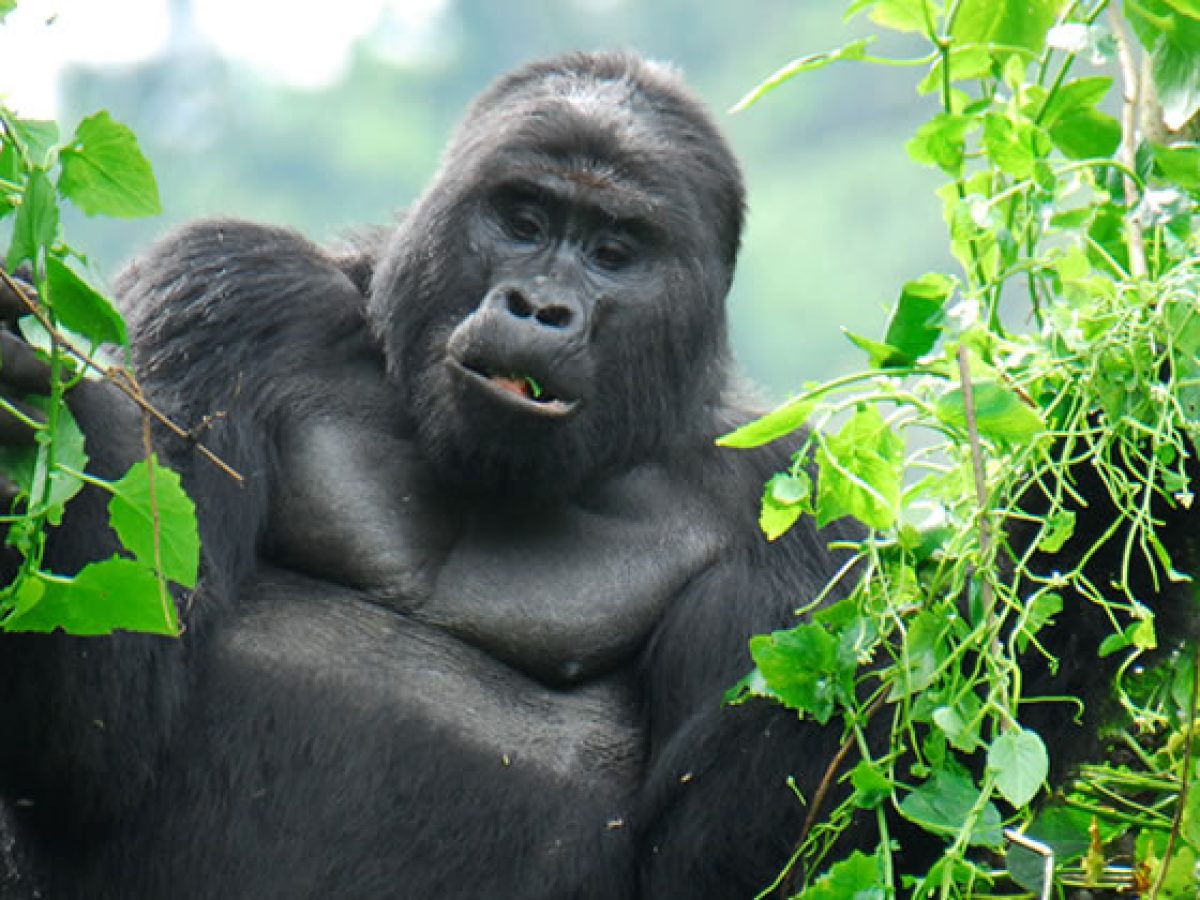
A 14-day Uganda primate safari offers a comprehensive, immersive experience covering mountain gorillas in Bwindi Impenetrable National Park, chimpanzees in Kibale Forest, and wildlife in Queen Elizabeth and Murchison Falls national parks. Key tips include booking gorilla permits 4–6 months in advance, visiting between June–August or December–February, and packing durable, waterproof hiking gear.
14-days-complete-uganda-safari-tour-and-primate-safari-experience
14-days-uganda-and-rwanda-safari-tour-itinerary
14-days-luxury-uganda-primate-safari-holiday
14-days-uganda-primate-safari-and-jinja-white-water-rafting
14-days-classic-uganda-birding-safari-expedition
14-days-best-africa-big-five-safari-in-uganda-and-best-gorilla-trekking-adventure
Permit Booking
Securing your permits is the most critical logistical step in planning a Ugandan safari. Unlike a standard game drive, where you can often pay at the park gate, gorilla and chimpanzee tracking are strictly regulated to protect the primates and their habitat. The Uganda Wildlife Authority (UWA) issues a limited number of permits per day—only eight people are allowed to visit a single gorilla family for one hour. Because demand from global travelers is incredibly high, especially for the Bwindi Impenetrable and Kibale Forest sectors, these "golden tickets" often sell out half a year in advance. Booking 4–6 months ahead ensures you get the specific dates and sectors that align with your travel route, preventing costly last-minute pivots or the disappointment of missing out on the trip's highlight.
While it is possible to book directly through the UWA, most travelers find it much more efficient to use a reputable tour operator. Operators have real-time access to permit availability and can handle the physical collection of the permits in Kampala. Furthermore, the permit fee—currently $800 for gorillas and $250 for chimpanzees for foreign non-residents—includes park entrance fees and the services of armed rangers and expert trackers. It is important to remember that these permits are non-refundable and location-specific. If you book a permit for the Buhoma sector of Bwindi, you cannot use it in the Rushaga sector. By planning early, you also give yourself the flexibility to choose a sector that matches your fitness level, as some areas of Bwindi are significantly steeper and more challenging to navigate than others.
Best Time to Visit
Uganda is an equatorial country, meaning it is technically a year-round destination; however, for a 14 or 21-day expedition involving heavy trekking, timing is everything. The primary Dry Seasons—June to August and December to February—are widely considered the optimal windows. During these months, the tropical sun dries out the forest floor, making the steep, vine-tangled ridges of Bwindi and Mgahinga much safer and easier to navigate. In the savannah parks like Murchison Falls and Queen Elizabeth, the dry weather is a "wildlife magnet." As seasonal water holes vanish, massive herds of elephants, buffaloes, and various antelopes congregate around permanent water sources like the Nile and the Kazinga Channel, providing world-class game viewing and predator-prey interactions.
Conversely, the wet seasons (March to May and October to November) bring heavy afternoon downpours that can turn mountain trails into slippery mudslides and remote savannah roads into impassable traps for all but the most experienced 4x4 drivers. However, there is a "shoulder season" appeal for budget-conscious travelers: the landscape is vibrantly green, offering stunning "Emerald Season" photography, and many luxury lodges offer discounted rates. Birdwatching is also at its peak during the rains as migratory species are present. But for those whose primary goal is the "Big Five" and primates, the dry months offer the most seamless logistics and the highest probability of clear, unobstructed wildlife sightings under the African sun.
Packing List
Packing for Uganda is a study in "utility over fashion." The environment is diverse, ranging from hot, dusty savannahs to cold, misty rainforests. The most essential item is a pair of sturdy, waterproof hiking boots with deep tread and excellent ankle support. You will be hiking off-trail, stepping over roots and navigating loose soil; sneakers simply will not suffice. For clothing, the "long and light" rule applies. Long-sleeved shirts and long trousers are mandatory to protect your skin from stinging nettles, sharp thorns, and biting insects. It is a standard "pro-tip" to tuck your trousers into your socks to create a barrier against safari ants.
The color of your clothing is also a strategic choice. You should prioritize light, neutral tones like khaki, tan, or olive. Avoid bright blue and black, as these colors are scientifically proven to attract tsetse flies, which have a painful bite and are common in certain savannah sectors. Additionally, don't be fooled by the equatorial location; at high altitudes in Bwindi or near the Rwenzori foothills, temperatures can drop significantly at night. A warm fleece or down jacket is essential for early morning starts. Finally, high-quality rain gear—specifically a breathable, waterproof jacket and trousers—is a must-have. In the rainforest, a downpour can happen at any moment, even in the middle of a dry-season trek, and staying dry is the difference between an enjoyable encounter and a miserable hike back.
Gear for Treks
Specialized gear can make or break your primate trekking experience. One of the most overlooked items is a pair of gardening gloves. While it may seem odd to pack them for a safari, they are vital when you are deep in the "impenetrable" forest. You will frequently need to grab onto vines, branches, and even the ground for balance on steep slopes; the gloves protect your hands from the stinging nettles and thorns that dominate the undergrowth. Without them, your hands can quickly become covered in painful welts, distracting you from the breathtaking sight of the gorillas.
Protecting your technology is equally important. The humidity in the rainforest is high, and sudden tropical storms are common. A waterproof dry bag or a high-quality rain cover for your backpack is essential to protect your camera, lenses, and phone. Speaking of photography, the lighting under the thick forest canopy is notoriously challenging—it is often "dim and dappled." To capture clear images of fast-moving chimpanzees or dark-furred gorillas, you need a camera with a fast shutter speed and a lens with a wide aperture (like an f/2.8). Avoid using a flash, as it is strictly prohibited and can agitate the animals. Finally, consider bringing a "bean bag" or a monopod for stabilization; while full tripods are often too cumbersome for the dense bush, a light stabilizer will help you get those crisp, once-in-a-lifetime shots in the low-light environment of the African jungle.
Cash
While Uganda is increasingly adopting digital payments in major cities and luxury lodges, the "cash is king" rule still applies in the bush. You should carry a mix of U.S. Dollars (USD) and Uganda Shillings (UGX). USD is the preferred currency for tipping guides, rangers, and drivers. It is a customary and highly appreciated gesture to tip your trekking team; a general guideline is $10–$20 per traveler for the lead guide and $5–$10 for the trackers and rangers. Crucial Tip: Ensure your USD bills are printed after 2013 and are in pristine condition (no tears or markings), as many local banks and forex bureaus will reject older or damaged notes.
For smaller, everyday purchases, local currency is essential. You will need Uganda Shillings for buying souvenirs at roadside markets, paying for drinks at smaller guesthouses, or tipping porters. If you hire a porter for your gorilla trek—an act that directly supports the local community—you will pay them roughly $15–$20 in local currency. While ATMs are available in larger towns like Fort Portal, Gulu, or Mbarara, they can be unreliable or run out of cash, and they rarely exist near the national park gates. It is best to withdraw or exchange a significant amount of Shillings upon arrival at Entebbe Airport or in Kampala. Having a "stash" of small-denomination local notes ensures you can participate in the local economy and show appreciation to the hardworking staff who make your 21-day journey possible.
Primates: Focus on Bwindi, Mgahinga, and Kibale
Uganda is the premier global destination for primate enthusiasts, offering the rare "Primate Triple Crown" within its southwestern and western corridors. Bwindi Impenetrable National Park, a UNESCO World Heritage site, is the most famous stronghold, sheltering nearly half of the world's remaining mountain gorillas. Trekking here is an immersive, raw experience through ancient, vine-tangled rainforests. Once a family is located, the silent, powerful presence of a silverback and the playful antics of juveniles provide a profound emotional connection that many travelers describe as life-changing.
Adjacent to Bwindi is Mgahinga Gorilla National Park, which offers a starkly different aesthetic. Part of the volcanic Virunga Massif, Mgahinga is the only place in Uganda where you can track the endangered Golden Monkey. These striking, orange-gold primates live in large social groups within the bamboo forests on the slopes of volcanoes like Mount Gahinga. Their fast-paced, energetic leaping through the bamboo stalks offers a vibrant contrast to the slower, more deliberate movements of the mountain gorillas.
Further north, Kibale National Park stands as the "Primate Capital of the World." It hosts the highest density and diversity of primates in Africa, with 13 species recorded. The headline attraction is the Chimpanzee, our closest biological relative. Tracking these intelligent apes involves following their loud, echoing pant-hoots through the lush canopy. Whether you opt for a standard one-hour encounter or the full-day habituation experience (CHEX), Kibale provides unparalleled insight into chimpanzee social structures, grooming rituals, and territorial behaviors. Together, these three parks form an essential circuit for anyone wishing to understand the staggering complexity and beauty of Africa’s great apes and Old World monkeys in their natural, protected habitats.
Savannah Wildlife: Murchison Falls National Park
Murchison Falls National Park, Uganda's oldest and largest protected area, offers a classic Big Five savannah experience defined by the presence of the legendary Victoria Nile. The park is split into a northern and southern sector; the northern bank is a vast, golden grassland dotted with Borassus palms, serving as the primary theater for Big Game Drives. Here, you can expect to see massive herds of elephants and Cape buffaloes grazing alongside thousands of Jackson’s hartebeests and Uganda kobs. The savannah is also a predator’s playground, where lions are frequently spotted surveying their kingdom and elusive leopards can be found lounging in thickets.
The most iconic experience in the park is the Boat Cruise upstream toward the base of the falls. As the boat navigates the Nile, you are treated to a constant display of aquatic life, including hundreds of hippos grunting in the water and some of Africa's largest Nile crocodiles basking on the sandbanks. The boat reaches the "Devil's Cauldron," the exact point where the Nile forces its entire volume through a seven-meter gap in the rocks to plunge 43 meters down. For a truly visceral perspective, you can disembark at the base and hike to the top of the falls, feeling the earth vibrate beneath your feet as the water roars past.
Additionally, a boat trip downstream to the Nile Delta offers a more tranquil, papyrus-fringed environment. This is the premier location for birdwatchers to find the prehistoric-looking Shoebill Stork. Between the high-octane predator sightings on the plains and the sensory richness of the river safaris, Murchison Falls provides a multi-dimensional wildlife experience that highlights the incredible biodiversity of the Nile basin.
Unique Activities: Ishasha, Lake Bunyonyi, and Lake Mburo
Beyond the standard safari circuit, Uganda offers specialized activities that showcase its unique animal behaviors and stunning landscapes. The Ishasha sector of Queen Elizabeth National Park is world-renowned for its tree-climbing lions. Unlike most lions that remain on the ground, the prides in Ishasha spend their days draped over the sturdy branches of sycamore fig and acacia trees. Seeing a 400-pound cat resting ten meters above the ground is a surreal sight, often attributed to the lions' desire to escape the midday heat and avoid irritating ground insects like tsetse flies. This rare behavioral adaptation makes Ishasha a mandatory detour for any serious wildlife photographer.
For those seeking a change of pace, Lake Bunyonyi provides a tranquil, scenic retreat. Known as the "Place of Many Little Birds," this high-altitude lake is dotted with 29 emerald islands and surrounded by steep, terraced hills. It is one of the few lakes in Africa safe for swimming, making it ideal for canoeing in traditional dugouts or taking island-hopping boat tours. The peaceful environment is perfect for unwinding after days of strenuous trekking.
Finally, Lake Mburo National Park offers an intimate connection with nature through walking safaris and horseback riding. Because the park lacks the large predators found in the north, you can walk or ride among herds of zebras, giraffes, and the world’s largest antelopes, the Elands. This "silent safari" allows you to appreciate the smaller details of the bush—from animal tracks to medicinal plants—at a human pace. These locations ensure that a Ugandan safari is not just a vehicle-based experience but a tactile, immersive journey through some of East Africa's most varied and beautiful ecosystems.
Cultural Experiences: The Batwa of Mgahinga
A visit to the Batwa people near Mgahinga Gorilla National Park offers a poignant and deeply educational look into the lives of Uganda's original "Keepers of the Forest." The Batwa are an indigenous pygmoid tribe who lived as hunter-gatherers in the ancient forests for thousands of years before the parks were gazetted in 1991. Today, they lead the Batwa Cultural Trail, a "living museum" experience where they are allowed to return to the forest as guides to share their ancestral heritage with the world.
During the trail, Batwa elders demonstrate their extraordinary forest-craft, showing visitors how they used to hunt with bows and arrows, gather wild honey, and identify medicinal plants used to treat everything from malaria to snakebites. You can see how they constructed temporary grass-thatched huts and started fire using nothing but friction from sticks. A highlight of the trail is the visit to the sacred Ngarama Cave, once a royal residence for the Batwa King and a hiding place during times of conflict. The experience often culminates in a moving performance of traditional music and dance, where the Batwa share stories of their displacement and their hopes for the future.
This cultural immersion is vital for any traveler wishing to understand the human dimension of conservation. It provides a voice to a community that has sacrificed its traditional way of life for the protection of mountain gorillas. By participating in the Batwa trail, you directly support local community projects and ensure that this ancient knowledge is passed down to future generations, making it a powerful and ethical highlight of any southwestern Ugandan itinerary.
14 Days Uganda primate safari vacation
The 14 Days Uganda primate safari vacation is an immersive odyssey into the deep, emerald heart of the "Primate Capital of the World." This two-week expedition is specifically curated for those who seek profound, face-to-face encounters with some of our closest biological relatives in their natural, untouched habitats. From the lush, ancient canopy of Kibale Forest to the mist-shrouded ridges of Bwindi Impenetrable National Park, this journey traverses the most biodiverse regions of the Albertine Rift. You will track the acrobatic chimpanzees, stand in the silent presence of the majestic mountain gorillas, and discover the vibrant, rare golden monkeys of the volcanic highlands. Beyond the great apes, the 14 Days Uganda primate safari vacation weaves in classic savannah game drives, serene boat cruises on the Kazinga Channel, and peaceful retreats at Lake Bunyonyi. It is a transformative exploration of evolution, conservation, and the raw, unbridled beauty of Uganda’s unique wilderness.
Day 1: Arrival and Lake Victoria Shores
Your 14 Days Uganda primate safari vacation begins at Entebbe International Airport, a peninsula stretching into the vast waters of Lake Victoria. Upon arrival, the tropical breeze and lush greenery set the tone for your adventure. You are transferred to your lodge, where you can unwind after your flight. If time permits, a visit to the Entebbe Botanical Gardens offers a "teaser" of what is to come, with sightings of black-and-white colobus monkeys and a variety of hornbills. Dinner is served overlooking the lake, providing a serene atmosphere to discuss the upcoming itinerary with your guide. This first night of the 14 Days Uganda primate safari vacation is about acclimatization and gentle immersion into the warm hospitality of the "Pearl of Africa."
Day 2: Transfer to Kibale Forest
The 14 Days Uganda primate safari vacation heads west today, driving toward the colonial town of Fort Portal. The journey takes you through vibrant green tea estates that carpet the rolling hills like velvet. As you approach the Rwenzori Mountains, the "Mountains of the Moon," the landscape becomes more dramatic. By late afternoon, you enter the fringes of Kibale Forest National Park. The air turns cool and fragrant with the scent of tropical flora. After settling into your forest lodge, you may take a late afternoon walk around the crater lakes nearby. The sounds of the forest—distant hoots and chirps—signal that you have arrived in the ultimate primate sanctuary, marking a pivotal transition in your 14 Days Uganda primate safari vacation.
Day 3: Chimpanzee Tracking and Bigodi Wetland
Today is a primary highlight of the 14 Days Uganda primate safari vacation. You enter Kibale Forest to track habituated chimpanzees. Following their loud, echoing pant-hoots through the canopy, you spend an hour observing these intelligent apes as they groom, play, and navigate the high branches. In the afternoon, the adventure continues at the Bigodi Wetland Sanctuary. This community-run project is a haven for eight other primate species, including the Red Colobus and Grey-cheeked Mangabey. You are likely to spot the magnificent Great Blue Turaco among the papyrus. This day perfectly illustrates the staggering primate density that defines the 14 Days Uganda primate safari vacation, combining world-class wildlife viewing with a deep appreciation for the delicate forest and wetland ecosystems.
Day 4: Semliki Hot Springs and Cultural Discovery
The 14 Days Uganda primate safari vacation ventures into the Semliki Valley, where the East African savannah meets the Central African rainforest. You visit the Sempaya Hot Springs, witnessing boiling water bubble from the earth against the backdrop of the Blue Mountains of Congo. Here, you may encounter the De Brazza’s monkey, a rare sight in Uganda. The afternoon includes a visit to the Batwa pygmy community, who share their ancient forest traditions and survival skills. This day adds a geothermal and anthropological dimension to your 14 Days Uganda primate safari vacation, showcasing how the unique geography of the Albertine Rift has shaped both the wildlife and the resilient cultures that have inhabited these forests for millennia.
Day 5: Queen Elizabeth National Park Arrival
Heading south, the 14 Days Uganda primate safari vacation enters Queen Elizabeth National Park. You cross the Equator, stopping for photographs in both the Northern and Southern Hemispheres. The landscape shifts from dense forest to vast savannahs and ancient volcanic craters. An afternoon game drive on the Kasenyi Plains introduces you to the park’s mammalian diversity, including elephants, buffaloes, and the beautiful Uganda kob. You might even spot a lion or leopard starting their evening hunt. Settling into a lodge overlooking the Kazinga Channel, you enjoy a sundowner as hippos begin their nightly grunting. This transition into the savannah provides a classic "Big Game" contrast to the forest-heavy start of your 14 Days Uganda primate safari vacation.
Day 6: Kazinga Channel and Kyambura Gorge
Morning on the 14 Days Uganda primate safari vacation features a boat cruise along the Kazinga Channel. This natural waterway hosts one of the world's highest concentrations of hippos and a staggering array of water birds. In the afternoon, you descend into the "underground forest" of Kyambura Gorge. This deep, green scar in the savannah hides a community of chimpanzees isolated from the main forest. Tracking them through the riverine woods is a surreal experience, as you look up at the savannah walls from the forest floor. This dramatic geographical feature highlights the adaptive nature of primates and adds another unique trekking chapter to your 14 Days Uganda primate safari vacation, blending aquatic beauty with gorge exploration.
Day 7: Ishasha’s Tree-Climbing Lions
The 14 Days Uganda primate safari vacation heads to the remote Ishasha sector. This area is world-renowned for its tree-climbing lions, which lounge in the branches of ancient sycamore fig trees to escape the midday heat. Spotting a 400-pound predator draped over a limb is a rare and unforgettable sight. The sector also hosts large herds of Topi and buffalo. This day is about the outliers of animal behavior, where lions act like leopards and the savannah feels raw and secluded. As you drive through the golden grasslands, the snow-capped Rwenzori peaks often peak through the clouds. This leg of the 14 Days Uganda primate safari vacation captures the wild, unpredictable spirit of the African plains before you return to the mountains.
Day 8: Transfer to Bwindi Impenetrable Forest
The 14 Days Uganda primate safari vacation transitions into the "Switzerland of Africa," the Kigezi Highlands. The drive takes you through winding mountain roads with breathtaking views of terraced hillsides and deep, mist-covered valleys. You eventually arrive at the boundary of Bwindi Impenetrable National Park, a UNESCO World Heritage site. This ancient rainforest is the ultimate sanctuary for the endangered mountain gorilla. You settle into your lodge, which often sits right on the forest edge. The air is crisp and the vegetation is impossibly thick. Tonight, the anticipation reaches its peak as you prepare for the most iconic encounter of the 14 Days Uganda primate safari vacation, knowing that you are on the doorstep of one of nature's greatest treasures.
Day 9: Gorilla Trekking in Bwindi
This is the emotional heart of the 14 Days Uganda primate safari vacation. After a briefing, you enter the thick forest to track a habituated family of mountain gorillas. The trek through steep ridges and tangled vines can be strenuous, but the reward is life-changing. You spend one hour in the presence of a silverback and his family, watching them forage and interact just meters away. Their gentle nature and human-like eyes create a profound connection. Returning from the forest with a certificate of completion, you spend the evening in quiet reflection. This encounter is the defining moment of the 14 Days Uganda primate safari vacation, a rare privilege that stays with you long after you leave the "Pearl of Africa."
Day 10: Mgahinga and Golden Monkey Tracking
The 14 Days Uganda primate safari vacation continues to Mgahinga Gorilla National Park, located on the slopes of the Virunga Volcanoes. Today, you track the endangered Golden Monkeys, which are endemic to this region. These vibrant, orange-gold primates live in large groups within the bamboo forests. Watching them leap through the stalks is a fast-paced and delightful contrast to the slower movements of the gorillas. The volcanic backdrop adds a dramatic aesthetic to the trek. This day completes your primate "triple crown," ensuring that your 14 Days Uganda primate safari vacation has covered the most significant and rare species of the Albertine Rift. The afternoon is spent relaxing with views of the towering Mount Sabinyo and Mount Muhabura.
Day 11: Lake Bunyonyi Relaxation
After the intensity of the treks, the 14 Days Uganda primate safari vacation heads to Lake Bunyonyi for a well-deserved rest. Known as the "place of many little birds," this lake is dotted with 29 emerald islands. You can spend the day canoeing in a traditional dugout, swimming in the bilharzia-free waters, or visiting the historic Punishment Island. The serenity of the lake, surrounded by steep terraced hills, provides a peaceful space to process the wildlife encounters of the past ten days. This day of leisure is a vital component of the 14 Days Uganda primate safari vacation, allowing you to recharge in one of the most picturesque and tranquil landscapes in East Africa.
Day 12: Transfer to Lake Mburo
The 14 Days Uganda primate safari vacation begins its journey back toward the center of the country, stopping at Lake Mburo National Park. This is the only place in southern Uganda where you can see Burchell’s zebra and the majestic Eland antelope. An evening game drive through the acacia woodlands reveals giraffes and impalas. You may also opt for a night game drive to spot elusive leopards and nocturnal bushbabies. The park’s intimacy and unique species provide a different aesthetic to the larger savannahs visited earlier. This "final chapter" of the 14 Days Uganda primate safari vacation ensures that your wildlife experience remains diverse and engaging right until the very end of the trip.
Day 13: Walking Safari and Equator Stop
Experience the wild on foot during a guided walking safari, a unique feature of the 14 Days Uganda primate safari vacation in Lake Mburo. Accompanied by an armed ranger, you walk among zebras and antelopes, appreciating the smaller details of the ecosystem. Afterward, you begin the drive back toward Kampala and Entebbe. You stop at the Equator crossing for a final commemorative photograph and a chance to browse the local craft markets for souvenirs. You arrive in the capital in the late afternoon, enjoying a farewell dinner as you recount the many highlights of your journey. This penultimate day of the 14 Days Uganda primate safari vacation brings the expedition full circle, bridging the wilderness with the vibrant culture of Uganda.
Day 14: Kampala and Final Departure
On the final day of your 14 Days Uganda primate safari vacation, you explore the cultural landmarks of Kampala or Entebbe. You may visit the Uganda Martyrs Shrine or the Entebbe Zoo for a final look at the country’s conservation efforts. Depending on your flight schedule, you are transferred to Entebbe International Airport for your departure. As you board your flight, you carry with you the sights of the thundering Nile, the gaze of a silverback, and the warmth of the Ugandan people. The 14 Days Uganda primate safari vacation concludes, having provided a comprehensive and transformative look at the primates and landscapes that make the "Pearl of Africa" a world-class travel destination.
What is the best time of year to plan a 14-day safari to Uganda for primates?
Planning a 14-day primate-focused safari in Uganda requires a careful look at the country's dual-season climate. While Uganda is a year-round destination, the Dry Seasons—running from June to August and December to February—are widely considered the "Gold Standard" for primate enthusiasts. During these windows, the tropical sun dries out the forest floors of Bwindi Impenetrable and Kibale National Parks. This is a critical factor because primate tracking involves hiking off-trail through dense undergrowth and over steep, vine-tangled ridges. In the dry season, the trails are significantly less muddy and slippery, reducing the physical strain of a trek that can last anywhere from two to eight hours.
Furthermore, the dry season offers a distinct advantage for photography. The forest canopy is slightly less dense, allowing more light to penetrate the "underground" layers where gorillas and chimpanzees spend much of their time. For those combining primates with a savannah safari, the dry months are equally beneficial; as smaller water holes in parks like Queen Elizabeth or Murchison Falls dry up, massive herds of elephants and buffaloes congregate around permanent water sources, making wildlife viewing much more predictable. While the "Emerald Season" (the rainy months of March–May and October–November) offers beautiful, lush scenery and lower lodge rates, the heavy rains can turn roads into mud traps and make the strenuous mountain hikes exceptionally difficult. For a seamless 14-day expedition, the dry windows ensure that your logistics remain smooth and your encounters with our primate relatives are as comfortable as possible.
How far in advance should I book my gorilla permits for a Uganda safari?
Securing gorilla permits is the most critical logistical step in planning a Ugandan safari. Because mountain gorillas are highly endangered and sensitive to human presence, the Uganda Wildlife Authority (UWA) strictly limits the number of visitors to eight people per gorilla family per day. With only a finite number of habituated families across Bwindi and Mgahinga, these "golden tickets" are in incredibly high demand globally. It is standard industry advice to secure your permits at least 4 to 6 months in advance, especially if you plan to travel during the peak dry seasons. Waiting until the last minute often results in being forced to change your entire travel route or, worse, missing out on the experience entirely.
Booking early also allows you to be strategic about which sector of Bwindi you visit. Bwindi is divided into four distinct regions—Buhoma, Ruhija, Rushaga, and Nkuringo—each with different terrain and lodge options. For instance, the Buhoma sector is often the first to sell out because it is generally less steep than the southern sectors like Nkuringo. By booking half a year ahead, you ensure that your permits align with your preferred accommodation and fitness level. Most travelers work with a licensed tour operator who handles the complex administrative process with the UWA, ensuring that the permits are physically collected and ready for your arrival. Remember that permits are non-refundable and location-specific; once they are locked in, your 14-day itinerary is built around these fixed dates.
What essential items must I pack for trekking chimpanzees and gorillas in Uganda's forests?
Packing for a primate trek is a study in utility over fashion. The environment of an African rainforest is humid, dense, and often unforgiving on delicate fabrics. The most essential item is a pair of sturdy, waterproof hiking boots with deep tread and excellent ankle support. Do not attempt these treks in sneakers; the terrain is too steep and the soil too loose. To complement the boots, you should wear long trousers and a long-sleeved shirt, regardless of the heat. This is not just for warmth but for protection against stinging nettles, sharp thorns, and biting insects like safari ants. A common "pro-tip" is to tuck your trousers into your socks to prevent ants from crawling up your legs.
Another indispensable item is a pair of gardening gloves. While they may seem out of place on a safari, they are vital for protection when you need to grab onto vines or branches for balance on a slippery slope. Without them, your hands can quickly become covered in painful welts from the forest's defense mechanisms. Additionally, a lightweight, breathable rain jacket or poncho is mandatory. Even in the dry season, a tropical downpour can happen at any second. Finally, ensure you have a waterproof dry bag for your camera and electronics. The high humidity and sudden rain can easily damage sensitive gear. By packing these "tactical" items, you move the focus away from physical discomfort and toward the awe-inspiring experience of being just meters away from a massive silverback or a playful troop of chimpanzees.
Is it necessary to hire a porter for trekking gorillas in Bwindi Impenetrable National Park?
While hiring a porter is not a mandatory requirement, it is highly recommended for almost every traveler, regardless of their fitness level. A porter is a local community member who carries your daypack, provides a steady hand during steep ascents, and helps you navigate slippery terrain. The cost is approximately $15–$20, but the value they provide is immeasurable. By carrying your water, lunch, and heavy camera gear, they allow you to focus entirely on the hike and the wildlife. More importantly, hiring a porter is one of the most direct and impactful ways to support the local communities living adjacent to the park.
Many of these porters were formerly involved in unsustainable forest activities but now earn a dignified living through conservation tourism. Your contribution helps pay for school fees, healthcare, and local infrastructure, creating a positive feedback loop where the community sees the gorillas as a valuable asset to be protected rather than a nuisance. During the trek, your porter becomes your most reliable ally; they are incredibly fit and intimately familiar with the forest. They will help you over logs, steady you through mud, and even carry you in a "sedan chair" if a medical issue arises. Engaging a porter turns a physically demanding trek into a shared human experience, grounding your luxury safari in the reality of the resilient people who have lived alongside these mountains for centuries.
What is the minimum age requirement for trekking gorillas and chimpanzees in Uganda's national parks?
The age limits for primate tracking in Uganda are strictly enforced to ensure the safety of both the visitors and the primates. For Mountain Gorilla trekking, the minimum age is 15 years. This limit is in place for several reasons: children are more likely to carry common "childhood diseases" like mumps or measles to which gorillas have no immunity, and they may also lack the emotional maturity to remain calm if a 400-pound silverback makes a sudden movement. Furthermore, the trekking is physically grueling and can be overwhelming for younger children. If you are traveling with children under 15, many lodges offer supervised "nature walks" or kids' clubs to keep them engaged while the adults are in the forest.
For Chimpanzee tracking, the minimum age is typically 12 years, though this can vary slightly depending on the specific location and the nature of the trek. For example, some community-led walks or the chimpanzee habituation experience (CHEX) may maintain the stricter 15-year limit. The reasoning remains the same: chimpanzees are our closest biological relatives and are highly susceptible to human respiratory infections. Additionally, chimps can be very vocal and high-energy; a child’s instinctive reaction to their loud "pant-hoots" might be to scream or run, which could provoke a territorial response from the troop. By adhering to these age restrictions, the Uganda Wildlife Authority ensures that these encounters remain a safe, controlled, and sustainable experience for the long-term survival of these incredible species.
How close can I get to the gorillas and chimpanzees during the tracking experience?
To protect the health and well-being of the primates, there is a strict 7 to 10-meter (22 to 33-foot) distance rule. This buffer zone is essential because humans and great apes share approximately 98% of their DNA, making primates highly susceptible to human illnesses, ranging from the common cold to more serious respiratory infections. By maintaining this distance, we minimize the risk of disease transmission and ensure that the animals do not become overly stressed or habituated to the point of losing their wild instincts. During your one-hour encounter, your rangers will constantly remind you to keep this distance, often using their machetes to gently mark a boundary.
However, it is important to remember that the gorillas don't know the rules. Because they are habituated and generally peaceful, curious juveniles or even a dominant silverback may choose to walk right past you or even touch you. If this happens, the rule is to remain completely still and let them pass; do not reach out to touch them. For chimpanzees, who spend more time in the high canopy, the distance is often naturally maintained by the height of the trees. However, during ground-level interactions like grooming or foraging, the same 10-meter rule applies. Respecting these boundaries is the most fundamental part of being a responsible eco-tourist; it ensures that future generations can continue to visit these families without compromising the health of the very animals we have traveled so far to see.
What should I do if a gorilla approaches me during my one-hour viewing experience?
While mountain gorillas are generally gentle giants, being approached by a massive silverback or a playful juvenile can be an intimidating experience. The most important rule is to remain completely calm. Do not scream, do not run, and do not make any sudden, jerky movements. Running is the worst possible reaction, as it could trigger the gorilla's predatory or territorial instincts. Instead, you should lower your gaze and adopt a submissive posture. Looking a silverback directly in the eyes can be perceived as a challenge or a threat, so it is best to look down at the ground or at his feet.
Your lead ranger will be communicating with the gorillas through a series of "vocalizations"—low, guttural grunts that signal we are "friends" and mean no harm. If a gorilla comes very close, your guide will likely tell you to slowly and quietly move back to re-establish the 7-meter buffer zone. If the gorilla continues to approach or even makes physical contact, stay still and follow the guide's instructions to the letter. Most "charges" are actually bluff charges designed to assert dominance; if you remain calm and submissive, the silverback will almost always stop and return to his business. This rare, heart-pounding proximity is a highlight of the safari, but it requires a high level of discipline and respect for the animal’s space and power.
Is it possible to track chimpanzees in places other than Kibale National Park during a 14-day trip?
While Kibale National Park is rightfully famous as the "Primate Capital of the World," a 14-day trip offers several other fascinating locations for chimpanzee encounters. One of the most dramatic is the Kyambura Gorge within Queen Elizabeth National Park. Known as the "Underground Forest," this deep, green rift in the middle of a dry savannah is home to a community of chimpanzees that have become isolated from the main forest. Tracking them involves descending into the gorge and hiking along the riverine forest floor, offering a completely different aesthetic and a sense of "lost world" discovery.
Another excellent alternative is the Kalinzu Forest Reserve, located just outside Queen Elizabeth Park. Kalinzu is often praised for its high success rates and the quality of its habituated groups, often providing a more "intimate" feel than the larger Kibale. For those visiting Murchison Falls in the north, the Budongo Forest is a premier destination. Budongo boasts one of the largest mahogany forests in East Africa and is home to a significant population of chimpanzees. Tracking here is generally easier in terms of terrain and can be easily combined with a visit to the falls. By including these "alternative" sites, you not only increase your chances of sightings but also get to see how these intelligent primates adapt to vastly different environments—from the sun-drenched gorge to the towering mahoganies of the north.
What should I pack for the humid and sometimes rainy weather in the Ugandan rainforests?
The weather in Uganda’s rainforests—Bwindi, Kibale, and Mgahinga—is characterized by high humidity and the constant possibility of rain, regardless of the official season. To stay comfortable, you must pack breathable, moisture-wicking layers. Avoid heavy cotton, which holds moisture and takes forever to dry. Instead, opt for synthetic fabrics or lightweight wool that can breathe while you are exert yourself on the trails. A high-quality, lightweight rain jacket is non-negotiable; look for one with "pit zips" for ventilation so you don't overheat while hiking. Many seasoned travelers also bring a sturdy poncho, which can be thrown over both yourself and your daypack in a sudden downpour.
Footwear is equally critical for the damp environment. Ensure your hiking boots are fully waterproof (look for Gore-Tex or similar linings) and have been broken in before your trip. Damp feet are the fastest way to get blisters and discomfort. You should also pack several pairs of synthetic or wool hiking socks that pull moisture away from your skin. For your electronics, "waterproof" should be the keyword. Use dry bags or heavy-duty Ziploc bags to protect your camera, spare batteries, and memory cards from the pervasive humidity. Finally, a small travel towel or a microfiber cloth is useful for wiping down your gear or your face after a strenuous climb in the misty woods. By preparing for the "wet" as a given, you can focus on the majesty of the forest rather than the dampness of your shirt.
Do I need to take malaria prevention medication before my safari to Uganda and East Africa?
Yes, taking malaria prophylaxis is an essential health precaution for any traveler visiting Uganda and East Africa. Uganda is a high-risk malaria zone, and the mosquitoes that carry the Plasmodium parasite are prevalent in both the savannah parks and the lower-altitude forest areas. You should consult a travel clinic or your GP at least 4 to 6 weeks before departure to discuss the most appropriate medication for you. Common options include Atovaquone/Proguanil (Malarone), Doxycycline, or Mefloquine (Lariam). Each has different side effects and dosing schedules, so professional medical advice is crucial to find the right fit for your health profile.
In addition to medication, you should practice "integrated mosquito management" on the ground. This includes wearing long-sleeved shirts and trousers in the evenings when mosquitoes are most active, and applying a high-quality insect repellent containing at least 20-30% DEET to exposed skin. Most safari lodges provide mosquito nets over the beds and use "knock-down" sprays in the rooms during the evening turn-down service. It is also a good idea to ensure your routine vaccinations (such as Hepatitis A, Tetanus, and Typhoid) are up to date. While the risk is manageable with the right precautions, malaria is a serious illness that can ruin a 14-day vacation, so taking the preventative steps is a small price to pay for peace of mind in the African bush.
How many hours can the gorilla trekking experience take in Bwindi or Mgahinga National Parks?
Gorilla trekking is one of the most unpredictable wildlife activities in the world. On average, a trek can last anywhere from 2 to 8 hours. The duration is entirely dependent on where the gorillas nested the previous night and how far they have moved since dawn in search of food. Some lucky travelers might find their assigned family within a 45-minute stroll from the trailhead, while others may spend the entire day navigating steep, pathless terrain. Every morning, advanced "trackers" head into the forest ahead of the tourist groups to locate the gorillas, so your guide usually has a general idea of the distance before you start, but the gorillas are constantly on the move.
Because of this unpredictability, you should prepare for a full day in the forest. This means carrying at least two liters of water, a packed lunch, and enough stamina for a long hike. The pace of the trek is set by the slowest member of the group, and the rangers make frequent stops for rest and hydration. Once you finally make contact with the gorillas, you are allowed exactly one hour to observe them. After the hour is up, you begin the hike back out of the forest. The physical exertion of a long trek is often forgotten the moment you see the silverback, but it is wise to be in reasonable physical condition and to hire a porter to help manage the variability of the day's "office hours" in the wild.
Is it mandatory to have a yellow fever certificate to enter Uganda for a safari?
Yes, a valid Yellow Fever Vaccination Certificate is an absolute mandatory requirement for entry into Uganda. This is a non-negotiable regulation enforced by the Ministry of Health to prevent the spread of the virus within the country and to protect international travelers. You will be asked to present your original "Yellow Card" (the International Certificate of Vaccination or Prophylaxis) at the health desk immediately upon landing at Entebbe International Airport or when crossing any land border. If you do not have a valid certificate, you may be denied entry or forced to receive the vaccination at the airport at your own expense before proceeding.
It is important to note that the yellow fever vaccine should be administered at least 10 days before your arrival in Uganda to be considered valid and to allow your body to build immunity. In recent years, the World Health Organization has declared that a single dose of the yellow fever vaccine now provides life-long protection, so you no longer need a 10-year booster, regardless of the expiration date printed on older cards. Ensure that your certificate is kept safely with your passport throughout your 14-day safari. This simple document is your "entry ticket" to the Pearl of Africa, ensuring that you and the local population remain protected from this preventable tropical disease during your expedition.
Are there health restrictions for visiting the mountain gorillas in Bwindi during my safari?
To protect the endangered mountain gorilla population, the Uganda Wildlife Authority enforces very strict health restrictions for all visitors. Because gorillas share roughly 98% of our DNA, they are incredibly susceptible to human respiratory illnesses, including the common cold, flu, and coughs. What might be a minor sniffle for a human can be fatal for a gorilla, as they have no natural immunity to these pathogens. If you are feeling unwell on the morning of your trek—even if it is just a mild cough or a persistent sneeze—you are strictly prohibited from entering the forest.
Before the trek begins, the park rangers will conduct a briefing and may ask if anyone is feeling sick. It is your ethical responsibility to self-report any symptoms. If you are barred from trekking due to illness, the park authorities will often work with your tour operator to reschedule your trek for a later date (if your itinerary allows and you have recovered) or provide a partial refund of the permit fee. During the viewing experience, if you need to sneeze or cough, you must turn your head away and cover your mouth and nose to minimize the spread of aerosols. Some parks may also require you to wear a surgical mask while in the presence of the gorillas. These measures are the "price of admission" to ensure that our visit does not become a biological threat to the very species we are trying to save.
How much money should I keep aside for tipping guides, trackers, and porters during my trip?
Tipping is a well-established and highly appreciated part of the safari culture in Uganda. It serves as a direct way to reward the hard work of the staff who make your 14-day expedition possible. While the exact amount is at your discretion, here are some general guidelines to help you budget:
- Safari Driver-Guide: $10–$20 per day (usually given as a lump sum at the end of the trip).
- Gorilla/Chimp Lead Guide: $10–$15 per traveler per trek.
- Trackers and Rangers: $5 per traveler (often pooled and shared).
- Porters: A tip of $5 on top of their standard fee ($15–$20) is customary for good service.
- Lodge Staff: $5–$10 per day (most lodges have a communal "tip box" at reception).
It is best to tip in cash, using either Uganda Shillings or small denominations of US Dollars. If you use USD, ensure the bills are printed after 2013 and are in pristine condition, as local banks often reject older or worn notes. Tipping provides a significant boost to the livelihoods of the local staff, many of whom support large extended families. By setting aside roughly $250–$400 per person for tips over a 14-day journey, you ensure that the people who kept you safe, found the wildlife, and carried your gear feel valued and respected for their expertise and dedication.
Is it safe to consume tap water during my 14-day safari vacation in Uganda?
No, you should strictly avoid drinking tap water in Uganda. The municipal water systems in towns and the private borehole systems at lodges are generally not treated to international "potable" standards and may contain bacteria or parasites that can cause severe gastrointestinal distress. For a 14-day safari, where your health is paramount for enjoying long treks and drives, you should use only bottled, filtered, or boiled water for drinking and even for brushing your teeth.
Virtually all reputable safari lodges and camps provide complimentary bottled water in your room and in the safari vehicles during game drives. Many eco-conscious lodges now use large "water carboys" or advanced filtration systems to reduce plastic waste; in these cases, you can safely refill your personal reusable bottle from these sources. When eating out in towns, be cautious of ice in drinks and salads that may have been washed in tap water. "Cook it, peel it, or forget it" is a good rule of thumb for fruit and vegetables. By being diligent about your water source, you avoid the "traveler's tummy" that can ruin a once-in-a-lifetime encounter with the mountain gorillas, keeping you energized and hydrated for the duration of your Ugandan odyssey.
Booking Uganda primate safari with us Roads of Adventure safaris
Book a premier Uganda primate safari with Roads of Adventure Safaris, specializing in gorilla trekking and chimpanzee tracking tours. They offer all-inclusive, expert-led itineraries, including the 12-Day Uganda Wildlife & Primate Safari and 7-Day Ultimate Primate Safari. Packages often include essential permits for Bwindi and Kibale Forest, ensuring a smooth, secure, and memorable experience.
