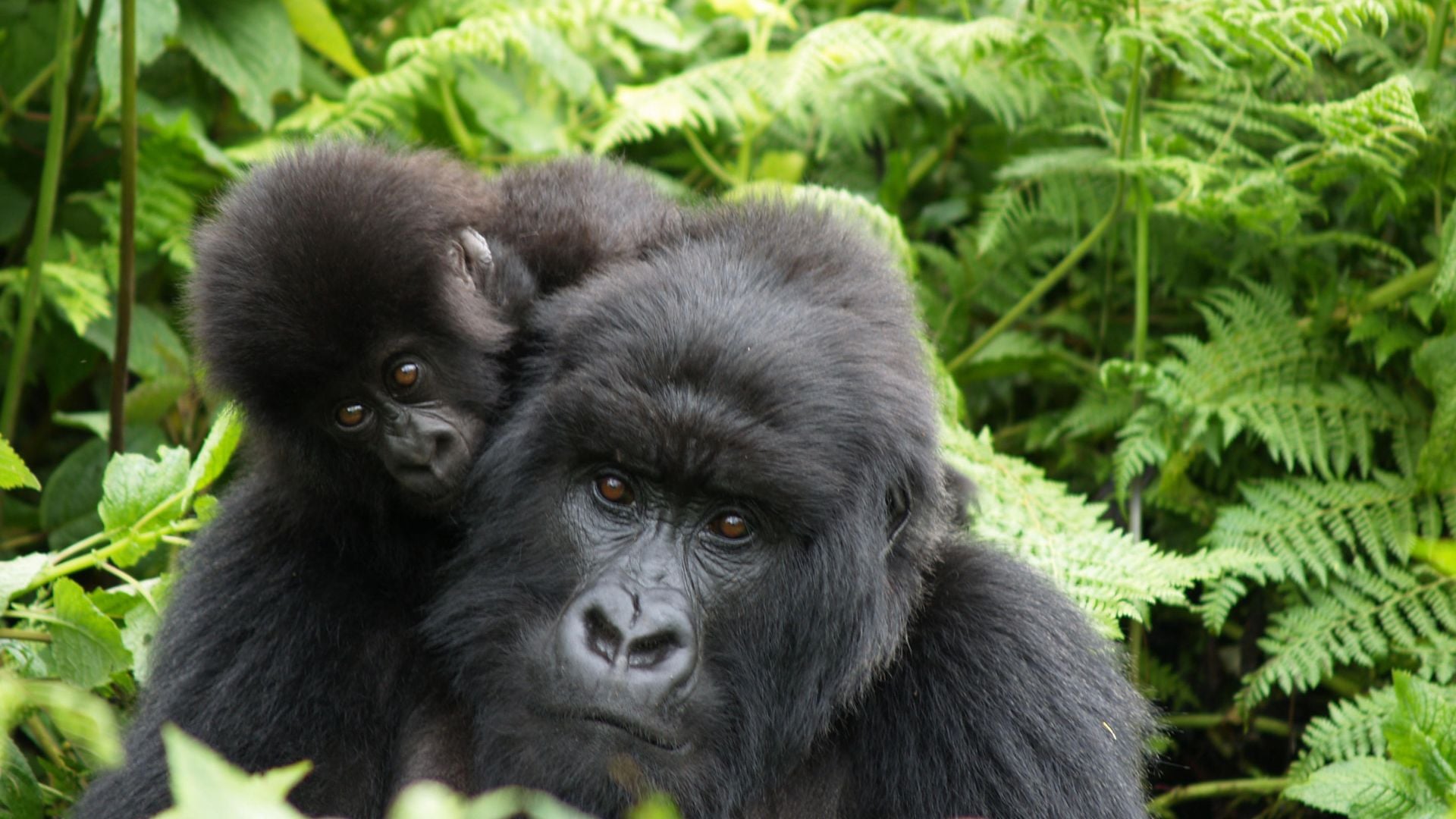
Gorilla trekking in Uganda costs depend heavily on the permit ($800 for standard, $1500 for habituation for non-residents) plus daily safari expenses, making total costs range from roughly $1300 for short trips to $4000+ for longer, luxury experiences, covering permits, lodging, transport, and guides, with budget options starting around $200-$300/day and luxury $700+/day, varying by accommodation and operator.
Popular gorilla trekking and safari in Uganda tour packages
10-days-best-uganda-big-five-safaris-and-primate-experience
10-days-uganda-rwanda-primate-safari-vacation-and-game-drive-safari
10-days-uganda-safari-all-big-five-gorilla-and-chimpanzee-tracking-adventure
7-days-safari-to-uganda-queen-elizabeth-park-gorillas-trekking-and-lake-mburo
7-days-perfect-uganda-primate-safari-itinerary
7-days-uganda-tour-to-murchison-falls-via-ziwa-kibale-and-queen-elizabeth-national-park
7-day-ultimate-uganda-primate-safari-chimpanzees-and-game-drives
6-days-safari-in-uganda-gorilla-trekking-and-chimpanzee-tracking
6-days-classic-uganda-rwanda-primate-and-wildlife-safari
6-days-uganda-primate-safari-and-wildlife-experience
6-days-budget-uganda-wildlife-safari-holiday-vacation
6-days-double-gorilla-trekking-uganda-and-rwanda-side
4-days-bwindi-impenetrable-gorilla-trekking-and-queen-elizabeth-park-tour
4-days-budget-gorilla-trekking-lake-bunyonyi-and-golden-monkey-tracking
Key Cost Components
Gorilla Permit
The single most significant and mandatory expense when planning for a gorilla trekking adventure is acquiring the permit. The price for a standard one-hour encounter with the mountain gorillas in Uganda’s Bwindi Impenetrable National Park or Mgahinga Gorilla National Park stands firmly at $800 USD for foreign non-residents. This fee is a conservation investment; a substantial portion directly funds the critical protection, anti-poaching efforts, and habitat preservation of these endangered primates, whose populations are slowly recovering in the region. Securing this permit months in advance is essential due to high demand, particularly during peak seasons, as the Ugandan Wildlife Authority strictly limits the number of daily visitors to minimize stress on the gorilla families. When considering the total cost of a comprehensive Uganda safari, this $800 is the fixed cornerstone upon which the rest of the itinerary is built. It covers the entry fee for the specific tracking day, the services of a skilled guide/ranger, and an hour spent observing a habituated gorilla family. For visitors seeking a deeper, four-hour interaction, the gorilla habituation experience permit is available for $1,500, offering a unique research-focused perspective during the gorilla trekking excursion.
Accommodation
Accommodation choices are a primary determinant of the variable total cost for a Uganda safari and gorilla trekking experience, offering options tailored to every budget, from the austere to the ultra-luxurious. Budget-friendly lodges and guesthouses generally range from $50 to $100 per night, providing essential comfort and clean facilities for weary trekkers and often including basic meals. Mid-range options, priced between $150 and $400 per night, typically offer enhanced amenities, better proximity to national parks like Queen Elizabeth or Murchison Falls, and superior service standards, striking a balance between cost and comfort for a standard Uganda safari. For those prioritizing luxury and exclusivity, high-end lodges can exceed $400, often reaching $1000+ per night. These top-tier facilities provide all-inclusive, high-end experiences with superior views, gourmet dining, private decks, and bespoke services, perfectly complementing a premium gorilla trekking expedition. Your accommodation choice significantly influences the overall ambiance and comfort level of your entire journey through Uganda's diverse landscapes, making it a pivotal decision in planning your ideal itinerary.
Transport
Efficient and reliable transportation is the logistical backbone of any successful gorilla trekking and Uganda safari itinerary, and it represents a substantial daily cost component. The standard mode of travel involves hiring a robust 4x4 safari vehicle—such as a Toyota Land Cruiser or Super Custom van—essential for navigating the often challenging, unpaved roads and steep slopes found in Bwindi Impenetrable Forest and other national parks. The cost for a dedicated vehicle, inclusive of fuel within reasonable itinerary limits, and the invaluable expertise of a professional driver/guide, typically ranges from $150 to $300+ per day. This expense is vital as guides possess local knowledge to spot wildlife, navigate routes efficiently, and ensure safety. For travelers with time constraints or those seeking comfort, domestic flights between Entebbe International Airport and airstrips near the parks (e.g., Kihihi or Kisoro for gorilla trekking, Mweya for Queen Elizabeth NP) are an option, but these add significant per-person costs (around $300-$500 one-way). The transport setup is designed for adventure and reliability, ensuring you can traverse the vast distances between the various highlights of your Uganda safari smoothly.
Park Fees
Separate from the specific gorilla trekking permit cost, general national park entry fees are another routine expense that factors into the overall budget of a Uganda safari. The Uganda Wildlife Authority (UWA) charges a daily conservation fee for entry into most of Uganda's spectacular parks, such as Queen Elizabeth National Park, Murchison Falls National Park, and others visited during a standard safari circuit. For foreign non-resident adults, this fee is typically fixed at $40 USD per person per day. If a visitor spends three days exploring Queen Elizabeth National Park, they would budget an additional $120 each just for general entry. These fees help manage the park infrastructure, maintain trails, and support ongoing conservation initiatives that protect the diverse ecosystems and wildlife you encounter on your journey, from tree-climbing lions to massive elephant herds. While the $800 gorilla permit covers park entry only for the specific day of the trek at Bwindi or Mgahinga, these separate daily fees must be accounted for in every other park visited, ensuring sustainable tourism practices are maintained across Uganda’s rich network of protected areas.
Food & Drinks
The cost associated with food and drinks during a gorilla trekking and Uganda safari largely depends on whether you opt for an all-inclusive package or a self-catering trip. Many mid-range to luxury safari packages incorporate three meals daily (breakfast, lunch, and dinner) into the total price, often served as delicious buffet spreads featuring local and international cuisine. In such cases, your primary food budget might only cover extra snacks, alcoholic beverages, sodas, and bottled water purchased outside of meal times. If you choose a budget or self-drive option, you will need to budget a separate daily amount. A reasonable estimate for food at local restaurants or basic lodges might be $30-$50 per person per day. Luxury camps often include all non-alcoholic beverages and high-end dining experiences in their nightly rates. Ultimately, staying hydrated and well-fed is crucial for the physical exertion required for successful gorilla trekking, so clarifying what is included in your package versus what requires an out-of-pocket budget is essential for accurate financial planning for your Ugandan adventure.
Tips & Porters
Tipping is a customary and highly recommended practice in the Ugandan tourism industry, serving as a vital income supplement for local guides, drivers, and lodge staff who ensure a seamless gorilla trekking and safari experience. While entirely optional, budgeting for tips is a meaningful gesture of appreciation for excellent service. General guidelines suggest tipping your main driver/guide around $10-$20 per person per day, and lodge staff often share a central tip box. Additionally, hiring a porter during your actual gorilla trekking excursion in Bwindi or Mgahinga is a key component of ethical tourism and highly practical. Porters, typically community members or former poachers earning an honest living, charge a modest fee of approximately $15-$20 USD. They carry your daypack, offer a steady hand on slippery slopes, and physically assist during challenging ascents and descents. The cost of hiring a porter directly supports local livelihoods and makes the strenuous trek significantly more manageable, enhancing both your experience and the positive economic impact of your Uganda safari journey.
Typical Trip Costs (All-Inclusive Packages)
Budget (3-4 days): ~$1,300 – $2,000 per person
For budget-conscious travelers seeking a gorilla trekking adventure, spending between $1,300 and $2,000 per person over a duration of 3 to 4 days is entirely feasible. This budget typically includes basic lodging options such as budget-friendly lodges and guesthouses, which offer essential comfort and clean facilities for a restful night after a day of trekking. Group tours are often the preferred choice, allowing travelers to share the experience and costs associated with transportation, guides, and permits. The price of the gorilla permit, which is a significant expense, generally accounts for a major portion of the budget. Participants can expect to spend an hour observing the majestic mountain gorillas in their natural habitat, contributing directly to conservation efforts. Meals may be simple, often provided at the lodge or as packed lunches during the trekking days. While this option minimizes expense, it still provides a wonderful introduction to Uganda’s stunning landscapes and unique wildlife. Affordable transport, such as hiring a shared 4x4 vehicle, further ensures that travelers can navigate the sometimes challenging terrain while maximizing their experience without overspending.
Mid-Range (4-7 days): ~$2,200 – $3,500+ per person
Travelers looking for a more comfortable experience can opt for a mid-range budget of approximately $2,200 to $3,500 per person, covering a duration of 4 to 7 days. This budget allows for a mix of comfortable lodges that offer enhanced amenities and better service standards while still being wallet-friendly. Typically, these accommodations are strategically located near major national parks, such as Bwindi Impenetrable National Park and Queen Elizabeth National Park, providing easy access for activities like gorilla trekking and game drives.
Additionally, a mid-range tour may include a mix of group and private tours that offer flexibility and personalized guidance from experienced guides. Meals can range from buffet-style breakfasts to delightful dinner options showcasing local cuisine. The gorilla permit remains a key expense, but this budget allows room for additional activities, like boat safaris or nature walks. Transport options also improve, with dedicated 4x4 vehicles ensuring safety and comfort during the journey. Overall, this mid-range package provides a satisfying balance between cost and the quality of experiences, allowing travelers to delve deeper into Uganda’s rich biodiversity without the high costs associated with luxury options.
Luxury (5-10+ days): ~$4,000 – $7,000+ per person
For those wishing to indulge in a premium experience, a luxury budget ranging from $4,000 to $7,000 per person is ideal for a 5 to 10+ day adventure in Uganda. This segment caters to travelers who prefer high-end accommodations such as luxurious lodges or exclusive tented camps that offer spectacular views, gourmet dining, and personalized services. Many of these facilities are located within or close to premier national parks, allowing for seamless transitions to adventurous activities such as gorilla trekking, game drives, and birdwatching.
Luxury packages also often include private tours, allowing for a more tailored experience that fits specific interests and schedules. Additionally, these tours may offer the option of fly-in safaris, cutting travel time and providing a unique perspective of the landscapes from the air. Other included services typically cover meals, which often feature locally sourced ingredients to create exquisite culinary offerings. The gorilla habituation experience permit may be available for those wanting a longer, more intimate interaction with the gorillas. Overall, this luxury budget not only maximizes comfort but also delivers an unparalleled experience of Uganda’s natural beauty and diverse wildlife.
Example Safari Costs (Beyond Gorillas)
Budget Safari (e.g., 5 days): $1,000 - $1,500
A budget safari over five days can be a highly rewarding option for travelers looking to explore Uganda's stunning wildlife without overspending. Ranging from $1,000 to $1,500 per person, this type of safari typically focuses on budget lodging, such as basic guesthouses or economical lodges that provide comfort and essential amenities without luxury frills. These accommodations allow travelers to rest after long days of exploration while keeping costs down.
Transport options usually include shared vehicles for greater affordability, although private 4x4s can be arranged at an extra cost. Park entry fees are a central expense, allowing access to iconic locations such as Queen Elizabeth National Park and Murchison Falls National Park. Meal options often feature simple, locally prepared cuisine, with the possibility of packed lunches during excursions. While extras may be minimal, travelers can still enjoy game drives, nature walks, and cultural visits along the way. This budget safari offers an excellent introduction to Uganda's diverse ecosystems and wildlife, making it ideal for those wanting an enriching experience without breaking the bank.
Mid-Range Safari (e.g., 5 days): $2,000 - $3,000+
Traveling on a mid-range budget for a five-day safari provides a balanced mix of comfort and adventure, with costs generally between $2,000 and $3,000+ per person. This option allows for more comfortable lodging, often in lodges or tented camps that offer better amenities and closer proximity to national parks like Queen Elizabeth or Murchison Falls. These accommodations often include en-suite facilities, interesting décor, and sometimes even dining options that showcase local cuisine.
The transport for this type of safari tends to utilize dedicated 4x4 vehicles, providing ample room and necessary comfort for travel between parks. A mix of guided group and private tours enhances the experience, helping to ensure personalized attention from knowledgeable local guides. Park entry fees are still a critical part of the budget, allowing guests to engage in essential activities such as game drives and boat safaris. Dining may be included in the package, offering a range of meal options. This mid-range safari strikes a suitable balance between budget considerations and a more comfortable experience, creating lasting memories of Uganda's rich wildlife and landscapes.
Luxury Safari (e.g., 5 days): $3,500 - $6,000+
For those seeking an extraordinary experience, a luxury safari over five days typically ranges from $3,500 to $6,000+ per person. This budget is allocated for high-end lodges or exclusive tented camps that offer exceptional comfort, stunning views, and bespoke services. Many luxury accommodations feature private decks, gourmet dining, and spa services, creating a lavish atmosphere that enhances the safari experience.
Travel arrangements are typically made with private 4x4 vehicles or even charter flights, allowing for seamless movement between parks while adding an element of exclusivity. Guests are generally provided with a personalized itinerary guided by experienced locals, focusing on their interests and preferences. Park entry fees apply, covering visits to renowned areas for game drives, guided walks, and cultural interactions that provide deeper insights into local communities.
Dining options often include exquisite meals featuring fresh, locally sourced ingredients, paired with beverages that may be included in the package. Luxury safaris provide an exceptional way to experience Uganda’s diverse wildlife and breathtaking landscapes, ensuring every moment is unforgettable while emphasizing comfort and exclusivity.
10 tips of combing Uganda gorilla trekking with Uganda safari tour
1. Secure Your Gorilla Permit Well in Advance
The most critical step in planning a combined Uganda gorilla trekking and safari tour is booking your gorilla permits early. The Uganda Wildlife Authority issues a limited number of permits daily to minimize environmental impact and stress on the gorilla families. Since permits are highly sought after, especially during the dry seasons (Jan-Feb and June-Sept), booking them at least 4 to 6 months in advance is essential. Without a confirmed permit ($800 USD), you cannot guarantee your spot for the trek in Bwindi Impenetrable National Park or Mgahinga Gorilla National Park. Integrating this fixed date into your itinerary is the foundation of your entire trip planning. By securing the permit first, you can then seamlessly coordinate all other aspects of your Uganda safari, ensuring accommodations and transport align perfectly with the specific date of your unforgettable encounter with the mountain gorillas.
2. Time Your Trip for the Dry Season
While Uganda is a year-round destination, timing your combined Uganda gorilla trekking and safari tour during one of the two dry seasons is highly recommended. The primary dry months are January, February, June, July, August, and September. During these periods, forest trails in Bwindi are less muddy and slick, making the physically demanding gorilla trek more manageable. Furthermore, game viewing during the safari portion in parks like Queen Elizabeth or Murchison Falls is excellent, as animals congregate around predictable water sources and the vegetation is less dense, improving visibility. Although these are peak seasons with potentially higher accommodation costs, the improved experience of navigating rugged terrain and spotting wildlife effectively makes the timing worthwhile for a smooth, enjoyable Uganda safari.
3. Optimize Your Itinerary with Efficient Routing
Uganda's national parks are spread across the country, requiring careful logistical planning to combine gorilla trekking in the southwest with other safari activities efficiently. A classic route typically starts at Entebbe International Airport, moves towards Murchison Falls in the northwest, then down to Kibale National Park for chimpanzee trekking, continues to Queen Elizabeth, and finally concludes in Bwindi for the gorilla trek before returning to Entebbe. This counter-clockwise or clockwise loop minimizes backtracking and travel time. Domestic flights are an option to cover long distances quickly (e.g., from Entebbe to Kihihi near Bwindi), maximizing your time on your Uganda safari rather than on the road. A well-optimized itinerary ensures you make the most of every day exploring Uganda’s diverse landscapes.
4. Pack Appropriately for Both Treks and Safaris
A combined Uganda gorilla trekking and safari tour requires a dual-purpose packing strategy. The gorilla trek demands specific gear: sturdy, waterproof hiking boots are non-negotiable for navigating wet, steep forest terrain. You will also need gardening gloves for gripping vines and protecting hands, long-sleeved shirts/trousers to avoid nettle stings, and rain gear, as it can rain anytime in the forest. For the safari portion of the trip in savanna parks, you should pack neutral-colored, lightweight clothing suitable for warm weather and dusty conditions, along with a wide-brimmed hat and sunscreen. A pair of good binoculars is essential for both activities, enhancing both your gorilla viewing and game spotting from the safari vehicle.
5. Prioritize Physical Fitness
Gorilla trekking is a physically demanding activity, not a casual walk. The hike can last anywhere from 30 minutes to eight hours, involving traversing steep slopes, dense vegetation, and slippery mud at high altitudes. While your guide sets a manageable pace, a certain level of fitness is required. Incorporate regular walking, hiking, or cardio exercises into your routine in the months leading up to your Uganda safari to prepare your body for the exertion. Being reasonably fit significantly enhances your ability to enjoy the trek without excessive struggle and ensures you can fully savor your precious hour with the gorillas. A fit body means a more rewarding and comfortable Uganda gorilla trekking experience.
6. Budget for Porters (Highly Recommended)
During the rigorous gorilla trekking experience, hiring a local porter is a simple yet impactful decision. For a small fee, a porter will carry your daypack and offer invaluable physical assistance, such as pulling you up steep sections or helping you navigate tricky slopes. This support not only makes the challenging hike significantly easier for you but also provides essential employment opportunities to local community members, many of whom are former poachers now relying on tourism for income. It is a win-win scenario that contributes positively to conservation efforts and ensures you have the support needed for a comfortable Uganda gorilla trekking journey, allowing you to focus purely on the majestic primates.
7. Combine Iconic Wildlife Experiences
A major advantage of combining Uganda gorilla trekking with a broader Uganda safari is the opportunity to witness diverse wildlife beyond the gorillas. Coordinate your itinerary to include chimpanzee trekking in Kibale National Park, often referred to as the "Primate Capital of the World." Add a game drive in Queen Elizabeth National Park to search for the famous tree-climbing lions and experience a boat safari along the Kazinga Channel, which boasts one of the highest concentrations of hippos and birds in Africa. A stop at Murchison Falls National Park offers powerful waterfall views and large game populations. Maximizing these varied experiences ensures a holistic and unforgettable Uganda safari adventure that showcases the country’s rich biodiversity.
8. Respect Wildlife and Follow Guidelines
Responsible tourism is paramount during both gorilla trekking and safari activities. Maintain a safe and respectful distance from all wildlife to avoid causing stress or altering their natural behavior. Always follow the instructions of your guides, who are trained to interpret animal behavior and ensure your safety. During the gorilla trek, avoid making loud noises, and never attempt to touch the gorillas. Minimizing your impact on the environment is also crucial; do not litter and stick to designated trails. Adhering to these guidelines ensures a sustainable tourism experience that benefits both the wildlife and the local communities, preserving Uganda’s natural heritage for future generations.
9. Consider a Local Tour Operator
Planning a complex itinerary that combines gorilla trekking with multiple safari destinations can be challenging. Engaging a reputable local Ugandan tour operator can significantly simplify the process. Local operators possess in-depth knowledge of the parks, wildlife movements, best routes, and reliable accommodations. They can assist with securing gorilla permits, arranging transportation (including domestic flights if needed), and crafting a customized itinerary that aligns with your interests and budget. Their expertise ensures a smoother, better-organized trip and provides valuable local insights that enhance your overall Uganda safari experience. Choosing a local operator also often means that more of your tourism dollars stay within the Ugandan economy.
10. Account for Tipping, Currency and Stay Flexible
Tipping is an integral part of the service industry in Uganda and should be factored into your budget for your Uganda safari. While not mandatory, it is highly appreciated by guides, drivers, lodge staff, and porters. Have Ugandan Shillings (UGX) on hand for small purchases, local market visits, and tips, although US Dollars are widely accepted for major tour payments and park fees. A general guideline is to tip your safari driver/guide around $10–$20 per person per day. Remember that crisp, new US dollar bills dated 2009 or later are typically required for official payments and tips, as older or marked bills may be rejected. While meticulous planning is crucial, maintaining a flexible mindset is also key to enjoying a combined Uganda gorilla trekking and safari tour. Travel times between parks are often long due to road conditions, and wildlife sightings are never guaranteed; they rely entirely on the whims of nature. Weather conditions can change rapidly in the forest, impacting your trek. Embrace these variables as part of the authentic African adventure. The unexpected moments—a chance encounter with a rare bird, a sudden downpour, or a slightly delayed schedule—often become the most memorable parts of your Uganda safari experience. Patience and adaptability ensure a stress-free and enriching journey.
When is the best time for gorilla trekking and safari in Uganda?
The best time for a combined gorilla trekking and Uganda safari tour is during one of the country’s two dry seasons: the long dry season from June to September, and the shorter dry season spanning December to February. During these periods, the weather conditions are most favorable for both activities. For gorilla trekking in Bwindi Impenetrable National Park and Mgahinga Gorilla National Park, drier weather means the often-steep, muddy forest trails are more manageable, reducing the physical challenge of the trek. For the safari portion in parks like Queen Elizabeth or Murchison Falls, the dry conditions thin out the vegetation and concentrate wildlife around limited water sources, making game viewing significantly easier and more rewarding. While these months see peak visitor numbers, the enhanced experience—clearer skies for photography, better road conditions, and optimal wildlife sightings—makes it the prime time for your Ugandan adventure. The "wet seasons" offer lush landscapes and lower prices but come with the inherent risk of daily downpours and tougher trekking conditions.
Where to stay for gorilla trekking and safari in Uganda?
Accommodation for a combined Uganda gorilla trekking and safari tour offers a diverse range of options, strategically located near the national parks to maximize convenience and comfort. For gorilla trekking, you can choose from budget guesthouses like Buhoma Community Rest Camp, mid-range lodges such as Haven Lodge or Silverback Lodge, or luxury camps like Sanctuary Gorilla Forest Camp or Clouds Mountain Gorilla Lodge, which often include premium services. The specific sector of Bwindi you book your permit for (Buhoma, Ruhija, Rushaga, or Nkuringo) will determine your ideal lodging location. For the safari leg of your journey in parks like Murchison Falls or Queen Elizabeth, accommodation ranges from UWA public campsites and basic tented camps to highly-rated mid-range lodges like the Elephant Plains Lodge, or ultra-luxurious options such as the Chobe Safari Lodge. Most lodges are situated to offer excellent views and easy access to game drives and boat safaris.
Booking gorilla trekking and safari in Uganda with us Roads of Adventure Safaris
Booking your comprehensive Uganda gorilla trekking and safari tour through a specialized operator like Roads of Adventure Safaris can significantly streamline the planning process. A reputable local operator simplifies the most critical logistical step: securing your gorilla trekking permits well in advance, which can be challenging to do independently. They handle the intricate coordination of the entire itinerary, from arranging a reliable 4x4 safari vehicle and professional driver/guide to selecting and booking the perfect lodges that match your budget and preferences across different parks. By leveraging their local expertise, you benefit from curated routes that maximize sightseeing time and minimize travel logistics. Choosing a dedicated company ensures that all park fees, activity bookings (like chimpanzee trekking or boat safaris), and accommodations are seamlessly integrated into one package, providing peace of mind and a smooth, professionally managed journey.
