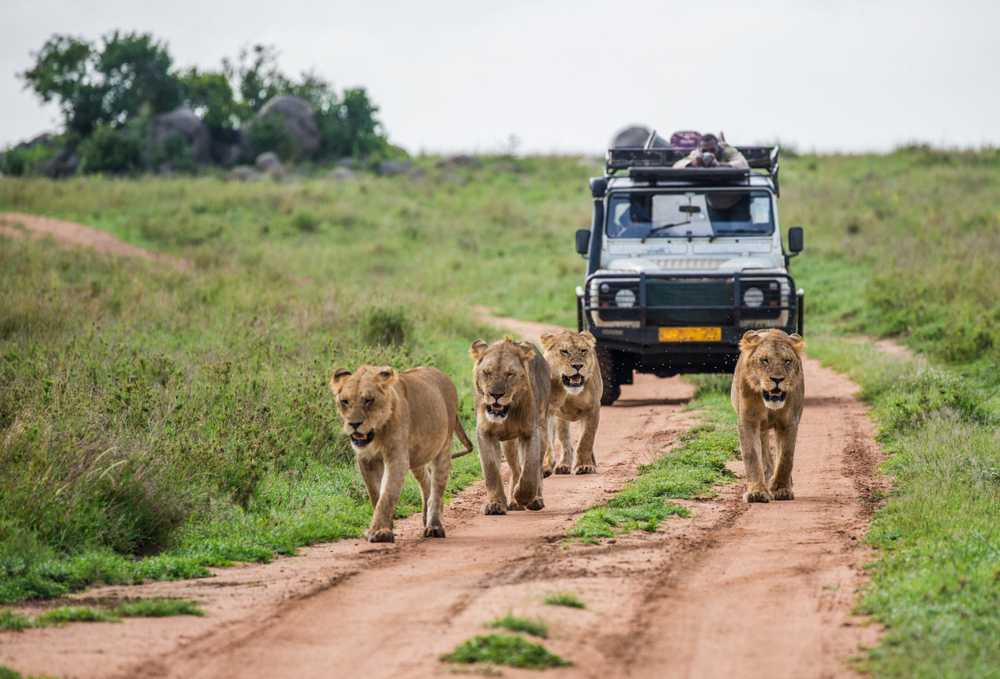
Akagera National Park is Rwanda’s premier destination for savannah wildlife safaris, offering the only spot in the country to see the Big Five (lion, leopard, elephant, rhino, and buffalo). It is best known for classic, scenic game drives, boat safaris on Lake Ihema, and exceptional birding
Akagera National Park represents one of Africa’s greatest conservation success stories. Located in the north-eastern region of Rwanda, it offers a stark, beautiful contrast to the misty rainforests of the west. It is the only place in the country where the traditional African savannah experience comes to life.
21-days-rwanda-primate-safari-culture-history-and-wildlife-holiday
20-days-complete-rwanda-uganda-safari-tour-combo
14-days-luxury-rwanda-primate-safari-and-uganda-safari-tour-combo
14-days-magical-rwanda-photography-safari
12-days-best-rwanda-wildlife-safari-and-rwanda-primate-safari-vacation
11-days-classic-uganda-rwanda-tour-combined-itinerary
10-days-9-nights-midrange-rwanda-gorilla-trekking-wildlife-and-culture
9-day-romantic-honeymoon-rwanda-wildlife-safari-itinerary
9-days-best-family-rwanda-safari-holiday-big-five-canopy-walk-and-chimpanzee
8-days-best-africa-big-five-rwanda-safari-and-gorilla-trekking
6-days-rwanda-gorilla-trekking-chimpanzee-tracking-and-birdwatching
3-days-akagera-national-park-midrange-private-safari-holiday
1. Big Five Destination
For many years, Rwanda was primarily known for its primates, but the restoration of Akagera has transformed the country into a complete safari destination. Following the successful reintroduction of Lions in 2015 and Eastern Black Rhinos in 2017 and 2019, Akagera officially reclaimed its status as a "Big Five" park. Today, visitors have the rare opportunity to see Lion, Leopard, Elephant, Buffalo, and Rhino within a single, well-managed ecosystem.
The return of these apex predators and mega-herbivores was a monumental task involving the Rwanda Development Board and African Parks. The lion population has flourished, frequently spotted lounging in the southern plains or stalking prey in the north. The rhinos, though more elusive and primarily residing in the rugged "Kilala" plains and acacia thickets, represent a victory against the poaching crises of the past. Beyond the Big Five, the park is teeming with Masai giraffes, zebras, and various antelope species like the Topi and the world’s largest antelope, the Eland. This recovery has turned Akagera into a symbol of Rwandan resilience, offering a diverse mammalian spectacle that complements the gorilla trekking experience.
2. Game Drives & Scenic Landscapes
What sets Akagera apart from other Rwandan parks is its geography. While most of Rwanda is defined by steep, volcanic mountains, Akagera is a mosaic of low-lying savannahs, rolling emerald hills, and expansive acacia woodlands. The scenery is often described as "Central Africa meets East Africa," creating a visual palette of gold and green that changes dramatically with the seasons.
A typical game drive in Akagera is a journey through shifting biomes. In the south, the landscape is dominated by thick woodlands and lake views, while the north opens up into vast, treeless plains reminiscent of the Serengeti. This northern section is often the highlight for wildlife viewing, as the visibility is high, and large herds of grazers congregate here. The park’s road network is designed to hug the ridgelines, offering panoramic views of the "Ihema" chain of lakes. This topographical diversity doesn't just make for beautiful photos; it supports a wide array of specialized wildlife. Because the park is relatively compact compared to the giants of Kenya or Tanzania, the transition between these landscapes is quick, making every hour of a game drive feel fresh and different.
3. Boat Safaris on Lake Ihema
Water is the lifeblood of Akagera, and a boat safari on Lake Ihema—Rwanda’s second-largest lake—is an essential experience. While a traditional game drive focuses on the land, the boat safari offers a tranquil yet thrilling perspective on the park's aquatic inhabitants. The lake's edge is a constant hive of activity, providing a sanctuary for some of the highest concentrations of hippos in East Africa.
As you drift along the papyrus-fringed shores, you are guaranteed close-up encounters with massive Hippo pods and some of the largest Nile Crocodiles on the continent. These prehistoric reptiles are often seen sunning themselves on the banks with their mouths agape. The boat trip also provides a front-row seat to the daily "commute" of land animals; it is not uncommon to see elephants wading into the water to drink or buffalos cooling off in the shallows. The silence of the water, broken only by the grunts of hippos or the cry of a Fish Eagle, provides a meditative contrast to the dusty excitement of a jeep safari. For photographers, the "Golden Hour" boat trips offer spectacular lighting as the sun sets over the distant Rwandan hills, reflecting off the glassy surface of the lake.
4. Birdwatcher's Paradise
With over 500 recorded species, Akagera is one of the most productive birding sites in Africa per square kilometer. Its fame among birders stems from the confluence of different habitats—savannah, mountain, and swamp—all meeting in one place. This allows birdwatchers to tick off a massive variety of species without traveling long distances.
The crown jewel of Akagera’s birdlife is the prehistoric-looking Shoebill Stork. This rare and elusive bird is a "bucket-list" species for world birders, often found hiding in the dense papyrus swamps of the park’s northern wetlands. Beyond the Shoebill, the park is home to several Albertine Rift endemics and "specialties" like the Papyrus Gonolek, the Red-faced Barbet, and the Bennett’s Woodpecker. The lake system supports a staggering array of water birds, including African Fish Eagles, Marabou Storks, and various kingfishers. During the European winter (November to April), the park becomes a vital stopover for migratory birds, further swelling the numbers. Whether you are a professional ornithologist or a casual observer, the sheer volume of color and song in Akagera makes it an undeniable birding heavyweight.
5. Night Drives & Specialized Activities
Akagera is one of the few national parks in the region where Night Game Drives are permitted and professionally operated. These excursions begin at sunset and use powerful spotlights to reveal a world that is completely hidden during the day. Night drives are the best way to spot the park's more secretive residents, particularly the Leopard, which is far more active under the cover of darkness.
The experience is eerie and exciting; you might see the glowing eyes of a Hyena on the prowl, the springy movements of a Bushbaby, or the rare Serval cat darting through the tall grass. Owls and nightjars dominate the air, adding to the nocturnal atmosphere. Aside from night drives, Akagera offers other specialized activities that aren't common in primate-heavy parks. Sport fishing on Lake Shakani is a popular "catch-and-release" activity for those looking to relax, while guided Community Walks on the park’s boundary allow visitors to engage with local cattle herders and farmers. These activities ensure that Akagera isn't just a place to watch animals, but a place to engage with the rhythm of the African wild in multiple, immersive ways.
1. What makes Akagera National Park the best destination for savannah wildlife viewing in Rwanda?
Akagera National Park is Rwanda’s only protected savannah environment, offering a stark and beautiful contrast to the mountainous, forest-dominated landscapes of the rest of the country. What makes it the "best" for savannah viewing is its remarkable recovery and high-density wildlife populations within a relatively compact 1,122 square kilometers. While Rwanda is famous for its primates, Akagera provides the classic African "Big Game" experience that completes a national circuit.
The park is managed through a unique partnership between the Rwanda Development Board (RDB) and African Parks, a non-profit conservation organization. This collaboration has resulted in world-class infrastructure, highly trained rangers, and a dramatic reduction in poaching. The result is a park where animals are relaxed and easily spotted. The northern part of the park, characterized by open grasslands and low-lying acacia woodlands, mimics the great plains of East Africa, allowing for unobstructed views of large herds of plains game such as Topi, Defassa Waterbuck, Oribi, and Masai Giraffe. Because the park is smaller than the giants of Tanzania or Kenya, the transit times between different wildlife sightings are shorter, making it an exceptionally efficient destination for travelers who want a high-quality safari experience without spending days in a vehicle.
2. Can visitors see the Big Five animals including lions and rhinos during a safari?
Yes, Akagera is officially a Big Five destination. This status was reclaimed through one of the most ambitious rewilding projects in African history. For many years, lions and rhinos were absent from Rwanda due to the human-wildlife conflict that followed the 1994 Genocide. However, in 2015, seven lions were translocated from South Africa, followed by two more males in 2017. Today, the lion population has grown to over 50 individuals, and they are frequently seen hunting in the northern plains.
The reintroduction of Eastern Black Rhinos in 2017 and White Rhinos in 2021 completed the Big Five quintet. While the Black Rhinos are shy and tend to hide in the dense acacia thickets of the south, the White Rhinos are often found in the more open grasslands of the north, making them easier for tourists to spot. Leopards are present throughout the park, though they remain the most elusive of the Five and are best seen during night drives. Elephants and Buffalo are abundant and can be found near the lake systems or moving through the woodlands. Seeing all five in a single trip requires patience and a good guide, but the fact that it is possible at all is a testament to Rwanda's conservation success.
3. Why is a boat safari on Lake Ihema considered one of the top activities?
A boat safari on Lake Ihema is considered a "top activity" because it offers a perspective of the park that is impossible to achieve from a 4x4 vehicle. Lake Ihema is the largest of Akagera’s ten lakes and the second-largest lake in Rwanda. While a game drive is about the pursuit of predators and plains game, the boat safari is a tranquil immersion into the park's vibrant aquatic ecosystem.
The primary draw is the proximity to Hippos and Nile Crocodiles. Akagera boasts one of the highest densities of hippos in East Africa, and from the safety of the boat, you can watch them interact, yawn, and dive just meters away. For birders, the boat trip is essential; many of the park’s most iconic birds, such as the African Fish Eagle, are best seen perched on the dead trees rising from the water. The boat also allows you to see land animals from the water's edge—elephants frequently come down to the banks to drink and bathe during the heat of the afternoon. The scheduled trips (morning, midday, and sunset) provide different lighting conditions, with the sunset trip being particularly famous for its golden hues reflecting off the water against the backdrop of the Tanzanian mountains.
4. What types of habitat diversity can visitors expect to see within the park boundaries?
Akagera is often described as one of the most diverse parks in Africa due to its complex mosaic of habitats. Despite its relatively small size, it contains three distinct biomes that support a wide variety of specialized wildlife.
- Open Savannah: Located primarily in the north, these grasslands are home to the park's grazers, including zebras, giraffes, and impalas, as well as the predators that hunt them.
- Acacia Woodlands: This habitat provides cover for the more elusive species like the Black Rhino and Leopard. It is also where you will find a high concentration of birdlife and smaller primates like vervet monkeys.
- Wetlands and Lakes: A massive complex of papyrus swamps and freshwater lakes (including Ihema, Shakani, and Mihindi) dominates the eastern boundary. This is one of the largest protected wetlands in Central Africa.
This habitat diversity is what allows Akagera to support such a wide range of species in a small area. As you drive from south to north, you experience a "mini-continent" shift—moving from thick, green forest-like vegetation and hills into wide-open, golden plains. This ensures that the scenery remains engaging for the traveler and that the biological "carrying capacity" of the park remains high.
5. How many bird species are recorded in Akagera and what are the top sightings?
Akagera National Park is a premier ornithological destination with over 500 recorded bird species. This represents about 50% of all bird species found in Rwanda, packed into a single park. The high count is due to the intersection of savannah, wetland, and forest-edge habitats.
The most famous "top sighting" is the Shoebill Stork. This prehistoric-looking bird is highly sought after by world birders and can occasionally be found in the northern papyrus swamps. Other high-value sightings include the Papyrus Gonolek, which is brightly colored but shy, and the Red-faced Barbet, an Albertine Rift specialty.
Birds of prey are also incredibly well-represented. It is common to see Bateleur Eagles soaring over the plains and African Fish Eagles patrolling the lakes. During the European winter months, the park's population swells as it hosts numerous Palearctic migrants. Whether you are looking for the tiny, iridescent Regal Sunbird or the massive Lappet-faced Vulture, the sheer volume of "bird-life per acre" makes Akagera an essential stop on any African birding circuit.
6. Are there opportunities to see lions and black rhinos in the park during game drives?
Yes, both species are seen during game drives, though they require different strategies. Lions are most active during the early morning and late evening. They are frequently spotted in the northern regions of the park, such as the Kilala Plains, where prey is abundant. Because Akagera’s lions are habituated to vehicles, they often ignore safari jeeps, allowing for incredible "front-row" observations of their social behavior and hunting tactics.
Black Rhinos are significantly more difficult to find. They are "browsers" that prefer the thick, thorny acacia scrub found in the southern and central parts of the park. They are naturally solitary and more aggressive/shy than their White Rhino cousins. Spotting a Black Rhino often requires a bit of luck and the expertise of a professional tracker. However, the White Rhinos, which were introduced more recently, are "grazers" and prefer the open grasslands. They are much more social and easier to spot in large groups in the north. Most successful Big Five safaris in Akagera involve spending at least one full day in the northern plains to maximize the chances of seeing these iconic animals.
7. What kind of aquatic life can be observed during the boat trips on Lake Ihema?
The aquatic life in Akagera is dominated by two "heavyweights": the Nile Crocodile and the Hippopotamus. Lake Ihema is home to crocodiles that can grow to massive sizes, often seen basking on the muddy banks with their mouths open to regulate their body temperature. The hippo population is equally impressive, with large "schools" or pods visible in the shallows.
Beyond the big reptiles and mammals, the lake is home to a variety of fish species, most notably Tilapia and Catfish, which support the park’s healthy population of water birds. While you won't see them from the boat, the lakes are also home to the Spotted-necked Otter. Perhaps the most interesting "aquatic" sight isn't a fish or reptile at all, but the birds that have adapted to this environment. You can observe Giant Kingfishers diving for prey, African Jacanas (also known as "Lily-trotters") walking on floating vegetation, and Great Cormorants drying their wings on the branches of drowned trees. The boat trip provides a window into this hidden, watery world that remains invisible from the dusty tracks of the savannah.
8. Is it possible to do a self-drive safari in Akagera National Park in Rwanda?
Yes, Akagera is one of the few parks in Rwanda where self-drive safaris are permitted and even encouraged. The park’s road network is well-maintained and clearly marked, making it accessible for visitors who prefer the independence of their own vehicle. Upon entry, visitors are provided with a map of the park, and the main "transit" route from the south gate to the north gate is easy to follow.
However, a 4x4 vehicle is strictly required, especially during the rainy season when tracks can become muddy and treacherous. While self-driving offers freedom, many visitors choose to hire a community guide at the park entrance. These guides have intimate knowledge of recent animal movements and can use their radios to locate predators like lions or leopards that a self-driver might miss. Self-driving in Akagera is a unique way to experience the wild at your own pace, allowing you to stop whenever you see a bird or an interesting tree without feeling rushed. It is important to adhere to park rules, such as staying in your vehicle and exiting the park by 6:00 PM unless you are staying at an internal lodge.
9. What are the best months for visiting Akagera for maximum wildlife sightings and game drives?
The "best" time to visit Akagera is during the Long Dry Season (June to September). This is the peak window for wildlife viewing for several reasons. First, the vegetation is thinner and shorter, making it much easier to spot animals like leopards or lions hiding in the grass. Second, as the smaller water holes in the park dry up, animals are forced to congregate around the permanent lakes (like Ihema and Shakani). This "concentration effect" makes wildlife sightings more predictable and frequent.
The Short Dry Season (January and February) is also an excellent time to visit, offering clear skies and good photographic light. Conversely, the Rainy Seasons (March to May and October to December) offer a different kind of beauty. The park becomes incredibly lush and green, and this is the time when many animals give birth to their young. While the thick grass makes predators harder to find, the birdwatching is at its absolute peak, and the "Emerald Season" provides the most stunning landscapes for photography. If your primary goal is the Big Five, stick to the dry months; if you want lush scenery and rare birds, the wetter months are surprisingly rewarding.
10. How does the park’s landscape, with its lakes and plains, create unique photographic opportunities?
Akagera is a photographer’s dream because it lacks the "flatness" often associated with savannah parks. The landscape is a three-dimensional tapestry of hills, lakes, and plains. The "Ihema" chain of lakes creates a stunning foreground for shots of elephants and buffalo, while the Mutumba Hills provide elevated vantage points where you can photograph the entire park stretching toward the horizon.
The "Golden Hour" in Akagera is particularly magical. Because the park is located near the equator, the transition from day to night is rapid but intense. The reflection of the orange sunset on the lakes, with the silhouettes of palm trees and hippos, produces iconic "African Safari" images. Furthermore, the diversity of light—from the misty, moody mornings in the woodlands to the bright, harsh sun of the northern plains—allows photographers to experiment with different moods and styles. The presence of water throughout the park also means you can capture "action" shots of animals drinking or crocodiles lunging, which are harder to get in drier, land-locked parks.
11. What nocturnal wildlife can be spotted during night game drives organized within the park?
Night game drives in Akagera are operated by the park’s management and offer a thrilling glimpse into the "second shift" of the savannah. Many of Africa’s most interesting creatures are nocturnal, becoming active only after the sun goes down and the temperature drops.
The primary target for many on a night drive is the Leopard. While they are seen during the day, they are most active at night when they hunt. Aside from leopards, you have a high chance of seeing Hyenas, which are much more vocal and mobile after dark. Other common sightings include Bushbabies (Galagos), whose large eyes reflect the spotlights in the trees, and the Civet, a beautiful cat-like carnivore with striking spots and stripes. You might also spot the Serval, a slender wild cat with large ears, or the White-tailed Mongoose. The atmosphere of a night drive—the sounds of insects, the cool air, and the mystery of what lies just beyond the spotlight—adds an element of adventure that completes the safari experience.
12. How close to Kigali is Akagera National Park, and is it suitable for short trips?
Akagera is remarkably accessible, located only about 110 kilometers (roughly 2.5 to 3 hours) from the capital city, Kigali. This proximity makes it the most accessible "Big Game" park in Rwanda and one of the most accessible in East Africa.
Because of this, Akagera is perfectly suited for short trips. It is entirely possible to do a "Day Trip" to Akagera, leaving Kigali at 5:00 AM and returning by 8:00 PM. While a day trip allows you to see the highlights, a 2-day/1-night or 3-day/2-night trip is highly recommended to truly appreciate the park’s different zones. A short trip allows you to combine a morning game drive in the north with an afternoon boat safari on Lake Ihema before heading back to the city. For business travelers or those on a tight schedule in Kigali, Akagera offers a "quick-fix" safari that provides a genuine wilderness experience without the need for domestic flights or grueling multi-day drives.
13. Can visitors experience walking safaris to get closer to nature, birds, and smaller creatures?
Yes, Akagera offers guided nature walks, which are a fantastic way to experience the "micro-details" of the savannah that are often missed from a vehicle. These walks are always accompanied by an armed park ranger to ensure safety.
A walking safari isn't about chasing lions or elephants; it's about the "small stuff." You focus on tracking, learning how to identify animal footprints and droppings. You observe the intricate architecture of termite mounds, learn about the medicinal uses of various acacia trees, and get much closer to the park's diverse birdlife and butterflies. Walking through the bush engages all your senses—you hear the crunch of the grass, smell the wild herbs, and feel the vastness of the landscape. It is a grounding experience that provides a deeper understanding of how the ecosystem works as a whole. These walks are typically conducted in the morning when it is cooler and are usually limited to specific safe zones of the park.
14. What are the best accommodation options available within the park for a comfortable stay?
Akagera offers a range of accommodation that caters to different budgets and styles, ensuring a comfortable stay within the wilderness.
- Akagera Game Lodge: Located in the south, this is a classic safari lodge offering hotel-style rooms, a swimming pool, and stunning views over Lake Ihema. It is ideal for families and those who want modern amenities.
- Ruzizi Tented Lodge: This is a luxury, eco-friendly lodge consisting of nine tents set on raised boardwalks along the shores of Lake Ihema. It offers a more intimate, "glamping" experience where you can hear hippos grunting right outside your tent.
- Magashi Camp: Located in the exclusive northern sector, this is the park’s ultra-luxury option. Operated by Wilderness Safaris, it offers high-end service, private game drives, and views over Lake Rwanyakazinga.
- Karenge Bush Camp: A seasonal, eco-friendly tented camp that moves twice a year. It offers a "back-to-basics" but comfortable wilderness experience with no permanent structures.
- Campsites: For the adventurous, there are three designated campsites (Shakani, Mutumba, and Muyumbu) where you can pitch a tent and sleep under the stars, surrounded by the sounds of the African night.
15. What efforts have been made to conserve the park's wildlife and ensure a successful safari?
The success of Akagera is a blueprint for modern African conservation. The most significant effort was the partnership formed in 2010 between the Rwanda Development Board and African Parks. This management model brought in the funding and expertise needed to secure the park’s borders and reintroduce extinct species.
Key conservation efforts include:
- The 120km Electric Fence: This has virtually eliminated human-wildlife conflict by keeping animals inside the park and preventing cattle from entering, while also stopping poachers.
- Anti-Poaching Canine Unit: A team of highly trained tracking dogs helps rangers detect snares and track illegal entrants.
- Community Engagement: Akagera allocates 10% of its revenue to local community projects, such as schools and clinics. This ensures that the people living around the park see the wildlife as an asset to be protected rather than a threat.
- Wildlife Monitoring: High-tech collars and satellite tracking are used to monitor the movements of lions and rhinos, ensuring their health and safety.
Booking Rwanda wildlife safari in Akagera with us Roads of Adventure safaris
Booking a Rwanda wildlife safari in Akagera National Park with Roads of Adventure Safaris offers tailored experiences to explore Rwanda’s only Big Five destination. They specialize in private, flexible, and customized itineraries ranging from budget to luxury, including game drives, boat safaris on Lake Ihema, and night drives to spot nocturnal species.
