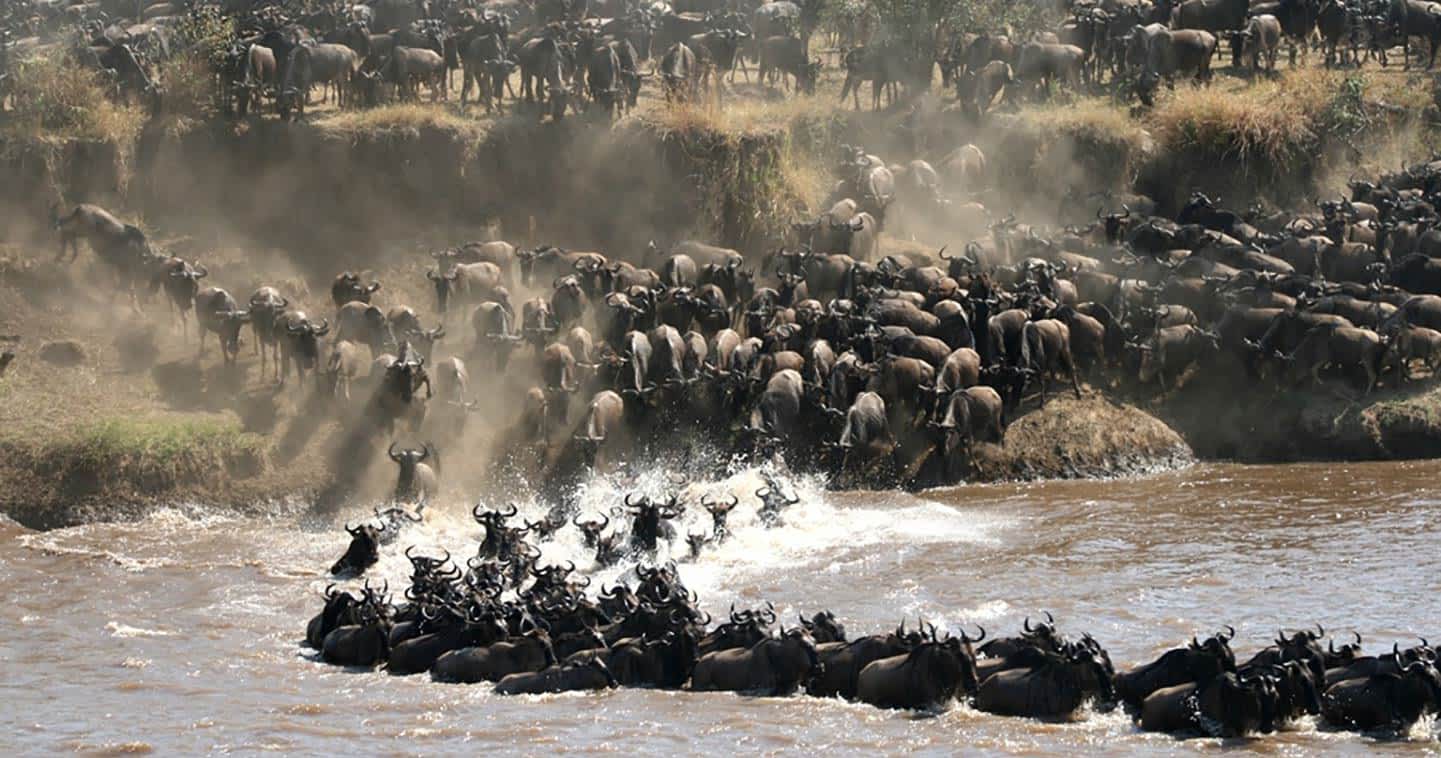
Top unique places to visit in Tanzania this year, explore Tanzania’s diverse landscapes this year, from snow-capped peaks and endless savannahs to remote tropical islands and ancient Rift Valley lakes. These top 10 unique destinations blend world-class wildlife, rich Swahili history, and rare off-the-beaten-path adventures.
Popular Tanzania safari tour packages
3-days-southern-serengeti-safari-tour-and-ngorongoro-crater-calving-season-package
3-days-best-zanzibar-beach-holiday-tour-to-prison-island-and-stone-town
3 days-budget-Tanzania-to-safari-Serengeti-and-Ngorongoro
3-days-serengeti-safari-fly-in-ngorongoro-big-five-safari-from-zanzibar-island
3-days-serengeti-safari-fly-in-ngorongoro-big-five-safari-from-zanzibar-island
7-days-best-great-wildebeest-migration-safari-in-tanzania
7-days-epic-africa-big-five-safari-in-tanzania-top-best-parks
7-days-budget-tanzania-safari-affordable-africa-budget-safari
7-days-kilimanjaro-climb-and-hiking-safari-ascent-to-peak
7-days-tanzania-wildlife-safari-africa-safari-tour-best-park-visits
7-days-best-southern-tanzania-safari-parks-nyerere-mikumi-ruaha-and-udzungwa
14-days-best-of-kenya-and-tanzania-wildlife-photography-safari-tour
14-days-best-tanzania-honeymoon-safari-and-zanzibar-for-couples
List of unique places to visit in Tanzania this year
1. Serengeti National Park
Spanning approximately 14,750 square kilometers, the Serengeti is the cornerstone of East African safari tourism. It is world-renowned for the "Great Migration," a cyclical movement of over 1.5 million white-bearded wildebeest and 250,000 plains zebras. This 800-kilometer trek is driven by the search for fresh grazing following the rains. The park is topographically diverse, featuring the vast southern treeless plains and the rocky granite "kopjes," which serve as vital lookout points for Africa’s largest lion population. Established as a national park in 1951, the area has been the subject of intensive scientific study since the 1960s. Predators—including lions, cheetahs, leopards, and hyenas—rely on the seasonal movements of the herds, particularly during the hazardous river crossings at the Grumeti and Mara Rivers, where crocodiles congregate. With over 500 bird species and a complex ecosystem shaped by volcanic ash soil, the Serengeti remains one of the world's most significant natural sanctuaries.
2. Ngorongoro Crater
The Ngorongoro Crater is a geological masterpiece, functioning as the world’s largest unbroken, inactive volcanic caldera. Formed approximately 2.5 million years ago following a massive collapse, it spans 260 square kilometers and reaches depths of 610 meters. The floor creates a unique, self-contained ecosystem where a dense population of 30,000 large mammals resides, including the "Big Five": lions, leopards, elephants, buffalos, and the critically endangered black rhino. Remarkably, giraffes are absent from the crater floor, though they are common in the surrounding conservation area. The site is a UNESCO World Heritage treasure, recognized for both its natural biodiversity and its cultural significance to the Maasai people, who have historically grazed their cattle in the area. The crater provides a high density of wildlife year-round, supported by diverse habitats ranging from the Mandusi and Gorigor swamps to the Lerai Forest.
3. Mount Kilimanjaro
Rising 5,895 meters (19,341 feet) above sea level, Mount Kilimanjaro is the highest point in Africa and the world’s tallest free-standing mountain. Formed by three distinct volcanic cones—Kibo, Mawenzi, and Shira—it is a stratovolcano that offers a unique vertical journey through five distinct climate zones. Climbers begin in the lush, humid tropical rainforest (up to 1,800m), ascend through montane forests, traverse the heath and moorland, navigate the stark alpine desert (4,000m–5,000m), and finally reach the arctic summit at Uhuru Peak. The summit is characterized by sub-zero temperatures, often dropping to -20°C, and is home to the mountain's iconic, though retreating, glaciers. Because the mountain is not part of a range, the dramatic elevation change from the surrounding plains to the snow-capped peak provides an unrivaled micro-climate diversity, making it one of the most sought-after trekking destinations globally.
4. Zanzibar Stone Town
Stone Town is the historical heart of Zanzibar City and a UNESCO World Heritage site that has served as a crossroads for trade for over a millennium. Its architecture is a rare blend of Swahili, Arab, Persian, Indian, and European influences, characterized by intricate hand-carved wooden doors and coral-stone construction. During the 19th century, it was one of the most important centers for the spice trade and the ivory trade in the Indian Ocean. The city's narrow, labyrinthine alleys were designed to provide shade and protection from the elements. Today, the town faces the challenge of rising sea levels, which threaten its coastal foundations. Visitors can explore landmarks like the House of Wonders, the Old Fort, and the Sultan’s Palace, all of which tell the story of a maritime empire that connected East Africa with the Middle East and India.
5. Lake Natron
Situated in the Gregory Rift Valley, Lake Natron is one of the most alkaline and caustic lakes on Earth, with a pH level that can exceed 12. The lake's striking red and pink coloration is caused by haloalkaliphilic microorganisms—specifically cyanobacteria—that thrive in the high-salinity environment. Despite its harsh chemistry, it is the primary breeding ground for three-quarters of the world’s population of lesser flamingos, which feed on the algae. The landscape is dominated by the active Ol Doinyo Lengai, or "Mountain of God," a unique volcano that erupts natrocarbonatite lava, which is cooler and more fluid than traditional basaltic lava. The combination of intense heat (reaching over 40°C) and the otherworldly chemical makeup makes Lake Natron a stark, surreal environment, fundamentally different from the lush savannahs of northern Tanzania.
6. Mafia Island
Located about 120 kilometers south of Zanzibar, Mafia Island is a premier destination for marine conservation and underwater exploration. The Mafia Island Marine Park, established in 1995, protects a vast area of coral reefs, mangroves, and seagrass beds that support a high diversity of tropical fish. The island is most famous for its seasonal visits from whale sharks, the world’s largest fish, which can reach 12 meters in length. Between October and March, these gentle giants are attracted to the plankton-rich waters, offering visitors a rare opportunity to snorkel alongside them. Unlike the more developed tourist hubs, Mafia remains relatively quiet and pristine. The island is also a significant nesting site for green turtles and offers diverse diving experiences, ranging from shallow coral gardens to deep-sea drop-offs in the Chole Bay area.
7. Lake Eyasi
Lake Eyasi is a seasonal, shallow, and highly saline lake situated on the floor of the Great Rift Valley, southwest of the Ngorongoro Conservation Area. The region is culturally significant for being home to two distinct groups: the Hadzabe and the Datoga. The Hadzabe are among the last true hunter-gatherer societies in Africa, living in small, nomadic bands and practicing a language characterized by clicks, similar to the Bushmen of Southern Africa. They rely on bow-and-arrow hunting and the gathering of tubers, berries, and honey. In contrast, the Datoga are pastoralists known for their skilled metalwork; they trade iron arrowheads and tools with the Hadzabe. The landscape around Lake Eyasi is arid and dramatic, defined by ancient volcanic activity and stark, flat horizons, offering visitors an authentic look into ancient human survival strategies that have persisted for thousands of years.
8. Mahale Mountains National Park
Accessible only by boat or light aircraft due to the absence of roads, Mahale Mountains National Park is one of Tanzania’s most remote and beautiful parks. It sits on the shores of Lake Tanganyika, the world’s longest and second-deepest freshwater lake. The park’s primary draw is its dense, lush rainforest, which houses one of the largest protected chimpanzee populations in Africa, estimated at around 1,700 individuals. Chimpanzee trekking here is an intimate experience, often involving walking through the forest to observe the primates in their natural, wild behavior. The park's biodiversity is exceptional, as it blends rainforest flora with Miombo woodland. The Mahale range itself rises to 2,462 meters, providing a stunning backdrop to the clear, crystal waters of the lake, where visitors can also enjoy kayaking and snorkeling among hundreds of endemic cichlid fish species.
9. Tarangire National Park
Tarangire is famous for its "baobab-studded" savannahs, where ancient Adansonia digitata trees, some over 2,500 years old, dominate the landscape. These trees serve as essential water storage units during the dry season, and elephants have been observed using their tusks to bore into the bark to access this moisture. Tarangire is often referred to as the "Elephant Playground" due to its massive herds, which can number in the hundreds. During the dry season (June to October), wildlife concentrates heavily along the Tarangire River, the area’s only permanent water source. The park serves as a critical dry-season refuge for migratory animals moving from the surrounding ecosystem. Its diverse habitat—ranging from acacia woodlands to grassy plains and swamps—also supports a high density of birdlife, including the endemic ash-colored starling and the kori bustard, the heaviest flying bird in the world.
10. The Usambara Mountains
The Usambara Mountains are part of the ancient Eastern Arc range, often called the "Galápagos of Africa" due to their exceptionally high levels of endemism. These highlands are characterized by cool, mist-covered valleys, terraced slopes, and dense remnants of ancient tropical rainforests. Divided into the East and West Usambaras, the region is a sanctuary for flora and fauna found nowhere else, including various species of chameleons, amphibians, and unique birdlife. Culturally, the area is home to the Shambaa and Bondei people, and the landscape is dotted with small-scale tea plantations, colonial-era architecture, and organic farms. The town of Lushoto serves as the gateway for hikers who come to traverse trails leading to dramatic overlooks like Irente Viewpoint, which offers sweeping vistas of the Maasai Steppe. The mountains offer a cool, tranquil climate that contrasts sharply with the hot plains of the Tanzanian interior.
1. What makes the Serengeti National Park so special?
The Serengeti National Park is not merely a wildlife reserve; it is one of the world's most complex and intact ecological systems. Its primary distinction is the Great Migration, a continuous, year-round cycle involving over 1.5 million wildebeest, 250,000 zebras, and hundreds of thousands of gazelles. This mass movement is driven by the search for nutritious grasses and water, forcing the herds to navigate treacherous river crossings and evade dense concentrations of apex predators. The sheer scale of this phenomenon—where the earth literally moves under the weight of migrating hooves—is unparalleled on the planet.
Beyond the migration, the Serengeti’s geography is iconic. It features vast, short-grass plains that allow for incredible visibility, making it a premier destination for witnessing predator-prey dynamics in real time. The park is home to one of the largest lion populations in Africa, as well as significant numbers of leopards, cheetahs, and spotted hyenas. The "kopjes"—large, weathered granite outcrops—act as vital vantage points for these predators. Because of its massive size (approximately 14,750 square kilometers), the Serengeti supports a staggering diversity of habitats, from riverine forests and swamps to open woodlands. This landscape was instrumental in the early study of ecology and remains a vital laboratory for scientists today. The park was declared a UNESCO World Heritage site in 1981, recognizing its exceptional biodiversity and the evolutionary processes that continue to unfold across its savannahs. For any visitor, the Serengeti offers a primal connection to nature, where the rhythm of life and death plays out as it has for millennia, untarnished by the encroachment of modern development. It represents the quintessential African safari experience, offering both expansive vistas and intimate wildlife encounters that define the wild spirit of Tanzania.
2. When is the best time to witness the Great Migration?
Witnessing the Great Migration requires strategic planning, as the herds are constantly moving in a loop across the Serengeti and into Kenya’s Masai Mara. The best time to visit depends entirely on which phase of the cycle you wish to witness. If you want to experience the dramatic river crossings, the prime time is between July and September. During these months, the herds are in the northern Serengeti, where they must brave the crocodile-infested waters of the Mara and Grumeti Rivers. These crossings are often considered the most exhilarating and nerve-wracking moments of the entire safari experience.
Alternatively, if your interest lies in the calving season, the best time to visit is from January to March. During this window, the herds gather on the short-grass plains of the southern Serengeti and the Ndutu area. This period is extraordinary because it sees the birth of approximately half a million wildebeest calves within a few short weeks. The abundance of vulnerable newborns naturally draws a high density of predators, including lions, cheetahs, and hyenas, providing constant action for wildlife enthusiasts. The landscape during this time is lush and green, offering a beautiful backdrop for photography.
For those who prefer to avoid the peak crowds, the transition periods—such as April and May (the long rains) or October and November (the short rains)—can offer quieter, more affordable viewing. However, travel during the rainy seasons requires patience, as some roads may become difficult to navigate. Understanding that the migration is a natural event rather than a static attraction is key; weather patterns fluctuate annually, which can sometimes shift the herds’ arrival times by a few weeks. Regardless of the season, the Serengeti never truly goes empty; even when the massive herds have moved on, the park remains a powerhouse for resident wildlife and exceptional birding throughout the year.
3. Can I climb Mount Kilimanjaro in a single day?
It is a common misconception that Mount Kilimanjaro, at 5,895 meters, can be scaled in a single day. In reality, a full ascent to Uhuru Peak is a multi-day expedition that typically requires between 5 and 9 days to ensure proper acclimatization and safety. Attempting to reach the summit in less time would pose a severe risk of Acute Mountain Sickness (AMS). However, for travelers with limited time who still wish to experience the majesty of Africa’s highest peak, a 1-day guided day hike is a fantastic alternative.
The most popular option for a day excursion is the Marangu route. This trek takes you through the mountain's lower slopes, immersing you in the lush, vibrant montane rainforest. During this hike, you can ascend to the Mandara Hut, located at approximately 2,700 meters. The journey involves walking through dense canopies draped in moss, where you might spot blue monkeys, colobus monkeys, and a variety of colorful endemic bird species. The trail provides a wonderful introduction to the mountain’s unique flora, including giant heathers and forest flowers.
While you will not reach the snow-capped arctic zone on a one-day trip, the experience is highly rewarding. You gain an appreciation for the mountain’s sheer scale and the radical shifts in vegetation as you gain elevation. It is also a great way to test your physical fitness before committing to a full multi-day climb. Professional guides are mandatory for all trekking on Kilimanjaro, even for single-day trips, to ensure environmental compliance and visitor safety. By choosing a day hike, you bypass the strenuous altitude challenges while still capturing the breathtaking essence of the "Roof of Africa." It is a perfect solution for those who want to "touch" the mountain without the physical toll of a week-long expedition.
4. Why should I visit the Ngorongoro Conservation Area?
The Ngorongoro Conservation Area is one of the most unique geological and biological features on the planet. Its centerpiece, the Ngorongoro Crater, is the world’s largest inactive, unbroken, and unfilled volcanic caldera. Formed roughly 2.5 million years ago when a massive volcano collapsed on itself, the crater spans approximately 260 square kilometers and is surrounded by steep, 600-meter-high walls. This natural enclosure creates an almost perfect, self-contained ecosystem, effectively acting as a vast, natural amphitheater for wildlife.
Visiting the crater is like stepping into a hidden, primitive world. Because the rim acts as a barrier, a high density of the "Big Five"—lion, leopard, elephant, buffalo, and the critically endangered black rhino—resides here year-round. The sheer concentration of animals is rarely matched elsewhere, making it perhaps the best place in East Africa to tick off your "Big Five" checklist in a single day. Beyond the predators, the crater floor is teeming with zebras, wildebeest, gazelles, and hippos that bathe in the swampy Gorigor and Mandusi areas.
The area is also a vital site for human-wildlife co-existence. The Ngorongoro Conservation Area is a unique UNESCO World Heritage site that protects both the natural environment and the interests of the Maasai people, who have traditionally grazed their cattle in the area for centuries. This adds a profound cultural layer to the safari experience. You aren't just visiting a zoo-like environment; you are visiting a land where ancient pastoral traditions live side-by-side with wild populations. The scenic beauty is equally compelling, with the mist-covered crater rim providing stunning panoramic views of the plains below. For those seeking a high-density, easily navigable, and culturally rich safari destination, Ngorongoro is unrivaled. It is an efficient, dramatic, and emotionally resonant experience that captures the very soul of the African wilderness.
5. What is unique about the beaches in Zanzibar?
Zanzibar, an archipelago off the coast of Tanzania, is world-famous for its coastline, which rivals the most celebrated tropical destinations on Earth. What sets these beaches apart is a combination of dramatic tidal shifts, high-quality white coral sand, and a distinct cultural backdrop. The island’s geography results in a stark contrast between the northern and eastern coasts. In the north, specifically around Nungwi and Kendwa, the waters remain relatively deep even at low tide, making them the premier locations for consistent swimming and snorkeling throughout the day.
In contrast, the eastern coast—home to Paje and Bwejuu—is characterized by vast, shallow lagoons protected by an offshore barrier reef. During low tide, the ocean recedes for hundreds of meters, exposing a seabed of crystalline sand, rock pools, and seaweed farms. This creates an otherworldly landscape that is perfect for long, scenic walks. These expansive, windy stretches are also the world’s premier spots for kitesurfing. The steady trade winds and shallow, flat water provide an ideal training ground for beginners and an adrenaline-fueled arena for experts.
Beyond the physical beauty, the uniqueness of Zanzibar’s beaches lies in the lifestyle. Visitors can walk from the pristine sand directly into fishing villages where the daily catch is brought in by traditional dhows—wooden boats that have been used in these waters for centuries. The blend of Islamic, African, and Indian cultures permeates the beach experience, with local spices flavoring the fresh seafood served in huts right on the sand. Whether you are seeking the vibrant, social atmosphere of Nungwi or the quiet, windswept seclusion of the east, Zanzibar offers a tropical beach experience that is deeply infused with history, culture, and marine wonder. It is not just a place to tan; it is a place to experience the living history of the Indian Ocean.
6. Where can I swim with whale sharks?
If you are looking for one of the most awe-inspiring marine encounters on the planet, Mafia Island is your primary destination. Often overshadowed by its neighbor, Zanzibar, Mafia Island has remained a well-kept secret for those seeking a more authentic, low-impact, and pristine coastal experience. The island is world-renowned as a sanctuary for whale sharks, the largest fish in the sea. Reaching lengths of up to 12 meters, these gentle giants are filter feeders, meaning they pose no threat to humans, making them perfect subjects for close-up, respectful interaction.
The opportunity to snorkel alongside a whale shark in the wild is profound. These creatures congregate in the plankton-rich waters of the Mafia Island Marine Park, particularly between October and March. The local conservation efforts here are robust; the community and local tour operators strictly enforce guidelines to ensure that the sharks are not disturbed, limiting the number of people in the water at any given time. Because Mafia Island is less commercialized than other parts of Tanzania, the experience feels incredibly intimate. You are rarely jostling with massive crowds; often, it is just you and a few others in the water, watching a gargantuan, spotted creature glide gracefully through the depths.
In addition to the whale sharks, the marine park itself is a protected treasure. It contains an immense diversity of coral reefs, seagrass beds, and mangrove forests that serve as a nursery for countless fish species. After your whale shark encounter, you can spend days diving or snorkeling in the crystal-clear waters of Chole Bay, where you can find everything from sea turtles to rare reef fish. For travelers who prioritize ethical wildlife tourism and untouched natural beauty, Mafia Island is the ultimate coastal retreat. It offers a rare chance to connect with the ocean's gentle giants in a setting that remains largely wild and serene.
7. What is the Tanzanite Experience?
The Tanzanite Experience is a fascinating, immersive museum and tour located in the heart of Arusha, Tanzania, designed to educate visitors about one of the rarest gemstones on Earth. Tanzanite is a striking blue-violet variety of the mineral zoisite, and it is officially known to exist in only one place in the world: a small, four-kilometer-long strip of land in the Mererani Hills, situated in the shadow of Mount Kilimanjaro. Its extreme rarity—geologists estimate it is 1,000 times rarer than diamonds—is due to the highly specific geological conditions required for its formation, which occurred only once in the history of the Earth.
During a visit to the Tanzanite Experience, you are taken on a journey that begins with the fascinating discovery of the stone in 1967. You will learn about the intense labor involved in the mining process and the complex geology of the Mererani Hills. The tour includes an interactive look at how the rough, often brownish or dull crystals are heat-treated to unlock their signature "trichroic" properties, which cause the stone to display different colors (blue, violet, and burgundy) when viewed from different angles.
The experience is particularly valuable for those looking to purchase authentic, certified gemstones. Because tanzanite is so valuable, the market is full of imitations. The Tanzanite Experience provides not only a historical and scientific education but also a trusted environment where you can learn about the "Tanzanite Foundation" and the rigorous certification processes that protect the origin and quality of the stones. Whether you are a jewelry enthusiast, a geology buff, or simply a curious traveler, this tour provides a deep, meaningful connection to Tanzania’s unique natural heritage. It turns a simple shopping activity into a profound exploration of a mineral that is as mysterious and beautiful as the mountain it calls home.
8. What is unique about Tarangire National Park?
Tarangire National Park offers a distinct safari personality that sets it apart from the more famous northern circuit parks like the Serengeti. Its uniqueness is defined by two primary elements: the massive, ancient baobab trees that dominate the horizon and the incredible concentration of African elephants. The park is often referred to as the "Elephant Playground" because it hosts one of the largest elephant populations in all of Tanzania. During the dry season, these intelligent, social giants congregate in massive herds along the Tarangire River, the only permanent water source in the area.
The baobab trees are the park's silent, living landmarks. Some of these gargantuan trees are over 2,500 years old, with trunks that can grow to over 30 meters in circumference. They are not just visually stunning; they are essential to the ecosystem. During the driest months, when surface water vanishes, elephants have been observed using their tusks to bore into the fibrous bark of the baobabs to access the moisture stored inside. This ancient relationship between the tree and the elephant is one of the most fascinating ecological spectacles you can observe in the wild.
Beyond the megafauna, Tarangire is a treasure trove for birdwatchers and those who enjoy a more serene safari pace. Because it receives significantly fewer visitors than the Serengeti or the Ngorongoro Crater, the experience is noticeably quieter. You are far more likely to have a wildlife sighting all to yourself, allowing for a more intimate observation of animal behavior. The landscape itself is diverse, ranging from grassy savannahs and swamps to thick acacia woodlands. This mix of habitats makes the park a year-round haven for wildlife, though the dry season (June to October) is undoubtedly the peak time for viewing. For the traveler who wants the classic African safari experience without the feeling of being in a tourist hotspot, Tarangire is the perfect choice.
9. Where can I see tree-climbing lions?
While lions are traditionally known as terrestrial animals that patrol the savannah, the phenomenon of "tree-climbing lions" is a rare and captivating sight. While you might occasionally spot a lion lounging in a tree in the Serengeti, Lake Manyara National Park is the destination most uniquely famous for this behavior. Situated at the base of the Great Rift Valley escarpment, Lake Manyara offers a distinct micro-climate and habitat that encourages these big cats to seek refuge in the branches of acacia and mahogany trees.
Scientists and rangers believe there are several reasons for this unusual behavior. One primary theory is that the lions climb to escape the heat of the ground, taking advantage of the cooling breezes that circulate in the canopy. Another significant factor is the desire to avoid ground-based annoyances; the savannah floor can be rife with biting insects, such as tsetse flies, that can make life miserable for a resting cat. By moving into the trees, the lions find a comfortable, bug-free zone where they can sleep for hours, often dangling their paws and tails in a way that seems almost domesticated.
Observing a pride of lions lounging high up in an acacia tree is a surreal experience. It challenges your perceptions of animal behavior and provides unique photographic opportunities. Lake Manyara itself is a spectacular park, characterized by its soda lake, which attracts thousands of flamingos and other water birds, and its dense groundwater forests, which are home to troops of baboons and blue monkeys. The park is also known for its population of elephants, which move through the thick forests with surprising grace. If you are specifically chasing the sight of lions draped over tree branches, Lake Manyara is undoubtedly your best bet. It combines the thrill of a rare behavioral observation with the stunning, dramatic scenery of the Rift Valley escarpment.
10. What is the historical significance of Stone Town?
Stone Town, the historical and cultural heart of Zanzibar City, is a UNESCO World Heritage site and one of the most important landmarks in East African history. Its significance lies in its role as a crossroad of civilization. For over a millennium, Zanzibar was a primary hub for maritime trade in the Indian Ocean, connecting East Africa with the Middle East, India, and eventually Europe. Stone Town grew as a manifestation of this cultural melting pot, with its architecture reflecting a complex blend of Swahili, Arab, Indian, and European influences.
The layout of the town—a dense, labyrinthine network of narrow alleys—was designed for climate control, providing shade and wind tunnels to keep the city cool in the tropical heat. As you walk through these streets, the historical layers are palpable. You will pass by ornate, hand-carved wooden doors that indicate the status and origin of the former inhabitants—the brass-studded doors are of Indian influence, while the intricate, rectangular frames are more traditional Arabic. The town was also the epicenter of the spice trade (particularly cloves, nutmeg, and cinnamon) and, tragically, a major hub for the East African slave trade. The Anglican Cathedral, built on the site of the former slave market, stands as a somber reminder of this past.
Stone Town was also the center of the Sultanate of Zanzibar, and historic buildings like the House of Wonders (the first building in East Africa to have electricity and an elevator) and the Old Fort testify to its former imperial glory. Today, the city remains a vibrant, living culture. The smells of roasting spices, the calls to prayer from multiple mosques, and the bustle of the Darajani Market create an atmosphere that feels unchanged for generations. Visiting Stone Town is essential for anyone who wants to understand the broader history of the Indian Ocean region. It is a place where history is not just in books; it is etched into the coral-stone walls and carved into the wooden doors of every street.
11. Is Ruaha National Park worth the travel?
Ruaha National Park is arguably Tanzania’s best-kept safari secret. While the northern circuit parks garner the majority of the tourist attention, Ruaha offers a rugged, remote, and deeply authentic safari experience for those willing to venture further afield. As Tanzania’s largest national park—covering over 20,000 square kilometers—it is massive in scale, wild in character, and offers a level of solitude that is increasingly hard to find in the world’s most popular safari destinations.
The park is named after the Great Ruaha River, which acts as the lifeblood of the ecosystem. During the dry season, the river shrinks into a series of sandy pools, attracting an enormous concentration of wildlife. This is one of the premier locations in Africa to see large prides of lions—some of the largest in existence—and it is one of the few places where you have a very high chance of encountering the critically endangered African wild dog. The park’s predator density is extraordinary, and the interaction between these hunters and the massive herds of elephants and buffalo is constant.
What makes Ruaha truly worth the travel is the lack of "safari traffic." In parks like the Serengeti, sightings can sometimes attract dozens of vehicles, but in Ruaha, you might go an entire day without seeing another soul. This allows for an immersive, quiet connection with the wilderness. The landscape is also incredibly varied, featuring everything from baobab-studded plains to riverine forests and rolling hills. Because it is more difficult to access than the northern parks, it attracts a more adventurous type of traveler, making the overall experience feel more exclusive. If you are looking for an "unspoiled" Africa, where the feeling of discovery is still alive and the wildlife remains truly untamed, then Ruaha is not just worth the travel—it is essential.
12. Are there chimpanzees in Tanzania?
Yes, and the experience of seeing them in their natural habitat is one of the most intimate and profound wildlife encounters you can have. Tanzania’s chimpanzees are found in the remote Mahale Mountains National Park, situated on the shores of Lake Tanganyika. This park is accessible only by boat or light aircraft, which has helped preserve its pristine state. Mahale is home to one of the largest protected chimpanzee populations in Africa, with an estimated 1,700 individuals, including a habituated group known as the Mimikire clan.
Trekking in Mahale is a unique experience. Unlike the wide-open plains of the Serengeti, you are trekking through lush, dense rainforest where the canopy is thick and the mountain terrain is steep. Finding the chimpanzees requires a hike through the forest with expert trackers who know the daily movements of the groups. Once you locate them, you are permitted to spend a set amount of time observing them. Watching chimpanzees is incredibly engaging because they are our closest living genetic relatives. You will see them grooming, playing, interacting with infants, and displaying complex social dynamics that feel disturbingly human.
The setting of Mahale is also breathtaking. Lake Tanganyika is the second deepest and longest freshwater lake in the world, and its crystal-clear waters, filled with hundreds of endemic species of cichlid fish, offer a stunning contrast to the green mountains. After a morning of trekking in the humid forest, you can spend your afternoon swimming or kayaking in the lake. The combination of primate trekking and tropical lake relaxation makes Mahale an unforgettable destination. It is a rare chance to engage with a critically endangered species in one of the most beautiful and remote locations on the planet.
13. How do I travel between the mainland and the islands?
Navigating between mainland Tanzania and its islands—Zanzibar, Pemba, and Mafia—is efficient and well-developed, catering to both luxury travelers and those on a budget. For those looking for speed and convenience, domestic flights are the most popular method. Major safari hubs like Arusha (which serves the Serengeti and Tarangire) and the commercial center of Dar es Salaam have daily flight connections to the islands. Operators like Coastal Aviation and Auric Air run scheduled bush-plane flights that offer incredible aerial views of the coastline and the islands.
If you are starting your trip in Dar es Salaam, the most iconic way to reach Zanzibar is by high-speed passenger ferry. Several reputable companies operate multiple crossings daily. These ferries are air-conditioned, comfortable, and take roughly 90 minutes to two hours to cross the Zanzibar Channel. The ferry terminal in Dar es Salaam is located right in the city center, making it a very convenient transfer point for travelers arriving from international flights.
For those heading to the more remote islands like Pemba or Mafia, flights are almost always the necessary choice. Pemba is known for its steep, emerald hills and clove plantations, while Mafia is the marine paradise discussed earlier. Both have small airstrips that accommodate light aircraft. When planning your logistics, it is important to remember that inter-island travel can sometimes be limited, so booking your connecting flights or ferries in advance is recommended, especially during the peak tourist season (June to September). Combining a land-based safari with a coastal island retreat is the classic Tanzanian itinerary, and the local transportation infrastructure is designed to facilitate this transition seamlessly.
14. What are the best local dishes to try?
Tanzanian cuisine is a reflection of the country's diverse history, combining indigenous ingredients with strong influences from Arab, Indian, and Portuguese traders. One of the absolute must-try dishes is Pilau. This is a fragrant, one-pot rice dish that is a staple at celebrations and family meals. It is cooked with a rich blend of local spices—typically cloves, cardamom, cinnamon, and black pepper—which gives it an incredibly aromatic profile. It is usually served with either goat, chicken, or beef, and often accompanied by a fresh tomato and onion salad called kachumbari.
When you are on the coast or visiting Zanzibar, the cuisine shifts toward fresh seafood and coconut-based curries. Zanzibar is known as the "Spice Island," and you will taste this in every bite. Try the local octopus curry, which is slow-cooked in coconut milk with turmeric, ginger, and garlic until it is tender and flavorful. Another coastal favorite is Mishkaki, which consists of marinated, skewered meat (usually beef or goat) that is grilled over open charcoal flames. The marinade is a secret blend of spices and citrus that makes the meat incredibly succulent.
For a lighter snack, look for Chapati, a flatbread that is popular across the country. It is often served for breakfast or as a side with curries. If you are in a market, try Mandazi, which is a sweet, deep-fried dough pastry—essentially a Tanzanian version of a donut, often enjoyed with spiced chai tea. Tanzanian food is not heavily spiced in terms of "heat" (chili), but rather rich in "flavor" (aromatics). Sampling these dishes is a vital part of the cultural experience; it allows you to taste the history of the Indian Ocean trade routes that have shaped this nation for centuries.
15. Are there cultural experiences outside of the parks?
Tanzania is a culturally vibrant country, and some of the most rewarding experiences happen entirely outside the gates of the national parks. One of the most famous cultural interactions is visiting a Maasai Boma. The Maasai are iconic pastoralists who have maintained a traditional, semi-nomadic lifestyle in the face of rapid modernization. By visiting a community-run village, you can learn about their social structure, their deep knowledge of the land, their traditional dances (the famous jumping dance), and their intricate beadwork, which is a symbolic language of its own.
Beyond the Maasai, the northern region near Moshi and Arusha offers deep insights into the Chagga people. The Chagga have lived on the fertile slopes of Mount Kilimanjaro for generations and are masters of sustainable agriculture. Taking a coffee farm tour here is highly recommended. You can follow the process from the coffee cherry to the final brew, learning how organic farming methods have sustained these communities for decades. It is a fantastic way to support local enterprise while learning about the history of coffee in Tanzania.
If you are interested in ancient survival skills, a visit to the Lake Eyasi region to meet the Hadzabe people is life-changing. The Hadzabe are among the last true hunter-gatherers in the world. They do not farm or keep livestock, relying instead on bows and arrows for hunting and the gathering of wild fruits, tubers, and honey. Spending time with them—observing their foraging techniques or hearing their unique click-based language—is a rare window into the ancient ways of human life. These interactions are not just "performances"; they are opportunities to engage with the diversity of human history. Whether you are learning traditional metalwork from the Datoga tribe or enjoying a locally brewed meal in a bustling village market, these cultural experiences provide the human context that transforms a safari from a wildlife trip into a journey of global understanding.
Booking Tanzania top places to visit with us Roads of Adventure safaris
Book a tailor-made Tanzanian safari with Roads of Adventure Safaris to explore world-class parks and beaches. Popular packages range from 5-day family adventures to 12-day Big Five and cultural excursions
