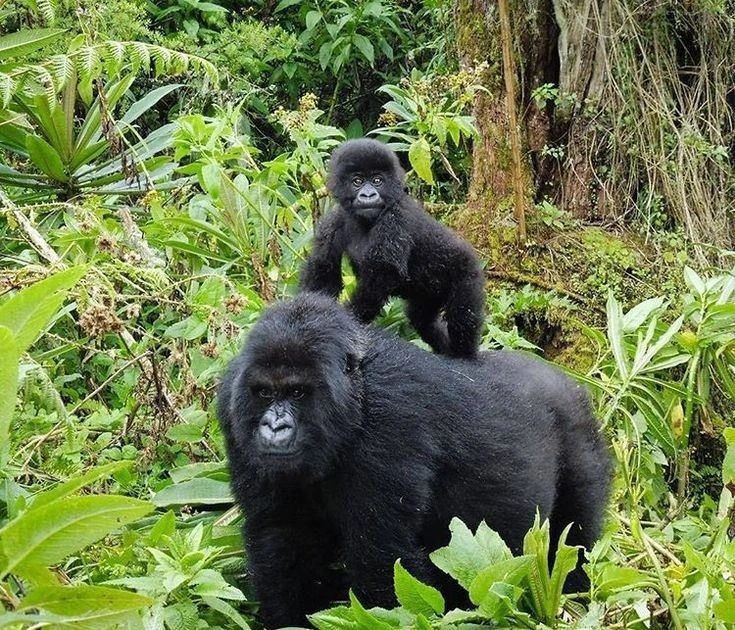
For a 2-day Uganda gorilla trek from Kigali, secure your $800 USD permit months in advance through a licensed operator. Cross via the Cyanika border (usually ~4-5 hours to Bwindi/Mgahinga) with an East African Tourist Visa. Stay near the southern sectors of Bwindi (Rushaga/Nkuringo) to maximize time. Book a 4x4 vehicle for the drive, as roads can be challenging
2-days-best-gorilla-trekking-safari-tour-via-kigali-to-bwindi-impenetrable-forest-park
2-days-quick-escape-to-bwindi-impenetrable-to-trek-mountain-gorilla-from-kigali
Permit & Logistics
The most critical step in planning a 2-day trekking safari is the early procurement of permits. Whether you are trekking in Rwanda or crossing into Uganda, permits are strictly limited—only eight people are allowed to visit a specific gorilla family per day. During peak seasons (June to September and December to February), these permits can sell out six months to a year in advance. Working with a local licensed operator is the most efficient way to manage this. They have direct access to the reservation systems of the Rwanda Development Board (RDB) or the Uganda Wildlife Authority (UWA).
Beyond the permit, an operator handles the complex logistics of a cross-border or multi-region trip. For a 2-day itinerary, timing is everything. A local operator ensures that a 4x4 safari vehicle is ready upon your arrival in Kigali, manages the border paperwork if you are heading to Uganda, and coordinates with the lodges to ensure your meals and rest are timed perfectly with the trekking schedule. They also provide a professional driver-guide who is well-versed in the mountainous road conditions and the "last mile" tracks that lead to the park headquarters. This professional oversight eliminates the stress of navigation, allowing you to focus entirely on the anticipation of the trek itself.
Best Border Crossing
For those starting their journey in Kigali but trekking in Uganda (often to take advantage of the lower permit costs), the choice of border crossing is vital. The Cyanika border is the preferred route for reaching the southern sectors of Bwindi Impenetrable National Park, specifically Rushaga and Nkuringo, as well as Mgahinga Gorilla National Park. From Kigali, the drive to Cyanika is approximately three to four hours through stunning terraced hills. Once you cross into Uganda, you are only about 45 to 60 minutes away from the trekking trailheads.
Using Cyanika instead of the busier Katuna (Gatuna) border saves significant travel time and provides a much more scenic, less congested entry into the Kigezi Highlands. This is particularly important for a 2-day itinerary where every hour of daylight is valuable. To facilitate a smooth crossing, it is highly recommended to obtain an East African Tourist Visa in advance ($100), which allows multiple entries between Rwanda and Uganda. This prevents delays at the immigration desk and ensures that you reach your lodge in time for a briefing and a restful evening before the early morning start of the trek.
Packing Essentials
Trekking for primates is not a standard nature walk; it is a physical endeavor through a "vertical" jungle. The most important item in your bag is a pair of high-quality, waterproof hiking boots with deep tread and excellent ankle support. The terrain is often a mix of loose volcanic soil, thick vines, and slippery mud. To protect your skin from stinging nettles and thorny undergrowth, you must wear long trousers and long-sleeved shirts. Many seasoned trekkers recommend "tucking your trousers into your socks" to prevent red ants from crawling up your legs.
A pair of gardening gloves is a frequently overlooked but essential item; you will often find yourself grabbing onto branches and vines for stability, and these gloves protect your hands from thorns and blisters. Because the weather in the cloud forests can change in minutes, a lightweight, breathable raincoat is mandatory, regardless of the season. Additionally, ensure your camera gear is protected in a waterproof bag. Packing these specific items transforms the trek from a struggle against the elements into a comfortable, focused experience, allowing you to move through the dense vegetation with confidence and safety.
Physical Preparation
While mountain gorilla trekking is accessible to most people with a moderate level of fitness, it is a demanding activity that should not be underestimated. The gorillas live at altitudes ranging from 2,300 to 3,000 meters, where the air is thinner and physical exertion feels more taxing. A trek can last anywhere from 3 to 7 hours depending on where the gorillas nested the previous night. Preparing your body with a few weeks of cardiovascular exercise or hill walking prior to your trip will significantly enhance your enjoyment of the day.
On the morning of the trek, the park rangers will assess the physical ability of the group. If you have concerns about your fitness or a pre-existing injury, you can request to be assigned to a "close" family. However, because gorillas are wild animals and move daily, there are no guarantees on the distance. Being mentally and physically prepared for a full day of hiking ensures that you aren't overextended when you finally reach the primates. The goal is to arrive at the gorilla family with enough energy to fully engage in the one-hour observation period, rather than being focused on your physical exhaustion.
The Trek
The trek itself is a masterclass in organized conservation. After a morning briefing on safety and etiquette (such as maintaining a 7-meter distance and keeping voices low), you are led into the forest by a team of rangers and trackers. These trackers go out at dawn to locate the gorillas from where they were last seen the evening before, communicating via radio to guide your group to the exact spot. This ensures a 99% success rate in finding the families.
Once the family is located, the "Magic Hour" begins. Only eight people are allowed per group, creating an intimate, quiet environment that respects the gorillas' social space. You will witness the incredible human-like behavior of the troop—silverbacks protecting their group, mothers nursing, and juveniles playing in the trees. It is a silent, profound experience where you become a fly on the wall in an ancient social world. The strict time limit and group size are essential for preventing the transmission of human diseases and ensuring the gorillas do not become over-habituated or stressed by human presence.
Tipping & Gear
Tipping is a standard and deeply appreciated practice in the East African safari industry, serving as a direct way to support the local individuals who make the trek possible. It is recommended to carry cash in small denominations (USD or local currency) for this purpose. A general guideline is to tip your head guide $10–$15, and the trackers and rangers around $5–$10 each. These individuals work tirelessly in difficult terrain to protect the gorillas and ensure your safety, and your tips represent a vital supplement to their income.
One of the best investments you can make at the trailhead is hiring a porter (usually around $15–$20). Porters are members of the local community, often former poachers who now rely on tourism for their livelihood. A porter will carry your heavy backpack, help you navigate steep or slippery sections of the trail, and provide a steady hand during the climb. Hiring a porter is a "double win": it makes your trek significantly easier and more enjoyable, and it provides a direct economic incentive for the local community to protect the national park and its inhabitants.
Itinerary
A 2-day trekking safari is a high-intensity "express" journey designed for those with limited time. Day 1 typically begins with an early morning pickup in Kigali followed by a 4–5 hour scenic drive through the "Land of a Thousand Hills" toward the border or the park. After clearing immigration, you arrive at your lodge in the afternoon for a late lunch and a briefing from your guide. This afternoon is vital for "acclimatizing" to the altitude and resting your legs for the following day. Many travelers use this time to enjoy the views of the volcanoes or take a short walk to a nearby village.
Day 2 is the main event. It begins with a 6:00 AM breakfast before heading to the park headquarters for the 7:00 AM briefing. The trek usually concludes by mid-afternoon, after which you have a quick lunch and begin the return journey to Kigali. You will likely arrive back in the capital by late evening (7:00 PM – 9:00 PM), depending on the length of your trek and border wait times. While the schedule is tight, it is a highly efficient way to experience the world’s most iconic wildlife encounter without needing a week-long commitment, making it perfect for business travelers or those on a multi-country African tour.
Booking 2 days gorilla trekking from Kigali with us Roads of Adventure safaris
This 2-day gorilla trekking safari from Kigali, Rwanda, offers a fast-tracked, all-inclusive journey to Bwindi Impenetrable National Park, Uganda, for a 1-hour mountain gorilla encounter. Organized by Roads of Adventure Safaris, it includes transport, accommodation, meals, and a gorilla permit. The itinerary involves a 4-hour drive to Uganda on Day 1 and trekking on Day 2
