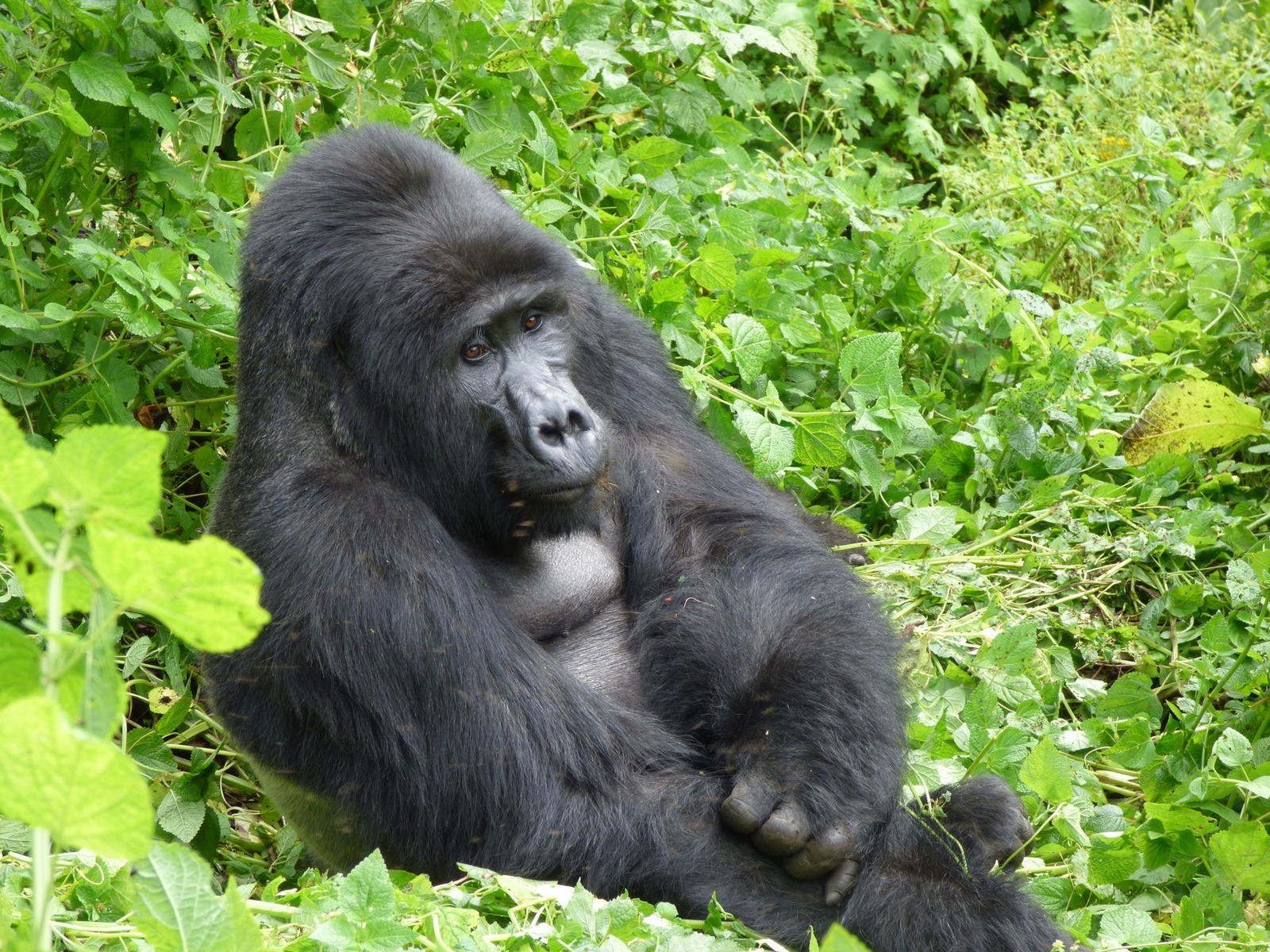
Two-day budget Uganda gorilla trekking from Kigali offers a high-value alternative to Rwanda, focusing on Bwindi Impenetrable or Mgahinga National Parks. These 4–5-hour drives feature swift, early-morning travel for treks and, for budget options, often include 2-Day Bwindi Gorilla Trekking Tours focusing on southern Bwindi sectors (Rushaga/Nkuringo) to minimize travel.
2-days-best-gorilla-trekking-safari-tour-via-kigali-to-bwindi-impenetrable-forest-park
2-days-quick-escape-to-bwindi-impenetrable-to-trek-mountain-gorilla-from-kigali
2-day Classic Southern Bwindi Trek
This 2-day Classic Southern Bwindi Trek is the ultimate "fast and efficient" expedition for travelers with limited time but a deep-seated desire to stand in the presence of the world’s most magnificent primates. By utilizing the strategic gateway of Kigali, Rwanda, this 2days itinerary bypasses the long, nine-hour hauls from Kampala, cutting transit time in half and maximizing your focus on the wilderness. The journey takes you through the "Land of a Thousand Hills" across the border into the rugged, emerald highlands of Uganda’s Rushaga or Nkuringo sectors. These southern regions are famed for their breathtaking views of the Virunga Volcanoes and their high concentration of habituated gorilla families. Designed for the decisive adventurer, this circuit offers a high-impact, soul-stirring encounter with the mountain gorillas of Bwindi Impenetrable Forest, followed by a swift return to the city, ensuring a life-changing wildlife experience that fits perfectly into even the tightest of schedules.
Day 1: Kigali to Bwindi via Katuna Border
Your journey begins with an early morning pickup from your hotel or Kigali International Airport. Leaving the clean, winding streets of Rwanda’s capital, you embark on a four-hour scenic drive northward. As you approach the Katuna border, the landscape transforms into dramatic, terraced hillsides. After efficient customs and immigration clearance, you enter the "Pearl of Africa," where the roads become a winding path through the Kigezi Highlands. Your destination is the southern sector of Bwindi—either Rushaga or Nkuringo—known for its steep ridges and misty canopies. Upon arrival, you will check into your budget lodge, perfectly situated on the forest’s edge. The evening is yours to decompress, enjoy a warm meal, and listen to the symphony of the rainforest. This is a time for quiet anticipation, resting your legs for the physical trek and the emotional encounter awaiting you at dawn.
Day 2: Gorilla Trekking & Return to Kigali
The day begins at 7:30 AM with a vital briefing at the park headquarters. You will be assigned to a gorilla family and a team of expert rangers who know these woods intimately. The trek through the "Impenetrable Forest" can last between two and eight hours, navigating thick vines and damp slopes. However, the moment you find the gorillas, time stands still. You have one hour to observe the silverback’s silent authority and the juveniles' playful antics. This intimate connection with our distant relatives is widely considered the greatest wildlife experience on Earth. After the trek, you will receive a graduation certificate before embarking on the drive back to Rwanda. Crossing the border once more, you will arrive in Kigali by late afternoon or evening for your drop-off, carrying with you the profound, indelible memories of the gentle giants of the mist.
2-day Kigali City Tour and Southern Bwindi Trek
This 2-day Kigali City Tour and Southern Bwindi Trek is a poignant and powerful journey that bridges the deeply moving history of Rwanda with the natural majesty of Uganda’s mountain gorillas. Starting in the heart of Kigali, you will witness the resilience of the human spirit at the city’s historical sites before transitioning into the ancient, mist-shrouded world of Bwindi Impenetrable National Park. By utilizing the short, 4-hour transit corridor from Kigali to the southern sectors of Bwindi—Rushaga or Nkuringo—this itinerary offers an incredibly efficient way to experience two world-class destinations in a single weekend. It is a trip of profound contrasts: from the bustling, clean streets of a modern African capital and its somber memorials to the silent, emerald cathedrals of the forest where the world's last mountain gorillas reside. This circuit is perfect for travelers seeking both cultural depth and a high-impact wildlife encounter in a condensed timeframe.
Day 1: Kigali Cultural Exploration and Transfer to Bwindi
Your journey begins with a morning of reflection at the Kigali Genocide Memorial, a vital site for understanding Rwanda’s journey toward peace and reconciliation. Afterward, you will experience the vibrant energy of the city with a visit to a local market, such as Kimironko, to observe everyday life and craftsmanship. In the afternoon, you leave the city behind for a scenic 4-hour drive toward the Uganda border. As you ascend into the Kigezi Highlands, the scenery transforms into a sea of terraced green hills. You will cross into Uganda via the Katuna or Cyanika border and head to the southern sector of Bwindi. Arriving at your lodge in the evening, you will be greeted by the cool mountain air and the ambient sounds of the rainforest, providing a tranquil setting to prepare for the gorilla trek tomorrow.
Day 2: Gorilla Trekking in Bwindi and Return to Kigali
The day starts with an early briefing at the park headquarters, where you are assigned to a habituated gorilla family. Led by expert rangers, you will trek into the dense, ancient forest—a physical challenge rewarded by the sight of these gentle giants. You have one hour to sit in their presence, watching the silverback lead his family and juveniles play in the bamboo. Following this emotional encounter, you return to the base for your trekking certificate before beginning the drive back to Rwanda. The journey back through the highlands offers a final chance to admire the "Switzerland of Africa" before crossing the border. You will arrive back in Kigali by late afternoon or early evening for your drop-off, concluding a whirlwind 48-hour adventure that has taken you from historical landmarks to the heart of the wild.
2-day Batwa Cultural and Trekking Combo
This 2-day Batwa Cultural and Trekking Combo is a soulful expedition that honors both the "Gentle Giants" of the mist and the "Keepers of the Forest." By starting in Kigali, Rwanda, this itinerary offers a streamlined 4-hour transit into the rugged southern sectors of Bwindi Impenetrable National Park, specifically Rushaga or Nkuringo. This journey is unique because it prioritizes human connection alongside wildlife conservation, providing a rare window into the lives of the Batwa pygmies, the forest’s original inhabitants. You will transition from the modern urbanity of Kigali to the ancient rhythms of a community that lived in harmony with gorillas for millennia. This circuit is designed for the traveler who seeks a holistic understanding of the African rainforest—recognizing that the survival of the mountain gorilla is inextricably linked to the history and heritage of the people who once called these emerald shadows their home.
Day 1: Kigali to Bwindi and Batwa Cultural Experience
Your journey commences with an early departure from Kigali, winding through the spectacular terraced hills of Rwanda toward the Uganda border. After crossing into the "Switzerland of Africa," you arrive in the southern heights of Bwindi. The afternoon is dedicated to the Batwa Cultural Experience. Once the primary inhabitants of the forest, the Batwa will share their ancient heritage through traditional songs, vibrant dances, and demonstrations of forest survival skills, such as fire-making and medicinal plant identification. This encounter is not merely a performance; it is a poignant lesson in resilience and history. As you listen to their stories, you gain a deeper appreciation for the complex human-wildlife relationship within the park. The evening is spent at your forest lodge, falling asleep to the echoes of the drums and the mysterious sounds of the deep jungle.
Day 2: Mountain Gorilla Trekking and Return to Kigali
The morning begins with a briefing at the park headquarters, where the anticipation of the wild peaks. Led by expert trackers, you will plunge into the dense, tangled undergrowth of the southern Bwindi sectors. The trek is a physical immersion into a world of giant ferns and ancient hardwoods, lasting until you find your assigned gorilla family. Spending one hour in the presence of a silverback and his troop is a spiritual experience that defies words; you are witnessing a social structure that is both powerful and incredibly tender. Following the trek and a certificate ceremony, you begin your drive back to Rwanda. The transit through the Kigezi Highlands allows time to reflect on your twin encounters with the Batwa and the gorillas before arriving in Kigali by late evening for your flight or hotel drop-off.
2-day Mgahinga Gorilla National Park Trek
This 2-day Mgahinga Gorilla National Park Trek is a specialized mountain expedition designed for those who seek a more intimate and off-the-beaten-path encounter with the world’s last mountain gorillas. Utilizing the efficient 3-to-4-hour transit from Kigali, Rwanda, this itinerary brings you to the dramatic volcanic landscapes of the Virunga Massif. Unlike the vast expanse of Bwindi, Mgahinga is Uganda's smallest national park, offering a unique aesthetic of bamboo forests and three dramatic extinct volcanoes: Muhabura, Gahinga, and Sabyinyo. This circuit focuses on the Nyakagezi family, the park’s only habituated gorilla group, which is known for its stability and frequent sightings in relatively open terrain. For the discerning traveler, this trek offers a quieter atmosphere and a sense of exclusivity, as only eight permits are available per day. It is a journey through a high-altitude sanctuary where the gold of the bamboo meets the silver of the gorillas, providing a profound wildlife experience in a breathtaking geological setting.
Day 1: Scenic Transfer from Kigali to the Kisoro Highlands
Your journey begins with a morning pickup in Kigali, followed by a scenic drive toward the Cyanika border. As you cross into Uganda, the landscape is dominated by the towering silhouettes of the Virunga Volcanoes. You will head to the town of Kisoro, a vibrant highland hub nestled at the base of the mountains. The afternoon is dedicated to soaking in the atmosphere of this volcanic region; you may choose to take a walk along the shores of Lake Mutanda or simply relax at your lodge, watching the mist roll over the peaks. The air here is crisp and thin, providing a refreshing change of pace as you acclimate to the higher altitude. This evening serves as a quiet preparation for the climb ahead, offering a chance to enjoy local hospitality while the sun sets behind the dramatic mountain skyline.
Day 2: Gorilla Trekking in Mgahinga and Return to Kigali
The day starts at the Ntebeko visitor center with a briefing on the movements of the Nyakagezi gorilla family. Accompanied by expert rangers, you will enter the park’s unique volcanic terrain, often trekking through thick bamboo zones where the gorillas love to forage. Because there is only one habituated group, the experience feels incredibly personal and focused. Once located, you have one hour to observe the silverbacks and their troop against the backdrop of the volcanoes. The relatively open nature of Mgahinga’s forest often allows for exceptional photography and clear sightings. After the trek and a certificate presentation, you will begin your descent back to Kisoro and continue across the border to Rwanda. You will arrive in Kigali by late afternoon or evening, concluding an efficient but deeply impactful 48-hour pilgrimage to the volcanic home of the mountain gorillas.
2-day Quick Trek and Lake Bunyonyi Drive-By
This 2-day Quick Trek and Lake Bunyonyi Drive-By is a masterfully condensed itinerary designed for travelers who want to pair the intensity of a gorilla encounter with the serene beauty of Uganda’s most iconic highland lake. Starting in Kigali, Rwanda, this route takes advantage of the short, 4-hour transit to the southern sectors of Bwindi Impenetrable National Park. What sets this journey apart is the scenic detour along the rim of the Albertine Rift, offering breathtaking viewpoints of Lake Bunyonyi, the "Place of Many Little Birds." Known for its 29 emerald islands and terraced hillsides, the lake provides a stunning visual interlude before you delve into the ancient, misty shadows of the rainforest. This circuit is perfect for those who appreciate dramatic landscapes as much as wildlife, offering a "best of the west" experience that fits into a 48-hour window while maintaining a focus on the world-class adventure of trekking mountain gorillas.
Day 1: Kigali to Bwindi via Lake Bunyonyi Viewpoints
Your expedition starts with an early morning pickup from Kigali, heading north through Rwanda’s rolling landscapes toward the Katuna border. Once in Uganda, the drive enters the heart of the Kigezi Highlands, often called the "Switzerland of Africa." You will navigate winding ridge-top roads that offer spectacular panoramic viewpoints overlooking Lake Bunyonyi. From these heights, the lake’s scattered islands appear like green jewels set in a deep blue mirror. After stopping for photos and to breathe in the crisp mountain air, you continue to the southern sector of Bwindi—either Rushaga or Nkuringo. You will check into a budget lodge located just minutes from the park gate, allowing you to settle in and listen to the evening calls of the forest. This scenic approach ensures that your journey to the gorillas is as visually rewarding as the destination itself.
Day 2: Gorilla Trekking and Return to Kigali
The day begins at the park headquarters for a 7:30 AM briefing, where you are introduced to the rangers and assigned a gorilla family. You will then plunge into the dense, ancient undergrowth, trekking through a world of giant ferns and towering hardwoods. The search ends the moment you encounter the mountain gorillas; for one hour, you are a silent guest in their world, observing the quiet power of the silverback and the social bonds of the troop. It is a profound experience that makes the physical effort of the trek instantly worth it. After receiving your trekking certificate, you will board your vehicle for the return journey to Rwanda. Crossing back through the highlands and the border, you will arrive in Kigali by late afternoon or early evening, concluding an efficient but deeply memorable tour of Uganda’s natural wonders.
1. What is the shortest possible driving time from Kigali airport to the Bwindi park sectors?
The shortest driving time from Kigali International Airport to the Bwindi Impenetrable National Park sectors is approximately 4 hours. This efficiency is precisely why many travelers choose to fly into Rwanda rather than Entebbe, Uganda—the drive from Kigali to Bwindi is roughly half the time of the 8-to-10-hour journey from Kampala. The Rushaga sector is generally the closest and most accessible from Kigali, often reachable in about 4 hours via the Cyanika border.
The Nkuringo and Ruhija sectors follow closely behind, typically requiring a 4-to-5-hour drive. The northernmost sector, Buhoma, is the furthest from Kigali, often taking 5.5 to 6 hours. While the distance is only about 170 kilometers, the winding, mountainous roads of the "Land of a Thousand Hills" and the "Switzerland of Africa" require a slower, more careful pace. This drive is famous for its breathtaking terraced landscapes and volcanic silhouettes, making the transit feel like a scenic part of the safari rather than a chore.
It is important to remember that these times are estimates and can be influenced by weather conditions, road maintenance, and, most importantly, border processing times. Using a 4x4 safari vehicle is highly recommended to navigate the final unpaved stretches leading to the park gates comfortably. Starting your journey early in the morning from Kigali ensures that you arrive at your lodge in Bwindi with plenty of daylight to spare, allowing you to settle in and prepare for the following morning's adventure.
2. Is it possible to cross the border early morning for a two-day budget gorilla trekking itinerary?
While it is technically possible to cross the border in the very early morning of your trekking day, it is highly discouraged for a 2-day itinerary. To participate in gorilla trekking, you must be present at the park headquarters by 8:00 AM for the mandatory safety briefing and group assignment. An early morning crossing from Kigali would require departing around 3:00 AM, leaving no room for potential delays at the Katuna or Cyanika border posts, which can sometimes experience long queues or slow processing.
The standard and most reliable practice for a 2-day budget itinerary is to cross the border on Day 1. By traveling from Kigali to Bwindi on the first day, you eliminate the stress of time-sensitive border formalities and arrive at your lodge by evening. This allows you to get a full night’s rest, which is essential given the physically demanding nature of the trek. Arriving a day early also gives your body time to acclimate to the higher altitude of the Bwindi highlands.
Attempting a same-day crossing risks missing the briefing; if you arrive late, the park rangers may not allow you to join a trekking group for safety and logistical reasons, and your $800 permit would be forfeited. By crossing on Day 1, you ensure a relaxed start to your trekking day, having already cleared all immigration hurdles. This approach secures your investment and ensures you are physically and mentally ready to enter the forest at 8:00 AM sharp on Day 2.
3. Which Bwindi sectors are best for a two-day itinerary starting from Kigali Rwanda?
For a 2-day itinerary starting in Kigali, the Rushaga and Nkuringo sectors are the absolute best choices. Located in the southern part of Bwindi Impenetrable National Park, these sectors are the geographically closest to the Rwandan border. Specifically, Rushaga is often favored because it is the most accessible via the Cyanika border post near Kisoro. Choosing these southern hubs minimizes your time in the vehicle and maximizes your time resting at the lodge.
Rushaga is particularly popular for budget and mid-range travelers because it has the highest number of habituated gorilla families (eight groups), which means more permit availability than other sectors. It offers a variety of terrain, ranging from moderate walks to very steep climbs. Nkuringo, while also close to Kigali, is famous for being one of the most physically challenging sectors due to its steep ridges, but it rewards trekkers with what many consider the most spectacular views of the Virunga Volcanoes.
The northern sectors, like Buhoma and Ruhija, are fantastic but require significantly more driving time from Kigali (up to 6 hours). In a 2-day "express" itinerary, every hour of transit matters. By sticking to the southern sectors, you can leave Kigali at a reasonable hour on Day 1 and still be back in the city by late evening on Day 2. This proximity allows for a more relaxed pace and a higher likelihood of maintaining your schedule, ensuring you get the most out of your short but intense visit to the Pearl of Africa.
4. Are there daily flights available from Kigali directly to the Ugandan gorilla trekking locations?
While there are regional flights, there are no direct commercial flights from Kigali International Airport (KGL) that land inside the Bwindi park sectors. Most travelers interested in flying would have to book a private charter or a scheduled bush flight from Entebbe, which doesn't fit the logistics of a Kigali-based itinerary. Consequently, for a 2-day budget or express tour from Rwanda, driving is the universal and most practical method of transport.
The infrastructure for air travel to the gorillas is centered in Uganda at Entebbe, where Aerolink operates flights to Kisoro (for southern Bwindi/Mgahinga) and Kihihi (for northern Bwindi). Attempting to fly from Kigali to these airstrips usually involves a costly and time-consuming layover in Entebbe, which actually takes longer than simply driving across the border. Because the driving distance from Kigali is so short—around 4 to 5 hours—a road transfer is both more affordable and more efficient.
For those who insist on flying, private helicopter transfers are an option, but these are extremely expensive and typically reserved for high-end luxury safaris. For 99% of travelers, the road trip through the Rwandan and Ugandan highlands is considered a highlight of the trip rather than a hurdle. The scenic drive provides a unique cultural window into the region, passing through bustling border towns, tea plantations, and local markets, offering a depth of experience that a flight simply cannot provide.
5. How long does it take to hike to the gorillas during the 2 day adventure?
The duration of the hike to locate a gorilla family is unpredictable and can last anywhere from 1 to 6 hours. Because these are wild animals that move freely through a 331-square-kilometer rainforest, their location changes every day. On some lucky days, a family might be nesting just 30 to 45 minutes from the trailhead; on others, they may have moved deep into a ravine or high up a ridge in search of seasonal bamboo shoots, requiring a strenuous several-hour trek.
Once the trackers locate the family, you are permitted exactly one hour to observe them. This "golden hour" is strictly enforced to minimize stress on the gorillas and reduce the risk of human disease transmission. Therefore, your total time in the forest—including the hike in, the hour of observation, and the hike back—usually averages between 3 and 7 hours. It is important to treat the hike as part of the adventure; you will be walking through primary rainforest filled with rare birds, butterflies, and ancient flora.
Because the hike can be long and the terrain is often steep and muddy, you must pack for the "worst-case scenario." This means carrying enough water and a packed lunch, as you will likely eat your meal in the forest during a break. Your rangers will move at the pace of the slowest person in the group, ensuring no one is left behind. Regardless of how long it takes to find them, the moment you first see a silverback through the foliage, the physical effort of the preceding hours is immediately forgotten.
6. What is the current price of a Uganda gorilla permit for foreign residents and tourists?
As of 2026, the price for a Uganda gorilla trekking permit is $800 USD for foreign non-residents. This fee is standard across all sectors of Bwindi Impenetrable National Park and Mgahinga Gorilla National Park. For foreign residents (those with a valid work permit or residency in an East African country), the price is slightly lower at $700 USD. These prices have remained stable since the last increase, reflecting the high cost of conservation and the protection of these endangered primates.
It is important to understand what this $800 permit covers. It includes your entry into the national park for the day, the services of expert UWA (Uganda Wildlife Authority) rangers and trackers, and an armed security escort for your safety. A significant portion of this fee (approximately 20%) is also funneled directly into local community projects, such as building schools, clinics, and roads. This ensures that the people living around the forest benefit from tourism, which is the most effective way to discourage poaching and habitat destruction.
Permits are limited and high in demand; only eight people are allowed to visit a single gorilla family per day. During the peak seasons (June–August and December–February), permits often sell out months in advance. Because your permit is tied to a specific date and sector, it is the first thing you should secure when planning your 2-day trek. Once issued, permits are generally non-refundable, so ensure your travel dates are firm before making the purchase.
7. How can I ensure I get a budget-friendly lodge in Bwindi for my overnight stay?
Securing a budget-friendly lodge in Bwindi requires advance booking and a strategic choice of sector. The southern sectors, particularly Rushaga, have a wider variety of budget and mid-range options compared to the more established (and often more expensive) Buhoma sector. Lodges such as Rushaga Gorilla Camp (budget wing), Nshongi Camp, or Gorilla Valley Lodge offer clean, comfortable, and safe accommodation at a fraction of the price of the luxury escarpment lodges.
To get the best rates, you should book your lodge at the same time you secure your gorilla permit. Many budget lodges offer "full board" packages that include dinner, breakfast, and a packed lunch for your trek—this is usually the most cost-effective way to manage your food expenses. Another tip is to look for lodges that offer "lazy camping" or safari tents; these provide a bed and a roof but at a much lower price point than a stone cottage.
Being flexible with your sector can also save you money. If budget lodges in Rushaga are full, check the Ruhija sector, which also has excellent community-run rest camps. Avoid booking through massive international hotel sites, which often add commission fees; instead, work with a local tour operator or book directly with the lodge. Most budget lodges in Bwindi are small and family-run, so they appreciate direct communication and can sometimes offer better rates for last-minute availability during the "low season" months of April, May, and November.
8. What items are usually included in the price of a 2 day Uganda gorilla safari?
A standard, all-inclusive 2-day Uganda gorilla safari from Kigali typically includes five core components. First and foremost is the gorilla trekking permit ($800), which is the single most expensive part of the trip. Second is ground transportation in a 4x4 safari vehicle, including fuel and the services of a professional English-speaking driver-guide who handles all navigation and border crossing logistics.
The third inclusion is accommodation for one night, usually on a full-board basis. This means your dinner on Day 1, and your breakfast and packed lunch on Day 2 are covered. Fourth is bottled drinking water provided in the vehicle during the long drives. Finally, the price typically includes all administrative fees for crossing the Rwanda-Uganda borders and the mandatory park entrance fees.
Items that are not usually included are international flights to Kigali, your East African Tourist Visa ($100), tips for your driver and park rangers, and personal insurance. You will also need to pay separately for any alcoholic beverages or additional snacks you may want. It is also important to remember that porter fees (approx. $20) and gratuities are paid directly in cash on the day of the trek. When comparing quotes from different tour operators, always ask for a detailed "inclusions and exclusions" list to ensure there are no hidden costs during your trip.
9. Are there additional costs for hiring a porter for hiking during the gorilla experience?
Yes, hiring a porter is an additional, out-of-pocket cost, typically ranging from $15 to $25 USD (plus a small tip). While it is not mandatory, it is highly recommended for every trekker, regardless of their age or fitness level. A porter is a local community member who will carry your backpack containing your water, lunch, and camera gear, leaving you free to focus on your footing and the surrounding scenery.
Beyond carrying your bag, porters provide a vital physical service. They will literally lend a hand (or a push) during the steepest and most slippery sections of the trail, acting as a "living walking stick." In the dense rainforest, where the ground is often covered in mossy roots and loose soil, having someone with "forest legs" to steady you can prevent falls and injuries. It allows you to conserve your energy for the actual one-hour encounter with the gorillas.
There is also a significant social benefit to hiring a porter. Most porters are former poachers or from families that previously relied on forest resources for survival. By hiring them, you provide a direct, dignified income that proves conservation is more profitable than exploitation. The $20 you pay is a significant wage in rural Uganda and often goes toward school fees or community improvements. It is perhaps the most direct way a tourist can positively impact the lives of the people who live alongside the gorillas.
10. Do I need to buy a separate visa for Uganda if I am already in Rwanda?
If you are a citizen of a country that requires a visa for both Rwanda and Uganda, the most efficient and cost-effective option is the East African Tourist Visa (EATV). This is a joint visa that costs $100 USD and allows for 90 days of multiple-entry travel between Rwanda, Uganda, and Kenya. Because a 2-day gorilla trek involves entering Rwanda, crossing into Uganda, and then returning to Rwanda, the EATV is the perfect solution, as it prevents you from having to buy separate single-entry visas for each leg of the journey.
You must apply for the EATV through the embassy or immigration website of the first country you will enter. In this case, since you are flying into Kigali, you would apply via the Rwanda Directorate General of Immigration and Emigration website. It is important to apply at least two weeks before your trip, as processing times can vary. Once approved, you will receive an E-visa or authorization letter to present at the airport in Kigali.
If you already have a single-entry Rwanda visa and decide to add a gorilla trek last minute, you will need to buy a separate Uganda Tourist Visa ($50) at the border and then a second Rwanda visa ($50) to re-enter. This is not only more expensive but also involves more paperwork at the border. Therefore, even if you are only "thinking" about a gorilla trek while planning your Rwanda trip, getting the East African Tourist Visa from the start is the smartest logistical move.
11. Do I need to be extremely physically fit to participate in the budget trekking tour?
You do not need to be an elite athlete, but a moderate level of physical fitness is required for gorilla trekking. Bwindi is not a flat park; it is characterized by steep ridges, deep valleys, and thick, tangled vegetation (hence the name "Impenetrable"). You will be hiking at altitudes between 1,160 and 2,607 meters, where the air is thinner, making physical exertion feel more intense than at sea level.
A typical trek involves walking on narrow, muddy trails and sometimes "bushwhacking" through the undergrowth where there are no trails at all. You may be hiking for two hours or six, depending on where the gorillas nested the previous night. If you have any mobility issues or heart conditions, it is essential to disclose this to your guide. The park rangers can often assign you to a "close" gorilla family that requires less hiking, but this is never guaranteed.
To prepare, it is a good idea to go on a few long walks or hikes in the weeks leading up to your trip, ideally on hilly terrain while wearing the boots you plan to use. If you are concerned about your fitness, hiring a porter and using a walking stick will significantly reduce the strain on your body. Remember, it’s not a race; the rangers are very patient and will stop for frequent breaks to ensure everyone in the group is coping well with the environment.
12. Is it necessary to have hiking boots for the two day gorilla tracking experience?
Yes, sturdy, waterproof hiking boots with good ankle support are an absolute necessity for gorilla trekking. You should not attempt this trek in sneakers, sandals, or casual walking shoes. The forest floor is notoriously uneven, often covered in a layer of slippery decomposing leaves, hidden roots, and deep mud. A boot with a "lugged" sole (aggressive tread) provides the grip you need to stay upright on steep slopes.
Ankle support is equally critical. In the dense forest, it is very easy to step into a hidden hole or trip over a vine. A mid-to-high-cut boot protects your ankles from sprains and twists. Additionally, because Bwindi is a rainforest, it can rain at any time—even in the "dry" season. Waterproof boots (like those with a Gore-Tex lining) keep your feet dry and prevent the blisters and discomfort that come with wet socks and shoes.
Finally, your boots act as a barrier against insects and stinging nettles. When combined with long socks and trousers tucked in, boots help prevent "safari ants" from crawling up your legs. Ensure your boots are well-broken-in before you arrive in Uganda; a 2-day trek is not the time to find out your new boots give you blisters. Pair them with moisture-wicking wool-blend socks for the best experience. If your boots are caked in mud after the trek, many lodges offer a cleaning service for a small tip.
13. How many people are allowed per group to visit a gorilla family in Uganda?
To ensure the well-being of the primates and maintain an intimate experience for visitors, the Uganda Wildlife Authority (UWA) strictly limits each trekking group to a maximum of 8 people per gorilla family per day. This regulation is primarily a conservation measure intended to reduce the risk of disease transmission from humans to gorillas and to prevent the animals from becoming overly stressed by large crowds.
With only 8 people in a group, you are guaranteed a clear view of the gorillas during your one hour of observation. This small group size also allows the rangers to maintain better control over the encounter, ensuring that everyone follows the 7-meter distance rule. It also makes the hike through the forest more manageable, as a smaller group can move more efficiently through the dense undergrowth and stay together more easily.
Because there are only about 20 habituated gorilla families in Bwindi (spread across four sectors), there are only about 160 permits available per day for the entire park. This scarcity is why permits are so expensive and why they sell out so far in advance. When you arrive at the briefing on Day 2, you will be grouped with seven other people, often based on your physical fitness and age, to ensure that everyone in the group can maintain a similar pace during the hike.
14. What should I carry with me in my backpack on the day of the trek?
Your daypack should contain the "essential survival kit" for a day in the rainforest. First is water—at least 2 to 3 liters. You will be exerting yourself in a humid environment and staying hydrated is the best way to prevent fatigue and altitude sickness. Second is your packed lunch and energy snacks (like granola bars or chocolate). There are no "cafeterias" in the forest, and you won't return to your lodge until the afternoon.
Third is protection against the elements. This includes a lightweight, breathable waterproof jacket (or poncho), a hat, and sunscreen. Even if it's sunny at the start of the trek, a tropical downpour can happen in minutes. Fourth is insect repellent, specifically one with a high DEET concentration to ward off forest flies and mosquitoes. You should also carry a small personal first-aid kit with Band-Aids, antiseptic wipes, and any personal medications.
Finally, don't forget your camera gear and binoculars. Ensure your camera's flash is turned off, as flash photography is strictly forbidden. It’s a good idea to keep your electronics in a waterproof "dry bag" or even a heavy-duty Ziploc bag inside your backpack to protect them from rain or humidity. If you hire a porter, they will carry this bag for you, but you should keep it light (around 5-7kg) to ensure it’s manageable for them throughout the day.
15. Can I visit the Kigali Genocide Memorial before driving to Uganda for the trek?
Yes, including a visit to the Kigali Genocide Memorial on Day 1 is highly recommended and very common in 2-day itineraries. If you arrive in Kigali by 8:00 AM or 9:00 AM, you have plenty of time to spend two hours at the memorial before beginning the drive to Bwindi. The memorial is a deeply moving and educational experience that provides essential context for the history and resilience of the Rwandan people.
The memorial is located in the Gisozi area of Kigali and usually opens at 8:00 AM. After the tour, you can have a quick lunch in the city and still be on the road by 1:00 PM. This schedule allows you to cross the border by 3:00 PM or 4:00 PM and reach your lodge in the southern Bwindi sectors by sunset. It turns Day 1 from a "travel day" into a meaningful cultural experience.
If your flight arrives later in the day, you may have to choose between the memorial and getting to Bwindi before dark. In this case, many travelers choose to visit the memorial on Day 2 after they return from the trek, provided their departing flight is late in the evening (10:00 PM or later). Most tour operators are very flexible with this and will adjust the timing based on your flight schedule. Just be sure to communicate your preference in advance so they can manage the border crossing and city traffic logistics effectively.
Booking 2 days Uganda gorilla trekking from Kigali with us Roads of Adventure safaris
A 2-day Uganda gorilla trekking tour from Kigali is an efficient, budget-friendly way to see mountain gorillas in Bwindi Impenetrable National Park or Mgahinga National Park, crossing from Rwanda. This adventure, often organized by operators like Roads of Adventures Safaris, includes a 4-5 hour drive from Kigali to Uganda on day one and trekking on day two.
