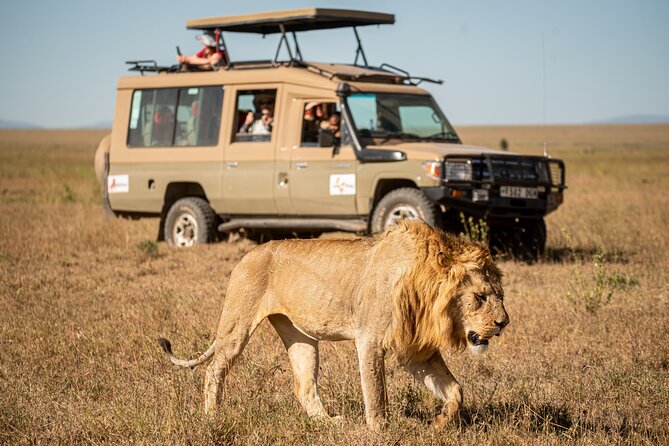
A 10-day Tanzania wildlife safari offers an immersive experience in the Northern Circuit, featuring intense game drives to see the Big Five in the Serengeti and Ngorongoro Crater, massive elephant herds in Tarangire, tree-climbing lions in Lake Manyara, cultural visits to Maasai villages, and optional hot air ballooning
10-days-best-kilimanjaro-hike-serengeti-safari-tour-and-ngorongoro-tour-combo
10-days-perfect-tanzania-safari-itinerary
10-days-tanzania-safari-and-zanzibar-beach-holiday-gateway
10-days-incredible-tanzania-wildlife-safari-and-cultural-experience
10-days-luxury-gorilla-trekking-masai-mara-serengeti-and-ngorongoro-crater
10-days-ultimate-budget-tanzania-safari-holiday-vacation
10-days-family-tanzania-safari-tour-to-lake-manyara-serengeti-ngorongoro-crater-and-tarangire
10-days-tanzania-safari-to-all-northern-circuit-safari-parks-expedition
10-days-tanzania-wildlife-safari-and-optional-visit-to-masai-tribe-or-hadzabe
10-days-best-tanzania-safari-tour-and-zanzibar-beach-holiday-itinerary
10-days-best-tanzania-honeymoon-safari-with-3-days-zanzibar-beach-holidays
1. Game Drives in Serengeti National Park
The Serengeti is the quintessential African wilderness, covering nearly 15,000 square kilometers of "endless plains." During a 10-day safari, the Serengeti usually serves as the central focus, as it is the primary stage for the Great Migration. Depending on the time of year, your guide will navigate to the northern, western, or southern corridors to track the millions of wildebeest and zebras on their prehistoric journey. This movement draws in the continent's highest concentration of predators; it is common to see multiple lion prides, solitary leopards draped in acacia trees, and cheetahs using the vast horizons to sprint after prey. Beyond the migration, the Serengeti offers a high-definition look at the circle of life, where the sheer volume of wildlife ensures that every game drive reveals a new, unscripted drama of survival.
2. Ngorongoro Crater Exploration
Often called the "Eighth Wonder of the World," the Ngorongoro Crater is a self-contained ecosystem within a 600-meter-deep volcanic caldera. Because the walls of the crater act as a natural enclosure, the wildlife density here is staggering. It is arguably the best place in East Africa to see the "Big Five" in a single day. The crater floor is one of the few places left where you can reliably spot the endangered black rhino grazing in the open. You will traverse the Lerai Fever Tree forest, search for massive "tusker" elephants, and observe hippos congregating in the Mandusi Swamp. The crater is also home to a very high density of lions and hyenas, making for high-stakes predator-prey interactions within a remarkably compact and scenic environment.
3. Tarangire National Park Elephant Watching
Tarangire is the "land of giants," characterized by its massive, ancient baobab trees and equally impressive herds of elephants. During the dry season, the Tarangire River becomes the only permanent water source in the region, drawing thousands of elephants from across the Maasai Steppe. Seeing these multi-generational families—from tiny calves to grand matriarchs—showering in the river or leaning against the thick trunks of baobabs is a highlight of any Tanzanian journey. Tarangire also hosts a variety of unique wildlife not easily seen elsewhere, such as the fringe-eared oryx and the gerenuk. The park's rugged, hilly landscape provides a distinct visual contrast to the flat plains of the Serengeti, offering a more intimate and prehistoric atmosphere.
4. Lake Manyara National Park
Located at the base of the Great Rift Valley escarpment, Lake Manyara is a lush, emerald-green sanctuary. It is world-famous for its unique tree-climbing lions, a behavior rarely seen elsewhere in Africa. Scientists suggest they climb to escape the heat of the ground or to avoid irritating insects, but seeing a lion lounging in the branches of an acacia tree is a surreal and quintessential Manyara sight. The park is also a paradise for birdwatchers; its alkaline lake is often fringed with thousands of pink flamingos, while its groundwater forests are home to massive troops of baboons and silver-cheeked hornbills. The transition from the dense jungle at the park gate to the open lake shores makes for a dynamic and visually rich game drive.
5. Hot Air Balloon Safari
A hot air balloon flight over the Serengeti is perhaps the most serene way to experience the African savanna. Rising before dawn, you float silently over the plains as the first light hits the horizon, revealing the scale of the migration from an aerial perspective. From above, you can see the intricate trails made by hippos returning to the water and watch predators beginning their morning hunts without the sound of an engine. The flight concludes with a traditional "Champagne Bush Breakfast" set up in the middle of the wilderness. This experience provides a sense of tranquility and a panoramic understanding of the Serengeti’s vastness that is impossible to achieve from a vehicle, making it a bucket-list item for many travelers.
6. Cultural Immersion with the Maasai
Tanzania is as much about its people as its wildlife. A visit to a Maasai "Boma" (village) offers an authentic look into one of Africa’s most iconic cultures. The Maasai are a pastoralist society that has coexisted with wildlife for centuries, and they are known for their vibrant red cloaks, intricate beadwork, and rhythmic jumping dances. During your visit, you might be invited to enter a traditional "Manyatta" (home) to learn about their social structure, their deep spiritual connection to their cattle, and their ancient traditions. This exchange is not merely a performance; it is a vital part of the regional economy and provides travelers with a profound perspective on how humans can live in harmony with the natural world in an increasingly modern age.
7. Walking Safari at the Crater Rim
To truly appreciate the scale of the Ngorongoro Highlands, you must step out of the vehicle and explore on foot. A guided walking safari along the crater rim or through the nearby "Elephant Caves" offers a tactile connection to the landscape. Accompanied by an armed ranger and a naturalist, you will learn to identify animal tracks, dung, and medicinal plants used by the local communities. Walking through the high-altitude forest, you can hear the calls of tropical birds and the rustle of buffaloes in the thickets. These walks provide a "micro-safari" experience, focusing on the smaller details of the ecosystem that are often missed during game drives, all while offering breathtaking views into the caldera below.
8. Visit Lake Eyasi: Hadzabe and Datoga
Lake Eyasi is the site of one of the most unique cultural encounters in Africa. Here, you can visit the Hadzabe, one of the last remaining hunter-gatherer tribes on the continent. They speak a unique click language and live exactly as their ancestors did ten thousand years ago. You may have the opportunity to join the men on a morning hunt or watch the women gather tubers and honey. Nearby, you will also meet the Datoga people, skilled blacksmiths who still forge tools and jewelry using traditional bellows and open fires. This visit provides a humbling "step back in time," offering a glimpse into the ancient survival skills and communal living that defined human history long before the modern era.
9. Olduvai Gorge Tour
Often referred to as the "Cradle of Mankind," Olduvai Gorge is one of the most important paleoanthropological sites in the world. Located within the Ngorongoro Conservation Area, this steep-sided ravine is where Louis and Mary Leakey discovered some of the earliest hominid remains, proving that human evolution began in Africa. A visit here includes a tour of the onsite museum, which houses casts of prehistoric footprints and tools that date back millions of years. Looking out over the layers of volcanic ash and sediment, you gain a sense of the immense timeline of human development. It is a profound stop that adds a scientific and historical dimension to the safari, anchoring the wildlife experience in the broader context of our species’ origin.
10. Zanzibar Beach Extension
While many spend all ten days in the bush, a common and highly recommended conclusion to a Tanzania safari is a "Bush and Beach" combination. Flying from the Serengeti to Zanzibar allows you to end your trip in the tropical paradise of the Indian Ocean. You can spend your final days in Nungwi or Kendwa, where the white sand and turquoise water are world-class. Activities range from snorkeling among vibrant coral reefs to exploring the "Spice Island’s" history in Stone Town—a UNESCO World Heritage site of winding alleys and carved wooden doors. Transitioning from the dry, dusty plains of the savanna to the humid, spice-scented air of the coast provides the ultimate relaxation, allowing you to reflect on your safari adventures in total serenity.
10-day Tanzania wildlife safari and Zanzibar beach holidays
A 10-day Tanzania wildlife safari and Zanzibar beach holidays package represents the ultimate African odyssey, seamlessly blending the raw intensity of the savanna with the tropical serenity of the Indian Ocean. This itinerary is meticulously crafted to showcase the crown jewels of the Northern Circuit, moving from the elephant-rich plains of Tarangire to the legendary "endless plains" of the Serengeti and the prehistoric wonder of the Ngorongoro Crater. By dedicating ten days to this journey, you experience a profound transition from the high-octane pursuit of the "Big Five" to the rhythmic, spice-scented tranquility of Zanzibar’s white-sand shores. It is an immersive narrative of Africa’s soul, offering world-class wildlife encounters, deep cultural heritage, and a luxurious finale by the sea. Whether you are witnessing the Great Migration or snorkeling in turquoise lagoons, this dual-destination adventure provides a complete and life-altering portrait of Tanzania’s spectacular natural beauty and island charm.
Day 1: Arrival in Arusha/Kilimanjaro
Your 10-day Tanzania wildlife safari and Zanzibar beach holidays begin with a warm welcome at Kilimanjaro International Airport. After a smooth transfer, you will arrive in Arusha, the vibrant safari capital nestled at the foot of Mount Meru. This first day is dedicated to relaxation and acclimatization, allowing you to recover from your journey in a quiet, lush lodge surrounded by coffee plantations. You will meet your expert safari guide for a comprehensive briefing on the days ahead, ensuring all gear and expectations are aligned. The cool mountain air and the distant silhouette of the "Roof of Africa" provide a serene introduction to the continent. The evening is spent enjoying a fresh, locally sourced meal, resting in preparation for the early start tomorrow as you head into the wild heart of the Tanzanian bush.
Day 2: Tarangire National Park
The adventure officially starts as you drive to Tarangire National Park, a land of colossal baobab trees and massive elephant herds. Tarangire is world-renowned for its high concentration of "tuskers," which often congregate around the life-giving Tarangire River. Your first game drive will reveal a landscape dotted with prehistoric trees and diverse wildlife, including lions, leopards, and the unique fringe-eared oryx. The park's rugged beauty provides a distinct contrast to the plains you will see later. You will spend the day exploring the riverbanks and vast swamps, watching multi-generational elephant families interact. As the sun sets, you will head to a lodge overlooking the wilderness, where the sounds of the African night—the distant hoot of an owl and the rustle of the dry grass—provide an authentic and thrilling backdrop for your first night in the bush.
Day 3: Lake Manyara National Park
On day three, your 10-day Tanzania wildlife safari and Zanzibar beach holidays itinerary takes you to the emerald-green Lake Manyara National Park. Located at the base of the dramatic Great Rift Valley escarpment, this park is famous for its unique tree-climbing lions and massive troops of baboons. You will navigate through a lush groundwater forest, which suddenly opens up to an expansive alkaline lake fringed with thousands of pink flamingos. The birdlife here is staggering, ranging from pelicans to kingfishers. You will also look for hippos wallowing in the Simba River and giraffes browsing among the acacia trees. The park’s compact size allows for a highly concentrated viewing experience, making it a perfect transition before you head into the vastness of the Serengeti. The lush, tropical atmosphere offers a refreshing change of pace and scenery.
Day 4: Central Serengeti Exploration
Today, you ascend the Ngorongoro Highlands and descend into the legendary Serengeti National Park. The name "Serengeti" comes from the Maasai word for "endless plains," and the scale of the landscape is truly breathtaking. You will head toward the Seronera Valley in the central region, a year-round predator stronghold. This area is famous for its high density of big cats; it is common to see lions lounging on granite "kopjes" or a leopard draped in a sausage tree. Your afternoon game drive will focus on the riverine areas where wildlife is most active. Staying in the heart of the park allows you to experience the raw spirit of the savanna, with the evening air filled with the calls of hyenas. It is a day of monumental scale and high-stakes wildlife action in Africa's most iconic park.
Day 5: Serengeti Migratory Corridors
The fifth day of your 10-day Tanzania wildlife safari and Zanzibar beach holidays is dedicated to tracking the world-famous Great Migration. Depending on the month of your travel, your guide will navigate toward the massive herds of wildebeest and zebras as they follow the rains in their prehistoric cycle. Witnessing a "sea" of animals stretching to the horizon is a humbling experience that defines the Serengeti. You will spend the entire day in the field, carrying a picnic lunch to maximize your time in the most active zones. Whether you are watching a mother wildebeest protect her calf or seeing a cheetah scan the plains for a target, the migratory corridors offer a front-row seat to the survival of the fittest. The sheer volume of life in motion is a spectacle that stays with you forever.
Day 6: Northern Serengeti and Big Cats
Continuing your journey through the Serengeti, you move into the more remote northern or western corridors. This region offers a more exclusive safari experience, with fewer vehicles and vast, rolling hills. The focus remains on the predators that follow the migration, and the rocky outcrops provide perfect vantage points for lions and leopards. You will explore the riverine forests and hidden valleys, looking for rare species like the serval cat or the bat-eared fox. The Serengeti’s beauty is ever-changing, and the northern reaches offer a rugged, wilder aesthetic that contrasts beautifully with the flat central plains. By evening, you will return to your luxury tented camp, where a "bush dinner" under the stars allows the family to recount the day's sightings while being immersed in the profound silence of the African wild.
Day 7: Final Serengeti Sunrise
Your final full day in the Serengeti begins with a sunrise game drive, arguably the most magical time of day on the savanna. The soft golden light provides perfect conditions for photography as predators return from their nightly hunts. You might spot a pride of lions guarding a fresh kill or a leopard descending from its tree to drink. After a hearty breakfast, you will spend the afternoon exploring the more secluded corners of the park, perhaps visiting a hippo pool or watching a family of elephants move gracefully across the horizon. This day allows for a slower pace, giving you the chance to appreciate the smaller details of the ecosystem, from the colorful dung beetles to the diverse birdlife. It is a day of reflection and gratitude for the untamed beauty of the Serengeti.
Day 8: Ngorongoro Conservation Area
Leaving the Serengeti, you head toward the Ngorongoro Conservation Area, a UNESCO World Heritage site. The drive is a "game drive in transit," crossing the vast plains and climbing toward the lush crater highlands. As the altitude increases, the air becomes cooler and the vegetation more dense. You will arrive at the crater rim in the late afternoon, where the first glimpse into the massive, 600-meter-deep caldera is often an emotional experience. This self-contained "Eden" is home to over 25,000 large animals. You will stay at a lodge positioned on the rim, providing panoramic views of the ancient volcanic bowl below. The evening is spent in anticipation of tomorrow's descent into one of the most concentrated wildlife sanctuaries on Earth, marking the penultimate chapter of the safari portion of your journey.
Day 9: The Ngorongoro Crater Floor
Today is dedicated to a full-day exploration of the Ngorongoro Crater floor. After an early descent into the caldera, you will enter a prehistoric world where the "Big Five" are often seen in a single morning. This is one of the best places in Africa to spot the endangered black rhino, which grazes in the open grasslands. You will traverse the Lerai Fever Tree forest, search for massive "tusker" elephants, and observe hippos congregating in the swamps. The crater is also a stronghold for lions and hyenas, and the lack of migration means the wildlife is resident year-round. After a picnic lunch by the hippo pool, you will ascend the crater walls and head to the nearby town of Karatu. This final day of wildlife viewing provides a dense and high-impact conclusion to your safari experience.
Day 10: Transfer to Zanzibar
On the final day of your 10-day Tanzania wildlife safari and Zanzibar beach holidays, you swap the dusty plains for the tropical coast. After a leisurely breakfast, you will drive back to Arusha for your flight to Zanzibar. As you fly over the Indian Ocean, the golden savanna is replaced by the vibrant turquoise of the water and the white sand of the island. Upon arrival, you will be transferred to your beachfront resort, where the pace slows to "island time." The transition from the high-energy safari to the tranquil shores of the Indian Ocean is the perfect finale. Whether you choose to explore the spice-scented alleys of Stone Town or simply relax by the ocean, the final leg of your journey ensures you return home feeling rejuvenated and inspired by the incredible diversity of Tanzania.
10-day Tanzania wildlife safari tour is a comprehensive exploration of the "Northern Circuit," a region that boasts the highest concentration of animals in Africa. This timeframe allows for a deep dive into several distinct ecosystems, moving from the baobab-studded plains of the south to the volcanic highlands and the legendary "endless plains" of the north.
What are the top highlights of a 10-day Tanzania wildlife safari tour?
The highlights of this journey are defined by the diversity of its landscapes. Your adventure typically begins in Tarangire National Park, famous for its massive elephant herds and ancient baobab trees. From there, you move to the emerald-green groundwater forests of Lake Manyara, known for its tree-climbing lions. The journey then reaches a crescendo in the Serengeti, the stage for the Great Migration and home to the world’s most famous predator populations. Finally, you descend into the Ngorongoro Crater, a self-contained "Eden" where the Big Five reside within a massive volcanic caldera. This 10-day window ensures you aren't just rushing from one gate to the next, but actually absorbing the rhythms of the wild.
Can I see the Great Wildebeest Migration on my Tanzania wildlife safari tour?
The Great Migration is a year-round event, but its location shifts according to the rains. A 10-day safari offers the flexibility to track this "sea of life." From December to March, the herds are in the southern Serengeti for calving season. Between July and October, they move to the northern Serengeti, where you can witness the dramatic and perilous river crossings. Watching thousands of wildebeest plunge into crocodile-infested waters is a visceral, prehistoric experience. Even if you travel during the "off-peak" months, the sheer volume of resident wildlife in the Serengeti ensures that your safari remains world-class, though tracking the migration adds a layer of monumental scale to the trip.
What animals can I expect to see during a Tanzania wildlife safari tour?
Tanzania is arguably the best place on earth to see the "Big Five" (lion, leopard, rhino, elephant, and buffalo). Beyond these icons, you will encounter a staggering supporting cast. The plains are teeming with zebras, giraffes, and various antelope species like the impala and Thompson’s gazelle. In the rivers and swamps, you’ll find massive pods of hippos and prehistoric-looking Nile crocodiles. Predators are a major draw; you are likely to see multiple lion prides, solitary leopards draped over acacia branches, and cheetahs scanning the horizon from the top of termite mounds. Hyenas, jackals, and the elusive serval cat are also frequently spotted by sharp-eyed guides.
Are game drives the main activity on a Tanzania wildlife safari tour?
Game drives are the heartbeat of the safari experience. These excursions are typically split into early morning and late afternoon sessions to coincide with peak animal activity. In the early morning, you might catch a leopard returning from a night hunt; in the golden hour of the evening, the savanna light is perfect for photography. A 10-day tour often includes "full-day" game drives, where you head out with a picnic lunch to reach remote corners of the Serengeti. These long days allow you to follow a pride of lions for hours or wait patiently by a waterhole to see which animals emerge from the bush to drink.
What is unique about visiting the Ngorongoro Crater on a Tanzania wildlife safari tour?
The Ngorongoro Crater is a UNESCO World Heritage site and the largest inactive, unbroken volcanic caldera in the world. Its 600-meter-high walls create a natural enclosure for over 25,000 large animals. What makes it unique is the reliability of sightings; because the animals are resident year-round, you are almost guaranteed to see lions, hyenas, and massive "tusker" elephants. Most importantly, it is your best chance to spot the endangered Black Rhino. Seeing these prehistoric giants grazing in the open grasslands of the crater floor is a rare privilege and a stark reminder of the importance of conservation in this fragile ecosystem.
Can I do a walking safari during my Tanzania wildlife safari tour?
Walking safaris provide a "micro-perspective" of the African bush that you simply cannot get from a vehicle. Accompanied by an armed ranger and a professional naturalist, you will step out into the wild in specific zones like the Serengeti or Tarangire. During a walk, the focus shifts to tracking, botany, and insects. You’ll learn to identify the difference between a lion and a hyena paw print, discover the medicinal uses of local plants, and observe the fascinating social structures of dung beetles. It is a sensory experience where you can hear the wind in the grass and the snap of a twig, making the wilderness feel much more intimate and immediate.
Is it possible to do a hot air balloon safari on a Tanzania wildlife safari tour?
A hot air balloon safari is the ultimate bucket-list experience. Rising before the sun, you float silently over the Serengeti plains as the first light reveals the scale of the migration below. From the air, the savanna looks like a golden tapestry, and you can spot animals that are often hidden by the tall grass from the ground. The flight usually lasts about an hour and concludes with a Champagne Bush Breakfast served under the shade of an acacia tree. This provides a moment of absolute serenity and a panoramic understanding of the Serengeti’s vastness that serves as a beautiful counterpoint to the high-energy game drives.
What cultural experiences are available on a Tanzania wildlife safari tour?
Tanzania is home to over 120 tribes, and cultural engagement is a vital part of a holistic safari. Most 10-day tours include a visit to a Maasai village (Boma). The Maasai are iconic pastoralists known for their vibrant red cloaks and rhythmic jumping dances. You’ll learn about their age-set traditions and their deep spiritual connection to their cattle. For a more ancient perspective, you can visit the Hadzabe hunter-gatherers near Lake Eyasi. They speak a unique click language and live much as their ancestors did ten thousand years ago. These encounters provide a profound human context to the wild landscapes you are exploring.
Are night game drives permitted on a Tanzania wildlife safari tour?
Night game drives are strictly prohibited inside the main National Parks (like the Serengeti or Ngorongoro) to protect the animals' natural rhythms. however, they are a highlight in private concessions or specific parks like Lake Manyara. Using powerful spotlights, your guide will scan the bush for "eye shine." This is the best time to see nocturnal predators like leopards and hyenas on the move, as well as smaller creatures like galagos (bushbabies), civets, and genets. Seeing the savanna transform under the cover of darkness is a thrilling experience that adds a sense of mystery and adrenaline to your 10-day adventure.
How does 10-day Tanzania wildlife safari tour handle meals?
On a 10-day tour, meals are a blend of lodge-based dining and "bush" experiences. Breakfasts are usually enjoyed at the lodge before heading out. For the lunch hour, most itineraries utilize picnic lunches packed by the lodge. These are enjoyed at designated "picnic sites" in the heart of the park, often overlooking a river or a scenic viewpoint. Dinner is typically a more formal, multi-course affair back at your lodge or tented camp, featuring a mix of international and local Tanzanian cuisine. For many, the "Bush Dinner"—eaten under the stars by a roaring campfire—is the culinary highlight of the entire trip.
Are birdwatching opportunities good on a Tanzania wildlife safari tour?
Tanzania is a premier birding destination with over 1,100 recorded species. Even if you aren't an avid birder, the sheer variety of color and song will captivate you. Lake Manyara is a hotspot, famous for its thousands of pink flamingos, pelicans, and storks. In the Serengeti, you’ll see the ostrich (the world's largest bird) and the Kori Bustard. Birds of prey are particularly impressive; you’ll likely see the iconic African Fish Eagle, Bateleur Eagles, and several species of vultures. The diversity of habitats—from soda lakes to mountain forests and open grasslands—ensures that every day of your 10-day tour offers new sightings for your checklist.
Can I visit Olduvai Gorge during my Tanzania wildlife safari tour?
Olduvai Gorge, known as the "Cradle of Mankind," is a frequent stop on the route between the Ngorongoro Crater and the Serengeti. This archaeological site is where Louis and Mary Leakey discovered some of the earliest hominid fossils, proving that human evolution began in Africa. A visit includes a tour of the museum, which houses casts of prehistoric footprints and tools that date back millions of years. Looking out over the steep-sided ravine, you gain a sense of the immense timeline of human development. It is a profound, grounding experience that adds a scientific and historical dimension to the wildlife sightings of your safari.
What is the best way to spend a full day in the Serengeti on a Tanzania wildlife safari tour?
A full day in the Serengeti is about patience and exploration. Rather than rushing between sightings, you head out with a picnic lunch to spend the entire day in the field. This allows your guide to follow "vulture cues" or fresh tracks into remote areas where you might find a leopard with a kill or a cheetah beginning a hunt. You can spend the midday heat observing a hippo pool or watching a pride of lions sleeping under a tree. A full day provides the "slow-motion" safari experience, allowing you to witness the intricacies of animal behavior that are often missed during shorter, morning-only drives.
What should I take for photography on a Tanzania wildlife safari tour?
To capture the scale of Tanzania, you need the right gear. A zoom lens (at least 300mm to 400mm) is essential for wildlife; it allows you to fill the frame with a distant leopard without needing to be physically close. For the vast, cinematic landscapes of the Serengeti and the Crater, a wide-angle lens is equally important. Ensure you have plenty of memory cards and a high-capacity power bank, as you will likely take hundreds of photos each day. A "beanbag" or a small tripod can help stabilize your camera on the vehicle’s pop-up roof, ensuring sharp shots during the low-light hours of dawn and dusk.
Is it possible to combine a 10-day Tanzania wildlife safari tour with a beach trip?
This is the most popular way to end a Tanzanian journey. After nine days of dusty game drives and early wake-up calls, you can take a short domestic flight from Arusha or the Serengeti directly to Zanzibar. The "Spice Island" offers white-sand beaches, turquoise waters, and the historic charm of Stone Town. Spending the final few days of your 10-day window snorkeling among coral reefs or exploring spice plantations provides the perfect "reset." It transitions the trip from high-adrenaline adventure to total relaxation, ensuring you return home feeling both inspired by the wild and physically rejuvenated by the sea.
Booking 10 Days Tanzania wildlife safari tour with us Roads of Adventure safaris
Book a 10-day Tanzania wildlife safari with Roads of Adventure Safaris to explore the Serengeti, Ngorongoro Crater, and Tarangire, featuring private, tailored itineraries, expert guides, and high-quality lodging. Options include luxury, midrange, and family-friendly packages (often including Zanzibar) starting with personalized planning.
