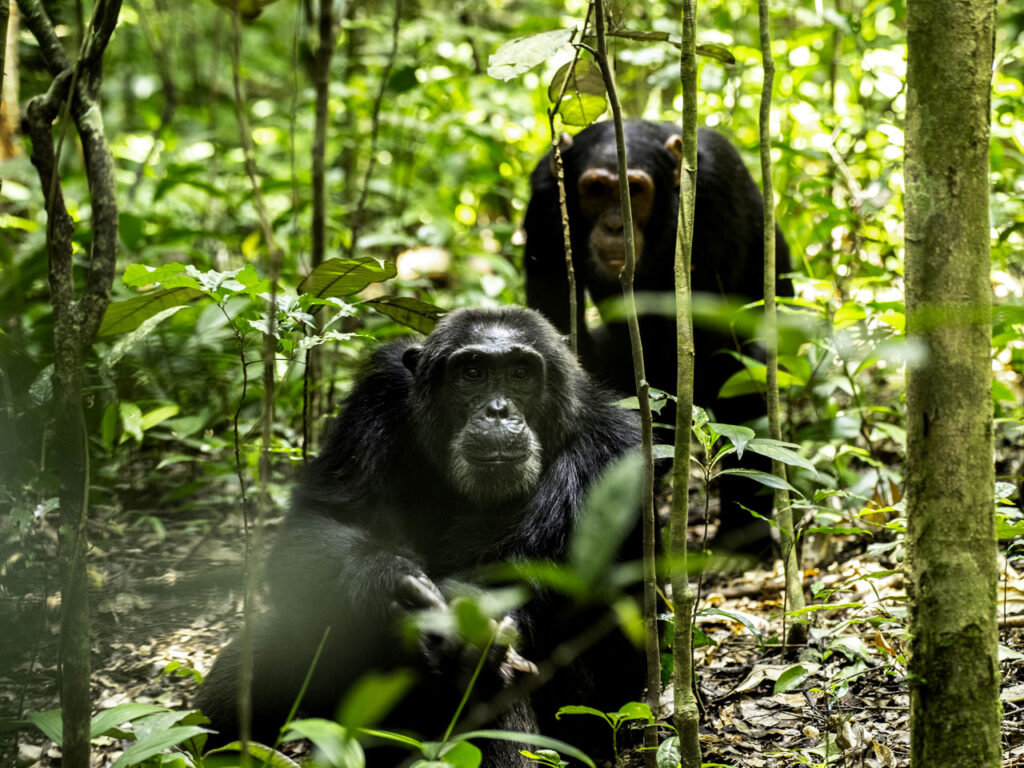
A 6-day Uganda safari is absolutely worth it for families and kids, offering a perfect, manageable blend of savanna game drives, boat cruises, and primate viewing. It offers an intimate, hands-on experience, and many lodges cater to families with inter-connecting rooms and kid-friendly meals, creating a safe and engaging adventure.
6-days-best-of-murchison-and-kidepo-uganda-safari-via-ziwa
6-days-safari-in-uganda-gorilla-trekking-and-chimpanzee-tracking
6-days-classic-uganda-rwanda-primate-and-wildlife-safari
6-days-uganda-primate-safari-and-wildlife-experience
6-days-budget-uganda-wildlife-safari-holiday-vacation
6-days-double-gorilla-trekking-uganda-and-rwanda-side
Why a 6-Day Uganda Safari is the Ultimate Family Adventure
1. Ideal Duration: Balancing Adventure and Comfort
A 5 to 7-day window is widely considered the "Goldilocks" duration for a family safari in Uganda. When traveling with children, the primary challenge is managing the "burnout" that comes from long hours in a vehicle and frequent changes in environment. A 6-day itinerary strikes a perfect balance: it is long enough to travel from the central hub of Entebbe to the iconic western parks like Queen Elizabeth or Murchison Falls, yet short enough that the excitement remains high from start to finish. This timeframe allows for a "slow-build" adventure where kids don't feel rushed and have time to settle into the rhythm of the bush.
Structuring a trip around this duration also allows for "two-night stays" at specific lodges. This is a game-changer for parents, as it means fewer days spent packing bags and more time for the kids to enjoy the lodge swimming pool or explore the grounds. It transforms the trip from a grueling transit into a vacation. Furthermore, by focusing on a 6-day circuit, you can avoid the most extreme long-distance drives to the remote northeast, keeping the travel times manageable (typically 4–5 hours between parks). This ensures that by the time you reach your destination, the children still have the energy and curiosity to engage with the wildlife rather than falling asleep before the game drive even begins.
2. Top Family Activities: Boat Cruises and Aquatic Wonders
While traditional game drives are exciting, boat cruises on the Kazinga Channel or the Victoria Nile are consistently the highlight for families. For a child, sitting in a boat feels like a true expedition. Unlike a vehicle where views can sometimes be obstructed by tall grass, a boat offers a clear, unobstructed 360-degree view of the shoreline. The safety of the boat allows children to stand up and move around a bit more freely than they can in a 4x4, which is vital for younger travelers with shorter attention spans.
The wildlife density along the water’s edge is staggering. In Murchison Falls, the boat takes you toward the base of the world's most powerful waterfall, passing giant Nile crocodiles and hundreds of hippos that "yawn" and huff in the water. In Queen Elizabeth, the Kazinga Channel serves as a natural watering hole where elephants come to bathe and spray water with their trunks—a sight that never fails to elicit cheers from kids. These cruises turn a "nature lesson" into a real-life spectacle. Because the animals are habituated to the boats, they often remain calm and close, providing children with a safe yet thrilling "front-row seat" to the drama of the animal kingdom.
3. Accessible Wildlife: Safe and Exciting Game Drives
Uganda’s savannah parks, particularly Queen Elizabeth and Murchison Falls, are designed for accessible and safe wildlife viewing. These parks feature well-maintained tracks that allow your safari vehicle to get remarkably close to iconic species like lions, giraffes, and elephants without ever leaving the safety of the car. For a family, the "pop-up" roof of a safari land cruiser provides a protected viewing platform where kids can stand and use binoculars to spot "Simba" in the grass or "Pumbaa" the warthog scurrying through the bushes.
The safety protocols in these parks are world-class. Rangers and guides are experts at reading animal behavior, ensuring that every encounter—even with a herd of elephants—is managed with a focus on security and respect for the environment. For children, the "scavenger hunt" aspect of a game drive is incredibly engaging. Guides often involve kids by asking them to help track paw prints in the dust or spot birds in the acacia trees. This active participation transforms the safari from a passive viewing experience into an educational adventure, teaching children about conservation, food chains, and the delicate balance of nature in a way that no classroom or documentary ever could.
4. Cultural Connection: Meeting the Warmest People
Beyond the animals, a 6-day Uganda safari offers families a profound opportunity for cultural connection. Ugandans are internationally renowned for their friendliness and hospitality, and they have a particularly deep respect and affection for families traveling with children. Engaging with local communities allows kids to see the world through a different lens, fostering empathy and global awareness. A visit to a local primary school, a community craft center, or a traditional dance performance provides a vibrant, human layer to the wildlife experience.
These interactions are often the most enduring memories for children. Whether it’s playing a quick game of football with local kids, learning how to make a traditional basket from banana fibers, or seeing how coffee is roasted over an open fire, these "hands-on" moments are invaluable. It shows children that despite different languages or living conditions, the joy of play and the warmth of a smile are universal. For parents, these cultural exchanges ensure the trip is well-rounded, teaching their children that the "Pearl of Africa" is defined just as much by its resilient, welcoming people as it is by its incredible lions and gorillas. This human element turns a "holiday" into a transformative life experience for the whole family.
6 Days Uganda safari vacation
Embark on an unforgettable 6-day Uganda safari vacation, meticulously designed to showcase the "Pearl of Africa’s" most stunning wildlife, lush landscapes, and iconic primates. This immersive journey takes you through the heart of western Uganda, starting with the primate capital of Kibale National Park for an intimate encounter with habituated chimpanzees. Experience the rich biodiversity of Queen Elizabeth National Park, renowned for its boat safaris on the Kazinga Channel—home to high concentrations of hippos—and the rare tree-climbing lions in the Ishasha sector. The adventure culminates in the misty Bwindi Impenetrable National Park for a once-in-a-lifetime mountain gorilla trekking experience, where you will spend an hour with these gentle giants. Featuring professional guiding, private 4x4 transport, and comfortable scenic lodges, this safari offers a perfect blend of adventure and relaxation. You will also enjoy cultural community interactions, providing deep insights into local traditions before returning to Entebbe/Kampala.
Day 1: Arrival & Transfer to Kibale National Park
After arriving at Entebbe International Airport, you will meet your guide and embark on a scenic drive toward western Uganda, specifically to Kibale National Park, the "Primate Capital of the World". This journey takes approximately 5–6 hours, leading you through lush, rolling hills, tea plantations, and traditional homesteads. You will arrive in Fort Portal—Uganda’s most beautiful town—for lunch, taking in views of the Rwenzori Mountains (Mountains of the Moon). In the late afternoon, you may take a guided nature walk in the Bigodi Wetland Sanctuary, an area rich in birdlife and various primate species, including black-and-white colobus monkeys and baboons. Finally, you will check into your lodge bordering the tropical forest for a relaxing dinner and overnight stay, listening to the sounds of nature.
Day 2: Chimpanzee Trekking in Kibale and Transfer to Queen Elizabeth NP
Wake up early for breakfast and head to the Kibale National Park headquarters for a 7:30 am briefing on the rules of chimpanzee tracking. Led by park rangers, you will enter the forest to search for our closest relatives, the endangered chimpanzees. Kibale is home to over 1,500 chimpanzees, guaranteeing a high chance of spotting them. Once found, you will spend one full, magical hour watching them feed, play, and groom in the forest canopy. After this exhilarating experience, you will return for lunch at the lodge. In the afternoon, you will transfer to Queen Elizabeth National Park, driving through the dramatic Rwenzori mountain foothills and crater lakes to arrive at your lodge overlooking the savannah plains by late afternoon, setting the stage for a savanna adventure.
Day 3: Game Drive & Kazinga Channel Boat Cruise
Start your day with an early morning game drive in the Kasenyi Plains of Queen Elizabeth National Park, which is the best time to spot predators active before the sun is too high. Look out for lions, leopards, hyenas, elephants, and huge herds of Uganda Kobs and buffaloes. After breakfast, return to the lodge to relax. In the afternoon, embark on a two-hour boat cruise on the Kazinga Channel, which connects Lake George and Lake Edward. This is a major highlight, allowing you to see the world’s highest concentration of hippos, along with crocodiles, bathing elephants, and numerous bird species, including pelicans and kingfishers. End the day with a short evening game drive on your way back to the lodge for a well-deserved dinner and overnight stay.
Day 4: Ishasha Tree-Climbing Lions and Transfer to Bwindi Forest
After breakfast, you will check out and travel through the southern sector of Queen Elizabeth National Park, known as Ishasha. This area is famous for its unique tree-climbing lions, which lounge in acacia and fig trees to escape the heat and insects. You will do a game drive here searching for these majestic predators, along with topis and southern elephants. After a picnic lunch, you will continue the journey toward Bwindi Impenetrable National Park, a UNESCO World Heritage site. The scenery changes dramatically from flat savanna to the mist-covered, jungle-covered mountains of southwestern Uganda. Arrive at your lodge in the late evening, check in, and enjoy a warm meal while preparing for the gorilla trekking experience the next day.
Day 5: Gorilla Trekking in Bwindi Impenetrable Forest
This is the highlight of your safari. After an early breakfast, transfer to the park headquarters with your packed lunch for a 7:30 am briefing on the trekking rules and safety protocols. You will be divided into small groups and assigned a specific, habituated gorilla family. The trek can take 2–6 hours, depending on where the gorillas are, leading you through thick, lush forest, guided by expert rangers. When you encounter the mountain gorillas, you will spend one unforgettable hour observing them—watching infants play, mothers feed, and the massive silverback protect his family. After the trek, receive your trekking certificate and return to your lodge. In the evening, you can participate in a optional community visit, such as the Batwa cultural experience.
Day 6: Departure and Drive back to Kampala
Enjoy a leisurely breakfast with views of the misty Bwindi forest before starting your journey back to Kampala or Entebbe. It is a long but scenic 7–8 hour drive, taking you through the rolling terraced hills of Kigezi, often called the "Switzerland of Africa". Stop in Mbarara town for lunch at the Igongo Cultural Centre to explore local Ankole history and culture. Another stop is made at the Uganda Equator in Kayabwe for photos and water experiments that show the separation between the northern and southern hemispheres, as well as an opportunity to buy souvenirs. Continue to Entebbe International Airport for your evening flight back home, ending your 6-day Ugandan adventure.
1. Is a 6-day Uganda safari v truly worthwhile for a family?
A 6-day Uganda safari is more than just a vacation; it is a life-changing immersion into one of the world's most vibrant ecosystems. For a family, this duration is the "Golden Window." It is long enough to depart from the urban bustle of Entebbe and reach the deep wilderness of the savannah, yet short enough to ensure that younger children do not become overwhelmed by the change in environment. The value of such a trip lies in its ability to condense the African experience into a manageable timeframe. You aren't just looking at animals through a window; you are witnessing the very rhythm of nature. In six days, a family can visit two distinct national parks—perhaps Murchison Falls for its powerful water and Lake Mburo for its tranquil hills. This variety ensures that every morning brings a new landscape and a new story. For kids, it’s a physical classroom. Instead of reading about biodiversity, they see the vinterrelation between predators and prey firsthand. For parents, the vorth is measured in the shared gasps of awe when a lion cub is spotted or the quiet moments of visualizing the sunset over the Nile. This timeframe allows for a relaxed pace, ensuring that the "adventure" doesn't become "exhaustion." It is a valid investment in family bonding that replaces screen time with vast horizons and genuine wonder.
2. Are the long drives during a 6-day v feasible with children?
The logistics of a safari often involve significant road travel, but in Uganda, the journey is viewed as an integral part of the adventure. While 5- to 7-hour drives are common, they are entirely feasible with the right preparation. Safari operators utilize versatile 4x4 vehicles specifically modified for family comfort, featuring pop-up roofs for ventilation and 360-degree viewing. To make these drives "kid-proof," itineraries are designed with various strategic stops. You might stop at the Equator for a very popular water-drainage demonstration, or at a local market to taste very sweet finger bananas. These breaks transform a long haul into a visual scavenger hunt. Children can be kept very engaged by spotting roadside baboons or the vividly colored birds that perch on telegraph wires. Furthermore, the changing vegation—from lush rainforests to dry savannahs—provides a constant visual narrative of the country's geography. Many families choose to bring audiobooks or "safari bingo" cards to keep the vibe upbeat during transit. By treating the vehicle as a mobile living room, the "long drive" becomes a vessel for storytelling and family connection. Experienced drivers are also very skilled at reading a child’s mood, knowing exactly when to stop for a stretch or a snack, ensuring the vitality of the group remains high until they reach the next lodge.
3. What are the best, safest parks for a family v in 6 days?
When planning a short, family-centric visit, the choice of parks is vital. Murchison Falls National Park and Lake Mburo National Park stand out as the very best options. Lake Mburo is a "starter park" located just a few hours from the capital. It is void of elephants and lions, which, interestingly, makes it one of the safest places for kids to step out of the car. Here, families can go on a very unique walking safari or horseback ride among zebras and impalas. This direct contact with nature is very empowering for children. Murchison Falls, on the other hand, offers the visual drama of the world’s most powerful waterfall. The boat trips here are a very safe way to see hippos and crocodiles from a distance. The park’s northern sector is very rich in giraffes and elephants, providing classic "Lion King" scenery that kids recognize instantly. Both parks feature well-maintained tracks and vigilant park rangers who prioritize guest safety. These locations are also very well-served by high-quality lodges that understand the needs of families, from fenced-in perimeters to child-friendly meal times. By focusing on these two venues, you minimize travel time and maximize the variety of wildlife, ensuring the family sees a vast array of species in a secure, controlled environment.
4. Can children participate in a v primate trek?
Primate trekking is a very sensitive topic due to strict conservation rules. For gorilla trekking in Bwindi, the verified minimum age is 15 years. This is primarily for the safety of the gorillas (who are vulnerable to human childhood illnesses) and the children (as the terrain is very steep and rugged). Similarly, chimpanzee trekking in Kibale usually carries a 12-to-15-year limit. However, this does not mean younger children are void of primate experiences. Areas like the Bigodi Wetlands Sanctuary offer a very accessible alternative. Here, children can participate in guided nature walks to see up to eight species of primates, including the vibrant Red Colobus and the Great Blue Turaco bird. These walks are flat, safe, and very educational. For families with toddlers, the Ngamba Island Chimpanzee Sanctuary on Lake Victoria provides a viewing platform where kids can watch orphaned chimps being fed, offering a very close-up look at our cousins without the strain of a forest hike. Additionally, many lodges are visited by cheeky vervet monkeys or baboons, providing "safari from the porch" moments that delight younger kids. The goal is to provide a version of the primate experience that is age-appropriate and virtually stress-free, ensuring that even the littlest explorers feel valued and included in the trip's highlights.
5. What is the best time of year for a family safari?
Timing is a vital ingredient for a successful family safari. Uganda’s dry seasons—from June to August and December to February—are videly considered the best windows for travel. During these months, the weather is very predictable, with blue skies and minimal rain, which is essential for keeping kids comfortable. Drier trails mean the vehicle won't get stuck in mud, and the vegation is shorter, which significantly improves wildlife visibility. When the grass is low, even a small child sitting in the back of a Land Cruiser can easily spot a leopard vis-à-vis a thicket. Furthermore, the dry season is when animals congregate around permanent water sources, such as the Nile or the Kazinga Channel. This creates very high-density wildlife viewing opportunities, meaning you don't have to spend hours searching; the animals come to you. From a health perspective, fewer rain puddles mean fewer mosquitoes, which is a very important factor for parents worried about malaria. While the "green season" (wet months) offers very lush scenery and lower prices, the humidity and long grass can be vexing for children. Sticking to the dry months ensures the vibe of the trip remains adventurous rather than challenging, allowing the family to focus on the vast beauty of the landscape without battling the elements.
6. Are the lodges/accommodations safe for a family?
The standard of family-friendly accommodation in Uganda has seen a very impressive rise. Most lodges situated within or near national parks are very aware of the safety concerns parents have. High-end and mid-range lodges often provide very spacious "family cottages" or interconnected rooms that allow parents to stay close to their children while maintaining some venue for privacy. These lodges are typically vigilantly patrolled by "askaris" (security guards) who ensure that wildlife stays at a respectful distance. Many lodges are very thoughtfully designed with fenced-in play areas or swimming pools, which are vital for letting kids burn off energy after a long morning in a car. Furthermore, the staff at these lodges are very welcoming and often go out of their way to engage with children, sometimes offering very informal storytelling sessions around the campfire. Safety also extends to hygiene; these venues maintain high standards of cleanliness and provide bottled or very well-filtered water. While you are in the heart of the "wild," the lodge acts as a very secure sanctuary. The peaceful sounds of the African night—the voice of a distant hyena or the rustle of the wind—become a comforting backdrop rather than a source of fear, as children feel the visible protection provided by the lodge’s structure and staff.
7. Is a boat safari a good activity for kids during?
A boat safari is often voted the absolute highlight for families with children. Unlike the bumpy and sometimes dusty nature of a game drive, a boat cruise is a very smooth, relaxing, and visually stimulating experience. On the Nile in Murchison Falls or the Kazinga Channel in Queen Elizabeth Park, the boat acts as a very stable platform. Children can move around the deck (under supervision) rather than being confined to a car seat, which is a very welcome change of pace. From the safety of the boat, kids can see hippos "huffing" in the water and massive Nile crocodiles basking on the banks—often just a few visible meters away. The sight of elephants coming down to the water’s edge to drink or bathe is a very powerful memory for a child. These trips are also very rich in birdlife; seeing a Kingfisher dive for a fish is a vivid display of nature in action. The breeze from the water keeps the temperature very pleasant, preventing the irritability that can come with midday heat. Most boats are very well-equipped with life jackets and shaded roofs. It’s a very low-stress way to experience "high-impact" wildlife, making it the very heart of a kid-friendly Ugandan itinerary.
8. What kind of wildlife can we expect on a 6-day?
The biodiversity in Uganda is vast, and a 6-day trip can yield an incredible volume of sightings. Families can expect to tick off many of the "Big Five." Elephants and buffalo are very common and seen in large herds, which is very exciting for children. Lions are the very stars of the show, often found lounging in trees in the Ishasha sector or stalking through the savannah in Murchison. While leopards are more vague and shy, an experienced guide knows the very spots they frequent. Beyond the "Big Five," the variety of smaller animals is what keeps children engaged. They will see Rothschild giraffes towering over the trees, vibrant zebras with their unique patterns, and the very funny-looking warthogs (known to kids as "Pumbaa"). The water-based parks will reveal vast numbers of hippos and crocodiles. Monkeys are everywhere—from the vervets that might try to steal a snack at lunch to the very athletic Black-and-White Colobus in the forest fringes. The sheer visibility of these animals in their natural habitat provides a very different perspective than a zoo. In just six days, the variety of species encountered creates a vivid tapestry of African wildlife that children will talk about for very many years to come.
9. Are the meals in Uganda suitable for children during ours?
Parents are often pleasantly surprised by how versatile the food options are in Uganda. Safari lodges cater to an international visitor base, meaning the menus are a very familiar blend of local and Western cuisines. Breakfast usually involves a very hearty spread of eggs, toast, cereal, and very fresh tropical fruits like papaya, pineapple, and mango. Lunch and dinner often feature pasta, grilled chicken, fresh fish, and vegetables. If your child is a very picky eater, most chefs are happy to prepare simple chips, pizza, or plain rice. Uganda is also famous for its "Rolex"—a very delicious and child-friendly street food consisting of an omelet rolled inside a chapati. It is a very fun snack for kids to try. The quality of produce is very high, as most food is organic and sourced from nearby villages. For those with allergies, the lodges are very accommodating if notified in advance. Hygiene in these venues is strictly monitored, so the risk of stomach upsets is very low. Meal times are often a very social affair, with dinner served around a communal table or a fire, allowing the family to discuss the day’s viewings while enjoying a very high-quality meal.
10. What is the recommended age for kids on a safari?
While there is no verifiable "minimum age" for a general safari, the recommended age for maximum enjoyment is typically 5 years and older. At this stage, children have the visual maturity to spot animals in the distance and the vocal control to remain quiet when approaching a lion or leopard. Younger children (ages 2-4) are certainly velcome, but parents must be more vigilant about their needs. Game drives can be very early in the morning, and the "sitting still" requirement can be a vexing challenge for a toddler. However, a 6-day trip can be very easily tailored for families with younger kids by including more boat trips and fewer long game drives. It is vital to remember that specific activities have age floors: 15 for gorillas and usually 12-15 for chimpanzee tracking. For these families, a visit to the Entebbe Wildlife Education Centre (the zoo) is a very good way for toddlers to see animals safely and closely. Regardless of age, the key to success is a variable schedule. If the child is tired, the very best move is to skip an afternoon drive for a nap or pool time. Uganda is a very family-oriented society, and children of all ages are greeted with very warm smiles wherever they go.
11. Is it safe to travel with kids in Uganda on this?
Uganda is widely viewed as one of the safest and most hospitable countries in East Africa. The "Pearl of Africa" has a very stable tourism industry that prioritizes the security of international guests. In the national parks, your family is under the very professional protection of the Uganda Wildlife Authority (UWA) rangers, who are vigilantly trained to manage both animal encounters and human safety. Outside the parks, Ugandans are very well-known for their friendliness, especially toward children. In Ugandan culture, children are valued as a blessing, so traveling with kids often opens doors to very heartwarming local interactions. The main tourism circuits are void of political unrest, and the infrastructure for families—from hospitals in major towns to verified tour operators—is reliable. Of course, standard vigilance is required, such as using seatbelts in vehicles and following a guide’s instructions around wildlife. Parents can visualize a trip where the environment is welcoming rather than hostile. By choosing a verified tour operator, you ensure that every logistical detail, from the vehicle’s safety checks to the lodge’s security, is handled, leaving the family free to enjoy the vast wonders of the trip without worry.
12. How do I keep my kids engaged and safe during the ?
Engagement is the very best way to ensure both safety and fun. A bored child is a restless child, and restlessness on a safari can be vexing. To keep them very engaged, give them their own tools: a pair of binoculars, a camera, or a "safari diary." Encouraging them to check off species in a visual guidebook turns the trip into a very exciting game. Safety-wise, engagement means explaining the "why" behind the rules. Instead of just saying "stay in the car," explain that the vehicle is seen as a single, non-threatening object by lions, but a human stepping out becomes very visible prey. Many guides are very skilled at teaching kids about "the small stuff"—tracking footprints, identifying different types of animal "poop" (which kids find very funny), or explaining the medicinal uses of various plants. Cultural visits are another great way to keep them active; meeting local children and playing a game of football or learning a village dance provides a vital social break from animal watching. By making the child an active voyager rather than a passive passenger, they remain vigilant and excited throughout the 6-day journey.
13. What should we pack for a 6-day family safari?
Packing for a family safari requires a very strategic approach. The key is "layering." Mornings in the bush can be very chilly, but by noon, the sun is very hot. You need lightweight, breathable clothing in neutral tones (khaki, tan, or green) to avoid attracting vector insects like tsetse flies. Avoid bright blue or black, as these colors are very attractive to certain biting flies. Sun protection is vital: wide-brimmed hats and high-SPF sunscreen are non-negotiable. For the kids, bring very comfortable closed-toe shoes for any nature walks and a pair of sandals for the lodge. A small "bush pharmacy" with plasters, antiseptic cream, and rehydration salts is very handy for minor scrapes. Don't forget very effective insect repellent (with DEET for adults and child-safe versions for the little ones). Having a dedicated "kids' backpack" with their own snacks, a water bottle, and a few small toys for the long drives is a very good idea. Binoculars and a basic digital camera allow them to document their own version of the trip. Finally, bring a very warm fleece or jacket for those early morning starts. Packing light but versatile ensures the family is ready for any variation in weather or activity.
14. Are there any health precautions for a family?
Health is a very important consideration when traveling to East Africa. A visit to a travel clinic at least six weeks before the trip is vital. Yellow fever vaccination is a mandatory requirement for entry into Uganda for anyone over one year old. Malaria is a valid concern, but it is very manageable with the right prophylaxis. Consult your doctor for child-friendly antimalarial options. Beyond medication, the very best defense is prevention: use mosquito nets provided by lodges, wear long sleeves at dusk, and apply repellent vigilantly. It is also vise to ensure everyone is up to date on routine shots like Hepatitis A and Typhoid. During the safari, always drink bottled or very well-boiled water and avoid raw vegetables unless they have been washed in purified water. Heatstroke is another variable to watch; ensure kids stay very hydrated throughout the day. Uganda’s dry seasons are generally healthier as there are fewer mosquitoes. Most mid-range and luxury lodges have very good first-aid kits and access to "flying doctor" services for emergencies. By being vigilant but not fearful, you can ensure the family remains vigorous and ready to enjoy every moment of the adventure.
15. Is a 6-day v, focusing on culture, also possible?
Absolutely, a 6-day trip can be very easily tailored to focus on Uganda’s vibrant culture alongside its wildlife. Uganda is home to over 50 different tribes, each with its own very unique traditions, music, and food. A family-focused itinerary can include a visit to a local primary school, which is a very eye-opening experience for children. They can see how their peers in Uganda learn and play, often leading to very sweet moments of cross-cultural connection. You might also visit a community project, such as a women’s basket-weaving cooperative or a village coffee plantation. Here, kids can learn the very intricate process of making crafts or see how chocolate and coffee are grown. Cultural tours often include very energetic traditional dance performances, and kids are almost always invited to join in, which is very fun and memorable. These interactions provide a valuable educational dimension, teaching children about variation in lifestyle and the importance of community. By blending game drives with village visits, the safari becomes a very holistic experience that celebrates both the natural and human beauty of the country. This version of the trip ensures that the family leaves with a vivid understanding of Uganda’s soul, not just its scenery.
Booking 6 Days Uganda safari with us Roads of Adventure safaris
Booking your 6-day Uganda safari with Roads of Adventure Safaris provides access to several expertly curated itineraries that combine primate tracking with classic savanna game drives
