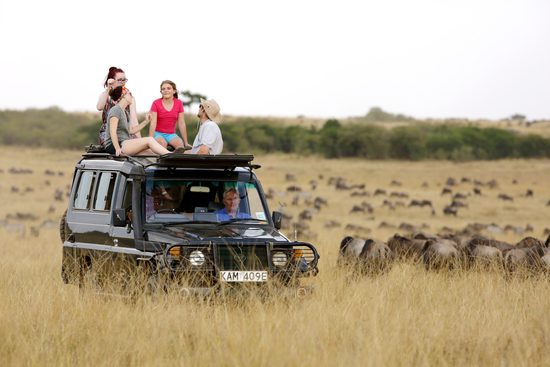
A 10-day combined Kenya and Tanzania safari is best spent focusing on the "Northern Circuit" and "Masai Mara-Serengeti" ecosystem, maximizing wildlife viewing while minimizing transit. Key highlights include 3-4 days in the Masai Mara (Kenya) and 3-4 days in the Serengeti/Ngorongoro Crater (Tanzania), allowing for iconic sightings of the Big Five and the Great Migration.
Popular Kenya Tanzania safari itineraries
10-days-best-kenya-tanzania-safari-itinerary-tour
10-days-best-kenya-tanzania-honeymoon-safari-with-zanzibar-beach-holidays
10-days-samburu-amboseli-nakuru-naivasha-maasai-mara-safari-tour
10-days-best-tanzania-safari-tour-and-zanzibar-beach-holiday-itinerary
10-days-tanzania-safari-to-all-northern-circuit-safari-parks-expedition
10-days-best-tanzania-honeymoon-safari-with-3-days-zanzibar-beach-holidays
10 Days Africa Safari Trip to Kenya and Tanzania
This 20 days Africa safari trip traverses two remarkable countries, Kenya and Tanzania, offering unparalleled opportunities to observe diverse wildlife in their natural habitats. You'll encounter majestic animals like elephants, lions, leopards, buffaloes, giraffes, zebras, hippos, cheetahs, wildebeests, and rhinos. The itinerary includes visits to iconic parks such as Amboseli, the Masai Mara, Serengeti, and Ngorongoro Crater, all renowned for their rich biodiversity.
The trip begins in Nairobi, where visitors can learn about conservation efforts for species like African elephants and the endangered Rothschild giraffe. Next, Amboseli National Park presents prolific elephant herds against the backdrop of Mt. Kilimanjaro. Following that, you’ll head north to the Masai Mara for unparalleled game drives, witnessing the Great Migration if timed strategically.
Crossing the border into Tanzania brings you to Serengeti National Park, famous for predator-prey interactions. The adventure concludes in Ngorongoro Crater, a UNESCO World Heritage Site teeming with wildlife, providing a perfect ending to this exciting safari.
Days 1-2: Nairobi & Amboseli (Kenya)
Day 1: Arrive in Nairobi, where the adventure begins. After settling in, you have the option to visit the Giraffe Centre, which focuses on breeding the endangered Rothschild giraffe. This center allows for close encounters, where you can feed and learn about their conservation. Alternatively, you might choose the David Sheldrick Wildlife Trust for a chance to observe orphaned elephants and hear heartwarming stories of their rehabilitation and eventual release into the wild. Such visits provide insight into the efforts made to protect these remarkable creatures. Overnight in Nairobi.
Day 2: Depart for Amboseli National Park, located approximately four hours from Nairobi. En route, enjoy views of the southern landscape. Once at Amboseli, famous for its large elephant herds, begin your explorations. Elephants roam freely, often appearing against the backdrop of Mt. Kilimanjaro. During the game drive, you can also spot lions resting in the shade, giraffes browsing on acacia trees, and herds of wildebeests and zebras grazing on the plains. Return to your lodge for dinner and preparation for the next leg of your safari.
Days 3-5: Masai Mara National Reserve (Kenya)
Day 3: After breakfast, set off for the Masai Mara National Reserve, which takes about five to six hours. This region is renowned for its animal migrations and vast open plains. As you approach, anticipate sightings of animals such as elephants, buffaloes, and abundant antelope species. Upon arrival, check into your accommodation and prepare for an evening game drive. The Masai Mara is often teeming with wildlife, providing ample opportunities for spectacular sightings.
Day 4: Spend the day on full-day game drives in the Masai Mara. Focus on searching for the Big Five: lions, elephants, leopards, buffaloes, and rhinos. Depending on the season, you might witness the Great Migration, an incredible natural event where thousands of wildebeests and zebras cross the Mara River. During the drive, keep your eyes open for various birds of prey and playful cheetahs, adding to your wildlife tally. Return to your lodge for a lovely dinner and share stories from the day.
Day 5: Continue your exploration of the Masai Mara with another full-day game drive. This time, concentrate on predator-prey dynamics, observing lions and cheetahs hunting their prey. You may also spot other wildlife, including spotted hyenas, topis, and secretary birds. Witnessing the interactions among these species adds a fascinating layer to your safari. In the evening, enjoy a night under the stars, reflecting on the day's observations and the remarkable wildlife you encountered.
Days 6-8: Serengeti National Park (Tanzania)
Day 6: Depart the Masai Mara and cross the border into Tanzania, taking about four hours to reach Serengeti National Park. The road offers picturesque views and potential wildlife sightings along the way. After arriving and checking into your lodge, have lunch and prepare for your first game drive. The Serengeti is known for its endless plains and abundant wildlife. Look for large herds of wildebeests, along with zebras and elephants. Return to your lodge for dinner and relaxation.
Day 7: Spend the day exploring the vast plains of the Serengeti. Focus on the interactions between predators and prey, aiming to spot lions lounging in the grass, leopards perched on tree branches, and cheetahs sprinting after their targets. Other wildlife includes hippos in nearby rivers, crocodiles sunning on banks, and diverse bird species. You will gain insights into the daily lives of these animals. As the sun sets, share stories of the day's observations over dinner.
Day 8: Continue your exploration of the Serengeti, either focusing on specific areas or following the paths of animal migrations. Witness the behaviors of lions as they hunt and interact within their prides. You may also encounter fascinating animals such as jackals and various species of gazelles. This day is filled with enriching wildlife observations, capturing both the beauty and rawness of nature. Retire to your lodge for dinner and reflections on the day’s activities.
Days 9-10: Ngorongoro Crater & Departure (Tanzania)
Day 9: Begin your day with an early breakfast before driving to the Ngorongoro Conservation Area, which takes about two hours. Upon arrival, descend into the Ngorongoro Crater, a UNESCO World Heritage Site known for its dense wildlife populations. On the crater floor, look for large herds of wildebeests, zebras, and buffaloes roaming freely. The area also hosts abundant birdlife, including ostriches and flamingos. Enjoy a picnic lunch in this picturesque setting before continuing your exploration, keeping an eye out for black rhinos and lions.
Day 10: After breakfast at your lodge, prepare for the final leg of your adventure. Drive to Arusha, taking about three hours. Upon arrival, you have free time for souvenir shopping at local markets or visiting artisan shops. This is a perfect opportunity to find unique crafts or wildlife-themed items to remember your journey. In the late afternoon, head to Kilimanjaro International Airport (JRO) for your departure. Reflect on the incredible wildlife and cultural experiences you enjoyed throughout your safari as you prepare to return home.
1. What is the best route for 10 days on combined Kenya and Tanzania safari?
The best route for a 10-day combined Kenya and Tanzania safari begins in Nairobi, Kenya, before proceeding to various premier national parks and reserves. Initially, travelers typically visit Lake Nakuru or Amboseli National Park, both renowned for their natural beauty and wildlife. Lake Nakuru is especially famous for its flamingo populations and rhinoceroses, while Amboseli offers iconic views of Mt. Kilimanjaro and large elephant herds.
After exploring these regions, the safari continues to the Masai Mara, a world-famous reserve known for its abundant wildlife, particularly the Big Five—lion, leopard, elephant, buffalo, and rhinoceros. The Mara is also an ideal location to witness interactions among these species and experience the Great Migration if the timing is right.
Once the Masai Mara experience is complete, the route crosses into Tanzania, heading directly to the Serengeti National Park. The Serengeti is celebrated for its vast plains and diverse wildlife populations, making it a prime location for game drives. Finally, the safari concludes at the Ngorongoro Conservation Area, home to a unique volcanic crater filled with wildlife. The final destination typically is Arusha, a city well-known for its role as a gateway to many national parks, facilitating onward travel for guests.
2. Is 10 days on combined Kenya and Tanzania safari enough time?
Yes, 10 days is considered sufficient for a safari focusing on the highlights of both Kenya and Tanzania, but it does require efficient planning and travel. This timeframe allows for a dynamic experience that includes several key parks and attractions within both countries.
The itinerary can cover major destinations such as the Maasai Mara, Lake Nakuru or Amboseli in Kenya, and Serengeti and Ngorongoro in Tanzania, providing a well-rounded experience of the region's wildlife and landscapes. However, to make the most of your time, travelers often utilize private 4x4 vehicles for quicker travel between parks. Although roads can be bumpy and travel times can vary, having a guided journey ensures that logistics are handled smoothly.
Optional domestic flights can also be integrated into the itinerary to cut down on driving time significantly. This approach allows for more time allocated to wildlife observation while still ensuring that travelers see many of the major highlights. While some parts of the trip may feel rushed, sufficiently structured schedules enable participants to enjoy a variety of wildlife encounters, cultural interactions, and scenic drives, leading to a rewarding safari adventure.
3. Which parks are included in 10 days on combined Kenya and Tanzania safari?
A well-planned 10-day safari in Kenya and Tanzania typically includes visits to several iconic national parks renowned for their wildlife. The typical itinerary features the Maasai Mara National Reserve as a primary destination, celebrated for its rich biodiversity and the opportunity to observe the Big Five in their natural habitat. Known for predator-prey dynamics, the Maasai Mara is also a critical location for witnessing the Great Migration, depending on the timing of the visit.
Another key park in Kenya is Lake Nakuru National Park. This park is famous for its large flocks of flamingos and is important for conservation efforts regarding the black and white rhino populations. Visitors will enjoy game drives that reveal a variety of wildlife, including buffaloes and numerous bird species.
Amboseli National Park is also commonly included, offering unique views of Mount Kilimanjaro and large elephant herds. Crossings into Tanzania usually feature Serengeti National Park, recognized as one of the premier wildlife reserves in Africa. Here, guests can expect to see dramatic wildlife interactions, particularly during the migration season.
The Ngorongoro Crater represents a unique destination due to its volcanic caldera, home to the highest density of wildlife in Africa. These parks collectively embody the essence of East African safaris, offering diverse viewing opportunities and unforgettable encounters with nature.
4. When is the best time for 10 days on combined Kenya and Tanzania safari?
The best time for a 10-day combined Kenya and Tanzania safari is typically between June and October. This period coincides with the dry season, which enhances wildlife visibility and accessibility to parks. During these months, animals congregate around water sources, making it easier to spot them during game drives.
For those interested in the Great Migration, specific timings can augment the safari experience. Generally, the migration is in the Serengeti from January to March, where you can see wildebeests and zebras calving. By July to October, the migration shifts to the Masai Mara, providing an opportunity to witness the dramatic river crossings, making this period particularly exciting for visitors.
The dry season not only ensures better visibility but also allows for more comfortable travel conditions, as roads are more navigable compared to the rainy months. During short rains in November and December, some parks may be swamped, and wildlife may be dispersed, making sightings less predictable.
It’s important to plan ahead and understand the park conditions for the specific time of the visit, as this significantly impacts wildlife behavior and the overall safari experience.
5. How do I travel between countries on 10 days on combined Kenya and Tanzania safari?
Traveling between countries on a 10-day combined Kenya and Tanzania safari is primarily done through private 4x4 land cruisers, which are well-suited for navigating both paved and unpaved roads. Typically, the two most common border crossings are at Namanga and Isebania. These crossings are established for tourist travel and are well-regulated to ensure safety and efficiency.
The drive from Kenya to Tanzania often takes a few hours, depending on the route and traffic conditions. Having a knowledgeable driver-guide ensures that the transition between countries is smooth. They are familiar with the customs and immigration processes, which can help expedite border crossings.
In certain instances, travelers may also opt for scheduled or charter flights to minimize travel time, especially when moving between major parks. This can be particularly helpful when covering larger distances or when time efficiency is crucial. Regardless of the method, it's essential to consider visa regulations and ensure that all necessary travel documentation is in order prior to crossing.
Overall, the combination of private 4x4 vehicles and optional flights allows travelers to effectively and comfortably navigate the stunning landscapes and wildlife hotspots of both countries.
6. Can I see the Great Migration during 10 days on combined Kenya and Tanzania safari?
Yes, a 10-day combined Kenya and Tanzania safari provides ample opportunities to witness the Great Migration, one of nature's most impressive spectacles. The migration involves millions of wildebeests and zebras moving in search of greener pastures, and it typically unfolds in two significant phases throughout the year.
During the early part of the year, specifically between January and March, the migration is primarily located in the Serengeti National Park in Tanzania, where many animals give birth to their young. As the grass dries up in the Serengeti, herds begin their journey northward toward the Masai Mara National Reserve in Kenya around July. During this time, you can observe dramatic river crossings as the animals brave the waters of the Mara River, an experience that offers incredible photographic opportunities and wildlife interactions.
Travelers planning their itineraries carefully can time their visits to correspond with these migration phases, maximizing their chances of witnessing this extraordinary event. Park guides are usually knowledgeable about the current herd movements, increasing the likelihood of encountering this magnificent natural phenomenon during your safari.
7. Is 10 days on combined Kenya and Tanzania safari safe?
Yes, a 10-day combined Kenya and Tanzania safari is generally safe for travelers. Tourist areas, including national parks and major towns, have established infrastructure and security measures in place, ensuring that visitors have a secure travel experience.
Most safari companies, including those providing private tours, include experienced guides who are knowledgeable about the local conditions and best practices for ensuring safety. They are adept at managing all logistical aspects of travel, from border crossings to navigating through wildlife areas, which contributes significantly to a worry-free adventure.
When crossing borders, the checkpoints are well-organized, and travelers are advised to follow guidelines provided by their tour operators. It is crucial to stay within recommended areas and heed any local advisories, especially in more rural regions.
By following common-sense precautions, such as safeguarding personal belongings and avoiding risky behaviors, travelers can fully enjoy their safari while feeling secure throughout their journey in both Kenya and Tanzania.
8. What is the average cost of a 10 days on combined Kenya and Tanzania safari?
The average cost of a 10-day combined Kenya and Tanzania safari varies based on several factors, including the level of accommodation chosen, the tour operator, and specific inclusions in the itinerary. Typically, prices range from $3,000 to $6,000+ per person for mid-range to luxury options.
Costs usually encompass various aspects, including park fees, transport in customized 4x4 vehicles, accommodation, and guided excursions. Luxury lodges often elevate the experience with high-end amenities, gourmet dining, and personalized service, while mid-range options still provide comfort at a more accessible price point.
Travelers should also consider additional costs for items such as optional hot air balloon rides or cultural village visits, as these can enhance the overall safari experience but may not be included in the base package.
Booking several months to a year in advance may sometimes help in securing better rates and ensuring availability, particularly during peak seasons.
9. Do I need a special visa for 10 days on combined Kenya and Tanzania safari?
Yes, for a 10-day combined Kenya and Tanzania safari, obtaining a visa is necessary. An East African Tourist Visa is highly recommended, as it covers travel in Kenya, Tanzania, and Uganda under one lower fee. This option simplifies border crossings, allowing for smoother travel between countries.
Travelers can apply for this visa online prior to their trip or obtain it upon arrival at selected entry points. It’s advisable to check specific requirements based on your nationality, as some countries may have different regulations. Additionally, ensure you have a passport valid for at least six months upon entry.
For those considering a shorter visit to just one of the countries, standard visas for either Kenya or Tanzania can be obtained separately. However, the East African Tourist Visa often proves to be a more convenient and cost-effective option for travelers who plan to explore both destinations.
Overall, obtaining the proper visa ensures compliance with local regulations and enhances the overall travel experience.
10. What kind of vehicles are used for 10 days on combined Kenya and Tanzania safari?
On a 10-day combined Kenya and Tanzania safari, travelers typically use customized 4x4 Land Cruisers equipped for handling various terrains encountered during the trip. These vehicles are designed with pop-up roofs, allowing for unobstructed 360-degree views, making wildlife spotting easier during game drives.
Comfort is a high priority, with spacious interiors provided for passengers and ample storage for equipment or personal items. The vehicles usually accommodate small groups, ensuring an intimate setting while allowing personal attention during the safari.
Most 4x4s include air conditioning and experienced driver-guides who are knowledgeable about the parks. Their expertise and familiarity with local wildlife and conditions add another layer of assurance for a safe and comfortable travel experience.
Having a vehicle specifically designed for safari conditions enhances the likelihood of spotting wildlife and ensures that travelers can enjoy every aspect of the adventure comfortably.
11. What is the typical daily schedule on 10 days on combined Kenya and Tanzania safari?
A typical daily schedule on a 10-day combined Kenya and Tanzania safari starts early in the morning to maximize wildlife sighting opportunities. Most days begin with breakfast around 6:00 AM, followed by an early morning game drive usually starting around 7:00 AM. Morning hours are generally the best time for spotting active predators.
After the game drive, many itineraries include a return to the lodge for brunch. Late mornings can be spent relaxing or participating in optional activities, such as cultural visits or nature walks, depending on the day's destination.
Afternoon game drives typically start around 3:00 PM, often continuing until sunset. This timing coincides with increased wildlife activity as animals prepare for evening movements. Guests usually return to their lodges for dinner, giving time to share stories and discuss the day’s wildlife interactions.
Evening reflections and planning for the next day complete the schedule, helping ensure a smooth continuation of the safari with exciting adventures ahead.
12. What wildlife can I expect to see during 10 days on combined Kenya and Tanzania safari?
During a 10-day combined Kenya and Tanzania safari, you can expect to see an exciting variety of wildlife. The "Big Five," which includes lions, leopards, elephants, rhinoceroses, and buffaloes, are common highlights of the safari experience. These iconic species can often be seen in their natural habitats, particularly in renowned parks like the Maasai Mara and Serengeti.
Beyond the Big Five, other wildlife examples include large herds of wildebeests and zebras, especially during migration periods, which attract numerous predators. You may also spot giraffes, which are often seen browsing on acacia trees, along with hippos resting in rivers, and crocodiles sunning on riverbanks.
Birdwatching enthusiasts will appreciate observing various species, including flamingos at Lake Nakuru, ostriches, and several raptors. Each park has its unique biodiversity, ensuring that wildlife sightings constantly surprise and delight you throughout your safari.
These diverse encounters enrich the overall safari adventure and help make for an unforgettable experience in East Africa.
13. Are there cultural experiences included in 10 days on combined Kenya and Tanzania safari?
Yes, many 10-day combined Kenya and Tanzania safari itineraries include enriching cultural experiences that provide insight into local communities and their ways of life. Visits to Maasai villages are common, where travelers can learn about the traditions, customs, and lifestyle of this iconic ethnic group. Engaging with local Maasai people allows for a deeper understanding of their practices, such as traditional dance performances and handicraft demonstrations.
In the Maasai Mara, these visits can often be arranged in collaboration with local operators, ensuring a respectful interaction that benefits the community. Travelers may also have the chance to participate in activities like beadwork or learn about Maasai herding techniques.
In Tanzania, cultural experiences may include interacting with local tribes or exploring markets in Arusha or other towns, thereby gaining insights into the region’s daily life. Such experiences balance the wildlife focus of the safari and provide visitors with a holistic view of East African culture, enhancing the overall adventure in memorable ways.
Booking 10 Days on combined Kenya and Tanzania safari with us Roads of Adventure safaris
Book your 10-day Kenya and Tanzania safari with Roads of Adventure Safaris for an unforgettable, personalized East African journey. Experience the best of both nations, featuring game drives in the Maasai Mara, Serengeti, and Ngorongoro Crater, led by expert local guides. This comprehensive package offers comfortable accommodations, full-board meals, and seamless transport to maximize wildlife viewing, including the Big Five. Our dedicated team ensures a tailored, sustainable, and unforgettable adventure from arrival to departure. Book today to explore breathtaking landscapes and create lasting memories.
