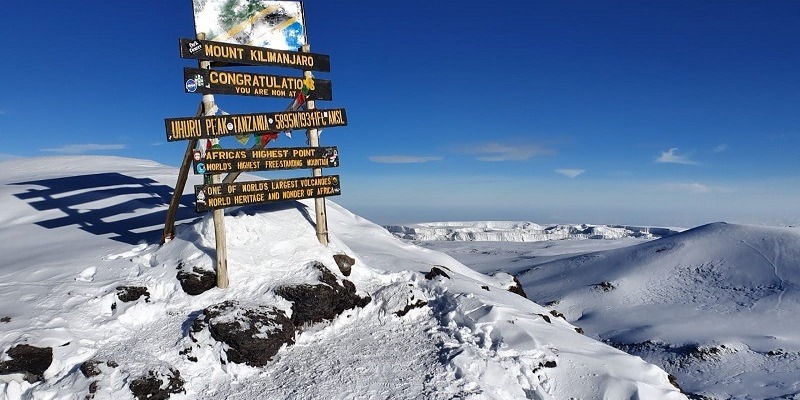
Planning a Kilimanjaro trek is an incredible milestone, but sorting through the logistics can quickly feel overwhelming—especially when trying to balance budget, safety, and a tight schedule. While you might be aiming for a quick 5-day Machame climb, national park regulations and safety protocols actually require a minimum of 6 days on this route to ensure your body properly adjusts to the altitude. Pushing it faster simply isn't an option offered by reputable operators due to the severe risks of altitude sickness. Don't worry, though; you still have fantastic options. Whether you extend your Machame journey by just one day or pivot to the classic 5-day Marangu route, finding the right balance of cost, safety, and comfort is entirely doable. Let’s break down the real numbers and alternatives so you can make the best choice for your adventure.
5-day-kilimanjaro-climb-marangu-route
6-days-ultimate-kilimanjaro-climb-via-machame-route
6-days-kilimanjaro-climb-via-umbwe-route
6-days-best-kilimanjaro-climb-via-marangu-route
7-days-kilimanjaro-hike-and-tanzania-safari-combo
7-days-perfect-kilimanjaro-climb-and-hiking-safari-via-lemosho-route
7-days-kilimanjaro-climb-and-hiking-safari-ascent-to-peak
Cost breakdown for 5 Days Machame route Kilimanjaro climb
1. Mandatory Park & Conservation Fees
When planning a budget for Mount Kilimanjaro, government-mandated park fees are the single biggest fixed expense you’ll encounter. The Tanzanian government, through the Kilimanjaro National Park Authority (KINAPA), strictly regulates access to protect the mountain’s fragile ecosystem and maintain emergency rescue services. Because these tariffs are legally required, they set an absolute baseline cost for any climb. No tour operator can bypass them, which is why bargain-basement packages offering total trek prices under $1,000 simply aren't legitimate or safe.
These fees break down into clear, daily charges. First, every climber pays a mandatory conservation fee of $70 per day, which directly funds park maintenance and environmental conservation. Overnight stays add a camping or hut fee of $50 to $60 per night, depending on whether you are sleeping in tents on routes like Machame or in rustic dormitories on the Marangu Route. On top of that, a flat $20 rescue fee covers basic emergency evacuation infrastructure, while small entrance fees are levied for every guide, cook, and porter accompanying your expedition. Finally, a standard 18% Value Added Tax (VAT) is applied by the Tanzanian government to all operator services and park tariffs. On a typical 5-to-7-day trek, total government and park fees alone easily land between $700 and $1,100 per trekker. Understanding these mandatory baseline numbers helps you quickly spot unrealistic deals and ensures your money directly supports the preservation of this natural wonder.
2. Mountain Crew Wages & Tips
Behind every successful Kilimanjaro summit is a dedicated local support team working tirelessly behind the scenes. Climbing the mountain isn't a solo endeavor; regulations require every trekker or group to be accompanied by licensed guides, cooks, and porters. In fact, a single climber typically requires a team of four to five crew members—including a lead guide, assistant guide, cook, and several porters who carry everything from tents and cooking equipment to safety gear and your personal duffel bags.
Crew costs fall into two distinct categories: daily base wages and post-climb tips. Ethically operated companies include fair daily wages in their package prices, ensuring that porters and guides are properly compensated, fed, and outfitted for extreme weather. Daily base crew wages across a group generally cost around $80 to $120 per day. However, tipping is a deeply ingrained cultural custom and a vital source of income for mountain workers. It is expected that trekkers tip their team directly at the end of the climb during the traditional mountain send-off ceremony.
Standard tipping guidelines recommend budgeting roughly $15 to $20 per day for your lead guide, $10 to $15 per day for the cook, and $8 to $10 per day for each porter. For an individual hiker on a 6-day trek, total tips usually come out to between $250 and $350. Planning for tips in cash (US dollars or Tanzanian shillings) ensures you can fairly reward the incredible hard work of the local crew who make your summit attempt possible.
3. Logistics & Food
Logistics and nutrition are the unsung heroes of a successful high-altitude trek. Transporting hikers, support crews, gear, and fresh food from town gates to remote mountain trails requires careful coordination long before you take your first step on the path. Base logistics usually start with ground transfers. Round-trip transportation between Kilimanjaro International Airport (JRO), your base hotel in Moshi or Arusha, and the national park entry/exit gates typically ranges from $100 to $150 depending on group size and distances traveled.
Once on the trail, properly fueling your body becomes a matter of safety, not just comfort. At high altitudes, your body burns significantly more calories just trying to stay warm and adapt to the thin air, even while resting. Operators send specialized mountain cooks and kitchen porters along with your group to prepare three fresh, hot meals a day. A typical daily menu includes calorie-dense items like porridge, eggs, and toast for breakfast, followed by hot soups, pasta, rice, fresh vegetables, and meat dishes for lunch and dinner. Cooks also cater to specific dietary needs like vegan, gluten-free, or vegetarian diets with advance notice.
In addition to meals, operators supply purified, filtered drinking water throughout the day to keep you hydrated—a critical defense against altitude sickness. Altogether, high-quality mountain catering and water purification average about $50 to $80 per day per person. Investing in proper logistics ensures you stay nourished, hydrated, and focused on the climb ahead.
4. Gear & Accommodation
Preparing for Mount Kilimanjaro requires preparing for extreme climate shifts. In a single week, you will journey from warm, humid rainforests at the base to sub-zero, arctic conditions near the summit. Having the right gear and comfortable rest stops before and after your trek can make or break your overall experience.
Pre- and post-climb accommodation is an essential part of your itinerary. Most trekkers spend a night or two in a standard hotel in nearby Moshi or Arusha before hitting the trail to briefing with their guide, and another night after descending to shower, rest, and celebrate. Mid-range hotel accommodations (Bed & Breakfast) generally cost between $80 and $150 per night. Choosing a comfortable hotel gives you a reliable base to rest, organize your kit, and recover after days on the trail.
When it comes to trekking gear, high-altitude conditions demand technical equipment like four-season sleeping bags rated for negative temperatures, insulated down jackets, thermal layers, waterproof shell jackets, and sturdy trekking poles. If you don't already own high-end cold-weather gear, purchasing everything new can be very expensive. Luckily, reputable tour operators in Moshi offer rental equipment for a fraction of the cost. Renting a professional sleeping bag, insulated jacket, and trek poles usually costs between $100 and $200 in total for the entire trip. Renting locally saves valuable luggage space and keeps upfront costs manageable without sacrificing warmth or safety on the summit push.
5. Additional Considerations (Not Included in Baseline)
While tour packages cover the bulk of on-the-ground trek expenses, your total financial picture must account for several major off-the-mountain costs. These baseline travel requirements occur before you ever land in Tanzania and are essential for a smooth, worry-free expedition.
First, international airfare to Kilimanjaro International Airport (JRO) is typically your largest single expense outside of the climb package itself. Flights from major European hubs or North America generally range from $800 to $1,500+ depending on the season and how early you book. Upon arrival, most foreign travelers are required to purchase a Tanzanian tourist entry visa, which costs $50 for most nationalities or $100 for U.S. citizens. You can apply online via an e-Visa portal beforehand or purchase it upon arrival at the airport.
Equally important is specialized travel and medical insurance. Standard travel policies usually do not cover high-altitude trekking above 3,000 meters. For Mount Kilimanjaro, you must acquire a specialized travel insurance policy that explicitly includes high-altitude trekking up to 6,000 meters, as well as medical evacuation coverage. Emergency helicopter evacuations from the mountain can quickly cost over $10,000 if paid out of pocket. A comprehensive high-altitude insurance policy typically costs between $100 and $200. Finally, you should factor in minor personal expenses like routine travel vaccinations, yellow fever certificates (if arriving from endemic zones), personal medications (like Diamox for altitude adaptation), and extra pocket money for souvenirs.
Why Choose the 5-Day Machame?
The Machame Route (also known as the "Whiskey Route") is famous for its breathtaking, varied landscapes, moving from lush rainforests to alpine deserts. While the standard Machame trek is 6 to 7 days to allow for proper acclimatization, a condensed 5-day itinerary focuses on a swift but strenuous ascent. Because of the faster climb profile, it is highly recommended that participants have prior high-altitude or backpacking experience
How much does climbing Mount Kilimanjaro cost in total?
Climbing Mount Kilimanjaro typically costs between $2,500 and $6,000+ per person when accounting for all necessary expenses. The core tour package alone usually ranges from $1,350 for basic budget operators up to $4,000 or more for luxury agencies, which includes national park fees of roughly $700 to $1,000. However, that base package price is only part of the full financial picture, as every trekker must factor in mandatory out-of-pocket costs rarely included in basic operator quotes. International flights to Kilimanjaro International Airport generally cost between $800 and $1,500 depending on your home country, while a Tanzanian tourist visa adds $50 for most visitors or $100 for U.S. citizens. On the mountain itself, crew tips are a standard cultural expectation that adds roughly $250 to $350 per hiker to reward your guides, cooks, and porters. Furthermore, specialized travel insurance covering high-altitude medical evacuation up to 6,000 meters adds another $100 to $200. Finally, renting technical cold-weather gear like negative-ten-degree sleeping bags or trekking poles can add around $100 to your total bill. Budgeting for these extra non-negotiable items upfront ensures you won't encounter stressful financial surprises during your expedition.
Why are Kilimanjaro Park fees so expensive for hikers?
Kilimanjaro National Park fees are expensive because they directly support environmental conservation, trail upkeep, emergency safety systems, and local economic stability. The Tanzanian government charges non-negotiable tariffs that add up to roughly $700 to $1,000 per trekker on a standard six-to-seven-day climb, applying equally across all legitimate operators. These tariffs include a daily conservation fee of $70 to protect fragile ecological zones, along with campsite or hut fees ranging from $50 to $60 per night to maintain overnight facilities and sanitation. Additionally, a flat $20 rescue infrastructure fee helps cover emergency response coordination, while mandatory entry tariffs are assessed for every guide, cook, and porter accompanying your group. On top of these direct park fees, an eighteen percent Value Added Tax is applied by the government to all operator services and park tariffs. These strict, premium fees serve an important dual purpose: they restrict mass unregulated tourism to prevent severe environmental degradation on Africa’s highest peak, while simultaneously funding local community initiatives, ranger patrols, and sustainable employment across the surrounding region.
What route offers the highest summit success rate overall?
The Northern Circuit offers the highest summit success rate on Mount Kilimanjaro, hovering around ninety-eight percent. Spanning eight to nine days, it is the longest established trail on the mountain, and its extended duration is precisely why it is so successful. The primary reason climbers fail to reach the peak on shorter paths—such as the five-day Marangu Route with a sixty-five percent success rate or six-day Machame Route at eighty-five percent—is acute mountain sickness caused by rapid altitude gains. In contrast, the Northern Circuit circles the quiet, remote northern slopes near the Kenyan border, taking a slow and gradual approach around the mountain. This gentle elevation profile gives your body ample time to adjust to decreasing atmospheric pressure and naturally build necessary red blood cells before attempting the final peak. While choosing an eight-or-nine-day route requires a larger financial investment in daily park tariffs and crew wages, it pays off by giving you the absolute highest statistical probability of safely standing on Uhuru Peak.
Can you climb Mount Kilimanjaro in only five days?
Yes, you can technically climb Mount Kilimanjaro in five days, but park regulations restrict five-day itineraries strictly to the Marangu Route. Other popular trails like Machame, Lemosho, or the Northern Circuit prohibit five-day options due to the severe health risks associated with rushing high-altitude acclimatization. Even on Marangu, attempting a five-day summit is extremely demanding and results in one of the lowest success rates on the mountain. Over the course of just ninety-six hours, climbers are forced to ascend nearly four thousand vertical meters from the humid rainforest gate up through Horombo Huts and Kibo Huts without any dedicated rest or acclimatization days. Because your body receives almost no time to adapt to thin air, historical success rates for five-day climbs drop to around sixty to sixty-five percent. Many hikers suffer severe symptoms of altitude sickness, including intense headaches and nausea, forcing them to descend before reaching the summit. Adding just one extra day transforms the experience, significantly improving safety, comfort, and summit chances.
What gear do you need to rent for Kilimanjaro?
Unless you are an avid high-altitude mountaineer who already owns specialized cold-weather equipment, renting technical gear locally in Moshi or Arusha is the most practical and cost-effective choice. Essential rental items typically include four-season sleeping bags rated down to negative ten or negative fifteen degrees Celsius, heavy down or synthetic insulated summit jackets, and sturdy adjustable trekking poles. High-altitude gear is expensive to purchase brand new for a single expedition, whereas local gear hubs offer high-quality rentals for roughly ten to fifty dollars per item for the entire length of your trip. Beyond thermal outerwear and sleeping bags, hikers frequently rent waterproof outer shell pants, gaiters to keep rocks and snow out of boots, thick fleece mid-layers, and spacious duffel bags for porters to carry. Renting equipment locally saves valuable international airline luggage space and keeps upfront costs manageable. During your pre-climb briefing, you will inspect every rental item with your guide to verify that all zippers function properly, thermal insulation is dry, and the gear fits comfortably.
How much money should you tip your mountain crew?
You should plan to budget between $250 and $350 total per climber in cash tips for a standard six-to-seven-day trek. Tipping is a deeply entrenched custom on Mount Kilimanjaro and serves as a vital supplement to the base wages paid to your hard-working local support crew. Because a single trekker is usually supported by a dedicated team of four to five crew members—including a lead guide, assistant guide, cook, and several porters—tips are collected across the climbing group at the end of the expedition. Standard industry guidelines recommend tipping fifteen to twenty dollars per day for your lead guide, ten to fifteen dollars daily for an assistant guide, ten to twelve dollars per day for the chef, and eight to ten dollars daily for each porter. Tips are formally distributed during a traditional celebratory ceremony at your final camp or the park exit gate. Providing crisp US dollar bills printed after 2009 or local Tanzanian Shillings ensures that the team who carried your luggage, cooked hot meals, and safely guided you is fairly recognized.
Do you need high altitude insurance for Mount Kilimanjaro?
Specialized high-altitude travel insurance is strictly mandatory before setting foot on Mount Kilimanjaro, as regular travel or health insurance plans almost universally exclude activities taking place above three thousand meters. Because Uhuru Peak sits at an extreme elevation of 5,895 meters, standard policies leave you completely exposed to catastrophic out-of-pocket medical expenses. If a climber develops acute mountain sickness, high-altitude pulmonary edema, or severe injury, immediate descent or emergency air evacuation is critical, and a helicopter rescue off the mountain can easily exceed ten thousand dollars. Your policy must explicitly cover two core requirements: high-altitude trekking up to six thousand meters and comprehensive medical evacuation with search and rescue services. Reputable specialized policy providers offer suitable coverage ranging between $100 and $200 per person. Licensed tour operators strictly inspect your insurance paperwork during the pre-climb briefing, and anyone unable to present official proof of adequate altitude coverage will be prohibited from beginning the climb.
Why is the Machame Route so popular among climbers?
The Machame Route, often called the Whiskey Route, is the most popular choice on Mount Kilimanjaro, accounting for nearly half of all total summit attempts. Its immense popularity stems from a winning combination of diverse scenery, fair pricing, and outstanding summit success rates. Unlike shorter linear paths, Machame incorporates an ideal natural acclimatization strategy known as climbing high and sleeping low. On the third day, hikers trek up to the high-elevation Lava Tower at 4,630 meters before descending to sleep at lower elevations at Barranco Camp, triggering positive blood adaptation without taxing the body overnight. The trail offers spectacular scenic variety, taking climbers from lush rainforests and the rocky Shira Plateau past massive glaciers, alongside thrilling terrain features like the famous Barranco Wall scramble. Mid-range six-to-seven-day packages typically range between $1,850 and $2,350, offering exceptional value for an itinerary that boasts an impressive eighty-five to ninety percent summit success rate.
What meals are served during a Kilimanjaro climb?
Meals served during a Kilimanjaro trek are hot, fresh, highly nutritious, and specifically designed to fuel your body in high-altitude environments. Every expedition carries a dedicated mountain cook and fresh ingredients, serving three cooked meals daily inside a dining tent. At high elevations, your body burns significantly more calories attempting to stay warm while your appetite naturally decreases, making calorie-dense carbohydrates essential. Breakfast typically consists of warm millet or oat porridge, eggs, sausages, toast, and hot coffee or tea. Lunch and dinner feature energy-rich meals like pasta, rice, stewed meats, potatoes, and cooked fresh vegetables, always paired with hot vegetable or chicken soup to aid digestion and hydration. Clean, filtered drinking water is continuously provided at every campsite to ensure hikers maintain proper fluid levels, which is a primary defense against altitude sickness. Tour operators also readily accommodate special dietary requirements—such as vegetarian, vegan, gluten-free, or halal—with simple advance notice before setting off.
How hard is summit night on Mount Kilimanjaro?
Summit night is widely considered the most grueling physical and mental test of the entire Kilimanjaro expedition. The push begins around midnight from high camp, requiring hikers to wake up in freezing darkness, put on multiple thermal layers, and slowly crawl up steep, loose volcanic scree under headlamp light. Climbers must gain over one thousand vertical meters in sub-zero temperatures that often range between negative five and negative fifteen degrees Celsius, compounded by harsh wind chills. Because oxygen concentration near the crater rim is roughly half of that at sea level, every single step requires immense physical effort and mental determination over a six-to-eight-hour ascent. Reaching Stella Point at sunrise provides a crucial psychological boost before the final hour-long push along the icy crater rim to Uhuru Peak. After celebrating at the summit, hikers face an equally demanding four-thousand-meter descent back down the scree, making summit day a relentless twelve-to-fourteen-hour journey that tests every ounce of endurance.
Booking 5 Days Machame route Kilimanjaro climb with us Roads of Adventure safaris
To book a 5-day Machame Route climb with Roads of Adventure Safaris, reach out to them directly via their official website or WhatsApp (+256 701 041637). Based in Kampala (Kampala-Entebbe Road), they specialize in East African expeditions and tailor-make mountain trekking and safari packages.
