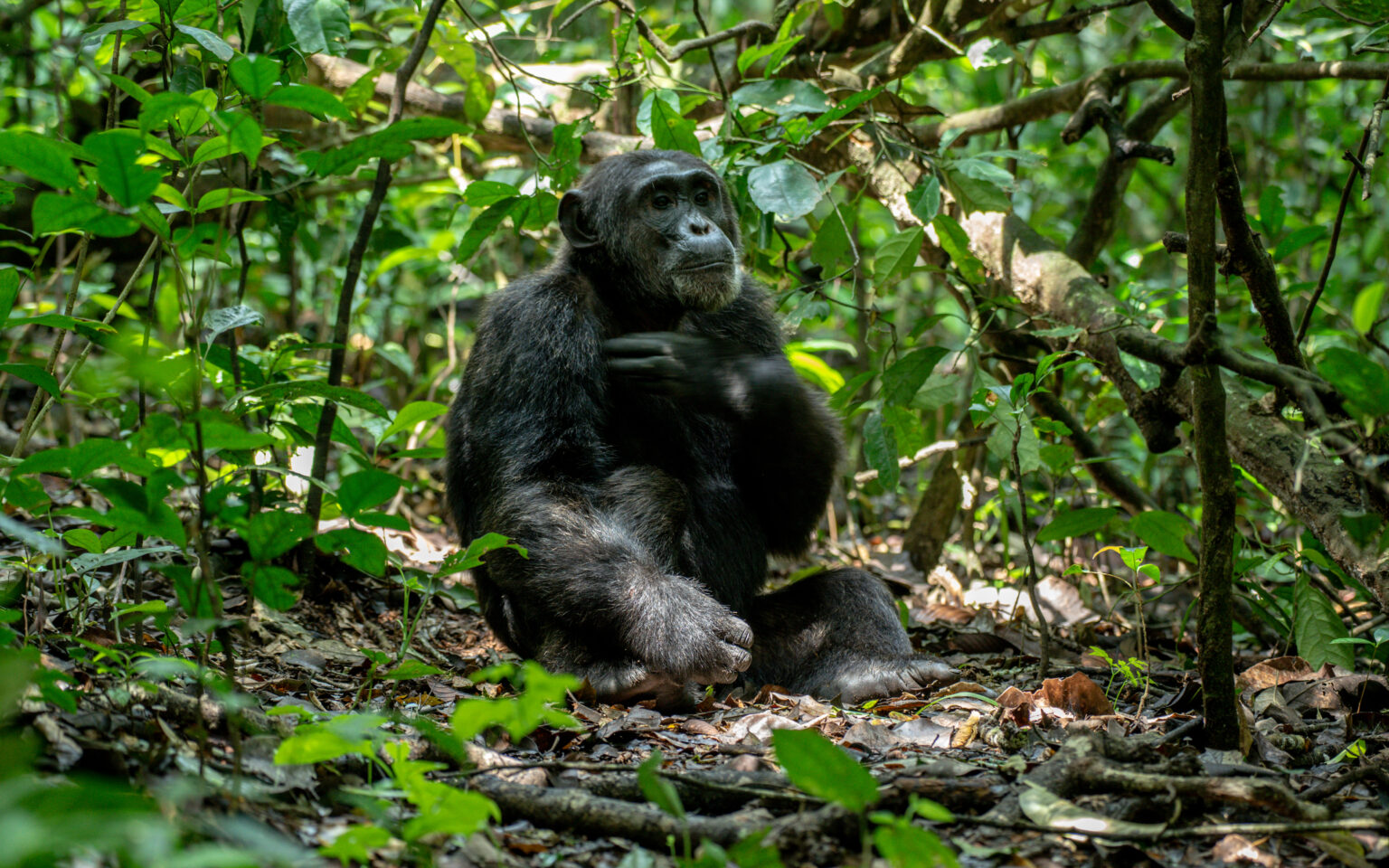
Kibale National Park, widely known as the primate capital of the world. Pair your trek with high-end luxury lodges like Kibale Lodge or Primate Lodge, and secure a exclusive chimpanzee habituation permit for an extended, intimate forest experience.
4-days-queen-elizabeth-park-and-chimpanzee-tracking-in-kyambura-gorge
3-days-trips-to-queen-elizabeth-national-park-for-chimpanzee-tracking-in-kyambura-gorge
3-days-chimpanzee-tracking-in-kibale-forest-park-from-kigali
4-days-chimpanzee-tracking-in-lake-mburo-national-park-and-lake-mburo-safari
5-days-uganda-big-five-safari-and-chimpanzee-tracking-in-kibale-forest-park
5-days-best-gorilla-habituation-and-chimp-trekking-safari-tour-package
What is the typical cost of chimpanzee trekking in Uganda?
The core expense is the official chimpanzee tracking permit issued by the Uganda Wildlife Authority (UWA). For international non-residents, a standard permit in Kibale National Park costs $250, while alternative locations like Budongo Forest cost $130 and Kyambura Gorge costs $100. If you choose the full-day Chimpanzee Habituation Experience (CHEX) in Kibale, the permit is $300. Beyond the permit, a complete private tour package organized through Roads of Adventure Safaris incorporates 4x4 ground transport, professional guide fees, park entry, and luxury lodging, typically ranging from $500 to $1,500+ per person per day, depending on your choice of accommodation and length of stay.
How far in advance should I book chimpanzee trekking in Uganda?
You should secure your permits 3 to 6 months in advance, particularly if you plan to travel during the peak dry seasons (June to September and December to February). Because UWA strictly limits the number of daily visitor groups per habituated chimpanzee community to minimize human impact, permits sell out rapidly. Furthermore, UWA requires immediate, full payment upon reservation to lock in your dates, making early planning essential for securing your preferred travel window.
What is included in the price of chimpanzee trekking in Uganda?
An official chimpanzee trekking permit covers your guided trek with expert Uganda Wildlife Authority rangers, park protection fees, and one hour of direct observation with the habituated chimpanzee community once located. If you book an all-inclusive itinerary through Roads of Adventure Safaris, the comprehensive package additionally covers your private 4x4 safari vehicle, fuel, English-speaking driver-guide, full-board luxury lodge accommodations, daily meals, and pre-trek briefing transfers.
Are permits refundable for chimpanzee trekking in Uganda?
Generally, Uganda Wildlife Authority permits are non-refundable once fully paid and issued. UWA maintains a strict policy regarding cancellations, though they occasionally permit a single date reschedule under specific extenuating circumstances if requested well in advance and subject to an administrative surcharge. To protect your investment against unexpected illnesses, flight disruptions, or emergencies, we always advise purchasing comprehensive international travel insurance prior to confirming your safari dates.
How much do high-end lodges cost during chimpanzee trekking in Uganda?
Exclusive luxury and high-end lodges near prime trekking sectors typically range from $400 to $1,200+ per person per night during peak seasons. These premier properties—such as Kyaninga Lodge, Primate Lodge Kibale, or Ndali Lodge—integrate luxury cottages or tented suites, gourmet dining, select house beverages, laundry services, and personalized hospitality designed to complement your primate expedition.
Do luxury packages for chimpanzee trekking in Uganda include internal flights?
Standard luxury ground packages feature private, chauffeured 4x4 safari vehicles for the scenic drive from Kampala or Entebbe. However, high-end itineraries can be customized to incorporate scheduled or chartered domestic aero-flights from Entebbe International Airport or Kajjansi Airfield directly to nearby airstrips like Kasese or Mweya, significantly reducing transit time. These aviation upgrades are priced separately or itemized upon request in your bespoke quotation.
What payment methods are accepted for booking chimpanzee trekking in Uganda?
UWA and established ground operators accept secure international bank wire transfers (SWIFT) and major credit cards (Visa and Mastercard) for permit purchases and safari deposits. Because UWA requires immediate settlement of permit fees to guarantee reservations, direct electronic bank transfers supported by official telegraphic transfer (TT) receipts are the standard and most reliable method for international travelers.
Are private guides available for chimpanzee trekking in Uganda?
Yes. While UWA ranger guides lead all tracking groups inside the tropical forest, booking through Roads of Adventure Safaris ensures you have a dedicated, professional private driver-guide who remains with you throughout your entire journey. Your private guide manages all logistics, assists with on-the-ground coordination, shares deep ecological insights, and ensures seamless transitions from your lodge to the park briefing point.
What is the single supplement fee for chimpanzee trekking in Uganda?
A single supplement applies when a solo traveler books accommodation traditionally priced on a double-occupancy sharing basis. High-end lodges typically charge a 30% to 50% surcharge on top of the standard per-person sharing rate to cover the exclusive use of a private luxury cottage or tent.
Are gratuities included in luxury packages for chimpanzee trekking in Uganda?
Gratuities are not included in standard safari rates or permit fees and are traditionally handled as a separate, personal expression of appreciation. While tipping is voluntary, it is customary to tip your UWA ranger guides, forest trackers, and lodge hospitality staff. We recommend budgeting roughly $10 to $20 per day for your driver-guide and approximately $10 to $15 per trekking session to be shared among the park ranger team.
Can I upgrade my tent or suite during chimpanzee trekking in Uganda?
Yes, most premier safari lodges feature tiered accommodation categories, ranging from standard luxury luxury cottages to expansive presidential suites, private stone villas, or elevated canvas tents overlooking crater lakes. Upgrades can easily be requested at the time of booking through Roads of Adventure Safaris, subject to availability at your chosen property.
Are there hidden costs associated with chimpanzee trekking in Uganda?
There are no hidden fees mandated by official operators, but travelers should budget for personal incidentals. Potential out-of-pocket expenses include porter hire ($15 to $20) at the trailhead—highly recommended to assist with camera gear and stability—along with alcoholic beverages, premium imported wines at lodges, spa treatments, local craft souvenirs, and staff gratuities.
How do luxury tour operators price chimpanzee trekking in Uganda for families?
Family pricing is customized based on the ages of traveling children. Please note that the Uganda Wildlife Authority enforces a strict minimum age limit of 12 years for standard chimpanzee trekking. For families with teenagers aged 12 and older, operators price permits at the standard adult rate while applying child-sharing discounts for lodge accommodations and private vehicle occupancy.
What is the deposit requirement for chimpanzee trekking in Uganda?
Because UWA enforces strict immediate payment policies to secure permits, booking a safari requires paying 100% of the permit cost upfront, alongside a standard 30% to 50% deposit for luxury lodge reservations and transport logistics. This secures your slot before quotas fill up during peak travel months.
Do high-end operators offer insurance options for chimpanzee trekking in Uganda?
Local ground operators do not sell direct medical or travel insurance policies, but Roads of Adventure Safaris mandates that all international clients carry comprehensive travel insurance. Your policy should explicitly cover high-altitude trekking, medical evacuation, emergency rescue, trip cancellation, and personal liability before departure.
Where is the best location for chimpanzee trekking in Uganda?
Kibale National Park is widely recognized as the premier destination for chimpanzee trekking in East Africa. Often designated as the primate capital of the world, it protects a dense tropical rainforest harboring over 1,500 chimpanzees alongside 12 other primate species, delivering the highest probability of successful sightings.
Is Kibale National Park ideal for chimpanzee trekking in Uganda?
Yes, Kibale is exceptionally well-suited for primate enthusiasts. Its stable, long-term habituated communities feature success rates exceeding 95%. The park features well-maintained forest trails, professional research programs, and diverse ecological habitats that make encounters reliable, deeply educational, and visually stunning.
Can I do chimpanzee trekking in Uganda at Kyambura Gorge?
Yes, Kyambura Gorge—situated within Queen Elizabeth National Park—offers a unique underground tracking experience. Known as the "Valley of Apes", this dramatic, lush gorge is carved into the open savannah. While the resident chimpanzee community is smaller and sighting success rates are more variable than Kibale, the location provides a striking geological contrast ideal for combining with classic game drives.
Is Budongo Forest good for chimpanzee trekking in Uganda?
Budongo Forest, located within Murchison Falls National Park, is an excellent choice for travelers seeking a quieter, more intimate woodland environment. Managed in partnership with the Jane Goodall Institute, Budongo hosts several habituated chimpanzee families, allowing visitors to combine classic savannah wildlife viewing and Nile boat cruises with specialized forest walks.
How do I get to Kibale National Park for chimpanzee trekking in Uganda?
The journey from Kampala or Entebbe to Kibale National Park involves a scenic 5 to 6-hour drive heading westward through bustling townships, tea plantations, and the foothills of the Rwenzori Mountains. Travelers booking through Roads of Adventure Safaris complete this transit in a comfortable, air-conditioned 4x4 land cruiser driven by an expert professional guide.
Are there airstrips near Kibale National Park for chimpanzee trekking in Uganda?
Yes, travelers opting for air transit can fly from Entebbe into Kasese Airstrip or Toro-Semliki Airstrip, both of which lie within convenient driving distance of Kibale's luxury safari lodges. Local operators seamlessly coordinate airstrip transfers to ensure a smooth transition from flight to forest.
Can I combine gorilla and chimpanzee trekking in Uganda?
Combining mountain gorilla trekking in Bwindi Impenetrable National Park with chimpanzee trekking in Kibale Forest creates the ultimate primate safari. A typical cross-country itinerary designed by Roads of Adventure Safaris bridges these habitats over 7 to 10 days, allowing travelers to experience both iconic great ape species in a single journey.
Which region in Uganda offers the highest chimpanzee sighting success rate?
Kibale National Park consistently offers the highest sighting success rate in the country, tracking well above 95%. Because multiple communities have undergone rigorous multi-year habituation processes, researchers and trackers locate the communities reliably within a few hours of entering the forest.
Are there habituated communities exclusive to chimpanzee trekking in Uganda?
Yes, UWA designates specific chimpanzee communities exclusively for standard visitor tracking (offering a standard one-hour viewing window), while separate communities are reserved for the intensive Chimpanzee Habituation Experience (CHEX) in Kibale. CHEX participants join researchers for an immersive full-day tracking experience to observe how wild chimpanzees adapt to human presence.
How long is the drive from Kampala for chimpanzee trekking in Uganda?
The road journey from Kampala or Entebbe International Airport to the Kanyanchu visitor center in Kibale National Park takes approximately 5 to 6 hours via the northern route through Mubende and Fort Portal, traversing varied landscapes and vibrant local markets.
Is helicopter transport available for chimpanzee trekking in Uganda?
Helicopter charters can be arranged through specialized aviation partners for VIP itineraries. Choppers fly directly from Entebbe to private helipads near high-end lodges around Kibale or Queen Elizabeth National Park, cutting travel time down to roughly one hour while offering magnificent aerial views of the Albertine Rift Valley.
What other wildlife can I see during chimpanzee trekking in Uganda?
Kibale’s diverse rainforest canopy supports 13 primate species, including L'Hoest's monkeys, red colobus, black-and-white colobus, grey-cheeked mangabeys, and olive baboons. The forest is also home to forest elephants, elusive leopards, numerous butterfly species, and over 375 species of birds, including the elusive green-breasted pitta.
Are night walks available during chimpanzee trekking in Uganda?
Yes, guided nocturnal forest walks are offered in Kibale National Park. Armed ranger guides lead these specialized excursions with spotlights, offering visitors a rare opportunity to observe nocturnal wildlife such as bushbabies, pottos, nocturnal birds, civets, and tree-climbing serval cats.
Which luxury lodges are closest to Kibale National Park for chimpanzee trekking in Uganda?
Premier high-end properties located directly adjacent to or within a short drive of the Kanyanchu briefing headquarters include Primate Lodge Kibale, Kyaninga Lodge (oversetting a stunning crater lake), Ndali Lodge, and Papaya Lake Lodge. These lodges provide seamless morning access to park briefings.
Can I visit local communities during chimpanzee trekking in Uganda?
Yes, cultural enrichment is a vital component of sustainable tourism. Travelers frequently visit the Bigodi Wetland Sanctuary adjacent to Kibale, managed by the local community. Guided boardwalk tours highlight local conservation efforts, traditional medicine, basket weaving, and authentic interactions with neighboring village residents.
What is the best month for chimpanzee trekking in Uganda?
Planning your journey during the optimal dry months—spanning June through September or December through February—provides the most stable foundation for a successful wildlife encounter. During these windows, rainfall is significantly reduced, keeping forest footpaths firm and considerably easier to navigate. Clearer skies also enhance visibility beneath the dense jungle canopy, making it simpler to track, photograph, and observe family groups. However, because these seasons align with global holiday periods, demand for permits and premier lodges reaches its annual peak. Travelers who prefer a quieter environment often look to the shoulder months, balancing weather predictability with a more secluded atmosphere. Ultimately, coordinating your dates around these dry windows ensures that physical exertion remains manageable, allowing you to focus entirely on the majesty of the primates rather than challenging ground conditions.
How does the rainy season affect chimpanzee trekking in Uganda?
The wet seasons—typically occurring from March to May and again in October and November—transform the equatorial rainforest into a dynamic, flourishing wilderness. While heavy showers make forest trails muddy and slippery, requiring sturdy footwear and walking poles, the rewards for adventurous travelers are substantial. Primate families enjoy an abundance of wild fruits throughout the canopy, and the landscape bursts with vibrant greenery and blossoming flora. Furthermore, visitor numbers drop significantly during these months, granting a more intimate, solitary connection with nature. Wildlife viewing remains active because chimpanzees do not migrate; instead, they adapt to seasonal changes by widening their foraging ranges. If you embrace the unpredictable tropical showers with proper rain gear, the rainy season delivers a remarkably atmospheric and peaceful jungle expedition.
Can I do chimpanzee trekking in Uganda during the dry season?
Yes, tracking operates daily throughout the year, and the dry season stands as the most popular time for visitors due to favorable trail conditions. The dry months of June to September and December to February provide the most comfortable hiking climate, minimizing the challenges posed by heavy mud and slippery slopes. Because visibility is cleaner and movement through the dense undergrowth is less obstructed, sighting success remains exceptionally high. Tour operators and park authorities keep all routes fully operational during these months, though securing permits early is essential because quotas fill up rapidly. Traveling in the dry season guarantees that your physical hike is straightforward, leaving you fully energized to enjoy your designated hour with the chimpanzees.
What time of day does chimpanzee trekking in Uganda start?
Daily tracking sessions at major hubs like Kibale's Kanyanchu Visitor Centre follow a strict, well-organized schedule designed to protect the natural routines of the habituated communities. Sessions begin with mandatory pre-trek briefings split into morning and afternoon slots, typically starting at 8:00 AM and 2:00 PM respectively. Visitors must arrive at the park headquarters roughly one hour prior to registration for administrative checks and assignment into small groups capped at six participants. Rangers provide crucial safety guidelines and background information about the specific chimpanzee family you will visit. Punctuality is essential because failing to attend the briefing results in forfeiting your tracking slot, ensuring that all forest groups depart on time.
How long does a typical session of chimpanzee trekking in Uganda start?
A standard chimpanzee tracking session spans anywhere from two to five hours, though the exact duration fluctuates based on wildlife movements. Because chimpanzees are wild, free-roaming animals, they travel continuously through the rainforest canopy in search of fresh feeding grounds and nesting sites. Rangers track the community using fresh footprints, vocalizations, and discarded fruit hulls left behind from the morning. Once your group locates the chimpanzees, your time transitions into the official one-hour observation window. The physical hike back to the trailhead generally takes significantly less time, making it easy to return to your lodge for lunch or afternoon relaxation.
Are morning or afternoon slots better for chimpanzee trekking in Uganda?
Morning tracking slots are widely considered superior because chimpanzees are exceptionally active during the cooler early hours, moving dynamically through the trees and feeding before resting midday. The morning light filtering through the high forest canopy also provides ideal conditions for photography. While afternoon sessions are equally viable and maintain high sighting success rates, the atmosphere can feel warmer, and chimpanzees may be resting or moving less frequently following their morning routines. Travelers who prefer optimal photographic lighting and maximum animal activity consistently target the morning departure for their expedition.
How many hours do you spend with the chimpanzees during chimpanzee trekking in Uganda?
Standard permits strictly limit direct observation time to exactly one hour once your group locates the habituated chimpanzee community. This regulation minimizes human disturbance and protects the natural behaviors and health of the primates. During this hour, you can watch juveniles play, observe grooming rituals, and listen to powerful pant-hoot calls echoing through the trees. For travelers wanting a deeper, more immersive engagement, the specialized full-day habituation experience permits several hours alongside researchers, tracking the primates from dawn until they build their evening nests.
Is the chimpanzee habituation experience better than standard chimpanzee trekking in Uganda?
Choosing between standard trekking and the habituation experience depends entirely on your personal travel goals and patience level. The habituation experience is ideal for dedicated wildlife enthusiasts who want an extensive, multi-hour deep dive into conservation research alongside field biologists. You spend the entire day shadowing a semi-habituated community as they learn to tolerate human presence. Conversely, standard trekking provides a concise, focused one-hour encounter that guarantees interaction with fully habituated groups while leaving ample time for afternoon lodge leisure, spa treatments, or transit to your next destination.
Do chimpanzees move deeper into the forest during certain months of chimpanzee trekking in Uganda?
Yes, seasonal shifts directly influence chimpanzee foraging patterns and movement within the reserve. During rainy months or periods when wild forest fruits are widely scattered across the ecosystem, chimpanzee communities expand their territories and travel deeper into dense, remote sections of the jungle. This behavior requires rangers and trackers to navigate more challenging terrain and leads to longer, more strenuous hikes for visitors. Conversely, during peak fruiting seasons or dry months, communities often concentrate in more accessible zones, making them quicker to locate.
What seasonal changes impact luxury travel for chimpanzee trekking in Uganda?
Seasonal transitions heavily dictate the pace and availability of luxury travel logistics. Peak dry months trigger intense global demand for scarce tracking permits and elite boutique lodges, requiring reservations many months in advance. Luxury operators must carefully coordinate private 4x4 vehicles and specialized guides to handle high-season volumes. In contrast, the rainy season brings lower occupancy rates to high-end properties, occasionally unlocking promotional rates, more flexible private vehicle arrangements, and quieter forest trails for travelers seeking tranquility.
Is December a popular time for chimpanzee trekking in Uganda?
December is one of the busiest and most popular travel periods of the year. Favorable dry weather conditions combine with international holiday breaks and school closures, creating high demand from families and luxury travelers worldwide. Securing permits and premier lodge suites requires planning many months ahead. The vibrant holiday atmosphere, excellent weather, and festive lodge dinners make it a wonderful time to travel, provided reservations are locked in early.
Are crowd levels high during peak season for chimpanzee trekking in Uganda?
While parks maintain strict conservation rules—capping visitor groups at six individuals per chimpanzee community to prevent stress and disease transmission—overall foot traffic at park headquarters and luxury lodges increases noticeably during peak months like July, August, and December. Visitors encounter more travelers in central areas, though the deep forest trails maintain an intimate feel due to the strict separation of tracking groups across different habituated families.
What weather should I expect during chimpanzee trekking in Uganda?
Equatorial rainforests feature unique micro-climates characterized by warm, humid daytime temperatures typically ranging from 20°C to 25°C, often punctuated by sudden, localized downpours regardless of the official season. Mornings start crisp and cool, warming up quickly as physical exertion begins beneath the canopy. Travelers should pack lightweight, breathable layers alongside waterproof jackets, sturdy hiking boots, and gaiters to stay comfortable through changing forest conditions.
Do luxury lodges offer off-season discounts for chimpanzee trekking in Uganda?
Yes, many high-end properties introduce attractive shoulder-season rates, extended-stay promotions, or complimentary package inclusions during the long rainy months of April and May. These incentives are designed to attract discerning travelers who value quiet trails and personalized service over dry-season weather. While UWA permit fees remain fixed year-round, lodging specials provide a great opportunity to experience luxury accommodations at superior value.
How does daylight saving or time zone affect scheduling for chimpanzee trekking in Uganda?
Uganda operates strictly on East Africa Time (EAT, UTC+3) and does not observe daylight saving time. Because the country sits directly astride the equator, daylight hours remain remarkably consistent throughout the year, with sunrise and sunset occurring reliably around 6:30 AM and 7:00 PM. This consistency allows tour operators to maintain uniform daily schedules for briefings, game drives, and forest treks without adjusting for seasonal time shifts.
Which luxury lodge is best for chimpanzee trekking in Uganda?
Premier properties frequently praised by luxury travelers include Kyaninga Lodge, celebrated for its stunning crater lake setting and elaborate artisan woodwork; Primate Lodge Kibale, which offers direct forest immersion right at the park boundary; and Ndali Lodge, known for panoramic highland views. Each property blends high-end comfort with exceptional proximity to tracking trailheads, ensuring a seamless and restorative stay after active days in the jungle.
Do luxury camps for chimpanzee trekking in Uganda have private butlers?
While traditional 24-hour private butler service is less common in East Africa compared to specialized safari camps in southern regions, top-tier lodges frequently assign dedicated personal attendants or guest relations staff. These staff members manage daily itineraries, arrange private fireside setups, coordinate room service, and ensure every comfort is met throughout your stay.
What dining experiences are provided during chimpanzee trekking in Uganda?
High-end lodges feature full-board gourmet dining crafted by professional chefs, blending continental culinary techniques with fresh local produce. Meals are served in elegant main dining pavilions overlooking wilderness vistas, accompanied by customized bush breakfasts, sunset sundowners by crater lakes, or private dining setups on personal room decks.
Are spa treatments available at lodges for chimpanzee trekking in Uganda?
Many premier properties feature dedicated wellness spaces, private massage bandas, or visiting therapists offering therapeutic treatments. These post-trek massages are specifically designed to soothe sore muscles, relieve tension, and refresh joints after navigating steep, uneven rainforest terrain.
Do high-end lodges for chimpanzee trekking in Uganda feature plunge pools?
Several exclusive luxury suites and private villas feature private plunge pools or deep soaking tubs overlooking crater lakes, dense forest canopies, or sweeping Albertine Rift valleys, allowing guests to relax in complete privacy surrounded by nature.
What is the standard of Wi-Fi during chimpanzee trekking in Uganda?
Most luxury lodges provide complimentary Wi-Fi in central areas such as main lounges, reception pavilions, and dining rooms. Because these properties are situated in remote rainforest and wilderness locations, connections can occasionally be satellite-dependent or weather-affected.
Are eco-friendly luxury practices common in chimpanzee trekking in Uganda?
Yes, high-end lodges operate with a strong focus on sustainability, utilizing solar power systems, organic kitchen gardens, advanced water recycling, and community conservation initiatives that protect adjacent primate habitats and empower local villages.
What kind of views do luxury rooms offer during chimpanzee trekking in Uganda?
Luxury cottages and elevated tented suites are strategically positioned to maximize natural panoramas, offering sweeping vistas over dense tropical rainforest canopies, glittering volcanic crater lakes, or mist-covered distant mountain ranges.
Do luxury accommodations provide laundry services during chimpanzee trekking in Uganda?
Yes, daily complimentary or low-cost laundry service is a standard amenity across luxury lodges, which is particularly valuable given that trekking clothing quickly accumulates mud, dust, and moisture during rainforest hikes.
Are fireplaces standard in rooms for chimpanzee trekking in Uganda?
Given the cool evening and nighttime temperatures in high-altitude regions near tropical forests, private indoor fireplaces or wood-burning stoves are standard features in premier cottages to ensure cozy warmth.
What security measures do luxury lodges take during chimpanzee trekking in Uganda?
High-end properties maintain discreet, professional security teams, secure perimeter boundaries, 24-hour guard patrols, and electronic safety deposit boxes in every room to keep valuables secure.
Can I request private dining during chimpanzee trekking in Uganda?
Yes, luxury operators easily accommodate private dining requests, arranging intimate meals on private room decks, secluded crater viewpoints, or romantic fireside settings upon request.
Are children's luxury programs available for chimpanzee trekking in Uganda?
While children under 12 cannot participate in chimpanzee tracking due to age limits, luxury lodges accommodate families by offering tailored nature walks around lodge grounds, board games, swimming pools, and customized children's menus.
What kind of alcoholic beverages are included in luxury chimpanzee trekking in Uganda packages?
All-inclusive luxury packages typically feature select house wines, local spirits, artisanal beers, and soft drinks, while premium imported champagnes and rare vintage spirits are available at an additional cost.
Do elite properties feature art galleries or local crafts during chimpanzee trekking in Uganda?
Many premier lodges partner with local artisan cooperatives, displaying hand-carved crafts, textiles, and paintings created by nearby communities, with items available for purchase to support local livelihoods.
How fit do I need to be for chimpanzee trekking in Uganda?
While chimpanzee trekking is generally less physically demanding than high-altitude mountain gorilla climbing, it still requires a moderate level of physical fitness. You will spend anywhere from two to five hours navigating uneven terrain, thick undergrowth, and occasional steep slopes within the tropical rainforest. Preparing with regular cardiovascular exercise, walking, or stair training in the weeks leading up to your trip ensures you can comfortably keep pace with your tracking group. If you ever feel fatigued, your private guide and local rangers will gladly adjust the pace to match your comfort level.
What should I pack for chimpanzee trekking in Uganda?
Packing effectively for a rainforest expedition centers on protection, comfort, and adaptability. Essential items include lightweight, breathable long-sleeved shirts and trousers to protect against scratching branches and stinging insects, a durable waterproof jacket for sudden downpours, thick moisture-wicking socks, and gaiters to keep mud and ants out of your boots. Additionally, bring a wide-brimmed hat, polarized sunglasses, high-deet insect repellent, and a lightweight daypack to carry your personal items, camera gear, and drinking water during the trek.
Are walking sticks provided during chimpanzee trekking in Uganda?
Yes, complimentary wooden walking sticks are typically provided at the park briefing headquarters before you head out onto the forest trails. These simple poles offer invaluable stability when navigating slick muddy slopes, crossing uneven roots, or stepping down steep inclines. Many travelers find them so helpful that they rely on them throughout the entire hike, and you can easily leave or return them at the trailhead upon your return.
What clothing colors are recommended for chimpanzee trekking in Uganda?
Neutral, earthy tones—such as khaki, olive green, beige, and brown—are strongly recommended for all jungle excursions. These natural colors help you blend seamlessly into the forest environment and avoid attracting biting insects like tsetse flies. You should strictly avoid bright neon colors, stark white items, or dark black and navy blue clothing, as dark shades can attract certain insects while bright colors may startle wildlife.
Do I need boots or hiking shoes for chimpanzee trekking in Uganda?
Sturdy, ankle-supportive waterproof hiking boots are an absolute necessity for rainforest terrain. Because forest trails frequently feature deep mud, slippery leaf litter, and uneven surfaces, tennis shoes or casual footwear will not provide adequate grip or protection. Breaking in your boots well before your trip ensures your feet remain blister-free and comfortable throughout the multi-hour hike.
Are porters available to hire during chimpanzee trekking in Uganda?
Yes, local community porters are available for hire at the trailhead for a modest fee, usually around $15 to $20. Hiring a porter is one of the most impactful ways to support sustainable local tourism; they carry your heavy daypack, offer a steady hand during tricky climbs, and cheer you on along the way. Most travelers find that having a porter significantly enhances their comfort and enjoyment of the jungle hike.
How do I protect my camera gear during chimpanzee trekking in Uganda?
Protecting delicate electronics in an equatorial rainforest requires specialized preparation against sudden rainstorms, high humidity, and flying mud. Carrying a dedicated waterproof backpack or a dry bag insert is essential for safeguarding camera bodies and lenses. Additionally, pack a microfiber cloth to wipe moisture or condensation off your lens elements, and keep a rain cover handy so you can react instantly when a tropical shower rolls in.
Are rain ponchos supplied for chimpanzee trekking in Uganda?
Rain ponchos are generally not provided by the park authorities, meaning travelers must pack their own weather protection gear. Bringing a high-quality, lightweight waterproof rain jacket or a durable poncho ensures you stay dry during sudden forest downpours. Keeping your rain gear easily accessible in your daypack allows you to slip it on the moment the canopy opens up with rain.
What medical preparations or vaccinations are required for chimpanzee trekking in Uganda?
Entering Uganda requires a valid Yellow Fever vaccination certificate, which officials check upon arrival at the international airport. Beyond that mandatory entry requirement, healthcare providers strongly recommend keeping routine vaccinations up-to-date—including tetanus, hepatitis A and B, and typhoid. Because close primate tracking shares fragile biology, visitors must also be entirely free of airborne illnesses like colds, flus, or coughs to protect the susceptible chimpanzee populations from human pathogens.
Is malaria prophylaxis necessary for chimpanzee trekking in Uganda?
Yes, Uganda is classified as a high-risk malaria zone, making preventative medication essential for all travelers. You should consult your healthcare provider several weeks before departure to secure a prescription for anti-malarial prophylaxis, such as atovaquone-proguanil or doxycycline. Combining your prescribed medication with insect repellent, long-sleeved evening wear, and screened accommodation netting provides comprehensive protection.
Can elderly travelers manage chimpanzee trekking in Uganda?
Older travelers with moderate mobility and good overall health can comfortably manage chimpanzee trekking by taking advantage of support systems like hiring local porters, utilizing sturdy walking poles, and requesting slower-paced tracking groups. Park rangers assess traveler fitness levels during the morning briefing and assign groups to shorter or more accessible trails whenever possible. If mobility is a significant concern, advanced arrangements can sometimes be discussed with park authorities to match your pace.
Are sedan chairs or stretchers available for assisted chimpanzee trekking in Uganda?
Unlike gorilla trekking in Bwindi—where emergency sedan chairs can sometimes be hired in advance for travelers with limited mobility—assisted stretcher options are generally not standard or readily available for chimpanzee trekking due to the unpredictable, fast-moving nature of tracking forest chimpanzees. Travelers with severe mobility limitations should consult tour operators ahead of time to explore alternative wildlife viewing experiences.
What is the minimum age limit for chimpanzee trekking in Uganda?
The Uganda Wildlife Authority enforces a strict minimum age limit of 15 years for standard chimpanzee trekking across major destinations like Kibale Forest. This regulation protects the endangered primates from human childhood illnesses like the flu, to which they are highly vulnerable, and ensures that participants have the maturity and physical endurance required for navigating dense forest terrain.
Do luxury operators offer pre-trek briefing sessions for chimpanzee trekking in Uganda?
Yes, premier tour operators coordinate comprehensive pre-trek briefings with your private guide either the evening before or early on the morning of your trek. These personalized sessions cover everything from expected hiking conditions and camera etiquette to conservation rules, ensuring you feel fully prepared and confident before stepping into the rainforest.
How should I prepare mentally for chimpanzee trekking in Uganda?
Mental preparation involves embracing the unpredictability of wild nature; because chimpanzees roam freely across vast tropical forests, finding them requires patience, resilience, and an open spirit. Approaching the hike as an immersive journey through a living ecosystem rather than a routine zoo visit ensures you appreciate every element of the jungle, from soaring canopy birds to unique plant life.
What are the strict rules for chimpanzee trekking in Uganda?
To safeguard both visitors and endangered wildlife, UWA enforces strict conservation regulations: you must maintain a mandatory distance of at least 8 meters from the chimpanzees, keep noise levels low, never smoke or eat near the animals, and avoid tracking if you show any signs of illness. Littering is strictly forbidden, and groups are capped at six visitors to minimize human impact on the forest environment.
How close can I get to the animals during chimpanzee trekking in Uganda?
Visitors are legally required to maintain a strict distance of at least 8 meters (about 25 feet) from the chimpanzees at all times. While habituated chimpanzees are accustomed to human presence and may occasionally walk past your group, you must actively step back to preserve this safety boundary and prevent disease transmission or behavioral stress.
Are face masks mandatory during chimpanzee trekking in Uganda?
Park authorities and luxury operators frequently recommend or mandate wearing high-quality surgical or N95 face masks when you are within close proximity of the chimpanzees. Because humans and chimpanzees share nearly 98% of their DNA, wearing a mask acts as a vital barrier to protect these vulnerable apes from catching human respiratory infections.
Why are flash photographs prohibited during chimpanzee trekking in Uganda?
Flash photography is strictly banned because sudden, bright bursts of light can startle or disorient the chimpanzees, triggering defensive behaviors or disrupting their natural feeding patterns. Instead, photographers should rely on faster shutter speeds, higher ISO settings, and natural light filtering through the canopy to capture clear images of the primates.
How does tourism benefit conservation during chimpanzee trekking in Uganda?
Revenue generated from permit sales and luxury park fees directly funds anti-poaching patrols, habitat restoration, veterinary interventions, and ecological research within Uganda's national parks. Furthermore, tourism creates sustainable local employment for guides, porters, and lodge staff, giving surrounding communities a direct financial stake in protecting the wildlife.
What happens if a chimpanzee charges during chimpanzee trekking in Uganda?
While rare, if an alpha male or dominant chimpanzee displays aggressive posturing or a mock charge, your trained UWA ranger guide will give clear, calm instructions—such as crouching low, avoiding direct eye contact, and quietly stepping backward. Never run or scream, as remaining submissive and calm signals no threat to the animals.
Are bathroom facilities available in the forest during chimpanzee trekking in Uganda?
There are no built restroom facilities along the remote forest trails. If nature calls during a multi-hour trek, your ranger will help you find a discreet spot off the trail, where you must dig a hole approximately 30 centimeters deep and bury all waste and paper completely.
How do trackers locate the troops for chimpanzee trekking in Uganda?
Tracker teams head out into the forest at dawn before visitors arrive, listening closely for vocalizations like loud pant-hoots, following fresh footprints, and searching for dropped fruit rinds and nested night beds from the previous evening. Once they locate the community, they radio the GPS coordinates back to the ranger guides leading your visitor group.
Can I smoke or eat near the chimpanzees during chimpanzee trekking in Uganda?
No, consuming food, snacks, or drinks—as well as smoking—is strictly prohibited anywhere near the chimpanzees or along the active tracking paths. Eating in front of wild primates can encourage dangerous habituation to human food, alter their natural foraging instincts, or risk spreading contaminants, so all snacks are saved for designated rest stops away from the troop.
What role do local communities play in chimpanzee trekking in Uganda?
Local communities act as the primary stewards of the rainforest, providing skilled guides, forest trackers, lodge hospitality teams, and conservation advocates. Through community-based tourism initiatives—such as village crafts cooperatives and cultural-center boardwalks—residents directly benefit from the economic success of wildlife tourism, ensuring long-term harmony between human settlements and protected habitats.
Are conservation fees included in chimpanzee trekking in Uganda?
Yes, official UWA chimpanzee trekking permits fully incorporate park entry fees, ranger wages, and core conservation contributions. When booking an all-inclusive safari package through Roads of Adventure Safaris, all permit fees and park conservation contributions are transparently managed within your itinerary quotation.
How are habituated chimpanzees monitored outside of chimpanzee trekking in Uganda?
Researchers, conservation organizations like the Jane Goodall Institute, and UWA wildlife monitors track and observe habituated chimpanzee communities daily—even outside standard tourist hours—recording their health, birth rates, ranging patterns, and feeding habits to ensure long-term population security.
What is the maximum group size for chimpanzee trekking in Uganda?
To minimize human disturbance and protect the social dynamics of the primates, the Uganda Wildlife Authority strictly caps tracking groups at a maximum of six visitors per habituated chimpanzee community per session.
Are researchers present during chimpanzee trekking in Uganda?
Researchers are frequently present in parks like Kibale, where long-term behavioral studies take place. While standard tourist treks are led by UWA rangers, specialized excursions like the Chimpanzee Habituation Experience allow visitors to shadow active researchers directly in the field.
How does ethical tourism shape chimpanzee trekking in Uganda?
Ethical tourism balances high-end guest experiences with strict conservation boundaries, ensuring that visitor numbers remain low, health protocols like masking are enforced, and local communities reap tangible benefits. This responsible framework preserves the fragile rainforest ecosystem so that future generations can continue to witness wild chimpanzees thriving in their natural habitat.
How many days are ideal for a trip featuring chimpanzee trekking in Uganda?
A duration of 5 to 7 days serves as the ideal timeframe for a balanced luxury journey. This window allows you to fly into Entebbe, travel comfortably to Kibale National Park for chimpanzee trekking, explore surrounding crater lakes or wetlands like Bigodi, and return without feeling rushed. If you wish to combine primate trekking with savannah game drives or mountain gorillas, extending the itinerary to 8 or 10 days ensures a relaxed, seamless pace.
Can I combine wildlife safaris with chimpanzee trekking in Uganda?
Yes, Uganda’s diverse geography makes it effortless to pair primate trekking with classic big-game safaris. A standard cross-country itinerary seamlessly bridges dense tropical rainforests with open savannah parks, allowing you to track chimpanzees in the morning and view elephants, lions, giraffes, and leopards across picturesque plains later in your journey.
Which national park pairs best with chimpanzee trekking in Uganda?
Queen Elizabeth National Park pairs most naturally with Kibale National Park due to its close geographic proximity. Situated just a couple of hours' drive south of Kibale, it offers a dramatic contrast featuring classic savannah wildlife, scenic kazinga channel boat cruises, and specialized lion-tracking sectors, creating a comprehensive multi-ecosystem safari.
Is Queen Elizabeth National Park close to chimpanzee trekking in Uganda?
Yes, Queen Elizabeth National Park is immediately adjacent to the broader region housing Kibale National Park and Kyambura Gorge. A scenic drive of roughly 2 to 3 hours connects Kibale’s primate trails with Queen Elizabeth’s northern sector, making multi-destination wildlife itineraries exceptionally smooth to execute.
Can I see tree-climbing lions after chimpanzee trekking in Uganda?
Yes, after completing your chimpanzee trek in Kibale, you can travel south into the Ishasha sector of Queen Elizabeth National Park. This remote region is globally famous for its unique population of lions that habitually rest high in the branches of giant fig trees, providing an unforgettable wildlife viewing finale.
Are boat cruises included in itineraries for chimpanzee trekking in Uganda?
While not part of the forest trek itself, scenic boat cruises—such as the famous launch trip along the Kazinga Channel in Queen Elizabeth National Park or safaris on the Nile in Murchison Falls—are regularly integrated into comprehensive multi-day itineraries curated by Roads of Adventure Safaris.
How does Bwindi Impenetrable National Park connect with chimpanzee trekking in Uganda?
Bwindi Impenetrable National Park connects south of Kibale Forest through a spectacular overland drive traversing rural farmlands, terraced hillsides, and the western rift valley, or via convenient domestic charter flights linking regional airstrips. Combining Kibale and Bwindi creates the ultimate East African primate expedition, uniting chimpanzees and mountain gorillas in a single journey.
What is a sample 7-day luxury itinerary for chimpanzee trekking in Uganda?
A classic 7-day luxury expedition begins with arrival in Entebbe, followed by a scenic drive westward to Kibale National Park for chimpanzee trekking and a Bigodi wetland walk. From there, continue south into Queen Elizabeth National Park for savannah game drives and a Kazinga Channel boat cruise, before concluding with a relaxing stay near scenic crater lakes or cultural sites prior to your return transfer to Entebbe.
Are private 4x4 vehicles provided for chimpanzee trekking in Uganda?
Yes, all premium tours coordinated through Roads of Adventure Safaris feature exclusive use of a private, custom-built 4x4 safari cruiser equipped with pop-up roofs, charging ports, and spacious seating, accompanied by a dedicated professional driver-guide for the entirety of your trip.
Can I visit Murchison Falls during a tour involving chimpanzee trekking in Uganda?
Yes, Murchison Falls National Park can be seamlessly integrated into a longer northern-circuit itinerary. The park hosts the Budongo Forest, which provides fantastic chimpanzee trekking opportunities alongside dramatic waterfall vistas and classic Nile river wildlife cruises.
Is Lake Mburo worth visiting before chimpanzee trekking in Uganda?
Lake Mburo National Park serves as an excellent, compact stopover destination located roughly halfway between Entebbe and western primate parks. It provides a peaceful introduction to Ugandan wildlife, offering relaxed walking safaris, horse-back riding, and herds of zebras and impalas.
Do luxury operators offer customized bird watching with chimpanzee trekking in Uganda?
Yes, premier operators routinely incorporate specialized bird-watching excursions into chimpanzee itineraries. Destinations like Kibale Forest and the Bigodi Wetland Sanctuary are birding hotspots, harboring hundreds of species including the elusive green-breasted pitta and colorful turacos.
Can I relax on Lake Bunyonyi after chimpanzee trekking in Uganda?
Lake Bunyonyi is a popular post-trek retreat located in southwestern Uganda. Its deep, island-dotted waters and tranquil highland setting provide an ideal, serene environment to unwind with luxury lodge stays following physically demanding primate expeditions.
Are cultural heritage stops part of chimpanzee trekking in Uganda packages?
Cultural interactions—such as visits to local community craft centers, traditional village homesteads, or guided rural walks—are frequently woven into luxury itineraries to enrich your journey and support sustainable regional development.
How smooth are airport transfers for luxury chimpanzee trekking in Uganda?
Airport transfers for high-end itineraries are seamless and stress-free. A representative from Roads of Adventure Safaris meets you directly at Entebbe International Airport upon arrival, handling all luggage, transit logistics, and VIP hotel check-ins or domestic flight connections.
Is professional photography permitted during chimpanzee trekking in Uganda?
Amateur and professional photography is fully permitted during your one-hour observation window with the chimpanzees. However, commercial filming or specialized professional shoots require advance permits and specific clearance through the Uganda Wildlife Authority.
What lens size is best for chimpanzee trekking in Uganda?
Because rainforest visibility varies and chimpanzees move dynamically between the forest floor and high canopy, versatile zoom lenses like a 70-200mm f/2.8 or a 100-500mm provide the ideal balance of reach and flexibility. Pairing a fast telephoto zoom with a camera body capable of strong high-ISO performance ensures sharp results in dim jungle lighting.
Can I hire a specialized photography guide for chimpanzee trekking in Uganda?
Yes, luxury operators can arrange for specialized photography guides or veteran media fixers to accompany your trek, assisting with optimal camera settings, lighting adjustments, and positioning beneath the forest canopy.
How is the lighting in the forest canopy during chimpanzee trekking in Uganda?
The lighting beneath a dense tropical rainforest canopy is characteristically dim, dappled, and uneven. Photographers must be prepared to use wider apertures (f/2.8 to f/4), elevate their camera's ISO settings, and use faster shutter speeds to freeze animal movement without relying on prohibited flash photography.
Are drones allowed during chimpanzee trekking in Uganda?
No, operating unmanned aerial drones is strictly prohibited within Uganda's national parks without explicit, prior clearance from the Uganda Wildlife Authority and civil aviation bodies, as drones cause significant behavioral distress to primates and wildlife.
What makes the experience of chimpanzee trekking in Uganda unique compared to Tanzania?
While destinations like Tanzania's Gombe Stream offer historical significance, Uganda’s Kibale Forest boasts exceptionally high population densities, multiple highly habituated communities, and reliable sighting success rates exceeding 95%. Furthermore, Uganda combines primate trekking with lush crater landscapes and diverse ecosystems that open savannah destinations cannot match.
How loud are the chimpanzees during chimpanzee trekking in Uganda?
Chimpanzees are famously vocal animals. When communities communicate across the forest or display territorial dominance, their explosive pant-hoots, screams, and drumming on buttress trees can echo loudly through the jungle, creating an intensely atmospheric acoustic experience.
Will I see tool use during chimpanzee trekking in Uganda?
Yes, chimpanzees are highly intelligent tool users. During tracking sessions, visitors frequently observe individuals utilizing modified sticks to extract insects from tree crevices, using crumpled leaves as sponges to scoop drinking water, or cracking hard nuts with stone hammers.
Can I record audio of the vocalizations during chimpanzee trekking in Uganda?
Yes, you are permitted to record audio of chimpanzee vocalizations using handheld devices, smartphones, or dedicated microphones during your one-hour observation window. However, you must ensure that your equipment does not generate loud external noises, artificial animal call playbacks, or sudden electronic sounds that could startle or disturb the primates. Keeping your gear handheld and operating quietly allows you to capture the powerful pant-hoots, screams, and drumming echoing through the canopy while respecting forest conservation rules.
How dynamic are the interactions witnessed in chimpanzee trekking in Uganda?
Interactions within a habituated chimpanzee community are exceptionally dynamic, complex, and unpredictable. Within your one-hour window, you might witness active social grooming, playful wrestling among juveniles, territorial boundary displays, dramatic alpha male posturing, or cooperative foraging high up in the fig trees. Because chimpanzees exhibit rich social hierarchies and intense emotional bonds, every tracking session offers a completely unique window into their highly sophisticated daily lives.
Are night sounds from the lodge audible during chimpanzee trekking in Uganda?
Yes, staying in premier luxury lodges nestled right at the edge of the rainforest or overlooking crater lakes provides an immersive auditory backdrop. At night, guests frequently fall asleep to the symphony of equatorial wilderness sounds, including calling bushbabies, howling tree hyraxes, buzzing cicadas, distant forest owls, and the gentle rustling of wind through the high jungle canopy.
Do guides explain primate sociology during chimpanzee trekking in Uganda?
Expert Uganda Wildlife Authority rangers and private guide teams share deep, educational insights into chimpanzee sociology throughout your journey. During the trek and the observation hour, they break down complex community structures, including fission-fusion dynamics, maternal bonding, alpha dominance hierarchies, cooperative hunting strategies, and territorial defense behaviors, transforming the hike into a fascinating field lecture.
What is the emotional impact of chimpanzee trekking in Uganda?
Encountering chimpanzees in their native tropical rainforest creates a profound emotional impact, often described by travelers as humbling and deeply moving. Looking into the expressive, intelligent eyes of our closest living evolutionary relatives—who share roughly 98% of human DNA—elicits an intense sense of connection, shared ancestry, and a heightened appreciation for global wildlife conservation.
Are video recording packages available for chimpanzee trekking in Uganda?
While standard park permits do not include official videographers, luxury operators like Roads of Adventure Safaris can arrange professional private videographers or media fixers to accompany your trek upon request. These specialists capture high-definition footage of your entire expedition while adhering strictly to park distance and flash regulations.
How do chimpanzee expressions differ during chimpanzee trekking in Uganda?
Chimpanzees display a wide array of nuanced facial expressions and body postures that clearly communicate their emotional state. Observers can easily distinguish between a relaxed, curious gaze, a tense grin indicating anxiety or submission, a play-face with an open mouth, or tight-lipped aggression during competitive feeding, providing instant visual feedback on how the troop is reacting to its environment.
How safe is chimpanzee trekking in Uganda overall?
Chimpanzee trekking is a remarkably safe, well-regulated activity when conducted with official Uganda Wildlife Authority rangers and experienced private operators. Armed rangers accompany every single trekking group to ensure security against stray wildlife or unexpected forest hazards, while well-maintained trails and thorough pre-trek safety briefings minimize physical risks.
What emergency evacuation insurance is recommended for chimpanzee trekking in Uganda?
Travelers should secure comprehensive international medical insurance that explicitly covers high-altitude hiking, emergency ground ambulance transfer, and airborne medical evacuation (such as AMREF Flying Doctor coverage). This ensures rapid, professional transport from remote forest regions to advanced medical facilities in Kampala or Nairobi if an unexpected injury or acute illness occurs.
Are armed rangers always present during chimpanzee trekking in Uganda?
Yes, every trekking group is accompanied by armed, highly trained Uganda Wildlife Authority rangers. Their primary role is to ensure visitor safety, manage interactions with wild forest animals, and clear pathways, providing absolute peace of mind as you navigate deep jungle terrain.
What dietary restrictions can luxury lodges accommodate during chimpanzee trekking in Uganda?
High-end safari lodges excel at accommodating diverse dietary requirements, including vegetarian, vegan, gluten-free, halal, and severe allergy-related restrictions. When booking through Roads of Adventure Safaris, all dietary preferences are communicated to lodge executive chefs well in advance, ensuring personalized gourmet menus tailored seamlessly to each guest.
How clean is the drinking water provided during chimpanzee trekking in Uganda?
Luxury lodges provide safe, purified drinking water, utilizing advanced multi-stage filtration systems or sealed bottled mineral water for all consumption, room care, and teeth brushing. Trekkers are also supplied with filtered bottled water to carry in their daypacks during jungle hikes.
What currency should I use for extras during chimpanzee trekking in Uganda?
The official national currency is the Ugandan Shilling (UGX), but US Dollars (specifically recent series bills printed after 2013 in pristine condition) are widely accepted for tipping, artisan crafts, and lodge incidentals. Major tourist hubs also accept credit cards, though carrying physical cash for local tips and porters is essential.
Are credit cards widely accepted at lodges for chimpanzee trekking in Uganda?
Major luxury lodges accept international credit cards (primarily Visa and Mastercard) for settling incidental room accounts, spa treatments, and boutique purchases. However, it is always wise to carry cash for remote transit stops, artisan markets, and local tipping where electronic card infrastructure is limited.
What language do guides speak during chimpanzee trekking in Uganda?
All professional UWA rangers and private driver-guides provided by Roads of Adventure Safaris speak fluent, articulate English. Many guides also possess deep multi-lingual capabilities or extensive knowledge of regional local dialects, ensuring clear communication throughout your expedition.
How are luggage weight limits handled on internal flights for chimpanzee trekking in Uganda?
Internal domestic charter flights in Uganda typically enforce strict luggage weight limits ranging between 15 to 20 kilograms per passenger, usually mandated in soft-sided duffel bags rather than rigid hard-shell suitcases. Luxury operators assist clients by organizing secure luggage storage facilities in Entebbe for excess bags not required in the rainforest.
What happens if flights are delayed during chimpanzee trekking in Uganda?
In the event of weather-related domestic flight or transfer delays, experienced local operators instantly step in to reroute ground logistics, adjust lodge reservation timelines, and maintain seamless communication between guests, camps, and park authorities to ensure zero stress.
Are power adapters readily available during chimpanzee trekking in Uganda?
Uganda primarily utilizes British-style standard three-pin square plug sockets (Type G operating on 240V). While high-end luxury lodges feature universal charging stations or multi-standard outlets in rooms, packing a personal international travel adapter ensures uninterrupted charging for camera batteries and electronics.
Is mobile network coverage accessible during chimpanzee trekking in Uganda?
Mobile network coverage is available around major luxury lodges and town centers via local providers like MTN and Airtel, though signals can be intermittent or completely absent deep within the forested interior of national parks, allowing for a genuine wilderness escape.
What is the tipping etiquette for staff during chimpanzee trekking in Uganda?
Tipping is voluntary but deeply appreciated as a vital token of gratitude for exceptional service. Standard guidelines suggest tipping your private driver-guide roughly $10 to $20 per day, sharing about $10 to $15 per trekking session among the UWA ranger and tracker team, and leaving roughly $10 per day in the general lodge staff tipping box.
Are personal safety boxes provided in rooms during chimpanzee trekking in Uganda?
Yes, all luxury cottages, permanent tents, and suites feature secure electronic safety deposit boxes or secure management storage to protect passports, cash, expensive camera gear, and personal valuables while you are out on treks.
Do luxury packages include VIP airport meet-and-greet services for chimpanzee trekking in Uganda?
High-end itineraries feature comprehensive VIP airport meet-and-greet services upon arrival at Entebbe International Airport. A dedicated representative assists you through immigration fast-track lanes, baggage collection, and direct transfer to your private waiting vehicle or hotel.
Why choose Uganda over Rwanda for chimpanzee trekking in Uganda?
Uganda offers several distinct advantages over Rwanda, including significantly larger total chimpanzee populations (estimated at over 1,500 individuals in Kibale alone), multiple diverse trekking locations (such as Kibale, Budongo, and Kyambura Gorge), more affordable permit structures, and the exclusive availability of the full-day Chimpanzee Habituation Experience. Furthermore, Uganda's terrain features gentler, more accessible forest slopes compared to Rwanda's steep mountain ravines.
How does the luxury standard compare between Rwanda and chimpanzee trekking in Uganda?
Both destinations deliver exceptional, world-class luxury accommodations, private guiding, and high-end guest amenities. While Rwanda features highly centralized luxury properties near Nyungwe, Uganda's premier boutique lodges match this sophistication by offering unique crater lake views, expansive forest suites, and intimate eco-design that blends seamlessly with the natural landscape.
Are chimpanzee troops larger in Uganda during chimpanzee trekking in Uganda?
Yes, communities in primary Ugandan strongholds like Kibale National Park frequently comprise large, complex social groups numbering over 100 to 150 individuals within a single community. These large troop sizes increase dynamic social interactions, vocalizations, and the frequency of multi-male political alliances visible during treks.
Is the forest terrain harder in Uganda for chimpanzee trekking in Uganda?
Generally, trekking terrain in Uganda's primary hub, Kibale National Park, features manageable, rolling topography and relatively gentle slopes compared to other high-altitude primate forests. While rainy periods introduce mud, the underlying footpaths are less severe and physically punishing than the steep, rugged mountain ravines found in other regional parks.
What unique subspecies are seen during chimpanzee trekking in Uganda?
The chimpanzees encountered in Uganda belong to the eastern chimpanzee subspecies (Pan troglodytes schweinfurthii). Alongside chimpanzees, travelers traversing Ugandan forests encounter 12 other unique primate subspecies, including the localized L'Hoest's monkey, red colobus, grey-cheeked mangabeys, and rare nocturnal pottos.
How does academic research enhance chimpanzee trekking in Uganda?
Decades of continuous scientific research—pioneered by long-term field stations in places like Kibale—have mapped individual lineages, dietary habits, and social structures. This data equips ranger guides with profound ecological knowledge, enriching visitor briefings and ensuring that tourism remains strictly aligned with modern behavioral science.
Can I participate in data collection during chimpanzee trekking in Uganda?
Yes, travelers who book the immersive Chimpanzee Habituation Experience (CHEX) in Kibale National Park actively shadow field researchers from dawn until dusk, assisting with data collection such as recording feeding trees, vocalization patterns, nesting locations, and behavioral interactions.
What is the history behind habituation for chimpanzee trekking in Uganda?
Habituation is a careful, multi-year scientific process where researchers and rangers slowly introduce wild chimpanzee communities to human presence without altering their natural behavior. Initiated decades ago in reserves like Kibale, this patient training builds trust, allowing modern visitors to observe wild apes safely at close range.
Are night primate walks distinct from daytime chimpanzee trekking in Uganda?
Night walks are entirely distinct from daytime chimpanzee trekking; while chimpanzees build evening nests and sleep safely through the night, specialized nocturnal walks use spotlights to track elusive creatures of the dark, such as bushbabies, pottos, serval cats, and nocturnal birds.
How do private concessions elevate chimpanzee trekking in Uganda?
Private concessions and exclusive-use lodges elevate the safari experience by offering secluded wilderness locations, personalized butler services, bespoke dining, flexible daily scheduling, and complete privacy away from large public tourist groups.
What souvenirs are authentic to buy after chimpanzee trekking in Uganda?
Authentic regional souvenirs include hand-woven baskets crafted from sweetgrass and banana fibers by local women's cooperatives, carved wooden primate statues, barkcloth textiles, and organic Ugandan specialty coffees or artisan teas sourced directly from farming communities near the national parks.
Do operators offer carbon-neutral chimpanzee trekking in Uganda tours?
Many forward-thinking luxury operators integrate sustainable practices into their safaris, supporting community tree-planting projects, investing in solar-powered lodges, and calculating carbon offsets for ground vehicle and internal flight transit to ensure low-impact travel.
What is the long-term outlook for chimpanzee trekking in Uganda?
The long-term outlook is robust, safeguarded by strict government regulations, capped daily permit quotas, rigorous veterinary monitoring, and active financial contributions from high-end tourism that fund anti-poaching units and vital rainforest corridor expansions.
How do elite travel designers tailor chimpanzee trekking in Uganda?
Elite operators like Roads of Adventure Safaris tailor journeys by combining private air transfers, exclusive luxury crater-lodge suites, private guides, custom photography permits, and seamless multi-park routings that balance primate tracking with savannah game viewing.
What makes a five-star review for chimpanzee trekking in Uganda?
A five-star review typically highlights seamless logistical execution, deep-dive expert guiding, unforgettable close encounters with primate families, exquisite luxury lodge hospitality, and the profound emotional resonance of experiencing untouched African wilderness.
Booking chimpanzee tracking in Uganda with us Roads of Adventure Safaris
To book chimpanzee tracking in Uganda with Roads of Adventure Safaris, contact them 3 to 6 months in advance to secure your permits and 4x4 transport for prime locations like Kibale Forest National Park (permits cost around $250 per person)
