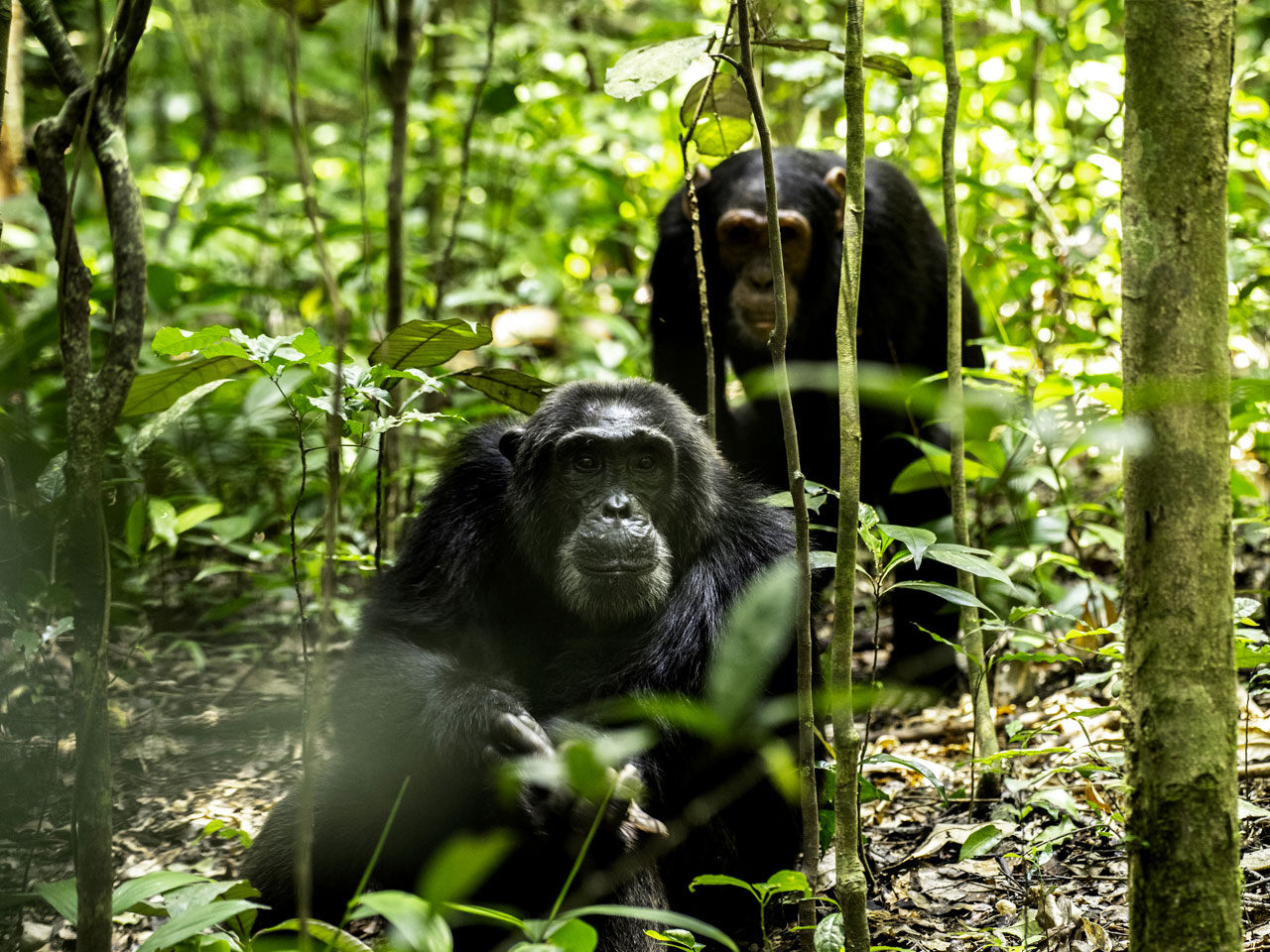
Kibale Forest National Park is a premier ecotourism destination in western Uganda, renowned as the "Primate Capital of the World" for hosting the highest diversity and density of primates in Africa. It is home to 13 primate species, most famously a large population of habituated chimpanzees, offering exceptional tracking experiences. The park spans 795 square kilometers of moist evergreen rainforest, interspersed with patches of grassland and swamp, and adjoins Queen Elizabeth National Park
2-days-best-chimpanzee-tracking-in-kibale-forest-park-tour-package
3-days-trips-to-queen-elizabeth-national-park-for-chimpanzee-tracking-in-kyambura-gorge
3-days-chimpanzee-tracking-to-kibale-forest-national-park
4-days-queen-elizabeth-national-park-and-kyambura-gorge-chimpanzee-tracking
4-days-kibale-forest-chimpanzee-tracking-and-queen-elizabeth-national-park
4-days-chimpanzee-tracking-in-lake-mburo-national-park-and-lake-mburo-safari
4-days-kibale-forest-chimpanzee-tracking-and-queen-elizabeth-national-park
4-days-murchison-falls-and-chimpanzee-tracking-in-budongo-forest
5-days-uganda-big-five-safari-and-chimpanzee-tracking-in-kibale-forest-park
6-days-jinja-white-water-rafting-gorilla-trekking-and-chimpanzee-tracking-adventure
6-days-budget-uganda-safari-and-gorilla-trekking
7-days-perfect-uganda-primate-safari-itinerary
8-days-exclusive-gorilla-trekking-chimpanzee-and-big-five
9-days-luxury-gorilla-and-uganda-safari-tour-package
Where is Kibale Forest National Park located?
Kibale Forest National Park is situated in western Uganda, approximately 308 kilometers (about 191 miles) from the capital city, Kampala. Its proximity to the charming town of Fort Portal makes it easily accessible for travelers seeking adventure. The park plays a crucial role in the region’s ecological landscape, forming a wildlife corridor with Queen Elizabeth National Park, enhancing biodiversity and allowing wildlife to migrate freely between these protected areas.
Kibale's stunning landscape features a mix of tropical rainforest, open grasslands, and swampy areas, making it one of Uganda’s most beautiful natural sites. Covering an area of around 766 square kilometers, the park is renowned for its vast variety of flora and fauna. The lush greenery serves as a habitat for numerous species, notably its primates, making it a popular destination for eco-tourism and wildlife enthusiasts. The park’s rich biodiversity not only provides a crucial refuge for wildlife but also supports local communities who conduct eco-friendly tourism activities.
Visitors often find themselves immersed in the vibrant ecosystems as they explore the scenic trails. The drive from Kampala to Kibale offers picturesque views of tea plantations, the Rwenzori Mountains, and quaint Ugandan villages, enhancing the overall journey. The habitat diversity within the park is complemented by seasonal rivers and swamps, contributing to its ecological richness and making it a significant area for conservation efforts. In summary, Kibale Forest National Park is not only a beautiful natural sanctuary but also a key environmental asset in western Uganda, inviting visitors to explore its stunning landscapes and rich biodiversity.
What is Kibale Forest National Park famous for?
Kibale Forest National Park is famously known as Africa’s primate capital due to its impressive diversity of primate species, including chimpanzees. The park is a premier destination for chimpanzee trekking, attracting wildlife enthusiasts and researchers from around the globe. With its lush rainforest habitat, Kibale provides an ideal environment for these fascinating creatures, allowing visitors to observe them in their natural surroundings.
The park boasts the highest concentration of primates in Africa, making it an exceptional location for those keen on primate behaviors and ecological interactions. The average visitor may encounter chimpanzees, red colobus monkeys, black-and-white colobus monkeys, and other species during guided treks, creating unforgettable wildlife experiences. The opportunity to observe these intelligent animals up close is a primary reason why many travelers choose Kibale.
Beyond its primate population, Kibale is renowned for its rich biodiversity, including over 350 bird species, making it a popular spot for bird watchers. Its vibrant ecosystems support various wildlife, including forest elephants, leopard, and buffalo, enhancing the overall attraction of the park.
Kibale's accessibility, combined with the thrilling possibility of encountering habituated chimpanzees, has solidified its reputation as a must-visit destination in Uganda and East Africa. In summary, Kibale Forest National Park is celebrated not just for its primate capital status, but also for the enchanting experiences it offers in witnessing wildlife within one of the region's most beautiful landscapes.
How many primate species are in Kibale Forest National Park?
Kibale Forest National Park is home to 13 primate species, making it a remarkable location for primate biodiversity. Among these species, the most noteworthy is the chimpanzee, which attracts many tourists eager to participate in chimpanzee trekking. These intelligent apes are known for their complex social structures and behaviors, providing an engaging perspective for visitors.
Besides chimpanzees, the park hosts several other primate species, including the red colobus, which are known for their distinctive color and playful nature, and the grey-cheeked mangabey, which resides within the main forest canopy. These monkeys exhibit fascinating behaviors, such as cooperative foraging and intricate social interactions, adding depth to the visitor experience.
You will also find species like the blue monkey, red-tailed monkey, and the common vervet monkey in Kibale. Each species contributes to the rich tapestry of life in the forest, each playing a unique role in the ecosystem. The high density of primates in this park is a result of the diverse vegetation and habitat types available, ranging from moist tropical forests to open grasslands.
The concentration of primate species in Kibale not only showcases an extraordinary aspect of Uganda’s wildlife but also supports various conservation efforts aimed at protecting these animals and their habitats. Visitors can engage in guided walks and excursions that enhance their understanding of these primates’ behaviors and the ecological importance of maintaining their populations. In summary, with 13 primate species, Kibale Forest National Park represents a key highlight in Uganda's biodiversity, making it a premier destination for wildlife enthusiasts.
What other animals live in Kibale Forest National Park?
In addition to its renowned primate population, Kibale Forest National Park hosts a variety of other wildlife, contributing to its status as one of Uganda's most diverse ecosystems. Among the notable residents are forest elephants, which roam the park in search of food, and buffalo, both of which serve as important elements of the park's ecological balance.
Kibale is also home to large mammals such as leopards, whose elusive nature adds an air of mystery to the forest. These nocturnal predators thrive in the dense undergrowth, making sightings a rare but thrilling experience for visitors. Smaller mammals also inhabit the area, including various species of duikers, which are small antelope that are often difficult to spot due to their shyness and preference for dense underbrush.
The park is a haven for birdlife, with over 350 species recorded, including some unique and rare birds such as the Great Blue Turaco and the African Pitta. Birding enthusiasts flock to Kibale for the opportunity to spot these vibrant species amidst the lush canopy.
Moreover, Kibale's rich biodiversity also includes numerous reptiles, amphibians, and insect species, each playing a role in maintaining the forest's ecological health. The biodiversity contributes to a robust food web, allowing for various ecological interactions.
In summary, Kibale Forest National Park is not just a sanctuary for primates; it also plays host to a diverse assemblage of wildlife, including forest elephants, buffalo, leopards, and an impressive array of birds. This diversity enhances the overall experience for visitors, making every adventure within the park uniquely rewarding.
What's the main attraction at Kibale Forest National Park?
The primary attraction at Kibale Forest National Park is undoubtedly chimpanzee trekking, particularly starting from the Kanyanchu Visitor Center, where guided tours are organized for an up-close experience with these fascinating primates. Trekking through the lush green forest, visitors not only have the chance to encounter chimpanzees but can also observe their social behaviors and interactions, creating an unforgettable wildlife experience.
During these treks, trained guides lead groups through trails in search of habituated chimpanzees, providing insights into their behaviors and the ecology of the forest. The opportunity to spend an hour observing them as they climb trees, groom one another, and communicate with their group is often cited as a highlight of the visit.
In addition to chimpanzee trekking, Kibale offers excellent birdwatching opportunities, with over 350 species inhabiting the park. Bird enthusiasts often venture into the Bigodi Wetland Sanctuary, where they can spot various bird species alongside other wildlife, including different monkey species and plant life.
Nature walks are another popular activity, allowing visitors to experience the sounds, sights, and smells of the forest. These guided walks offer insights into medicinal plants and the broader ecosystem of Kibale, enriching the visitor experience.
Overall, while chimpanzee trekking remains the main draw, the park's diverse activities, including birdwatching and nature walks, make it an essential destination for nature lovers and adventurers. Kibale Forest National Park provides a unique blend of wildlife experiences in a stunning natural setting.
Planning Your Visit
What's the best time to visit Kibale Forest National Park?
The best time to visit Kibale Forest National Park is during the dry seasons, which typically run from June to August and December to February. These months provide optimal trekking conditions, ensuring that trails are less muddy and easier to navigate, making it more enjoyable for visitors eager to see the park’s wildlife. In particular, the drier months facilitate smoother chimpanzee trekking experiences, as the chimpanzees are more likely to be found in lower elevations, making them easier to locate.
For birdwatchers, the wet seasons (March to May and September to November) can provide excellent opportunities to spot migratory species, as many birds nest and breed during these months. The foliage is lush and vibrant, which enhances the overall scenic beauty of the park.
However, it is vital to consider that unpredictable rains can occur even in the dry season, so travelers should come prepared. Packing lightweight, waterproof gear can ensure comfort during sudden showers. Overall, while Kibale is a year-round destination, aligning your visit with the dry seasons generally offers the most pleasant trekking conditions, enhancing your chances of encountering wildlife.
In summary, both dry and wet seasons present unique advantages for visiting Kibale Forest National Park, allowing for tailored experiences to suit trekking enthusiasts and bird lovers alike.
How do I get to Kibale Forest National Park?
Getting to Kibale Forest National Park is relatively straightforward, with its position roughly 308 kilometers (about 191 miles) west of Kampala. The most common and convenient way to reach the park is by road. The journey takes approximately 5 to 7 hours, depending on traffic conditions and the type of vehicle used.
Travelers can opt for self-drive arrangements or hire a private car or taxi. The route is scenic, passing through picturesque landscapes, including tea plantations and lush hills, particularly as you near Fort Portal. Many tour operators provide transportation services as part of their tour packages, making it an easy option for visitors.
Public transportation also exists, with buses and matatus (shared minibuses) departing from Kampala to Fort Portal. However, using public transport may be less comfortable and take longer due to frequent stops.
Upon reaching Fort Portal, visitors can find various accommodations and dining options, as well as guides available for hire who specialize in the flora and fauna of Kibale. Once in Fort Portal, it's a short drive to the park entrance.
In summary, accessing Kibale Forest National Park is straightforward, with options ranging from private transport and guided tours to public transport. The scenic journey enhances the overall experience, setting the stage for the adventures that await within the park.
How long should I spend in Kibale Forest National Park?
The recommended duration for a visit to Kibale Forest National Park varies depending on the activities you wish to partake in. A minimum of one full day is generally advisable for those interested in chimpanzee trekking. This allows enough time for your trek to search for the habituated chimpanzees, along with opportunities for guided nature walks or birdwatching excursions, particularly if you start early in the day.
For visitors looking to maximize their experience, spending two to three days in Kibale is ideal. This extended stay allows for more immersive activities, such as additional chimpanzee treks, guided walks in the forest, and visits to the Bigodi Wetland Sanctuary for birdwatching. More time will enable you to enjoy the various habitats within the park and increase your chances of seeing different wildlife species, including other primates and insects.
Moreover, taking the time to participate in community engagement activities, such as visiting local groups or exploring nearby cultural sites, can enrich your experience of rural Ugandan life.
In summary, while a day trip can be fulfilling, spending two to three days in Kibale Forest National Park allows for a more diverse range of activities and a deeper understanding of the park’s rich biodiversity and culture, ensuring a truly memorable visit.
What should I wear in Kibale Forest National Park?
When planning your visit to Kibale Forest National Park, appropriate clothing is essential for a comfortable and enjoyable experience. It is advisable to wear long trousers to protect yourself from potential insect bites, scratches from vegetation, and mosquito exposure, particularly in the evening. Opting for lightweight, breathable fabrics will help manage the warm, humid climate typically experienced in the forest.
Sturdy hiking boots or well-fitting shoes are crucial, as the trails can be slippery and uneven, especially after rain. Good footwear ensures stability and support throughout your trekking adventures, allowing you to navigate the challenging terrain safely.
Carrying waterproof gear, such as a rain jacket, is highly recommended, as Kibale can experience sudden rain showers, even during the dry season. A lightweight, packable jacket can easily fit into your daypack, ensuring you stay dry and comfortable while exploring the forest.
Additionally, wearing a hat and applying sunscreen can help protect against the sun's UV rays, particularly when walking in exposed areas. Insect repellent is also a wise precautionary measure to ward off mosquitos and other insects.
In summary, pack long trousers, sturdy hiking boots, waterproof gear, a hat, sunscreen, and insect repellent for your visit to Kibale Forest National Park. Preparing appropriately will enhance your exploration of this unique ecosystem and contribute to an enjoyable wildlife experience.
Is Kibale Forest National Park safe?
Yes, Kibale Forest National Park is generally considered safe for visitors, with structured and guided activities ensuring a well-managed exploration experience. The park is equipped with trained guides who are knowledgeable about the local wildlife and ecosystems, enhancing safety during activities such as chimpanzee trekking, nature walks, and birdwatching.
The likelihood of encountering dangerous wildlife is relatively low, as the guided tours are designed to keep visitors at a safe distance from animals, particularly during chimpanzee treks. Guides also provide key safety instructions while on the trails, emphasizing the importance of maintaining silence and moving calmly to minimize disturbances to the animals.
Additionally, the park has established regulations that help to ensure both visitor safety and environmental conservation. For example, groups are limited in size for certain activities to reduce stress on wildlife, particularly the chimpanzees.
However, as with any nature-based adventure, it’s important to remain vigilant and adhere to safety guidelines provided by your guides. Staying on marked paths and respecting the park's regulations will contribute to a safe experience.
While Kibale boasts impressive wildlife, it’s essential to be aware of your surroundings and take appropriate precautions during activities. Overall, Kibale Forest National Park is a safe and well-managed destination, providing opportunities for visitors to enjoy the beauty of nature while maintaining a focus on safety and conservation.
Activities & Experiences
What is chimpanzee trekking like in Kibale Forest National Park?
Chimpanzee trekking in Kibale Forest National Park is an exhilarating adventure that offers visitors the opportunity to witness these incredible primates in their natural habitat. The experience typically begins at the Kanyanchu Visitor Center, where you will meet your knowledgeable guide and have a brief orientation about the trek.
Trekking usually starts early in the morning, allowing you to explore the forest when the chimpanzees are most active. The guided excursion takes you into the depths of Kibale’s lush rainforest, where you may encounter various other primates and bird species along the way. The trails can be narrow, muddy, and uneven, so a moderate level of fitness is required to navigate them.
Once you’ve located a group of habituated chimpanzees, you are allowed to observe them for up to one hour. This intimate time allows you to watch their fascinating social interactions, grooming behaviors, and vocalizations. Chimpanzees display a range of emotions and behaviors, making the observation both thrilling and educational.
Overall, the experience fosters a deep appreciation for the complexities of chimpanzee families, their habitat, and the conservation efforts needed to protect them. Guided by experts, the trek includes informative commentary about the ecology and conservation challenges of the forest.
In summary, Kibale’s chimpanzee trekking experience not only provides the excitement of seeing these extraordinary animals up close but also emphasizes the importance of conservation in maintaining the delicate ecosystems in which they reside.
Can I see other primates besides chimps?
Yes, during your visit to Kibale Forest National Park, you can see a wide variety of other primates aside from chimpanzees. The park is home to 13 primate species, making it a unique destination for primate enthusiasts. Along the trekking trails, you'll have the opportunity to encounter several common species, providing a rich and diverse wildlife experience.
Among the other primates you can expect to see are red-tailed monkeys, blue monkeys, and black-and-white colobus monkeys. These species are often found in the forest canopy, engaging in their social behaviors, and provide visitors with captivating observations. The red-tailed monkeys are particularly energetic, often leaping between branches, while colobus monkeys are known for their elegant movements and striking appearance.
Visitors may also come across the grey-cheeked mangabey, which is found in the lower forest areas. Each species adds a distinct flavor to the biodiversity of Kibale and enhances the overall trekking experience.
In addition to organized treks for chimpanzees, guided nature walks through other parts of the park allow visitors to seek out and observe these primates in their natural surroundings. The presence of numerous primate species creates opportunities for unique photographic moments and enriching encounters with wildlife.
In summary, yes, Kibale Forest National Park offers the chance to see other primates besides chimney, ensuring a fulfilling experience for wildlife lovers and nature enthusiasts.
Where can I go bird watching in Kibale Forest National Park?
Kibale Forest National Park is acclaimed for its rich avian diversity, making it an exceptional destination for birdwatchers. With over 350 recorded bird species, enthusiasts have ample opportunity to spot both endemic and migratory birds in this lush setting. One of the most popular spots for birdwatching within the park is Bigodi Wetland Sanctuary, located just outside Kibale’s main entrance.
Bigodi is renowned for its diverse habitats, which include swampy areas, grasslands, and forest fringe. This sanctuary is a hotspot for birdwatching, where visitors can look for species like the Great Blue Turaco, African Pitta, and White-Collared Oliveback. Many guided birdwatching tours focus on this area, providing expert insights into bird habits and habitats, enhancing the overall experience for birders.
Within Kibale itself, trekking through the various trails can also yield impressive bird sightings. Keep an eye out for forest species such as the Crested Crane, African Grey Parrot, and various sunbirds that flit through the underbrush. The early morning hours are particularly fruitful for birdwatching, as birds are more active and vocal during this time.
Engaging with local guides, who are well-versed in the park's ornithology, can greatly enrich the birdwatching experience, allowing visitors to learn about different species and their behaviors.
In summary, Kibale Forest National Park offers excellent birdwatching opportunities, particularly in the Bigodi Wetland Sanctuary and along trekking routes, ensuring that both serious birders and casual observers can enjoy the rich avian life the park has to offer.
Are there guided nature walks in Kibale Forest National Park?
Yes, Kibale Forest National Park offers a variety of guided nature walks that provide visitors an enriching experience within the park's stunning ecosystems. These walks are typically led by knowledgeable guides who offer insights into the park's diverse flora and fauna. Exploring Kibale on foot allows for a deeper connection with the environment, as you can discover hidden gems—such as rare plants, interesting fungi, and diverse animal life—that may be overlooked during traditional vehicle tours.
The nature walks often take visitors through different habitats within the park, from lush rainforests to swampy areas, which can appeal to various interests, including birdwatching and botany. During these excursions, participants might encounter various primate species besides the famous chimpanzees, such as red-tailed and blue monkeys. They also include opportunities to see birds, butterflies, and perhaps even larger mammals like forest elephants or buffalo.
One unique aspect is the focus on medicinal plants used by local communities. Guides often share fascinating insights about the traditional uses of different plants, enhancing the educational experience. Visitors learn about the importance of these plants in local culture and healthcare, which fosters a greater appreciation for the ecological knowledge embedded within local communities.
The guided nature walks are generally flexible in duration and intensity, accommodating different fitness levels. This means beginners, families, and experienced hikers can all enjoy the natural beauty of Kibale. Overall, guided nature walks provide an immersive way to experience the park’s biodiversity, combining recreational outdoor activity with valuable educational opportunities.
What is the "Chimpanzee Habituation Experience"?
The Chimpanzee Habituation Experience in Kibale Forest National Park is an immersive program designed for those who wish to spend extended time observing chimpanzees in their natural environment. This unique experience differs from the regular chimpanzee trekking by allowing participants to follow a group of chimpanzees throughout the day, observing their behaviors, interactions, and social structures in a more intimate setting.
During this full-day experience, visitors begin their day early and join expert guides who lead them through the forest to locate a group of chimpanzees that are in the process of becoming habituated. Habituation refers to the process whereby wild animals become accustomed to human presence. In this case, the focus is on a troop of chimpanzees that are gradually getting used to human observers. This offers visitors a unique opportunity to witness the chimps engaging in their daily activities, such as foraging, grooming, and socializing, while also learning about the ecological and conservation challenges they face.
The experience typically lasts around six to eight hours, allowing ample time for tracking the chimps, observing a wide range of behaviors, and engaging with guides who provide insights into chimpanzee biology and social dynamics. Participants are encouraged to maintain a respectful distance, ensuring minimal disruption to the chimps as they go about their natural behaviors.
Overall, the Chimpanzee Habituation Experience is not just an exhilarating adventure but also a significant contribution to conservation efforts, as it helps support research and awareness about protecting these fascinating creatures and their habitats.
Conservation & Rules
How many people are allowed on a chimp trek in Kibale Forest National Park?
In Kibale Forest National Park, chimpanzee trekking is conducted in small groups to minimize stress on the animals and enhance the visitor experience. Typically, each trek is limited to about 4 to 6 visitors, accompanied by a trained guide. This small-group approach allows for more intimate and engaging experiences, as participants can effectively communicate with their guide and enjoy better visibility for observing the chimpanzees.
The limited group size also reduces noise levels in the forest, which is critical for the well-being of the chimpanzees. Chimpanzees are sensitive to disturbances, and keeping trekking groups, small helps create a more peaceful environment, aiding in the wildlife's natural behaviors. Moreover, this arrangement allows each participant to have opportunities for better photo shots and individual engagement with the guide's insights.
Additionally, by carefully managing group sizes, park authorities can ensure that the ecological impact of tourism is kept to a minimum, thus contributing to conservation efforts. This balanced approach aims to strike a harmony between providing valuable wildlife viewing opportunities and preserving the delicate ecosystems that Kibale represents.
Overall, the limitation on group size dramatically enriches the experience while ensuring the safety and welfare of both visitors and wildlife, exemplifying the park's commitment to sustainable tourism practices.
What are the rules during chimp trekking in Kibale Forest National Park?
Chimpanzee trekking in Kibale Forest National Park is subject to specific rules and guidelines that are designed to ensure the safety of both visitors and the chimpanzee populations. Following these rules is essential in maintaining the balance between wildlife observation and conservation.
One of the primary rules is to maintain a distance of at least 8 meters from the chimpanzees. This distance helps to minimize stress on the animals and reduces the risk of transmitting diseases between humans and chimpanzees. Respecting this distance is crucial for the well-being of the wildlife, ensuring they can engage in their natural behaviors without undue disturbance.
Visitors are also required to follow the instructions of trained guides at all times. Guides are skilled in understanding animal behavior, ensuring that trekkers do not inadvertently provoke or stress the chimpanzees. They are also adept at navigating the trails, which can be challenging in the rainforest setting.
Another essential rule is to avoid touching or feeding the chimpanzees. Interactions should be kept strictly observational to protect the wildlife and ensure their natural behaviors are not altered by human presence. The guides will provide further instructions on maintaining proper etiquette during the trek.
In summary, adhering to these guidelines not only enhances the experience for visitors but also plays a critical role in the ongoing conservation efforts to protect these remarkable primates and their habitats in Kibale Forest National Park.
Why is conservation important in Kibale Forest National Park?
Conservation is crucial in Kibale Forest National Park for several reasons, primarily to protect the unique biodiversity that the park harbors, particularly its population of chimpanzees. As home to one of Africa’s highest concentrations of primates, the park plays a vital role in the conservation of these species and their habitats, which are increasingly threatened by human activities, such as agriculture and logging.
Chimpanzees are not only important for their ecological role but also are part of our evolutionary heritage, making their conservation vital for understanding humanity's own biological history. Protecting their habitat in Kibale contributes to the broader goal of preserving ecosystems that support numerous species, thus ensuring the health of the entire ecological system.
Moreover, conservation in Kibale promotes sustainable tourism, which provides financial support for local communities and wildlife protection efforts. When people visit the park for activities like chimpanzee trekking, part of the revenue generated is often funneled back into conservation initiatives, creating a sustainable model that benefits both wildlife and local economies.
Additionally, ongoing conservation efforts help in scientific research and community awareness programs. These initiatives foster a greater understanding of ecological interdependence, leading to enhanced community stewardship for natural resources.
In summary, conservation in Kibale Forest National Park is crucial for protecting biodiversity, supporting local communities, and fostering a better understanding of our natural heritage, ensuring that future generations can enjoy and learn from this significant ecological treasure.
Does Kibale Forest National Park connect to other parks?
Yes, Kibale Forest National Park is strategically located to connect with Queen Elizabeth National Park, forming a crucial wildlife corridor in Western Uganda. This connection enhances ecological integrity and promotes biodiversity by allowing wildlife, particularly larger species, to migrate between the two protected areas. This movement is vital for the survival of various species, ensuring genetic diversity and healthier populations.
The corridor benefits many animals, allowing them to find new territories, access different resources, and maintain ecological balance. For instance, elephants, leopards, and various antelope species are known to traverse this corridor. By being part of this larger landscape, Kibale contributes to regional conservation efforts and bolsters the sustainability of wildlife populations.
Additionally, the connectivity fosters tourism, as visitors frequently take the opportunity to explore both parks during their trips. This dual-park experience allows tourists to witness a rich tapestry of ecosystems, from Kibale’s lush rainforests to Queen Elizabeth’s diverse savannahs, wetlands, and crater lakes.
Conserving the connection between Kibale and Queen Elizabeth National Park is essential for implementing effective conservation strategies that address threats like habitat fragmentation and poaching. This ecological connectivity not only enhances biodiversity but also enriches the experience for wildlife enthusiasts.
In summary, Kibale Forest National Park’s connection to Queen Elizabeth National Park is significant for both wildlife conservation and tourism, making it a critical area for preserving Uganda’s rich natural heritage.
What's the significance of the Ngogo research site in Kibale Forest National Park?
The Ngogo research site in Kibale Forest National Park holds significant importance as a major center for chimpanzee research and conservation efforts. Established in the early 1990s, Ngogo has become one of the longest-running studies of chimpanzees in the world, providing valuable insights into their behaviors, social structures, and ecological roles.
Ngogo is home to one of the largest and most studied groups of chimpanzees, allowing researchers to observe a wide range of activities, from social interactions to foraging behaviors. This extensive research has led to numerous scientific publications that contribute to our understanding of primate biology, social dynamics, communication, and conservation needs.
The findings from Ngogo are instrumental in shaping conservation strategies, not only for chimpanzees but also for other primate species and broader ecosystem management. Understanding how chimpanzees interact within their social networks helps inform best practices for habitat conservation and human-wildlife interactions.
Moreover, the Ngogo research site serves as an educational platform, engaging local communities and visitors with the significance of chimpanzee conservation. By raising awareness about the needs of these primates and the challenges they face, the site plays a critical role in fostering local support for conservation initiatives.
Additionally, the collaborative research conducted at Ngogo often involves partnerships with various universities and conservation organizations, further enhancing its global significance.
Booking chimpanzee tracking in Kibale Forest National Park with us Roads of Adventure safaris
Booking chimpanzee tracking in Kibale with Roads of Adventure Safaris means securing your permit through them for an unforgettable trek, involving an early morning briefing, guided forest walk (2-4 hrs), and one hour with the chimps, plus potential sightings of other primates, birds, and mammals. Roads of Adventure Safaris handles the permit (around $250 for foreign non-residents) and logistics, ensuring you're prepared with packed lunch and water for the adventure, offering a chance to observe chimps' natural behaviors like feeding and grooming.
