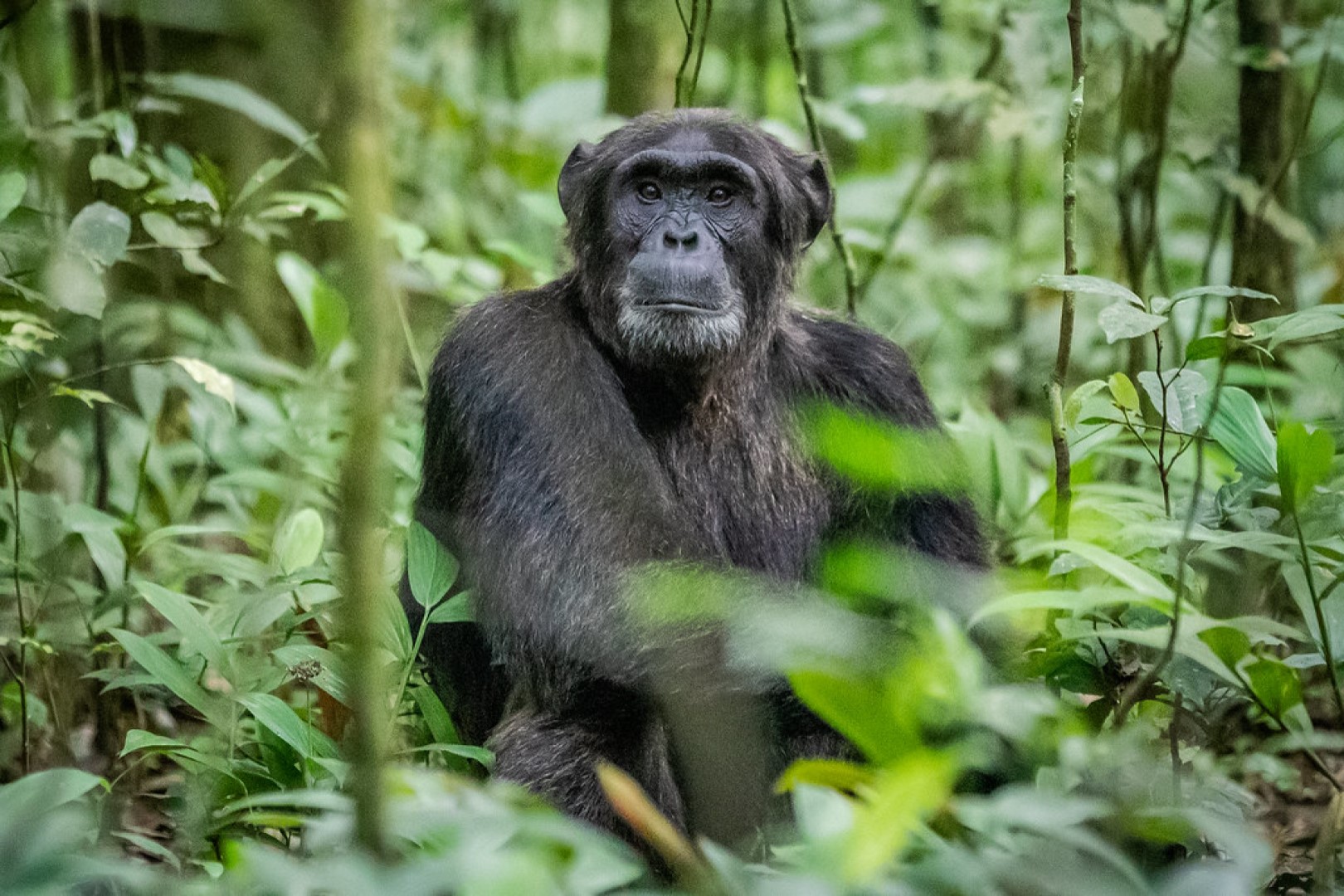
Chimpanzee habituation in Kibale Forest, Uganda, is an immersive, full-day experience where visitors join researchers to gradually get wild chimps used to human presence, allowing for extended observation (up to 4 hours) of their natural behaviors like feeding, playing, and nesting, unlike shorter standard treks, offering a deeper connection to these primates in their "Primate Capital" habitat. It's a vital conservation activity led by UWA experts, requiring advance booking and suitable gear, providing a unique chance to learn about chimp life and contribute to their long-term study.
what-is-a-gorilla-habituation-experience
2-days-best-chimpanzee-tracking-in-kibale-forest-park-tour-package
3-days-trips-to-queen-elizabeth-national-park-for-chimpanzee-tracking-in-kyambura-gorge
3-days-chimpanzee-tracking-to-kibale-forest-national-park
4-days-queen-elizabeth-national-park-and-kyambura-gorge-chimpanzee-tracking
4-days-kibale-forest-chimpanzee-tracking-and-queen-elizabeth-national-park
4-days-chimpanzee-tracking-in-lake-mburo-national-park-and-lake-mburo-safari
4-days-kibale-forest-chimpanzee-tracking-and-queen-elizabeth-national-park
4-days-murchison-falls-and-chimpanzee-tracking-in-budongo-forest
5-days-uganda-big-five-safari-and-chimpanzee-tracking-in-kibale-forest-park
6-days-jinja-white-water-rafting-gorilla-trekking-and-chimpanzee-tracking-adventure
6-days-budget-uganda-safari-and-gorilla-trekking
7-days-perfect-uganda-primate-safari-itinerary
8-days-exclusive-gorilla-trekking-chimpanzee-and-big-five
9-days-luxury-gorilla-and-uganda-safari-tour-package
What is Chimpanzee habituation?
Chimpanzee habituation is a methodical process where researchers and rangers gradually acclimatize wild chimpanzees to the presence of humans. This specialized training aims to ensure that these primates become comfortable around people without significantly altering their natural behaviors. The habituation process often takes several months or even years, allowing the chimpanzees to maintain their vigilance and wild instincts while learning to tolerate human observers. Researchers frequently use techniques that minimize stress on the animals, allowing for natural social dynamics to unfold. Through this careful interaction, habituated chimpanzees can be observed in their native habitats, providing invaluable insights into their daily lives, such as foraging, grooming, and social interactions. This method helps researchers and tourists alike better appreciate the complexities of chimpanzee behavior and their social structures while fostering a connection to wildlife conservation. Overall, chimpanzee habituation plays a crucial role in promoting awareness and education about these magnificent creatures, aiding efforts to protect their habitats and ensure their survival in the wild.
How much does a Chimpanzee habituation permit cost in 2026?
For those interested in joining a chimpanzee habituation experience in 2026, permit costs vary based on a participant's residency status. For foreign non-residents, the permit is priced at $300, while foreign residents will pay $250. For East African citizens, the cost is UGX 250,000. This fee contributes to the ongoing conservation efforts within Kibale Forest National Park, ensuring that the natural habitats of these primates are protected. Additionally, the funds help support local communities and maintain the infrastructure necessary for tourism and conservation programs. The price of the permit includes guidance from experienced researchers and rangers, enriching the experience with invaluable knowledge about the chimpanzees and their environment. As spaces for habituation are limited, it's crucial for prospective tourists to book their permits well in advance to secure their spot for this unique opportunity. Participating in chimpanzee habituation offers a profound insight into the lives of these remarkable creatures while contributing positively to wildlife conservation efforts.
How long is the Chimpanzee habituation experience?
The chimpanzee habituation experience is a full-day activity designed to provide an immersive encounter with these incredible primates. Typically, the day begins just after dawn, around 6:00 AM, when guests gather for a briefing at the Kanyanchu Visitor Centre. Following the briefing, groups set out to locate and observe the semi-habituated chimpanzees in their natural environment. From the moment the group meets the chimps, they can potentially spend up to four hours with them, following their daily routines and social interactions. The experience continues throughout the day until approximately 7:00 PM, allowing participants to witness various behaviors, including foraging, grooming, and playing. This extended time with the chimps is a key feature of habituation, offering insights into their natural lifestyles beyond what is typically available during standard trekking, which is limited to about one hour. Because the entire day is spent in the forest, participants are advised to carry packed lunches and plenty of drinking water to stay nourished and hydrated throughout the adventure. This opportunity offers a truly unique connection to the lives of chimpanzees, enriching understanding and promoting wildlife conservation.
What is the difference between Chimpanzee habituation and trekking?
Chimpanzee habituation and trekking are two distinct activities tailored to different levels of engagement with these primates. During chimpanzee habituation, participants can spend up to four hours or an entire day observing semi-habituated chimps in their natural habitats. The purpose of this experience is to allow individuals to witness the chimps as they begin their day, observing their behaviors, social interactions, and foraging habits without the constraints of brief encounters. In contrast, traditional chimpanzee trekking typically offers a limited window of about one hour with fully habituated chimpanzee groups. While trekking still provides a meaningful encounter, it lacks the depth and extended interaction found in habituation.
Additionally, trekking does not allow visitors to follow chimps from their nests at dawn, missing crucial moments of their morning activities. The experience of habituation fosters a deeper understanding of chimpanzee lifestyles and behaviors, offering participants an insightful and educational wildlife encounter. Both activities promote wildlife conservation, but chimpanzee habituation provides a more immersive connection to the lives of these fascinating animals.
How many people can join a Chimpanzee habituation group?
To ensure an intimate and meaningful experience during chimpanzee habituation, group sizes are strictly limited to a maximum of 4 to 6 tourists per day. This small group size is crucial for minimizing disturbance to the chimpanzees and allows for a more focused and engaging encounter with these incredible primates. By restricting the number of participants, researchers and rangers can maintain better control over the interaction, ensuring that everyone adheres to safety guidelines and respects the natural behaviors of the chimps.
This arrangement not only enhances the experience for participants but also contributes to the overall welfare of the chimpanzees in the wild. Smaller groups allow for more tailored guidance from wildlife experts, helping visitors gain deeper insights into the chimpanzees' social structures and behaviors. Moreover, limiting group sizes reinforces the importance of responsible wildlife tourism, which aims to minimize human impact on natural ecosystems while providing educational opportunities for visitors.
What time does Chimpanzee habituation start?
Chimpanzee habituation typically begins early in the morning, between 6:00 AM and 6:30 AM. Participants gather at the Kanyanchu Visitor Centre in Kibale Forest National Park, where they receive a briefing about the day’s activities and the necessary guidelines for interacting with the chimpanzees. This early start is essential for maximizing the time spent with the chimps, allowing participants to follow them as they awaken from their nests. Starting at dawn enables the group to witness fascinating moments as the chimpanzees engage in morning routines, including grooming and foraging.
The opportunity to observe chimps de-nesting and start their day adds a unique dimension to the habituation experience, giving visitors valuable insights into their natural behaviors. This timing is crucial for ensuring the encounter is as authentic and educational as possible, allowing participants to connect with the wild nature of these primates. Swiftly, after the morning briefing, groups head into the forest to locate the chimpanzees, beginning an unforgettable day of wildlife observation.
What is the minimum age for Chimpanzee habituation?
The minimum age requirement for chimpanzee habituation is 15 years. This age limit ensures that participants have the physical capability and maturity to follow guidelines set for the interaction with chimpanzees, which can be both physically demanding and require respect for wildlife. Younger children may have difficulty adhering to safety protocols, which is why exceptions are rarely granted. However, in specific cases where parents or guardians feel a child is physically fit and can follow instructions, exceptions may be made.
This age restriction helps to maintain a responsible and respectful atmosphere during the habituation experience, ensuring that all participants can contribute positively to the interaction with chimpanzees. The focus is on providing a safe environment for both the visitors and the wildlife they observe, fostering a sense of responsibility and respect among participants. Families planning to participate should carefully evaluate this requirement and consider whether their children meet these guidelines before booking the habituation experience.
When is the best time for Chimpanzee habituation?
The best time for chimpanzee habituation is during the dry seasons, specifically from June to September and December to February. These months generally provide favorable trekking conditions, as the trails are less muddy, allowing for easier access to the chimpanzee habitats. However, the rainy seasons, spanning from March to May and November, can offer unique advantages, including better chimp sightings. During the rainy months, food availability increases, prompting chimps to exhibit more predictable movement patterns within the forest.
Despite the potential for muddy conditions, the lush environment during the rainy season can enhance the overall experience, as participants witness the vibrancy of Kibale's flora alongside the activities of the chimpanzees. Ultimately, while both seasons have their benefits, individuals aiming for comfort and ease of trekking will prefer the dry months. Those seeking deeper interaction with wildlife may enjoy the rainy season, as the increased food supply often keeps the chimps engaged in more visible activities throughout the day.
How do I book a Chimpanzee habituation permit?
Booking a chimpanzee habituation permit is a straightforward process that can be done either directly through the Uganda Wildlife Authority (UWA) or via a licensed local tour operator. It is essential to ensure that the provider is credible and recognized to avoid potential issues during your visit. Online platforms or UWA's official website typically provide necessary information, including availability, current prices, and booking procedures.
To secure your spot for the chimpanzee habituation experience, it is highly recommended to book your permits 3 to 6 months in advance. Given the limited daily spaces available for habituation, early booking guarantees you a chance to participate in this unique wildlife encounter. Once you have secured your permit, it is advisable to confirm any additional arrangements with your chosen tour operator, such as transportation and accommodations. This ensures a smooth and enjoyable experience while maximizing your time in Kibale Forest and with the chimpanzees.
How far in advance should I book Chimpanzee habituation?
It is highly advisable to book your chimpanzee habituation permit 3 to 6 months in advance. The limited daily allocations for habituation permits can fill up quickly, especially during peak tourist seasons. Early booking ensures that you secure your spot for this unique experience, minimizing the risk of disappointment as spaces are limited to maintain a more intimate interaction with the chimpanzees.
Planning ahead is essential, especially for travelers with fixed schedules or those aiming for specific travel dates. This advance booking period allows individuals to arrange additional travel details like accommodations and transportation without the stress of last-minute adjustments. Utilizing a licensed local tour operator can be beneficial, as they often assist with the entire planning process, helping to coordinate the logistics of your wildlife adventure.
Booking well in advance allows you to commit to the trip with peace of mind, knowing that you have taken the necessary steps to sit alongside these incredible primates in their natural habitat.
What should I pack for Chimpanzee habituation?
When preparing for your chimpanzee habituation experience, certain essential items will enhance your comfort and enjoyment throughout the day in the forest. First, sturdy hiking boots are crucial for navigating the often challenging terrain. Long-sleeved clothing is also recommended to protect against mosquitoes and scratches from branches. Insect repellent will help keep you comfortable by warding off mosquitoes and other pests.
Consider bringing garden gloves for additional hand protection, especially when navigating through dense vegetation. Rain gear is important as conditions can be unpredictable, with sudden rain showers being common. Additionally, a camera without a flash will allow you to capture memorable moments with the chimpanzees without disturbing them. Lastly, don’t forget to pack a packed lunch to sustain your energy throughout the day, as you will spend nearly the entirety of it in the forest. Adequate drinking water is also essential to stay hydrated during this immersive wildlife adventure. Packing these items will help ensure a successful and enjoyable habituation experience.
Do I need a packed lunch for Chimpanzee habituation?
Yes, a packed lunch is necessary for the chimpanzee habituation experience. Since participants will spend almost the entire day in Kibale Forest tracking and observing the chimps, it is essential to stay nourished and energized throughout the day. Many guidelines suggest that visitors pack a lunch that is easy to transport and eat in a natural setting. This could include items such as sandwiches, snacks, fruits, and other portable food options.
Additionally, it is crucial to carry plenty of drinking water to stay hydrated, especially given the active nature of the day. Having provisions on hand ensures that participants are prepared for the full day of adventure and engagement with the chimpanzees. Being equipped with a packed lunch allows for a more enjoyable and complete experience, as it provides the necessary sustenance to remain focused and attentive while engaging with these fascinating primates in their natural habitat.
What is the difficulty level of Chimpanzee habituation?
Chimpanzee habituation is considered a moderately demanding activity. While the overall terrain in Kibale Forest is relatively flat, participants should be prepared for the long hours involved in tracking and observing the chimps. This experience typically demands decent fitness levels, as visitors will spend most of the day walking through the forest, following primates as they interact within their natural habitat.
The potential for dense vegetation presents an additional challenge, as participants may navigate through thick underbrush, which can occasionally require bending or maneuvering to avoid obstacles. Comfortable clothing and sturdy hiking boots are essential for managing the terrain.
Additionally, the early start to the day, often around 6:00 AM, means that participants need to be alert and prepared for a physically engaging experience from dawn until dusk, around 7:00 PM. It's advisable for anyone considering this activity to assess their personal fitness levels and training to ensure they can keep pace with the demands of the day. While not exceptionally strenuous, the combination of longer hours, potential obstacles, and the need for endurance makes a reasonable fitness assessment important before participating in chimpanzee habituation.
What behaviors will I see during Chimpanzee habituation?
During chimpanzee habituation, participants have the unique opportunity to observe a wide array of fascinating behaviors exhibited by these remarkable primates. One of the most compelling moments is witnessing the chimps de-nesting in the early morning, as they emerge from their nests at dawn to start their day.
Feeding behaviors provide insights into their dietary preferences; participants might watch chimpanzees foraging for fruits, leaves, and insects. Additionally, you may observe hunting behaviors, where adult males might collaborate to catch small monkeys, showcasing their social dynamics and cooperative skills.
Patrolling behaviors can also be notable, as male chimpanzees often patrol their territory to maintain social order and protect their group. Interactions such as playing among younger chimps highlight their social bonds and develop essential life skills. Instances of breastfeeding can be seen, providing a glimpse into maternal care and nurturing relationships. Finally, as the day winds down, watching the chimps nest at the end of the day offers an intimate view of their interactions and social structure. This close observation allows participants to appreciate the complexities of chimpanzee life in their natural environment, fostering a deeper understanding of their ecological roles.
What are the rules for Chimpanzee habituation?
To ensure participant safety and the well-being of the chimpanzees, several important rules govern the chimpanzee habituation experience. One of the key guidelines is maintaining a distance of 8 to 10 meters away from the chimpanzees at all times. This buffer is critical to minimize stress or disruption to their natural behaviors.
Another essential rule is the prohibition of flash photography; using flash can startle or disturb the chimps, potentially affecting their natural behaviors or even causing stress. Participants are also instructed not to eat near the chimps. This rule helps prevent the animals from associating humans with food, which could alter their foraging habits and social dynamics.
Staying silent during observations is crucial, as loud noises can frighten or disrupt the chimps. Guides will explain other important behavior protocols during the briefing session, ensuring that all participants understand how to conduct themselves while in the presence of these wild primates. Adhering to these guidelines will enhance the overall experience for both participants and the chimpanzees, fostering a respectful and responsible interaction with wildlife.
Can I do Chimpanzee habituation if I am sick?
Visitors with communicable diseases, such as colds or flu, are not permitted to participate in chimpanzee habituation. This policy is crucial to prevent the transmission of infections to the chimpanzees, who can be susceptible to human illnesses. Chimpanzees share a significant percentage of their DNA with humans, making them vulnerable to diseases that may cause minimal health issues for people but can be severe or even fatal for primates.
The health and safety of these animals are paramount, particularly given their endangered status. Therefore, health screenings and protocols have been put in place to ensure that only healthy individuals participate in this close-contact experience. If you are feeling unwell or showing symptoms of illness in the days leading up to your habituation, it is essential to consider postponing your visit.
By prioritizing the health of both visitors and the chimpanzees, conservation organizations can work effectively to maintain these primates' well-being. Participants are encouraged to be honest about their health status during the booking process and prior to arrival to ensure a responsible and safe experience for everyone involved.
Where can I stay for my Chimpanzee habituation trip?
Several popular lodges and accommodations are available near Kibale Forest National Park for participants in the chimpanzee habituation experience. One highly recommended option is Chimpanzee Forest Lodge, which offers comfortable lodgings amid the natural setting of the forest. This lodge provides easy access to the park, ensuring a seamless experience for visitors.
Another excellent choice is Kibale Forest Camp. This accommodation features spacious tents and lovely amenities, all set in a picturesque environment. The camp presents opportunities for additional activities, such as guided nature walks, enhancing your overall stay.
Lastly, Primate Lodge offers a blend of comfort and convenience, with spacious cottages situated near the park. This lodge is known for its attentive service and beneficial location. Staying at these recommended lodges not only provides comfort but also contributes to your overall experience of chimpanzee habituation. Each option is strategically located to allow easy travel to the Kanyanchu Visitor Centre, where the habituation experience begins. Whichever you choose, lodging near Kibale Forest enhances your adventure while facilitating easy access to the remarkable wildlife found in the park.
What else can I see during Chimpanzee habituation?
While chimpanzee habituation is the primary focus, Kibale Forest is home to a rich diversity of wildlife that visitors may encounter during their time in the park. The forest houses 13 species of primates, including the fascinating Red Colobus monkeys, Olive Baboons, and Blue Monkeys. Spotting these species can add depth to your wildlife observation experience, showcasing the variety of primate life in this biodiverse setting.
In addition to primates, the park is a paradise for birdwatchers, boasting over 375 bird species. Notable sightings may include the Great Blue Turaco, African Green Broadbill, and Yellow-billed Kite. Many of these birds are often spotted while tracking chimpanzees, making the experience even more rewarding.
Visitors may also observe unique flora, such as towering mahogany trees and diverse understory plants, enhancing the natural beauty of the forest. Additionally, smaller mammals, such as bushbucks or duikers, can sometimes be glimpsed in the underbrush. During the chimpanzee habituation experience, keep your eyes open for the numerous opportunities to appreciate the rich wildlife beyond the chimpanzees themselves, fostering an overall understanding of the vibrant life within Kibale Forest.
Why is Chimpanzee habituation important for conservation?
Chimpanzee habituation plays a critical role in wildlife conservation efforts in several ways. First and foremost, the habituation process generates significant revenue for chimpanzee protection and conservation initiatives. The permits purchased for the habituation experience contribute directly to the protection of these primates and their habitats, ensuring that conservation efforts remain sustainable and effective.
Additionally, the research conducted during habituation offers vital data on chimpanzee ecology, behavior, and social structures. Understanding these aspects is essential for developing effective management practices and conservation strategies. By studying chimpanzees in their natural environment, researchers gain insights that are crucial for preserving not only the chimps themselves but also the overall biodiversity within their ecosystems.
Furthermore, chimpanzee habituation fosters a greater awareness and appreciation for wildlife among visitors. By connecting tourists with these intelligent primates, conservation organizations can inspire a sense of responsibility and advocacy for wildlife protection. Overall, chimpanzee habituation serves as a powerful tool for both conservation and education, ensuring that these remarkable creatures are preserved for future generations.
Booking for Chimpanzee habituation with us Roads of Adventure safari
Explore the beauty of Kibale Forest National Park. The park offers a diverse range of activities beyond chimpanzee habituation. Guided forest walks are available, offering the chance to see various primate species, birds, and other wildlife while learning about the park's ecosystem. Nature trails cater to different fitness levels, allowing visitors to immerse themselves in the lush surroundings and discover the smaller wonders of the forest, such as butterflies and plant life. Community walks around the park's periphery provide insights into the local culture and way of life, offering opportunities to interact with residents and support local initiatives. Birdwatching is a popular activity, with expert guides helping identify the numerous bird species that inhabit the forest. These alternative activities offer a rich and fulfilling experience of Kibale Forest National Park's natural and cultural heritage.
