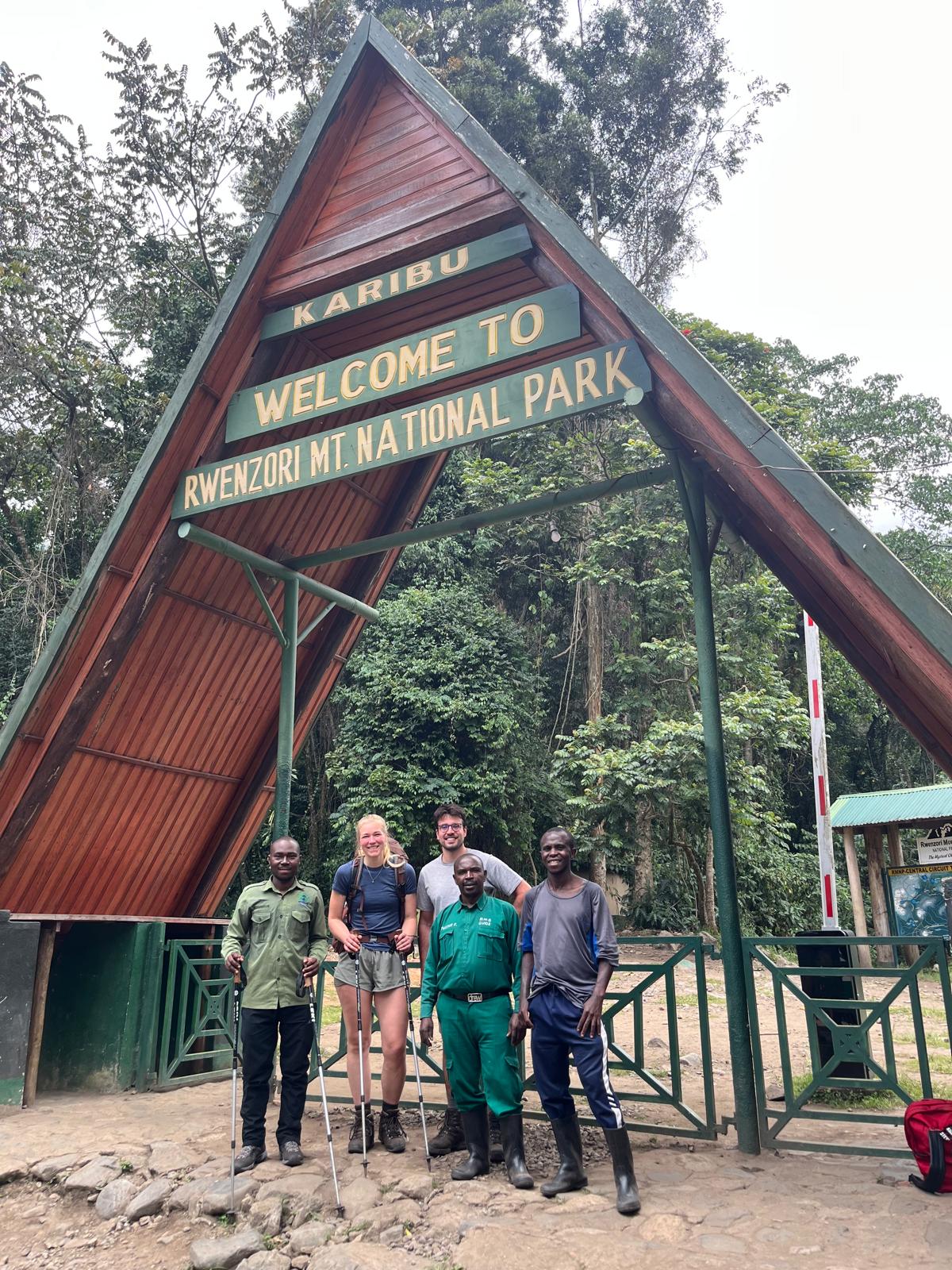
To get the most out of a Mountain Rwenzori climb, you need to plan around the region's unique geography and seasons. If you are new to high-altitude trekking, you can skip the grueling 8-day expedition to the snowy 5,109-meter Margherita Peak and opt for shorter routes. The 22-kilometer Mahoma Trail is an excellent 3-day introduction that peaks at 2,988 meters near a scenic crater lake. For a slightly bigger challenge, the 4-day Mutinda Loop covers 44 kilometers of rugged terrain, taking you up to a vantage point at 3,975 meters.
Timing is everything when navigating this range. The best months to climb are during the dry seasons from June to August and December to February. Choosing these specific windows reduces your chances of encountering heavy rains and deep mud, making the trails much safer and easier to manage.
15-days-rwenzori-hiking-safari-and-mountain-gorilla-trekking-vacation
11-days-best-rwenzori-mountain-hike-to-margherita-peak
7-days-mountain-rwenzori-mountain-climbing-active-adventure-to-margherita-peak
5-days-rwenzori-hike-to-either-mountain-sepeke-baker-or-luig-di-savoia
2-days-rwenzori-trek-to-nyabitaba-camp
Key Factors for Beginners
1. Choosing the Right Route for Mountain Rwenzori climb,
Your route selection should match your physical limits and time frame. For a shorter, lower-altitude option, the 22-kilometer Mahoma Trail loop takes 1 to 3 days, peaking at 2,988 meters by a crater lake without demanding a steep summit push. If you want the ultimate challenge, the classic 70-kilometer Central Circuit Trail takes 6 to 8 days, leading you past a network of six high-altitude mountain huts up to the glaciated zones, though it requires crossing the infamous, muddy upper and lower Bigo Bogs. Alternatively, the 90-kilometer Kilembe Trail takes 7 to 8 days; it is longer but ascends more gradually, passing eight major waterfalls and offering a much gentler angle on your knees alongside superior acclimatization for the high altitude.
2. What to Pack for Mountain Rwenzori climb,
The Rwenzoris are notoriously wet, receiving up to 3,000 millimeters of rainfall annually, which creates highly saturated trails. For clothing, leave cotton behind entirely and pack moisture-wicking thermal base layers, a Gore-Tex waterproof jacket and trousers, and at least 6 pairs of heavy wool socks. Underfoot, you will need sturdy, broken-in waterproof hiking boots for the rocky ridges, but you must also pack knee-high rubber gumboots—local guides rely on these to navigate bogs that can swallow a hiker past their shins. Essential gear includes a sleeping bag rated down to -10°C, a 300-lumen headlamp with spare batteries, a waterproof daypack cover, and strong trekking poles to maintain balance on slippery boardwalks.
3. Preparation & Acclimatization for Mountain Rwenzori climb,
Preparing your body for the unique atmospheric pressure of the range is a non-negotiable safety step. Dedicate 2 to 3 months before your trip to intense cardiovascular training—such as running 5 to 10 kilometers multiple times a week—and practice hiking with a weighted 10-kilogram backpack to build core stamina. Once on the mountain, acute mountain sickness is your primary health hazard as you ascend past the 3,500-meter alpine zone. To adapt safely, you must drink 3 to 4 liters of purified water daily, consume high-carbohydrate meals to fuel your muscles, and strictly follow your guide's pace to keep your heart rate stable.
Which Rwenzori trail is best for a beginner hiker?
The Mahoma Trail is the premier route for a beginner attempting a Mountain Rwenzori climb. Unlike the strenuous high-altitude circuits, this trail winds gradually through the lower Afro-montane forest and bamboo zones, avoiding the sheer rock faces and deep, waist-high mud characteristic of the higher peaks. It offers an excellent introduction to the range's unique flora, including giant lobelias and heather trees, while utilizing a well-maintained boardwalk system that significantly reduces the physical strain on your joints.
How many days will a beginner circuit route take?
A standard beginner circuit along the Mahoma Trail takes exactly 3 days to complete, covering a loop of approximately 22 kilometers. For hikers who want a slightly more immersive experience without jumping into a full week-long expedition, the Mutinda Loop via the Kilembe trail is an alternative beginner-friendly route that takes 4 days. These short timeframes are specifically designed to give your body a taste of wilderness hiking without the exhaustion of a prolonged, multi-week mountain campaign.
What is the highest elevation I will reach safely?
On the beginner-focused 3-day Mahoma Trail, the highest elevation you will reach is 2,988 meters above sea level when you camp near the scenic features of Lake Mahoma. If you step up to the 4-day Mutinda Loop, you will safely ascend to the Mutinda Lookout, which stands at 3,975 meters. Both of these targets stay safely below the critical 4,000-meter threshold where severe altitude sickness becomes a frequent and dangerous medical hazard for unacclimatized hikers.
Can I safely summit Margherita Peak as a beginner?
Attempting to summit Margherita Peak as a complete beginner is highly discouraged and carries serious safety risks. Reaching the peak at 5,109 meters requires a demanding 7-to-8-day Mountain Rwenzori climb across technical, snow-covered glaciers, vertical rock scrambles, and extreme weather. Without prior experience using technical climbing equipment like crampons, harnesses, and ice axes, along with robust altitude acclimation, attempting to push to the true summit can result in severe physical exhaustion or acute mountain sickness.
How fit do I need to be for Rwenzori?
Even on beginner routes, a Mountain Rwenzori climb demands a solid baseline of physical fitness and functional stamina. The terrain is inherently uneven, requiring you to hike for 4 to 6 hours daily while carrying a light daypack across slippery boardwalks, muddy inclines, and exposed tree roots. You do not need to be an elite marathon runner, but you must possess stable joint integrity, good balance, and strong cardiovascular health to handle continuous uphill walking without injuring yourself.
How can I train my body for mountain hiking?
To train your body effectively, dedicate 2 to 3 months before your trip to targeted conditioning. Focus on cardiovascular workouts by running or cycling 3 times a week, and build lower-body strength with squats, lunges, and calf raises. The most effective training example is to put on your actual hiking boots, load a backpack with 5 to 8 kilograms of weight, and spend weekends walking up steep hills or staircases to condition your legs and core for the physical realities of the trail.
What are the age restrictions for climbing this mountain?
The Uganda Wildlife Authority enforces a strict minimum age limit of 12 years old for anyone entering the national park for a Mountain Rwenzori climb. This restriction is firmly in place because young children lack the physical development and internal temperature regulation required to handle the sudden weather shifts and steep drops. On the upper end, there is no official maximum age limit; individuals in their 60s and 70s routinely complete the trails, provided they pass a medical check and have the functional fitness required.
What specific climbing gear must beginners bring along?
For beginner routes like the Mahoma Trail, you do not need technical mountaineering hardware like ropes or ice axes. Instead, your gear list should focus entirely on trail safety: a reliable 300-lumen headlamp with spare batteries, a pair of lightweight aluminum trekking poles to stabilize your knees on descents, a 30-liter waterproof daypack cover, and a high-quality sleeping bag rated comfort-safe down to at least 0°C for the cold mountain nights.
What type of clothing is best for wet weather?
The Rwenzori ecosystem is exceptionally wet, receiving roughly 3,000 millimeters of rainfall each year. To stay warm and dry, you must use a synthetic or wool layering system—completely avoiding cotton, which holds moisture and causes hypothermia. Bring heavy-duty moisture-wicking thermal underwear, a breathable fleece mid-layer, and a top-tier Gore-Tex waterproof jacket and trousers. For footwear, pack well-broken-in waterproof leather hiking boots paired with thick wool socks, alongside knee-high rubber gumboots for muddy sections.
How do I book trekking permits and local guides?
Unlike gorilla tracking which requires booking limited slots months in advance, a Mountain Rwenzori climb relies on a daily park fee system managed through registered local concessionaires, such as Rwenzori Mountaineering Services or Rwenzori Trekking Safaris. The Uganda Wildlife Authority standard entry permit fee is $35 per day for international non-residents. The easiest way to book is to contact an authorized operator 2 to 3 months before your trip; they will bundle the mandatory UWA park fees, certified local guides, and porter allocations directly into a single, seamless itinerary package.
Booking Mountain Rwenzori climb with us Roads of Adventure safaris
To set up your Mountain Rwenzori climb, you can coordinate everything directly with Roads of Adventure Safaris at their main office on Kampala-Entebbe Road in Lubowa-Seguku, via email at info@roadsofadventuresafaris.com, or through WhatsApp at +256 701041637. Their team customizes flexible routes based on your experience, ranging from a manageable 3-day trek up to John Mate Camp to an intense 11-day technical expedition to Margherita Peak. Booking in advance is key to locking in required park permits and logistics, so you'll want to share your preferred travel dates, group size, chosen trail, and any optional add-ons—like pairing your climb with a mountain gorilla or chimpanzee trek. They will bundle your certified local guides, porters, park permits, and meals into a single all-inclusive package.
