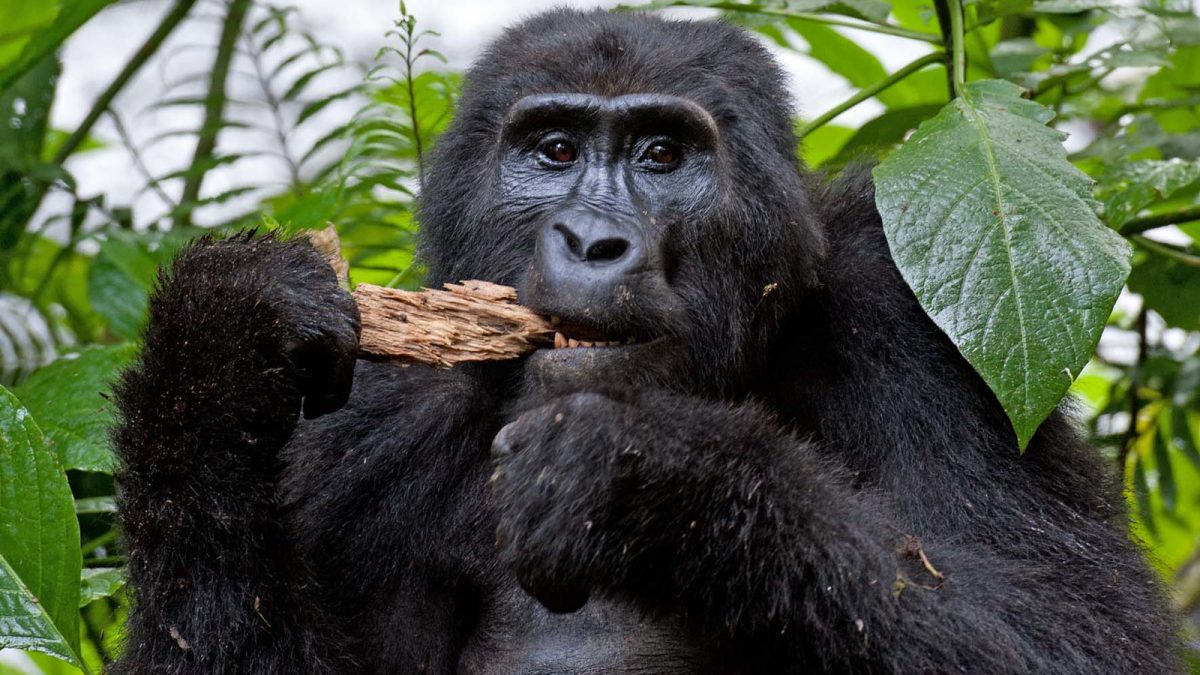
Top Africa safari packages often feature iconic wildlife viewing, with 3-day Serengeti or Kruger Park trips being popular, while 8–10-day tours through Kenya (Maasai Mara) or Uganda (gorilla trekking) offer immersive experiences. Leading options include the 12-day Kenya-Uganda adventure or 15-day Southern Africa trips, with prices varying from budget camping to luxury, all-inclusive, or tailored itineraries.
21-days-perfect-uganda-rwanda-safari-and-kenya-wildlife-safari-vacation
17-days-best-safari-in-uganda-ending-in-kigali-rwanda
16-days-ultimate-uganda-safari-to-rwanda-safari-tour-package-combo
15-days-best-uganda-to-rwanda-combined-primate-and-wildlife-safari
14-days-uganda-and-rwanda-safari-tour-itinerary
13-days-uganda-safari-and-rwanda-safari-tour-holiday-combo
12-days-all-inclusive-uganda-wildlife-and-primate-safari
12-days-perfect-rwanda-uganda-gorilla-trekking-safari-holiday-vacation
12-days-best-uganda-rwanda-primate-safaris-and-akagera-big-five-safaris
10-days-best-of-uganda-and-rwanda-all-big-five-animal-and-gorilla-trekking
8-days-best-uganda-rwanda-safari-holiday-ending-in-kigali
7-days-best-gorilla-trekking-and-safari-in-uganda-to-see-big-fives
7-day-best-uganda-safari-holiday-true-escape
7-day-uganda-gorilla-trekking-chimpanzee-wildlife-safari-tour-and-culture
7-days-best-uganda-safari-tour-to-popular-safari-parks
5-days-uganda-gorilla-trekking-chimps-and-rwanda-golden-monkey-tracking-combo
5-day-akagera-bwindi-gorilla-trekking-lake-bunyonyi-and-batwa-experience
Top Recommended Africa Safari Packages
Best for Wildlife (Migration): 3-Day Serengeti Safari or 8-Day Kenya Safari
For those eager to witness the remarkable Great Migration, either the 3-Day Serengeti Safari in Tanzania or the 8-Day Kenya Safari encompassing the Maasai Mara and Amboseli is ideal. The Serengeti Safari offers an immersive experience in one of the most famous national parks globally. Travelers can expect to see massive herds of wildebeests and zebras as they traverse the plains in search of fresh grazing grounds. Each day of the safari is filled with guided game drives, focusing on predator-prey dynamics, distinct landscapes, and rich biodiversity.
On the other hand, the 8-Day Kenya Safari combines multiple locations, including Amboseli National Park, where majestic views of Mt. Kilimanjaro create a stunning backdrop for elephant sightings. The Maasai Mara section of the itinerary provides not only the chance to see the Big Five but also opportunities to experience the migration if timed correctly. With well-planned routes and experienced guides, both options ensure high-quality wildlife viewing and learning about the ecosystems, making these packages truly unforgettable for nature enthusiasts.
Best for Primates (Gorilla Trekking): 3-Day Uganda Gorilla Tracking or 4-Day Double Gorilla Trekking
For trekking enthusiasts and primate lovers, the 3-Day Uganda Gorilla Tracking in Bwindi Impenetrable Forest offers an unparalleled experience. This package allows travelers to trek through dense forests to encounter the endangered mountain gorillas in their natural habitat. The guided trek not only provides a thrilling close encounter with these magnificent apes but also offers insight into their behaviors and social structures. Efforts to conserve these great apes are heavily integrated into the experience, enriching the trek with educational value and purpose.
For those seeking an even deeper dive, the 4-Day Double Gorilla Trekking option provides two opportunities to track different gorilla families. This extended experience allows for greater interaction and diverse learning about individual gorilla groups and their unique traits. In addition to the gorilla treks, travelers often enjoy leisurely walks through the stunning Ugandan landscape and opportunities to engage with local communities, making these packages perfect for those wanting a combination of adventure and culture, all while supporting vital conservation efforts.
Best for First-Timers/Family: 5-Day Kruger Park Safari
The 5-Day Kruger Park Safari in South Africa is highly recommended for first-time safari-goers and families. Kruger National Park is accessible, popular, and rich in wildlife, making it an excellent choice for anyone seeking a well-rounded introduction to African safaris. The park hosts one of the largest game populations in Africa, and visitors can expect to see the Big Five—lion, leopard, elephant, buffalo, and rhinoceros—along with a plethora of other fascinating species, such as giraffes, hippos, and various antelope.
The safari package is structured to include comfortable accommodations, guided game drives, and educational components that suit all ages. Family-oriented safari options, such as kid-friendly activities and educational sessions led by experienced game rangers, make it easier for children to engage with their surroundings and learn about wildlife conservation in a fun and interactive manner. This package successfully combines adventure with education, promoting a love for nature that can be shared and cherished by families.
Best Combined (Beach & Safari): 8-Day Tarangire, Ngorongoro, and Zanzibar or 10-Day Kenya Safari & Beach Holidays
For travelers looking for a blend of adventure and relaxation, the 8-Day Tarangire, Ngorongoro, and Zanzibar safari or 10-Day Kenya Safari with Beach Holidays offers an enticing mix of both environments. The Tarangire and Ngorongoro segments focus on abundant wildlife; Tarangire is known for its large elephant herds, while Ngorongoro boasts a unique, diverse ecosystem within the volcanic crater.
Following the safari portions, relaxing on the beautiful beaches of Zanzibar provides a delightful contrast and allows travelers to unwind surrounded by crystal-clear waters and sandy shores. These beach segments often include options for snorkeling, diving, or simply enjoying the picturesque scenery, enriching the overall travel experience.
Alternatively, the 10-Day Kenya Safari incorporates stunning coastal destinations after exploring Kenya's rich national parks. This itinerary allows for diverse wildlife encounters and cultural experiences, followed by rejuvenating beach time. Such packages cater to those seeking the best of both worlds—immersive wildlife observation coupled with the chance to relax and rejuvenate by the ocean.
Best Luxury: Prime Uganda Safaris
For those seeking a high-end travel experience, Prime Uganda Safaris offers luxury safari packages that typically last seven days or more. These packages feature private 4x4 vehicles for maximum comfort and personalized attention, along with stays in luxury lodges designed to provide both elegance and views of the surrounding nature.
Prices for these tailored experiences often range from $750 to $1,500+ per night, reflecting the quality of accommodations and exclusive services provided. Luxury lodges not only offer sumptuous meals and amenities but also arrange exclusive guided excursions, ensuring that you gain access to the best wildlife viewing opportunities without the crowds.
Every aspect of the luxury safari—from the scenic transport to high-quality meals—aims to enrich your experience while providing the means to relax fully in nature’s lap. This package is perfect for discerning travelers who prioritize comfort and exclusivity without compromising on wildlife encounters and cultural exploration.
Best Budget: 2-Day Pilanesberg or 2-Day Addo Elephant Park Safaris
For budget-conscious travelers, the 2-Day Pilanesberg Safari and 2-Day Addo Elephant Park Safari in South Africa are fantastic options that deliver exceptional wildlife experiences without the hefty price tag. These short safaris are designed for those with limited time but a strong desire to engage with Africa's wildlife.
The Pilanesberg National Park is home to a healthy population of the Big Five and offers several affordable lodges and camps. The park's accessibility from Johannesburg makes it an excellent weekend getaway, featuring guided game drives that highlight the region's biodiversity. Visitors can expect encounters with elephants, lions, rhinos, and diverse bird species.
Similarly, Addo Elephant Park provides a perfect venue for seeing large elephant herds and experiencing a variety of other wildlife, including buffalo, lions, and various antelope species. The park is also known for its accessible campgrounds and eateries, making it an ideal budget travel destination.
Both safari options ensure exciting wildlife exposure while maintaining a flexible price. They are perfect for travelers seeking authentic African safari experiences without overspending.
Key Safari Destinations & Typical Durations
Kenya & Tanzania (East Africa): 6-12 Days
Kenya and Tanzania are premier safari destinations in East Africa, renowned for their rich wildlife and diverse landscapes. Typical safari durations in these countries range from 6 to 12 days, allowing travelers ample time to explore iconic locations such as the Masai Mara, Serengeti, and the Ngorongoro Crater.
In the Masai Mara, renowned for its game-rich plains and the Great Migration, visitors can expect to see the Big Five and numerous other species. Safaris here offer thrilling game drives, often coupled with cultural visits to Maasai villages. The Serengeti, famous for its vast savannas, provides spectacular opportunities for wildlife viewing, particularly during migration season when millions of wildebeests and zebras traverse its landscapes.
The Ngorongoro Crater, a UNESCO World Heritage Site, is a unique ecosystem with a high concentration of wildlife, providing guaranteed sightings of diverse species, including black rhinos, elephants, and lions. Travel itineraries typically include a blend of game drives, cultural interactions, and relaxation time at various accommodations within these parks, making them suitable for both first-time visitors and seasoned travelers alike.
The richer the experience, the more time you may wish to spend between these regions. Extended trips may even permit additional activities such as hot air ballooning over the Mara or visits to local markets, enhancing the safari adventure. The combination of iconic parks and a wealth of wildlife makes a Kenyan and Tanzanian safari a must for anyone seeking an unforgettable African experience.
Uganda & Rwanda (Primates): 3-6 Days
When it comes to primate tracking, Uganda and Rwanda stand out as the premier destinations, with typical safari durations ranging from 3 to 6 days. These countries are home to a fascinating array of primates, most notably the endangered mountain gorillas and numerous species of chimpanzees.
In Uganda, Bwindi Impenetrable Forest offers some of the best opportunities for gorilla trekking, attracting visitors from around the globe. The treks can range from a few hours to a full day, depending on the gorilla family's location. Engaging with these gentle giants in their natural habitat is often described as a life-changing experience. In addition to gorillas, visitors can also track chimpanzees in Kibale National Park, which houses one of the largest populations of these primates in Africa.
Rwanda, known for its conservation efforts, features Volcanoes National Park for gorilla trekking, where experiences are often paired with visits to Dian Fossey’s grave, enhancing the cultural context of your visit.
Itineraries for these safaris generally include guided treks with experienced trackers, accommodations in lodges or camps, and opportunities to engage with local communities. Travelers may also have the chance to participate in cultural activities, such as traditional dance performances or craft-making sessions. While brief, these trips offer profoundly enriching encounters with some of Africa's most captivating wildlife.
South Africa: 3-8 Days
South Africa provides an exceptionally diverse safari experience, with recommended durations typically ranging from 3 to 8 days. Key destinations include Kruger National Park, Cape Town, and the Garden Route, each offering unique wildlife and scenic experiences.
Kruger National Park is one of Africa's largest game reserves and is known for its extensive wildlife populations, including the Big Five. Safaris in Kruger often emphasize game drives, guided walks, and sometimes even night safaris, allowing for varied wildlife experiences at different times of the day. It is a fantastic location for those wanting to experience diverse habitats, from savannas to dense bushlands.
Cape Town is an alluring city that combines urban experiences with outdoor adventures. Visitors can explore attractions like Table Mountain, the Cape of Good Hope, and local vineyards, making it a fantastic complement to any safari itinerary.
The Garden Route provides picturesque coastal landscapes and charming towns, allowing for leisurely exploration. Road trips through this region often include opportunities for spotting wildlife in various nature reserves along the way.
Due to the variety of activities and locations, itineraries can be tailored to focus on wildlife, cultural experiences, or a mix of both. This flexibility makes South Africa an attractive choice for first-time safari-goers and families seeking accessible yet rich experiences in nature.
Multi-Country: 12-19 Days
For the adventurous traveler, multi-country safaris spanning 12 to 19 days allow for a comprehensive exploration of East Africa's most iconic destinations, including Kenya, Tanzania, Uganda, and Rwanda. This type of itinerary is ideal for those wanting to experience the diverse wildlife and cultural richness of the region.
Travelers might begin in Kenya, exploring the famed Maasai Mara and Amboseli National Park, where they can witness breathtaking elephant herds and the Great Migration, depending on the season. Following this, crossing into Tanzania enables visits to the Serengeti and Ngorongoro Crater, where wildlife diversity is exceptional.
In addition to traditional safari experiences, these extended trips often include opportunities for gorilla trekking in Uganda and Rwanda, allowing travelers to interact with some of the planet's most endangered species. The journey may also include cultural experiences, such as visiting local tribes, attending traditional dance performances, or exploring artisan markets.
The extended duration provides the flexibility to enjoy slower-paced travel, ensuring that participants can soak in the scenery and wildlife without the rush. This approach not only enhances wildlife viewing opportunities but also fosters deeper cultural connections, making multi-country safaris a well-rounded choice for those eager to experience the best of East Africa on a grand scale.
What are the best Africa safari trip tour packages for beginners?
For beginners embarking on their first African safari, classic 10–14 day tours are highly recommended, particularly those covering Tanzania’s Serengeti and Ngorongoro Crater, or South Africa’s Kruger National Park combined with Cape Town. These itineraries are designed to provide a well-rounded introduction to African wildlife and landscapes, making them ideal for first-time travelers.
In Tanzania, the Serengeti offers iconic views of vast savanna landscapes and an exceptional range of wildlife, including the chance to witness the Great Migration. On the other hand, the Ngorongoro Crater presents a unique ecosystem where wildlife is abundant, visible in one location due to its natural enclosure.
In South Africa, Kruger National Park features well-established infrastructure and is home to the Big Five. Combining a safari with a visit to Cape Town allows travelers to explore coastal beauty, cultural heritage, and culinary delights.
Most beginner-friendly packages incorporate guided tours with expert rangers, comfortable accommodations, and transportation. Such tours usually highlight significant wildlife sighting opportunities while offering cultural experiences, ensuring newcomers gain a comprehensive introduction to the spectacular environments and wildlife of Africa.
Ultimately, these packages offer a blend of adventure, relaxation, and learning, presenting a brilliant foundation for the myriad experiences that Africa has to offer.
When is the best time to book the best Africa safari trip tour packages?
Booking the best Africa safari trip tour packages is heavily influenced by timing. For peak season, which falls within the dry season—typically from June to October—it is highly recommended to book 6 to 12 months in advance. During these months, the weather is more favorable for wildlife viewing, as animals congregate around water sources, making them easier to spot.
Specific locations, such as the Masai Mara in Kenya or the Serengeti in Tanzania, see an influx of tourists during the Great Migration, leading to limited availability for accommodations and tours. Early booking guarantees that travelers secure their preferred lodges and guiding services, which are often in high demand during these peak times.
If flexibility exists, considering the shoulder seasons (late March to May or November to early December) may offer excellent wildlife opportunities with fewer crowds and often lower prices. However, these times may involve unpredictable weather, possibly impacting visibility and access to parks.
Overall, planning well in advance not only secures better prices but also ensures that travelers receive customized experiences that match their preferences and expectations, paving the way for a memorable safari adventure.
What is included in top-rated safari packages?
Top-rated safari packages usually encompass a variety of inclusions designed to provide travelers with a comfortable and unforgettable experience. Typically, these packages include park entrance fees, which are essential for accessing the rich ecosystems that are home to Africa's diverse wildlife.
Accommodation varies widely, with options ranging from luxury lodges to budget-friendly camps, ensuring there’s something for every traveler’s preference. Many packages offer meals, often consisting of breakfast, lunch, and dinner, allowing guests to experience local cuisine while enjoying the scenic surroundings.
Transportation is another essential element, with most packages providing 4x4 vehicles for transportation during game drives. These vehicles are equipped for off-road excursions, ensuring travelers can navigate the diverse terrains of parks comfortably. Experienced guides, who possess extensive knowledge about wildlife and ecosystems, often accompany guests, enriching the experience with informative insights.
While some packages might include select beverages and activities such as guided nature walks or cultural village visits, international flights are rarely part of these packages. It’s crucial for travelers to read the details of their chosen package to understand what is included and what additional costs may apply, paving the way for smooth travel and immersive wildlife experiences in the heart of Africa.
Are the best Africa safari trip tour packages suitable for children?
Yes, many operators offer family-friendly itineraries that cater specifically to children in the context of an African safari. Particularly in destinations such as South Africa, Kenya, and Tanzania, families can enjoy tailored experiences designed with young explorers in mind. These itineraries often combine wildlife viewing with additional activities that keep children engaged and entertained.
Typically, age restrictions may apply, with many safari companies requiring children to be over 6 or 8 years old to participate in certain activities, such as guided game drives. Some lodges also provide family accommodations and kid-friendly meals, ensuring all family members have a comfortable and enjoyable experience.
Parents can also find that many safari operators offer educational components aimed at helping children learn about wildlife conservation, ecology, and the importance of protecting natural habitats. Excursions, such as visits to local communities or hands-on activities like nature scavenger hunts, can be integrated into the itinerary, providing children with enriching cultural experiences.
Overall, a well-planned safari can be a fantastic bonding opportunity for families, allowing them to witness the beauty of nature together while instilling a love for wildlife and adventure in younger generations.
Which region offers the best wildlife viewing?
When it comes to wildlife viewing, East Africa—specifically Kenya and Tanzania—is unmatched, particularly due to the spectacular Great Migration that occurs annually. This phenomenon sees millions of wildebeests and zebras journey across the Serengeti and Maasai Mara in search of greener pastures, creating an unprecedented opportunity for dynamic wildlife viewing.
The sheer diversity of ecosystems across this region, from savannahs to rivers, guarantees encounters not only with migratory species but also with predators such as lions, leopards, and crocodiles. The Maasai Mara and Serengeti are often highlighted for their abundant wildlife populations and stunning landscapes, making them prime destinations for any safari enthusiast.
In contrast, Southern Africa—including Botswana and South Africa—also offers excellent wildlife viewing opportunities, albeit in different contexts. Regions like the Okavango Delta in Botswana are known for their exclusive safari experiences, featuring smaller, private reserves that often provide sightings of elephants, leopards, and hippos in a more intimate setting.
Ultimately, while both regions are remarkable for wildlife encounters, East Africa stands out for its iconic migrations, allowing for truly unforgettable viewing experiences throughout the year. Therefore, the choice of region may depend on specific wildlife interests, seasonal timing, and personal preferences for the safari experience.
What should I pack for a safari?
Packing for an African safari requires practical consideration to ensure comfort and preparation for varying weather conditions. The key is to bring neutral-colored clothing, such as khaki and beige, which helps blend into the natural surroundings and reduces the chances of startling wildlife.
Layering is advised, as mornings and evenings can be cool while daytime temperatures typically fluctuate. A light jacket or fleece is recommended for early morning game drives. A wide-brimmed hat, sunglasses, and high-SPF sunscreen are essential for protection against the sun, especially during midday.
Comfortable walking shoes are crucial, as many safaris involve nature walks or hikes, in addition to long hours in vehicles. Additionally, bringing a pair of binoculars enhances wildlife observation during game drives, allowing you to spot animals from a distance. A quality camera to capture memories is also a must, along with extra batteries and memory cards.
Other useful items may include insect repellent to prevent bites from mosquitoes, a reusable water bottle for hydration, and personal toiletries. By packing thoughtfully, travelers can ensure they are well-equipped to enjoy their safari adventure to the fullest while being prepared for the unique circumstances of the African wilderness.
Is it safe to go on a safari?
Yes, going on a safari is generally safe, especially when conducted through established and reputable tour operators. Safari tourism is well-regulated in many African nations, providing a framework that emphasizes the safety and experiences of travelers.
To ensure a safe journey, it's essential to follow guide instructions, such as adhering to park regulations and maintaining appropriate distances from wildlife. A knowledgeable guide can provide crucial insights on safety protocols, ensuring visitors engage with animals responsibly.
Accredited lodges and camps typically adhere to high safety standards, offering secure accommodations and trained staff to assist visitors. While the thrill of encountering wildlife adds a layer of excitement to the adventure, guides are skilled in assessing situations and managing risks, ensuring smooth experiences without compromising on safety.
For added peace of mind, travelers are advised to stay informed about their chosen destinations by checking travel advisories from relevant authorities. Understanding the logistics of the safari and what to expect can further enhance the overall experience. Ultimately, with the right preparations and guidance, safari adventures can be enjoyable and safe, providing unforgettable wildlife encounters in breathtaking natural settings.
What is the difference between budget and luxury safari packages?
The distinction between budget and luxury safari packages largely revolves around accommodations, transportation, and overall experience quality. Luxury packages are characterized by high-end lodges or luxury tented camps, often featuring private facilities, gourmet dining, and exclusive services. Travelers can expect amenities such as spa treatments, bespoke guided excursions, and sometimes even gourmet cuisine prepared by top chefs.
Transportation in luxury packages often involves private vehicles, allowing for personalized experiences and flexibility in itineraries. This level of comfort generally comes at a higher cost, with prices that can reach beyond $1,000 per day during peak seasons.
In contrast, budget safari packages cater to travelers seeking a more affordable experience without sacrificing wildlife viewing. These packages typically include accommodations in guesthouses, basic lodges, or campsites with shared facilities.
Transportation may involve group transfers, leading to a more communal experience on safari. Despite lower costs often starting from $240 to $740 per day, budget packages still offer insightful itineraries and excellent wildlife viewing opportunities, making them an attractive option for travelers on tighter budgets.
Both budget and luxury packages can provide excellent wildlife encounters, yet the choice depends largely on personal preferences, desired comfort levels, and overall safari experiences.
Do I need vaccinations for a safari?
Yes, when planning a safari, it’s essential to consult a travel clinic or healthcare provider regarding vaccinations and health precautions. Common recommendations typically include vaccinations for yellow fever, Hepatitis A and B, and precautions against malaria, particularly for certain regions in Africa.
Yellow fever vaccination is crucial, especially for travelers coming from countries where the disease is prevalent. Some countries may require proof of vaccination upon entry, making it necessary to carry your yellow fever vaccination certificate.
Hepatitis A is recommended due to the potential for exposure through contaminated food or water. Travelers should also consider malaria prophylaxis, which may be advisable for specific safari destinations where malaria is prevalent. Consulting a healthcare professional can provide personalized advice based on upcoming travel plans and health history.
In addition to vaccinations, travelers are often encouraged to take preventive measures against insect bites, such as wearing long sleeves, using insect repellents, and sleeping under mosquito nets when available. Being proactive about health can help ensure a safe and enjoyable safari experience.
Can I see the "Big Five" (lion, leopard, rhino, elephant, buffalo) on my trip?
Yes, most top Africa safari packages, particularly those in the Serengeti, Ngorongoro Crater, and Kruger National Park, are designed to maximize your chances of seeing the Big Five: lion, leopard, rhinoceros, elephant, and buffalo.
These iconic animals are primary attractions for safari-goers and are often found in the aforementioned parks, which are known for their rich biodiversity and varied ecosystems. Game drives, led by experienced guides, offer the opportunity to spot these animals in their natural habitats, enriching the safari experience with thrilling wildlife encounters.
Despite this likelihood, it's important to note that wildlife sightings are never guaranteed, as animal movements are often influenced by numerous factors, including seasonal changes and availability of food and water.
Experienced guides are adept at tracking animal movements and can increase the chances of encountering the Big Five during your safari. Overall, while most itineraries focus on providing a realistic opportunity to see these majestic animals, patience and an appreciation for the spontaneity of nature will enhance the safari adventure.
How much should I budget for a top-tier safari?
Budgeting for a top-tier African safari can vary widely depending on the type of experience desired and specific destinations chosen. Standard packages typically range from US $240 to $740 per day, offering a blend of comfortable accommodations, meals, guided game drives, and park fees.
For travelers seeking an upscale experience, luxury safari packages can exceed US $1,000 per day, particularly during peak seasons. These packages often include private lodges or camps, gourmet dining experiences, and personalized guided tours. Luxury options also tend to offer exclusive experiences, such as private bush dinners or unique activities like hot air balloon rides.
It’s essential to consider additional expenses when budgeting, such as international flights, visas, travel insurance, and personal expenses for souvenirs and optional excursions. Additionally, tipping for guides and camp staff is customary and should be factored in, with approximately US $15 to $25 per day for guides and US $5 to $10 per day for camp staff suggested.
Ultimately, determining a budget for a safari experience should take into account personal preferences, desired levels of comfort, and the specific activities and locations you wish to explore, ensuring a memorable adventure that aligns with your financial expectations.
Are specialized safaris available?
Yes, there are numerous options for specialized safaris that cater to specific interests and desires. Many top packages can be tailored to include activities such as gorilla trekking in Uganda and Rwanda, which allows travelers to engage directly with the endangered mountain gorillas in their natural habitat.
Other specialized safaris may focus on activities like bird watching, catering to enthusiasts eager to spot various avian species unique to their surroundings. These packages often incorporate expert guides who possess extensive knowledge about local flora and fauna, enhancing the birding experience.
For those seeking adventure in a different style, hot air balloon safaris offer breathtaking aerial views of the savannas and a different perspective on wildlife below. This option adds a sense of luxury and uniqueness to the safari adventure.
Walking safaris** allow travelers to immerse themselves into the environment, guided by experienced rangers. This hands-on approach provides unique insights into animal tracks, plant life, and ecological systems while allowing for close encounters with wildlife.
Overall, the opportunity for specialized safaris enriches the experience for travelers, enabling them to engage more deeply with their specific passions while enjoying the beauty and diversity of Africa's landscapes and fauna.
Is tipping expected?
Yes, tipping is considered standard practice in the safari industry, reflecting appreciation for the services provided by guides, camp staff, and hospitality personnel. When embarking on a safari, it's essential to budget for these gratuities as part of your overall travel expenses.
For guides, a common tipping range is approximately US $15 to $25 per person per day. This acknowledges their expertise and efforts in providing an engaging and educational experience. Guides not only navigate the terrain but also enhance wildlife viewing, making their contributions pivotal to the safari adventure.
Camp staff also play a vital role in ensuring a pleasant stay, and it’s customary to tip them around US $5 to $10 per person per day. This practice acknowledges their efforts in serving meals, maintaining the camp, and enhancing overall comfort.
While tipping is appreciated, it's also essential to consider personal experiences. If the service exceeds expectations, a more generous tip is always welcome. Conversely, if you feel that the service did not meet standards, tips should reflect that. Ultimately, tipping in the safari context serves as a way to express gratitude and appreciation for the diverse roles played by individuals in ensuring an enjoyable experience.
Do I need a visa?
Visa requirements for an African safari vary widely based on nationality and specific countries being visited. Many African nations offer e-visas, visa-on-arrival options, or even visa exemptions for tourists from certain countries. However, it’s always best to check in advance to ensure compliance with each country's regulations.
For popular safari destinations like Kenya, Tanzania, Uganda, and Rwanda, travelers may need to apply for visas ahead of time or secure them upon arrival at airports or border crossings. The East African Tourist Visa is available for travelers visiting Kenya, Tanzania, and Uganda, simplifying logistics by covering all three countries under one fee.
It's advisable to have a valid passport with at least six months' validity remaining and any necessary vaccination certificates, particularly for yellow fever, if coming from affected areas. Researching the visa requirements for each country well in advance allows travelers to avoid any last-minute surprises and ensures a smoother transition when entering the different countries throughout their safari.
What is the best way to travel between parks?
Traveling between parks during an African safari can be accomplished through various methods, each offering unique benefits. While driving offers a scenic option, providing the opportunity to witness diverse landscapes and wildlife along the way, the comfort of a well-maintained 4x4 vehicle enhances the experience. Guided tours often include game drives to explore park ecosystems, allowing for wildlife sightings during transit.
However, for those with limited time or looking to cover larger distances efficiently, "fly-in" safaris are commonly included in many top packages. This option utilizes charter flights that link major parks, significantly reducing travel time while offering stunning aerial views of the landscapes below.
Flights can be particularly beneficial for reaching remote areas, allowing travelers to maximize their time spent on wildlife observations rather than long hours on the road. Additionally, some lodges and camps can coordinate air transport directly, making the transition seamless.
Ultimately, the best way to travel between parks depends on personal preferences, time constraints, and desired safari experiences. Whether by scenic driving or flying, both methods enrich the safari journey and facilitate exciting wildlife encounters at each destination.
Booking Africa safari trip tour with us Roads of Adventure safaris
Book your unforgettable African safari with Roads of Adventure Safaris for expert-guided, tailor-made adventures across Uganda and East Africa. Specializing in gorilla trekking in Bwindi, chimpanzee tracking in Kibale, and wildlife game drives in Queen Elizabeth National Park, we ensure a seamless, personalized experience from start to finish. Our dedicated team handles all logistics, including transport, permits, and comfortable eco-friendly lodges, ensuring a memorable, safe, and immersive journey into the heart of Africa. Contact us to secure your spot today.
