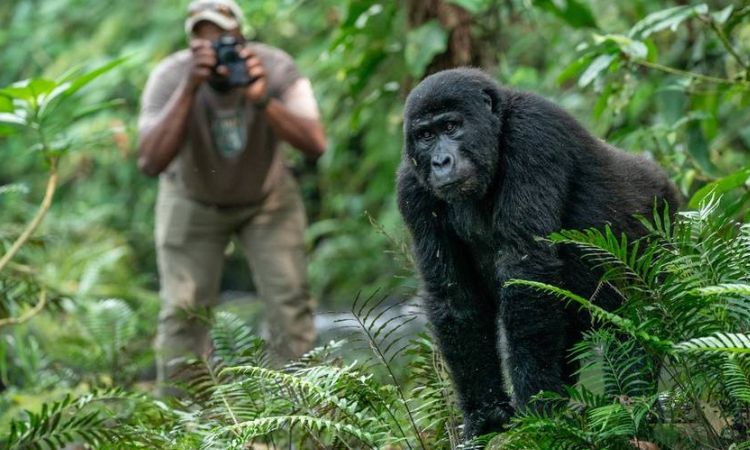
Uganda is a captivating wildlife destination, known for its rich biodiversity and varied habitats. Home to an array of species, visitors can encounter magnificent animals such as African elephants, lions, gorillas, chimpanzees, hippos, and leopards. Additionally, Uganda supports a variety of birds, including the shoebill stork, African fish eagle, and over 1,000 other bird species. Lake Victoria provides numerous aquatic life forms, such as Nile perch and tilapia. Uganda’s varied terrain, from tropical rainforests to savannas, supports diverse habitats that accommodate both herbivores and carnivores. This safari in Uganda will offer the chance to observe key wildlife in their natural settings across various national parks and reserves. Each day brings new opportunities for wildlife viewing and cultural interactions, ensuring a comprehensive insight into Uganda's natural beauty and cultural richness.
Tour highlights
Gorilla trekking in Bwindi National Park.
Chimpanzee tracking in Kibale Forest.
Game drives in Murchison Falls.
Boat cruise along Kazinga Channel.
Visit to Uganda's vibrant capital.
Diverse wildlife spotting experiences daily.
Birdwatching with over 1,000 species.
Exploring local cultures and traditions.
Stunning views of Murchison Falls.
Encountering tree-climbing lions in Queen.
Scenic nature walks in Bwindi.
Sunset dinners under African skies.
Cultural visits to local artisan villages.
Photography opportunities of varied wildlife.
Relaxing evenings at cozy lodges.
Souvenir shopping at Craft Village.
10 Days Africa safari in Uganda day by day
Day 1: Arrival in Kampala
Arrive at Entebbe International Airport and transfer to Kampala. The journey takes about an hour. In Kampala, relax and adjust to the new environment. Take a guided city tour to introduce you to Uganda's vibrant culture. During the tour, you may spot various birds, such as the common myna and gray-headed kingfisher. Visit the Uganda Museum to learn about the country's history and diverse wildlife. Enjoy a welcome dinner at a local restaurant, where you can try traditional Ugandan dishes. As the day winds down, prepare for the adventures ahead. Be on the lookout for street vendors selling art and local crafts.
Day 2: Transfer to Murchison Falls National Park
Start your journey to Murchison Falls National Park, a trip of about 5-6 hours. The park is known for its remarkable wildlife, including African elephants, giraffes, and buffaloes. Upon arrival, set up camp or check into your lodge. Spend the afternoon on a game drive where you might spot lions basking in the sun or leopards camouflaged in the trees. Look out for various bird species, such as the African fish eagle and shoebill stork, often seen near the Nile. Head to Murchison Falls itself, where the mighty Nile River squeezes through a narrow gap, creating a dramatic sight. Enjoy dinner at your accommodation and relax.
Day 3: Game Drive and Boat Cruise
In the morning, take an early game drive in Murchison Falls National Park. Keep an eye out for wildlife such as elephants, hippos, and various antelope species. With luck, you may spot a pride of lions resting under a shady tree. After lunch, go on a boat cruise along the Nile River. This excursion offers a chance to observe hippos and crocodiles up close. In addition, look for birds like the purple heron, great blue turaco, and several species of kingfishers. This activity provides a unique perspective on the animals that inhabit the waterways, rounding out your day with a mix of adventure and relaxation.
Day 4: Transfer to Kibale National Park
Leave Murchison Falls behind and proceed to Kibale National Park, which will take around 6-7 hours. Upon arrival, check into your accommodation and unwind before your activities. Kibale is renowned for its primate population, including chimpanzees, red-tailed monkeys, and grey-cheeked mangabeys. Spend the afternoon walking through the park on a guided nature hike, where you may observe numerous bird species, including the great-blue turaco and hornbills. Keep your camera ready for any wildlife sightings, as you navigate through the lush rainforest. Enjoy dinner at your lodge, reflecting on the day’s wildlife encounters and preparing for the next day's chimp trekking.
Day 5: Chimpanzee Trekking in Kibale
Today is dedicated to chimpanzee trekking in Kibale National Park. Begin your day early to join a guided trek in search of chimpanzees. As you move through the forest, be on the lookout for various wildlife, such as blue monkeys and forest elephants. The chance to observe chimps within their natural habitat is unparalleled. After lunch, participate in a community visit to learn about local cultures and traditions. Engage with local artisans and view crafts, while enjoying local drinks. As the sun sets, wind down at your accommodation, readying yourself for more adventures to come.
Day 6: Transfer to Queen Elizabeth National Park
Travel to Queen Elizabeth National Park, a drive lasting about 2-3 hours. Known for its diverse wildlife and beautiful scenery, Queen Elizabeth is home to various species, including lions, hippos, and numerous bird species. Upon reaching the park, check into your accommodation and prepare for an evening game drive. During the drive, look for elephants and cape buffaloes, and keep your eyes peeled for leopards relaxing in trees. Enjoy dinner under the stars while sharing stories about your sightings of the day and discussing what’s ahead.
Day 7: Wildlife Viewing in Queen Elizabeth
Spend the day exploring Queen Elizabeth National Park. Start with a morning game drive to catch sight of the park’s famous tree-climbing lions, as well as various antelope species and elephants. Look out for birds like the African spoonbill and the lesser flamingo near the water bodies. After lunch, take a boat cruise on the Kazinga Channel, where you can observe hippos lounging in the water and get close to crocodiles basking on the banks. The cruise also provides opportunities for birdwatching, with numerous species flitting around the shores. Return to your lodge for dinner and reflect on an exciting day of wildlife encounters.
Day 8: Transfer to Bwindi Impenetrable National Park
After breakfast, head to Bwindi Impenetrable National Park, taking about 3-4 hours to arrive. Bwindi is a UNESCO World Heritage site, famous for its mountain gorillas. After checking into your lodge, take the afternoon to relax or explore the surrounding areas. On a guided nature walk, you might spot bush pigs, duikers, and a variety of bird species such as the black-throated apalis. Dine at your lodge and prepare for the upcoming gorilla trekking, which requires physical readiness and mental preparation for encountering these magnificent animals.
Day 9: Gorilla Trekking
The highlight of your trip arrives today with gorilla trekking in Bwindi Impenetrable National Park. The trek can vary in length from a few hours to an entire day, depending on the gorilla group you visit. Be prepared to navigate steep and muddy terrain as you search for the mountain gorillas. Look out for additional wildlife, including golden monkeys and various plant species unique to the area. Once you find the gorillas, you will have one hour to observe them. Capture the moments with your camera, always being mindful of the guidelines for interacting with these endangered creatures. After returning to your lodge, relax and share stories with your fellow travelers over dinner.
Day 10: Depart from Uganda
On your final day, enjoy breakfast at your lodge before your transfer back to Entebbe International Airport. The journey takes around 8-10 hours, depending on the route and traffic. Reflect on your remarkable time in Uganda, where you encountered diverse wildlife, learned about local cultures, and forged unforgettable memories. You might make a final stop at the Uganda Craft Village to pick up souvenirs, such as handmade crafts and traditional art. Upon reaching the airport, prepare for your departure, taking with you the sights and sounds of Uganda's wildlife and the warmth of its people.
What Is Included in a 10 Days Africa Safari in Uganda?
A typical 10-day safari in Uganda is comprehensive, designed to provide a rich wildlife and cultural experience. Key inclusions generally feature primate permits, particularly for gorilla and chimpanzee trekking, which allow you to observe these remarkable creatures in their natural habitats. The permits are essential as they help fund conservation efforts and manage the parks, ensuring wildlife protection and sustainability.
Additionally, park fees for entry into various national parks are covered, providing access to stunning landscapes and diverse wildlife. The safari includes 4x4 transport, ensuring a comfortable journey across Uganda’s varied terrain. These vehicles are equipped to handle off-road conditions, promoting safety while moving between parks.
Guide services play a vital role in the safari experience, with knowledgeable guides leading the way. They offer insights into local wildlife, plant species, and cultural traditions. Furthermore, accommodations are included, ranging from budget guesthouses to luxury lodges. These options typically come with meals and are strategically located near national parks, allowing convenient access to wildlife activities. Overall, the inclusions in a 10-day Uganda safari offer a well-rounded glimpse into the country’s stunning flora, fauna, and culture.
What Is the Best Time for a 10 Days Africa Safari in Uganda?
The ideal times for a 10-day Africa safari in Uganda are during the dry seasons, specifically from June to September and December to February. These months provide favorable weather conditions for wildlife viewing and trekking. With lower chances of rain, the trails in national parks are generally more accessible, reducing the challenges associated with muddy paths. Wildlife is also easier to spot, as animals often congregate around water sources during these periods.
During the dry seasons, visibility is typically better, enhancing opportunities for photographing various species, including elephants, lions, and of course, the famous mountain gorillas. The vegetation is less dense, making it easier to see animals in their natural habitats. Many park activities, such as boat cruises and guided walking safaris, are more enjoyable without the hassle of wet weather.
Furthermore, these periods coincide with peak tourism seasons, meaning you’ll find more tour operators and travelers, adding to the vibrant atmosphere. If you plan to trek gorillas, securing permits during these times is crucial, as they tend to sell out quickly. Overall, choosing to safari in Uganda during the dry seasons will likely yield a more pleasant experience, providing enhanced opportunities to witness and enjoy the country’s wildlife from its rich biodiversity.
Does a 10 Days Africa Safari in Uganda Include Gorilla Trekking?
Yes, a 10-day Africa safari in Uganda typically includes gorilla trekking, which is one of the most sought-after activities in the country. This iconic experience usually takes place in Bwindi Impenetrable National Park or Mgahinga Gorilla National Park, both of which are renowned for their dense forests and diverse ecosystems that are home to several habituated gorilla families. Trekking permits are essential and are usually secured as part of the safari package to allow access to these magnificent primates.
During the gorilla trek, visitors are led by experienced guides who are well-versed in gorilla behavior and conservation practices. These guides ensure that every guest adheres to established protocols, helping to maintain both safety and respect for the gorillas' natural habitat. While trekking can involve physically demanding hikes ranging from 2 to 6 hours through dense growth, the chance to observe these incredible creatures up close makes it wholly worthwhile.
Trekking with gorillas is not just about the sighting; it’s also an opportunity to learn about their social structures and conservation efforts aimed at protecting them from extinction. The emotional impact of being in the presence of these gentle giants is profound, making gorilla trekking an unforgettable highlight of any safari in Uganda. This inclusion provides travelers with a rich adventure that combines wildlife conservation with personal growth, making it a key part of the Uganda safari experience.
How Strenuous Is the Gorilla Trekking on a 10 Days Africa Safari in Uganda?
Gorilla trekking in Uganda can be quite strenuous, often requiring a moderate level of fitness. Typically, trekkers find themselves hiking for about 2 to 6 hours through steep and dense forest terrain. The trails can vary, with some leading to challenging inclines and muddy areas, especially during or after rainfall. Those planning to participate in gorilla trekking should be prepared for physical exertion, as the route may involve navigating rough paths while carrying essential gear.
The level of difficulty also depends on the specific gorilla group you are tracking, as their location can change daily based on their movements. Guides assess each participant’s fitness level before the trek and assign groups accordingly to ensure that everyone can keep pace. Regular breaks during the hike are provided, allowing trekkers to catch their breath and enjoy the beauty of the forest.
While the trek can be demanding, the reward of encountering mountain gorillas in their natural habitat makes the effort worthwhile. The emotional and psychological benefits derived from observing these gentle giants are often profound. As trekkers reflect on their surroundings, the experience can foster a deeper appreciation for wildlife conservation and the efforts taken to protect these magnificent animals.
What Is the Maximum Group Size for a 10 Days Africa Safari in Uganda?
The maximum group size for a 10-day Africa safari in Uganda tends to be small, often between 2 and 8 people. This limited group size ensures a more personalized and intimate experience, allowing participants to fully engage with their surroundings and gain meaningful insights from the guides. Smaller groups also facilitate better interaction, enabling everyone to ask questions and receive individualized attention during wildlife spotting.
This smaller arrangement is particularly beneficial during gorilla trekking and chimpanzee tracking excursions, where minimizing human disturbance is crucial for the animals’ wellbeing. Groups beyond the specified size are generally not permitted in tracking activities to uphold safety standards and conservation practices. This approach enhances both the quality of the experience and the level of respect toward the wildlife.
Moreover, traveling in small groups often results in a more relaxed atmosphere, as it allows for flexible scheduling and spontaneous stops along the way. Whether observing wildlife or exploring cultural sites, having fewer people enhances the overall enjoyment of the trip. Ultimately, the small group size contributes to a more immersive and unforgettable safari experience in Uganda.
Are Chimpanzees Included in a 10 Days Africa Safari in Uganda?
Yes, chimpanzee tracking is commonly included in a 10-day Africa safari in Uganda, with Kibale National Park being the primary location for this activity. This park is home to one of the largest populations of chimpanzees in East Africa, making it an ideal spot for observing these fascinating primates. The opportunity to spend time with chimpanzees is one of the standout features of a Ugandan safari and offers insight into their social behaviors and interactions.
During the chimpanzee trek, knowledgeable guides lead the way, providing context about the importance of chimpanzee conservation and the ecological significance of their habitats. The trek typically lasts several hours, and trekkers should be prepared for some hiking through dense forest terrain. While walking, visitors may also encounter various birds and other primates, such as red-tailed monkeys and blue monkeys.
The excitement of locating a chimpanzee group adds an element of adventure to the day, and once found, participants are allowed to observe them for a short period. Witnessing these intelligent creatures in their natural setting can be an eye-opening experience that fosters a deeper appreciation for wildlife preservation. Including chimpanzee tracking in a 10-day itinerary provides a well-rounded encounter with Uganda's rich biodiversity.
Is a 10 Days Africa Safari in Uganda Safe for Tourists?
Uganda is generally regarded as a safe destination for tourists, with many travelers visiting without any security concerns. The country has made significant strides in stabilizing its environment and promoting tourism. Tour operators prioritize safety, ensuring secure transportation and employing expert guides who are knowledgeable about both the wildlife and the local culture.
During a 10-day safari, guides are trained to implement safety protocols, especially in areas where wildlife is present. They provide briefings on what to expect during wildlife encounters and how to behave responsibly around animals. Various national parks have well-established measures to keep both visitors and wildlife safe, reducing risks associated with encounters.
Beyond the wildlife aspect, travelers can also engage with local communities and learn about their customs and traditions, adding to the richness of the safari experience. However, standard travel precautions should still apply: securing belongings, being aware of one's surroundings, and following the guidance provided by the tour operator. For the most part, Uganda's welcoming culture and stable environment provide an enjoyable and safe atmosphere for tourists to explore its natural wonders.
What Is the Accommodation Like on a 10 Days Africa Safari in Uganda?
Accommodations in Uganda during a 10-day safari range from budget guesthouses to upscale lodges, catering to various preferences and price points. Many of these options are conveniently located near national parks, allowing easy access to wildlife activities. Lodges and hotels often include amenities such as comfortable beds, private bathrooms, and communal areas for relaxation. Some accommodations even feature scenic views of the national parks or surrounding landscapes.
For budget-conscious travelers, there are hostels and guesthouses that offer basic amenities while providing a cozy atmosphere. Mid-range lodges typically offer enhanced services, including organized activities and guided tours. Luxury lodges feature high-end facilities, gourmet dining, and personalized service, allowing for a more indulgent safari experience.
Dining experiences at these accommodations generally comprise a mix of international dishes along with traditional Ugandan cuisine. Meals are often served buffet-style or as part of a set menu. Many lodges strive to serve fresh, locally sourced ingredients, enhancing the overall dining experience. Regardless of the type of accommodation chosen, staying in Uganda offers a unique opportunity to enjoy comfort while being surrounded by the country’s rich wildlife and vibrant culture.
What Kind of Clothing Should I Pack for a 10 Days Africa Safari in Uganda?
When preparing for a 10-day Africa safari in Uganda, it is essential to pack appropriate clothing that suits the climate and safari activities. Lightweight, neutral-colored clothing is recommended, as it helps you blend into the natural surroundings and minimizes disturbances to wildlife. Long-sleeve shirts and long pants are ideal for protection against sunburn, insect bites, and thorny plants while trekking in national parks.
Sturdy hiking boots are crucial for comfortable walking on uneven terrain. It’s advisable to wear shoes that provide good ankle support and traction to navigate through muddy or rocky paths easily. A rain jacket or poncho is also highly recommended, especially during the wet months, as weather can change unexpectedly. Quick-drying materials will help you remain comfortable in varying conditions.
Additionally, packing a hat, sunglasses, and sunscreen is advisable to protect against the sun's rays. A light sweater or fleece may also be useful for cooler evenings. Binoculars can enhance wildlife viewing, and a small backpack or daypack will be useful for carrying personal items during treks. Overall, being well-prepared with the right clothing will significantly enhance your overall safari experience.
Do I Need a Visa for a 10 Days Africa Safari in Uganda?
Yes, a visa is required for most travelers planning to participate in a 10-day Africa safari in Uganda. The visa can be easily obtained online through the Uganda Electronic Visa/Immigration website. It is recommended to apply for the visa in advance to avoid any potential delays upon arrival. Processing times can vary, so allowing a few weeks before your trip is wise, especially during peak travel seasons.
For travelers planning to explore multiple East African countries, the East African Tourist Visa is a convenient option, as it allows access to Uganda, Rwanda, and Kenya on a single visa. This visa can also be obtained online, streamlining the travel process if you wish to visit neighboring nations.
Upon entering Uganda, ensure your passport remains valid for at least six months beyond your planned stay, as this is a common requirement for international travel. Always carry a printout of your visa approval and any travel documents, as they may be requested at immigration control. Overall, understanding visa requirements and securing the appropriate documentation is essential for a hassle-free safari experience in Uganda.
How Much Cash Should I Bring on a 10 Days Africa Safari in Uganda?
When planning a 10-day Africa safari in Uganda, it is advisable to bring sufficient cash for various expenses, including tips, souvenirs, and incidental purchases. Using U.S. dollars is widely accepted, and having smaller denominations can be useful for making transactions more manageable. Although many places, such as lodges and tour operators, may accept credit cards, cash is often preferred for smaller purchases, especially in rural areas where electronic payment options may be limited.
For tips, consider allocating around $10-20 per day for guides and drivers, which reflects the quality of service and adds to their income. Additionally, be prepared to spend on souvenirs and local crafts, as African markets are known for unique items that can make memorable gifts.
ATMs are available in larger towns, but they may be limited outside metropolitan areas. Therefore, it is wise to withdraw enough cash in cities before venturing into remote regions. Carrying a small amount of cash ensures you are well-prepared for various expenses during your Uganda safari, enhancing your overall experience.
Can Children Join a 10 Days Africa Safari in Uganda?
Yes, children can join a 10-day Africa safari in Uganda; however, there are specific considerations to keep in mind. While many activities during the safari can be family-friendly, gorilla trekking has a strict minimum age requirement of 15 years old. This policy is in place to ensure the safety of both the trekkers and the mountain gorillas, who are vulnerable to human-borne diseases.
Other activities, such as wildlife viewing, boat cruises, and cultural interactions, can be enjoyable for kids. Many lodges also cater to families, providing amenities and services that accommodate younger travelers. This includes options for child-friendly meals, guiding choices suited for families, and educational experiences focused on wildlife and conservation.
Parents should ensure that children are prepared for the safari environment, as some activities may involve long walks or early mornings. Understanding the itinerary and discussing what to expect with younger family members is crucial for making the trip enjoyable for everyone involved. With thoughtful planning, a family safari in Uganda can be an enriching opportunity for children to learn about wildlife, culture, and conservation.
What Is the Food Like on a 10 Days Africa Safari in Uganda?
The food during a 10-day Africa safari in Uganda reflects both local and international flavors, providing a satisfying dining experience throughout the trip. Lodges typically offer a mix of cuisines, featuring both Ugandan dishes and continental options to cater to various tastes. Meals are often served buffet-style or as part of a set menu, allowing guests to choose from a variety of dishes.
Local Ugandan dishes often highlight staple ingredients such as matoke (steamed green bananas), posho (maize porridge), and a selection of stews, including peanut sauce and grilled meats. Fresh vegetables and fruits are commonly available, ensuring balanced meals. In many lodges, the chefs pride themselves on using locally sourced ingredients, enhancing the overall dining experience.
For dinner, guests might find options such as grilled fish, roasted chicken, and diverse vegetarian dishes. Breakfast typically includes options like eggs, bread, fruits, and local specialties. While dining at lodges, travelers can enjoy the opportunity to share highlights of their day’s wildlife encounters, adding to the community feel of the safari experience. Overall, the culinary offerings during a Ugandan safari contribute to the richness of the trip, marrying local tastes with comfort food for diverse preferences.
Is a 10 Days Africa Safari in Uganda Good for Birdwatching?
Yes, a 10-day Africa safari in Uganda is excellent for birdwatching, as the country boasts over 1,000 bird species. Uganda is renowned for its rich avifauna, making it one of the top birding destinations in Africa. Some of the best birdwatching opportunities are found in national parks like Queen Elizabeth and Murchison Falls, where varied habitats attract numerous bird species.
During a safari, birdlife is often abundant, allowing enthusiasts to spot a range of species, from common ones to rare and endemic birds. Visitors can expect to see species such as the shoebill stork, African grey parrot, and colorful sunbirds. Many parks offer guided birdwatching walks, enhancing the experience and ensuring that avid birders get to observe and identify different species effectively.
Birdwatching can also be enjoyed during quieter moments, such as relaxing at camp or housing shared areas. While engaging in other activities, keep an eye on the skies and trees for fascinating birds. For any birdwatching enthusiast, a safari in Uganda promises ample opportunities to witness and appreciate the incredible avian diversity present in the area. Overall, the combination of stunning wildlife and an array of bird species makes for an enriching experience in Uganda.
How Far in Advance Should I Book a 10 Days Africa Safari in Uganda?
Booking a 10-day Africa safari in Uganda well in advance is highly recommended, ideally 6 to 12 months before your planned travel dates. This timeframe ensures that you can secure gorilla and chimpanzee trekking permits, which are in high demand due to limited availability. During peak seasons, permits can sell out quickly, making early reservations essential for a smooth trip.
In addition to securing permits, early booking allows you to choose from a wider range of accommodation options, ensuring that your preferences are met. Numerous lodges and hotels have limited capacity and may be fully booked during popular travel times, so planning ahead is crucial.
Furthermore, early arrangements give you time to research, compare different safari packages, and customize your itinerary to align with your interests. Being proactive can help ensure that all aspects of your safari meet your expectations, from wildlife encounters to cultural experiences. In summary, planning 6 to 12 months in advance facilitates a well-organized, memorable safari in Uganda, maximizing your opportunities for wildlife viewing and exploration.
Booking 10 Days Africa safari in Uganda with us Roads of Adventure safaris
Experience the ultimate 10-day Ugandan adventure with Roads of Adventure Safaris. This curated journey takes you through the Pearl of Africa’s premier destinations. Highlights include thrilling gorilla tracking in Bwindi Impenetrable National Park, chimpanzee trekking in Kibale Forest, and exciting game drives in Queen Elizabeth National Park to spot tree-climbing lions [1, 2]. Enjoy boat safaris on the Kazinga Channel and Nile River, combined with stunning landscapes and rich cultural encounters. Our expert guides ensure a safe, memorable, and immersive experience, covering top parks like Murchison Falls and Lake Mburo. Book now for an unforgettable wildlife adventure in Uganda.
