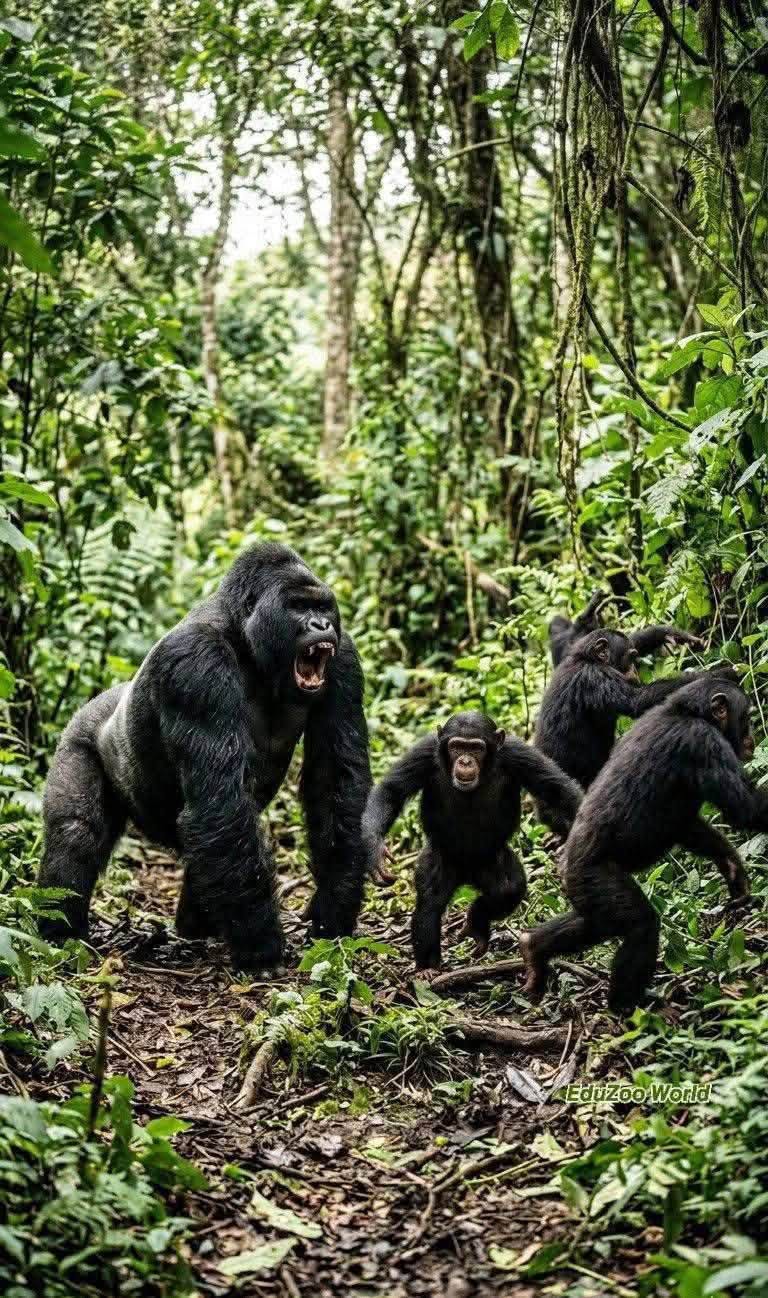
Yes, discounted chimpanzee permit rates are available during the low season. The Uganda Wildlife Authority (UWA) officially introduced discounted primate permits to stimulate travel during traditionally quieter months. These special low-season promotional rates apply exclusively during the months of April, May, and November. During this promotional window, the permit fee for a foreign non-resident is reduced to USD 200 per person, down from the standard peak-season rate. For foreign residents with valid working permits, the cost drops to USD 150 per person. Travelers choosing to track chimpanzees in places like Kibale National Park during these wet-season months can enjoy significant cost savings, more intimate trekking experiences, and less crowded trails, though they must pay in full at the time of booking as these promotional permits cannot be rescheduled.
2-days-best-chimpanzee-tracking-in-kibale-forest-park-tour-package
3-days-trips-to-queen-elizabeth-national-park-for-chimpanzee-tracking-in-kyambura-gorge
3-days-chimpanzee-tracking-to-kibale-forest-national-park
4-days-queen-elizabeth-national-park-and-kyambura-gorge-chimpanzee-tracking
4-days-kibale-forest-chimpanzee-tracking-and-queen-elizabeth-national-park
4-days-chimpanzee-tracking-in-lake-mburo-national-park-and-lake-mburo-safari
4-days-kibale-forest-chimpanzee-tracking-and-queen-elizabeth-national-park
4-days-murchison-falls-and-chimpanzee-tracking-in-budongo-forest
5-days-uganda-big-five-safari-and-chimpanzee-tracking-in-kibale-forest-park
6-days-jinja-white-water-rafting-gorilla-trekking-and-chimpanzee-tracking-adventure
6-days-budget-uganda-safari-and-gorilla-trekking
7-days-perfect-uganda-primate-safari-itinerary
8-days-exclusive-gorilla-trekking-chimpanzee-and-big-five
9-days-luxury-gorilla-and-uganda-safari-tour-package
Which specific months qualify for UWA's low-season discounted chimpanzee permits?
The Uganda Wildlife Authority (UWA) designates April, May, and November as official promotional low-season months. These months align with Uganda's traditional rainy seasons, when tourism traffic drops significantly compared to dry months. By offering reduced permit rates during these specific windows, UWA encourages steady, year-round eco-tourism while making primate tracking more affordable for budget-conscious travelers.
How much can Foreign Non-Residents save on a chimpanzee permit in the low season?
Foreign Non-Residents (FNR) enjoy a substantial discount. During standard peak seasons, standard chimpanzee permits in Kibale National Park cost up to USD 300. During April, May, and November, the low-season rate drops to USD 200 per permit. This USD 100 savings per person frees up room in your safari budget for extra activities, upgraded lodging, or extended travel.
What is the discounted low-season permit rate for Foreign Residents living in East Africa?
Foreign Residents holding valid working permits or residency visas in East African Community (EAC) member states also receive promotional savings. In the low season, their permit price drops from the standard FR rate down to USD 150 per person. To access this discounted rate, travelers must present a valid passport alongside their residency permit at booking and registration.
Why are low-season discounted permits strictly non-reschedulable?
UWA enforces a strict non-rescheduling policy on discounted low-season permits to prevent speculative bookings and maintain system stability. Because these permits are offered at promotional prices, full payment is required immediately upon booking, and travel dates are fixed. Once issued, low-season permits cannot be moved to another date or transferred to peak-season months.
Does the low-season permit discount apply to Chimpanzee Habituation Experiences (CHEX)?
No, low-season promotional discounts apply specifically to standard chimpanzee tracking permits. Specialized experiences like the Chimpanzee Habituation Experience (CHEX)—where guests spend up to four hours or a full day with researchers and semi-habituated groups—retain their fixed, standard tariff rates throughout the year due to small visitor limits.
Are low-season discounts available in Kyambura Gorge as well as Kibale National Park?
While Kibale National Park is the flagship destination for UWA's low-season promotional campaign, UWA periodically extends seasonal rate adjustments across other managed reserves, including Kyambura Gorge in Queen Elizabeth National Park. However, base permit rates in Kyambura are already naturally lower than Kibale, making it a budget-friendly option year-round.
What is the weather like during April, May, and November in Kibale National Park?
April, May, and November fall within Uganda's two wet seasons. Travelers should expect higher rainfall, humid air, and overcast skies. However, tropical rains in Kibale often arrive in heavy, short afternoon bursts rather than day-long downpours, leaving plenty of dry hours during early morning tracking sessions.
How does tracking chimpanzees in rainy months differ from dry season tracking?
During wet months, rainforest vegetation grows lush and dense, and trails can become slippery and muddy. On the upside, fruit abundance keeps chimpanzee groups from migrating deep into remote forest zones, often leading to shorter trekking distances before locating a troop compared to dry-season months.
What specialized hiking gear should I pack for low-season chimpanzee tracking?
Proper gear is key to an enjoyable low-season trek. Essential items include waterproof hiking boots with deep tread, lightweight breathable rain jackets, long trousers, thick socks, durable gardening gloves for gripping damp vines, and a waterproof cover for camera backpacks.
Are safari lodges cheaper during April, May, and November?
Yes! One of the biggest perks of low-season travel is that safari lodges, eco-camps, and boutique hotels surrounding Kibale National Park offer discounted room rates, special offers, or free room upgrades during April, May, and November, pairing well with UWA's discounted permits.
Is low-season chimpanzee tracking less crowded than peak season?
Absoluely. Low-season months experience far fewer overall visitors. This quieter period translates into less vehicle traffic on national park roads, peaceful ranger briefings, and a more intimate, tranquil forest atmosphere during your encounter with wild primates.
Can I combine discounted chimpanzee permits with low-season gorilla permits?
Yes! UWA runs matching low-season promotional rates for mountain gorilla trekking in Bwindi Impenetrable and Mgahinga Gorilla National Parks during April, May, and November (reducing gorilla permits from USD 800 down to USD 600 for FNR). This makes it an ideal time for a combined gorilla and chimp safari.
Does the low-season permit discount alter the time spent with the chimpanzees?
Not at all. The trekking experience, safety protocols, ranger guidance, and time spent observing the habituated chimpanzee group remain identical year-round. Once the chimpanzees are located, visitors receive the full standard 1-hour viewing window regardless of permit cost.
What happens if heavy rain delays my morning tracking session?
UWA park rangers adjust departure times flexibly during sudden morning downpours. If heavy rain strikes right at the scheduled briefing time, rangers typically delay the trek briefly until the heavy downpour lightens, prioritizing visitor safety and animal visibility.
How far in advance should low-season permits be booked?
Even though low-season months see fewer overall travelers, permits are non-reschedulable and require immediate full payment upon confirmation. It is best to secure your permits 2 to 4 months in advance to ensure preferred dates and match your lodging arrangements.
How does low-season tourism benefit local communities around Kibale?
Low-season travel provides consistent year-round employment for local guides, porters, lodge staff, and community projects. Standard revenue-sharing mechanisms (where UWA reinvests 20% of park entrance fees into local communities) continue operating seamlessly during low months.
Are porters readily available at trailheads during the low season?
Yes, local porters are available at visitor centers during rainy months. Hiring a porter for a modest fee ($15–$20) is highly recommended in wet weather to assist with gear and offer stability on muddy or slick trail sections.
What is UWA’s policy if illness prevents tracking on a low-season permit?
Because primates are susceptible to human illnesses, visitors showing symptoms of communicable diseases (flu, colds) may be barred from tracking for conservation reasons. While low-season permits are generally non-reschedulable, UWA evaluates medical cases individually under strict park conservation guidelines.
Is low-season chimpanzee tracking suitable for older or less-experienced hikers?
Yes, provided travelers come prepared with proper footwear and walking poles. While trails can be slippery, rangers tailor walking paces to match group abilities, and shorter trekking distances in fruit-abundant wet months can work in favor of slower hikers.
Why is booking low-season chimpanzee tracking with us Roads of Adventure safaris?
Booking low-season chimpanzee tracking with Roads of Adventure Safaris gives you quieter forest trails, a more intimate wildlife encounter with fewer crowds, and personalized, flexible planning from a local East African operator. During the rainy or shoulder low seasons (such as March–May or October–November), chimpanzees are often easier to track closer to lower forest levels, while our experienced guides use custom 4WD vehicles and tailor-made mid-range itineraries to ensure a smooth, safe, and deeply rewarding primate journey through parks like Kibale or Budongo.
