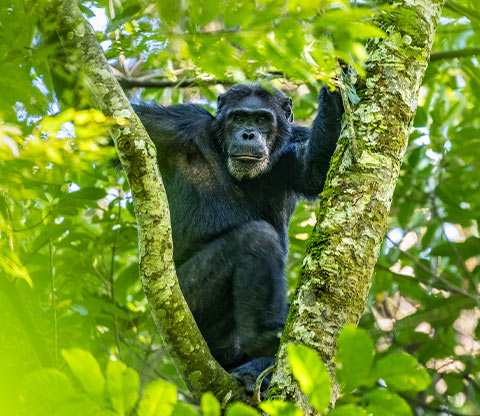
Three-day, two-night itineraries for chimpanzee tracking in Kibale Forest National Park typically involve a 5–6-hour drive from Kampala/Entebbe, focused around the morning/afternoon treks. Popular options include combining tracking with the Bigodi Wetland Sanctuary, crater lake visits, or tea estate tours. These trips are best suited for visitors looking to spend one hour with habituated chimpanzees.
3-days-chimpanzee-tracking-to-kibale-forest-national-park
3-days-chimpanzee-habituation-in-kibale-forest-park
3-days-chimpanzee-tracking-in-kibale-forest-park-from-kigali
3-Day Classic Tracker: Chimps & Swamp
The 3-Day Classic Tracker is a masterfully curated itinerary designed for those who wish to experience the raw beauty of Uganda’s primate corridor without the rush. This safari centers on Kibale National Park, an ancient tropical rainforest that serves as a vital sanctuary for over 1,500 chimpanzees and twelve other primate species. The journey is a sensory transition from the bustling urban energy of Kampala to the rhythmic symphony of the Albertine Rift. You will engage in two distinct ecological adventures: a deep-forest trek to locate our closest biological relatives and a scenic boardwalk excursion through the Bigodi Wetland Sanctuary. Beyond the wildlife, this tour offers a window into the lush agricultural landscapes of the "Mountains of the Moon" region, where emerald tea estates meet volcanic crater lakes. It is a perfect blend of high-adrenaline wildlife encounters, serene nature walks, and authentic cultural engagement, providing a comprehensive snapshot of Uganda's natural heritage.
Day 1: Journey to the Forest and Bigodi Discovery
Your expedition begins with an early departure from Kampala or Entebbe, driving westward through a landscape of rolling hills and verdant plantations. You will arrive at your lodge near Kibale Forest in time for a fresh, locally sourced lunch. In the afternoon, you head to the Bigodi Wetland Sanctuary for a 2-hour guided nature walk. This community-managed swamp is a biodiversity hotspot; as you navigate the wooden boardwalks, you are likely to spot five to seven primate species, including the spectacular Great Blue Turaco and the rare Situtunga antelope. The walk also offers a glimpse into local life as the trail skirts the edges of village gardens. This immersive introduction to the ecosystem sets the stage for the forest adventure ahead. You will return to your lodge for dinner, falling asleep to the echoes of the rainforest's nocturnal wildlife.
Day 2: The Chimpanzee Encounter and Village Life
The day begins with anticipation at the Kanyanchu Visitor Center for a 7:30 AM briefing. Accompanied by expert Uganda Wildlife Authority rangers, you will enter the dense canopy of Kibale Forest. The trek, lasting between 3 to 4 hours, is a thrilling pursuit of a habituated chimpanzee troop. Once found, you have one hour to observe their fascinating social structures, from playful juveniles to dominant alpha males. The experience is intimate and profound, offering unparalleled photography opportunities. Following a well-earned lunch back at the lodge, the afternoon is yours to choose: embark on a village walk to learn about traditional coffee brewing and local medicine or simply relax on your private veranda with a view of the forest. The evening concludes with a celebratory dinner, reflecting on the day’s primate sightings under the vast African stars.
Day 3: Morning Serenity and Return to the Capital
On your final morning, you can enjoy a leisurely breakfast as the forest mist slowly lifts to reveal the Rwenzori foothills. After checking out, you begin the return journey toward central Uganda. The drive offers a final chance to appreciate the "Garden of Eden" geography of the Fort Portal region, with its manicured tea estates and distant mountain peaks. You will stop at a selected restaurant en route for a traditional Ugandan lunch, providing a moment to share highlights of the trip with your guide. The route takes you back through the bustling trading centers of Mubende and Mityana, arriving in Kampala or Entebbe by late afternoon. This concludes your 3-day primate odyssey, leaving you with a deep appreciation for the delicate balance of Uganda’s ecosystems and the unforgettable memories of the Great Apes.
3-Day Cultural & Adventure Focus: Caves & Craters
This 3-day itinerary is designed for the traveler who seeks to blend the thrill of primate tracking with the deep geological and legendary history of Western Uganda. While Kibale’s chimpanzees are the star attraction, this journey places a heavy emphasis on the "Mountains of the Moon" landscape—a region defined by ancient volcanic activity and the folklore of the Bachwezi dynasty. You will transition from the subterranean mysteries of the Amabere Caves to the high-altitude vistas of the Kasenda Crater Field, all while traversing the lush, manicured greenery of Uganda’s tea-growing heartland. This is an adventure of contrasts: the shadowy depths of the caves, the vibrant life of the Bigodi wetlands, and the exhilarating open-air cycling through emerald estates. It is the perfect choice for those who want to understand the spirit of the land as much as its wildlife, offering a holistic view of the culture, history, and natural wonders of the Fort Portal highlands.
Day 1: Legends of the Amabere Caves and Crater Hikes
Your adventure begins with a drive toward Fort Portal, a town steeped in royal history. Upon arrival, you will visit the Amabere Ga Nyina Mwiru Caves, a site where geography meets myth. These limestone sea caves, adorned with stalactites and stalagmites, are local legends said to represent the "breasts of Nyina Mwiru." After exploring the cooling waterfalls within the caves, you will embark on a hike through the Fort Portal Crater Lake field. Ascending to the "Top of the World" viewpoint, you’ll be rewarded with a breathtaking 360-degree panorama of several turquoise crater lakes and the jagged peaks of the Rwenzori Mountains in the distance. The day concludes with a scenic drive to your lodge on the edge of Kibale Forest, where you will enjoy a traditional dinner and prepare for the primate encounters of the following day.
Day 2: Primate Tracking and the Bigodi Wetland
The morning is dedicated to the "Primate Capital of the World." After a 7:30 AM briefing at the Kanyanchu center, you will enter the ancient forest canopy in search of habituated chimpanzees. The trek is an immersive forest experience; you will follow the sounds of pant-hoots and rustling branches until you find the troop. Spending an hour with these expressive Great Apes offers a rare glimpse into our own evolutionary past. In the afternoon, the focus shifts to the Bigodi Wetland Sanctuary. This community-led walk is a masterclass in biodiversity, where you can spot up to eight different primate species and a dazzling array of birds, including the Great Blue Turaco. The walk often winds through local communities, allowing you to see how the forest and the people live in a delicate, beautiful balance, before returning to your lodge for a restful evening.
Day 3: Tea Estate Cycling and the Sacred Nakayima Tree
Your final day adds an active, local flavor to the journey. You have the option to embark on a cycling tour through the Mpanga Tea Estates. Pedaling along the narrow trails through the undulating rows of bright green tea provides a unique perspective on the region’s primary industry and allows for spontaneous interactions with the local tea pickers. Following this, you begin the drive back toward Kampala, making a significant stop at the Nakayima Tree in Mubende. This ancient, buttress-rooted tree is a site of deep spiritual importance for the Baganda people, believed to be the home of a powerful mediating spirit. It serves as a profound cultural bookend to your trip. After a final lunch en route and some souvenir shopping at roadside markets, you will arrive back in Kampala by late afternoon, concluding a journey of adventure, legend, and nature.
3-Day Ultimate Primate Experience: The Habituation Journey
The 3-Day Ultimate Primate Experience is the definitive itinerary for dedicated wildlife enthusiasts who want more than a standard glimpse of our closest relatives. This safari centers on the rare Chimpanzee Habituation Experience (CHEX), a full-day immersive process that allows you to join researchers and rangers as they follow a semi-habituated chimpanzee community. Unlike the standard one-hour trek, this is a deep dive into the primates' daily lives, from the moment they descend from their overnight nests at dawn until they build new ones at dusk. Set within the lush, ancient canopy of Kibale National Park, this journey offers an unparalleled education in primate sociology, foraging patterns, and vocal communication. Complemented by a visit to the vibrant Bigodi wetlands, this itinerary provides the most comprehensive and intimate primate encounter available in East Africa, perfect for photographers and serious nature lovers seeking a profound, unhurried connection with the wild.
Day 1: Arrival and Forest Edge Immersion
Your journey begins with a scenic drive from Kampala or Entebbe toward the "Primate Capital of the World." You will arrive at your forest lodge in the afternoon, where the cool, humid air of the rainforest provides an immediate sense of tranquility. After settling into your cottage, you will head out for an evening nature walk along the forest edge. This is a gentle introduction to the Kibale ecosystem; as the sun begins to set, the transition between diurnal and nocturnal life creates a unique atmosphere. You are likely to spot Black-and-white Colobus monkeys returning to their sleeping trees and a variety of forest birds, such as the Black-billed Turaco. The evening concludes with an early dinner and a briefing for the following day’s marathon adventure, as the sounds of the jungle—the chirping of cicadas and the distant calls of tree hyraxes—fill the air.
Day 2: The Full-Day Habituation Experience
Today is an extraordinary, dawn-to-dusk adventure that begins at 6:00 AM. You will join a specialized team of researchers and rangers at the Kanyanchu Visitor Center to locate a chimpanzee community currently undergoing habituation. This is a physically demanding but immensely rewarding day; you will spend several hours following the troop through the dense undergrowth. You will witness behaviors rarely seen by standard tourists: the complex strategic planning of a hunt, the intricate grooming rituals that reinforce social bonds, and the diverse vocalizations used to defend territory. You will take a break in the forest for a packed lunch, remaining in the presence of the chimps as they rest. By the time they begin building their nests for the night around 6:00 PM, you will have gained a lifetime of insight into their world. You return to the lodge for a well-deserved, hearty dinner and a restful night's sleep.
Day 3: Bigodi Wetland Walk and Return Journey
On your final morning, you transition from the dense forest canopy to the vibrant, open ecosystem of the Bigodi Wetland Sanctuary. This community-led 3-hour walk is a masterclass in biodiversity, offering a chance to spot up to eight species of primates that thrive in the swampy vegetation, including the Grey-cheeked Mangabey and the Red-tailed monkey. The wetlands are also a birdwatcher’s paradise, famously home to the Great Blue Turaco. The walk often includes a visit to the local community, where you can see the positive impact of your visit on local schools and conservation initiatives. Following a farewell lunch at the lodge, you begin the return journey to Kampala or Entebbe. The drive offers a final opportunity to admire the rolling tea estates and crater landscapes of Fort Portal, arriving back in the city by late afternoon with a profound new perspective on our primate cousins.
3-Day Direct/Shortest Route: Optimized for Time
The 3-Day Direct Route is the most efficient itinerary for travelers with a limited schedule who refuse to compromise on the quality of their wildlife experience. This "express" safari is meticulously designed to minimize transit fatigue while maximizing your time in the presence of Uganda’s famous chimpanzees. By utilizing the most direct road corridors from the capital, you bypass the longer scenic detours in favor of a swift arrival at the forest's edge. This allows for a perfectly balanced pace: a focused morning of high-adrenaline tracking in Kibale National Park followed by a serene afternoon amidst the stunning volcanic geography of the crater lakes. It is the ideal choice for business travelers, weekend explorers, or those on a multi-country African circuit who need a seamless, high-impact "primate fix." From the urban energy of Kampala to the ancient, misty canopy of the Albertine Rift, this route delivers the quintessential Ugandan adventure with maximum logistical precision.
Day 1: Express Transfer to the Primate Capital
Your journey begins with a prompt 7:00 AM pick-up in Kampala to beat the early city traffic. You will travel westward via the Mubende highway, a smooth transit that offers glimpses of central Uganda’s bustling trading centers and sprawling tea estates. By midday, you will arrive in the picturesque town of Fort Portal for a fresh, continental lunch at a selected local restaurant. Following lunch, a short 45-minute drive brings you to your lodge on the doorstep of Kibale National Park. The afternoon is intentionally left open for relaxation at the lodge. This allows you to settle into your forest environment, perhaps spotting your first L’Hoest’s monkeys or sunbirds from your private veranda, while avoiding the exhaustion of a crowded schedule. You will enjoy a quiet dinner and an early night, ensuring you are fully energized for the physical demands of the tracking adventure ahead.
Day 2: Chimpanzee Tracking and Crater Vistas
Today is dedicated to the primary objective: the chimpanzees. After an early breakfast, you head to the Kanyanchu Visitor Center for the 7:30 AM briefing. Accompanied by expert rangers, you will venture into the ancient forest to locate a habituated chimpanzee troop. You have one hour to observe their incredibly human-like behaviors—from communal grooming to the acrobatic displays of juveniles—within the dappled light of the canopy. After returning to the lodge for lunch and a brief rest, the afternoon features a visit to the nearby Crater Lakes region. A short drive takes you to spectacular viewpoints where you can gaze down into deep, turquoise-blue explosion craters surrounded by verdant hills. This dramatic landscape provides a stunning contrast to the dense forest of the morning and offers some of the best photography opportunities in the region before returning to the lodge for a celebratory final dinner.
Day 3: Morning Serenity and Return to the Capital
On your final morning, you can enjoy a leisurely breakfast as the forest wakes up around you. There is no rush, allowing you to soak in the final sights and sounds of the jungle. Mid-morning, you will begin the direct drive back toward Kampala or Entebbe. The return journey provides a final chance to appreciate the "Garden of Eden" geography of the Fort Portal region and perhaps pick up some locally grown tea or handmade crafts at the roadside markets in Mubende. You will stop for a traditional lunch en route, arriving back in the capital by late afternoon. This optimized schedule ensures you return with your primate permit fulfilled and your memory card full, yet with enough time to prepare for an evening flight or a relaxed return to your city residence, concluding a perfectly executed three-day Ugandan highlight.
3-Day Leisure & Nature Hike: A Gentle Forest Retreat
The 3-Day Leisure & Nature Hike is designed for the traveler who views a safari as a time for rejuvenation and quiet reflection. While the exhilarating chimpanzee tracking remains the central highlight, the pace of this itinerary is intentionally slowed down to allow for a deeper, more sensory connection with the landscapes of Western Uganda. This journey prioritizes "slow travel," moving through the vibrant emerald tea estates and undulating farmlands of the Fort Portal highlands without the pressure of a crowded schedule. You will swap long transit hours for meaningful strolls around ancient crater rims and peaceful afternoons on private verandas. It is a perfect choice for those who want to experience the majesty of the Great Apes while also enjoying the simple pleasures of a sunrise over the forest canopy or a quiet birding session. This safari isn't just about ticking off a bucket list; it’s about inhabiting the landscape and returning home truly refreshed.
Day 1: Scenic Landscapes and the Lake Nkuruba Stroll
Your journey begins with a relaxed departure from Kampala, heading west through the lush heartland of Uganda. The drive itself is part of the experience, offering a visual tapestry of terraced farmlands and the perfectly manicured, bright green rows of tea estates that define the foothills of the Rwenzoris. You will reach your lodge in time for a long, leisurely lunch. In the late afternoon, you will head to Lake Nkuruba, one of the most scenic and accessible crater lakes in the region. A gentle nature walk around the lake’s forested rim offers frequent sightings of Black-and-white Colobus, Red-tailed, and Vervet monkeys. The atmosphere here is serene and secluded, providing a wonderful opportunity to stretch your legs and breathe in the crisp highland air. You return to your lodge for a quiet dinner, falling asleep to the peaceful sounds of the forest as the stars emerge over the crater field.
Day 2: Primate Encounters and Afternoon Tranquility
The morning is dedicated to the world-renowned chimpanzee tracking experience in Kibale National Park. After a 7:30 AM briefing at Kanyanchu, you will follow expert guides into the ancient tropical canopy. Once you locate a habituated troop, you have one full hour to observe their social interactions, grooming rituals, and playful antics. Because the rest of your day is unhurried, you can fully immerse yourself in this profound connection with our closest relatives. Following a mid-day return to the lodge and a fresh lunch, the afternoon is entirely free for relaxation. Whether you choose to nap in a hammock, read a book on your private deck, or take a pair of binoculars for some low-impact birding around the lodge grounds, the focus is on personal peace. This "off-time" allows the magnitude of the morning’s encounter to truly sink in, concluding with a celebratory final dinner under the forest moon.
Day 3: Late Breakfast and a Relaxed Return
On your final morning, there is no early wake-up call. You can enjoy a late breakfast on the veranda, watching the morning mist slowly evaporate from the forest canopy while sipping on locally grown Ugandan coffee. This is a time for final photographs and a last stroll through the lodge gardens to spot sunbirds or turacos. Mid-morning, you will begin a relaxed drive back toward Kampala or Entebbe. The return journey is unhurried, allowing for spontaneous stops at roadside fruit markets or craft stalls to pick up souvenirs like handmade baskets or local honey. You will stop for a comfortable lunch en route, arriving back in the capital by late afternoon. This gentle conclusion to your 3-day retreat ensures you return to your daily life feeling energized rather than exhausted, with the tranquil spirit of the Kibale forest still lingering in your mind.
1. What is the best time for chimpanzee tracking in Kibale?
While tracking is a year-round activity, the dry seasons—specifically June to September and December to February—are widely considered the best. During these months, the forest floor is less muddy, making the trails easier to navigate. Additionally, chimpanzees tend to spend more time on the lower branches or the ground to feed, providing clearer sightings. The wet seasons (March–May and October–November) offer lush, green scenery and excellent birdwatching, but be prepared for slippery paths and sudden downpours.
2. How much does a permit for chimpanzee tracking in Kibale cost?
As of 2026, the Uganda Wildlife Authority has updated its pricing. Foreign non-residents pay $250 per person for a standard tracking permit. Foreign residents (those with a valid work permit or residency) pay $200, while East African Community (EAC) citizens pay 200,000 UGX. These fees include park entrance and guide services but exclude transportation and accommodation. It is highly recommended to book these permits several months in advance through a registered tour operator.
3. What is the minimum age for chimpanzee tracking in Kibale?
The official minimum age for chimpanzee tracking in Kibale is 12 years old. While gorilla trekking in Bwindi maintains a strict limit of 15 years, the age limit for chimps is slightly lower to accommodate younger families. Children must be able to follow the guide’s instructions, remain quiet, and maintain a safe distance from the primates. If a child is younger than 12 but appears physically fit and mature, parents can sometimes appeal to the park authorities, though approval is not guaranteed.
4. How long does chimpanzee tracking in Kibale take?
The entire experience typically lasts between 2 to 5 hours. This includes a pre-tracking briefing at the Kanyanchu Visitor Centre, the hike into the forest to locate the chimps, and the one hour of permitted contact time once you find them. The duration of the "search" phase depends entirely on where the chimpanzees spent the previous night and how fast they are moving. Because Kibale has a high density of primates, the success rate for finding them is over 95%.
5. How many people are allowed per group for chimpanzee tracking in Kibale?
To protect the well-being of the chimpanzees and ensure an intimate experience for visitors, groups are strictly limited to 6 to 8 people per party. This small group size minimizes noise and physical disturbance to the primates' natural habitat. Each group is accompanied by an armed ranger and a knowledgeable guide who shares insights into chimp behavior and the surrounding ecosystem.
6. Can I do a chimpanzee habituation experience instead of tracking?
Yes, for those who want a deeper dive, the Chimpanzee Habituation Experience (CHEX) is available. Unlike standard tracking, which gives you one hour with a fully habituated group, habituation allows you to spend 4 to 6 hours with a group currently undergoing the process of getting used to humans. You’ll watch them de-nesting in the early morning, foraging, and socializing. A 3-day itinerary can easily be customized to replace the standard trek with this full-day immersive experience.
7. What should I wear for chimpanzee tracking in Kibale?
The jungle environment is beautiful but can be unforgiving. You should wear long-sleeved shirts and long trousers to protect against stinging nettles, thorny vines, and insects. Sturdy hiking boots with good grip are essential for the uneven, often muddy terrain. It is also common practice to tuck your trousers into your socks to prevent safari ants from crawling up your legs. A waterproof rain jacket and a wide-brimmed hat are also highly recommended.
8. Is chimpanzee tracking in Kibale difficult?
The difficulty is generally rated as moderate. Unlike gorilla trekking, which often involves steep mountain climbs, Kibale’s terrain is relatively flat with rolling hills. However, the trek still involves walking through thick undergrowth and crossing small streams. If the chimpanzees are moving quickly through the canopy, you may need to keep a brisk pace. Guides are excellent at navigating the easiest possible paths to ensure everyone in the group can keep up.
9. What if I am sick during chimpanzee tracking in Kibale?
Chimpanzees share about 98.7% of our DNA, making them highly susceptible to human respiratory diseases. If you have a contagious illness—such as a cold, flu, or cough—you will not be allowed to track. This rule is strictly enforced to prevent outbreaks that could decimate the chimp population. If you feel unwell, it is your responsibility to inform the rangers. Most tour operators can help reschedule or seek a refund if medical documentation is provided.
10. Is it possible to combine gorilla trekking with chimpanzee tracking in Kibale?
Absolutely. This is one of the most popular safari combinations in Uganda. A standard 3-day chimp-focused trip can be extended to 5 or 6 days to include a drive south to Bwindi Impenetrable Forest for gorilla trekking. Along the way, many travelers stop in Queen Elizabeth National Park for a savannah game drive, effectively creating a "Primate and Wildlife" circuit that showcases the best of Uganda's biodiversity.
11. What other animals can I see during chimpanzee tracking in Kibale?
Kibale is home to 13 different primate species. While searching for chimps, you are likely to spot Red-tailed monkeys, Black-and-white colobus, Blue monkeys, and Grey-cheeked mangabeys. The forest also hosts forest elephants (smaller and hairier than their savannah cousins), giant forest hogs, and over 370 bird species, including the spectacular Great Blue Turaco. Keep an eye out for colorful butterflies and unique orchids as well.
12. Is Bigodi Swamp walk included in 3-day chimpanzee tracking in Kibale?
Most 3-day itineraries include a visit to the Bigodi Wetland Sanctuary, usually on the afternoon of Day 1 or the morning of Day 3. This is a community-run project located just outside the park. The swamp walk is a highlight for birders and those hoping to see the rare Sitatunga antelope. Because it is a community initiative, the proceeds from your visit directly support local schools and women’s groups in the Bigodi village.
13. Do I need a packed lunch for chimpanzee tracking in Kibale?
Yes, it is highly recommended. While some treks are short, others can last up to 4 or 5 hours, especially if the chimps are deep in the forest. Most lodges in the area provide a packed lunch box for guests. Carrying a light daypack with at least 2 liters of water and some high-energy snacks (like nuts or chocolate) is essential to stay hydrated and energized during the hike.
14. Is it better to do morning or afternoon chimpanzee tracking in Kibale?
The morning session (8:00 AM) is generally preferred. Chimpanzees are most active early in the day when they are feeding and vocalizing loudly (the famous "pant-hoot" calls), which makes them easier to locate. Afternoon sessions (2:00 PM) are often quieter; while you still have a very high chance of seeing them, the chimps may be resting or grooming on the ground, which offers a different, more relaxed viewing experience.
15. How far is Kibale from Kampala for chimpanzee tracking in Kibale?
The drive from Kampala to Kibale takes approximately 5 to 6 hours (about 300km) via the Mubende-Fort Portal Road. The route is scenic, passing through lush tea plantations and rural villages. Most travelers choose to stop in Fort Portal for lunch and a visit to the Amabere Caves or the nearby Crater Lakes before heading into the park. There is also an option to fly from Entebbe to the Kasese airstrip, which reduces travel time to about an hour.
Booking 3 Days Chimpanzee tracking in Kibale Forest Park with us Roads of Adventure safaris
Book a 3-day Chimpanzee tracking safari in Kibale National Park with Roads of Adventure Safaris to explore Uganda's primate capital. This 3-day tour typically includes guided tracking, Bigodi Wetland sanctuary tours, and Crater Lake visits, with customized, private logistics. The trip offers an immersive experience with over \(1,450\) chimpanzees and 12 other primate species
