20 Top interesting activities you can do in Masai mara national reserve, Planning an African safari is about more than just checking items off a bucket list; it’s about stepping into a rhythm of life that has remained unchanged for millennia. If you are heading to the Masai Mara National Reserve this year, you are in for the ultimate Kenya wildlife safari. The secret to maximizing your adventure here lies in balance. While watching a pride of lions on a classic Big Five game drive is unforgettable, the real magic happens when you step out of the vehicle. By pairing those iconic drives with unique, off-the-beaten-track experiences—like feeling the morning dew underfoot during a guided bush walk, watching the sun flood the plains from a hot-air balloon, or sharing stories over a fire during an authentic Maasai cultural immersion—you transform a standard vacation into a deeply moving journey.
Popular Masai mara safari tour packages
15-days-luxury-kenya-safari-holiday-and-zanzibar-beach-holiday-combined-itinerary
14-days-best-of-kenya-safari-holiday-2-weeks-africa-kenya-safari-vacation
11-days-best-kenya-wildlife-safaris-and-kenya-beach-holiday-combo
9-days-luxury-africa-big-five-kenya-safari-itinerary
8-day-africa-safari-tour-to-masai-mara-safari-tour-serengeti-ngorongoro
7-days-masai-mara-safari-tour-and-serengeti-safari-tour-in-kenya-and-tanzania
6-days-kenya-safari-and-gorilla-tracking-vacation-in-rwanda
5-days-kenya-safari-holiday-to-diani-beach-kenya-beach-holiday
3-days-fly-in-masai-mara-safari-tour-package
4-days-masai-mara-and-lake-nakuru-kenya-safari-tour-package
Top 20 Activities in Masai Mara National Reserve
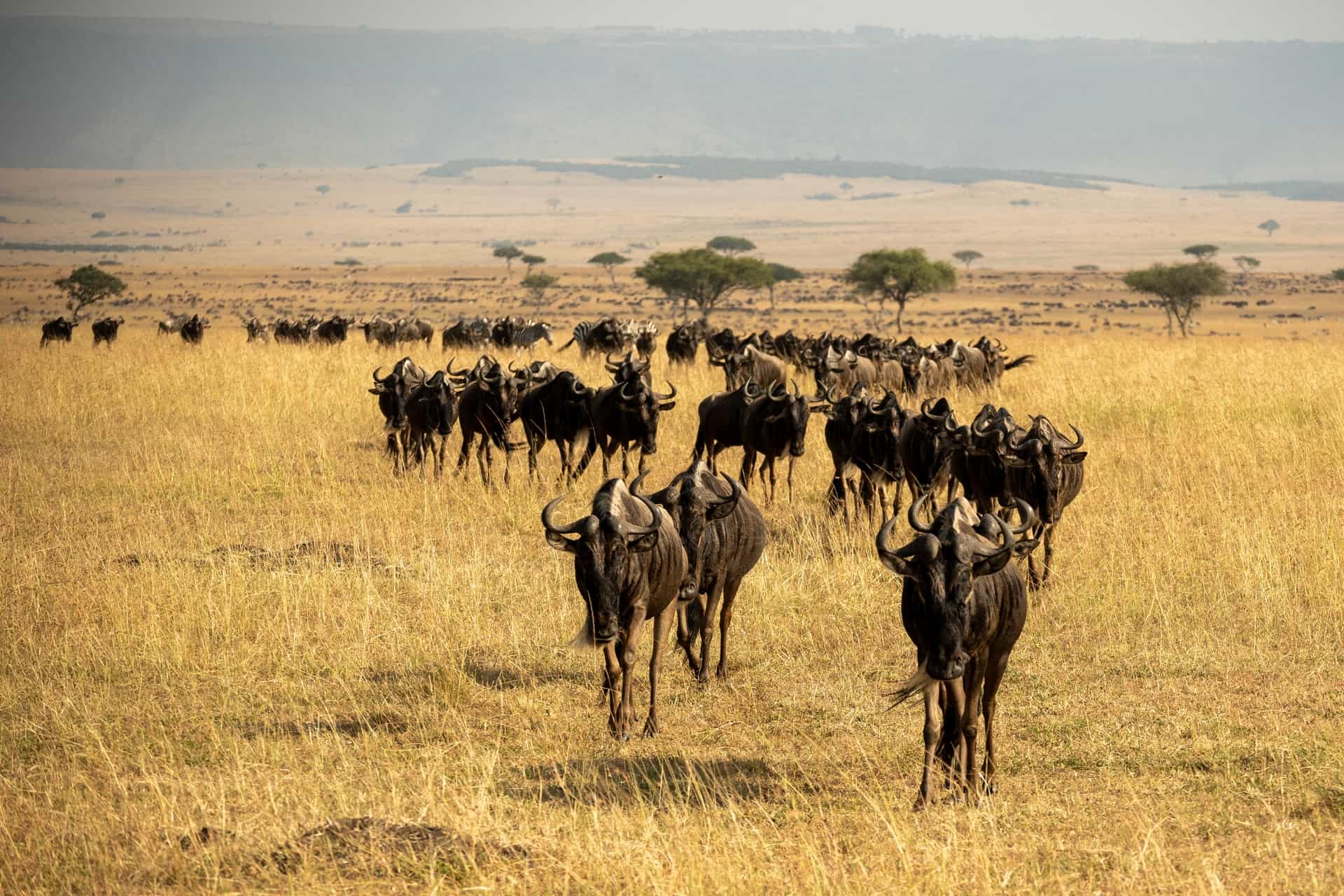
Witness the Great Wildebeest Migration
Migration tracking is a dynamic, high-stakes wilderness excursion that requires patience, flexible route planning, and an understanding of seasonal animal movements. This activity positions travelers along historic movement corridors to witness massive, sweeping herds of herbivores traversing vast grassland biomes. It focuses on the sheer scale of natural instinct, where thousands of animals move as a single, synchronized wave across open country.
Witnessing the Great Wildebeest Migration is the ultimate pinnacle of a Kenya wildlife safari within the iconic Masai Mara National Reserve. Typically peaking between July and October, this natural spectacle involves over two million wildebeest, zebras, and gazelles journeying from the Serengeti into the Mara in search of fresh, green pastures. Standing on the open plains, the sheer scale of the migration is visually overwhelming and deeply moving.
The air vibrates with the continuous, low rumbling grunts of thousands of moving wildebeest, while vast columns of dust rise high into the sky as the herds stretch across the horizon as far as the eye can see. This massive concentration of prey naturally draws in the ecosystem's apex predators. You will watch active prides of lions, sleek cheetahs, and hyenas tracking the edges of the columns, waiting for an opportunity to hunt. It is a raw, unscripted display of survival that defines the timeless rhythm of the African wilderness.
Mara River Crossings
River bank viewing during major wildlife movements is an intense, heart-pounding safari activity that requires waiting at strategic vantage points along treacherous waterways. This stationary excursion demands immense patience, as herds may gather for hours before deciding to cross. It places travelers front-row to some of the most dramatic, high-stakes survival battles found anywhere in the natural world.
The Mara River crossings represent the most dramatic and dangerous phase of the migration, offering a thrilling highlight for any adventurous Kenya wildlife safari. As the massive herds gather along the steep, dusty banks of the Mara River, tension builds in the air. The animals hesitate, pacing nervously back and forth as their natural instinct to move battles their primitive fear of the deep, rushing water below.
When the first brave wildebeest finally plunges into the current, a chaotic, unstoppable chain reaction is triggered. Thousands of animals leap blindly off the cliffs, splashing violently into the turbulent waters in a desperate race to reach the opposite shore. The river is home to some of Africa’s largest Nile crocodiles, which position themselves perfectly in the currents to strike at the swimming prey. Watching the herds navigate the steep rocks, fight the strong currents, and dodge massive predators creates a cinematic, heart-stopping spectacle that showcases nature at its most raw and unforgiving.
The "Big Five" Safari
The classic big game safari utilizes custom-designed 4x4 vehicles to track down Africa’s most iconic and formidable large mammals. Timed for the cool morning and late afternoon hours, this activity relies on the expert eyes of professional trackers to read subtle environmental clues, broken branches, and fresh footprints. It offers an educational journey into the behavior, conservation status, and habitats of legendary wildlife species.
The Masai Mara is globally celebrated as one of the premier destinations to successfully check off the complete "Big Five" during a single Kenya wildlife safari. The reserve’s diverse habitats—ranging from wide-open savannas to thick riverine forests—provide the ideal conditions to support healthy populations of lions, leopards, African elephants, Cape buffaloes, and the critically endangered black rhino.
A standard game drive across the golden plains brings you face-to-face with these magnificent giants. You might find a majestic pride of lions lounging on a granite kopje, watch a massive herd of elephants teaching their calves to forage near acacia trees, or come across a powerful Cape buffalo staring calmly through the brush. Tracking the elusive leopard requires scanning the branches of riverine trees, while finding the rare black rhino takes you into the dense, secluded thickets of the Mara triangle. Spotting these five legendary animals operating within a single, undisturbed ecosystem is a profoundly rewarding wildlife achievement.
Big Cat Tracking
Carnivore tracking is a focused, highly specialized safari pursuit that targets the movements, territorial behaviors, and hunting strategies of large apex predators. This activity involves spending extended periods observing family dynamics, stealthy stalking techniques, and resting patterns within a specific predator territory. It requires an understanding of wildlife communication, such as listening for the alarm calls of prey animals indicating a predator is near.
The Masai Mara is arguably the finest place on earth for big cat tracking, making it a dream destination for wildlife photographers on a Kenya wildlife safari. The reserve is home to exceptionally healthy, high-density populations of lions, cheetahs, and leopards, which thrive due to the endless abundance of plains game. Dedicated tracking drives allow you to spend quality time observing these majestic felines up close.
You can watch the famous Marsh Pride of lions playing with their cubs in the shade, or follow a coalition of cheetahs as they utilize the elevated vantage point of a termite mound to scan the plains for gazelles. Tracking the secretive leopard takes you along the forested banks of the Mara and Talek rivers, where you might spot one guarding its fresh catch high in the branches of a sausage tree. Guided by an expert scout who understands individual cat lineages and territories, this activity provides an intimate look at the intelligence and power of Africa’s ultimate hunters.
Bird Watching
An avian safari transitions the focus of a game drive toward the sky, treetops, and marshy wetlands to discover a colorful world of birdlife. This highly rewarding pursuit requires steady binoculars, a sharp ear for acoustics, and immense patience. It explores diverse ecological zones to locate heavy ground birds, specialized water species, and soaring birds of prey, catering to both hardcore listers and casual nature lovers.
Boasting an impressive checklist of over 500 recorded bird species, the Masai Mara transforms any Kenya wildlife safari into a world-class bird watching adventure. The reserve’s unique position attracts a spectacular mix of savanna residents, riverine specialists, and palearctic migratory birds that arrive from Europe and northern Africa between November and April.
Scanning the open grasslands, you will easily spot the unusual Secretary bird marching in pairs as it hunts for snakes, alongside the heavy Kori Bustard—the world’s largest flying bird. The acacia bushes are constantly dotted with the vibrant, multi-colored plumage of the lilac-breasted roller and various species of bright bee-eaters. Soaring high above the plains, massive martial eagles and various vulture species patrol the skies, keeping a watchful eye out for migration carcasses. From the large ostriches running across the plains to the delicate sunbirds darting through flowering shrubs, the Mara's skies and canopies are alive with a beautiful display of feathers and songs.
Hot Air Balloon Safaris
Floating gracefully through the sky in a hot air balloon offers a peaceful, visually overwhelming alternative to traditional ground tracking. Lifting off in the quiet hours before dawn, this activity uses gentle wind currents to drift silently above a landscape. It provides an uninterrupted, birds-eye perspective on an ecosystem, allowing you to appreciate the true scale of the wilderness and animal migrations from a position of serene altitude.
For a truly unforgettable, premium experience, a hot air balloon ride offers an unparalleled aerial perspective on your Kenya wildlife safari. The adventure begins in the chilly darkness before dawn as you watch the massive balloon inflate with bursts of fire. Climbing into the wicker basket just as the sun breaks over the eastern horizon, you lift off silently into the sky, drifting effortlessly above the sweeping Mara plains.
From this magnificent vantage point, the vast geography of the reserve unfolds below you like a living map. You can watch the golden morning light illuminate the winding channels of the Mara River, see herds of migrating wildebeest looking like tiny ants as they march in long lines across the savanna, and spot prides of lions waking up from their nightly hunts. The absolute silence of the flight is broken only by the occasional roar of the burner, keeping the wildlife completely undisturbed below. After landing smoothly back down on the plains, the luxury experience concludes with a celebratory glass of champagne and a delicious bush breakfast.
Night Game Drives
The entire mood and energy of the African bush undergoes a profound transformation the moment darkness blankets the plains. A night game drive is a thrilling sensory adventure that relies on hand-held spotlights to pierce the shadows, narrowing your focus down to a single beam of light cutting through the bush. It is an experience defined by heightened anticipation, cool night air, and the mysterious sounds of secretive creatures waking up.
While night driving is restricted inside the main reserve, exploring the bordering private conservancies after dark adds an incredibly exclusive and thrilling dimension to your Kenya wildlife safari. Accompanied by an armed ranger and an expert tracker equipped with a red-filtered spotlight, your vehicle sets out into the quiet savannas after dinner to search for the bright reflection of light off predatory eyes.
This nocturnal safari offers your absolute best opportunity to watch apex predators when they are at their most active and alert. You can watch lions waking up from their daytime naps to assemble for a coordinated night hunt, or spot a leopard stealthily tracking prey through the short grass. The spotlight will also reveal fascinating nocturnal creatures that are completely invisible during the day, such as small bush babies leaping through the acacia branches, white-tailed mongooses, genets, civets, and large hippopotamuses completely out of the water, grazing heavily under the cool night sky.
Private Conservancy Safaris
Private conservancy touring offers an exclusive, low-density alternative to public game reserves, operating on land leased directly from indigenous communities. This style of safari enforces strict limits on the number of vehicles allowed at wildlife sightings, completely eliminating tourist crowding. It allows for flexible guiding regulations, including off-road driving and walking safaris, providing an intimate, unhurried, and highly customized interaction with the wilderness.
Choosing to spend a portion of your Kenya wildlife safari within the private conservancies bordering the Masai Mara—such as Mara North, Olare Orok, or Naboisho—completely upgrades your wilderness experience. These pristine conservancies operate on a beautiful model of sustainable tourism, where safari lodges partner directly with local Maasai landowners. Because vehicle numbers are strictly capped, you can enjoy magnificent wildlife sightings in complete, unhurried solitude.
If a guide spots a leopard resting in a thicket, your vehicle is permitted to carefully drive off-road to get the perfect angle for a photograph, without any other trucks crowding the space. The conservancies also serve as crucial buffer zones for the main reserve, protecting high concentrations of resident big cats and elephants. Staying in these exclusive zones allows you to blend classic game viewing with unique activities like night drives and foot safaris, offering an authentic, intimate connection to the Mara ecosystem away from the main tourist traffic.
Guided Walking Safaris
Stepping out of a safari truck and walking directly through the wilderness is a grounding experience that connects you to the earth. Nature walks slow down the travel pace completely, trading the speed and mechanical rattle of a vehicle for a quiet, sensory stroll through the bush. It focuses heavily on the smaller, intricate details of the ecosystem—allowing you to examine footprints, insects, and medicinal plants that are easily missed while driving.
Participating in a guided walking safari allows you to experience the vast Mara ecosystem from a thrilling, foot-based perspective that adds a unique layer to your Kenya wildlife safari. Conducted primarily within the private conservancies bordering the main reserve, these walking tours are strictly led by an armed park ranger and an expert Maasai guide who has spent his entire life navigating this landscape on foot.
Walking without the protective metal frame of a vehicle changes your relationship with the wild completely. Your guide will teach you how to read the savanna like an open book—identifying fresh animal footprints pressed into the dirt, analyzing droppings to determine when a predator passed through, and tracking wildlife movements. You will pause to examine the architectural wonder of giant termite mounds, listen to the warning calls of birds, and learn about the traditional medicinal properties of various acacia trees and shrubs. Feeling the wild earth beneath your boots and listening to the rustle of the high grass connects you deeply to the ancient roots of foot-based African exploration.
Horseback Safaris
An equestrian safari introduces a unique, highly natural way to track wildlife, replacing the roar of a combustion engine with the rhythmic sound of horse hooves. This active pursuit requires a good level of riding experience, as you ride directly alongside wild herds over open terrain. It offers an exceptionally silent approach to wildlife viewing, as plains game perceive the horse and rider as a single, non-threatening animal.
For experienced riders looking for an elite adventure, a horseback safari offers an incredibly exhilarating and unique way to explore the plains during a Kenya wildlife safari. Operating within the private conservancies and ranch lands bordering the Masai Mara, this specialized tour allows you to saddle up and ride directly into the heart of the wild country, completely free from the tracks and restrictions of a traditional safari vehicle.
Because wild herbivores view a horse and rider as a single, natural quadruped rather than a mechanical threat, their flight distance drops significantly. You can experience the magical sensation of cantering smoothly alongside large towers of giraffes, moving within a herd of zebras, and riding among hundreds of migrating wildebeest. The horses are highly trained, responsive, and fully accustomed to the sights and scents of the African bush. Riding across the vast, open savannas with the wind in your face, watching the wildlife graze calmly just yards away from your stirrup, delivers a pure, unhindered connection to the landscape.
Maasai Manyatta Visit
Participating in a community cultural visit offers a profound, deeply humanizing window into the ancient daily rhythms, architectural traditions, and social structures of an indigenous community. This activity allows travelers to step directly inside rural homesteads, moving beyond superficial tourist interactions to engage in meaningful dialogue with local hosts, learn traditional customs, and directly support sustainable community development through responsible tourism.
A trip to this famous region is incomplete without exploring the rich cultural heritage of the Maasai people, and a visit to a traditional manyatta adds invaluable depth to a Kenya wildlife safari. The Maasai are a fiercely proud, semi-nomadic pastoralist group whose lives, history, and customs have evolved in complete harmony with the surrounding wildlife for centuries.
Stepping inside a circular, thorn-fenced village, you will be welcomed with genuine smiles and traditional songs by the community elders. The village warriors, known as Morans, will perform the iconic Adumu jumping dance, leaping remarkably high into the air to rhythmic chanting to display their strength. You can step inside a traditional mud-and-thatch hut to learn how the women construct their homes, observe how fire is made using friction sticks, and discover their intricate social structures and pastoralist traditions. Supporting these community-led visits provides vital economic benefits to the local hosts and highlights the delicate balance of coexistence between the local population and the surrounding wilderness.
Maasai Market Shopping
Engaging in craft shopping directly within local community markets transforms a simple souvenir hunt into a powerful tool for sustainable tourism and economic empowerment. This activity allows you to bypass generic gift shops and buy handmade, culturally authentic pieces directly from the artisans who created them, ensuring that your travel spend goes directly into the pockets of local families to support their households.
For travelers looking to bring home a tangible piece of their journey while making a positive local impact, shopping at a Maasai market is a wonderful addition to a Kenya wildlife safari. Within the cultural villages and markets near the reserve gates, local Maasai women set up vibrant, colorful displays to showcase their exceptional, handmade beadwork and artistry.
As you browse the market, you will find an array of stunning pieces, including intricate beaded necklaces, bracelets, and headpieces, where each color holds a specific cultural meaning. You can also purchase the iconic Shuka—the durable, bright red and blue checkered cloth worn traditionally by the Maasai—alongside hand-carved wooden walking sticks, traditional leather sandals, and beautiful soapstone sculptures depicting the park's wildlife. Buying these beautiful items directly from the artisans allows you to engage in friendly, smiling conversations about the creative techniques passed down through generations. Every purchase you make provides vital, independent income that directly supports local households, healthcare, and children's education, turning a beautiful souvenir into a meaningful investment in the community's future.
Photography Masterclasses
Photographic safaris are highly specialized excursions tailored specifically around the unique needs of wildlife photographers, prioritizing optimal lighting conditions, angles, and extended wait times. These tours utilize custom-modified 4x4 vehicles equipped with fold-down sides, camera beanbags, and rotatable seats to allow for low-level shooting. Led by professional photography guides, the focus shifts from checking off species to capturing high-end, artistic, and technically perfect images of animal behavior.
The Masai Mara’s dramatic landscapes and exceptional big cat density make it a legendary global hub for wildlife photography, and booking a photography masterclass upgrades your Kenya wildlife safari into a professional portfolio-building expedition. These specialized tours utilize custom-designed, open-sided 4x4 safari vehicles featuring low-angle camera mountings, beanbags, and plenty of space for heavy telephoto lenses.
Your guide is a professional wildlife photographer who understands how to position the vehicle perfectly in relation to the sun, ensuring you capture the soft, golden light of the African dawn or dusk. Instead of rushing from one sighting to the next, a masterclass involves staying patiently with a subject—such as a mother cheetah playing with her cubs or a lion lioness stalking through the grass—allowing you to wait for the perfect moment of action or expression. Your guide provides real-time coaching on technical camera settings, composition, and lighting, helping you capture stunning, National Geographic-style images of the wild.
Community & School Visits
Philanthropic tourism involves visiting local social institutions, such as schools, clinics, or conservation centers, to learn about the socio-economic challenges facing communities bordering wildlife zones. This low-impact activity focuses on education and cross-cultural exchange, demonstrating how revenues from sustainable tourism are directly reinvested into local infrastructure to improve education, healthcare, and quality of life for the resident population.
Taking a break from big-game tracking to participate in a community and school visit offers a deeply moving and eye-opening experience to include on your Kenya wildlife safari. Many of the premium eco-lodges and conservancies in the Mara support local schools, water projects, and healthcare clinics, and they arrange visits to allow guests to see this positive impact firsthand.
Visiting a local Maasai primary school, you will receive an incredibly warm and singing welcome from the children and teachers. You can tour the classrooms, sit in on a lesson, and learn about the unique challenges of delivering modern education in a remote, wildlife-dense pastoralist region. It is an inspiring opportunity to see how tourism directly funds student scholarships, constructs school buildings, and provides clean drinking water for the surrounding communities. Engaging in this meaningful cross-cultural exchange highlights the critical human element of modern African conservation, showing how protecting the local wildlife directly uplifts and empowers the lives of the people who live alongside it.
Bush Breakfasts
Dining out in the open air at a scenic wilderness location is a relaxing, highly memorable way to take a break from active tracking and enjoy a meal in nature. This low-impact activity involves setting up a picnic at an elevated viewpoint, riverbank, or shade grove, allowing travelers to slow down their itinerary, share travel stories, and absorb the ambient sounds and sights of the natural world from a position of comfort.
Enjoying a freshly prepared Bush Breakfast is a classic safari tradition that adds a touch of luxury and romance to your Kenya wildlife safari. After spending the early morning hours tracking active predators and watching the sun rise over the savanna, your guide will drive you to a secluded, beautifully scenic location out in the open plains, far away from the lodges and other vehicles.
There, beneath the shade of a lonely acacia tree, you will find a full dining table set up complete with crisp white linens, safari chairs, and a private chef waiting for you. As you sit back and relax, the chef will prepare a full English breakfast to your liking on a mobile stove, cooking up fresh eggs, bacon, sausages, and pancakes, accompanied by fresh tropical fruits and hot Kenyan coffee. Dining out in the open savanna, with zebras and gazelles grazing calmly in the distance and the fresh morning breeze brushing across the plains, turns a simple breakfast break into one of the most magical culinary memories of your journey.
Sundowner Cocktails
Relaxing with a drink at a scenic wilderness location at sunset is a beautifully indulgent, peaceful safari tradition that balances out the active hours spent exploring rough dirt tracks. This low-impact activity allows travelers to slow down their travel pace completely, trade their safari boots for comfort, and unwind at an elevated viewpoint or lodge deck, absorbing the magnificent sights and ambient sounds of the fading day from a position of comfort.
After a warm, action-packed afternoon spent tracking big game across the plains, participating in the time-honored tradition of Sundowner Cocktails is the ultimate way to conclude a day on your Kenya wildlife safari. Just as the afternoon heat begins to soften and the sun dips low toward the horizon, your guide will navigate to an elevated ridge or a scenic viewpoint overlooking the sweeping Mara plains.
A mobile safari bar is set up on the hood of the vehicle, featuring a selection of premium wines, local beers, and spirits. Sipping on a traditional gin and tonic while watching the vast African sky transform into a magnificent, glowing canvas of deep purples, fiery oranges, and soft pinks is a profoundly peaceful experience. The wildlife viewing continues as the silhouettes of giraffes and elephants walk slowly across the sunset horizon, and the distant grunt of hippos echoes from the valleys below. It offers a front-row seat to the natural world, combining relaxation with the unforgettable, magical ambiance of the African evening.
Romantic Bush Dinners
Fine wilderness dining elevates outdoor eating into an elegant, high-end culinary experience, creating private dining setups in remote, wild locations after dark. This activity relies on ambient lighting, such as lanterns and campfires, to create a romantic atmosphere beneath the stars. It blends gourmet multi-course menus and fine wines with the thrilling sensory experience of listening to the nocturnal sounds of the surrounding wilderness.
For couples and honeymooners, a Romantic Bush Dinner stands out as an exceptionally magical and exclusive highlight to experience during a Kenya wildlife safari. As the darkness settles over the reserve, you are escorted to a private, secluded spot out in the wild bush or along the banks of a river, completely separated from the main lodge dining areas.
The pathway is beautifully illuminated by the soft, warm glow of dozens of traditional paraffin safari lanterns, leading you to a private table set up next to a crackling log fire. Beneath a brilliant, unpolluted canopy of a million stars, you will enjoy a gourmet, multi-course meal prepared by a private chef, paired perfectly with fine wines. The ambient soundtrack to your dinner is spectacular and thrilling—the deep, distant roar of a territorial lion echoing through the night, the laugh of a hyena, and the steady chorus of night insects. Surrounded by the absolute darkness and the raw energy of the wild, this elegant dining experience offers an incredibly intimate and unforgettable African memory.
Luxury Camp Stays
Premium tented lodging combines the immersive experience of sleeping under canvas with the high-end comforts, amenities, and personalized service of a luxury boutique resort. These eco-friendly camps are constructed on elevated wooden decks within prime wildlife sectors, featuring spacious suites with en-suite bathrooms, fine furnishings, and private verandas. They provide a seamless blend of adventurous wilderness immersion and high-end relaxation.
Unwinding at one of the Masai Mara's world-class luxury tented camps is an essential ingredient for a premium Kenya wildlife safari. These eco-friendly, ultra-luxury camps are tucked away along the forested banks of rivers or perched on high ridges, offering sweeping views of the reserve. The "tents" are actually massive, canvas-walled suites built on elevated wooden decks, featuring plush king-sized beds, beautiful hand-carved furniture, private lounges, and elegant en-suite bathrooms with hot running water and deep soaking tubs.
Many high-end camps offer premium amenities, including beautiful infinity swimming pools, open-air bar decks, and luxury spas where you can enjoy a relaxing massage overlooking the plains. The true luxury, however, lies in the camp's positioning; wildlife frequently wanders right past the decks, allowing you to watch elephants drinking from the river or see zebras grazing near your veranda. Combined with exceptional personalized service and fine dining, these camps offer a perfect, relaxing haven to recharge after your game drives.
Musiara Swamp Tour
Exploring a permanent wetland ecosystem within a larger savanna biome is a highly rewarding safari activity that targets water-dependent wildlife and bird species. This activity involves navigating the lush, muddy fringes of marshes and swamps, where green vegetation remains vibrant even during dry seasons. It focuses on high concentrations of large herbivores, water birds, and the specialized predators that utilize the thick marsh vegetation for hunting camouflage.
Exploring the famous Musiara Swamp is a fascinating and wildlife-dense drive to include on your Kenya wildlife safari itinerary. Situated in the northern sector of the Masai Mara reserve, this permanent wetland ecosystem acts as a crucial oasis, retaining water and lush, green vegetation even during the height of the dry season when the surrounding savannas are parched and dusty.
This vibrant marshland is universally renowned for attracting massive breeding herds of African elephants, which enter the shallow waters to feed on the rich marsh grasses, wallow in the mud, and cool off in the afternoon sun. The thick reed beds and surrounding large trees also provide the absolute perfect hunting camouflage for big cats; the swamp is famous for its exceptionally high concentration of leopards and resident lion prides. Bird watchers will also be treated to an extraordinary display of water birds, including saddle-billed storks, yellow-billed storks, and grey crowned cranes, making this specialized ecosystem a vibrant hub of dramatic wildlife interactions.
Fly Camping
Fly camping is the ultimate, non-mechanized wilderness camping experience, stripping away the luxury amenities of permanent lodges to bring travelers into direct contact with nature. This activity involves taking guided walks into remote sectors of a reserve to set up a small, temporary camp consisting of basic dome tents or mosquito-netting canopies around a campfire. It focuses heavily on raw bushcraft, minimalist living, and sleeping directly under the stars.
For the ultimate purist looking to experience the raw, untamed heart of Africa, fly camping is an incredibly thrilling adventure to add to a Kenya wildlife safari. Operating primarily out of the private conservancies, this activity requires you to leave the comforts of your main luxury lodge behind for one night, taking a guided afternoon walk into a remote, isolated sector of the wilderness accompanied by an armed ranger and a Maasai guide.
A temporary camp is set up using simple, lightweight tents or clear mosquito-net canopies pitched around a crackling campfire. There are no permanent structures, electricity, or Wi-Fi here; it is an entirely authentic, minimalist immersion into the wild bush. Spending the evening sharing stories around the campfire, dining on simple meals cooked over the embers, and falling asleep with only a thin layer of canvas or mesh separating you from the dark African night is deeply moving. Listening to the raw, unamplified nighttime soundtrack—the deep grunt of nearby hippos, the eerie wail of hyenas, and the wind rustling through the acacia trees—delivers a primitive connection to the wild.
1. Can I see the Great Wildebeest Migration in the Masai Mara?
The Great Wildebeest Migration is one of the most spectacular wildlife events on earth, and the Masai Mara National Reserve serves as its defining final stage. Every year, over two million animals—primarily wildebeest, but also hundreds of thousands of zebras and gazelles—journey in a massive clockwise loop across the East African ecosystem. Driven by the search for fresh, nutrient-rich grasses, they leave Tanzania's Serengeti and arrive in Kenya's Masai Mara, typically remaining in the region from July through October.
The ultimate highlight of this spectacular migration is the infamous Mara River crossing. To reach the lush grazing grounds of the northern savanna, the herds must leap into the swift, turbulent waters of the Mara River. This is a high-stakes gauntlet of survival. Hidden beneath the surface are some of Africa’s largest Nile crocodiles, waiting to ambush the chaotic influx of animals. On the riverbanks, large pride of lions, leopards, and hyenas position themselves to catch exhausted targets emerging from the water.
Witnessing a crossing requires immense patience, as herds can gather on the banks for hours, nervously pacing before a single brave individual finally takes the plunge, triggering a thundering cascade of thousands behind them. Because the exact movement of the herds depends entirely on seasonal rainfall patterns, the timing shifts slightly each year. However, booking a safari between August and September offers the highest probability of catching this raw, dramatic display of wilderness survival firsthand.
2. What are the best ways to explore the park's wildlife?
Exploring the expansive grasslands of the Masai Mara is traditionally done via classic day game drives, which provide the foundational framework for any African safari. These excursions are meticulously designed to maximize your chances of encountering the region’s incredible biodiversity, particularly the legendary Big Five: lions, leopards, African elephants, Cape buffalo, and rhinos. Driven by professional local guides who possess an intimate knowledge of the terrain and animal tracking behaviors, these drives take you deep into the heart of the savanna.
Drive Type
Typical Schedule
Best For
Early Morning Drive
6:00 AM – 9:00 AM
Watching active predators hunt before the heat sets in.
Half-Day Drive
6:00 AM – 12:00 PM
Covering diverse habitats with a bush breakfast break.
Full-Day Excursion
6:00 AM – 4:00 PM
Reaching remote sectors like the Mara River with a picnic lunch.
Vehicles are uniquely adapted for optimal wildlife viewing. Travelers ride in custom-designed 4x4 safari vehicles—typically open-sided Land Cruisers or vehicles equipped with large pop-up roofs. This setup allows you to stand safely while securing unobstructed, 360-degree views of the landscape, perfect for high-quality photography.
The strategy behind these drives relies heavily on the daily rhythms of the animals. Morning drives depart at first light, capitalizing on cooler temperatures when apex predators are still active from their night of hunting. Full-day safaris allow you to pack a picnic lunch and venture deeper into remote sectors of the reserve, tracking far-ranging species like cheetahs or seeking out the rare black rhino hidden within dense thickets.
3. Can I take a hot air balloon safari?
A hot air balloon safari over the Masai Mara is widely considered one of the most unforgettable aviation and wildlife experiences in the world. It provides a striking alternative to standard ground-level game viewing, shifting your perspective to a quiet, bird's-eye view of the African wilderness. The adventure begins in the chilly, pre-dawn darkness as you gather at the launch site, watching the massive balloons inflate against the night sky under the roaring warmth of gas burners.
Taking off precisely at sunrise, the balloon lifts gently into the air, completely at the mercy of the morning breeze. As the sun breaks over the horizon, it bathes the golden savanna plains, winding rivers, and distant escarpments in a rich, warm light. From this elevated vantage point, you can look down to see long columns of wildebeest tracking across the plains, herds of elephants moving through acacia groves, and pods of hippos splashing in the river networks below. The sheer silence of the flight—interrupted only by the occasional blast of the burner—allows you to feel completely immersed in the landscape.
The flight typically lasts about an hour, gently drifting over varying altitudes to offer both panoramic landscape vistas and close-up views of the canopy top. Upon landing on the open plains, the excursion concludes with a traditional safari celebration. A champagne breakfast table is set up directly in the bush, allowing you to enjoy a freshly cooked meal, sparkling wine, and coffee surrounded by the sights and sounds of the wild savanna.
4. Are night game drives allowed in the reserve?
Within the strict boundaries of the main Masai Mara National Reserve, night game drives are prohibited by park authorities. This regulation is firmly enforced to protect the natural behavioral rhythms of wildlife, prevent the disturbance of animals during critical hunting hours, and guarantee visitor safety in a completely unfenced environment. At sunset, all standard safari vehicles must return to their respective lodges or exit through the reserve's main gates, leaving the core park entirely dark and undisturbed.
However, travelers who wish to experience the thrill of the savanna after dark can easily do so by booking accommodation in the private conservancies that border the main reserve (such as Mara Naboisho, Olare Motorogi, or Ol Kinyei). These community-owned, protected lands operate under highly flexible management rules. On a conservancy night drive, specialized safari vehicles venture out equipped with powerful, red-filtered spotlights. The red light is crucial because it allows guides to spot wildlife without blinding the animals or disrupting their night vision.
Exploring the dark reveals a completely different ecosystem. You have the unique opportunity to witness apex predators like lions and leopards active on the hunt, utilizing the cover of darkness to stalk their prey. It also opens the door to viewing elusive, nocturnal creatures that are rarely seen during daylight hours, including:
- Bushbabies leaping through acacia branches.
- Serval cats hunting for rodents in the tall grass.
- Genets and civets prowling through the brush.
- Aardvarks and white-tailed mongooses foraging along the plains.
5. How can I see the big cats up close?
The Masai Mara is universally acclaimed as one of the premier destinations in Africa for observing big cats up close. Due to the high concentration of plains game, the reserve supports extraordinarily dense populations of lions, leopards, and cheetahs. The open, flat terrain of the savanna provides exceptional visibility, making it much easier to track and view these predators as they navigate their natural habitats, raise their cubs, and execute complex hunts.
To get the most out of this experience, many enthusiasts book specialized big cat tracking tours or dedicated photographic safaris. These excursions are led by master trackers who understand the specific territories, pride dynamics, and daily habits of individual cat families. Guides routinely look for subtle environmental clues, such as the nervous alarm calls of baboons, impalas, or plovers, which instantly signal that a predator is moving through the undergrowth.
[Spotting Big Cats: Habitat Cheat Sheet]
├── Lions ───────► Open plains, granite kopjes (rock formations), shady trees
├── Cheetahs ────► Termite mounds, low ridges (elevated vantage points)
└── Leopards ────► Dense riverine forests, low-hanging limbs of sausage trees
Seeing these cats closely relies heavily on understanding their habitat preferences. Lions are highly social and frequently seen resting in large prides on open grassy plains or atop granite kopjes. Cheetahs rely on speed and elevation; they can often be spotted scanning the horizon from the top of termite mounds or low ridges. Leopards, the most elusive of the three, prefer dense riverine forests, where they use their camouflage to blend into thickets or drag their kills up into the limbs of large sausage trees to keep them away from hyenas.
6. Can I go on a guided walking safari?
A guided walking safari offers an intimate, sensory way to experience the East African bush, allowing you to step out of the metal frame of a traditional safari vehicle and place your feet directly on the soil. Walking through the ecosystem forces you to slow down and appreciate the intricate details of the wild that are completely missed while driving. You focus on tracking animal footprints in the dust, interpreting the structural complexity of termite mounds, and identifying medicinal plants used for centuries by indigenous communities.
Because of strict safety regulations, walking safaris are not permitted inside the core Masai Mara National Reserve. Instead, these walks are conducted on the safely designated trail networks of the surrounding private conservancies or within ranch lands bordering the park. Safety is the absolute priority during these excursions. Every walking safari is led by a team consisting of a highly trained naturalist guide and an armed Maasai ranger, both of whom possess deep expertise in animal behavior and bush survival strategies.
Before setting out, guests receive a comprehensive safety briefing on how to walk in single file, remain quiet, and react correctly if wildlife is encountered. Walks are deliberately mapped out away from thick brush where large predators might sleep during the heat of the day. Instead, you trek through open meadows and light woodlands, approaching grazing herds of giraffes, zebras, and impalas from a safe, respectful distance. Walking among these animals without a vehicle reveals their true scale and provides a profound connection to the natural world.
7. Is the Masai Mara good for bird watching?
While the Masai Mara is famous worldwide for its large mammals, it is also a world-class paradise for bird watching. The reserve features an incredibly diverse mix of habitats—including open grasslands, swampy marshes, riverine forests, and rocky acacia scrub—which supports over 500 recorded bird species. This diverse avian population includes a mix of large, dramatic raptors, colorful endemic residents, and a massive influx of European and Asian migratory birds that arrive between November and April.
[Avian Habitats & Key Species]
├── Open Grasslands ──────► Secretary Birds, Kori Bustards, Ground Hornbills
├── Riverine Woodlands ───► Ross's Turacos, Narina Trogons, Kingfishers
└── Acacia Scrub ─────────► Lilac-breasted Rollers, Superb Starlings, Sunbirds
For avid birders, booking a specialized morning birding tour with an expert ornithological guide is highly recommended. These early excursions take advantage of the coolest hours of the day when birds are most vocal and active, establishing their territories or foraging for food. Walking or driving slowly along the Mara and Talek rivers allows you to spot brilliant malachite kingfishers darting over the water, large saddle-billed storks wading through shallows, and elusive African finfoots hiding in overhanging roots.
Out on the open savanna, you can observe massive Kori bustards (the world's heaviest flying bird) performing elaborate mating displays, and long-legged Secretary birds stalking through the grass to hunt snakes and lizards. The skies above are constantly patrolled by an impressive array of raptors, including martial eagles, bateleurs, and up to six distinct species of vultures circling high above predator kills, completing the park's intricate ecological puzzle.
8. Can I learn about the local culture?
A safari to the Masai Mara is not complete without exploring the rich cultural heritage of the Maasai people, the iconic pastoralist community that has coexisted alongside the region's wildlife for centuries. The Maasai have successfully preserved their traditional lifestyle, distinctive custom dress, and deep-rooted cultural ceremonies despite the pressures of modern development. Learning about their way of life adds immense depth to any travel itinerary, providing valuable human context to the surrounding wilderness.
Cultural immersion is primarily experienced through an organized visit to a local Maasai village, locally known as a Manyatta. A Manyatta is a traditional settlement structured in a secure circle, surrounded by a thick, protective fence made of thorny acacia branches designed to keep out lions and cattle rustlers. Upon arrival, visitors are traditionally welcomed with vibrant singing and dancing performances, including the Adumu (the famous Maasai jumping dance), where young warriors showcase their strength, balance, and agility by leaping high into the air.
During the visit, community members invite you inside their homes—low-slung, windowless structures built expertly by hand using mud, sticks, grass, and cow dung, which naturally keep the interior cool. Elders share stories about their traditional nomadic lifestyle, wealth tracking via livestock ownership, and the age-grade system that guides a boy's transition to a warrior (Moran). These visits provide a direct way to buy authentic, handmade beadwork and wood carvings, ensuring that tourism revenue directly benefits local family economies.
9. Can I enjoy a meal out in the wild?
Dining out in the open wilderness is one of the most celebrated traditions of safari life, tracing its roots back to the golden age of early exploration. Rather than returning to a dining room, many luxury lodges and mobile camps offer guests the opportunity to enjoy beautifully prepared food and drinks directly on the open savanna, completely surrounded by the untamed sights, sounds, and ambient atmosphere of the African bush.
One popular option is the bush breakfast or picnic lunch, typically arranged during a half-day or full-day game drive. While you are out exploring, your safari guide tracks down a safe, scenic location—such as a shaded grove of acacia trees or an elevated ridge overlooking a river loop filled with hippos. Rangers secure the perimeter before setting up camp tables, safari chairs, and a complete buffet. Enjoying fresh coffee, tropical fruits, and eggs cooked to order over a portable stove while watching zebras graze nearby is an extraordinary sensory experience.
[The Bush Dining Experience]
├── Bush Breakfast ──► Shaded acacia groves, fresh coffee, action cooking stations
└── Sundowners ──────► Elevated viewpoints, campfire, cocktails at twilight
As daylight fades, the experience transitions into the classic safari sundowner. Just before twilight, your vehicle arrives at a scenic viewpoint to watch the sun sink below the horizon, painting the sky in deep shades of orange and purple. A full bar is set up on the hood of the vehicle or a folding table, serving cocktails, local beers, and light canapés. Sitting by a crackling campfire as night falls over the plains offers a serene moment to reflect on the day's wildlife encounters.
10. What is photography like in the Masai Mara?
The Masai Mara is widely considered one of the ultimate locations on earth for wildlife and landscape photography. Thanks to its flat, golden plains, dramatic skies, and highly habituated animal populations, photographers can regularly capture clean, unobstructed shots of iconic African species. The park's distinct seasonal changes provide vastly different visual backdrops, ranging from lush, vibrant green grasses following the spring rains to dramatic, dusty golden landscapes during the height of the dry season.
To cater to serious enthusiasts, many safari operators offer access to specialized photographic vehicles. Unlike standard safari trucks, these custom-engineered 4x4s feature lowered sides to give photographers a low-angle perspective, which creates a more intimate and powerful portrait of wildlife. They are also equipped with 360-degree swivel seats, specialized beanbags, and adjustable metal camera mounts to securely support heavy telephoto lenses, ensuring maximum stability when capturing fast-paced action.
[Photographer's Golden Rules]
1. Golden Hours ──► Shoot during first 2 hours of light and last hour before sunset.
2. Low Angles ────► Use lowered vehicle frames to capture intimate, eye-level views.
3. Fast Shutters ──► Keep speeds above 1/1000s for birds and running predators.
The key to successful photography in the Mara lies in masterfully utilizing the natural light. The hours right after dawn and just before sunset—known as the "golden hours"—provide a soft, warm light that eliminates harsh shadows and accentuates the textures of animal coats. Photographers can also capture dramatic backlit silhouettes of giraffes or elephants walking along ridges against a fiery red sunset. Patience is essential; staying with a single animal for hours allows you to document genuine behavioral moments, such as a leopard grooming its cub or a cheetah accelerating into a high-speed chase.
11. Can I go horseback riding in the park?
Horseback riding is an exhilarating, unconventional way to explore the African wilderness, but like walking safaris, it is strictly prohibited inside the main national reserve to ensure rider safety and prevent conflict with large predator populations. However, top-tier horseback safaris are fully operational within the private conservancies and community lands that border the reserve. These expansive areas feature the exact same open ecosystems and shared migratory wildlife corridors but operate under flexible regulations that allow for off-road riding.
Riding a horse completely changes your relationship with the surrounding wildlife. Because horses are natural herd animals, their scent and presence do not trigger the immediate fear or flight responses in wild plains game that a loud, mechanical safari vehicle does. This unique ecological loophole allows riders to blend seamlessly into the environment, letting you ride directly alongside large, grazing herds of:
- Zebras moving across the open meadows.
- Giraffes browsing from the tops of acacia trees.
- Wildebeest and elands migrating across the plains.
These rides are exclusively designed for experienced, confident riders who are comfortable controlling a horse at all gaits over uneven, open terrain. You must be prepared to handle sudden movements if an animal bolts. Every ride is led by professional equestrian guides and armed outriders who monitor the bush closely for safety. For qualified riders, galloping across the open African savanna alongside a herd of zebras provides an unmatched, adrenaline-filled connection to nature.
12. Can I visit the Mara River without seeing the migration?
Yes, visiting the historic Mara River is a highly rewarding day trip that is worth experiencing at any time of the year, completely independent of the seasonal Great Migration. The river functions as the vital, year-round lifeblood of the entire ecosystem. Even when the migrating herds of wildebeest have returned south to Tanzania, the river's deep channels, rocky banks, and lush forested edges remain a hive of wildlife activity and dramatic natural beauty.
[Mara River Resident Wildlife]
├── Deep Channels ─────► Massive pods of hippos (socializing and wallowing)
├── Sandy Sandbanks ───► Giant Nile crocodiles (basking and regulating heat)
└── Forested Edges ────► Black-and-white colobus monkeys, elephants, bushbucks
The primary year-round attractions along the water are the massive resident populations of hippopotamuses and Nile crocodiles. As you explore the riverbanks accompanied by an armed park ranger, you can look down into the deep pools to view large pods of hippos wallowing to protect their sensitive skin from the tropical sun. You will hear them grunting, splashing, and aggressively yawning to display their massive tusks as they defend their territory.
Along the exposed sandbanks and muddy shores, you will encounter enormous Nile crocodiles—some stretching over 15 feet in length. These ancient reptiles spend their days basking in the sun with their mouths open to regulate their internal body temperature, presenting excellent opportunities for close-up wildlife photography. The dense riverine forests framing the water are also home to playful black-and-white colobus monkeys, leopards using the thick cover to rest, and families of elephants coming down to drink and bathe in the cool water.
13. What is the difference between the Reserve and the Conservancies?
When organizing a trip to this region, it is essential to understand the structural layout between the core Masai Mara National Reserve and its surrounding private conservancies. While they form one seamlessly connected ecosystem with no physical fences blocking wildlife movement, they operate under completely different management models, price structures, and visitor regulation policies.
[Masai Mara Ecosystem Structure]
├── National Reserve (Core Area) ──► Publicly managed, high vehicle density, strict rules
└── Private Conservancies (Borders) ► Community-owned, low vehicle density, flexible activities
The National Reserve is the public, government-managed core area encompassing iconic sites like the Mara River. It is open to all visitors, meaning it experiences high vehicle traffic, especially during the migration season. Vehicles must stay strictly on designated dirt roads, and off-road driving is prohibited. Park rules are strictly enforced: all vehicles must exit by sunset, and activities like night drives or walking safaris are forbidden.
In contrast, Private Conservancies are community-owned lands bordering the reserve. They are leased from local Maasai landowners, creating a sustainable model where tourism directly funds local families. Conservancies offer an exclusive experience, limiting access only to guests staying in small, eco-friendly camps within that specific property. They allow special activities banned in the reserve, such as off-road driving to follow predators, guided walking safaris, and night drives.
14. Are there activities suitable for children and families?
The Masai Mara is an excellent destination for family travel, offering a wide array of engaging activities tailored to safely accommodate children. Many modern safari lodges and luxury tented camps are fully winterized for families, featuring multi-bedroom suites, protective fencing, and swimming pools. They offer specialized, educational programs designed to keep younger travelers entertained while teaching them about African wildlife, ecosystem preservation, and wilderness survival.
A major highlight for families is the Junior Ranger Program offered by various properties. Led by professional Maasai guides, children can participate in guided nature walks inside safe, secure lodge perimeters. During these interactive sessions, kids learn to identify animal tracks in the dirt, recognize distinct bird calls, and master basic wilderness survival skills, such as making fire using traditional sticks. These experiences provide a fun, hands-on introduction to conservation science.
[Family Safari Activity Options]
├── Junior Ranger Programs ──► Track identification, bird calls, wilderness survival
├── Cultural Village Visits ──► Interactive traditional games, beadwork, archery
└── Flexible Game Drives ─────► Custom shorter drives with kid-friendly picnic snacks
Maasai cultural village visits are also highly interactive and popular with families. Local children frequently welcome young visitors, inviting them to participate in traditional games, learn basic beadwork weaving, or try their hand at target practice using traditional wooden bows and arrows. To ensure a smooth trip, operators can arrange shorter, private game drives equipped with kid-friendly snacks and frequent rest breaks, ensuring the safari remains an accessible, educational adventure for all ages.
15. Is it possible to combine my Mara safari with other regions?
Yes, combining a Masai Mara safari with other regions is highly practical and a popular choice for international travelers. Thanks to Kenya's well-developed domestic aviation network and convenient cross-border tourism corridors, you can seamlessly pair the open savanna landscape of the Mara with distinct ecosystems across East Africa, creating a diverse and comprehensive travel itinerary.
[Popular Safari Combination Routes]
├── Rift Valley Circuit ────► Lake Nakuru (Rhinos) & Lake Naivasha (Boating)
├── Cross-Border Trek ──────► Uganda or Rwanda (Mountain Gorilla Trekking)
└── Bush-to-Beach Route ────► Diani Beach or Zanzibar (Coastal Relaxation)
Within Kenya, travelers frequently book the Great Rift Valley circuit. This route allows you to easily combine the Mara with a visit to Lake Nakuru National Park—a sanctuary famous for its black and white rhino populations and flamingos—followed by a stop at Lake Naivasha for guided boat safaris among pods of hippos. You can also fly east to Amboseli National Park to photograph large elephant herds walking against the iconic backdrop of Mount Kilimanjaro.
For an ultimate bucket-list wildlife adventure, you can arrange a cross-border safari combining the plains of Kenya with the dense rainforests of Uganda or Rwanda. Daily flight connections make it simple to travel from the Mara savanna to tracking hubs like Bwindi Impenetrable National Park for an unforgettable mountain gorilla trekking experience. Finally, you can conclude your trip along the coast by catching a direct flight to the white sands of Diani Beach or Zanzibar, providing a perfect balance of wilderness adventure and coastal relaxation.
Booking Masai Mara activities with us Roads of Adventure safaris
Booking your Masai Mara adventure with Roads of Adventure Safaris involves choosing from bespoke itineraries that suit your budget and style. Packages range from short fly-in tours to extended multi-day cross-border wildlife expeditions.
