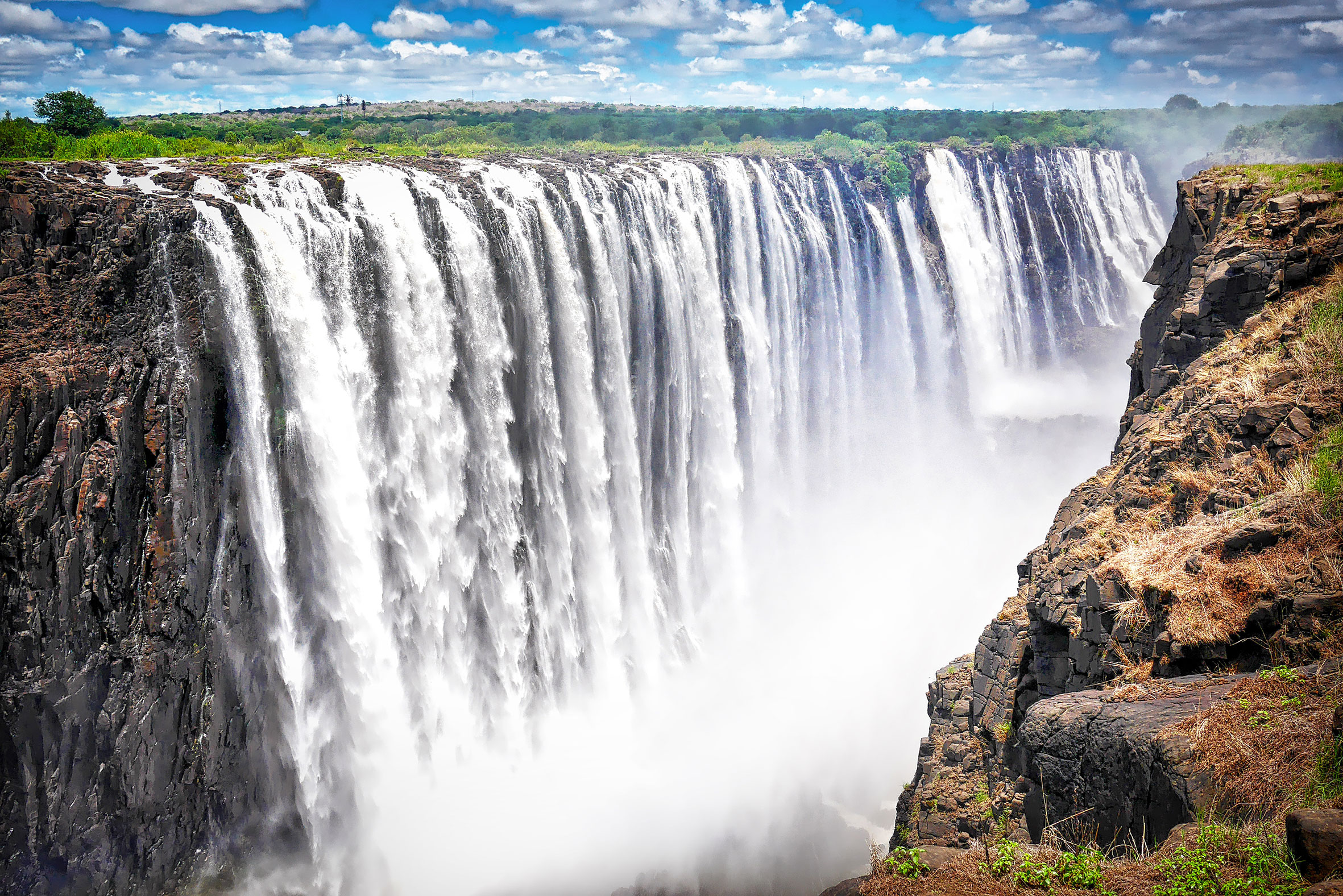
For an amazing Zambia safari, must-visit parks include South Luangwa (walking safaris, big cats), Lower Zambezi (river activities, elephants), Kafue (vast wilderness, lions, cheetahs), Liuwa Plains (wildebeest migration), and North Luangwa (remote wilderness). Don't miss iconic Victoria Falls, plus spots like Kasanka, Bangweulu Wetlands, and Mosi-oa-Tunya for unique experiences like bat migrations, shoebills, and canoeing.
15-days-best-of-zambia-safari-and-victoria-falls-tour-package
8-days-perfect-zambia-wildlife-safari-escape-and-victoria-falls-tour
9-days-ultimate-zambia-safari-tour-to-best-zambia-wildlife-parks
7-days-south-luangwa-and-lower-zambezi-safari-in-zambia
6-days-in-zambia-safari-parks-discovering-south-luangwa-and-lower-zambezi
5-days-canoe-and-safari-in-zambia-lower-zambezi-national-park
3-days-livingstone-town-and-honeymoon-victoria-falls-tour-for-couples
3-days-best-victoria-falls-tour-from-zambia-zimbabwe-to-botswana-safari-in-chobe-park
10 must visit parks and safari destination in Zambia-on-Zambia wildlife safari tour
South Luangwa National Park
South Luangwa National Park is a premier destination on any Zambia wildlife safari, globally recognized as the home of the walking safari. The park's incredible leopard density makes evening game drives particularly thrilling, with frequent sightings of these elusive predators. The lifeblood of the park is the meandering Luangwa River, which teems with enormous pods of hippos and massive crocodiles, providing endless drama along its banks. Beyond the predators, visitors encounter vast herds of elephants and buffalo, the endemic Thornicroft's giraffe, and the unique Crawshay's zebra. The park's guides are exceptional, offering an immersive and educational experience as you track animals on foot. The focus here is on the details – tracks, scents, and the intricate ecosystem. A visit to South Luangwa provides an intimate and authentic encounter with the wild heart of Africa, a highlight of any comprehensive Zambia wildlife safari. The nocturnal activities are just as captivating as the daytime ones, ensuring a comprehensive view of the area's biodiversity within the varied landscapes of this beautiful park. The commitment to conservation is evident in the abundance of wildlife.
Lower Zambezi National Park
Lower Zambezi National Park offers a different but equally spectacular perspective on a Zambia wildlife safari, focusing heavily on the majestic Zambezi River. The park is renowned for its unique water-based activities that allow visitors to get incredibly close to wildlife from a new vantage point. Canoeing safaris are a signature experience; you can silently glide past elephants bathing on the riverbanks, pods of hippos, and sun-basking crocodiles. Fishing for the formidable tiger fish is another popular pastime. The park's accessibility to the river means animals, especially large herds of elephants, are consistently present along the water's edge. Game drives reveal lions, leopards, and various antelope species against a backdrop of pristine bushveld and the river itself. This destination perfectly blends land and water-based safaris, creating a multifaceted experience. The remote and uncrowded nature of the park enhances the sense of wilderness, making it a must-visit for those seeking a tranquil and high-quality Zambia wildlife safari. The park offers a serene environment perfect for reconnecting with nature in a luxurious setting.
Kafue National Park
As one of Africa’s largest national parks, Kafue National Park is a massive and diverse wilderness offering an authentic, off-the-beaten-path Zambia wildlife safari experience. Its sheer size means it covers a wide array of habitats, from riverine forests to the vast, open savannas of the Busanga Plains in the north. This area is particularly famed for its impressive numbers of red lechwe and puku antelope, which in turn attract numerous predators. The park has healthy populations of lions, cheetahs, and the African wild dog. Birdwatchers are also in for a treat, with over 500 species recorded. The remote nature of Kafue means it never feels crowded, offering a private and exclusive feel to your Zambia wildlife safari. The Busanga Plains, a seasonal floodplain, is often explored via hot air balloon safaris, providing a spectacular panoramic view of the landscape and the wildlife within it. Kafue is for the safari enthusiast who wants a deep dive into an untamed, expansive ecosystem, showcasing the rich biodiversity that Zambia has to offer. Its potential is vast.
Liuwa Plain National Park
Liuwa Plain National Park is one of Zambia’s best-kept secrets, offering a truly wild and remote Zambia wildlife safari adventure. Its primary claim to fame is hosting Africa's second-largest wildebeest migration, an incredible natural spectacle that peaks between November and April. Unlike the well-known East African migration, Liuwa’s is far more intimate and less crowded. The park's landscape is characterized by vast, open grasslands that stretch to the horizon, dotted with a few islands of trees. It is also a key conservation success story for cheetahs and African wild dogs, which thrive in this open habitat. A Zambia wildlife safari here requires a sense of adventure, as the infrastructure is more basic than in other parks, but the rewards are immense. The sense of solitude and the raw, untamed beauty of the place are unparalleled. The local community, the Lozi people, play a significant role in the park's management, adding a rich cultural layer to the experience. This park offers a look into a truly wild ecosystem.
North Luangwa National Park
North Luangwa National Park is the definition of a pristine, remote wilderness area, ideal for the safari purist on a Zambia wildlife safari. Access is highly regulated and predominantly restricted to walking safaris, ensuring minimal human impact and an incredibly authentic experience. This park is less about luxury lodges and game drive vehicles and more about raw, untouched Africa. It is the only national park in Zambia where the black rhino population has been successfully reintroduced and protected, making it a key conservation area. Large herds of buffalo and elephants roam the landscape, and predator sightings, while less frequent than in the south, are all the more rewarding due to the exclusivity. Guides here are highly trained and lead visitors deep into the bush on foot, tracking animals and observing the ecosystem at ground level. A Zambia wildlife safari in North Luangwa is about connecting with nature in its most basic form, perfect for those seeking solitude and a challenging, rewarding adventure away from the crowds.
Victoria Falls
While not a game park in the traditional sense, Victoria Falls is an essential stop on any Zambia wildlife safari itinerary. Known locally as "Mosi-oa-Tunya" – "The Smoke that Thunders" – it is the largest waterfall in the world by the volume of water when in full flood. The sheer power and beauty of the falls are breathtaking, offering stunning viewpoints from the Zambian side. Beyond the magnificent views, the area serves as an adventure capital. Visitors can enjoy thrilling helicopter flights over the chasm, adrenaline-pumping white-water rafting on the Zambezi River, or a daring swim in the famous Devil's Pool at the edge of the falls. Mosi-oa-Tunya National Park, which protects the immediate area, also hosts wildlife like the white rhino, providing a bonus safari opportunity. A visit here perfectly complements the bush experience of a Zambia wildlife safari, offering a different kind of natural wonder and a chance to experience one of the world's most iconic landmarks. The spectacle is truly global.
Kasanka National Park
Kasanka National Park is a unique and specialized destination on a Zambia wildlife safari, particularly for those interested in extraordinary natural phenomena. The park is most famous for hosting the world's largest mammal migration, which occurs between late October and December each year when over ten million straw-coloured fruit bats descend upon a small patch of evergreen swamp forest. Viewing platforms are set up in the trees, allowing visitors an incredible, close-up experience of the sky turning black with bats at dusk. Beyond this spectacular event, Kasanka is home to the rare and elusive sitatunga antelope, a semi-aquatic species that can be tracked in the park’s wetlands. The park also boasts a high density of the rare shoebill stork. A Zambia wildlife safari to Kasanka is a niche experience, focused on specific and remarkable wildlife spectacles not found elsewhere. It provides a different perspective on the diversity of the continent's ecosystems. The conservation efforts here are vital for these species.
Bangweulu Wetlands
The Bangweulu Wetlands is a massive, unique wetland ecosystem and a crucial destination for birdwatchers on a Zambia wildlife safari. This vast area of floodplains, swamps, and dambos is the best place in the world to reliably spot the rare and prehistorically looking shoebill stork. Visitors often take canoe safaris through the channels to reach the remote areas where these magnificent birds reside. The wetlands are also home to the endemic black lechwe antelope, with herds numbering in the tens of thousands. The community-run conservation project here is a model for sustainable wildlife management. A Zambia wildlife safari in Bangweulu offers an incredibly tranquil and immersive experience in a landscape unlike any other African park. The focus is on the intricate details of the wetland ecosystem and the specific species that call it home, providing a peaceful and highly rewarding experience for nature lovers. The area is also culturally significant.
Mosi-oa-Tunya National Park
Mosi-oa-Tunya National Park is strategically located on the Zambezi River, encompassing the Zambian side of the magnificent Victoria Falls. While the falls are the main draw, the park itself is an important conservation area for a number of species. It is particularly notable as the only place in Zambia where you can reliably see the white rhino. The rhinos are under 24-hour guard, and visitors can participate in walking safaris to track them on foot—a truly remarkable and safe experience to get close to these endangered giants. The park also has good populations of giraffes, zebras, impalas, and various other plains game. Its proximity to Livingstone makes it an easily accessible addition to any Zambia wildlife safari, offering both stunning natural beauty and unique safari activities like river cruises and guided walks. It successfully combines a visit to a world wonder with a classic safari experience.
Lochinvar National Park
Lochinvar National Park is a true birdwatcher’s paradise and a highly underrated stop on a Zambia wildlife safari. Located on the Kafue River floodplains, the park is home to an astonishing number of bird species, over 420, in a relatively small area. The park's main feature is the vast floodplain and the stunningly beautiful Blue Lagoon. It's a key habitat for large numbers of the endemic Kafue lechwe antelope, which thrive in the marshy conditions. The landscape is unique, offering a mix of open grasslands, marsh, and riverine areas. This park provides a more relaxed and less intense Zambia wildlife safari experience, focused on the sheer abundance and diversity of birdlife and the serene beauty of the lagoon. It is an excellent destination for a day trip or an overnight stay for those passionate about ornithology and unique wetland ecosystems. The serenity is unmatched.
10 considerations for choosing best Zambia wildlife safari destination
When choosing the best Zambia wildlife safari destination, consider these ten factors to ensure your trip meets your expectations:
1. Primary Wildlife Interests
Zambia's parks offer unique wildlife specialities. South Luangwa is renowned for leopards and walking safaris, while Kafue boasts cheetahs and diverse antelopes in the Busanga Plains. Liuwa Plain is the place for the wildebeest migration and wild dogs. Knowing whether you prioritize the "Big Five," specific rare species like the shoebill stork (Bangweulu Wetlands), or a high concentration of general plains game will guide your choice. Researching the key species in each park ensures you visit the destination most likely to deliver your desired sightings and enhance your overall Zambia wildlife safari experience.
2. Time of Year for Travel
The season drastically affects the Zambia wildlife safari experience. The dry season (May to October) guarantees excellent game viewing as animals converge on permanent water sources, but temperatures soar towards October. The green season (November to April) offers lush landscapes, baby animals, and the spectacular bat migration in Kasanka or the wildebeest migration in Liuwa, but some areas become inaccessible due to rain. Your timing will dictate which parks are at their best and what activities are available, so align your travel dates with the optimal season for your chosen destination.
3. Desired Safari Activities
Zambia is famous for pioneering activities beyond the standard game drive. If walking safaris are a must, South or North Luangwa are essential. For water-based adventures like canoeing or motorboat safaris, the Lower Zambezi is ideal. Kafue offers unique hot air ballooning. If you're keen on tracking rhinos on foot, Mosi-oa-Tunya National Park is your spot. Confirming that your chosen park offers the specific activities you want will make your Zambia wildlife safari truly memorable and engaging.
4. Travel Style and Budget
Zambia offers a range of options from basic, mobile tented camps in remote areas to luxury lodges. Your budget and preferred comfort level will influence the destinations you consider. Remote parks like North Luangwa or Liuwa Plain often require light aircraft charters, increasing costs, but offering exclusivity. Parks closer to Livingstone or Mfuwe are more accessible and potentially more budget-friendly. Decide whether you prefer an all-inclusive luxury experience or a more rustic, adventurous Zambia wildlife safari to narrow down your lodge and park options.
5. Remoteness and Crowds
Zambia is generally less crowded than East or Southern African safari heavyweights. However, some parks are extremely remote. North Luangwa and Liuwa Plain offer true wilderness and solitude, while South Luangwa and Lower Zambezi, though popular, manage tourist numbers well. Mosi-oa-Tunya near Victoria Falls can be busy. For an intimate, private Zambia wildlife safari, lean towards the more secluded options; for a more social experience, the established parks might be better. Your preference for isolation will shape your ideal itinerary.
6. Expertise of Guides and Operators
The quality of guiding can make or break a safari. Zambia has some of the highest guiding standards in Africa, particularly for walking safaris. Look for reputable operators with highly trained and experienced guides. Parks like South and North Luangwa have a long history of professional guiding. Ensure the operator aligns with your expectations and safety standards. A great guide enhances wildlife sightings with context and knowledge, making your Zambia wildlife safari an educational and enriching experience.
7. Logistics and Accessibility
Zambia's parks are vast and often far from each other. Traveling between them might require small charter flights, which save time but add cost. Consider the time you have available. If you have limited time, focus on one or two well-connected parks. If you have more time, you can combine different ecosystems like the Luangwa Valley and Lower Zambezi. Planning efficient logistics for your Zambia wildlife safari ensures you spend more time on safari and less time in transit.
8. Conservation and Community Involvement
Many of Zambia's top destinations are managed in partnership with non-profit conservation organisations like African Parks or the Frankfurt Zoological Society. Choosing parks with strong conservation programs (like North Luangwa or Liuwa Plain) helps support vital anti-poaching and community initiatives. This ensures that your Zambia wildlife safari contributes positively to the preservation of Zambia's natural heritage and the well-being of local communities. It adds a layer of purpose to your travels.
9. Focus on Niche Experiences
Beyond standard game viewing, Zambia offers highly specific natural spectacles. The unique bat migration in Kasanka National Park or the search for the elusive shoebill stork in the Bangweulu Wetlands are niche experiences. If you have a specific passion for a single event or species, target the park that features it prominently. These specialized safaris offer unparalleled opportunities for a unique Zambia wildlife safari story that few others can share.
10. Combining Destinations
The best Zambia wildlife safari experience often comes from combining two or more contrasting destinations. Pair the riverine and walking safaris of South Luangwa with the water-based activities of the Lower Zambezi, or add the iconic Victoria Falls experience to any safari. Combining different parks offers a holistic view of Zambia's diverse ecosystems and wildlife. Carefully plan your itinerary to include a variety of experiences for a well-rounded and unforgettable Zambia wildlife safari.
When is the best time for a Zambia wildlife safari?
The best time for a Zambia wildlife safari largely depends on your priorities. The most popular period is the dry season, from May to October. During these months, the weather is dry, vegetation is sparse, and animals congregate around limited water sources, making game viewing exceptional. May and June offer a greener landscape after the rains, while September and October are the hottest, driest months with intense predator action.
The green season, from November to April, offers a different experience. The landscape is lush, migratory birds arrive, and many animals give birth. While some remote camps close due to accessibility issues, it is ideal for birdwatching and seeing specific events like the bat migration in Kasanka or the wildebeest migration in Liuwa Plain. For general game viewing, the dry season wins, but for a unique, vibrant, and less crowded Zambia wildlife safari, the green season has its charms.
Where to stay on a Zambia wildlife safari?
Accommodation options for a Zambia wildlife safari range from classic mobile tented camps to luxurious riverside lodges. Your choice of where to stay will significantly influence your experience. Many camps are strategically located within the national parks, such as along the Luangwa or Zambezi rivers, maximizing wildlife proximity.
In parks like South Luangwa, you can find intimate, bush camps that offer walking safaris right from your doorstep. Lower Zambezi hosts upscale lodges with private plunge pools and river access for canoeing. More remote parks like Kafue have remote bush camps on the Busanga Plains. Lodges typically offer all-inclusive packages covering meals, accommodation, and guided activities, ensuring a seamless and comfortable Zambia wildlife safari. The style of accommodation often matches the level of adventure you seek.
Booking a Zambia wildlife safari with us Roads of Adventure Safaris
You can book your memorable Zambia wildlife safari experience through Roads of Adventure Safaris. We specialize in crafting personalized itineraries that highlight Zambia's unique offerings, from the walking safaris of South Luangwa to the canoeing adventures of the Lower Zambezi. Our expert team understands the best times to visit specific parks to witness seasonal spectacles like the massive bat migration in Kasanka National Park or the wildebeest migration in Liuwa Plain.
By booking with us, you benefit from our extensive local knowledge and network of trusted lodge partners, ensuring high-quality accommodation and expert guiding throughout your journey. We handle all logistics, including internal charter flights and park fees, allowing you to relax and immerse yourself fully in the wilderness. Start planning your unforgettable Zambia wildlife safari by contacting Roads of Adventure Safaris today to curate your perfect adventure.
