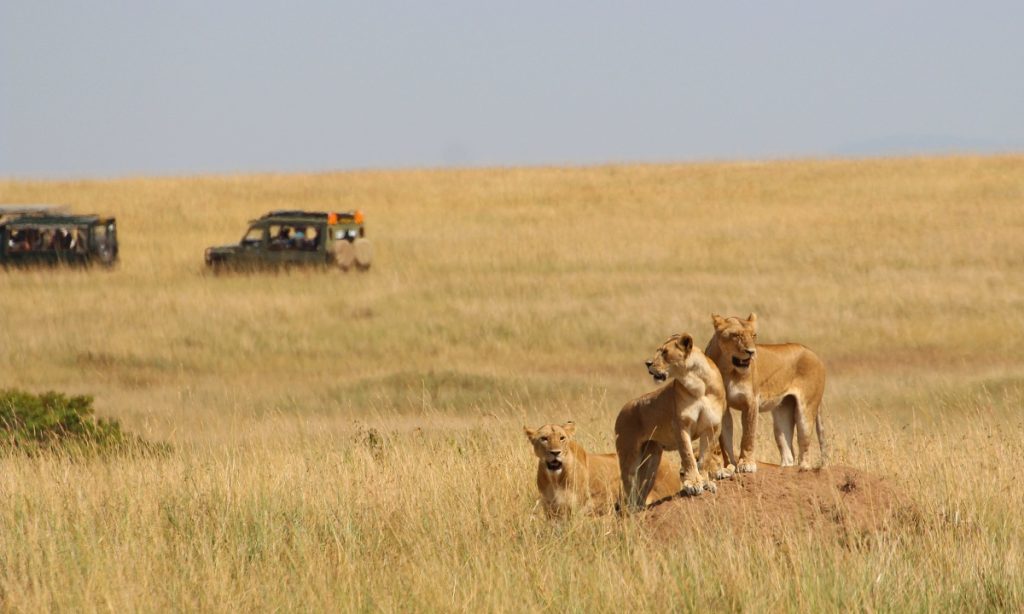
Kenya's top safari spots focus on the iconic Masai Mara (Migration & Big Cats), Amboseli (elephants & Kilimanjaro views), Lake Nakuru (rhinos & flamingos), and Samburu (unique species), plus vast Tsavo, conservation-focused Ol Pejeta, city-adjacent Nairobi National Park, rugged Meru, dramatic Aberdare, and adventurous Hell's Gate, offering diverse wildlife & landscapes.
21-days-kenya-photography-safari-kenya-parks-diani-beach-and-malindi
20-days-uganda-kenya-tanzania-and-zanzibar-beach-holidays
18-days-exclusive-kenya-tanzania-safari-to-uganda-primate-safari
17-days-east-africa-safari-to-uganda-rwanda-kenya-tanzania-and-zanzibar-beach-holidays
16-day-classic-kenya-wildlife-safari-and-diani-beach-life-itinerary
15-days-luxury-kenya-safari-holiday-and-zanzibar-beach-holiday-combined-itinerary
14-days-best-of-kenya-safari-holiday-2-weeks-africa-kenya-safari-vacation
13-days-kenya-tanzania-safari-and-uganda-gorilla-trekking
12-days-kenya-tanzania-safari-and-zanzibar-beach-holiday-vacation
11-days-best-kenya-wildlife-safaris-and-kenya-beach-holiday-combo
10-days-kenya-safari-to-mombasa-beach-escape
10-days-samburu-amboseli-nakuru-naivasha-maasai-mara-safari-tour
10-days-kenya-wildlife-safari-and-kenya-beach-holiday-at-diani-beach
10-days-kenya-wildlife-safari-and-gorilla-safari-in-uganda
10-days-best-kenya-tanzania-honeymoon-safari-with-zanzibar-beach-holidays
9-days-luxury-africa-big-five-kenya-safari-itinerary
9-days-best-kenya-and-tanzania-safari-muti-country-combo
9-days-best-kenya-and-tanzania-safari-muti-country-combo
8-days-budget-kenya-tanzania-safari-with-serval-wildlife-and-zanzibar-beach-holiday
8-day-africa-safari-tour-to-masai-mara-safari-tour-serengeti-ngorongoro
7-days-ultimate-africa-big-cats-kenya-safari-holiday-best-parks
7-days-amboseli-kenya-and-serengeti-fly-in-tanzania-safari
7-days-incredible-africa-big-five-kenya-tanzania-combined-tour
5-days-masai-mara-safari-lake-nakuru-and-hells-gate-national-park-kenya-tour
4-days-masai-mara-and-lake-nakuru-kenya-safari-tour-package
3-days-masai-mara-national-reserve-kenya-safari-tour-package
Maasai Mara National Reserve
The Maasai Mara is the quintessential destination for a Kenya wildlife safari, renowned globally as one of Africa's most significant conservation areas and home to the Great Wildebeest Migration, a natural wonder of the world. From July to October, over 1.5 million wildebeest, zebra, and gazelle migrate from the Serengeti in Tanzania, facing perilous Mara River crossings teeming with crocodiles. This spectacle attracts a high concentration of predators, making lion, leopard, and cheetah sightings common. The reserve's vast, spotted plains (Mara means "spotted" in the Maasai language) also host the Big Five, over 95 mammal species, and more than 500 bird species. Activities include guided game drives, hot air balloon safaris at dawn, and cultural visits to local Maasai villages. The dry season (June to October) offers optimal wildlife viewing as animals gather around limited water sources.
Amboseli National Park
Amboseli National Park is famous for two main attractions: its magnificent large elephant herds with some of the biggest tusks in the animal kingdom, and the stunning, postcard-perfect views of Mount Kilimanjaro across the border in Tanzania. The name "Amboseli" originates from a Maasai word meaning "salty dust," an apt description for the park's environment that shifts from a dried-up Pleistocene lake bed to lush wetlands and sulfur springs. This diverse habitat supports an abundant variety of wildlife, including lions, cheetahs, buffalo, and a rich birdlife of over 400 species. The observation hill provides a panoramic vantage point for game viewing and photography, capturing elephants and plain game against Africa's highest peak.
Lake Nakuru National Park
A highlight of any Kenya wildlife safari through the Great Rift Valley, Lake Nakuru National Park is primarily a birdwatcher's paradise and a critical rhino sanctuary. The park was once famous for its vast, pink blanket of over a million flamingos, though rising water levels have seen their numbers fluctuate and move to other Rift Valley lakes in recent years. However, it remains one of the best places in Kenya to see both black and white rhinos up close, as well as leopards, Rothschild's giraffes, and large herds of buffalo and waterbuck. The landscape includes grasslands, rocky escarpments, and a unique euphorbia forest. Viewpoints like Baboon Cliff offer spectacular panoramic photo opportunities of the lake and its surrounding scenery.
Tsavo National Park (East & West)
Tsavo is Kenya's largest national park, split into two distinct areas: Tsavo East and Tsavo West, covering approximately 22,000 sq km.
Tsavo East is known as the "Theatre of the Wild," famous for the iconic sight of its "red elephants," whose skin is stained by the iron-rich, red dust of the area. The landscape features arid plains, the Yatta Plateau (the world's longest lava flow), and the life-giving Galana River, where hippos and crocodiles can be spotted.
Tsavo West offers a more rugged and dramatic landscape with volcanic hills, Mzima Springs (where crystal-clear water gushes from the ground for underwater viewing of fish and hippos), and the Ngulia Rhino Sanctuary. Tsavo provides excellent opportunities to spot all of the Big Five, though dense vegetation can make sightings more challenging, adding to the sense of adventure and reward.
Samburu National Reserve
Located in Kenya's arid north, Samburu offers a unique and remote Kenya wildlife safari experience away from the busier southern parks. It is distinct for hosting the "Samburu Special Five," rare species adapted to the dry conditions not typically found elsewhere: the Grevy's zebra, reticulated giraffe, Somali ostrich, gerenuk (giraffe gazelle), and Beisa oryx. The reserve is centered around the Ewaso Ng'iro River, which acts as a vital water source, drawing an abundance of other wildlife including elephants, lions, leopards, and cheetahs. The vibrant Samburu culture is also a prominent part of the experience, as the nomadic people share the land with the wildlife.
Ol Pejeta Conservancy
Ol Pejeta is the largest black rhino sanctuary in East Africa and a leading conservancy focused on endangered species conservation. A Kenya wildlife safari here offers a chance to see the critically endangered black rhino population, and it is famously the home of the world's last two northern white rhinos, Najin and Fatu. Located in the Laikipia Plateau, it also features a chimpanzee sanctuary and is a superb destination for viewing the Big Five in a private, well-managed setting. The conservancy environment allows for unique activities not available in national parks, such as guided bush walks, night game drives, and lion tracking, providing an intimate and educational safari experience.
Nairobi National Park
One of the most accessible and unique destinations for a Kenya wildlife safari, Nairobi National Park sits just a few kilometers from the heart of Kenya's capital city. It's the only protected area in the world where a significant, wild animal population, including the Big Five (excluding elephants), lives against a backdrop of a major city skyline. The park is known for its black rhino sanctuary and a thriving predator population. Visitors can enjoy morning or evening game drives, explore the walking trails at the Ivory Burning Site Monument, or visit the nearby Giraffe Centre or David Sheldrick Wildlife Trust to support conservation efforts.
Aberdare National Park
For a different kind of Kenya wildlife safari, Aberdare National Park offers a dramatic contrast to the dry savannahs found elsewhere in the country. This park protects a range of mountainous terrain, dense forests, and open moorlands in the central highlands of Kenya. It's a great place to see rare species like the melanistic (black) leopard and serval cats, the elusive bongo antelope, and giant forest hogs. The unique tree-hotel experience, where lodges overlook waterholes, allows for excellent, relaxed game viewing right from the accommodation.
Meru National Park
Meru is a remote, beautiful, and less-visited park, offering a true wilderness escape for a Kenya wildlife safari. It gained fame as the setting for Joy Adamson's book and the film Born Free, which documented the reintroduction of the lioness Elsa into the wild. The park's diverse habitats, including rivers, swamps, and dense bush, support a wide variety of animals, from the "Samburu Special Five" (as it is near Samburu) to elephants, rhinos, and large prides of lions. Its wild and rugged nature provides an adventurous, off-the-beaten-path safari experience for those seeking tranquility and raw natural beauty.
Laikipia Plateau
The Laikipia Plateau, a collection of private conservancies and ranches, is an area of increasing prominence for a high-quality, exclusive Kenya wildlife safari. The area is vital for conservation, particularly for black rhinos and Grevy's zebras, and boasts a higher density of wildlife in some areas than national parks. Laikipia offers diverse activities, including guided walking safaris with local rangers, horseback riding safaris, camel safaris, and fly camping. This model of conservation tourism directly benefits local communities and provides an immersive and interactive experience with the wildlife and stunning landscapes.
What to consider when choosing Kenya wildlife safari destinations
When planning a Kenya wildlife safari, several key factors influence destination choice to ensure an unforgettable experience. Here are 10 vital considerations:
Your Wildlife Priorities
Decide what animals are must-sees. If the Great Migration is your focus, the Maasai Mara between July and October is essential. For large elephant herds and iconic photos with Mount Kilimanjaro, Amboseli National Park is the top choice. For unique northern species like the Grevy's zebra or rhinos, consider Samburu or Ol Pejeta Conservancy. Aligning your destination with your desired animal sightings makes the safari more rewarding.
Timing and Season
Timing impacts weather, crowd levels, prices, and wildlife behavior. The dry season (June-October and January-February) offers optimal wildlife viewing as animals congregate at water sources, but it is peak season, so expect crowds and higher prices. The "green season" (March-May and November-December) means lower prices, lush landscapes, abundant birdlife, and newborn animals, which can be ideal for photographers or those seeking solitude despite some rain.
Budget and Travel Style
Kenya wildlife safari options range from budget-friendly group camping to luxurious fly-in safaris in boutique camps. Your budget determines the level of comfort, exclusivity, and activities available. Mid-range options balance affordability with comfort and quality guiding, which is popular for many travelers.
Accommodation Type
Choose between traditional lodges, permanent tented camps, or mobile camps. Lodges offer hotel-like amenities, while tented camps provide a more immersive "under canvas" experience, often with proper beds and en-suite bathrooms. Some camps are unfenced, allowing wildlife to wander through, which can enhance the raw experience.
National Parks vs. Private Conservancies
National parks often have more visitors and stricter rules (e.g., no off-road driving or night drives). Private conservancies, which are community-owned lands bordering parks, offer more exclusive experiences, fewer vehicles, and activities like bush walks, night drives, and off-road tracking, though they often cost more.
Trip Duration and Pace
Kenya is a large country, and rushing between too many parks means spending significant time traveling. Plan a relaxed itinerary and stay at least two to three nights in each location to allow for a deeper, less exhausting experience.
Activities Beyond Game Drives
Most safaris center around game drives, but many areas offer additional activities. Consider if you want guided nature walks, hot air ballooning, boat safaris (like at Lake Naivasha), horseback riding, or cultural visits to local Maasai or Samburu communities.
Logistics and Transportation
Decide between flying in small aircraft between parks (faster, scenic) or using a 4x4 vehicle for road transfers (cheaper, more time on the ground). Flying saves time and maximizes game viewing, while road travel can be more cost-effective for shorter distances.
Guide Quality
An experienced and knowledgeable guide is crucial and can significantly enhance your safari experience by spotting animals and explaining behavior. Choose a reputable tour operator known for employing well-trained guides with local expertise.
Ethical and Responsible Tourism
Prioritize operators that practice responsible and ethical tourism. Look for companies that support local communities, employ local staff, follow strict animal viewing guidelines (maintaining safe distances, avoiding overcrowding), and have clear conservation initiatives.
When Is the Best Time for Kenya Wildlife Safari
The best time for a Kenya wildlife safari largely depends on the types of wildlife you want to see and the activities you wish to engage in. Generally, the dry season, which runs from June to October, is considered the prime time for wildlife viewing. During these months, animals congregate around water sources, making them easier to spot. Additionally, the cooler weather and thinning vegetation enhance visibility, allowing for optimum game drives in renowned safaris areas like the Maasai Mara and Amboseli National Park.
The famed Great Migration occurs between July and September, when millions of wildebeest and zebras traverse the Serengeti in search of greener pastures. Witnessing this natural spectacle is a highlight for many travelers.
Conversely, the wet season from November to March offers its own unique advantages. While wildlife may be harder to spot, the landscape transforms into a lush paradise, attracting a rich variety of bird species. This season can also provide excellent photography opportunities with vibrant colors and dramatic skies. Ultimately, the best time for your safari will depend on your interests, whether you’re keen on the Great Migration, birdwatching, or simply enjoying Kenya's stunning ecosystems.
Where to Stay on Kenya Wildlife Safari
Selecting the right accommodation is crucial for a memorable Kenya wildlife safari. The country offers a diverse range of options, catering to different tastes and budgets. From luxury lodges to tented camps, each place provides an opportunity to experience the natural beauty of Kenya in comfort.
In prime areas like the Maasai Mara and Amboseli National Park, luxury lodges often feature spacious rooms, exquisite dining, and stunning views of wildlife right from your doorstep. Many of these lodges also offer family-friendly amenities, attracting travelers with children.
For those seeking a more immersive experience, tented camps offer a unique blend of adventure and comfort. These camps often provide guided safaris and personal service while keeping you close to nature. Whether you choose a permanent tented camp or a mobile safari setup, this option allows for a more intimate connection with the environment.
Additionally, some eco-friendly accommodations focus on sustainability, allowing families to support local communities while enjoying their safari. With various options available, staying in well-located lodges or camps ensures easy access to game drives and other activities, enriching your Kenya wildlife safari experience.
Booking Kenya Wildlife Safari with Roads of Adventure Safaris
Booking your Kenya wildlife safari with Roads of Adventure Safaris ensures a well-organized and enjoyable adventure tailored to your interests and family needs. Our experienced team specializes in creating custom itineraries that highlight the best of Kenya’s wildlife and landscapes, focusing on enriching experiences that engage all ages.
With established connections to local guides and accommodations, we guarantee that your journey will be seamless—from transportation to planned activities. Our on-the-ground expertise allows us to offer valuable insights into the best wildlife viewing spots and lesser-known areas that might delight your family.
Safety and comfort are our top priorities. We select family-friendly lodges and tented camps that offer amenities specifically designed for children while ensuring a welcoming environment for all guests. Moreover, our commitment to sustainable tourism means your safari positively impacts local communities and conservation initiatives.
Choose Roads of Adventure Safaris for a memorable experience filled with breathtaking wildlife encounters and captivating moments in Kenya's stunning scenery. We are dedicated to crafting an unforgettable adventure that leaves lasting memories for everyone in your family. Contact us today to start planning your ideal safari!
