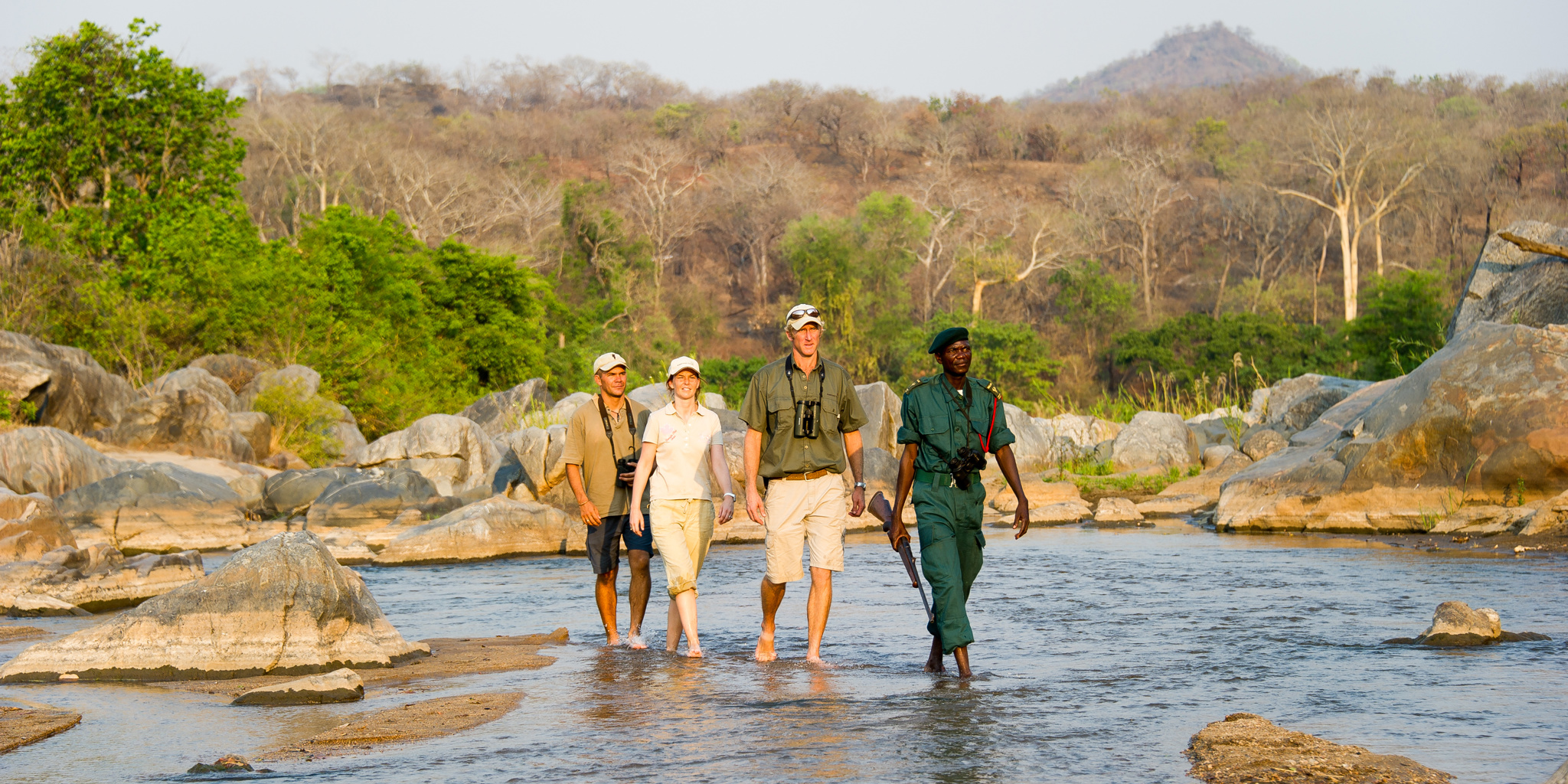
A Zambia walking safari in South Luangwa National Park is a premier wildlife experience, best enjoyed between May and October when the dry season provides optimal visibility and safety, www.roadsofadventuresafaris.com. Led by armed guides, these walks offer intimate, slow-paced wildlife viewing—particularly for leopards, elephants, and Thornicroft giraffes—and generally require a moderate fitness level.
As the birthplace of the walking safari in the 1950s, Zambia’s South Luangwa National Park offers the ultimate, immersive bush experience. Walking here allows you to explore the stunning Luangwa Valley on foot, moving away from roads to notice intimate details like tracking leopards, observing endemic Thornicroft’s giraffe, and learning about flora from expert guides. Led by armed scouts, these thrilling, 3-hour morning walks or multi-day camp-to-camp treks bring you closer to elephants and lions, with the best conditions running during the dry season from June to October. It’s a sensory, unforgettable way to experience the raw African wilderness.
10-days-best-zambia-wildlife-safari-tour-to-south-luangwa-lower-zambezi-and-kafue
8-days-perfect-zambia-wildlife-safari-escape-and-victoria-falls-tour
15-days-best-of-zambia-safari-and-victoria-falls-tour-package
19-day-zambia-zimbabwe-and-botswana-safari-itinerary
Why Is It Called the "Birthplace" of the Zambia Walking Safari in South Luangwa National Park?
The term "birthplace" of the Zambia walking safari refers to the pioneering efforts of conservationist Norman Carr in the 1950s. Carr was instrumental in transitioning the focus of wildlife exploration in South Luangwa from hunting to photographic safaris on foot. He recognized that walking safaris would allow for a more intimate connection with nature, enabling visitors to experience the park’s flora and fauna in an immersive way. This approach not only enhanced the wildlife viewing experience but also contributed to wildlife conservation in the region.
Carr’s innovative exploration methods emphasized understanding the environment and tracking animal behaviors, creating a new paradigm in safari tourism. His vision sparked widespread interest in eco-tourism and set the standard for walking safaris across Africa. It shifted the perspective from merely observing wildlife from a vehicle to engaging with the landscape on foot.
As a result, South Luangwa National Park is often regarded as the birthplace of walking safaris. Visitors can now partake in this unique experience, guided by knowledgeable professionals who impart wisdom about the ecosystem, tracks, and calls of the wildlife. This legacy continues to attract nature enthusiasts who seek a richer, more engaging adventure, further ensuring that Carr’s pioneering spirit lives on in each trek through this beautiful park.
When is the Best Time to Go on a Zambia Walking Safari in South Luangwa National Park?
The peak dry season, spanning from June to October, is considered the best time for a walking safari in South Luangwa National Park. During this period, the vegetation thins out, enhancing visibility and making wildlife sightings more frequent and exciting. Animals tend to congregate around water sources, increasing the chances of observing a variety of species during walks.
This dry spell not only provides optimal viewing conditions but also allows for more comfortable trekking, as the paths are less muddy and easier to navigate. The weather tends to be pleasant, with cooler mornings and warm afternoons, ideal for extended walks and explorations in the natural surroundings.
Moreover, the absence of heavy rains means fewer mosquitoes and a reduced risk of waterborne diseases, making health and comfort a priority for visitors. The dry season is also when many lodges and camps are fully operational, providing a wide range of accommodation options and services tailored to enhance the walking safari experience.
While walking safaris can take place year-round, the peak season offers unique opportunities to connect with nature and partake in memorable wildlife encounters. Those planning their adventures should book early to ensure permits and accommodations are available during these popular months.
Are Walking Safaris Safe During a Zambia Walking Safari in South Luangwa National Park?
Yes, walking safaris in South Luangwa National Park are safe. Each group is led by highly trained professional guides who possess extensive knowledge of the wildlife, their behaviors, and the landscape. Guides are adept at assessing safety levels during outings, understanding animal movements, and interpreting the environment. To further enhance safety, each group is accompanied by an armed wildlife scout, ensuring protection from potential dangers.
The guides’ expertise allows them to navigate the terrain while identifying signs of wildlife to avoid close encounters. Their ability to track animals effectively and assess behavior minimizes risks, enabling participants to enjoy the experience safely. Group sizes tend to be small, typically ranging from 6 to 8 guests, allowing for personalized attention and enhancing overall safety.
The emphasis during walking safaris is on education and understanding the delicate balance of the ecosystem, fostering awareness of both risks and wonders in the wilderness. While encounters with wildlife may occur, the guides provide strict instructions on how to react if faced with a potentially dangerous animal. Participants learn to remain calm, follow commands, and never attempt to run.
Overall, the carefully orchestrated structure of walking safaris, coupled with the guides' expertise, ensures an enriching—yet safe—adventure in one of Africa’s most stunning national parks.
What is the Minimum Age for a Zambia Walking Safari in South Luangwa National Park?
For safety and stamina reasons, the minimum age for participants on a Zambia walking safari in South Luangwa National Park is typically set at 12 years old. This age limitation is in place to ensure that younger participants can manage the physical demands of walking safaris, which may involve traversing rugged terrains and encountering wildlife at close range.
Younger children may struggle with the physical requirements and may not fully grasp the safety protocols necessary during such excursions. Older teens can better appreciate the educational aspects of the walks, enabling them to engage more meaningfully with the guides and environment.
Families interested in walking safaris with younger children have alternative safari options, such as vehicle-based tours. While the thrill of a walking safari is invaluable, adhering to the age restriction maintains the wellbeing of both the young participants and the safety of the group.
Some camps may offer specialized family-friendly activities or programs suitable for younger kids that still encapsulate the spirit of exploring nature without the physical requirements of walking safaris. Always consult with your chosen safari operator regarding any specific age policies or family accommodations to ensure a memorable experience tailored to your group’s needs.
How Fit Do I Need to Be for a Zambia Walking Safari in South Luangwa National Park?
A moderate level of fitness is sufficient for a walking safari in South Luangwa National Park. The walks are conducted at a slow and educational pace, designed to engage participants rather than challenge them with strenuous hikes. This makes it suitable for a wide range of fitness levels, as guided walks focus on appreciating the natural surroundings and observing wildlife rather than covering significant distances quickly.
Most walking safaris last between 3 to 4 hours, during which participants typically walk 5 to 10 kilometers. The group will take breaks to rest, listen to guides, and observe various aspects of the ecosystem, such as plants, tracks, and animal behaviors.
While participants do not need to be elite athletes, it is helpful to prepare by engaging in regular walks or hikes before your trip. Being comfortable on your feet and able to walk for several hours can enhance the experience. Travelers should wear appropriate footwear and clothing that allows for comfort during long walks under varying weather conditions.
Additionally, participants with specific health issues should consult with a healthcare provider before undertaking a walking safari. The primary goal is to create a fulfilling and enriching experience for everyone involved, with a focus on learning and connecting with nature at a comfortable pace.
What Should I Wear on a Zambia Walking Safari in South Luangwa National Park?
Packing the right clothing is essential for enjoying your walking safari in South Luangwa National Park. Opt for neutral-colored clothing such as khaki, beige, or green to blend in with the natural surroundings. Bright colors, white, and black should be avoided as they can attract unwanted attention from animals or make you more visible in the wild.
Lightweight, moisture-wicking fabrics are advisable, as these will keep you comfortable during the day’s heat. Layering is key; early morning walks can be chilly, while midday temperatures can rise considerably. A lightweight long-sleeve shirt and long pants can help protect against sunburn and insect bites while also allowing for comfort.
Additionally, a wide-brimmed sun hat with a chin strap is important to shield you from the sun's rays. A light, breathable scarf can also be useful to protect your neck and face.
At the same time, proper footwear is crucial. Sturdy, closed-toe walking shoes or lightweight hiking boots with good ankle support are recommended to navigate uneven and sometimes slippery terrain comfortably.
Lastly, consider packing a light rain jacket, as unpredictable weather can sometimes bring rain, especially in transitional months. By dressing appropriately, you ensure not only your comfort but also optimize your experience when exploring the diverse landscapes of South Luangwa.
What Kind of Footwear is Best for a Zambia Walking Safari in South Luangwa National Park?
Choosing the right footwear is crucial for participation in a walking safari in South Luangwa National Park, where the terrain can be varied and sometimes challenging. It is recommended to wear sturdy, closed-toe walking shoes or lightweight hiking boots that provide good ankle support.
A rugged sole is important for navigating uneven ground and protecting against rough surfaces. The shoes should ideally have a comfortable fit, as you may be wearing them for several hours daily during your walks. Ensuring proper cushioning will also help reduce fatigue during the trek.
Some travelers prefer lightweight hiking boots that offer a balance of support and breathability, particularly for warmer months. Waterproof options might be a wise choice if embarking during transitional seasons, thus providing protection against unexpected rain or muddy conditions.
A high ankle design can offer additional support while walking on uneven paths, minimizing the risk of injury. If you are accustomed to wearing specific footwear for hiking, make sure to break them in before your trip to prevent discomfort.
Ultimately, selecting the right footwear allows for a more enjoyable walking safari experience, enabling you to focus on observing the wildlife and engaging with the environment rather than dealing with foot pain or discomfort.
Can I See the "Big Five" During a Zambia Walking Safari in South Luangwa National Park?
On a walking safari in South Luangwa National Park, you can observe four of the Big Five, which include lions, leopards, elephants, and buffalo. Unfortunately, rhinos are currently absent from the park, meaning they cannot be spotted in this region.
The park is renowned for its diverse wildlife, and walking safaris offer an intimate opportunity to observe these magnificent animals in their natural habitat. Guided walks provide insight into tracking and understanding animal behavior, enhancing the overall experience for nature enthusiasts.
Lions and leopards, often elusive, can be encountered during walks, particularly at dawn or dusk when they are most active. Elephants are frequently spotted as they roam through the park in search of water, and buffalo often gather at waterholes, making them more visible.
While walking, the primary focus is not only on the larger animals but also on the intricate details of the ecosystem, including tracking skills, bird species, insects, and medicinal plants. This comprehensive approach to safaris allows participants to develop a deeper appreciation for the interconnectedness of life in the wild.
For those seeking encounters with the Big Five, combining walking safaris with vehicle-based outings during your visit can offer an excellent way to maximize your wildlife experiences while enjoying the unique perspectives both types of safaris provide.
How Long Does a Typical Walk Last on a Zambia Walking Safari in South Luangwa National Park?
On a Zambia walking safari in South Luangwa National Park, most morning walks typically last between 3 to 4 hours. During this time, participants usually cover a distance of approximately 5 to 10 kilometers.
The duration and distance covered may vary based on the specific route chosen and the interests of the group. Guides tailor walks to optimize opportunities for observing wildlife while also taking time to appreciate the intricacies of the environment.
These walks are leisurely and educational, allowing participants to engage fully with their surroundings. Frequent stops are made for discussions about flora and fauna, animal behavior, tracks, and other fascinating aspects of the ecosystem. This creates a valuable opportunity to learn and absorb the natural world at a comfortable pace.
Afternoon walks may also be available, providing another chance for exploration, although these are generally shorter in duration. The combination of morning and afternoon excursions can enrich the overall experience, allowing guests to witness different aspects of wildlife activity throughout the day.
With their immersive approach, walking safaris offer a unique opportunity to experience the raw beauty of nature while fostering a deeper connection to the land and its abundant wildlife.
What is a "Mobile" Zambia Walking Safari in South Luangwa National Park?
A "mobile" Zambia walking safari in South Luangwa National Park refers to a multi-day trek where participants walk between different remote bush camps instead of staying at a single lodge. This style of safari enables travelers to explore a variety of terrains and locations, providing a deeper experience of the park's diverse ecosystems.
During a mobile walking safari, your main luggage is transported for you, allowing participants to carry only essential items for the day's walk. This convenience makes trekking easier and more enjoyable, as you won’t be burdened by heavy packs. Each day, the group travels a different route, often covering 5 to 10 kilometers, immersing themselves in the wilderness while experiencing the natural beauty of the area.
Mobile safaris generally include well-equipped bush camps that provide comfort while maintaining a connection to the surrounding environment. Accommodations may include tents with proper bedding and shared facilities, emphasizing the adventure of sleeping close to the wild.
Meals are typically provided, often featuring fresh ingredients prepared by a dedicated cooking team. Participants can enjoy the magical experience of dining under the stars, surrounded by nature.
Ultimately, a mobile walking safari offers a unique adventure that combines physical activity with exploration, allowing travelers to engage intimately with the wilderness while enjoying the comforts of well-organized bush camps.
What Happens if We Encounter a Dangerous Animal on a Zambia Walking Safari in South Luangwa National Park?
If participants encounter a potentially dangerous animal during a Zambia walking safari in South Luangwa National Park, the guides employ expert tracking skills and experience to minimize risks. A fundamental aspect of the safari is understanding animal behavior and knowing how to act in these encounters.
Guides are trained to detect signs of wildlife movement to help avoid close encounters with dangerous animals. However, should such an encounter occur, participants will receive strict instructions from the guides.
The key protocol is to stay calm and listen to the guide. Visitors are taught to never run, as sudden movements can trigger a chase response in certain animals. Instead, standing your ground and following the guide’s directives is essential for ensuring safety.
Guides typically assess the situation to determine the best course of action, which may include quietly backing away or moving to a safer spot, should circumstances allow. Maintaining calmness and composure plays a vital role in preventing escalation of tension between the human and wildlife.
Additionally, groups are kept small, enhancing the ability of guides to manage potential encounters and maintain safety. Participants are encouraged to engage in discussions about animal behavior, which further educates them on how to navigate the wilderness safely.
Overall, the experience of walking safaris is designed to emphasize safety while fostering respect for nature and wildlife in their habitats.
Is It Possible to Do a Zambia Walking Safari in South Luangwa National Park During the Rainy Season?
While it is technically possible to experience the beautiful landscapes of South Luangwa National Park during the rainy season from November to April, most walking-specific camps close during this period. The terrain becomes impassable as the rains intensify, leading to dense vegetation, making it challenging to navigate and increasing risks to participants.
The rainy season brings lush greenery and impressive wildlife migrations; however, the conditions can hinder the traditional walking safari experience. Many lodges and parks recommend against walking safaris during these months, as the risks associated with muddy trails and limited visibility can compromise safety.
While some camping or lodge options may remain open, walking safaris may be replaced with vehicle-based safaris, which are more ideal during the rainy season. These game drives offer visitors opportunities to explore the park, albeit with a different mode of interaction with the wildlife.
If visitors desire to experience South Luangwa during the rainy season, they may witness vivid transformations in the ecosystem, including blooming flora and new animal life. However, this experience is characterized more by vehicle-based exploration rather than the immersive walking encounters typically associated with the dry season.
Ultimately, while the rainy season presents unique photographic opportunities and vibrant landscapes, those keen on a walking safari should plan their visit during the dry months for the best possible experience and safety considerations.
What Specialized Gear Should I Bring for a Zambia Walking Safari in South Luangwa National Park?
When preparing for a walking safari in South Luangwa National Park, packing specialized gear can significantly enhance the experience. First, a good pair of binoculars is crucial for observing wildlife from a distance, allowing participants to appreciate details without encroaching on animals' space. This tool deepens engagement with the ecosystem by providing a clearer view of creatures both large and small.
Bringing a sun hat with a chin strap is essential for protection against the sun, especially during long walks. Such a hat helps shield both the face and neck from UV rays, providing comfort during midday heat.
A high-SPF sunscreen is also vital. Protecting the skin from sunburn is crucial while exposed to the elements throughout the day. Make sure to apply sunscreen before the walk and reapply as necessary, especially if sweating.
In addition, a lightweight, moisture-wicking long-sleeve shirt and long pants will further protect against sun exposure, as well as insect bites. A small daypack can be useful to carry essentials like water bottles, snacks, and any personal items needed during the trek.
Don't forget to bring a reusable water bottle for hydration; staying well-hydrated is crucial during any physical activity. Overall, having the right gear ensures both comfort and safety, allowing participants to focus fully on the breathtaking experience that a walking safari in South Luangwa offers.
Are There "Sleep Outs" Available on a Zambia Walking Safari in South Luangwa National Park?
Yes, some camps in South Luangwa National Park offer "sleep outs," allowing guests to spend the night under the stars for an authentic wilderness experience. Sleeping arrangements typically involve mosquito-net-covered platforms or tents, providing a unique opportunity to connect with nature while enjoying the sounds of the wild at night.
These sleep-out experiences enhance the adventure, providing a chance to observe nocturnal wildlife activities. The sensation of drifting off to sleep surrounded by the sounds of the African bush can be truly magical. Camp staff ensure safety and comfort, allowing guests to immerse themselves in the incredible environment.
Participants are usually guided through the experience, with tips on how to remain safe and comfortable overnight. The experience often includes a nightfall gathering around the campfire, where guests can share stories and enjoy the ambiance of the bush.
Although this exciting option may not be available in all camps or during every season, those wanting a deeper connection with nature should inquire about sleep outs when booking their safari. These experiences provide a memorable way to engage fully with the rhythms of the natural world.
Ultimately, offering a "sleep out" adds an unforgettable layer of adventure to the walking safari, making the experience more immersive and enriching for outdoor enthusiasts.
How Large Are the Groups on a Zambia Walking Safari in South Luangwa National Park?
On a Zambia walking safari in South Luangwa National Park, groups are kept small, typically limited to a maximum of 6 to 8 guests. This small group size enhances the intimacy of the experience, allowing for more personalized attention from guides and fostering a more connected atmosphere among participants.
Smaller groups enable guides to cater the safari experience better, creating opportunities for engagement and discussion about wildlife and nature. A tight-knit group allows guests to actively participate, ask questions, and share their observations, enriching the overall walking safari experience.
Additionally, smaller groups help maintain safety in the wilderness. It is easier for guides to manage the dynamics of a compact group, ensuring everyone's wellbeing and ability to respond effectively in any encounter with wildlife.
This structure contrasts with larger vehicle-based safaris, where group sizes are often much bigger. The focus in walking safaris is less about the distance covered and more about connecting with nature — particularly the smaller details often overlooked when driving.
By keeping the number of participants limited, walking safaris in South Luangwa foster deeper connections to the landscape, wildlife, and the knowledge imparted by experienced guides, making the adventure more meaningful for every traveler involved.
What is the Focus of a Zambia Walking Safari in South Luangwa National Park?
The primary focus of a Zambia walking safari in South Luangwa National Park is on the "little things" of the ecosystem, rather than just the big game. While encounters with large animals are thrilling, walking safaris allow participants to deeply engage with the intricacies of the natural world.
Guides lead guests in tracking animal movements and identifying key signs like footprints, dung, and broken branches, revealing the stories
Booking Walking safari in South Luangwa national park with us Roads of Adventure safaris
Thank you for considering Roads of Adventure Safaris for your walking safari in South Luangwa National Park! We're thrilled to assist you in booking an unforgettable experience. Our expert guides will lead you through the stunning Luangwa Valley, ensuring intimate encounters with wildlife and in-depth knowledge of the ecosystem. With options for thrilling 3-hour walks or multi-day camp-to-camp treks, we cater to your preferences. Please share your preferred dates and any specific requests, and we’ll finalize your booking. We look forward to providing you with an unforgettable adventure in the heart of Africa!
