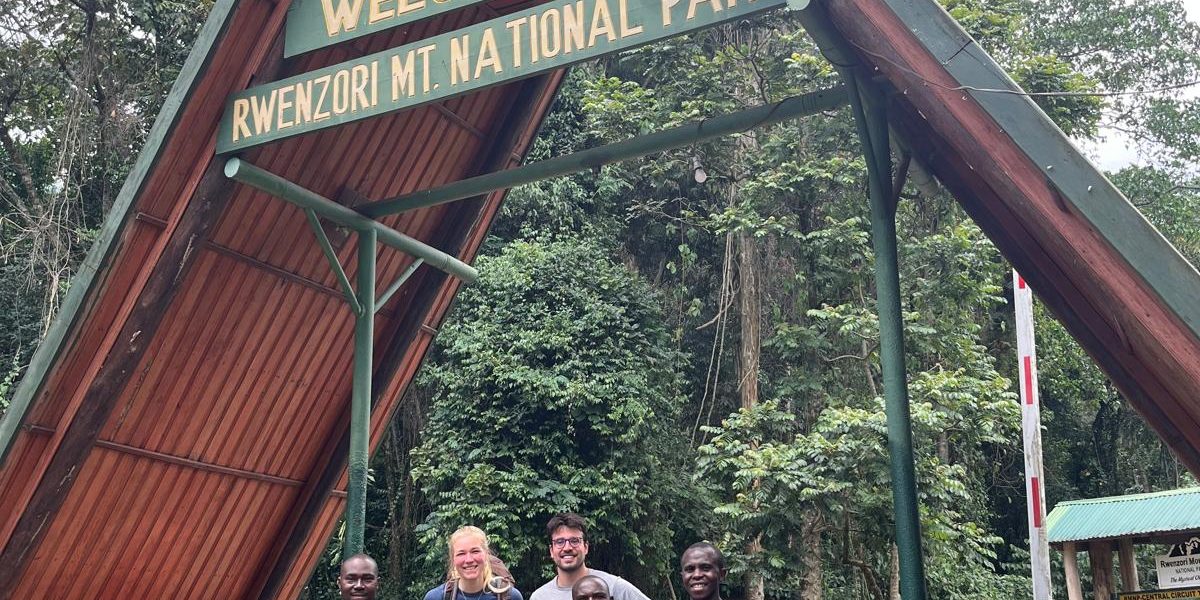
The hike up the Rwenzori Mountains officially begins at Nyakalengija (also known as the Mihunga Gate or Headquarters), which is situated at an altitude of approximately 1,615 to 1,646 meters above sea level. Located about 22 kilometers from Kasese town off the Fort Portal Road, Nyakalengija serves as the primary base camp and park headquarters for the famous Central Circuit Trail and the Mahoma Loop. (Note: For those opting for the alternative southern route, the trek alternatively begins at the Kilembe Trailhead near Kasese).
15-days-rwenzori-hiking-safari-and-mountain-gorilla-trekking-vacation
11-days-best-rwenzori-mountain-hike-to-margherita-peak
10-days-mountain-rwenzori-hike-summiting-over-4-peaks
7-days-rwenzori-trek-to-mountain-gessi-or-amin
7-days-mountain-rwenzori-mountain-climbing-active-adventure-to-margherita-peak
6-days-rwenzori-trek-with-mountain-stanley-margherita-albert-or-alexander
5-days-mountain-rwenzori-trek-to-bujuku-camp-3977-m-high
5-days-rwenzori-hike-to-either-mountain-sepeke-baker-or-luig-di-savoia
2-days-rwenzori-trek-to-nyabitaba-camp
Main Trailheads
- Nyakalengija (Central Circuit Trail): This is the main and most traditional starting point located in the northern sector of the Rwenzori Mountains National Park. Registration and briefings take place at the Nyakalengija headquarters before ascending.
- Kilembe Trail: Located in the southern sector near Kasese town, this alternative official starting point offers a scenic southern approach up the valley
What is the historical significance of the Rwenzori Mountains?
The Rwenzori Mountains carry a deep, fascinating history rooted in both ancient geography and modern exploration. Often identified as the legendary "Mountains of the Moon" described by the Greek scholar Ptolemy in AD 150, these peaks were thought to be the elusive source of the Nile River. For centuries, this mist-shrouded range captivated the imaginations of cartographers, travelers, and philosophers who only knew them through myth. Local indigenous communities, particularly the Bakonzo people, have inhabited the foothills for generations, treating the peaks as sacred grounds where their gods reside. Modern mountaineering history began to unfold late in the 19th century when European explorers like Henry Morton Stanley and later the Duke of Abruzzi mapped the treacherous glaciers and climbed its jagged peaks. Walking these slopes today feels like stepping straight through the pages of an ancient adventure novel, where every ridge and valley whispers tales of past expeditions, mythological spirits, and the relentless human drive to conquer the unknown extremes of nature.
How do I physically prepare for a multi-day trek on the Rwenzori?
Preparing your body for a Rwenzori expedition requires a dedicated regimen of cardiovascular endurance, strength training, and stamina-building exercises starting months in advance. Because the terrain is notoriously steep, muddy, and relentless, your training should heavily feature stair-climbing, weighted backpack hikes, and long-distance running or cycling to build lung capacity and leg power. Focus heavily on core stability and lower-body strength, specifically targeting your quads, hamstrings, calves, and ankles to protect against twists and slips on uneven, boggy ground. It is also wise to incorporate interval training to simulate how your body will handle steep ascents under high-altitude exertion with low oxygen levels. Mental toughness is just as vital as physical fitness, so practicing perseverance during grueling workouts will help immensely when you face cold, wet, and exhausting days on the mountain. Consistency is key; building a solid fitness base over three to six months transforms the journey from a painful endurance test into an awe-inspiring, deeply rewarding wilderness adventure.
What kind of gear and clothing are absolutely essential?
Packing for the Rwenzori means preparing for wildly unpredictable weather that can shift from blazing tropical sunshine to freezing rain, sleet, and snow within a single hour. At the core of your wardrobe should be a strict layering system: moisture-wicking thermal base layers, insulating fleece or down mid-layers, and robust, completely waterproof and windproof outer shells. Waterproof hiking boots with exceptional ankle support and deep treads are non-negotiable, paired with multiple pairs of high-quality merino wool socks and sturdy gaiters to keep out ankle-deep mud. Essential technical gear includes a sub-zero rated sleeping bag, a reliable headlamp with extra batteries, trekking poles for stability on boggy sections, and crampons or a harness if you intend to tackle the technical glacier climbs. Don’t forget practical items like high-SPF sunscreen, polarized sunglasses, heavy-duty waterproof rucksack covers, and a comprehensive personal first aid kit featuring blister care and altitude sickness remedies. Every piece of equipment plays a direct role in keeping you warm, dry, and safe in one of the world's most demanding environments.
What is the significance of the Bakonzo people to the mountain?
The Bakonzo people are the indigenous custodians and traditional inhabitants of the Rwenzori foothills, sharing an intimate, unbreakable bond with the mountains that defines their entire culture. For centuries, the Bakonzo have lived in harmony with the steep slopes, practicing terraced agriculture and viewing the high, mist-veiled peaks as the sacred spiritual realm of their god, Kitasamba. Historically, they navigated the dense forests and treacherous glaciers barefoot and wrapped in animal skins while hunting or gathering, long before modern mountaineers arrived. Today, the local tourism infrastructure relies heavily on the Bakonzo, who serve as expert mountain guides, resourceful porters, and community leaders managing local conservation efforts. Engaging with the Bakonzo community offers trekkers an incredible window into rich musical traditions, captivating folklore, and indigenous ecological wisdom passed down through generations. Respecting their sacred customs and supporting their local economy is an essential part of experiencing the true soul of the Rwenzori Mountains.
What are the primary vegetation zones encountered during the ascent?
Ascending the Rwenzori is often described as walking from the equator straight to the Arctic, as the trail sequentially passes through five distinct, breathtaking vegetation zones. The journey begins in the lush montane forest zone, filled with dense canopies, towering trees, delicate ferns, and vibrant birdlife like the Rwenzori turaco. As you climb higher, the forest gives way to the enchanting bamboo zone, where slender green stalks rattle softly in the mountain breeze and create an otherworldly, cathedral-like atmosphere. Beyond the bamboo lies the mystical heather zone, characterized by gnarled, moss-draped giant heather trees that look like something out of a fantasy fairy tale. Further up, the landscape transitions into the fragile Afro-alpine zone, dominated by surreal, giant lobelias and massive groundsel plants adapted to survive freezing nighttime temperatures. Finally, the highest reaches culminate in the glacial and snow zone, a harsh, gleaming expanse of rock, ice, and permanent snowfields under brilliant blue skies.
How does altitude sickness affect climbers on the Rwenzori?
Altitude sickness, or Acute Mountain Sickness (AMS), is a very real and potentially dangerous hazard on the Rwenzori due to how rapidly climbers gain elevation into the thin, oxygen-poor air. As you cross above 3,000 meters, the atmospheric pressure drops, meaning every breath delivers fewer oxygen molecules to your bloodstream, triggering symptoms like throbbing headaches, dizziness, nausea, and fatigue. To combat this, trekking itineraries are meticulously designed with gradual daily ascents and built-in acclimatization profiles, allowing your body time to naturally adapt to the changing pressure. Staying intensely hydrated, eating carbohydrate-rich meals, and avoiding alcohol or heavy sedatives drastically improve your chances of staying healthy on the upper slopes. Guides monitor every climber closely for early warning signs, and the golden rule of high-altitude mountaineering is strictly enforced: if symptoms worsen, you must immediately descend to a lower altitude. Respecting the mountain and listening to your body prevents mild discomfort from escalating into a severe medical emergency.
What is the Central Circuit Trail and why is it popular?
The Central Circuit Trail is the oldest, most famous, and most historically significant route leading to the high summits of the Rwenzori range. Discovered and mapped during early European explorations, this classic loop takes hikers on an immersive anti-clockwise journey that encircles major peaks like Mount Stanley, Mount Speke, and Mount Baker. Its enduring popularity stems from the incredible diversity of landscapes it offers, guiding trekkers through rushing river valleys, notorious muddy bogs, rocky alpine passes, and glittering glacial lakes. Along the way, hikers stay in a well-maintained network of wooden mountain huts perched dramatically against sweeping backdrops of jagged cliffs and ice-clad peaks. Managed largely in collaboration with local community initiatives, the Central Circuit strikes a wonderful balance between wild adventure and structured support. For anyone wanting the quintessential Rwenzori experience that captures every ecological zone and historic landmark, this legendary trail remains the ultimate choice.
What makes the Kilembe Trail a unique alternative route?
The Kilembe Trail offers a Southern approach to the Rwenzori summits, providing a longer, wilder, and visually distinct expedition compared to the traditional Central Circuit. Originally utilized as a copper prospecting and early climbing route, the trail winds its way alongside the roaring waters of the Nyamwamba, Nyamugasani, and Kasusoni river valleys. Kilembe is celebrated for its sweeping ridge views, deep moss-draped forests, and exceptionally dense gardens of giant groundsels and lobelias that thrive in its secluded microclimates. Because it is generally a longer trek lasting around nine to ten days, it provides superior, gradual acclimatization, making the grueling push toward Margherita Peak feel slightly more manageable for steady hikers. The trail is managed with high standards of comfort and modern facilities by specialized local operators, appealing heavily to adventurers looking for solitude and untouched wilderness. Walking through Kilembe feels like entering a secret kingdom where few human footprints mar the ancient landscape.
How do hikers navigate the infamous Rwenzori bogs?
Navigating the notorious bogs of the Rwenzori is universally regarded as one of the most physically demanding, messy, and psychologically testing parts of the entire climbing experience. These high-altitude sponge-like wetlands—such as the Bigo Bogs on the Central Circuit—form in flat glacial valleys where trapped water nourishes thick carpets of moss, peat, and tussock grass. When you step onto what looks like solid ground, your boot often plunges knee-deep into cold, sucking black mud, requiring immense leg strength to extract yourself with every step. Over the years, park authorities and operators have laid extensive wooden boardwalks and log bridges across the worst sections, but conquering large stretches still requires balancing carefully on floating vegetation mats. Gaiters, trekking poles, and a great deal of patience are your best friends here, transforming the soggy obstacle course into a muddy, memorable dance of balance and resilience. Embracing the mud with a sense of humor makes sinking up to your knees just another quirky chapter of your mountain story.
Can non-technical hikers reach Margherita Peak?
Reaching Margherita Peak—the highest point of Mount Stanley at 5,109 meters—is a serious mountaineering endeavor that requires crossing crevassed glaciers and scaling vertical rock faces using technical gear. Because of this, it is not a casual walk and demands a high level of physical fitness, mental grit, and basic instruction in using crampons, ice axes, and safety ropes. However, non-technical hikers who lack prior mountaineering experience can still thoroughly enjoy the lower wilderness, reaching stunning viewpoints, alpine lakes, and subsidiary peaks like Mount Speke or Weismann Peak without tackling the final icy summit block. If your heart is set specifically on standing atop Margherita Peak, expert mountain guides will provide hands-on training during the lower days of the trek so you feel confident on the ice. It is an intense, high-stakes climb, but with the right guides leading the way, determined amateurs routinely achieve the summit dream safely.
What wildlife and bird species can be spotted on the lower slopes?
While the extreme cold and high altitudes of the upper zones host relatively little fauna, the lower montane and bamboo forests teem with vibrant life. Birdwatchers will find absolute paradise here, keeping an eye out for dazzling endemic species like the Rwenzori turaco, handsome francolin, cinnamon-chested bee-eater, and various colorful sunbirds. Primate lovers frequently encounter playful troops of black-and-white colobus monkeys, blue monkeys, and cheeky vervet monkeys leaping through the dense forest canopy. Though elusive and rarely seen by loud hiking groups, the park is also home to larger mammals like forest elephants, leopards, hyraxes, and rare duikers that roam the remote river valleys. The rustling leaves, bird calls, and occasional glimpse of a rare primate add a dynamic, living energy to the early days of your trek before the landscape turns stark and alpine. Every rustle in the undergrowth reminds you that you are walking through a thriving, protected natural ecosystem.
What role do local porters play in a successful expedition?
Local porters are the absolute backbone of any Rwenzori expedition, carrying heavy loads of food, fuel, cooking equipment, and safety gear that make multi-day treks possible. These incredible men and women possess superhuman strength and balance, navigating slippery, vertical mud tracks with heavy packs balanced effortlessly on their backs while wearing simple rubber boots. Beyond carrying gear, porters act as cultural ambassadors, trail mechanics, campsite chefs, and cheerful companions who lift your spirits when fatigue sets in during long, cold days. Interacting with porters around the evening campfire provides some of the most genuine, heartwarming cultural exchanges of the entire journey, filled with shared laughter, songs, and stories. Supporting fair wages, proper equipment provision, and ethical treatment for porters is vital for ensuring that tourism directly uplifts the local mountain communities. A successful summit is never a solo achievement; it is a shared triumph built on the collective sweat and smiles of the entire porter team.
What are the mountain huts like, and what facilities do they offer?
Accommodation along the primary Rwenzori trails consists of a series of rustic, sturdy wooden or metal mountain huts strategically positioned at various altitudes along the routes. These shelters are designed to protect climbers from freezing night temperatures, torrential rain, and howling winds, typically featuring shared bunk platforms with basic foam mattresses. While they are wonderfully cozy compared to pitching a tent in a snowstorm, amenities are basic; there is no electricity, running water is sourced from nearby mountain streams, and sanitation facilities usually consist of nearby long-drop latrines. Dining takes place in communal indoor areas where porters and guides cook hot, hearty meals over gas stoves or open flames, creating a warm social hub each evening. Gathering around to dry wet clothes, share steaming mugs of tea, and play card games with fellow adventurers creates a wonderful camaraderie that transcends language and cultural barriers. These modest mountain huts quickly transform into welcome havens of warmth and safety after a grueling day on the trail.
How does the weather fluctuate in the Rwenzori region?
The weather on the Rwenzori Mountains is notoriously fickle, heavily influenced by the mountain's massive physical mass that generates its own localized microclimates and heavy rainfall patterns. Located close to the equator, the range experiences two primary wet seasons—from March to May and September to November—marked by frequent downpours, muddy trails, and heavy cloud cover. However, even during the designated dry seasons from December to February and June to August, unexpected rain, mist, and freezing snowstorms can strike without warning at higher elevations. It is often said that if you can see the peaks clearly in the morning, you should enjoy them immediately because clouds and rain often roll in by midday. Temperatures also swing dramatically, ranging from comfortable warmth in the lower river valleys down to well below freezing point once you cross into the snowy alpine zones at night. Respecting this volatility by packing comprehensive waterproof gear ensures that sudden weather shifts remain an exciting part of the adventure rather than a crisis.
What are the best months of the year to plan a trek?
Planning your Rwenzori trek during the optimal dry seasons significantly increases your chances of clear skies, manageable trail conditions, and successful summit views. The preferred windows for climbing are June through August and December through February, when rainfall is historically lower and the trails are somewhat drier and less treacherous. During these months, the famous panoramic views of jagged peaks, glittering glaciers, and sweeping valleys are much more likely to reveal themselves unhindered by thick fog. December and January tend to offer crisp, clear days with stable weather patterns, making them exceptionally popular among international mountaineers seeking festive-season adventures. Conversely, traveling during the shoulder or wet seasons means battling deep mud and relentless rain, but it rewards you with solitary trails, roaring waterfalls, and lush, hyper-vibrant vegetation. Whichever month you choose, remaining mentally flexible and prepared for any weather condition is the key to enjoying the raw, untamed spirit of the mountains.
What conservation efforts protect the unique ecosystem of the Rwenzori?
Protecting the fragile, pristine ecosystem of the Rwenzori Mountains is a massive collaborative priority managed by the Uganda Wildlife Authority alongside local communities and tour operators. As a designated UNESCO World Heritage Site, the national park enforces strict regulations regarding waste management, camp footprints, and resource extraction to preserve its irreplaceable biodiversity. Trekkers are strictly required to pack out all non-biodegradable trash, use designated toilet facilities, and stay strictly on marked paths to prevent soil erosion and trampling of rare alpine plants. Conservation programs also focus on sustainable forestry, community education, and creating alternative livelihoods for local residents so that poaching and destructive logging are replaced by eco-tourism benefits. Climate change monitoring is another critical focus, as scientists closely study the rapid recession of the mountain's iconic equatorial glaciers due to global temperature shifts. By practicing leave-no-trace principles, every visitor plays a direct role in safeguarding this natural wonderland for future generations of adventurers.
How do the unique giant plants of the Rwenzori adapt to survival?
The higher elevations of the Rwenzori are famous for hosting an alien-looking botanical kingdom featuring giant groundsels, towering lobelias, and massive everlasting flowers. These plants have evolved astonishing physiological adaptations to survive the brutal combination of intense equatorial UV radiation by day and severe freezing temperatures by night. Giant groundsels, for instance, retain their old, dead leaves around their thick stems to act as a natural thermal blanket insulating them against nightly frost. Many species also secrete a sticky, gelatinous sap that protects their vital growing tips from ice crystal formation, while reflective hairs shield their leaves from scorching high-altitude sunlight. Walking through a forest of these gargantuan, prehistoric-looking plants feels like wandering across an alien planet or stepping back into the Jurassic era. Their resilience and bizarre beauty provide one of the most visually stunning botanical spectacles anywhere on the African continent.
What historical expeditions first mapped and conquered the peaks?
The modern exploration of the Rwenzori reads like a grand historical epic, starting in earnest when British explorer Henry Morton Stanley reported seeing snow-capped mountains near the Nile source in 1888. In 1895, British geologist Grafton Elliot Smith (often known as Scott Elliot) made the first serious scientific exploration of the southern valleys, documenting the rich flora and river systems. The ultimate milestone in Rwenzori mountaineering history occurred in 1906, when a formidable Italian expedition led by Luigi Amadeo of Savoy, the Duke of Abruzzi, successfully scaled all the major high peaks. Accompanied by expert Alpine guides, porters, and scientific specialists, the Duke meticulously mapped the complex topography, named many of the glacial features, and reached the summit of Margherita Peak for the very first time. Their detailed maps and journals laid the foundational framework for modern trekking routes, turning mythic mountain rumors into charted reality. Reading about their arduous climbs with primitive equipment inspires deep respect for modern gear and infrastructure today.
What medical precautions and vaccinations are required before arrival?
Preparing your health for a trip to Uganda and the Rwenzori region requires proactive planning, standard vaccinations, and essential preventative medical measures. Proof of Yellow Fever vaccination is mandatory for entering Uganda, and travelers are strongly advised to stay up-to-date on routine immunizations like Tetanus, Hepatitis A and B, Typhoid, and Polio. Malaria is prevalent in the lower elevations and towns surrounding the mountains, making a course of prescription anti-malarial medication and diligent use of insect repellent absolute necessities. It is also wise to consult a travel medicine doctor about carrying Diamox (acetazolamide) to assist with altitude acclimatization, alongside a robust personal supply of painkillers, rehydration salts, and broad-spectrum antibiotics. Maintaining strict hygiene with drinking water—using purification tablets, filters, or boiled water provided on the mountain—prevents digestive illnesses from derailing your trek. Taking these simple health precautions ensures that your body remains strong and resilient throughout the physical rigors of the expedition.
How is waste management handled along the trekking routes?
Managing human waste and refuse in a remote, high-altitude mountain ecosystem requires strict discipline and carefully enforced conservation protocols by park authorities. Along the Central Circuit and Kilembe trails, permanent mountain huts are equipped with designated long-drop toilet facilities positioned away from water sources to prevent contamination of pristine streams. For sections of the trail far from huts, guides and porters follow strict protocol regarding proper burial depth or carry waste-containment systems where required in sensitive alpine zones. All trekkers are legally and morally bound by "leave no trace" principles, meaning every single wrapper, wet wipe, plastic bottle, and piece of trash must be packed back down the mountain. Porters routinely carry down packs filled with refuse collected from camps, ensuring that the visual and ecological purity of the wilderness remains untainted. Responsible waste management is the invisible shield protecting the delicate alpine flora from pollution and preserving the wild charm of the range.
What cultural experiences are available near the mountain foothills?
Before or after your grueling trek, spending time in the rural communities nestled in the foothills of the Rwenzori offers deeply enriching cultural immersion. Local community groups, such as the Ruboni Community Camp, offer guided village walks where you can experience traditional homestead life, banana beer brewing, and authentic cooking demonstrations. You can watch local artisans craft intricate baskets, wooden carvings, and woven textiles using sustainable materials sourced directly from the surrounding hillsides. Traditional storytelling evenings around crackling outdoor fires feature mesmerizing Bakonzo folk songs, energetic drumming, and historic legends about mountain spirits. Engaging in these community-led tourism initiatives ensures that your travel dollars directly benefit local families, funding schools, healthcare, and sustainable agriculture. It transforms your mountain holiday from a purely physical challenge into a warm, meaningful connection with the resilient people who call these dramatic slopes home.
What are the key differences between the Central Circuit and Kilembe trails?
Choosing between the Central Circuit and the Kilembe trails depends heavily on your preferred scenery, time availability, and appetite for physical challenge. The Central Circuit is the classic, historic route that loops through the heart of the peaks, offering a diverse, action-packed itinerary featuring the famous Bigo Bogs and a direct line to the major summits. It is generally structured as a seven-to-eight-day trek, making it slightly more direct, though notorious for its challenging, soggy bog crossings. On the other hand, the Kilembe Trail is a longer southern approach spanning nine to ten days, providing a gradual ascent that minimizes altitude sickness risks while treating hikers to breathtaking valley vistas and exceptionally dense alpine flora. Kilembe is managed with a focus on wilderness solitude and extended ridge walking, whereas the Central Circuit boasts a rich heritage as the original mountaineering path. Both routes ultimately reward you with unforgettable alpine splendor, but they tell two very different stories of the mountain landscape.
How do climate change and retreating glaciers impact the Rwenzori?
Climate change poses an alarming and visible threat to the Rwenzori Mountains, most notably manifested in the rapid, tragic recession of their ancient equatorial glaciers. When early explorers first mapped the range, massive sheets of permanent ice blanketed peaks like Mount Stanley and Mount Baker, but rising global temperatures have caused these glaciers to shrink dramatically over the past century. Scientific studies estimate that if current warming trends continue, the iconic snow and ice fields of the Rwenzori could disappear entirely within the coming decades, forever altering the mountain's character. This glacial melting not only robs the peaks of their classic white crowns but also disrupts downstream hydrological cycles, affecting water availability for local communities and unique alpine microclimates. Witnessing the retreating ice firsthand serves as a sobering, powerful reminder of global environmental shifts, transforming every trek into a poignant encounter with a vanishing natural treasure. Researchers and park guides actively monitor these changes, hoping to raise awareness and inspire global climate action.
What photographic gear and tips are best for capturing the scenery?
Capturing the epic scale, moody atmosphere, and intricate details of the Rwenzori requires careful planning and protective gear for your camera equipment. Because the mountain environment features extreme humidity, sudden rainstorms, and freezing temperatures, a sturdy, weather-sealed camera body and a reliable waterproof backpack or dry bag are essential. Bring an assortment of focal lengths: a wide-angle lens to capture the jaw-dropping scale of deep glacial valleys and towering giant groundsels, and a telephoto lens to snap distant peaks and elusive forest birds. Cold temperatures drain camera batteries rapidly, so always keep spare lithium-ion batteries warm inside your inner jacket pockets close to your body heat. Don't forget to pack lens cleaning cloths to wipe away persistent mist, condensation, and water droplets that inevitably cloud your glass. The shifting play of dramatic sunlight, heavy mist, and snow-capped peaks provides endless photographic masterpieces for anyone willing to brave the elements.
What emergency rescue and safety protocols are in place?
Safety is treated with the utmost seriousness on the Rwenzori, with established emergency protocols coordinated between park rangers, mountain guides, and local rescue teams. All licensed guides are trained in wilderness first aid, high-altitude illness recognition, and mountain rescue techniques, carrying communication devices or satellite phones to contact park headquarters in emergencies. If a climber suffers severe altitude sickness, debilitating injury, or exhaustion, the primary protocol involves immediate administration of oxygen, first aid, and organized stretcher evacuation down to a lower, safer altitude. Because technical helicopter rescues are extremely difficult and restricted due to the treacherous, cloud-shrouded terrain, evacuation relies heavily on strong porter teams carrying emergency rescue stretchers. Trekkers are strongly advised to purchase comprehensive travel insurance that explicitly covers high-altitude mountaineering and medical evacuation up to 6,000 meters. Knowing these robust safety nets exist allows you to push your boundaries with confidence while maintaining a healthy respect for the mountain's remote nature.
How has tourism evolved in the Rwenzori Mountains National Park?
Tourism in the Rwenzori Mountains has undergone a remarkable transformation from hazardous, unorganized exploratory climbs into a structured, sustainable adventure tourism destination. In the decades following the park's establishment and UNESCO designation, local communities, government authorities, and international conservation groups collaborated to build safe trails, maintain sturdy huts, and train professional guides. This evolution shifted the local economy away from destructive practices like poaching and illegal logging, replacing them with stable, tourism-based livelihoods for hundreds of Bakonzo families. Today, travelers enjoy well-mapped itineraries, transparent booking procedures, and high safety standards while still experiencing an authentic, raw wilderness expedition far removed from commercialized tourist hotspots. Efforts continue to improve trail maintenance, expand eco-lodges in the foothills, and promote lesser-known routes like the Mahoma Loop and Bukurungu Trail. This thoughtful evolution ensures that welcoming visitors safeguards the park's natural wonders rather than exploiting them.
What are some lesser-known trails and short hikes for casual visitors?
For travelers who lack the time, stamina, or inclination to spend a week tackling icy technical summits, the Rwenzori offers fantastic shorter hikes and nature trails. The Mahoma Loop, for instance, is a stunning three-day trek that takes you through montane, bamboo, and heather zones to the gorgeous glacial Lake Mahoma without requiring technical climbing gear. Day trips from the Nyakalengija or Kilembe headquarters offer guided forest walks where you can spot colorful birds, playful monkeys, and roaring waterfalls along the Mubuku or Nyamwamba river valleys. Cultural walking trails managed by local community groups take you through terraced hillside farms, traditional homesteads, and viewpoints overlooking the sprawling Queen Elizabeth National Park plains in the distance. These accessible routes allow visitors of varying fitness levels to experience the magic, mystical atmosphere, and rich biodiversity of the Rwenzori foothills without committing to an extreme expedition.
What should I expect from camp life and evening routines on the mountain?
Camp life on the Rwenzori is a deeply cozy, rustic ritual that provides a welcome sanctuary after hours of strenuous hiking in the cold and mud. Once you arrive at a mountain hut, the immediate routine involves stripping off wet outer layers, drying damp socks by the stove or fireplace, and swapping into warm thermal evening wear. Porters immediately get to work boiling fresh stream water, preparing steaming mugs of African tea, coffee, and hot chocolate accompanied by warm snacks. Dinner is a hearty, carbohydrate-loaded affair featuring local staples like posho, rice, pasta, potatoes, and fresh vegetables cooked over simple gas burners. Evenings are spent gathered closely around tables chatting, laughing, playing cards, reviewing maps for the next day's leg, and marveling at the bright blanket of stars visible through the crisp mountain air. By 8:00 or 9:00 PM, exhaustion settles in deeply, sending everyone to their sleeping bags in readiness for an early morning departure.
What makes the plant and animal endemism of the Rwenzori so special?
The Rwenzori Mountains are globally renowned as a vital biodiversity hotspot characterized by an exceptionally high degree of species endemism found nowhere else on Earth. Because the mountain range acts as an isolated "sky island" surrounded by lower savannah plains, unique plants and animals have evolved in evolutionary isolation over millions of years. This isolation has birthed iconic endemic species such as the majestic Rwenzori turaco, three-horned chameleons, specialized rodents, and bizarre Afro-alpine plants like the giant lobelias and groundsels. The cool, wet, stable microclimates found across the varying elevation zones provide specialized niches that allow these rare organisms to thrive in specialized harmony. Protecting this fragile ecosystem is not just a national priority for Uganda, but a vital global responsibility for preserving Earth's evolutionary heritage. Every step along the trail immerses you in a living laboratory of natural selection and ecological wonder.
How can I practice responsible and sustainable trekking on the mountain?
Practicing responsible and sustainable trekking on the Rwenzori ensures that your dream adventure leaves a positive legacy for both the environment and the local communities. Always book your trek through licensed operators who pay fair wages, provide proper clothing and gear for porters, and strictly adhere to ethical labor guidelines. Practice strict leave-no-trace ethics by packing out every scrap of rubbish, using designated sanitation facilities, and avoiding any disruption to delicate alpine vegetation or wildlife. Show deep respect for local Bakonzo cultural traditions, asking permission before taking photographs of residents and supporting community-run craft markets and initiatives. Minimize your resource consumption on the mountain by conserving water, respecting trail rules, and treading lightly across fragile bog habitats. By traveling mindfully and consciously, you become an active partner in conservation, ensuring that the legendary Mountains of the Moon remain pristine, wild, and awe-inspiring for generations to come.
Booking Rwenzori hike with us Roads of Adventure safaris
You can book a guided Rwenzori trekking expedition through Roads of Adventure Safaris by visiting the Roads of Adventure Safaris Portal or contacting their Kampala team directly
