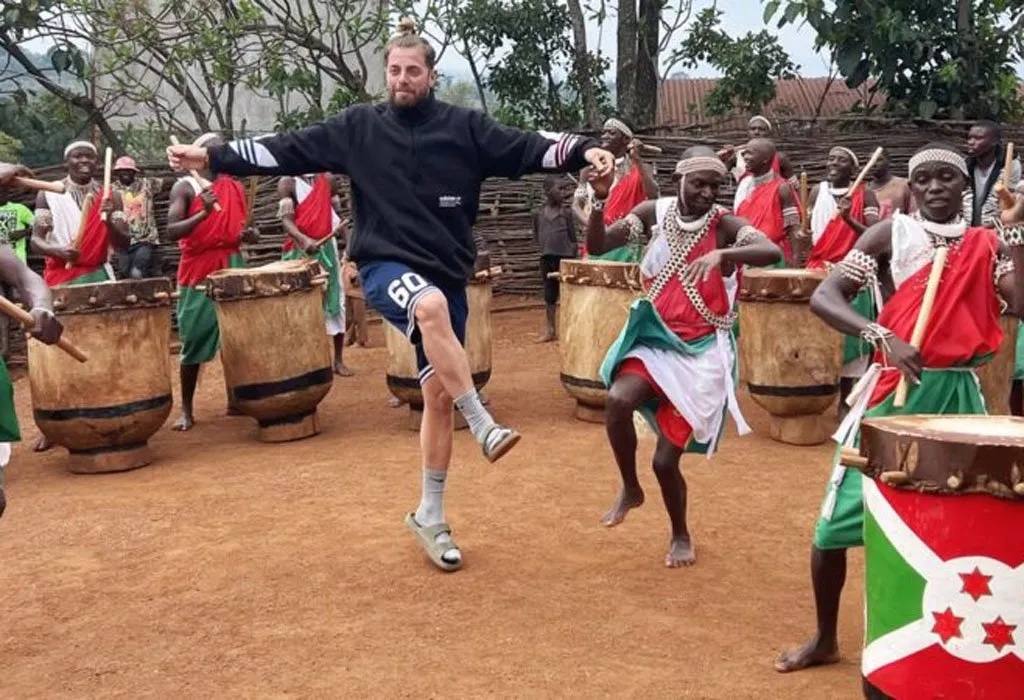
A Burundi cultural safari offers an intimate, off-the-beaten-path experience focusing on rhythmic drumming, traditional royal history, and warm hospitality. Key highlights include the Gishora Drum Sanctuary, Batwa pygmy community visits, exploring bustling Bujumbura markets, visiting tea plantations, and scenic Lake Tanganyika views.
20-days-perfect-rwanda-burundi-uganda-safari-vacation-with-cultural-experience
16-days-burundi-safari-and-culture-to-rwanda-uganda-primate-safari-vacation
15-day-best-of-burundi-and-rwanda-safari-holiday-vacation
14-days-best-burundi-rwanda-uganda-safari-combo-with-cultural-discovery
13-days-uganda-rwanda-safari-combined-with-burundi-safari-tour
12-days-perfect-burundi-cultural-safari-and-wildlife-safari-itinerary
11-days-amazing-burundi-safari-with-cultural-exposure
10-days-best-of-burundi-wildlife-safari-vacation-all-best-palaces-in-burundi
9-days-best-rwanda-safari-and-burundi-safari-holiday-vacation-combo
8-days-perfect-rwanda-gorilla-trekking-and-burundi-tour-combo
8-days-best-of-burundi-safari-holiday-combined-with-cultural-experience
7-days-exclusive-burundi-cultural-tour-and-chimpanzee-tracking-in-kibira-park
6-days-burundi-culture-safari-and-wildlife-experience
5-days-rusizi-kibira-national-park-burundi-safari-holiday
5-days-bujumbura-rusizi-national-park-karera-waterfalls-falls-drum-sanctuary-tour-package
Gishora Drum Sanctuary
The Gishora Drum Sanctuary is among Burundi’s most iconic cultural institutions, renowned for preserving the royal drumming tradition that once accompanied the monarchy. At the heart of the sanctuary is the Abatimbo performance—an athletic and highly ritualized drum-dance that blends virtuoso percussion with choreographed movement, singing, and historical narrative. Drummers who perform at Gishora are custodians of oral history: their rhythms, call-and-response vocals, and choreographed leaps recount courtly events, heroic deeds, lineage, and cosmological beliefs. The drumming ensembles use large, carved wooden drums dressed with taut animal skins; players demonstrate extraordinary balance, stamina, and synchronous timing, producing deep, resonant tones that are both musical and symbolic.
A visit typically begins with an orientation explaining the drums’ sacred status: historically, drums belonged to the mwami (king) and were treated with reverence, embedded in ceremonies that affirmed political authority and social cohesion. Contemporary performances at the sanctuary often balance authenticity with accessibility—presenting historical repertoire while offering contextual explanation so visitors understand the drums’ cultural meanings. In addition to public performances, you may be shown drum-making techniques, the crafting of drum skins, and the training regimen that singers and drummers undergo. Artisans and cultural stewards often explain taboos and protocols—why drums were once stored in particular places, who could play them, and how drumming accompanied rites of passage, royal announcements, and spiritual observances.
For ethical visitors, attending Gishora invites reflection on cultural continuity: how post-monarchical societies safeguard intangible heritage, transform courtly arts into community identity, and create livelihoods through cultural tourism. Purchasing recordings, donating to conservation programs, or buying related crafts helps support the sanctuary. Respectful behavior—photographing only with permission, remaining attentive during performances, and asking questions after the show—enhances the exchange. The Gishora Drum Sanctuary offers both a visceral, sensory experience and a concentrated lesson in how music, ritual, and history interlock in Burundi’s cultural fabric.
Batwa Community Visits
Visiting Batwa communities near Kibira National Park offers a unique window into the forest-based lifeways of one of the region’s oldest inhabitants. The Batwa (often referred to as Pygmy groups in broader Central African contexts) traditionally lived as hunter-gatherers, drawing on intimate ecological knowledge of forest flora and fauna for food, medicine, and material culture. Contemporary Batwa communities have been deeply affected by colonial and post-colonial land dispossession, conservation policies that restricted access to ancestral forests, and socio-economic marginalization. Responsible Batwa visits are therefore designed around consent, fair compensation, and community-led storytelling.
A typical Batwa visit centers on experiential learning: guided forest walks with Batwa knowledge-holders who identify edible roots, mushrooms, medicinal plants, and traditional traps. Hosts may demonstrate fire-making, bow-and-arrow crafting, and foraging techniques, explaining the cultural logic behind seasonal movements and food-sharing norms. Song, dance, and storytelling are integral—Batwa oral traditions relay cosmology, clan histories, and survival strategies. Artisanal demonstrations (weaving, carving, or small-scale basketry) may be offered, often through cooperatives that aim to generate income while preserving skills.
Ethical engagement matters. Choose operators who have negotiated clear agreements with Batwa leaders, ensuring fees go directly to community funds or households, and who do not stage or exploit poverty for spectacle. Programs that include skills training, education support, or legal aid for land-rights advocacy provide longer-term benefits. Visitors should be briefed on etiquette—ask before photographing, avoid giving money directly to individuals in ways that create dependency, and respect privacy.
Batwa visits are emotionally and intellectually rich: they reveal sophisticated ecological knowledge, resilient cultural identity, and the complex trade-offs between conservation goals and indigenous rights. For travelers, these encounters deepen understanding of human-environment relationships and the ethical responsibilities that accompany cultural tourism.
Royal & Historical Sites in Gitega
Gitega, designated as Burundi’s political heartland and home to numerous royal and historical sites, provides a concentrated introduction to the nation’s pre-colonial and colonial histories. The National Museum in Gitega houses ethnographic collections—regalia, ritual objects, royal drums, and oral histories—that contextualize Burundi’s monarchical past and the cultural artifacts that sustained courtly life. Museum displays often include explanatory panels and sometimes guided tours that situate objects within social practices: initiation rites, coronation ceremonies, and the symbolic uses of textiles, beads, and carved stools.
Nearby historical landmarks reinforce the region’s layered past. Monuments and preserved sites offer insights into colonial encounters, missionary activity, and the trajectories of political change leading to modern statehood. The Dr. Livingstone–Stanley monument, for instance, memorializes European exploration’s fraught legacy and invites reflection on the impacts of contact, trade, and the subsequent reconfiguration of African polities.
Walking tours in Gitega typically incorporate visits to royal sites such as former palaces, sacred groves, and burial places of kings—spaces where cosmology, authority, and communal memory intersect. Local guides interpret ceremonies once held at these sites and explain the significance of ritual artifacts. Engaging with elders or custodians can illuminate intangible heritage: oral genealogies, succession rules, and ceremonial knowledge that are not always visible in museum cases.
Gitega’s historical circuit also invites critical discussions about heritage preservation amid contemporary politics. Museums and monuments negotiate representation—whose stories are highlighted, how contested pasts are narrated, and how tourism revenue supports curatorial autonomy. Visitors can support preservation by contributing to museum fees, attending guided tours, and buying scholarly catalogues or local publications.
Overall, Gitega offers a layered educational experience: the material culture in museums, the living memory of elders, and the physical landscape of royal sites together provide a nuanced understanding of Burundi’s historical formation and the cultural practices that continue to shape national identity.
Local Markets & Crafts
Local markets in Burundi—whether the bustling kiosks of Bujumbura or smaller town markets—are lively showcases of everyday commerce, culinary flavors, and artisanal skill. Markets are social hubs where farmers sell produce, fishers trade their catch, traders barter textiles, and craftspersons display beadwork, woven baskets, carved wooden items, and traditional garments. Visiting a market offers sensory immersion: the scent of freshly roasted coffee, the kaleidoscope of woven textiles, animated bargaining, and the steady rhythm of communal life.
For craft lovers, markets provide direct access to makers or their representatives. Common items include intricately woven baskets—used for storage and ceremonial purposes—wooden stools and utensils carved with regional motifs, and beadwork that encodes symbolic meanings in color and pattern. Purchasing directly at markets supports local economies, but ethical buying means seeking fair prices, asking about provenance, and preferring community cooperatives or known artisan stalls to ensure proceeds benefit creators.
Market tours often include stops at food stalls where one can sample local specialties—fried plantain, roasted maize, fresh fish from Lake Tanganyika, and ubiquitous snacks that reveal culinary traditions and resource use. Guides can point out local ingredients, explain purchase practices, and facilitate interactions with vendors. Photography is usually welcomed but ask permission first, especially if photographing individuals in private stalls.
Beyond shopping, markets are places to observe social networks: how farmers access urban buyers, the role of women in small-scale trade, and how cash flows through rural-urban linkages. They also reflect cultural hybridity—traditional crafts coexisting with imported plastic goods, and evolving demands shaping artisanal production.
To make the most of market visits, carry small-denomination cash, be ready to haggle respectfully, and bring a reusable bag for purchases. Buying thoughtfully—choosing durable, well-crafted items and considering shipping options if needed—ensures your purchases are meaningful souvenirs and ethical contributions to local livelihoods.
Coffee & Tea Tours in the Highlands
Burundi’s highlands, including the regions around Teza and Tora, produce coffee and tea of notable quality, and touring these landscapes reveals the agricultural labor, processing techniques, and cooperative structures behind each cup. Coffee—often Arabica grown at high elevations—is cultivated on smallholder farms where coffee trees are interplanted with bananas, shade trees, and other crops as part of diversified agroforestry systems. Tea estates similarly exploit high-altitude cool climates ideal for Camellia cultivation.
A coffee or tea tour typically begins with a walk through planted terraces and plots, led by farmers or cooperative representatives who explain varietals, shade management, pruning, and pest control. For coffee, you’ll observe harvesting—often by hand—sorting of cherries, depulping, fermentation (for washed processing), drying on raised beds, and sometimes hulling and grading. For tea, demonstrations include plucking young shoots, withering, rolling, oxidizing, and drying; each step affects flavor profile and market value.
Many tours emphasize cooperative models: smallholders commonly pool harvests into cooperatives that provide processing infrastructure, access to fair-trade or specialty markets, and price negotiation power. Visiting processing centers and cupping sessions (professional tasting) helps travelers understand quality grading and flavor notes, from bright citrus acidity to chocolatey body. Some programs include hands-on opportunities—picking cherries, helping on the drying beds, or participating in a tasting workshop.
Sustainable practices are often highlighted: erosion control on slopes, organic fertilization, water-saving methods in processing, and efforts to secure higher returns for farmers through direct trade. Social dimensions—women’s roles in processing, child labor policies, and how revenues are invested in schools and health—add important context.
For visitors, aside from sensory pleasure, coffee and tea tours offer actionable ways to support producers: buying direct-trade beans, contributing to cooperative projects, or learning how certification (organic, fair trade) affects incomes. Tours are immersive, combining landscape beauty with rich cultural and economic narratives behind everyday beverages.
Traditional Dance Performances
Traditional dance in Burundi is a dynamic expression of history, social values, and communal identity. Performances range from royal drumming ensembles like the Gishora Abatimbo to village dance troupes that celebrate seasonal events, rites of passage, and social cohesion. Burundian dances are often highly energetic and rhythmic, featuring coordinated footwork, vocal elements, instrumental accompaniment, and choreography that communicates stories—about ancestry, warfare, harvests, or spiritual beliefs.
A typical performance includes drumming, singing, and dancing in semicircular formations or interlocking sequences. Dancers and drummers wear traditional attire—colorful garments, beadwork, and sometimes body paint—that signals regional affiliation or the occasion being marked. For many communities, dance is not mere entertainment but a form of memory-keeping, transmitting oral histories and moral lessons to younger generations.
Attending a dance performance can be a staged cultural show offered to tourists or a community event tied to local calendars; both have value but different ethical considerations. Community-led performances where proceeds directly benefit performers and cultural programs are preferable to ad-hoc spectacles that may commodify sacred practices. Seek opportunities where performers explain the meanings behind movements, songs, and regalia, providing context that enhances appreciation.
Participatory elements are sometimes included: visitors may be invited to clap, sing, or learn simple steps under guidance—an engaging way to bridge cultural distance. Photography and filming are usually possible but ask permission and be sensitive to any sacred components that are off-limits.
Traditional dance is also evolving: contemporary troupes blend old and new, addressing current themes like reconciliation, environmental stewardship, and youth aspirations. Supporting these performances through fair ticketing, donations, or sponsoring dance-education projects helps sustain cultural transmission and provides livelihoods for dancers and drum keepers.
Lake Tanganyika Experiences
Lake Tanganyika—one of the world’s deepest and longest freshwater lakes—offers serene relaxation and insight into vibrant lakeshore communities. A day by the lake combines swimming in clear waters, boat rides to fishing villages, and observing artisanal fishing techniques that shape local livelihoods. Fishermen use dugout canoes, gillnets, and traditional traps; watching a landing or join a morning fish market is an excellent way to appreciate the rhythms of lakeshore economies.
Boat excursions can include visits to rocky outcrops, secluded beaches, and small islands where birdlife and unique lake-adapted ecosystems flourish. Snorkeling is possible in shallower bays with clarity that reveals colorful endemic cichlids—species diversity owes to the lake’s ancient, stable ecology. Boat trips also illuminate socio-economic patterns: fish processing, smoking, and trading networks that connect lakeshore communities to inland markets.
Cultural experiences around Tanganyika include visits to fishing families, learning how nets are mended, participating in fish-smoking workshops, and tasting fresh catch prepared in local styles—grilled or smoked over open flame. Markets near the lake are vibrant places to sample local fish dishes, plantains, and millet porridges, and to purchase locally made fishing gear or carved souvenirs.
Environmental and social challenges also surface: overfishing, invasive species, pollution, and competition from industrial fleets affect community resilience. Responsible tourism supports sustainable fishing initiatives, community-based management, and conservation programs. Choose operators who prioritize low-impact boating, respect local fishing seasons, and contribute fees to community projects.
Finally, Lake Tanganyika is scenically stunning—sunsets over glassy water framed by distant hills provide memorable photographic moments. Whether relaxing at lakeside lodges, joining a guided boat trip, or engaging with fishing communities, the lake provides both natural beauty and culturally rich experiences centered on life at the water’s edge.
Karera Waterfalls & Rusizi National Park
Karera Waterfalls and Rusizi National Park represent two distinct but complementary natural attractions that enrich any cultural itinerary in Burundi. Karera Waterfalls, set amid lush highland forest, offer dramatic cascades, verdant pools, and picturesque hiking routes. Trails to the falls traverse coffee and banana plantations, secondary forest, and stands of native trees; along the way local guides point out medicinal plants, bird species, and traditional uses of vegetation. The falls area is not only scenically rewarding but also culturally significant—many local communities hold the site in high regard for spiritual or historical reasons.
Rusizi National Park, centered on the Rusizi River and its wetlands near Bujumbura, is a key wildlife area where visitors can observe hippos, crocodiles, and a variety of waterbirds in a relatively accessible setting. Boat-based excursions along the river channels provide close views of hippo pods and basking crocodiles, along with herons, egrets, and migratory species. The park’s mix of riverine forest, marshes, and open water supports biodiversity and offers opportunities to discuss wetland conservation, community resource use, and the challenges of human-wildlife coexistence.
Combining the two sites gives travelers a balanced experience: Karera’s upland hikes and botanical encounters intersect with Rusizi’s aquatic wildlife viewing and conservation narratives. Guides typically explain how local livelihoods—fishing, small-scale agriculture, and resource harvesting—connect to ecosystem health, and how seasonal flows affect both biodiversity and community use. For photographers and nature-lovers, each site presents distinct motifs: the dynamic verticality of Karera’s cascades versus the wide, reflective surfaces and animal concentrations of Rusizi.
Practical considerations include trail difficulty at Karera (bring sturdy shoes and water) and boat safety in Rusizi (lifejackets, experienced skippers). Both sites benefit from guided visits—local guides provide ecological interpretation, cultural context, and ensure minimal disturbance. Proceeds from park fees and guided tours often support conservation and local communities, making visits both enriching and contributive to stewardship.
City Tours: Bujumbura
Bujumbura, Burundi’s largest city and principal port on Lake Tanganyika, offers a compact urban circuit where colonial history, contemporary culture, and lakeside life intersect. City tours typically include the Independence Monument—a focal point for national memory—and the Islam Cultural Center, which reveals the city’s religious diversity and architectural character. The waterfront and central market areas are lively nodes for observing daily commerce, artisanal production, and urban social life.
Exploring Bujumbura often begins at the lakeside promenade: fishermen’s boats, cafes, and markets create a vibrant atmosphere where visitors can sample fresh fish and watch daily landings. The city’s markets—such as the central market—are ideal for tasting local produce, buying textiles, and observing supply chains that bring agricultural goods from surrounding highlands into the urban economy. Visiting small museums or cultural centers provides further historical framing, offering exhibits on colonial administration, post-independence politics, and the cultural diversity of Burundi’s peoples.
Guided walking tours highlight neighborhoods where traditional crafts are still produced: carpenters, leatherworkers, and textile vendors ply their trades in closely knit workshops. The Islam Cultural Center is an architectural and community landmark, and visiting respectfully provides insight into religious practices and the role of Islamic institutions in urban social life. Culinary stops—sampling roasted fish, street snacks, and locally brewed beverages—add sensory texture to the tour.
Safety and timing matter: plan city visits during daylight hours and use a trustworthy local guide who knows current conditions and can facilitate introductions. City tours also shine a light on urban challenges—waste management, informal economies, and housing—but these observations can be framed constructively when guides explain municipal initiatives or community responses.
Bujumbura’s compact scale means a half-day to full-day tour can cover key sites, offering both relaxation by the lake and a grounded sense of Burundi’s metropolitan rhythms. Supporting local businesses—cafes, craft vendors, and guides—ensures tourism revenue flows into the city’s economy and sustains cultural activities.
Gishora Drum Sanctuary
The Gishora Drum Sanctuary stands at the heart of Burundi’s cultural identity and is widely regarded as the premier highlight of a Burundi cultural safari. Centered on the Abatimbo — the royal drumming tradition — the sanctuary preserves drumming, song, and dance that once reinforced the mwami’s (king’s) authority and narrated communal histories. Visiting Gishora is an immersive, sensory experience: towering, hand-carved drums resonating with deep, powerful beats; drummers executing athletic leaps and precisely timed choreography; and vocalists interweaving call-and-response singing and historical refrains. The performance is both entertainment and living archive, encoding genealogies, heroic exploits, spiritual beliefs, and governance metaphors in rhythm and movement.
A typical visit begins with an orientation from cultural custodians who explain the drums’ sacred status, their ritual uses, and taboos once governing their handling and storage. You’ll learn about drum-making techniques — how wooden staves are shaped, skins stretched and treated, and decorative motifs carved — and may see younger trainees practicing under elder mentors. The sanctuary balances authenticity with accessibility: performances are presented in ways that respect tradition while allowing visitors to grasp symbolic meanings through guided interpretation.
Ethical tourism considerations are important. Seek out operators and programs that channel proceeds to the sanctuary and community, support cultural education, and avoid staging or trivializing sacred elements. Photography should be done respectfully and only with permission, especially during solemn moments. Buying locally made souvenirs — miniature drums, textiles, or recordings — helps sustain livelihoods for performers and artisans. Visiting Gishora also invites reflection on cultural continuity: how communities keep courtly arts alive in the post-monarchical era and how such heritage sites contribute to community cohesion and cultural pride.
In short, the Gishora Drum Sanctuary offers a visceral, memorable highlight of any Burundi cultural safari: a rare chance to witness an art form where music, history, spirituality, and identity converge in thunderous percussion and dynamic performance.
Safety on a Burundi Cultural Safari
Safety is a practical concern for any trip, and a Burundi cultural safari generally offers a welcoming, manageable environment provided travelers plan carefully and follow sensible precautions. Tourist areas and organized cultural tours are typically safe: local guides and established operators (including regional providers) know current conditions, common risks, and best travel practices. Burundi has experienced political fluctuations in past years, so it’s wise to check up-to-date travel advisories from your government and work with reputable operators who monitor security and adapt itineraries as needed.
On-the-ground safety measures include using licensed guides and drivers, traveling in private 4x4 vehicles suited to the terrain, and keeping to daylight hours for intersite transfers. Road quality varies — main routes connecting Bujumbura, Gitega, and key park access points are generally passable in the dry season, while secondary tracks can be challenging after rain. Local guides provide invaluable real-time advice on road conditions, safe parking spots, and community relations.
Health precautions are essential: Burkina (sic) — sorry, Burundi — requires proof of yellow fever vaccination for many travelers; malaria is present, so prophylaxis and mosquito precautions (nets, repellent, long sleeves at dusk) are strongly recommended. Bring a basic first-aid kit, any prescription medicines, and travel insurance covering medical evacuation if you’ll access remote lodges or parks.
Personal safety practices include keeping valuables secure, carrying only necessary cash during market visits, and avoiding demonstrations or large political gatherings. Respectful behavior and cultural sensitivity reduce friction with locals; learning basic Kirundi greetings or traveling with a translator fosters goodwill. Night travel between towns is best minimized; instead, plan overnight stays in reputable accommodations.
Overall, with experienced guides, updated advisories, sensible health measures, and common-sense vigilance, a Burundi cultural safari can be both safe and deeply rewarding. Choose responsible operators who prioritize guest safety and community partnerships to ensure a smooth, respectful journey.
Cultural Interactions You Can Expect
A Burundi cultural safari offers rich, intimate interactions with local communities and longstanding traditions. Expect visits to village compounds, markets, craft workshops, and cultural centers where hosts share everyday practices and heritage knowledge. Experiences commonly included are demonstrations of traditional crafts (basket weaving, carving, beadwork), visits to local markets in towns like Bujumbura or Gitega, and opportunities to meet elders who recount oral histories and clan narratives.
Banana beer (urwarwa) brewing is a frequent highlight: trackers or host families demonstrate the multi-step process of fermenting banana mash and sorghum, explaining the social contexts where banana beer plays roles in ceremonies, hospitality, and communal gatherings. Observing or participating (with permission) in brewing offers cultural insights into local foodways and social reciprocity. Batwa (forest-dweller) community visits near Kibira or Mgahinga provide learning about forest-based livelihoods: guided foraging walks, demonstrations of traditional traps, medicinal plant knowledge, and music and dance unique to Batwa heritage. Ethical engagement is crucial — choose programs that are community-led, provide direct compensation, and respect privacy.
Artisanal craft demonstrations often include woven baskets, wooden stools, and textile work. Markets offer direct access to artisans and cooperative-run stalls; asking about provenance and buying through cooperatives helps ensure fair returns to makers. Storytelling and oral history sessions with elders and cultural custodians illuminate succession rituals, royal pasts, and local cosmologies; these conversations deepen understanding of public rituals and the meanings behind regalia and artifacts.
Participatory events may invite visitors to join dance or song, learn simple drumming patterns, or try local culinary preparations. Always follow guidance on appropriate conduct — ask before photographing individuals, avoid intruding on sacred ceremonies, and refrain from unsolicited gifts which can create dependency or social disruption. Language barriers are bridged by guides fluent in Kirundi and French, enhancing authenticity.
In short, expect hands-on, respectful cultural exchange: sensory-rich encounters with music, food, craft, and story that reveal Burundi’s living traditions while contributing to community livelihoods when done ethically.
Wildlife Viewing Opportunities on a Burundi Cultural Safari
A Burundi cultural safari often combines cultural highlights with meaningful wildlife experiences, offering access to several national parks and lakeshore ecosystems. Key wildlife destinations commonly paired with cultural itineraries include Kibira National Park, Rusizi/Ruvubu areas, and Lake Tanganyika’s lakeshore environments.
Kibira National Park, in the country’s northwest highlands, is a remnant of the once-vast Congo-Nile rainforest and provides forest trekking opportunities where you can encounter chimpanzees and diverse birdlife. Guided forest walks, led by trained rangers and local trackers, focus on primate tracking, listening for chimp calls, and learning about the forest’s medicinal plants and ecological importance. The Batwa communities living around Kibira often partner with conservation programs; some visits integrate Batwa cultural demonstrations with guided forest interpretation.
Rusizi National Park and riverine systems near Bujumbura are good for boat-based wildlife viewing. The Rusizi River and its wetlands support hippo pods, crocodiles, and a variety of waterbirds — boat cruises along the river allow close observation of these species while offering photographic opportunities. Ruvubu National Park, in eastern Burundi, protects savanna and forest mosaic habitats where hippos, crocodiles, and other mammals can be found, depending on season and access.
Lake Tanganyika is itself a biodiversity hotspot: its rocky shores and shallow bays host endemic fish species (notably cichlids), and lakeside communities have fishing traditions tied to the lake’s ecology. Boat trips and guided village interactions let visitors learn artisanal fishing techniques, sample fresh Mukeke (the local catch), and sometimes snorkel or swim in designated safe areas.
Combine wildlife viewing with cultural sites (Gishora Drum Sanctuary, Batwa encounters, markets) for balanced days: morning forest walks or boat safaris followed by afternoon cultural visits. Logistics and access vary seasonally; the dry season improves road access and increases likelihood of productive wildlife encounters. Choose operators who emphasize minimal-impact wildlife viewing and community benefit-sharing to ensure conservation and local livelihoods are supported.
Best Time for a Burundi Cultural Safari
The optimal time to visit Burundi for a cultural safari is the dry season, with June to September commonly recommended as the clearest window for travel. During these months, roads are most passable, hiking trails are drier and safer, and wildlife-viewing conditions — especially in savanna and wetland areas — are improved because animals concentrate around water sources. Cultural events and performances, such as Gishora drumming displays and village festivals, are more reliably scheduled and accessible during the dry season when travel disruptions are less likely.
Burundi has two rainy seasons: the long rains typically run from February to May and the short rains around October to November. During heavy rains, secondary roads and tracks to remote cultural or park sites (especially in the highlands and near Kibira) can become muddy and difficult for standard vehicles; river crossings may be hazardous and some rural activities can be curtailed. However, the rainy season has benefits for certain travelers: landscapes turn lush and verdant, birdlife and amphibians become more active, and prices or availability at some lodges may be more flexible outside peak months.
If your interests are primate tracking in Kibira or chimpanzee habituation experiences, scheduling during the drier months both eases trekking conditions and increases the probability of longer, more comfortable trail times. Lake Tanganyika activities (beach time, boat trips) are also more pleasant in drier weather when winds are calmer and visibility is better for snorkeling or boat-based wildlife viewing.
Plan bookings well in advance for June–September, as this is peak travel season and lodges or cultural programs can fill quickly. For those who prefer fewer crowds and don’t mind occasional showers, the shoulder months (May and October) can offer a useful compromise: some rain, but fewer tourists and potentially better deals. Regardless of timing, check local travel advisories and work with experienced operators who adjust itineraries for seasonal accessibility and community event calendars.
Languages Spoken on a Burundi Cultural Safari
Kirundi is Burundi’s national language and is spoken widely across the country, forming the backbone of local communication and cultural expression. For travelers on a cultural safari, encountering Kirundi in markets, village interactions, and performances provides an authentic connection to everyday life. Key greetings and simple phrases in Kirundi are appreciated by hosts and help bridge cultural gaps — learning a few words shows respect and curiosity.
French is also widely used in Burundi due to colonial history and remains an important language in administration, education, and some tourism services. Travelers who speak French often find it useful for hotel check-ins, formal interactions, and reading signage in urban centers like Bujumbura or Gitega. Educational and interpretative materials at some museums or cultural centers may be available in French as well.
English is increasingly present in the tourism sector, particularly among guides, lodge staff, and operators who cater to international visitors. While not as ubiquitous as Kirundi or French, many professional guides and drivers speak competent English and can provide translation during cultural visits, market tours, and performances. If your itinerary crosses borders or includes regional operators (from Rwanda or Uganda), multilingual guides familiar with English, French, and local languages enhance the experience.
Local dialects and regional languages may also be encountered in more remote communities; Batwa communities, for instance, may use distinct vocabulary and rely on oral traditions transmitted through elders. In these situations, guides and community liaisons play a crucial role in mediating conversation and ensuring respectful communication.
Hiring a local guide or fixer is highly recommended. Professional guides fluent in Kirundi and French — and often English — provide cultural interpretation, facilitate introductions to community leaders, and ensure that consent and protocols (photo permissions, gift etiquette) are observed. Learning basic Kirundi greetings (e.g., “Amakuru?” for “How are you?”) adds warmth to exchanges and is generally appreciated by hosts.
In short, expect Kirundi as the everyday language, French in formal and urban contexts, and English as a practical tourism lingua franca; a multilingual guide will make cultural engagement smoother and more meaningful.
What to Pack for a Burundi Cultural Safari
Packing well for a Burundi cultural safari ensures comfort, cultural respect, and readiness for both village visits and light wildlife activities. Start with clothing suited to a warm, tropical climate with variable conditions: lightweight, breathable fabrics for daytime, and a light fleece or jacket for cooler highland evenings. Long-sleeved shirts and long trousers are strongly recommended for dusk and dawn to reduce mosquito bites and for respectful dressing during village and cultural site visits.
Footwear matters: bring sturdy walking shoes or lightweight hiking boots for forest walks (Kibira) and visits to Karera Waterfalls; comfortable sandals or closed shoes for market and town exploration are also useful. A compact rain jacket or poncho is essential, especially if you travel during shoulder or rainy seasons when showers can be sudden. A wide-brimmed hat, sunglasses, and high-SPF sunscreen protect you from strong sun at lakeside and highland sites.
Health and safety items: insect repellent with DEET (or effective alternatives), a small first-aid kit with antiseptic, plasters, anti-diarrheal medication, and any personal prescription medicines. Malaria prophylaxis is recommended — consult your physician before travel. Carry hand sanitizer and water-purification tablets or a reliable refillable bottle with a filter for remote areas.
Photography and documentation: a good camera with extra batteries and memory cards captures performances (ask permission before photographing people). Binoculars are handy for birdwatching and wildlife along the Rusizi River. Bring photocopies of travel documents, visas, and vaccination certificates (yellow fever) stored separately from originals.
Cultural respect items include modest clothing for village visits, small, fair-value gifts for community programs (pens, school supplies — but check with your operator first to ensure gifts are appropriate), and a small amount of local currency (BIF) in small denominations for market purchases and tips. A reusable tote or foldable bag is practical for market shopping.
Finally, pack light but flexible: many lodges provide laundry; prioritize essentials that support health, respect, and active engagement. Working with your tour operator to confirm recommended gear for specific activities (chimp tracking, boat trips, or drumming performances) helps tailor your packing list to the planned itinerary.
Visiting the Source of the Nile from Burundi
Yes — visiting the southern or localized “sources” associated with the Nile is commonly included in Burundi cultural itineraries and makes a scenic and historically evocative side trip. While the Nile’s primary and most famous source is usually associated with Lake Victoria (and the White Nile’s headwaters further north), Burundi offers significant headwater landscapes and streams feeding the Nile basin that are culturally and geographically notable.
Trips to the southern hydrological areas often include guided visits to rivers and springs where local communities identify waterways as part of the Nile’s broad catchment. These sites are scenic, offering opportunities for short walks, riverbank picnics, and cultural exchange with nearby villages. Interpretive guides explain how watersheds connect the highland rains through rivers and wetlands, eventually contributing to larger river systems far beyond Burundi’s borders.
A visit to such a site is typically combined with other nearby cultural highlights — a market stop, a local craft demonstration, or a visit to a nearby historical monument or sacred grove. Practical considerations include road access (better in the dry season), the need for sensible footwear for muddy banks, and insect precautions when near wetlands.
If your itinerary specifically aims to “visit the Source of the Nile,” clarify with your operator which local site is intended and the cultural-hydrological interpretations offered. Some packages may route visitors toward the Rusizi headwaters or feature stops where local guides narrate traditional knowledge about rivers and origins, blending science and folklore. As with all cultural exchanges, respectful engagement with local custodians enriches the experience: ask permission before entering sacred spots, follow guide instructions, and be mindful of seasonal accessibility.
Overall, while Burundi’s Nile-related sites are not the classic “single-source” tourist stop found elsewhere, they provide a meaningful and scenic complement to cultural safaris — connecting landscape, hydrology, and local stories about the life-giving rivers of the region.
Accommodation on a Burundi Cultural Safari
Accommodation during a Burundi cultural safari ranges from comfortable city hotels to simple, cozy lodges and community-run guesthouses near cultural and park sites. In urban centers like Bujumbura and Gitega, travelers can expect mid-range hotels offering private bathrooms, Wi-Fi (where available), and standard amenities suitable for international visitors. These hotels provide convenient bases for city tours, markets, and museum visits, and often feature restaurants serving local and international dishes.
Near national parks and cultural attractions, lodging options become more rustic but intimate. Eco-lodges, small family-run guesthouses, and park-side bungalows typically offer private or shared rooms with basic comforts — mosquito nets, warm water where feasible, and locally sourced meals. These accommodations emphasize proximity to nature and community, with many run by local entrepreneurs or cooperatives that reinvest revenue into conservation and cultural programs. Staying in such places enhances cultural exchange and supports local livelihoods; expect personalized hospitality and the opportunity to meet hosts and artisans in a relaxed setting.
For remote stays — near Kibira, Karera Waterfalls, or Rusizi wetlands — facilities are simpler. Electricity may be limited to evening hours via generator or solar power, and hot water may not be guaranteed. Bring a small flashlight, portable charger, and flexible expectations for amenities. Some higher-end lodges do exist, catering to visitors seeking greater comfort, but Burundi’s tourism infrastructure is generally less developed than neighboring countries; this contributes to the destination’s off-the-beaten-path charm.
Booking tips: confirm inclusions (meals, transfers, park fees), ask about bedding and mosquito protection, and check cancellation and flexibility policies. If you have specific needs — dietary restrictions, medical concerns, or mobility limitations — communicate them in advance so operators can arrange suitable options.
Overall, accommodation on a Burundi cultural safari blends urban convenience with rural authenticity: comfortable city hotels combined with modest, welcoming lodges and community stays near cultural sites create a balanced, immersive travel experience.
Travel Between Destinations on a Burundi Cultural Safari
Traveling between cultural sites and parks in Burundi is most practical by private 4x4 vehicle with an experienced local driver-guide. Roads vary widely in condition: primary routes between Bujumbura, Gitega, and major hubs are generally passable, especially during the dry season, while secondary tracks to remote cultural sites, forested areas, and park trailheads can become muddy and slow during rains. A sturdy 4x4 offers better clearance, flexibility for detours, and room for luggage and gear.
Private transfers arranged through reputable operators simplify logistics: guides coordinate permits, local introductions, and timing for performances or community visits. Drivers often double as cultural interpreters or work with local fixers who arrange Batwa visits, Gishora performances, and market stops. Using a local operator ensures adherence to local protocols, supports fair compensation for community experiences, and provides a buffer when conditions change.
Air travel within Burundi is limited; domestic flights are not a major component of most cultural safari itineraries. For cross-border multi-country routes (e.g., combining Rwanda or Uganda with Burundi), short regional flights or road transfers via border posts are coordinated by tour operators, but border formalities can add time, so allow buffer days.
Expect journey times to be longer than map distances suggest due to road quality, checkpoints, and scenic stops. Plan travel during daylight to minimize risks and maximize visibility on rural routes. If your itinerary includes forest treks (Kibira) or boat trips (Rusizi River, Lake Tanganyika), operators typically schedule early departures to reach activity start times and arrange gear transfers.
Public transport exists (buses and minibuses) but is not recommended for cultural safaris where time, comfort, and reliable coordination with community visits matter. Private vehicles also enable flexible photo stops, market visits, and adjustments to accommodate local events.
In short, private 4x4 road transfers with experienced local guides are the preferred mode for a Burundi cultural safari — offering safety, flexibility, and strong support for community engagement and logistics.
Water Activities on a Burundi Cultural Safari
Water-based activities enrich many Burundi cultural safari itineraries, combining leisure with cultural insight and wildlife observation. Lake Tanganyika — one of the world’s longest and deepest freshwater lakes — is a central focus for lakeside relaxation, boat excursions, and fishing-culture experiences. Lakeshore lodges offer tranquil beach time, swimming in designated safe spots, and boat trips to nearby bays, islands, and fishing villages where guests can observe traditional canoe-based fisheries and fish-processing techniques.
Boat cruises on the Rusizi River and associated wetlands near Bujumbura provide excellent wildlife-watching opportunities. Guided boat safaris often focus on hippo pods, basking crocodiles, and waterbirds; these excursions are generally short, safe, and supervised by experienced skippers who know optimal viewing areas and local seasonal patterns. Photographers appreciate the low-angle views and reflective water scenes for compelling shots.
Some itineraries include hands-on cultural water experiences: visiting lakeside villages to learn how fishing nets are mended, joining in fish-smoking demonstrations, or learning about canoe construction and boat maintenance. These activities emphasize the social and economic role of aquatic environments in lakeshore communities and connect cultural narratives to subsistence practices.
Safety considerations: always use lifejackets provided on boats, confirm operator safety standards, and heed local guidance about swimming areas; currents and underwater hazards can vary. Avoid swimming alone or after heavy rains which may affect water quality. For snorkeling or underwater activities, check for operator experience and equipment quality — many lake-based activities focus more on boat observation and beach relaxation than deep-water sports.
Environmental responsibility is important: choose operators that practice low-impact boating, respect local fishing seasons and protected areas, and contribute to community conservation efforts. Respect local customs around sacred water sites and ask permission before entering private lakeshore areas.
Overall, water activities on a Burundi cultural safari blend relaxation, wildlife viewing, and community interaction — from peaceful Lake Tanganyika beaches to Rusizi boat safaris and hands-on fishing-culture visits.
Vaccinations and Health Precautions for Burundi Cultural Safaris
Health preparation is an essential part of planning a Burundi cultural safari. Many travelers will need specific vaccinations and should follow preventive measures to reduce health risks during their trip. First, yellow fever vaccination is commonly required for entry into Burundi for travelers arriving from endemic areas; carry your International Certificate of Vaccination (yellow card) as proof. Routine vaccinations (MMR, tetanus, diphtheria, pertussis) should be up to date according to your home-country guidelines.
Malaria is endemic in Burundi, so travelers should consult a physician about appropriate malaria prophylaxis before departure and follow mosquito-avoidance strategies while in-country: use insect repellent (DEET), sleep under insecticide-treated mosquito nets where provided, wear long sleeves and trousers at dusk and dawn, and ensure accommodation offers mosquito protection. Carry a supply of antimalarial medication as prescribed and know the symptoms so you can seek prompt care.
Other recommended vaccinations may include hepatitis A and B, typhoid, and, depending on itinerary and activities, rabies pre-exposure vaccination (if you expect frequent animal exposures or will be in remote areas without rapid access to post-exposure prophylaxis). Travelers with specific health concerns (pregnancy, chronic conditions) should consult healthcare providers for personalized advice.
Bring a well-stocked travel first-aid kit: antiseptic wipes, bandages, oral rehydration salts, anti-diarrheal medication, painkillers, blister plasters, and any prescription medications in their original containers with a copy of the prescription. Waterborne illnesses can occur; use bottled or filtered water, avoid ice in uncertain settings, and follow safe food practices (eat well-cooked foods, avoid raw salads from unknown sources).
Travel insurance that covers medical evacuation is strongly advised, especially for remote lodges or park-based activities where advanced care may be distant. Know local emergency contacts, consular information, and the location of reliable medical facilities in major towns (Bujumbura). Finally, allow time for any required vaccine schedules before travel (some vaccines need multiple doses over weeks), and carry documentation of all vaccinations with you.
Food and Cuisine on a Burundi Cultural Safari (300 words)
Burundian cuisine is hearty, largely based on locally grown staples, and reflects lakeshore and highland influences that make culinary exploration a pleasant part of a cultural safari. Expect simple, flavorful dishes centered on plantains, beans, cassava, maize, and rice — often accompanied by fresh fish from Lake Tanganyika and stews flavored with regional spices and aromatics.
Mukeke (fresh Lake Tanganyika fish) is a signature lakeshore dish: typically grilled or fried and served with side staples like plantains (matoke), cassava, or rice. Fish-smoking is a common preservation technique in lakeside communities, and many itineraries include visits to fish markets where you can taste freshly prepared catch or learn smoking methods. Beans (haricots) form the foundation of many meals, stewed with tomatoes and onions, sometimes enriched with small amounts of meat. Isombe — a dish of cassava leaves pounded and cooked with groundnuts or peanut paste — is another regional specialty reflecting Central African culinary traditions.
Street food and market snacks offer authentic tasting opportunities: roasted maize, fried plantain chips, and small grilled fish or skewers are widely available. Banana beer (urwarwa) is a culturally important fermented beverage served during social occasions; tastings are often included during village visits. Coffee grown in Burundi’s highlands is high-quality, and tea plantations in certain regions produce strong local brews — visiting coffee or tea tours allows sampling at the source.
For travelers, most lodges and hotels provide a mix of local and international dishes. If you have dietary restrictions, inform your operator in advance; many accommodations can adapt menus with notice. Food hygiene practices are generally good in established lodges and reputable restaurants; in rural markets, choose cooked foods and bottled water to reduce gastrointestinal risks.
Particularly in community-based meals, accept invitations with cultural sensitivity: eating is social, and sharing local dishes is part of hospitality. Bringing small, appropriate gifts (e.g., school supplies) is appreciated more than handing out cash. Overall, Burundian cuisine provides wholesome, flavorful meals that complement cultural exploration and offer direct connections to local agriculture and lakeshore livelihoods.
Recommended Trip Length for a Burundi Cultural Safari
For a well-rounded Burundi cultural safari that balances cultural immersion, scenic highlights, and wildlife experiences, plan for 4 to 7 days. A short 4-day itinerary can cover core cultural attractions — a Gishora Drum Sanctuary visit, a Bujumbura city tour with markets and the Independence Monument, and a Rusizi boat safari or Lake Tanganyika lakeshore stop — offering a compact, engaging sampler of Burundi’s heritage and nature.
A 5–7 day itinerary allows deeper engagement and a more relaxed pace. With five days, you can add Kibira National Park for chimpanzee trekking or Batwa cultural visits, Karera Waterfalls for scenic hiking, and extended time at Lake Tanganyika for boat trips and lakeside relaxation. Seven days provides ample time to include Gitega’s historical sites (National Museum, Dr. Livingstone–Stanley monument), multiple community visits with Batwa or village exchanges, and Ruvubu National Park or Rusizi wildlife excursions, while maintaining comfortable travel rhythms and buffer time for road transfers.
Longer stays (8–12 days) enable multi-day cross-border combinations (Rwanda/Uganda/Burundi), additional primate tracking, more conservation-focused activities, or extended beach time on Lake Tanganyika. If you plan to include seasonal events or festivals, build extra days to accommodate local calendars and possible travel delays.
When planning trip length, consider travel logistics: road transfers between attractions can be slower than expected due to road quality or checkpoints, so include adequate transit time and avoid overly packed schedules. Choose reputable operators who coordinate permits, community introductions, and comfortable accommodations to maximize time spent at attractions rather than in transit.
Ultimately, 4–7 days is the sweet spot for most cultural-safari travelers seeking to experience Gishora, Batwa visits, markets, and a taste of Burundi’s wildlife and lakeshore life without feeling rushed.
Currency and Payment on a Burundi Cultural Safari (300 words)
The official currency of Burundi is the Burundi Franc (BIF). While ATMs and card acceptance exist in larger urban centers (notably in Bujumbura), cash remains the primary medium for transactions in many parts of the country. For a cultural safari that visits rural areas, markets, and community-run lodges, carrying sufficient local currency in small denominations is essential for purchases, tips, and payments for local experiences.
Credit and debit card acceptance is limited outside major hotels and some city restaurants; do not rely exclusively on cards for remote stays. When planning, bring enough cash for market purchases, local guides, and incidental costs — and consider carrying a mix of currencies (Euros, US Dollars) as backup, since some operators accept major foreign currencies or can arrange exchange. If bringing foreign currency, carry new, unmarked notes for easier exchange and verify current exchange rates beforehand.
Notify your bank of travel dates to avoid card blocks, and check fees for international withdrawals. Use ATMs in secure locations (hotel lobbies, bank branches) and be mindful of withdrawal limits; it’s prudent to withdraw larger sums in safe urban centers rather than seeking multiple rural withdrawals.
When paying for tours, verify what is included in your package: reputable operators often accept card payments for deposits and full payments through their websites, but balance payments for on-the-ground services (local guiding fees, community visit tariffs, porters) are typically in cash. Always ask for receipts and clarify tipping customs with your tour operator so you can prepare appropriate small bills.
Support local communities ethically: buy from cooperatives, avoid giving money directly to individuals in ways that create dependency, and consider donating to community funds or education projects through established channels. Finally, keep emergency funds separate from your daily cash and store passports, valuables, and larger sums securely at accommodations.
Overall, carrying Burundi Francs for day-to-day expenses, supplemented by some Euros or US Dollars and backed by a card for major hotel payments or emergencies, provides the most flexible approach for a smooth cultural safari in Burundi.
Booking Burundi cultural safari with us Roads of Adventure safaris
Book an unforgettable Burundi cultural safari with Roads of Adventure Safaris, exploring the heart of East Africa's heritage. Witness the world-renowned Gishora Drum Sanctuary, explore the Gitega National Museum, and visit the historical Source of the Nile. Experience vibrant traditions, including local drumming and dance, paired with stunning visits to Karera Waterfalls, Lake Tanganyika beaches, and Kibira Forest primate tracking. Our tailored, expert-guided tours offer deep cultural immersion, connecting you with local communities and breathtaking landscapes for an authentic African adventure. Book your tailored, immersive journey today to discover the hidden gem of Burundi.
