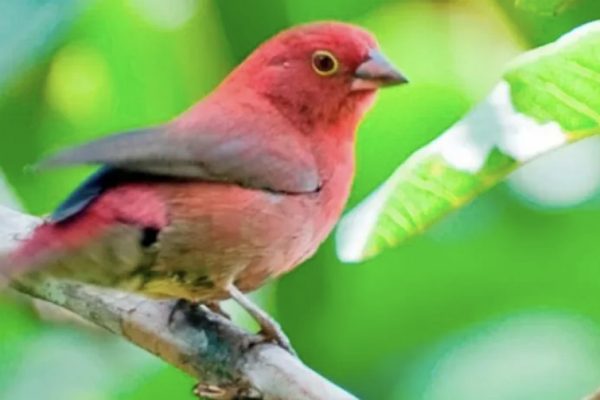
A 9-day Rwanda birding safari typically covers diverse habitats—from savannahs in Akagera to high-altitude forests in Nyungwe and Virunga volcanoes—offering sightings of over 450 species, including rare Albertine Rift endemics like the Shoebill, Grauer’s Swamp Warbler, and Rwenzori Turaco, alongside optional gorilla and chimpanzee trekking.
28-days-perfect-uganda-rwanda-bird-watching-safari-and-wildlife-expedition
17-days-rwanda-birding-safari-and-uganda-birding-tour-combined-vacation
16-days-exclusive-rwanda-bird-watching-safari-extravaganza
12-days-perfect-rwanda-birding-safari-itinerary
9-days-best-rwanda-birding-safari-primates-and-wildlife
10-days-best-rwanda-birding-safari-combined-with-rwanda-gorilla-trekking-vacation
5-days-perfect-rwanda-birding-safari-and-wildlife-and-gorilla-trekking
7-days-rwanda-birding-safari-chimps-and-gorilla-trekking
Akagera National Park (Days 1–3)
Akagera National Park stands as a remarkable contrast to the mountainous terrain typical of Rwanda, offering a sprawling mosaic of acacia woodland, open savannah, and a complex system of lakes and papyrus swamps. For the dedicated birder, the first three days focus on the park’s unique status as the northernmost reach of the Zambezian biome while simultaneously hosting species typical of the East African savannah. The absolute crown jewel of this leg is the Shoebill stork. This prehistoric-looking bird is often found within the vast, tangled wetlands of the park, and sightings here are considered a major triumph for any African birding checklist. Navigating the edges of the swamps, you will also be on high alert for the vibrant Papyrus Gonolek, a species whose striking crimson underparts flash brilliantly against the deep green reeds.
The park is equally famous for its high concentration of raptors. During the game drives through the open plains, the skies and thermal currents are often filled with the silhouettes of Lesser Kestrels, Bateleurs, and various snake eagles. The interaction between the wetlands and the dry land creates a unique "edge effect" where waterbirds like the African Fish Eagle and various kingfishers share the environment with savannah specialists.
Expect your mornings to begin at dawn, as the golden light hits the plains—this is the peak time for activity. Beyond the avian life, Akagera’s recent successful reintroductions of lions and rhinos mean your birding sessions will be punctuated by sightings of the "Big Five." The experience here is one of vast horizons and quiet patience, as you scan the reeds of Lake Ihema or the clusters of acacia trees for the elusive White-headed Barbet or the Bennett's Woodpecker. It is an immersive introduction to Rwanda’s biodiversity, blending classic safari excitement with technical, high-reward birdwatching.
Nyungwe Forest National Park (Days 4–6)
As you transition to Nyungwe Forest National Park, the environment shifts from the open heat of the savannah to a cool, misty, and ancient montane rainforest. Nyungwe is one of the oldest forests in Africa, and its dense canopy is home to over 300 bird species, including 29 Albertine Rift endemics. The primary objective during these three days is to navigate the forest’s varied altitudinal range to spot these rare specialists. The Rwenzori Turaco, with its spectacular shock of red, blue, and green plumage, is a frequent highlight, often heard before it is seen as it glides between the giant ferns and mahogany trees.
Birding in a rainforest requires a different set of skills; it is a game of listening for calls and scanning the moss-covered branches. You will be searching for the Handsome Francolin, a shy ground-dweller that often emerges on the forest trails in the early light. The sunbirds here are particularly dazzling, with the Regal Sunbird providing a brilliant display of iridescent colours that seem to glow even in the filtered forest light. The terrain can be challenging, involving steep hikes on well-maintained trails, but the reward is an unparalleled sense of discovery in a primary forest that feels largely untouched by time.
In addition to the birdlife, Nyungwe offers a profound primate experience. A significant portion of your time may be dedicated to chimpanzee trekking, an exhilarating pursuit through the undergrowth to witness our closest relatives in their natural habitat. Even while tracking chimps, the birding continues; you might spot the Great Blue Turaco or the Grey-cheeked Hornbill in the upper canopy. The air is thin and crisp, the forest is alive with the sound of cicadas and distant primate calls, and every turn in the trail offers a chance to check another endemic species off your list.
Volcanoes National Park (Days 7–8)
Volcanoes National Park, situated in the heart of the Virunga Mountains, provides a dramatic backdrop for the penultimate leg of your journey. This high-altitude volcanic chain is shrouded in bamboo forests and afro-alpine moorlands, creating a specialized habitat for birds that thrive in cooler, thinner air. The birding here focuses on the higher elevations, targeting the Rwenzori Double-collared Sunbird and other high-altitude specialists that are rarely found elsewhere. The bamboo zone is also an excellent place to find the Archer’s Ground Robin and the Red-faced Woodland Warbler, species that have adapted perfectly to the unique flora of the volcanic slopes.
While the birding is world-class, Volcanoes National Park is globally synonymous with the Mountain Gorilla. On Day 8, you have the option to embark on a gorilla trekking expedition. This is a life-changing experience that involves hiking through the thick "Hagenia" forests to spend an hour in the presence of a habituated gorilla family. The physical demand of the trek is high, as the slopes can be slippery and steep, but the quiet intimacy of watching a silverback lead his group is an unmatched wildlife encounter.
Even if you choose to focus purely on birding, the park offers incredible vistas of the five dormant volcanoes that define the landscape. The mist often clings to the peaks well into the afternoon, creating an ethereal atmosphere. You will spend your time scanning the giant lobelias and groundsel for nectar-feeders and watching the skies for the Mountain Buzzard. The combination of rare avian species and the presence of the world’s most famous primates makes this park the emotional and biological peak of the itinerary, offering a sense of scale and majesty that is unique to the Rwandan highlands.
Kigali and Departure (Day 9)
The final day of the itinerary brings you back to the vibrant capital city of Kigali, but the birding does not stop at the city limits. Kigali is surprisingly green, and its surrounding wetlands offer one last opportunity to secure sightings that may have been missed in the national parks. A morning visit to the Nyabarongo Wetland is essential. This area is part of the upper Nile system and serves as a vital habitat for water-associated species. Here, you can expect to find the White-winged Swamp Warbler, the Carruthers's Cisticola, and potentially the African Skimmer during certain times of the year.
This final session allows for a relaxed pace, transitioning from the rugged adventures of the rainforests and volcanoes to the structured comfort of the city. The wetlands provide a final look at Rwanda’s diverse ecosystems, showcasing how even near urban centres, the "Land of a Thousand Hills" maintains a deep connection to its natural heritage. It is a perfect time for photographers to capture final shots of kingfishers, herons, and egrets against the backdrop of the rolling hills that surround the city.
In the afternoon, you will have time to explore Kigali’s cultural side, perhaps visiting the Kigali Genocide Memorial or local craft markets, before your scheduled departure. The city’s clean streets and burgeoning culinary scene offer a comfortable environment to review your birding logs and reflect on the journey. From the "Big Five" and Shoebills in Akagera to the endemics of Nyungwe and the giants of the Virungas, this nine-day circuit provides a comprehensive and exhilarating overview of Rwanda's wildlife. Your expedition concludes with a transfer to Kigali International Airport, carrying with you a completed checklist of some of the rarest birds and animals on the continent.
9-Day Rwanda Birding & Wildlife Discovery
Rwanda, affectionately known as the "Land of a Thousand Hills," offers a premier avian experience within one of Africa’s most diverse landscapes. This expertly curated 9-day safari traverses three distinct ecosystems: the sprawling savannahs and papyrus swamps of Akagera National Park, the ancient, mist-shrouded montane rainforests of Nyungwe, and the dramatic volcanic peaks of the Virunga Massif. Birders will delight in the opportunity to spot over 700 species, including 29 Albertine Rift endemics and the legendary Shoebill stork. Beyond the exceptional birdwatching, this journey offers profound encounters with Rwanda’s iconic primates, including chimpanzees and the majestic Mountain Gorillas. From the low-lying wetlands to high-altitude bamboo forests, this itinerary provides an immersive balance of technical birding, breathtaking scenery, and world-class wildlife photography. Whether you are a seasoned ornithologist or a nature enthusiast, this expedition promises an unforgettable exploration of Rwanda’s rich biological heritage and stunning natural beauty.
Day 1: Arrival in Kigali & Transfer to Akagera
Upon arrival at Kigali International Airport, your professional birding guide will welcome you for a briefing before departing for Akagera National Park. The drive east transitions from the city’s hills to lower-lying plains. As you enter the park, keep your binoculars ready for initial sightings of the Red-faced Barbet and various raptors. After checking into your lodge, enjoy a late afternoon birding session along the park’s edge. Akagera is Rwanda’s only savannah park, offering a unique mix of acacia woodland and open grasslands. The evening air is often filled with the calls of nightjars, setting the stage for the adventure ahead. This first day introduces you to the warmer, drier climate of eastern Rwanda and the diverse avian life that thrives in this specialized ecosystem.
Day 2: Full Day Birding in Akagera Wetlands
Today focuses on the extensive lake systems and papyrus swamps of Akagera. A boat trip on Lake Ihema is a highlight, providing close-up views of the prehistoric-looking Shoebill stork, a top prize for any birder. Watch for the vibrant Papyrus Gonolek and the White-winged Swamp Warbler flitting among the reeds. The water’s edge is also home to African Fish Eagles, various kingfishers, and the Great White Pelican. On land, the focus shifts to savannah specialists like the Bennett's Woodpecker and the Black-headed Gonolek. While scanning the skies for Bateleurs and Martial Eagles, you will likely encounter Akagera’s "Big Five," including herds of elephants and buffalo. The day offers a perfect blend of aquatic and terrestrial birding, capturing the incredible biodiversity found where water meets the wild savannah.
Day 3: Northern Plains & Transfer back to Kigali
The final morning in Akagera is spent exploring the Mutumba Hills and the northern plains. This area is excellent for spotting the Tabora Cisticola and the Long-tailed Cisticola. The open grasslands are frequented by the Southern Ground Hornbill and various lapwings. As you drive toward the northern gate, keep an eye out for the Common Buttonquail and the Flappet Lark. The elevation changes slightly here, offering a different suite of species than the southern wetlands. Following lunch, you will begin the journey back to Kigali. This transition day allows you to review your sightings from the eastern plains while enjoying the scenic landscapes of rural Rwanda. You will spend the night in the capital, resting before heading toward the high-altitude rainforests of the southwest tomorrow.
Day 4: Journey to Nyungwe Forest National Park
Leaving the city behind, you will travel south toward the ancient Nyungwe Forest National Park. The drive is a birding opportunity in itself, as you pass through terraced hills and small forest patches where the Augur Buzzard is frequently seen. Along the way, a stop at the National Museum in Huye provides a cultural interlude. As you approach the forest, the air becomes cooler and the vegetation more lush. Nyungwe is one of Africa’s oldest and best-preserved montane rainforests, hosting 29 Albertine Rift endemics. Upon arrival at your lodge, the evening sounds of the forest take over. You might catch your first glimpse of the Great Blue Turaco in the canopy or hear the distant, haunting calls of primates, marking your entry into this mist-shrouded botanical paradise.
Day 5: Birding Nyungwe Forest & Chimpanzee Trekking
Your day begins at dawn for an exhilarating chimpanzee trekking experience. Following these energetic primates through the undergrowth provides a thrilling perspective of the forest. However, birding remains a priority; look for the Forest Wood-hoopoe and the Red-throated Alethe in the shadows. In the afternoon, focus on the forest’s "star" species. Nyungwe is the best place to find the spectacular Rwenzori Turaco, with its brilliant crimson wings. Scan the upper canopy for the Slender-billed Starling and the Blue-headed Sunbird. The forest trails are often damp and misty, creating an atmospheric backdrop for spotting the shy Handsome Francolin. This day highlights the complex vertical layers of the rainforest, where specialized avian life thrives alongside Rwanda’s most famous resident primates, offering a truly immersive and multi-sensory wildlife experience.
Day 6: Montane Endemics & Canopy Walk
Today is dedicated to the high-altitude specialists of the Albertine Rift. You will hike the trails to find the Regal Sunbird and the Strange Weaver, species found nowhere else in the world. A major highlight is the Canopy Walkway, suspended 60 metres above the forest floor. This vantage point offers a rare "bird’s eye view" of species that usually remain hidden in the treetops, such as the Mountain Masked Apalis and various hornbills. The afternoon focus shifts to the marshy areas for the Grauer’s Swamp Warbler, a rare and highly localized endemic. The sheer density of species in Nyungwe is staggering, and your guide’s expertise in bird calls will be essential for locating these forest gems. The day concludes with a sense of awe at the sheer scale and biological richness of this ancient montane habitat.
Day 7: Drive to Volcanoes National Park
After a final morning birding session in Nyungwe, you will begin the scenic drive north toward Volcanoes National Park. This route follows the shores of Lake Kivu, offering stunning vistas of the water and the undulating hills of the Congo-Nile Divide. Keep your binoculars handy for waterbirds like the Pied Kingfisher and the Yellow-billed Stork along the lake’s edge. As you move further north, the dramatic silhouettes of the Virunga Volcanoes begin to dominate the horizon. This region’s high-altitude bamboo and afro-alpine forests host a different set of avian residents. Upon arrival at your lodge near the park headquarters, the cooler temperatures and volcanic soil signal a new ecological chapter. The evening is spent preparing for the high-altitude challenges and incredible rewards of birding in the shadow of the volcanoes.
Day 8: Primate Tracking & Virunga Birding
The morning offers the iconic opportunity for Gorilla trekking, a life-changing encounter with these gentle giants in the Hagenia forest. For those focused purely on birding, the day involves exploring the volcanic slopes for the Rwenzori Double-collared Sunbird and the Archer's Ground Robin. The bamboo zone is a reliable spot for the Red-faced Woodland Warbler and the Dusky Crimsonwing. The environment here is rugged and ethereal, with mist often swirling through the giant lobelias. In the afternoon, you may visit the Twin Lakes, Burera and Ruhondo, to look for the African Marsh Harrier and various waterfowl. Whether you choose to track gorillas or focus on the Virunga endemics, the day is defined by the majesty of the high-altitude terrain and the rare, resilient species that call these volcanic peaks home.
Day 9: Kigali Birding & Departure
On your final day, you will return to Kigali for a concluding birding session in the city’s green belts. The Nyabarongo Wetlands on the outskirts of the capital provide a final opportunity to spot species like the Little Bittern, African Spoonbill, and the elusive White-winged Swamp Warbler. This relaxed morning allows you to finalise your birding checklist and capture last-minute photographs of Rwanda’s waterbirds. After a farewell lunch, your guide will transfer you to Kigali International Airport for your departure flight. This 9-day circuit concludes having covered Rwanda’s three most significant biodiversity hotspots, leaving you with a comprehensive understanding of the country's avian treasures. From the savannah raptors to the forest endemics and the mountain giants, you depart with memories of a truly world-class wildlife expedition through the "Land of a Thousand Hills."
The primary focus of a 9-day Rwanda birding safari is to provide a comprehensive immersion into one of Africa’s most biologically diverse "Albertine Rift" landscapes. Over the course of nine days, the itinerary is strategically designed to transition through three distinct ecological zones: the eastern savannahs, the central montane rainforests, and the northern volcanic highlands. This geographical variety ensures that enthusiasts can witness the full spectrum of Rwanda's avian life, which boasts over 700 recorded species. The tour prioritises the identification of "lifers"—rare birds that many enthusiasts travel across the world to see—while balancing the technical aspects of ornithology with the raw beauty of Rwanda’s natural scenery.
A central pillar of this focus is the pursuit of the Albertine Rift Endemics. Rwanda is home to 29 of these highly localised species, and a 9-day tour is the optimal duration to target the majority of them. The journey is not merely about "sighting" birds but understanding their habitats and behaviours. Expert guides lead participants through the papyrus swamps of Akagera National Park to find prehistoric waterbirds, into the deep, ancient canopies of Nyungwe Forest for forest specialists, and up the bamboo-clad slopes of Volcanoes National Park for high-altitude rarities.
Furthermore, the "primary focus" often expands to include Rwanda's world-famous primates. Because the best birding spots overlap with the habitats of Mountain Gorillas and Chimpanzees, the tour serves a dual purpose as a holistic wildlife expedition. It focuses on the intersection of conservation and tourism, showing how protected habitats benefit both the smallest sunbirds and the largest silverbacks. By the end of the nine days, the goal is for the traveler to have gained a deep, firsthand appreciation of Rwanda's commitment to preserving its unique ecological heritage.
Which rare bird species can I see on a 9-day Rwanda birding safari tour?
A 9-day birding safari in Rwanda is a "treasure hunt" for some of the rarest and most sought-after avian species on the African continent. The "holy grail" for many is the Shoebill Stork, frequently found in the wetlands of Akagera National Park. This massive, blue-grey bird is famous for its bulbous, shoe-shaped bill and its tendency to remain motionless for hours while hunting in the papyrus. Alongside it, the Papyrus Gonolek adds a splash of vibrant crimson and yellow to the reeds, serving as a quintessential wetland prize.
As the tour moves into the montane forests of Nyungwe, the list of rarities grows significantly. The Red-collared Babbler is a particular highlight; Nyungwe is one of the few places on earth where this Albertine Rift endemic can be reliably spotted. Enthusiasts also scan the canopy for the Great Blue Turaco, a large, striking bird with deep blue plumage and a yellow-and-red beak, and the Rwenzori Turaco, known for the brilliant red patches on its wings that are only visible in flight. The forest floor holds its own secrets, such as the shy Archer’s Robin-Chat and the Handsome Francolin, both of which require patience and keen ears to locate amidst the leaf litter.
The high-altitude regions offer a different set of jewels, specifically the sunbirds. The Regal Sunbird and the Rwenzori Double-collared Sunbird are breathtaking, with iridescent feathers that shimmer in the mountain light. Other high-value targets include the Grauer’s Swamp Warbler, found in the high-elevation peat bogs, and the Dusky Crimsonwing. Seeing these species in a single trip is a testament to Rwanda’s compact but dense biodiversity, making it a world-class destination for those looking to tick off some of the most elusive names in the birding world.
Does a 9-day Rwanda birding safari tour include visits to Volcanoes National Park?
Yes, Volcanoes National Park is an essential component of a 9-day birding circuit, as it represents a unique afro-alpine ecosystem that cannot be replicated elsewhere in the country. Situated in the northwest along the border with the Democratic Republic of Congo and Uganda, the park consists of five dormant volcanoes. For birders, this high-altitude environment is the primary location to find species adapted to the bamboo forests and sub-alpine moorlands. The park provides a dramatic vertical landscape that allows for "altitudinal birding," where species change significantly as you ascend the slopes.
The inclusion of Volcanoes National Park is also strategic because it offers the most famous wildlife experience in Africa: Mountain Gorilla trekking. While the primary objective of the tour is birding, most 9-day itineraries reserve a day for this encounter. The "Hagenia" forest, where the gorillas reside, is also home to the African Hill Babbler and various sunbirds, meaning the trek itself is a productive birding walk. The park is also one of the best places to see the Golden Monkey, another endemic primate that shares the bamboo habitat with rare birds like the Red-faced Woodland Warbler.
Logistically, the park serves as a grand finale or a major mid-trip highlight. Its proximity to the Twin Lakes (Burera and Ruhondo) also allows for afternoon birding sessions focused on waterbirds and raptors against a backdrop of volcanic peaks. Including this park ensures that the tour covers the "Trifecta" of Rwandan conservation: the savannah of the East, the rainforest of the South, and the volcanoes of the North. It provides the necessary geographical balance to ensure the traveler sees the widest possible variety of species in a relatively short timeframe.
What type of accommodation is provided during a 9-day Rwanda birding safari tour?
Accommodations on a 9-day birding safari are carefully selected to provide a blend of comfort, strategic location, and immersion in nature. Because birding often requires very early starts, the lodges are typically located as close to the park gates as possible—sometimes even within the park boundaries, as seen in Akagera. These establishments range from high-end luxury eco-lodges to very comfortable mid-range tented camps. Regardless of the price point, the focus remains on "safari chic"—a style that emphasizes natural materials, local craftsmanship, and spectacular views of the surrounding wilderness.
In the forest regions like Nyungwe, you can expect lodges that feel like treehouses, perched on the edge of the canopy. These rooms often feature private balconies where you can actually start your birding morning with a coffee in hand, watching turacos fly past. In Volcanoes National Park, the accommodations often take the form of stone cottages with fireplaces to combat the chilly mountain nights. Most lodges provide essential amenities for the modern traveler, including en-suite bathrooms with hot showers—a necessity after a long day of hiking—and charging stations for camera batteries and equipment.
Dining is a significant part of the accommodation experience. Since birders are often in the field during the day, lodges are adept at providing high-quality "packed lunches" that are far more than just sandwiches, often including fresh fruit, local snacks, and hot tea or coffee. In the evenings, three-course dinners featuring a mix of international cuisine and traditional Rwandan flavours (such as isombe or fresh tilapia) are served in communal dining areas. This setup encourages socialising with fellow travelers and guides to discuss the day’s sightings, creating a warm, community atmosphere that defines the Rwandan safari experience.
What should I bring on a 9-day Rwanda birding safari tour?
Packing for a 9-day birding safari in Rwanda requires a balance between technical gear and versatile clothing designed for varying climates. The most critical item is a high-quality pair of binoculars (8x42 is generally recommended for forest birding). Since many species in Nyungwe and Volcanoes are found in the shadows of the canopy, "light-gathering" capability is essential. A comprehensive field guide, such as "Birds of East Africa," is also indispensable for identifying species on the fly and reviewing sightings in the evening.
Clothing must be functional and layered. Rwanda’s weather can transition from the hot, humid savannahs of Akagera to the cold, misty heights of the Virungas in a single trip. Long-sleeved shirts and trousers are vital, not just for warmth, but to protect against stinging nettles and insects while trekking. Durable, waterproof hiking boots with good ankle support are non-negotiable, as trails in the rainforest can be slippery and steep. A lightweight, breathable rain jacket should always be in your daypack, as tropical downpours can occur at any time, even during the "dry" season.
Other essentials include a wide-brimmed hat, high-SPF sunscreen, and insect repellent containing DEET. For photography enthusiasts, a camera with a powerful telephoto lens (at least 400mm to 600mm) is necessary to capture birds high in the trees. Since you will be spending long hours in the field, a comfortable, waterproof daypack is needed to carry your water, snacks, and extra layers. Finally, don't forget a reusable water bottle and perhaps some gardening gloves—these are surprisingly helpful when trekking through thick vegetation in search of gorillas or rare forest birds.
Are there hiking activities on a 9-day Rwanda birding safari tour?
Yes, hiking is a fundamental and unavoidable part of a 9-day birding safari in Rwanda. Unlike some "seated" safaris in other parts of Africa where you remain in a vehicle, birding in Rwanda—especially in the western and northern regions—is a highly active pursuit. In Nyungwe Forest, the terrain is mountainous and covered in dense primary rainforest. To find the Albertine Rift endemics, you must walk the forest trails, which can involve significant elevation gains and losses. These hikes can last anywhere from two to six hours depending on the target species.
The intensity of the hiking increases in Volcanoes National Park. If you choose to participate in gorilla trekking or search for high-altitude birds like the Rwenzori Double-collared Sunbird, you will be navigating steep volcanic slopes. The ground can be uneven, tangled with roots, and often muddy. However, these hikes are generally conducted at a "birding pace"—meaning there are frequent stops to listen for calls, scan the canopy, and take photographs. This makes the physical exertion manageable for most people with a moderate level of fitness, as the goal is observation rather than speed.
Even in the flatter landscape of Akagera, there is an element of walking, particularly along the lake shores and through the acacia woodlands to get better vantage points on waterbirds. For all these activities, "porters" are often available for hire at the park headquarters. Hiring a porter is highly recommended; they carry your heavy camera gear and bags, providing a steady hand on slippery slopes. This not only makes the hiking easier for you but also provides direct economic support to the local communities surrounding the parks, making your birding trip a part of the local conservation economy.
What is the best time for a 9-day Rwanda birding safari tour?
The "best" time for a 9-day birding safari depends on whether your priority is general visibility or the presence of migratory species. However, most experts agree that the short dry season (December to February) and the long dry season (June to September) offer the most comfortable conditions. During these months, the trails in Nyungwe and Volcanoes National Park are less muddy, making the hiking significantly easier. Additionally, the lack of heavy rain means birds are more active and easier to spot in the canopy, and photography is aided by clearer skies and better light.
For those specifically interested in Palearctic migrants, the window from November to April is ideal. During this time, Rwanda becomes a wintering ground for birds traveling from Europe and Asia, significantly increasing the total species count. This period overlaps with the rainy seasons, but for a dedicated birder, the trade-off is often worth it. The rains also bring the landscape into full bloom, and many resident birds display their vibrant breeding plumage and engage in complex mating calls, making them easier to locate.
If your trip includes gorilla or chimpanzee trekking, the dry seasons (June–September) are definitely preferred to avoid the heaviest tropical downpours. However, Rwanda is a year-round destination. Even during the "wet" months, rain often comes in short, intense bursts followed by sunshine, rather than constant drizzle. Ultimately, if you want the best balance of easy hiking, clear photography, and high species diversity, the months of January and August are often cited as the peak times for a comprehensive 9-day circuit.
Does the 9-day Rwanda birding safari tour include primate trekking?
While the tour is titled a "birding safari," it is almost always inclusive of, or at least provides the option for, primate trekking. Rwanda's geography makes it nearly impossible to visit the best birding hotspots without encountering its famous primates. In Nyungwe Forest, one morning is typically dedicated to Chimpanzee trekking. As you follow the chimps through the forest, your guide will continue to point out bird species, making it a "multi-purpose" trek. You may also see L'Hoest's monkeys and large troops of Black-and-white Colobus monkeys while searching for forest endemics.
In Volcanoes National Park, the itinerary usually leaves room for Mountain Gorilla trekking. While this is a separate activity with its own permit requirements, most birders choose to include it as a "bucket list" experience. The trek takes you through the same Hagenia and bamboo forests that house rare mountain birds, so the binoculars are never put away. Additionally, Golden Monkey trekking is another popular option in the same park. These striking, orange-tinted primates are endemic to the Virunga massif and provide excellent photographic opportunities.
The inclusion of primates adds a layer of excitement and "prestige" to the birding tour. It transforms the trip from a specialized niche interest into a world-class wildlife adventure. Most tour operators recognize that while a traveler may have come for the Shoebill or the Regal Sunbird, the chance to sit a few metres away from a silverback gorilla is too significant to pass up. Therefore, the 9-day structure is designed to be flexible, allowing participants to choose how much they want to focus on feathers versus fur on any given day.
Are all meals included in a 9-day Rwanda birding safari tour?
On a standard 9-day Rwanda birding safari, the package is almost always full board, meaning all meals are included from the moment you start the tour until you depart. This is a logistical necessity because most birding activities take place in remote national parks where there are no external restaurants or cafes. Breakfast is usually served very early at the lodge—often as early as 4:30 AM—to ensure you are at the park gates or on the trail by sunrise. These breakfasts are hearty, featuring eggs, fruit, toast, and Rwandan coffee to provide energy for the morning’s hike.
Lunch is the most variable meal. On days when you are deep in the forest or out on a long game drive in Akagera, the lodge will provide a packed lunch. These are designed to be portable and high-energy. Guides usually find a scenic "picnic spot"—perhaps overlooking a lake or a forest valley—where you can take a break, eat, and continue birding. On "transition days" when you are driving between parks, you might stop at a local restaurant to experience traditional Rwandan buffet-style meals, which include staples like beans, sweet potatoes, cassava, and grilled meats.
Dinner is the main social event of the day, served at your lodge or camp. It is typically a sit-down, multi-course meal. Lodges in Rwanda are very accustomed to dietary restrictions; whether you are vegan, gluten-free, or have specific allergies, they can almost always accommodate you if notified in advance. Bottled water is provided throughout the trip, especially in the vehicles and during treks. While coffee, tea, and water are included, alcoholic beverages and sodas are often considered an "extra" and are charged to your personal room account at the end of the stay.
How do I travel between locations during a 9-day Rwanda birding safari tour?
Transportation during a 9-day birding safari is primarily conducted in a specialised 4x4 safari vehicle, typically a Land Cruiser with a pop-up roof. This vehicle is essential for navigating the varied terrain of Rwanda, from the paved (but winding) roads of the "Thousand Hills" to the rugged, unpaved tracks inside Akagera National Park. The 4x4 capability is especially important during the rainy season when access roads to certain forest lodges can become muddy. The pop-up roof is a major advantage in Akagera, allowing for 360-degree visibility for spotting raptors and large mammals.
You will be accompanied by a professional driver-guide who remains with you for the entire duration of the trip. This guide is often the most important person on your tour, acting as a driver, birding expert, and cultural ambassador. Rwandan guides are known for their exceptional knowledge of bird calls and their ability to spot a camouflaged bird from a moving vehicle. The drives between locations are part of the experience; for example, the journey from Nyungwe to Volcanoes follows the scenic shores of Lake Kivu, offering some of the most beautiful landscapes in Africa.
While Rwanda is a small country, the winding nature of the roads means that drives between parks can take anywhere from four to six hours. These transfers are planned with "birding stops" in mind, pausing at wetlands, forest patches, or river crossings along the way to see species that aren't found inside the main parks. For those with a higher budget or limited time, domestic helicopter transfers are available between Kigali, Nyungwe, and Volcanoes. While this significantly reduces travel time and offers incredible aerial views, most birders prefer the road journey as it allows for a more "connected" experience with the landscape and local birdlife.
What is the average group size on a 9-day Rwanda birding safari tour?
The average group size for a 9-day birding safari in Rwanda is intentionally kept small, typically ranging from 2 to 6 participants. Birding is a quiet, focused activity that requires patience and stealth; large groups of 15 or 20 people would be counterproductive, as the noise and movement would likely scare away shy forest species before they could be identified. A small group ensures that every participant has a clear line of sight through their binoculars and "window seat" access in the safari vehicle.
Many birding tours in Rwanda are booked as private departures. This allows for maximum flexibility; if you want to spend three hours trying to photograph a specific sunbird, a private guide can accommodate that. If the tour is a "scheduled group departure," it is still kept small to ensure personalized attention from the lead ornithologist. In these settings, participants often find they share a deep common interest, leading to a highly collaborative atmosphere where everyone helps spot and identify species.
In the national parks, the group size is also regulated by the park authorities. For example, a maximum of 8 people are allowed on a single gorilla trek or chimpanzee trek. This ensures that the environmental impact is minimized and the wildlife remains habituated rather than stressed. By keeping the group size small, the safari maintains an air of exclusivity and intimacy. It allows the guide to tailor the information to the group’s level of expertise—whether they are professional researchers or enthusiastic amateurs—ensuring that everyone leaves with a sense of accomplishment and a well-documented species list.
Will I visit Kigali on a 9-day Rwanda birding safari tour?
Yes, Kigali is the gateway to Rwanda and serves as both the starting and ending point for almost every 9-day safari. Most travelers arrive at Kigali International Airport (KGL), where they are met by their guide. The first day often involves an overnight stay in the capital to recover from international travel before heading into the wild. Kigali is widely regarded as the cleanest and safest city in Africa, and its rolling hills provide a beautiful introduction to the country's geography.
A visit to the Kigali Genocide Memorial is almost always included in the itinerary, usually on the first or last day. This is a deeply moving and essential experience for understanding Rwanda's modern history and the incredible journey of reconciliation and development the country has undertaken since 1994. While it is a somber visit, it provides necessary context for the resilience of the people you will meet throughout your journey. It highlights how conservation and national unity have gone hand-in-hand in Rwanda’s "rebirth."
Kigali is also surprisingly productive for birding. The city's many green spaces, gardens, and the Nyabarongo Wetlands on its outskirts host a variety of species. Before flying out, many tours spend their final morning at these wetlands to look for the White-winged Swamp Warbler or the African Spoonbill. The city also offers excellent opportunities for "souvenir birding"—visiting local craft markets to find hand-woven baskets (agaseke) or local coffee to take home. Starting and ending in Kigali provides a comfortable, urban "bookend" to an otherwise rugged and wild adventure.
Is malaria prevention necessary during a 9-day Rwanda birding safari tour?
Yes, malaria prevention is highly recommended for anyone embarking on a 9-day safari in Rwanda. While the high-altitude regions like Volcanoes National Park and parts of Nyungwe are too cool for most mosquitoes, the lower-lying areas—specifically Akagera National Park and Kigali—are considered malaria-risk zones. Because birding often takes place at dawn and dusk (peak mosquito activity times) and involves spending time near wetlands and standing water, taking precautions is a standard part of travel preparation.
Travelers should consult a travel clinic or doctor several weeks before departure to discuss prophylactic medication (such as Atovaquone/Proguanil or Doxycycline). In addition to medication, "physical" prevention is equally important. This includes wearing long-sleeved shirts and long trousers in the evenings, using an insect repellent containing at least 20-30% DEET, and ensuring that you sleep under a mosquito net (which are provided by almost all lodges in risk areas). Many lodges also perform "turn-down" service where they spray the rooms with insecticide in the early evening.
It is also worth noting that Rwanda requires a Yellow Fever vaccination certificate for entry if you are traveling from a country where Yellow Fever is endemic. While not a "prevention" for the safari itself, it is a legal requirement for travel. Overall, while the risk of malaria is manageable with the right precautions, it is not something to be ignored. Being diligent about your medication and repellent ensures that your focus remains on the birds and the scenery rather than your health, allowing for a stress-free and productive 9-day expedition.
How intense are the daily activities on a 9-day Rwanda birding safari tour?
The daily intensity of a 9-day birding safari is high, primarily due to the early starts and the physical nature of the terrain. For a dedicated birder, the day usually begins between 4:00 AM and 5:00 AM. This is because birds are most active, vocal, and visible during the "dawn chorus." You want to be at the forest edge or the park gate as the first light breaks. This early schedule can be tiring over nine consecutive days, but it is necessary to secure the rarest sightings.
The physical intensity varies by location. Days in Akagera are less physically demanding, as much of the birding is done from a vehicle or a boat. However, days in Nyungwe and Volcanoes are strenuous. You may spend four to six hours hiking on uneven, steep, and sometimes muddy trails. Even if you are not "hiking" in the traditional sense, simply standing and looking up into the canopy for long periods (often jokingly called "warbler neck") can be physically taxing. The humidity in the rainforest and the thin air at high altitudes in the Virungas add to the overall fatigue.
Despite the intensity, the schedule is balanced with "downtime." Most itineraries include a mid-day break during the hottest part of the day when bird activity drops. This is a time to rest at the lodge, download photos, or update your checklist. The pace is also "steady" rather than "fast." Guides understand that birding requires silence and stillness, so you aren't rushing from place to place. While the 9-day tour requires good stamina and a willingness to embrace early mornings, the profound sense of immersion and the high success rate for rare sightings make the effort deeply rewarding for any wildlife enthusiast.
What is the currency and time zone during a 9-day Rwanda birding safari tour?
The official currency of Rwanda is the Rwandan Franc (RWF). While most large hotels, lodges, and park headquarters in Kigali, Nyungwe, and Volcanoes accept major credit cards (Visa and Mastercard being the most common), it is essential to carry some local currency for smaller purchases. You might want to buy local crafts, tip your porters and guides, or purchase snacks at a roadside stop. US Dollars (printed after 2013) are also widely accepted for larger transactions and tipping, but you will often get a better "rate" and make things easier for local staff by using Francs. ATMs are readily available in Kigali and larger towns like Musanze, but they are non-existent once you are inside the national parks.
In terms of the time zone, Rwanda operates on Central Africa Time (CAT), which is UTC+2. Notably, Rwanda does not observe Daylight Saving Time, so its position relative to Europe or North America changes depending on the season. For many travelers, this time zone is convenient as it is only an hour or two different from Western Europe, minimizing jet lag. This is particularly beneficial for a birding safari, as you need to be alert and ready for those 5:00 AM starts from the very first day.
When planning your 9-day tour, keep in mind that Rwanda is a very "orderly" country regarding time. Appointments for gorilla trekking or park entries are strictly enforced. Additionally, on the last Saturday of every month, Rwanda observes Umuganda, a national morning of community service. During this time (usually 8:00 AM to 11:00 AM), most shops are closed and traffic is restricted. Your tour operator will plan your transfers around this, but it’s a unique cultural detail to be aware of. Understanding these logistical basics—currency, time, and local customs—ensures that your 9-day birding adventure runs smoothly and respectfully.
Booking Rwanda birding safari tour with us Roads of Adventure safaris
Book your unforgettable Rwanda birding safari with Roads of Adventure Safaris to explore Albertine Rift endemics in Nyungwe Forest and Akagera National Park. Our tailored itineraries, led by expert guides, offer unparalleled opportunities to spot the Rwenzori Turaco, Grauer's Warbler, and rare Shoebills. Experience top-tier service, from luxury lodges to flexible, private guided tours designed for birders. Witness Rwanda’s biodiversity, including chimpanzees and gorillas, alongside magnificent water birds in a stunningly pristine environment.
