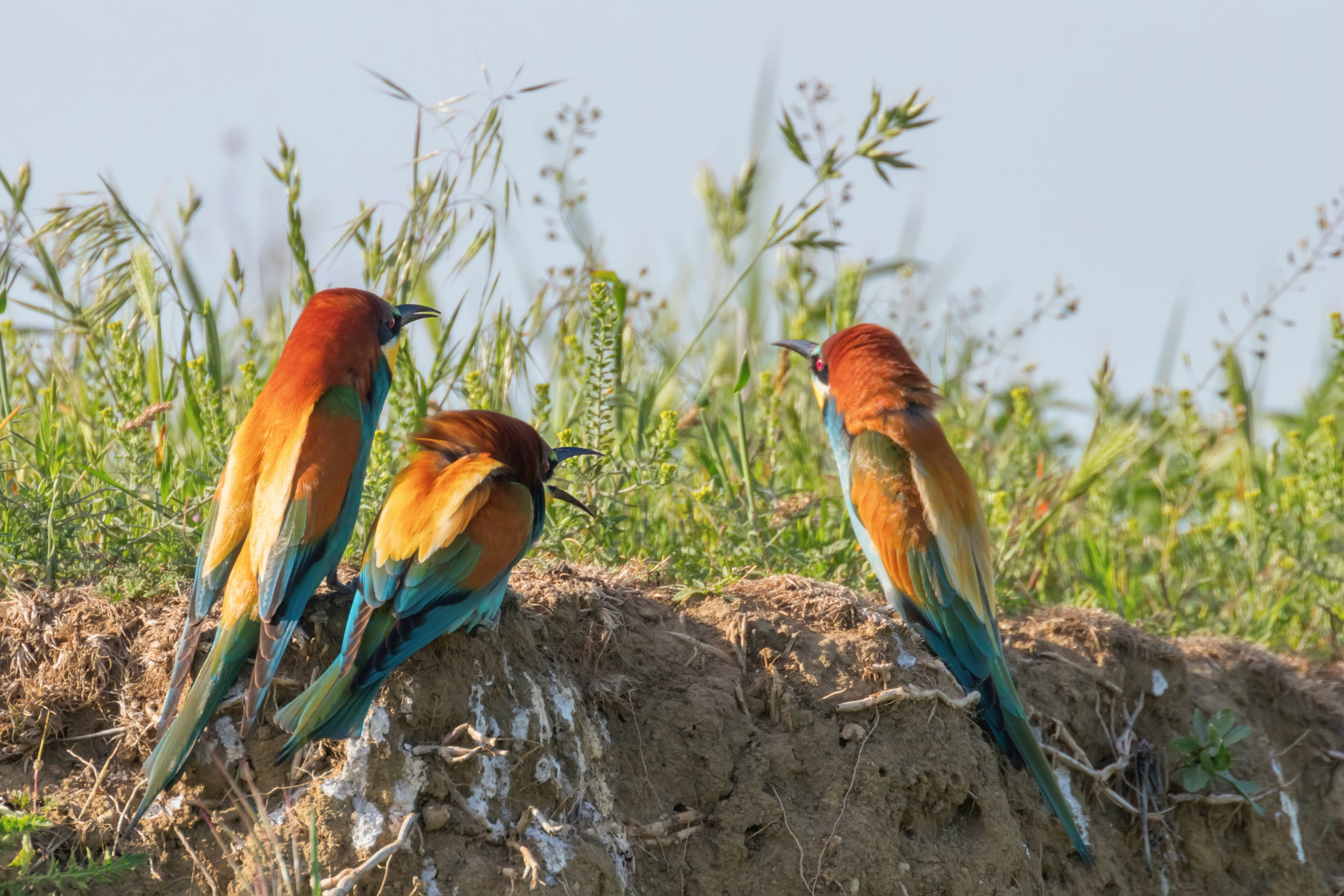
An 18-day Rwanda birding and primate safari offers an immersive journey through Volcanoes, Nyungwe, and Akagera National Parks, focusing on gorilla/chimpanzee trekking, spotting rare species like the Rwenzori Turaco and Shoebill, plus big game drives. Expect varied habitats—volcanic mountains, montane forests, and savanna—offering exceptional biodiversity, photography, and cultural experiences.
28-days-perfect-uganda-rwanda-bird-watching-safari-and-wildlife-expedition
17-days-rwanda-birding-safari-and-uganda-birding-tour-combined-vacation
16-days-exclusive-rwanda-bird-watching-safari-extravaganza
12-days-perfect-rwanda-birding-safari-itinerary
9-days-best-rwanda-birding-safari-primates-and-wildlife
10-days-best-rwanda-birding-safari-combined-with-rwanda-gorilla-trekking-vacation
5-days-perfect-rwanda-birding-safari-and-wildlife-and-gorilla-trekking
7-days-rwanda-birding-safari-chimps-and-gorilla-trekking
Primate Tracking: Gorillas, Chimpanzees, and Golden Monkeys
Primate tracking is the undisputed soul of a Rwandan safari, offering intimate encounters with some of the world’s most endangered and charismatic mammals. In Volcanoes National Park, the experience focuses on the Mountain Gorilla. Tracking these gentle giants involves hiking through high-altitude Hagenia forests, guided by experts who have spent decades following specific families. When you finally encounter a silverback leading his troop, the air settles into a profound silence. You are permitted one hour in their presence—a life-changing window that reveals their startlingly human-like social structures and gentle nature.
In the south, Nyungwe Forest National Park offers a different adventure: Chimpanzee tracking. Unlike the relatively sedentary gorillas, chimpanzees are energetic and highly mobile. The trek often begins at dawn, with the forest echoing with their "pant-grunts" and high-pitched hoots. Following a troop through the ancient primary rainforest is an exhilarating, fast-paced pursuit. Beyond the chimps, Nyungwe is home to 12 other primate species, including the L’Hoest’s monkey and massive, synchronized troops of Black-and-white Colobus monkeys that can number in the hundreds.
Finally, Golden Monkey tracking in the bamboo zones of the Virungas adds a splash of vibrant colour to the primate circuit. These monkeys are endemic to the Albertine Rift and are known for their striking orange coats and playful, inquisitive personalities. Because they live in the lower bamboo forests, the hike to find them is generally less strenuous than gorilla trekking, making it a perfect energetic morning activity. Together, these three encounters provide a comprehensive look at Rwanda’s primate diversity, showcasing the incredible success of the country’s habitat protection and community-led conservation initiatives.
Bird Watching: Endemics and Rare Species
Rwanda is a world-class birding destination, packing over 700 species into a geographic area smaller than many national parks in other African countries. The crown jewel for any serious birder is the Albertine Rift Endemics, a group of 29 species found only in this narrow mountain chain. In Nyungwe Forest, the star of the show is the Rwenzori Turaco, a stunning bird with deep blue and green plumage and a brilliant flash of crimson wings visible only in flight. The forest is also the best place to find the Regal Sunbird, a tiny, iridescent masterpiece of gold and purple that shimmers in the filtered light of the ancient canopy.
In the eastern wetlands of Akagera National Park, the birding shifts toward water-associated specialists and savannah raptors. The "holy grail" here is the prehistoric-looking Shoebill, which is often spotted standing motionless in the papyrus swamps of Lake Ihema. Akagera is also a stronghold for the Grey Crowned Crane, Rwanda’s national bird, often seen performing its elegant mating dances in the marshy floodplains. Along the lake systems, the African Fish Eagle dominates the skies, its iconic, haunting call serving as the quintessential soundtrack to an African safari.
The diversity of habitats—from high-altitude bamboo to low-lying savannahs—means your checklist grows every hour. You will encounter specialized kingfishers, bee-eaters, and hornbills, as well as rare forest dwellers like the Handsome Francolin and the Archer’s Robin-Chat. Guided by specialized birding experts who identify species by a single "chip" note, a 9-to-11-day circuit allows you to capture a vast cross-section of African avian life, making Rwanda an essential stop for any dedicated ornithologist or wildlife photographer.
Big Five Game Drives: The Savannahs of Akagera
Akagera National Park represents one of Africa’s great conservation comeback stories. Following a period of decline in the 1990s, the park has been restored to its former glory through the reintroduction of lions and black rhinos, making it once again a "Big Five" destination. A game drive through Akagera offers a classic East African savannah experience, characterized by rolling acacia woodlands, open plains, and a complex network of lakes. You can expect to see elephants grazing near the water’s edge and buffaloes congregating in large herds, while the elusive leopard is often found draped across a branch in the riverine forests.
The park’s landscape is remarkably diverse. In the south, the terrain is dominated by tangled forests and wetlands, while the north opens up into vast grasslands reminiscent of the Serengeti. This is where you will find giraffes, zebras, and various antelopes such as the Topi and the massive Eland. The presence of apex predators like lions has restored the ecological balance, and it is not uncommon to witness a hunt or find a pride resting under an acacia tree after a night of activity.
What sets Akagera apart is the relative absence of the crowds found in more famous regional parks. You often have the horizons to yourself, allowing for a quiet, patient approach to wildlife viewing. Whether you are tracking a rhino through the scrub or watching a herd of elephants cross the Mutumba Hills, the experience is one of raw, authentic wilderness. Akagera serves as the perfect savannah "bookend" to Rwanda’s forested mountains, ensuring that your safari covers the full spectrum of African wildlife, from the smallest sunbird to the most powerful land mammals.
Scenic Landscapes & Waterways: Lake Ihema and Lake Kivu
Rwanda’s geography is defined by water as much as it is by hills. In the east, Lake Ihema within Akagera National Park provides a stunning aquatic safari experience. A boat trip here allows you to glide past pods of hippos and some of the largest Nile crocodiles in Africa, which bask on the muddy banks. The lake is a vital sanctuary for waterbirds, and the perspective from the water is unmatched for photographing kingfishers and herons. The quiet lap of the water against the boat and the golden light of a late afternoon creates a serene atmosphere that contrasts beautifully with the dust and heat of a terrestrial game drive.
To the west, Lake Kivu offers a completely different experience. One of Africa’s "Great Lakes," its emerald-green waters are surrounded by steep, terraced hills that drop sharply into the depths. This is a place for relaxation and "slow travel." After the physical exertion of trekking for gorillas or chimpanzees, the shores of Rubavu (Gisenyi) provide the perfect respite. You can enjoy a sunset boat ride to visit the nearby islands, watch the "singing fishermen" in their traditional three-hull canoes, or simply enjoy a fresh tilapia dinner on a terrace overlooking the water.
The "waterway" aspect of a Rwandan safari adds a layer of tranquility and scenic variety to the itinerary. Lake Kivu, in particular, serves as a natural border with the Democratic Republic of Congo, with the distant volcanic peaks of the Nyiragongo often visible on the horizon. Whether you are exploring the papyrus-fringed channels of the east or the vast, inland-sea feel of the west, Rwanda’s lakes provide a cooling, reflective counterpoint to the rugged adventures of the rainforests and volcanoes, showcasing the diverse beauty of the "Land of a Thousand Hills."
Cultural & Urban Tours: Kigali and the Heart of Rwanda
A visit to Rwanda is incomplete without understanding the profound history and vibrant culture of its people. Kigali, the nation’s capital, is the heartbeat of this transformation. A city tour reveals a modern, bustling metropolis that is widely regarded as the cleanest and safest in Africa. However, to appreciate the present, one must acknowledge the past. The Kigali Genocide Memorial is a somber but essential visit. It serves as a place of remembrance for the victims of the 1994 genocide and provides a deeply moving narrative of Rwanda’s journey from tragedy to reconciliation and national unity.
Beyond the capital, the cultural experience extends to the Iby’iwacu Cultural Village near Volcanoes National Park. This community-led initiative was founded by former poachers who now act as guardians of the gorillas. Here, you can immerse yourself in traditional Rwandan life, watching the high-energy Intore dancers, learning about ancient herbal medicine, and seeing how the famous "Agaseke" baskets are woven. These interactions provide a face and a voice to the conservation efforts you witness in the national parks, showing how the local people are the primary stakeholders in protecting their natural heritage.
Rwandan culture is also experienced through its flavours and crafts. Whether you are stopping at a roadside market to buy sweet "finger bananas," visiting a coffee washing station to learn about the country’s world-class beans, or enjoying a traditional meal of isombe (cassava leaves) and beans, the warmth and hospitality of the people are constant. This cultural layer turns a wildlife tour into a holistic journey of discovery, leaving you with a deep respect for the resilience and "Agaciro" (dignity) of the Rwandan people as they build a bright, unified future.
Optional Activities: Dian Fossey, Canopy Walks, and Hot Springs
For travelers looking to go beyond the standard safari highlights, Rwanda offers several specialized activities that provide deeper insight into its history and ecology. A hike to Dian Fossey’s tomb and the ruins of her Karisoke Research Center is a must for history and conservation enthusiasts. Located in the saddle between Mount Visoke and Mount Karisimbi, the hike is physically demanding but emotionally rewarding. It allows you to walk in the footsteps of the woman whose tireless advocacy saved the Mountain Gorillas from extinction, paying your respects at her final resting place.
In Nyungwe Forest, the Canopy Walk is a high-altitude thrill that is not to be missed. Suspended 60 metres above the forest floor, this 160-metre-long bridge offers a rare "bird’s-eye view" of the ancient treetops. It is an unparalleled vantage point for spotting orchids, butterflies, and birds that never descend to the ground. For those who prefer a more grounded experience, the forest is crisscrossed with over 130 kilometres of hiking trails, leading to hidden waterfalls and remote birding spots where the silence is only interrupted by the rustle of the wind through the mahogany trees.
Finally, the Rubavu Hot Springs near Lake Kivu offer a unique natural wellness experience. These geothermal springs are believed by locals to have healing properties. You can enjoy a natural foot soak or a full dip in the warm, mineral-rich waters while watching the sun set over the lake. Whether you are exploring the volcanic history of the Virungas or the geothermal activity of the rift valley, these optional activities allow you to customize your safari, adding layers of adventure, history, and relaxation that make your journey through Rwanda truly your own.
What is the best time for birding and primate viewing in Rwanda?
Timing is a critical logistical consideration for any extended safari in Rwanda, as the country’s varied topography creates distinct microclimates. Generally, the dry seasons—from June to September and December to February—are considered the peak windows for both birding and primate viewing. During these months, the trails in Nyungwe and Volcanoes National Park are firmer and less slippery, which is essential for the steep climbs required to locate Mountain Gorillas and Chimpanzees. Clearer skies also provide the best light for photography and make it easier to spot birds in the high canopy without the obstruction of heavy mist or torrential downpours.
However, for a dedicated birder, the transitional months (March to May and October to November) offer a different set of rewards. This period coincides with the arrival of Palearctic migratory birds, which significantly inflates the total species count. Furthermore, many resident birds enter their breeding seasons during the rains, leading to more vocal activity and vibrant plumage displays, making them easier for guides to locate by sound. While the rain can make trekking more physically demanding, the lush, emerald-green backdrop of the rainforest is at its most photogenic during these months.
Ultimately, the choice of timing depends on your tolerance for mud and rain versus your desire for maximum species diversity. Most expert guides suggest that January and August are the "sweet spots," offering a balance of manageable trekking conditions and high wildlife activity. Regardless of the month, Rwanda’s high altitude ensures that even "hot" days are rarely oppressive, though you should always be prepared for a sudden tropical shower in the montane forests. Choosing the right season ensures that your 18-day immersion remains a comfortable and visually stunning expedition through the heart of the Albertine Rift.
Will I see both gorillas and chimpanzees in Rwanda?
Yes, an 18-day safari is the definitive timeframe for experiencing the full spectrum of Rwanda's primate heritage. This itinerary is specifically designed to include both the Mountain Gorillas of Volcanoes National Park and the Chimpanzees of Nyungwe National Park. These two experiences offer a fascinating contrast in primate behaviour and environment. Gorillas are generally more sedentary and peaceful; an encounter with a silverback often involves quiet observation of their family dynamics. In contrast, chimpanzee tracking is often more energetic and fast-paced, as these vocal primates are highly mobile and spend a significant amount of time in the high canopy.
The geographical split between the two ensures a diverse journey. You will travel from the volcanic, bamboo-clad slopes of the north to the ancient, primary rainforests of the southwest. In Nyungwe, the tracking experience is often paired with sightings of other primates, such as the Grey-cheeked Mangabey and the L’Hoest’s monkey. In Volcanoes, the gorillas share their habitat with the endemic Golden Monkeys, which are also included in comprehensive primate circuits. This multi-park approach ensures you witness the evolutionary differences between our closest relatives in their respective natural habitats.
Successfully seeing both requires careful permit planning, as gorilla and chimpanzee permits are strictly limited to ensure conservation standards. By dedicating 18 days to the journey, you allow for a "buffer" that prevents the trip from feeling rushed, giving you ample time to recover from the physical exertion of one trek before beginning the next. Seeing both of these iconic species in a single trip provides a holistic understanding of Rwanda’s successful conservation model and offers a rare opportunity to connect with two of the world’s most intelligent and endangered animals.
How long do the primate treks usually take?
The duration of a primate trek in Rwanda is one of the few variables that cannot be strictly scheduled, as it depends entirely on the movement of the animals. For Mountain Gorilla trekking, the experience can last anywhere from 2 to 6 hours. On some days, a family might be found within forty minutes of leaving the park boundary; on others, they may have moved deep into the thickets or higher up the volcanic slopes in search of specific bamboo shoots, requiring a much longer hike. Once the gorillas are located, you are permitted exactly one hour of observation to minimize stress on the group.
Chimpanzee tracking in Nyungwe follows a similar unpredictable pattern. Because chimpanzees are highly vocal and mobile, trackers often locate them by sound. The trek usually starts very early, around 5:00 AM, to catch them as they leave their nests. You might spend several hours navigating steep, forested ridges before catching up with a troop. The terrain is a significant factor; hiking through primary rainforest involves crossing ravines and climbing muddy slopes, which can be physically taxing even for those with moderate fitness.
To manage the uncertainty of these durations, it is highly recommended to hire a porter. Porters are local community members who carry your heavy camera gear and provide a steady hand on slippery sections of the trail. This not only makes the trek more manageable but also provides direct economic support to the communities surrounding the parks. Whether the trek is a short stroll or a full-day expedition, the professional guides and trackers ensure that the pace is manageable, keeping the focus on the safety of the participants and the well-being of the primates.
How many bird species might I see in 18 days?
An 18-day birding safari in Rwanda is an incredibly productive window, potentially yielding a checklist of over 300 to 400 unique species. This high volume is possible because the itinerary covers every major ecological zone in the country. In Akagera National Park, you will focus on savannah specialists and waterbirds. The wetlands here are famous for the prehistoric Shoebill, while the open woodlands host a variety of raptors, barbets, and kingfishers. The shift from the dry east to the humid west provides a massive boost to your daily species count.
The highlight for most birders is Nyungwe National Park, which hosts 29 Albertine Rift endemics. In this ancient montane forest, you will search for the spectacular Rwenzori Turaco, the iridescent Regal Sunbird, and the shy Handsome Francolin. With 18 days, you have the luxury of spending multiple mornings on different forest trails, increasing your chances of spotting more elusive species like the Red-collared Babbler or the Grauer’s Swamp Warbler. The "Canopy Walk" also provides a rare eye-level view of treetop species that are often difficult to see from the forest floor.
Beyond the major parks, an 18-day trip allows for visits to specialized sites like the Rugezi Marsh, a critical peat bog for water-associated endemics, and the wetlands around Lake Kivu. Roadside birding during transfers also adds "generalist" species to your list. Guided by specialized birding experts who can identify species by a single call, this extended timeframe ensures that you aren't just "rushing through" the habitat, but truly immersing yourself in the nuances of Rwandan ornithology. By the end of the trip, you will have a comprehensive representation of East Africa's avian biodiversity.
Is the accommodation during the 18 days comfortable?
Accommodation in Rwanda has undergone a significant transformation, with a strong focus on "low-volume, high-impact" luxury and eco-friendly comfort. Over an 18-day journey, you can expect a range of options tailored to your preferences, from world-class luxury lodges to charming mid-range eco-camps. Most lodges are strategically located just minutes from the national park gates, which is essential for the early starts required for birding and primate tracking. These establishments are designed to be sanctuaries of relaxation after physically demanding days in the field.
Luxury lodges often feature private stone cottages with fireplaces—a welcome amenity in the chilly volcanic highlands—and private balconies overlooking the rainforest canopy or savannah plains. Even mid-range options provide high standards of service, including en-suite bathrooms with hot showers, comfortable beds with mosquito netting, and laundry services to handle muddy trekking clothes. The hospitality is noted for its warmth, with staff often going the extra mile to provide "boot cleaning" services after a day on the muddy trails, ensuring you are ready for the next adventure.
Dining is another pillar of the accommodation experience. Most lodges operate on a full-board basis, providing hearty breakfasts, three-course dinners, and high-quality packed lunches for days spent deep in the forest. The food is typically a mix of international cuisine and local Rwandan flavours, such as fresh Tilapia from Lake Kivu or local organic vegetables. Whether you are staying in a safari tent in Akagera or a high-end lodge in the Virungas, the accommodation is designed to ensure that you are well-rested, well-fed, and fully recharged for the incredible wildlife encounters that define each day.
Are there other primates I can see beside gorillas?
While gorillas and chimpanzees are the primary "stars," Rwanda is home to a rich diversity of other primates that are frequently encountered on an 18-day safari. In Volcanoes National Park, the Golden Monkey is a major highlight. These striking primates, with their bright orange coats, are endemic to the bamboo forests of the Virunga Massif. They are incredibly active and playful, providing excellent photographic opportunities as they swing through the bamboo stalks. Tracking them is a lighter, more whimsical experience compared to the quiet intensity of a gorilla encounter.
In Nyungwe Forest, the primate list expands significantly. The park is home to 13 different species, including the L’Hoest’s monkey, which is often seen foraging along the forest floor or near the roads. One of the most spectacular sights in the forest is a troop of Black-and-white Colobus monkeys. These monkeys live in massive groups—sometimes exceeding 300 individuals—and watching them move in a synchronized wave through the canopy is a breathtaking experience. You might also spot the Grey-cheeked Mangabey, Blue Monkey, and Red-tailed Monkey during your birding walks.
In the savannahs of Akagera, the primate presence is more traditional for East Africa, featuring Olive Baboons and Vervet Monkeys. These adaptable primates are often seen near the lodge areas or along the lake shores. An 18-day trip ensures that you aren't just focused on the "Great Apes," but that you gain an appreciation for the smaller, equally fascinating primates that occupy every level of the Rwandan ecosystem. This diversity highlights the incredible health of Rwanda's protected areas, where primates of all sizes thrive alongside rare birds and Big Five mammals.
What kind of clothing should I pack for the safari?
Packing for an 18-day Rwandan safari requires a "layering" strategy to accommodate a wide range of climates and activities. The eastern savannahs are generally warm and dry, while the western and northern highlands are cool, humid, and prone to sudden rain. The most essential items are long-sleeved shirts and long trousers made of lightweight, moisture-wicking fabric. These are vital for protection against stinging nettles, thorny vegetation, and insects during forest treks. Dull, neutral colours like khaki, olive, or brown are recommended to blend into the environment and avoid attracting unwanted insect attention.
Footwear is perhaps the most important consideration. You must bring waterproof hiking boots with excellent ankle support and a "deep-tread" sole for grip on slippery, muddy slopes. Many travelers also find that a pair of gaiters is invaluable for keeping mud and debris out of their boots. For the higher altitudes of Volcanoes National Park, where evening temperatures can drop significantly, a fleece or warm jacket is necessary. Additionally, a high-quality, breathable rain jacket or poncho should be kept in your daypack at all times, as tropical downpours can occur even during the dry season.
Other practical items include a wide-brimmed hat, high-SPF sunscreen, and gardening gloves—which are surprisingly helpful for gripping branches and vines during steep climbs. Since you will be spending long hours in the field, a comfortable, waterproof daypack is needed to carry your binoculars, camera gear, and water. Most lodges offer laundry services, so you don't need to pack 18 separate outfits; instead, focus on high-quality, durable gear that can withstand the rigors of the rainforest and the dust of the savannah, ensuring you remain comfortable throughout the journey.
Can I visit local communities on this trip?
Yes, community and cultural immersion are integral parts of a holistic Rwandan safari. One of the most popular and impactful activities is a visit to the Iby’iwacu Cultural Village (also known as the Gorilla Guardians Village) near Volcanoes National Park. This community-led project was founded by former poachers who have transitioned into conservationists. Here, you can witness traditional drumming and "Intore" dancing, learn about ancient herbal medicine, and see how traditional Rwandan homes were constructed. It is a powerful example of how tourism and conservation can directly benefit local people.
Beyond formal cultural sites, an 18-day itinerary offers many opportunities for spontaneous interactions. You might visit a local market in a rural town, stop at a coffee or tea plantation to see how Rwanda’s world-class beans are harvested and processed, or visit a women’s weaving cooperative to see the creation of the famous "Agaseke" baskets. These experiences provide a human face to the conservation stories you hear in the national parks, allowing you to understand the challenges and triumphs of the people living alongside these protected areas.
Engaging with local communities adds a layer of depth and "Agaciro" (dignity) to your trip. It transforms the safari from a simple wildlife viewing exercise into a journey of connection and understanding. Whether you are learning a few words of Kinyarwanda or sharing a traditional meal, these moments of cultural exchange are often cited by travelers as being just as memorable as the gorilla encounter itself. Supporting these community initiatives ensures that your travel dollars stay within the local economy, fostering a sustainable future for both the people and the wildlife of Rwanda.
Are the roads in Rwanda good for travel?
One of the most pleasant surprises for travelers in Rwanda is the exceptional quality of the infrastructure. Unlike many other safari destinations in the region, Rwanda’s primary road network is excellent. Most of the major routes connecting Kigali to the national parks are paved and well-maintained, featuring smooth tarmac that winds through the country’s famous terraced hills. This makes travel between locations not just efficient, but incredibly scenic. The drive from Kigali to Volcanoes National Park, for example, is a highlight in itself, offering sweeping views of the Virunga volcanoes and rural Rwandan life.
Inside the national parks, the roads transition to unpaved tracks that require a sturdy 4x4 vehicle. This is especially true in Akagera, where savannah tracks can be dusty in the dry season and muddy during the rains. Your safari will be conducted in a specialized 4x4 Land Cruiser with a pop-up roof, ensuring you have the necessary ground clearance and visibility for wildlife viewing. The expertise of your driver-guide is also key; they are trained to navigate these rural and park roads safely, allowing you to sit back and enjoy the "Thousand Hills" landscape.
Because the country is relatively small, driving times between major parks are manageable, usually ranging from 3 to 6 hours. This means you spend less time in transit and more time in the field with your binoculars and camera. The "efficiency" of Rwandan travel allows for an 18-day itinerary to be incredibly comprehensive without being exhausting. The combination of well-paved main roads and the rugged beauty of the park tracks provides a balanced travel experience, ensuring that every transition between habitats is as comfortable and visually rewarding as possible.
How many hours are spent driving each day?
On an 18-day safari, the amount of time spent driving varies significantly depending on the day's objective. On "transfer days" between national parks, you can expect to spend between 4 and 6 hours in the vehicle. For example, the journey from Kigali to Akagera in the east, or the drive from Nyungwe to Volcanoes along the scenic Lake Kivu road, fall into this category. These drives are never "wasted" time; they are vital parts of the experience, offering "window-seat birding" and a chance to witness the stunning rural landscapes and vibrant villages that define the Rwandan countryside.
On "activity days" within the parks, the driving is more localized. In Akagera, a game drive might last for 6 to 8 hours, but it is conducted at a very slow pace with frequent stops for birding and wildlife photography. In Nyungwe and Volcanoes, the vehicle is primarily used to get you from your lodge to the park headquarters or the trailhead, which usually takes 15 to 30 minutes. The rest of your "active" time on those days is spent on foot, trekking through the forest or bamboo zones.
The 18-day structure is specifically designed to prevent "safari fatigue." It includes "multi-night stays" in each location, meaning you aren't packing and moving every single day. This allows for a much more relaxed pace where you can spend an entire afternoon relaxing at a lodge or visiting a local community without any driving at all. Your professional guide handles all the navigation, ensuring that even the longer drives are broken up with stops for photos, coffee, and birding, making the transitions between Rwanda's diverse ecosystems a seamless and enjoyable part of the adventure.
Do I need special equipment for birding?
To fully appreciate the avian diversity of an 18-day Rwandan safari, a few pieces of specialized equipment are highly recommended. The most essential tool is a pair of high-quality binoculars. For forest birding in Nyungwe, an 8x42 or 10x42 specification is ideal. These provide the necessary light-gathering capability to spot birds in the dark, multi-layered canopy. Since many of Rwanda's rarest birds are small and active, having optics with a wide field of view and sharp focus is the difference between seeing a "lifer" and missing it entirely.
For photography enthusiasts, a camera with a powerful telephoto lens is a must. A focal length of at least 400mm to 600mm is standard for capturing birds at a distance, particularly raptors in Akagera or turacos high in the Nyungwe canopy. Because you will be hiking in humid and potentially rainy environments, a waterproof camera cover and a sturdy, comfortable strap are also important. Many birders also find that a lightweight monopod is helpful for stabilizing long lenses on forest trails where a tripod would be too cumbersome to carry and set up quickly.
Finally, a comprehensive field guide and a specialized birding app (like Roberts Birds or similar regional guides) will help you identify and record your sightings in real-time. Many travelers also bring a small notebook to keep a "life list" of the species encountered. Your professional guide will have their own expert equipment and guides to assist, but having your own personalized kit ensures you can react quickly when a Rwenzori Turaco or a Shoebill suddenly appears. Being well-equipped transforms the trip from a casual observation into a professional-grade ornithological expedition.
Is a boat cruise included in the 18-day safari?
Yes, an 18-day comprehensive safari almost always includes at least one, if not two, boat-based excursions, which provide a unique perspective on Rwanda's wildlife. The most prominent is the boat safari on Lake Ihema in Akagera National Park. This is a highlight for birders and mammal enthusiasts alike. As you glide along the papyrus-fringed shores, you are likely to see massive Nile crocodiles basking on the banks and pods of hippos in the water. For birding, the boat is the best way to get close-up views of the African Fish Eagle, Giant Kingfisher, and various herons without disturbing them.
In addition to Akagera, many 18-day itineraries include a relaxing boat trip on Lake Kivu. This is typically a more "scenic" experience rather than a wildlife-focused one, but it is no less rewarding. A sunset cruise out of Rubavu or Karongi allows you to see the "singing fishermen" as they head out for the night, their melodic chants echoing across the water. It also provides a stunning view of the terraced hills and the distant volcanoes. You can visit various islands, such as Napoleon Island (home to a large colony of fruit bats), adding a different biological layer to your trip.
These boat cruises offer a welcome "break" from the physical demands of trekking and the dust of game drives. They allow you to sit back and observe the landscape in motion, offering some of the best photographic opportunities of the trip. The interaction between the water and the land is where many of Rwanda's most interesting species are found, and a boat cruise is the only way to access these specialized "edge" habitats. Whether you are searching for the Shoebill or just enjoying the mountain views, the waterway segments of the safari are essential for a complete Rwandan experience.
Booking Rwanda bird watching safari and Rwanda primate safari with us Roads of Adventure safaris
Book your ultimate Rwanda bird watching and primate safari with Roads of Adventure Safaris, a premier local operator specializing in unforgettable tailored experiences. Witness endangered mountain gorillas in Volcanoes National Park and track chimpanzees in the ancient Nyungwe Forest. Our expert-guided, private tours provide unparalleled access to over 600 bird species, including rare Albertine Rift endemics. We offer seamless, customized itineraries ranging from mid-range to luxury, handling all gorilla permits and 4x4 transportation. Explore the "Land of a Thousand Hills" with a reputable, high-rated team passionate about delivering authentic, safe, and memorable adventures. Book your Rwanda safari today for an unparalleled wildlife experience.
