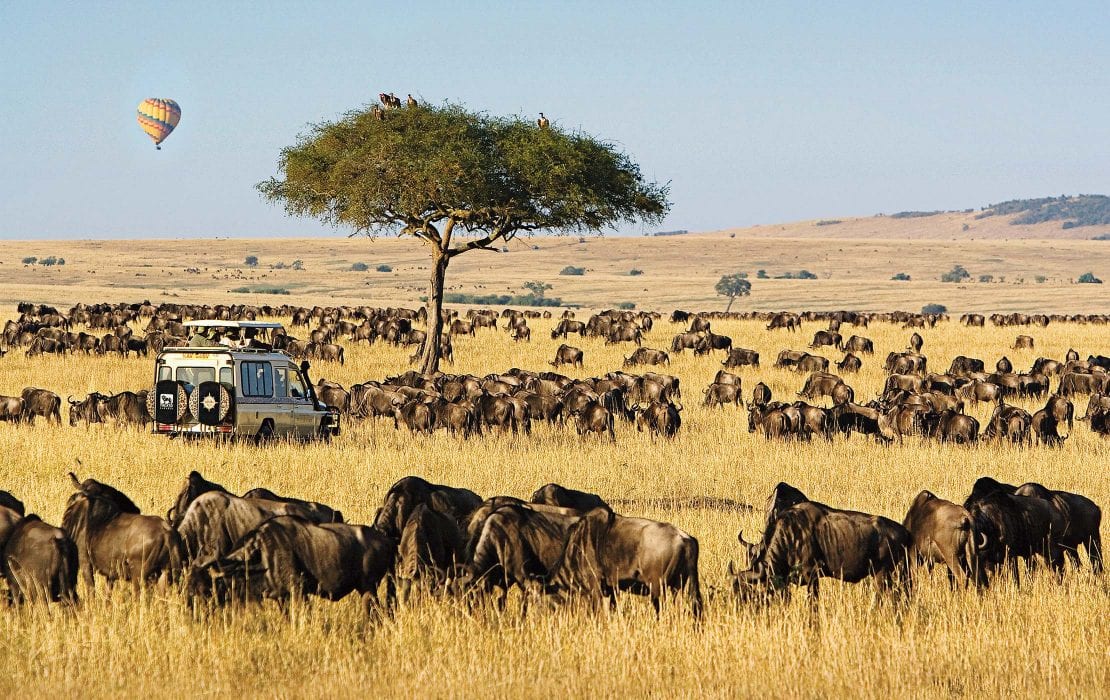
A 10-day Kenya safari offers an immersive experience, featuring Big Five game drives in Maasai Mara, Amboseli, and Samburu, plus scenic Rift Valley lakes. Expect thrilling wildlife encounters, cultural Maasai village visits, and scenic, long-distance game drives, often combining rugged savanna exploration with optional beach relaxation on the coast.
10-days-samburu-amboseli-nakuru-naivasha-maasai-mara-safari-tour
10-days-luxury-kenya-safari-holiday-vacation
10-days-best-maasai-mara-lake-nakuru-and-amboseli-safari-and-diani-beach-holiday-escape
10-day-luxury-kenya-wildlife-safari-holiday
10-days-kenya-wildlife-safari-diani-beach-holiday-round-trip-to-all-best-parks-in-kenya
10-days-ultimate-budget-kenya-tanzania-wildlife-safari-holiday-tour-package
10-days-perfect-kenya-tanzania-photographic-safari-tour
10-days-best-kenya-tanzania-safari-itinerary-tour
10-days-best-kenya-tanzania-honeymoon-safari-with-zanzibar-beach-holidays
10-days-kenya-wildlife-safari-and-gorilla-safari-in-uganda
10-days-kenya-safari-to-mombasa-beach-escape
1. Prime Wildlife Viewing: The Maasai Mara
The Maasai Mara National Reserve is globally recognized as the "theatre of nature," particularly during the Great Wildebeest Migration between July and September. During this period, over 1.5 million wildebeest, zebras, and gazelles traverse the Serengeti-Mara ecosystem, braving crocodile-infested river crossings in a desperate search for fresh grazing. This influx of prey creates a spectacular abundance for predators; the Mara is home to one of the highest densities of lions, leopards, and cheetahs in the world.
Even outside the migration season, the Mara’s open grasslands provide an unparalleled arena for wildlife photography. The lack of dense forest cover means that big cats are often spotted scanning the plains from the top of "kopjes" (rocky outcrops) or stalking through the golden savanna. Travelers can witness the complex social hierarchies of lion prides or the solitary, high-speed hunts of the cheetah. With over 450 bird species and a year-round resident population of elephants and buffaloes, the Mara remains the definitive destination for those seeking the raw intensity of the African wild.
2. Big Five Focus: Nakuru, Amboseli, and the Mara
Kenya offers a unique opportunity to "complete" the Big Five checklist across three very different ecosystems. Lake Nakuru National Park is the primary stronghold for rhinos. Once world-famous for its millions of flamingos, the park is now a premier rhino sanctuary where both the black and white rhinoceros can be spotted reliably against the backdrop of yellow-fever acacia woodlands. Its compact size makes it one of the most successful parks for close-range sightings of these prehistoric-looking giants.
Moving south to Amoseli National Park, the focus shifts to the African Elephant. Amboseli is renowned for hosting some of Africa’s largest "tusker" elephants, which roam in massive family herds through the park's swampy marshes. The sight of these majestic creatures silhouetted against the snow-capped peak of Mount Kilimanjaro is perhaps the most iconic image in safari travel. Finally, the Maasai Mara rounds out the list with its dominant populations of lions, leopards, and buffaloes, ensuring that a circuit through these three parks provides a comprehensive and diverse encounter with Africa's most legendary wildlife.
3. Unique Activities: Balloons, Boats, and the "Special Five"
A Kenyan safari extends far beyond the traditional 4x4 game drive. In the Maasai Mara, a Hot Air Balloon Safari at dawn offers a silent, bird’s-eye view of the savanna as the sun breaks over the horizon, often followed by a "Champagne Bush Breakfast" at the landing site. Further south, Lake Naivasha provides a tranquil aquatic perspective. A boat ride across this freshwater Rift Valley lake allows travelers to glide past pods of hippos and spot African fish eagles nesting in the submerged yellow-bark trees.
For those heading north to Samburu National Reserve, the experience shifts to the search for the "Special Five." These are species unique to the arid northern climates: the Reticulated giraffe, Grevy’s zebra, Beisa oryx, Somali ostrich, and the Gerenuk (a gazelle that stands on its hind legs to reach acacia leaves). The combination of aerial views in the Mara, boat-based birdwatching in Naivasha, and the hunt for rare northern endemics ensures that every day of the itinerary offers a fresh and distinct way to interact with the environment.
4. Cultural Immersion: The Maasai Communities
The story of the Kenyan wilderness is inseparable from the Maasai people. As one of the few tribes to have maintained their traditional nomadic lifestyle, the Maasai serve as the ancestral guardians of the Mara and Amboseli regions. A visit to a traditional Manyatta (village) is not merely a tour but an invitation to understand a culture built on the symbiotic relationship between humans, livestock, and wildlife.
Travelers can witness the famous Adumu (the jumping dance) and learn about the intricate beadwork that signifies social status and age-sets within the community. Engaging with Maasai warriors provides insight into their traditional medicine, tracking skills, and the challenges of modern conservation. These interactions offer a vital human context to the safari, reminding visitors that the preservation of these lands depends on the indigenous communities who have coexisted with lions and elephants for centuries.
5. Diverse Landscapes: From Mt. Kenya to the Arid North
Kenya’s geography is a study in extremes. The journey often begins in the Central Highlands, where the forested slopes of Mount Kenya (Africa’s second-highest peak) offer cool, alpine air and thick montane vegetation. This region is a transition zone where elephants roam through dense bamboo and cedar forests, a sharp contrast to the open plains found elsewhere.
As you travel north into the Samburu and Shaba regions, the landscape transforms into a dramatic, arid wilderness of red earth, doum palms, and the Ewaso Nyiro River. This northern frontier feels ancient and rugged, characterized by heat-hazed horizons and volcanic mountains. Finally, the descent into the Great Rift Valley reveals shimmering soda lakes and dramatic escarpments, before opening up into the vast, rolling savanna grasslands of the south. This geographical variety ensures that a 10-day safari feels like a journey across several different worlds, each with its own unique climate, flora, and light.
10 Days Kenya safari holiday
This 10-day Kenyan odyssey is the quintessential African adventure, meticulously crafted to showcase the dramatic diversity of the Great Rift Valley and the vast savannas of the south. The journey begins under the watchful eye of Mount Kilimanjaro in Amboseli, a park world-renowned for its "tusker" elephants and iconic photographic backdrops. From there, you descend into the geological wonder of the Rift Valley, where the shimmering waters of Lake Nakuru and Naivasha offer a sanctuary for rhinos, hippos, and prolific birdlife. The crescendo of the safari is found in the legendary Maasai Mara, an ecosystem of unparalleled predator density and home to the Great Migration. Combining luxury tented camps with expert-led game drives, this 10 days itinerary balances the thrill of the "Big Five" hunt with moments of serene reflection in the wild. It is a comprehensive immersion into the "cradle of humanity," offering a profound connection to the landscapes that have defined the safari tradition for generations.
Days 1–3: Nairobi & Amboseli
Your journey begins in Nairobi, East Africa’s safari hub. After an initial city orientation, including a visit to the Giraffe Centre, you drive south toward the shadow of Mount Kilimanjaro. Entering Amboseli National Park, you are greeted by a landscape of dried lake beds and lush sulfur springs. These springs attract massive herds of elephants, which roam the plains against the backdrop of Africa's highest peak. The clarity of the air here provides the most iconic photography opportunities on the continent. You will spend your mornings and afternoons on game drives, tracking lions and cheetahs as they traverse the open plains. Watching the sunset over the snow-capped mountain while elephants graze in the foreground is a spiritual introduction to the Kenyan wilderness, setting a majestic tone for the adventures that lie ahead in the Rift Valley.
Days 4–5: Lake Nakuru & Naivasha
Leaving the giants of Amboseli behind, you descend into the Great Rift Valley, a dramatic tectonic trench visible from space. Your first stop is Lake Nakuru National Park, a vital sanctuary for both black and white rhinoceroses. The park’s yellow-fever acacia forests provide a stunning contrast to the soda lake, where thousands of flamingos occasionally paint the shoreline pink. After a morning tracking rhinos and the rare Rothschild’s giraffe, you continue to the freshwater shores of Lake Naivasha. Here, the safari moves from the vehicle to the water. A private boat cruise allows you to glide past pods of yawning hippos and spot African fish eagles nesting in the submerged trees. The tranquility of Naivasha provides a refreshing, aquatic interlude, offering a different perspective on Kenya’s biodiversity before you head toward the high-octane plains of the Mara.
Days 6–8: Maasai Mara National Reserve
The next three days are dedicated to the Maasai Mara, the crown jewel of African wildlife reserves. This is the land of the "Big Cat Diary," where lions, leopards, and cheetahs are the undisputed rulers of the savanna. Your expert guide will navigate the rolling grasslands to find prides on the hunt or leopards draped over acacia branches. If visiting between July and September, you will witness the Great Migration—a thunderous spectacle of over a million wildebeest crossing the Mara River. You also have the opportunity to visit a traditional Maasai village to learn about their ancient nomadic culture and coexist with the wild. Whether it's the adrenaline of a predator-prey chase or the quiet beauty of a sunrise over the plains, the Mara provides the raw, concentrated essence of the African safari experience.
Days 9–10: Relaxation & Departure
After the excitement of the Mara, your final days are designed for reflection and a gentle transition back to urban life. You may choose to spend your final morning on an optional hot air balloon safari, floating silently over the savanna as the sun breaks the horizon. Back at your luxury tented camp, enjoy a relaxed "bush brunch" while watching zebras graze near the camp perimeter. The drive back to Nairobi offers one last chance to scan the horizon for wildlife as you climb out of the Rift Valley. Upon reaching the capital, you will enjoy a farewell dinner at a local landmark like the Carnivore Restaurant or a quiet cafe in Karen. As you head to Jomo Kenyatta International Airport for your departure, you carry with you the sights, sounds, and soul of the Kenyan wild.
1. What wildlife can I expect to see?
Kenya is the definitive home of the "Big Five" (Lion, Leopard, Elephant, Buffalo, and Rhino). In a 10-day circuit covering Amboseli, Lake Nakuru, and the Maasai Mara, you are almost guaranteed to see these iconic species. Beyond the Big Five, the savanna is teeming with cheetahs, which thrive in the open Mara plains, and the "Special Five" in northern regions like Samburu (Gerenuk, Reticulated Giraffe, Somali Ostrich, Beisa Oryx, and Grevy’s Zebra).
You will also witness vast herds of plains game, including Burchell's zebras, Coke’s hartebeest, and Thomson’s gazelles. If your 10 days fall between July and September, you will see the Great Migration, where over 1.5 million wildebeests create a moving carpet across the landscape. Birdwatchers are also well-served, with over 1,000 recorded species ranging from the prehistoric-looking Shoebill to the vibrant Lilac-breasted Roller.
2. What is the typical daily routine?
Safari life follows the rhythm of the animals, which are most active when the air is cool. A typical day begins with a 5:30 or 6:00 a.m. wake-up call, often accompanied by coffee and biscuits. You head out for an early morning game drive just as the sun rises, which is the prime time to see predators like lions and leopards returning from a night of hunting.
By 9:00 or 10:00 a.m., you return to the lodge for a hearty breakfast. The midday hours (11:00 a.m. to 3:30 p.m.) are reserved for relaxation, swimming, or "armchair safaris" from your lodge deck, as the heat drives animals into the shade. At 4:00 p.m., after "sundowners" (drinks) or afternoon tea, you head out for a second game drive. You return at dusk for dinner and conversation around a "bush television"—the nightly campfire.
3. Will I be sleeping in tents?
In the Kenyan context, a "tented camp" is rarely a basic camping experience. Most 10-day itineraries utilize luxury permanent tents built on wooden or stone platforms. These structures feature canvas walls but include "real" furniture, comfortable beds with high-thread-count linens, and fully equipped en-suite bathrooms with hot showers and flushing toilets.
These camps offer an immersive experience, allowing you to hear the nocturnal sounds of the savanna—the whoop of a hyena or the distant roar of a lion—while remaining in a secure, high-end environment. Alternatively, eco-lodges are permanent stone or wood structures often built with local materials. Both options emphasize a low-impact footprint and high-end service, ensuring that your stay is as comfortable as it is authentic.
4. What is the best time to book?
The Dry Season (July to October) is widely considered the peak time because it coincides with the Great Migration in the Maasai Mara. During these months, vegetation is sparse and animals congregate around permanent water sources, making them significantly easier to spot.
However, the "Green Season" (November to June) has its own rewards. While April and May bring heavy rains, the landscape becomes a vibrant emerald green, providing dramatic lighting for photography. This period also sees fewer crowds and significantly lower prices at luxury lodges. The short dry season of January to March is also an excellent choice, as it is the "birthing season" for many herbivores, leading to high predator activity as lions and cheetahs target vulnerable newborns.
5. How much driving is involved?
Be prepared: Kenya is a large country with diverse terrain. A 10-day road safari involves significant travel, often 4 to 6 hours between parks. While the main highways are paved, the "last mile" into the parks usually consists of unpaved, bumpy "murram" roads. These drives are often called the "African Massage" due to the constant vibration and swaying of the vehicle.
To maximize time and comfort, many travelers opt for "Fly-in Safaris," using light aircraft to jump between bush airstrips. This turns a 6-hour dusty drive into a 45-minute scenic flight. However, driving allows you to see the changing landscape of the Rift Valley and interact with local villages. If you choose to drive, ensure your itinerary includes "double nights" at each park to minimize consecutive days of long-distance travel.
6. What kind of vehicle is used?
The industry standard for a 10-day Kenya safari is the 4x4 Toyota Land Cruiser. These vehicles are specifically modified for the rugged African terrain, featuring heavy-duty suspension and extra-large fuel tanks. Most importantly, they are equipped with a pop-up roof, which allows you to stand safely during game drives for a 360-degree view of the wildlife and unobstructed photography.
Standard safari Land Cruisers typically seat 6 to 7 passengers, but for a premium experience, many operators limit occupancy to 4 or 5 to ensure everyone has a "window seat." The vehicles also come equipped with a high-frequency radio for guides to communicate sightings, a cooler for drinks, and charging points for your camera gear and phones.
7. Is it suitable for children?
Kenya is a fantastic family destination, but a 10-day safari is best suited for children aged 6 and older. Younger children may struggle with the long, bumpy drives and the requirement to remain quiet and seated for several hours during a game drive. Many "Big Five" encounters require patience and silence, which can be challenging for toddlers.
For older children, the safari is a living classroom. Many lodges offer "Junior Ranger" programs, where Maasai guides teach kids about animal tracking, traditional beadwork, and survival skills. When booking, check for lodges that offer "Family Tents" or interconnected rooms, and ensure the property is fenced if you have particularly active children.
8. What clothes should I pack?
Packing for a safari is about utility and layers. You should stick to neutral colors like khaki, beige, olive, and tan. Avoid bright whites (which get dusty), dark blues or blacks (which attract tsetse flies), and camouflage patterns (which are reserved for the military in many African countries).
Layering is critical because the temperature fluctuates wildly. It can be 10°C (50°F) during a sunrise game drive and climb to 30°C (86°F) by midday. A lightweight, windproof jacket or fleece is essential for the mornings, while breathable cotton or linen shirts are best for the heat. Don't forget a wide-brimmed hat, high-SPF sunscreen, and comfortable, closed-toe walking shoes or light boots for the terrain.
9. What is included in the price?
Most 10-day Kenya safari packages are semi-inclusive or all-inclusive. This typically covers your accommodation, three meals a day (breakfast, lunch, and dinner), the services of a professional driver-guide, transport in a 4x4 vehicle, and all national park and conservancy entrance fees.
Items that are usually extra include alcoholic beverages (unless staying at an ultra-luxury lodge), laundry services, and "optional activities" like hot air balloon rides or Maasai village visits. Crucially, tips for your guide and lodge staff are not included. It is customary to tip your guide approximately $10–$15 per person per day, as they are the most important factor in the success of your wildlife viewing.
10. Will I meet local people?
Yes, cultural interaction is a core component of the Kenyan experience. Most 10-day itineraries include a visit to a Maasai or Samburu village. These are not "museums" but living communities. You can learn about their nomadic lifestyle, traditional medicine, and the intricate social structures that have allowed them to coexist with lions for centuries.
Beyond formal village visits, you will interact daily with your driver-guide, who is often a fountain of local knowledge regarding Kenyan history, politics, and culture. Many lodges are also staffed by people from the surrounding communities, and participating in a "guided nature walk" with a local warrior is one of the most intimate ways to learn about the land from those who know it best.
11. Do I need to carry cash?
While major lodges and gift shops accept Visa and Mastercard, you should definitely carry cash for remote areas. The Kenyan Shilling (KES) is the local currency, but U.S. Dollars are widely accepted for tips and larger souvenir purchases.
If carrying USD, ensure the notes are printed after 2009 and are in pristine condition (no tears or markings), as banks in East Africa often reject older or damaged bills. Small denominations ($1, $5, and $10) are incredibly useful for tipping porters and waitstaff. There are ATMs in Nairobi and larger towns like Narok, but once you enter the national parks, you will not find any banking facilities.
12. What happens if it rains?
Rain does not stop the safari; in fact, it can enhance it. During the rainy seasons (April–June and November), the dust is washed away, resulting in incredibly clear air and vibrant, green landscapes that are perfect for photography. The rains usually come in short, dramatic afternoon bursts rather than day-long drizzles.
Wildlife remains active, though their behavior may change; for instance, cats may seek higher ground to stay dry. The main challenge is the roads, which can become muddy and slippery, sometimes requiring the 4x4's low-range gears to navigate. Most safari vehicles are equipped with "mud tires" and recovery gear to handle these conditions. The benefit of raining is fewer crowds and a much more private, exclusive feel to the parks.
13. What is a "bush breakfast"?
A "bush breakfast" is a signature safari experience that breaks the routine of dining in the lodge. After an early morning game drive, instead of heading back, your guide will lead you to a scenic, secluded spot in the middle of the savanna—perhaps under a lone acacia tree or overlooking a river full of hippos.
A full table is set up with linens, and chefs prepare a fresh meal of eggs, sausages, fruit, and coffee right there in the wild. It is a moment of profound silence and beauty, allowing you to enjoy your meal while watching zebras or giraffes graze in the distance. It is often cited by travelers as the most memorable meal of their entire 10-day journey.
14. How do I avoid malaria?
Kenya is a malaria-endemic region, particularly in lower-altitude areas like the Maasai Mara and the coast. To stay safe, you should follow a "multi-barrier" approach. First, consult a travel clinic for anti-malarial medication (such as Malarone or Doxycycline) before you leave home.
Second, use an insect repellent containing at least 30% DEET on exposed skin, especially during the peak mosquito hours of dawn and dusk. Third, wear long sleeves and long trousers in the evenings to minimize skin exposure. Most lodges provide mosquito nets over the beds and conduct "turn-down" services where they spray the rooms with insecticide. By combining these methods, the risk of contracting malaria is significantly reduced.
15. National Park vs. Conservancy?
Understanding the difference is key to a 10-day itinerary. National Parks (like the Maasai Mara National Reserve) are public lands managed by the government. They are often larger and contain the highest volume of wildlife, but they can become crowded, and vehicles must stay strictly on designated roads.
Private Conservancies (like Mara North or Ol Pejeta) are lands owned by local communities and leased to safari operators. These areas offer a more exclusive experience with fewer vehicles. Crucially, conservancies allow for activities forbidden in National Parks, such as off-road driving (to get closer to a sighting), night game drives, and guided bush walks. A balanced 10-day itinerary often includes time in both to get the best of both worlds.
Booking 10 days Kenya safari with us Roads of Adventure safaris
Booking your 10-day Kenya safari with Roads of Adventure Safaris provides a comprehensive wildlife experience, typically covering iconic destinations like the Masai Mara, Amboseli, and Lake Nakuru
