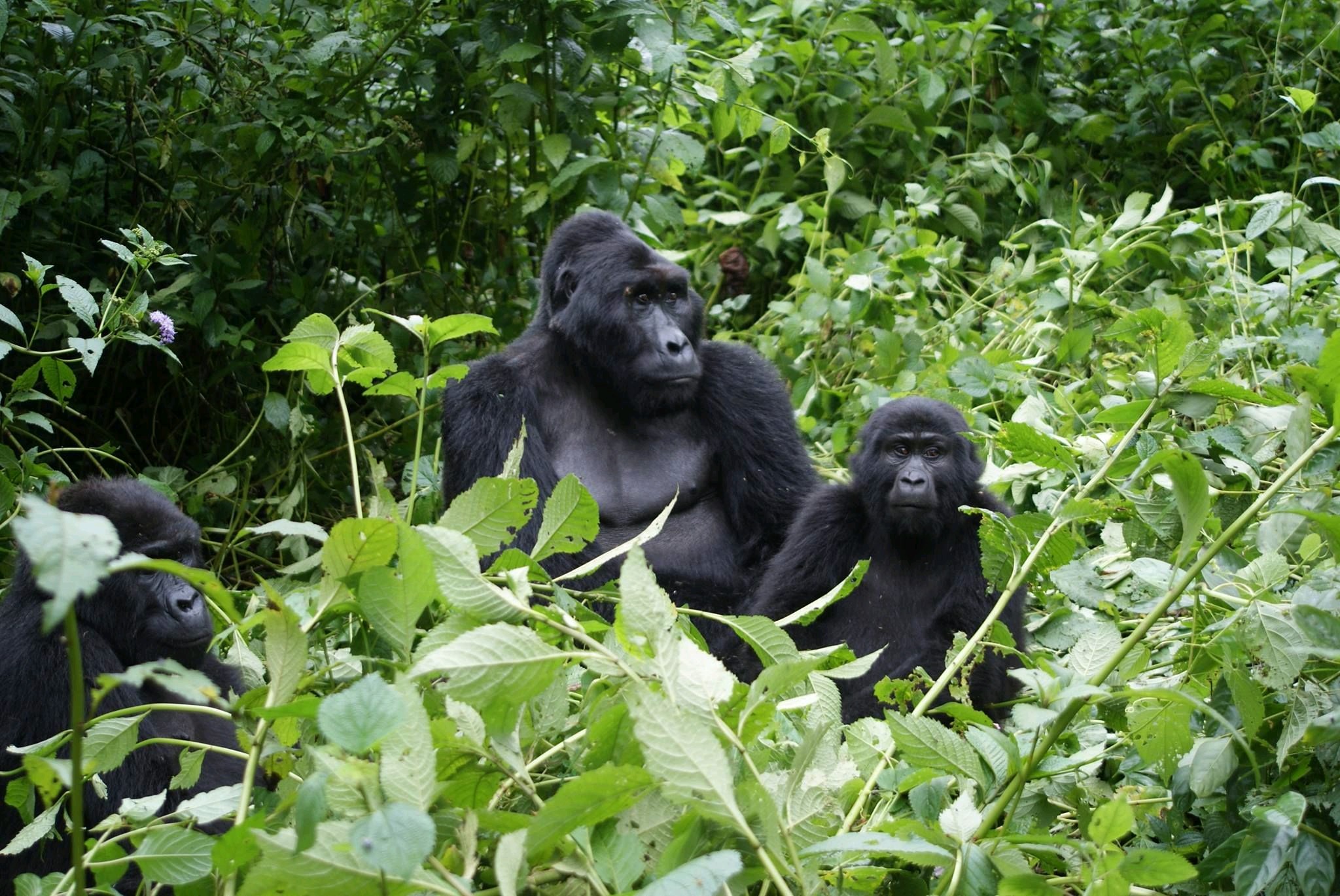
A 12-day Africa safari in Rwanda generally costs between $7,000 and $10,000+ per person, largely driven by the high cost of gorilla permits ($1,500 each) and luxury accommodation. Popular itineraries covering Kigali, Akagera, Volcanoes, and Nyungwe typically cost around $7,875+. Mid-range tours can be cheaper, while ultra-luxury packages often exceed this range
Managing the budget for a Rwandan safari requires an understanding of the country’s "High-Value, Low-Impact" tourism model. Unlike other destinations where costs are distributed evenly, Rwanda features high-ticket fixed costs—primarily permits—balanced by world-class infrastructure and conservation success. Here is a breakdown of the primary cost factors for a comprehensive Rwandan expedition.
12-days-classic-rwanda-uganda-africa-safari-tour-package-combo
12-days-rwanda-primate-safari-vacation-and-akagera-national-park
12-days-best-rwanda-wildlife-safari-and-rwanda-primate-safari-vacation
12-days-rwanda-safari-adventure-and-active-hiking-safari
12-days-rwanda-uganda-safari-and-rwenzori-climb-and-hiking
12-days-perfect-rwanda-birding-safari-itinerary
Cost Factors and Breakdown
1. Permits: The Gateway to Primates
The most significant line item in any Rwandan itinerary is the Mountain Gorilla trekking permit, currently set at $1,500 per person. While this price point is the highest in Africa, it directly funds the protection of the Volcanoes National Park and provides a 10% revenue share to local communities. This permit grants you one hour with a habituated gorilla family, inclusive of park rangers and trackers. To get the most value, many travellers book during the "Green Season" (March–May and November), when a 30% discount is often available if you also visit Akagera or Nyungwe National Parks.
Beyond gorillas, Chimpanzee trekking in Nyungwe Forest National Park is a vital experience, with permits costing approximately $150. This allows you to track these energetic primates through the ancient mahogany trees. Other activities, such as trekking the rare Golden Monkeys ($100), hiking to Dian Fossey’s grave ($75), or embarking on the spectacular Canopy Walk ($60), provide diverse ways to engage with the landscape. When planning, it is essential to factor in these costs early, as permits must be paid in full at the time of booking to secure your dates.
2. Accommodation: From Mid-Range to Ultra-Luxury
Rwanda has successfully positioned itself as a premier luxury destination, and the accommodation prices reflect this shift. Mid-range lodges typically cost between $200 and $400 per night. These establishments, such as Mountain Gorilla View Lodge or Le Bambou, offer comfortable, en-suite cottages, hot showers, and hearty meals. They provide an authentic "base camp" feel, often featuring local cultural performances in the evenings and a focus on warm, Rwandan hospitality.
For those seeking the pinnacle of safari elegance, Luxury and Exclusive lodges range from $500 to over $1,500 per night. Global brands like Singita, One&Only, and Wilderness Safaris have established lodges that are architectural masterpieces, blending seamlessly into the volcanic or forest landscapes. These rates are usually "all-inclusive," covering gourmet dining, premium beverages, private butler service, and even spa treatments. While the price is high, these lodges offer an unparalleled level of privacy and direct access to the parks, often sitting right on the boundary of the wilderness, ensuring your safari experience never truly stops, even when you are back in your suite.
3. The 12-Day Itinerary: A Holistic Rwandan Circuit
A 12-day package is the ideal duration to witness the full spectrum of Rwanda’s biodiversity, moving far beyond a simple "trek and go" trip. An itinerary of this length typically begins with the "Big Five" at Akagera National Park. As Central Africa’s largest protected wetland, Akagera offers a traditional savannah safari experience with lions, rhinos, and spectacular boat safaris among hippos and crocodiles. The cost here is lower than the primate parks, providing a balanced start to the budget.
The journey then shifts to the lush mountains. You will spend several days in Volcanoes National Park for gorilla and golden monkey trekking, followed by a transition to the shores of Lake Kivu. This provides a "resort" break in the middle of the trip, where costs for relaxation and water sports are relatively modest. The circuit concludes in the south at Nyungwe National Park, one of the oldest rainforests in Africa. Here, the focus is on chimpanzees, the canopy walk, and birding. A 12-day circuit ensures you see the savannah, the volcanoes, the great lake, and the rainforest, providing a comprehensive understanding of why Rwanda is called the "Land of a Thousand Hills."
12 Days Africa safari in Rwanda
The 12 Days Africa safari in Rwanda is the ultimate immersion into the "Land of a Thousand Hills," offering a sophisticated blend of adrenaline-pumping primate encounters and serene savannah exploration. This comprehensive circuit is meticulously designed to showcase the incredible diversity of Rwanda’s ecosystems, from the heat of the eastern plains to the misty, ancient rainforests of the south and the jagged volcanic peaks of the north. You will experience the profound success of Rwanda’s conservation efforts first-hand, tracking the iconic mountain gorillas and playful chimpanzees while also searching for the "Big Five" in a thriving wetland wilderness. Beyond the wildlife, this journey invites you to connect with the resilient spirit of the Rwandan people through cultural visits and a relaxing retreat on the emerald shores of Lake Kivu. For the discerning traveller, a 12 Days Africa safari in Rwanda represents the pinnacle of East African travel, balancing raw natural beauty with world-class luxury and deep ecological impact.
Day 1: Arrival in Kigali and City Immersion
Upon arrival at Kigali International Airport, your 12 Days Africa safari in Rwanda begins with a warm welcome from your private guide. After settling into your hotel, you will embark on a tour of Africa’s cleanest city. The highlights include a visit to the Kigali Genocide Memorial, a poignant tribute to the country’s resilience and a vital context-setter for your journey. Explore the vibrant Kimironko Market, where the sights and sounds of local trade provide a lively introduction to modern Rwandan life. Lodge: The Retreat by Heaven
Day 2: Transfer to Akagera National Park
You will head east toward the border of Tanzania to reach Akagera National Park. This park is a stunning contrast to the rest of mountainous Rwanda, featuring open savannahs, lakes, and papyrus swamps. After a gourmet lunch at your lodge, enjoy a late afternoon game drive. This is your first opportunity to spot herds of zebras, impalas, and topis against the backdrop of a spectacular African sunset. Lodge: Magashi Camp
Day 3: Full Day Big Five Game Drive
Dedicate this day of your 12 Days Africa safari in Rwanda to exploring the vastness of Akagera. With the successful reintroduction of lions and black rhinos, Akagera is once again a "Big Five" destination. You will traverse the northern plains, where giraffe and elephant sightings are frequent, and keep a keen eye on the thickets for a glimpse of a leopard. The diversity of habitats here ensures every turn brings a new discovery. Lodge: Magashi Camp
Day 4: Morning Boat Safari and Lake Ihema
In the morning, take to the water on Lake Ihema. This boat safari offers a unique perspective on the park’s aquatic residents, including massive hippos and some of the largest crocodiles in Africa. Bird enthusiasts will be delighted by sightings of African fish eagles and the rare shoebill stork. In the afternoon, enjoy a final game drive as you exit the southern gate and begin your journey back toward the central highlands. Lodge: Akagera Game Lodge
Day 5: Journey to Nyungwe Forest National Park
As you travel south, the landscape shifts into rolling hills and lush tea plantations. This scenic drive takes you toward Nyungwe Forest, one of the oldest and best-preserved montane rainforests in Central Africa. This forest is a biodiversity hotspot, home to 13 species of primates and over 300 bird species. The crisp mountain air and the emerald canopy signal the start of the primate-focused leg of your safari. Lodge: One&Only Nyungwe House
Day 6: Chimpanzee Tracking and Canopy Walk
Rise early for a thrilling encounter with our closest relatives. Tracking chimpanzees through the dense undergrowth of Nyungwe is an exhilarating experience as you follow their pant-hoots through the trees. In the afternoon, test your nerves on the Canopy Walkway. Suspended 70 metres above the forest floor, this bridge offers a breathtaking bird’s-eye view of the ancient forest and its many inhabitants.
Lodge: One&Only Nyungwe House
Day 7: Colobus Monkey Trek and Tea Plantation
Explore another facet of the forest by tracking the oversized troops of Black-and-White Colobus monkeys. These striking primates are often found in groups of several hundred, leaping through the trees in a flash of monochrome. Later, enjoy a walking tour of the surrounding tea estates. You will learn the intricate process of tea production, from leaf picking to the final cup, while enjoying the symmetrical beauty of the plantations. Lodge: One&Only Nyungwe House
Day 8: Transfer to Lake Kivu (Karongi)
Bid farewell to the forest and head to the shores of Lake Kivu, one of Africa’s "Great Lakes." Arriving in Karongi (formerly Kibuye), you will be greeted by the sight of dozens of islands scattered across the water. Spend the afternoon at leisure, perhaps taking a boat trip to Napoleon Island to see the fruit bat colony or simply relaxing by the water as the local "singing fishermen" head out for the night. Lodge: Kivu Lodge
Day 9: Scenic Drive to Volcanoes National Park
Continue your 12 Days Africa safari in Rwanda with a scenic drive north along the Kivu Belt road. This route offers stunning vistas of the lake and local hillside farms. Your destination is the Musanze region, the gateway to the Volcanoes National Park. As the mist-covered peaks of the Virunga Massif come into view, the anticipation for the mountain gorillas begins to build. Lodge: Bisate Lodge
Day 10: The Ultimate Gorilla Trek
This is the pinnacle of your journey. After a morning briefing, you will trek into the forest to spend one unforgettable hour with a family of mountain gorillas. Observing these gentle giants in their natural habitat is a life-changing experience that defies description. Whether they are grooming, playing, or simply resting, the connection you feel is profound. Return to the lodge for a well-deserved "gorilla-strength" lunch and a relaxing afternoon. Lodge: Bisate Lodge
Day 11: Golden Monkey Trekking and Cultural Visit
Return to the park to track the beautiful and endangered Golden Monkeys. These energetic primates live in the bamboo forests at the base of the volcanoes and are a delight to watch as they forage and play. In the afternoon, visit the Iby’Iwacu Cultural Village. Here, you can engage with local traditions, watch traditional intore dancing, and learn about the historic lifestyles of the people who live alongside the volcanoes. Lodge: Bisate Lodge
Day 12: Twin Lakes and Departure
On the final day of your 12 Days Africa safari in Rwanda, visit the scenic "Twin Lakes" of Burera and Ruhondo. These deep blue waters, separated by a narrow strip of land, offer some of the most photogenic views in the country. After a final lunch overlooking the volcanoes, you will be transferred back to Kigali for your international flight, carrying with you the spirit of a thousand hills. Lodge: No accommodation (Departure)
1. What is the average cost of a 12-day Rwanda safari?
For a 12-day journey, the cost varies significantly based on the level of exclusivity you desire. A mid-range experience typically falls between $3,500 and $6,000 per person. This generally includes 4-star boutique hotels or high-quality tented camps, a private 4x4 vehicle with a driver-guide, and most standard activities. At this level, you receive a comfortable, professional service that covers all the major highlights of the "Land of a Thousand Hills" without the five-star price tag.
For those seeking the pinnacle of African travel, luxury tours range from $7,000 to $10,000+ per person. This tier features world-renowned lodges where the nightly rate alone can exceed $1,500. These packages often include additional "white-glove" services, such as private butler service, premium beverages, spa treatments, and sometimes even internal helicopter transfers to bypass long drives.
2. What is the main cost factor?
The primary driver of the high price tag is the Mountain Gorilla trekking permit, which is a non-negotiable $1,500 per person. Unlike other African destinations where park fees are a minor percentage of the total, this permit represents a massive chunk of your initial budget. It is a specialized conservation levy that directly supports the protection of the Virunga habitat and funds community projects around Volcanoes National Park.
The second major driver is accommodation. Rwanda has pivoted toward ultra-luxury tourism, inviting brands like Singita and One&Only to build lodges that set new global standards for safari elegance. Because these lodges have high operating costs in remote areas and offer all-inclusive rates, choosing just two or three nights in an "exclusive" lodge can drastically shift the total cost of a 12-day itinerary.
3. How much does a gorilla trekking permit cost in Rwanda?
A single gorilla trekking permit in Volcanoes National Park costs US$ 1,500. This fee is consistent regardless of your nationality (though East African residents may occasionally receive local rates). The permit covers your park entry, the expertise of the trackers who head out at dawn, and your armed ranger-guides who ensure your safety during the encounter.
It is important to note that this permit grants you exactly one hour with the gorilla family. This "Golden Hour" is strictly enforced to minimize human impact on the animals. While the price is steep, the revenue is vital; it is the reason why the mountain gorilla population is the only great ape species currently increasing in the wild.
4. Are there cheaper times to visit Rwanda?
Yes. Traveling during the low seasons (March–May and October–November) can offer significant financial advantages. These months coincide with Rwanda’s rainy seasons, and while the trails may be muddier, many luxury and mid-range lodges offer "Green Season" discounts of 20% to 40% to attract visitors.
Furthermore, Rwanda often incentivizes longer stays during these months. If you visit Akagera and Nyungwe National Parks for at least two nights each, you may be eligible for a 30% discount on your gorilla permit, bringing the cost down from $1,500 to $1,050. This makes a 12-day circuit much more cost-effective during the rainy months.
5. What is included in a typical 12-day safari price?
A professional 12-day package is usually comprehensive, covering all "ground" logistics. This includes your private 4x4 safari vehicle, fuel, and the daily fees for a certified English-speaking driver-guide. It also encompasses all your accommodation and most meals (breakfast, lunch, and dinner).
In terms of wildlife, the price typically covers all park entry fees and specific pre-booked activities like chimpanzee tracking in Nyungwe, boat safaris on Lake Ihema in Akagera, and cultural visits. However, always check your "Inclusions" list, as some budget operators may exclude things like bottled water, specialized site entrance fees, or optional community walks.
6. Does the price include international flights?
Typically, no. Most tour operators (including specialized teams like Roads of Adventure) focus on the ground-handling side of the safari. International flights to Kigali International Airport (KGL) can range from $500 to $2,000+ depending on your departure city and the time of year.
By excluding international flights, operators give you the flexibility to use airline miles or choose a carrier that fits your schedule. It is generally recommended to book your international flights 6–9 months in advance to secure the best rates, especially if you are traveling during the popular dry seasons.
7. How much are accommodation costs?
Accommodation in Rwanda follows a distinct three-tier structure. Mid-range lodges typically cost between $200 and $400 per night. These are usually boutique lodges or "tented camps" with en-suite facilities, offering a comfortable and atmospheric experience.
Luxury and exclusive lodges frequently exceed $500 to $1,500 per night. Lodges like Bisate or Magashi offer an immersive, high-design experience that is nearly impossible to replicate elsewhere. For a 12-day trip, your choice in this category is the most flexible "lever" for controlling your overall budget.
8. What is the cost of a private driver-guide for 12 days?
Professional driver-guides are the backbone of a successful safari. While their fees are usually baked into the "daily rate" provided by your tour operator, their value is significant. A specialized, private guide usually accounts for $50–$100 per day of the total tour cost.
This fee covers not just their driving, but their expertise as a wildlife spotter, translator, and logistical fixer. In Rwanda, where roads can be steep and park regulations are strict, having a guide who knows the specific rangers and trackers is invaluable for ensuring your permits are processed smoothly and your game drives are productive.
9. Are visas included in the safari cost?
Visa fees are rarely included in the tour package price. Depending on your nationality, a Rwanda tourist visa typically costs $50. If you are doing a cross-border trip (for example, combining Rwanda with Uganda or Kenya), you should apply for the East African Tourist Visa, which costs $100 and allows multiple entries between the three countries.
You should apply for these online through the official IREMBO portal. Because visa regulations can change based on diplomatic agreements, it is always best to check the current requirements for your specific passport about 30 days before travel.
10. What are the costs for extra activities like boat trips?
While your core activities are usually included, you might want to add "on-the-fly" experiences. Boat trips on Lake Ihema in Akagera typically cost between $35 and $45 per person, while a night game drive to see leopards and servals is roughly $40.
Other extras might include a canopy walk in Nyungwe Forest ($60) or a visit to the Twin Lakes of Burera and Ruhondo. These small costs can add up, so it is helpful to have a "buffer" of around $200–$300 in your pocket for these spontaneous additions to your 12-day itinerary.
11. How much should I tip staff?
Tipping is a vital part of the tourism economy in East Africa. For a 12-day trip, you should budget roughly $100–$200 per person for total tips. The general rule of thumb is $10–$20 per day for your main driver-guide, presented at the end of the safari.
For park rangers and trackers, $10–$20 per group is appreciated after a successful trek. Lodge staff can be tipped via a communal "tip box" in the lobby, usually $5–$10 per night. Tipping in local currency (Rwandan Francs) or clean, crisp US Dollars is the best way to show your gratitude for the hard work that goes into your safari.
12. Can I reduce the cost of my 12-day trip?
Yes, the most effective way to reduce the cost is by joining a group tour or traveling with friends. Sharing a 4x4 safari vehicle and the costs of the driver-guide significantly lowers the per-person rate. For a group of four, you can often bring the ground-handling cost down to $2,800–$3,200 per person (excluding permits and flights).
Another way to save is by choosing a "Road Safari" rather than using internal flight transfers and staying in mid-range lodges located just outside the park gates rather than inside the exclusive concessions.
13. What is the cost of porters for a trek?
Hiring a porter for your gorilla trek is one of the best investments you can make. They cost approximately $10 to $20 per person, plus a small tip. These porters are often members of the local community, and for many, this is their primary source of income.
Beyond the social impact, they are a practical necessity. They carry your heavy camera gear and water, and most importantly, they provide a steady hand on the steep, slippery volcanic slopes. Many travelers who thought they didn't need a porter quickly realize their value ten minutes into a muddy climb.
14. Is it cheaper to do a self-drive safari?
Technically, renting a 4x4 for a self-drive can be cheaper on paper, but it is not recommended for a 12-day comprehensive Rwanda safari. Rwanda’s terrain is famously steep ("The Land of a Thousand Hills"), and navigating remote park tracks requires significant 4x4 experience.
Furthermore, a self-driver misses out on the spotting skills of a professional guide. In a park like Akagera, a guide will find a lion that you would likely drive right past. For a "once-in-a-lifetime" trip involving $1,500 permits, the risk of a breakdown or getting lost usually outweighs the modest savings of going it alone.
15. How much for a 12-day luxury tour?
A truly high-end 12-day luxury tour will typically exceed $8,000–$10,000 per person. This level of safari uses lodges like Sabyinyo Silverback Lodge, Bisate, or Magashi. These prices often include all meals, alcoholic beverages, and even laundry services.
At this price point, you are paying for exclusivity and location. These lodges are often located in private concessions or right on the park boundary, offering the most spectacular views and the shortest transit times to the trekking start points. If you are looking for the absolute best Rwanda has to offer, this is the budget range you should target.
Booking 12 Days Africa safari in Rwanda with us Roads of Adventure safaris
Roads of Adventure Safaris offers comprehensive 12-day Rwanda safari packages that focus on primate trekking, wildlife viewing, and cultural experiences, often combining Volcanoes National Park, Nyungwe Forest, and Akagera National Park. Based in Kampala, Uganda, with strong operations in Rwanda, they specialize in customized gorilla trekking safaris.
