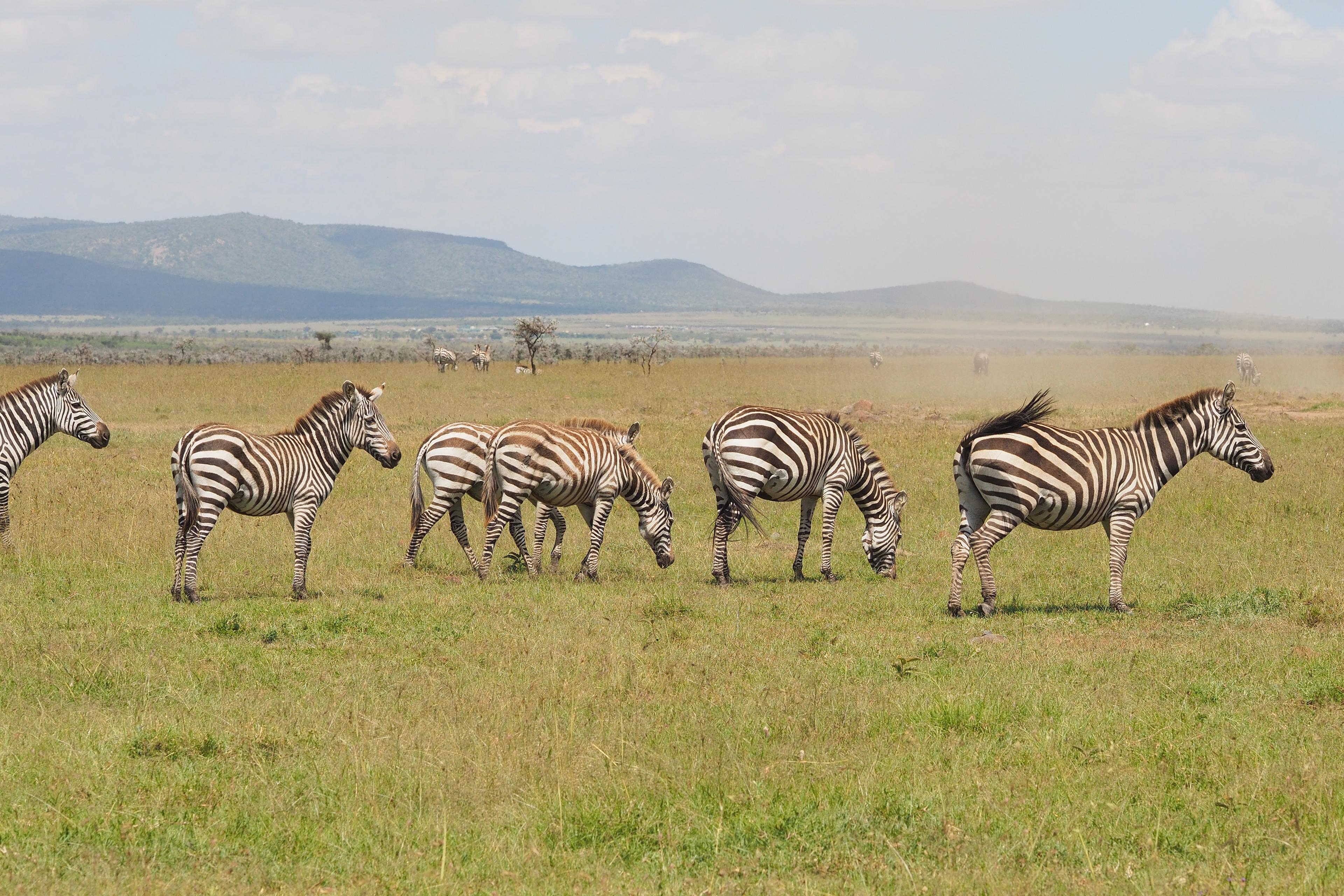
Top things to do on Safari in Kenya for first timers on East Africa safari, For a first-time Kenya safari, key experiences include witnessing the Masai Mara migration, viewing Amboseli’s elephants against Mount Kilimanjaro, and visiting Nairobi’s, Sheldrick Wildlife Trust for elephant orphans. Top activities include sunrise game drives, hot air balloon rides over the savannah, walking or cycling in Hell’s Gate National Park, and cultural visits to Maasai villages.
6-days-kenya-wildlife-safari-and-uganda-gorilla-tracking-safari-tour
6-days-maasai-mara-nakuru-amboseli-affordable-budget-kenya-safari
6-days-circuit-kenya-safari-to-masai-mara-lake-nakuru-and-amboseli-park
6-days-luxury-kenya-safari-round-trip-starting-from-masai-mara
6-days-mid-range-kenya-wildlife-safari-all-inclusive-tour-package
6-days-mid-range-kenya-wildlife-safari-all-inclusive-tour-package
6-days-kenya-safari-and-gorilla-tracking-vacation-in-rwanda
7-days-budget-kenya-safari-holiday-vacation-tour
7-days-amboseli-kenya-and-serengeti-fly-in-tanzania-safari
7-days-masai-mara-safari-tour-and-serengeti-safari-tour-in-kenya-and-tanzania
7-days-best-of-kenya-wildlife-safaris-itinerary
7-days-kenya-wildlife-safari-to-kenya-beach-holiday-at-diani-beach
7-days-ultimate-budget-kenya-tanzania-safari-holiday-vacation
7-days-ultimate-africa-big-cats-kenya-safari-holiday-best-parks
7-days-kenya-honeymoon-safari-holiday-and-vacation-couple-escape
7-days-kenya-family-safari-package-and-zanzibar-beach-holiday-vacation
19-days-kenya-tanzania-wildlife-combined-with-zanzibar-beach-holiday-vacation
18-days-exclusive-kenya-tanzania-safari-to-uganda-primate-safari
17-days-east-africa-safari-to-uganda-rwanda-kenya-tanzania-and-zanzibar-beach-holidays
14-days-ultimate-kenya-tanzania-safari-to-zanzibar-beach-beach-holidays
12-days-kenya-tanzania-safari-and-zanzibar-beach-holiday-vacation
11-days-ultimate-kenya-tanzania-safari-combined-tour
10-days-best-kenya-tanzania-honeymoon-safari-with-zanzibar-beach-holidays
10-days-perfect-kenya-tanzania-photographic-safari-tour
1. Witness the Great Migration in Masai Mara
The Great Migration is one of nature’s most spectacular events, drawing millions of wildebeest and zebras to traverse the Mara River from July to October. This annual journey, often termed the “Greatest Show on Earth,” is driven by the search for fresh grazing land and water. As herbivores cross the perilous river, they face the dangers of crocodiles lurking beneath the water and the predators waiting on the bank, creating dramatic scenes that capture the essence of wildlife survival.
Visitors to the Masai Mara during this time can witness this awe-inspiring spectacle, often accompanied by the iconic sight of large cat predators like lions and leopards in pursuit of their prey. Guided safaris provide the opportunity to see the migration firsthand, with knowledgeable guides sharing insights about the ecosystem and behaviors of the animals involved. Photographers and wildlife enthusiasts alike are treated to incredible moments, each day revealing new dynamics of this dramatic natural event.
In addition to the migration, the Masai Mara is home to a rich array of wildlife, providing an enriching backdrop for your adventure. The stunning landscapes, paired with the vibrant activity of wildlife, create a memorable experience for anyone. Witnessing the Great Migration is not just a journey; it’s an event that epitomizes the resilience and cycles of nature, making it a bucket-list adventure for travelers seeking connection with the wild.
2. Spot the "Big Five" in the Mara
The Masai Mara is recognized as one of Africa's premier wildlife destinations, making it an ideal location to go in search of the famed "Big Five": lions, leopards, rhinos, elephants, and buffalo. These iconic animals are not only significant due to their grandeur but also play essential roles in the African ecosystem. The thrill of spotting these creatures in their natural habitat adds a unique layer to any safari experience.
A game drive through the Mara offers a chance to observe these magnificent animals up close. The Mara’s varied landscapes—ranging from savannah plains to riverine forests—provide diverse habitats that support a wide range of wildlife. skilled guides are crucial in locating these animals, as they possess in-depth knowledge of animal behaviors and habitats. Spotting a lion pride lounging under a tree or a leopard resting on a branch provides unforgettable moments for any wildlife enthusiast.
Beyond the thrill of spotting the Big Five, the Masai Mara offers countless other wildlife encounters, making every safari game drive an adventure filled with surprises. The presence of these majestic animals, paired with the stunning scenery of the Mara, makes for a truly unforgettable safari that captures the essence of Africa’s natural beauty. From the acoustics of the wild to the vibrant colors of sunset, spotting the Big Five in the Masai Mara is an experience that resonates long after you leave.
3. Photograph Amboseli’s Elephants
Amboseli National Park, located in southern Kenya, is iconic not only for its stunning backdrop of Mount Kilimanjaro but also for its large elephant herds. The park is renowned for providing some of the best opportunities to photograph these majestic creatures against the breathtaking backdrop of Africa’s highest peak. Visitors can capture images that showcase elephants in various interactions, from mothers nurturing their calves to large males sparring in display of strength.
The elephant population in Amboseli is extensively studied, offering insights into their behavior and social structures. As you navigate through the park, knowledgeable guides share stories about the family dynamics and movements of specific herds. The unique dry and wet habitats within the park attract not just elephants but also numerous other wildlife species, enriching your photographic safari.
Photographing elephants against the dramatic backdrop of Kilimanjaro during the early morning or sunset provides unique lighting conditions that enhance the beauty of your photographs. The park offers plenty of walking routes and designated viewing points, making it easy to find the ideal spot for that perfect shot. A visit to Amboseli is a combination of breathtaking yes, stunning wildlife photography, and a deeper understanding of the elephant populations in this remarkable region of Africa.
4. Explore Nairobi National Park
Nairobi National Park stands out as a remarkable conservation area situated just outside the bustling capital city of Kenya. This unique park is renowned for being the only wildlife reserve located within a capital city, offering a rare opportunity to spot rhinos and other wildlife while overlooking the city skyline. Its proximity to Nairobi makes it an accessible destination for both travelers and local residents, providing an ideal day trip for those looking to connect with nature.
Visitors have the chance to embark on game drives through the park, where they can observe black rhinos, lions, giraffes, and various antelope species. The park's mixed habitats—ranging from savannah to riverine vegetation—create an inviting environment for diverse wildlife. Photography opportunities abound as the city’s high-rise buildings create a striking juxtaposition against the natural scenery, showcasing the unique blend of urban and wilderness elements.
Educational centers within the park educate visitors about conservation efforts and the relationship between urbanization and wildlife habitats. Additionally, Nairobi National Park plays a critical role in protecting endangered species like the black rhino. Exploring this park offers a unique perspective on wildlife conservation and presents an enriching experience for those looking to immerse themselves in Africa’s wild heritage, all while enjoying close proximity to Nairobi's urban life.
5. Visit Ol Pejeta Conservancy
Ol Pejeta Conservancy, located in Central Kenya, is an important wildlife sanctuary known for its commitment to conservation and rehabilitation of endangered species, including the last remaining northern white rhinos on the planet. The conservancy hosts the largest population of black rhinos in East Africa and offers an array of activities for visitors, from game drives to guided walks, ensuring an engaging experience in a unique setting.
When visiting Ol Pejeta, you can witness these magnificent creatures in their natural habitats while learning about the conservation efforts aimed at protecting them. The chance to meet the last two northern white rhinos is incredibly poignant, drawing attention to the ongoing efforts in wildlife preservation. The guides at Ol Pejeta are knowledgeable and passionate, sharing insights into the importance of conservation and the challenges faced by these endangered animals.
In addition to rhinos, the conservancy boasts a variety of wildlife, including elephants, lions, and various antelope species. The community outreach and educational programs implemented within Ol Pejeta demonstrate a strong commitment to sustainable coexistence between wildlife and local communities, making a visit here not only rewarding but also impactful. The blend of adventure, education, and conservation makes Ol Pejeta Conservancy a highlight for any traveler wishing to make a difference while enjoying the beauty of Africa.
6. Birdwatching at Lake Nakuru
Lake Nakuru National Park is a rift valley gem known for its stunning landscapes and significant bird populations, making it a premier destination for birdwatching enthusiasts. This park is famous for its thousands of flamingos that often flock to the alkaline shores of the lake, creating vibrant displays of pink against the blue waters. The sight of these graceful birds feeding is breathtaking and a must-see for any wildlife lover.
In addition to flamingos, Lake Nakuru hosts over 400 bird species, including pelicans, herons, and numerous raptors. The varied habitats, ranging from wetlands to woodlands, create ideal conditions for diverse avian life, ensuring that birdwatchers have numerous opportunities to spot rare and vibrant species. The park also houses several mammals, including white rhinos and buffalo, enriching the overall wildlife experience.
Birdwatching in Lake Nakuru can be enhanced with the aid of knowledgeable guides who understand the behaviors and habitats of various species. The tranquil atmosphere, combined with the breathtaking scenery of the lake, invites visitors to revel in the beauty of nature. Whether you are an avid birdwatcher or a casual observer, Lake Nakuru National Park offers a unique and dynamic environment to appreciate the wonders of both avian and terrestrial wildlife.
7. Spot Rare Species in Samburu
Samburu National Reserve is a captivating location in northern Kenya renowned for its unique wildlife and spectacular scenery. Adventurers flock to Samburu in search of the "Samburu Special Five," which includes rare species such as Grevy’s zebra, reticulated giraffe, Somali ostrich, Beisa oryx, and gerenuk. These animals are either endemic to the region or are found in limited populations, and witnessing them in their natural habitats is a thrilling experience.
The reserve's dry savannah environment, interspersed with riverine forests, creates a distinctive setting where wildlife thrives. Game drives in Samburu offer fantastic opportunities to spot these rare species along with a variety of other animals, like elephants and lions, adding to the overall adventure. The knowledgeable local guides enhance the game-viewing experience by sharing insights about both the wildlife and local culture.
Beyond the iconic wildlife, Samburu boasts spectacular landscapes, characterized by rugged hills and the Ewaso Nyiro River, which attracts many animals, especially during the dry season. The remote and unspoiled nature of Samburu adds to its charm, providing a sense of authenticity ideal for nature lovers and wildlife photographers. A visit to Samburu offers not only the chance to see rare species but also engages you in understanding the rich biodiversity that thrives in this part of Kenya.
8. Night Game Drives in Private Conservancies
Night game drives in private conservancies offer thrilling and unique experiences, providing opportunities to witness Africa's nocturnal wildlife. Many game reserves in Kenya, such as Laikipia and Amboseli, allow for night drives, where specialized vehicles equipped with spotlights traverse the landscape in search of elusive creatures that are active after dusk.
Participants can observe nocturnal predators like leopards and hyenas, giving you insights into their behaviors and hunting techniques. These drives also allow for sightings of lesser-seen animals like servals and porcupines, adding to the excitement of the safari. The thrill of searching for wildlife under the stars provides a different perspective on the bush and reveals a nightlife bustling with activity, showcasing the environment’s vibrancy after dark.
The atmosphere during a night game drive can be electric, as the sounds of rustling leaves and animal calls fill the air. Accompanied by knowledgeable guides, guests gain valuable insights into the strategies animals employ to navigate their surroundings at night.
The experience not only enhances your understanding of wildlife but also provides captivating photographic opportunities under the moonlight, offering a truly unforgettable facet of your safari adventure. Night game drives in private conservancies are a remarkable addition to a comprehensive Kenyan safari experience.
9. Hot Air Balloon Safari
A hot air balloon safari over the Masai Mara offers a unique and unforgettable way to see the breathtaking scenery and wildlife from a bird’s eye view. As you ascend at dawn, the tranquility of the early morning creates a peaceful atmosphere, allowing you to enjoy the beauty of the Mara Plains and the winding rivers below. The gentle warmth of the rising sun paints the landscape in beautiful hues, providing a stunning backdrop for photography.
Floating gracefully above the savannah, you will witness herds of wildebeest, elephants, and other wildlife in their natural habitats, all while enjoying the freedom of flight. The unique vantage point allows you to observe animal behaviors and migrations that are not easily seen from the ground. Your pilot will guide you with interesting commentary about the flora and fauna of the region, enhancing your appreciation of the Maasai Mara’s beauty.
After your flight, a traditional champagne breakfast awaits, adding a touch of elegance to the adventure. This combination of a thrilling experience and indulgent dining creates lasting memories and excellent opportunities for photos. A hot air balloon safari in the Masai Mara is more than just a ride; it’s a memorable experience that encapsulates the magic and wonder of Africa in an unparalleled fashion.
10. Cycle in Hell’s Gate National Park
Cycling in Hell’s Gate National Park offers an exhilarating way to explore the stunning terrain and wildlife of this unique environment. Located in Kenya's Rift Valley, Hell’s Gate is one of the few parks where visitors can comfortably ride bicycles alongside wildlife, providing an interactive and immersive experience unlike traditional game drives.
The park is characterized by dramatic landscape features, including cliffs, gorges, and geothermal activity, making it a beautiful cycling route. While pedaling through the park, you may encounter a range of animals, including giraffes, zebras, and various antelope species, all within a safe distance. The absence of dangerous predators allows cyclists to focus on the enjoyment of the ride and the surrounding nature.
Cycling also lends a more intimate connection to the environment, allowing you to appreciate the sounds and scents of the wild. Guided cycling tours can include stops at scenic viewpoints, where you can take memorable photographs of the spectacular rift valley below.
Hell’s Gate National Park provides a unique adventure that combines fitness, exploration, and the joy of being close to wildlife, making it an excellent choice for both adventure seekers and nature lovers. Cycling through this extraordinary landscape enriches your safari experience, providing a blend of excitement and education about the environment.
11. Walking Safari in Lake Naivasha
A walking safari on Crescent Island in Lake Naivasha is an exceptional way to experience wildlife in one of Kenya’s most picturesque settings. Crescent Island, a wildlife sanctuary, is home to a variety of animals, including giraffes, zebras, and wildebeests, providing a unique opportunity for intimate encounters without the constraints of a vehicle. As you stroll through the lush landscapes, guided by knowledgeable rangers, you gain insights into animal behavior, local flora, and the importance of conservation efforts in the region.
Walking safaris allow for a slower pace, fostering a deeper connection with nature. The sounds of birds chirping, the rustling of leaves, and distant animal calls create a serene and immersive experience. The guides emphasize safety while sharing their extensive knowledge about the ecosystem, offering fascinating anecdotes that enrich your understanding of wildlife interactions.
Crescent Island’s scenic views are complemented by breathtaking vistas of Mount Longonot in the background, making your walking safari not just an adventure but a visual delight as well. The unique experience of walking alongside wildlife, where animals are not afraid of human presence, enhances your appreciation for their behavior and habitat.
Ultimately, the walking safari at Lake Naivasha provides a fantastic opportunity to witness wildlife in a peaceful, natural environment, encouraging an appreciation for Kenya’s rich biodiversity and the significance of conservation. This experience stands out as a memorable segment of any broader safari adventure in Kenya.
12. Boat Safari on Lake Naivasha
A boat safari on Lake Naivasha offers a refreshing way to explore this stunning freshwater lake while providing excellent opportunities to observe wildlife. Lake Naivasha is famous for its vibrant birdlife and resident hippo populations, making it a haven for both birdwatchers and wildlife enthusiasts. As you cruise across the calm waters, guides will help identify various bird species, including the African fish eagle, herons, and pelicans, all drawn to the abundant food sources available in the lake.
As the boat glides leisurely through the waters, you may spot hippos lounging in the shallows, their massive bodies sometimes breaking the surface. The sight of these great creatures is dramatic; a reminder of the powerful wildlife that inhabites this ecosystem. Experienced guides often share insights into the behaviors of hippos and the vital role they play in the aquatic environment.
Additionally, the boat safari provides a unique vantage point for photography, allowing travelers to capture stunning images of the lake's wildlife against the backdrop of the surrounding landscapes. A variety of boat operators cater to different group sizes and preferences, ensuring a rewarding and personalized experience.
The tranquility of Lake Naivasha, combined with the excitement of encountering wildlife up close, makes a boat safari a perfect complement to your broader safari experience in Kenya. It's an adventure filled with discovery, relaxation, and an appreciation for the breathtaking beauty of nature.
13. Trek Mount Kenya
Trekking Mount Kenya offers adventurers a diverse range of experiences set against the backdrop of Africa’s second-highest peak. The trek can be tailored to suit different levels of fitness and interest, with options ranging from gentle hikes on the lower slopes to the more challenging ascent to Point Lenana for stunning vistas. The lower slopes are adorned with rich vegetation, featuring unique flora such as giant heathers and wild orchids, creating a stark contrast to the stunning bare rock and ice found at higher altitudes.
The trek provides incredible opportunities to encounter diverse wildlife, including black and white colobus monkeys, bushbucks, and various bird species. Guides with knowledge of the local ecosystems enhance the experience, sharing insights into the unique environmental features of the mountain and the challenges it faces.
Reaching Point Lenana grants trekkers panoramic views of Mount Kenya’s rugged peaks and the expansive landscapes below. The sunrise or sunset vistas from this vantage point are nothing short of mesmerizing, creating memories that will last a lifetime.
Safety and preparation are essential for those considering the trek, with appropriate footwear, clothing, and hydration necessary for a successful adventure. Trekking Mount Kenya is not merely a physical challenge—it’s an opportunity to connect with the rugged beauty of nature, engage with local cultures, and appreciate the importance of conservation efforts in preserving such magnificent natural sites.
14. Explore the Great Rift Valley Viewpoint
Visiting the Great Rift Valley Viewpoint is a must for anyone traveling through Kenya, as it offers awe-inspiring panoramic views of one of the world’s most significant geological features. This dramatic rift stretches over 6,000 kilometers from the Middle East down to Mozambique and is characterized by stunning escarpments, lakes, and volcanic activity. The viewpoint provides an excellent opportunity for photography, allowing visitors to capture the vast landscapes and dramatic contours of the valley.
As you stop at the viewpoint, you can learn about the geological processes that formed the rift, gaining a deeper understanding of this fascinating natural phenomenon. The rich biodiversity surrounding the valley is exemplified by the variety of wildlife that inhabits the area. Birdwatchers can spot various species, including flamingos along the lakeshores, while other fauna frequently observed include antelope and giraffes.
The Great Rift Valley is also home to local communities, enriching the cultural experience as you engage with the traditions and lifestyles of the people living in this extraordinary setting. Traditional markets often pop up in the vicinity, offering visitors opportunities to purchase local crafts and cuisine. Exploring the viewpoint combines natural beauty with cultural enrichment, making it a valuable stop during your journey in Kenya—a true highlight of any safari experience.
15. Visit a Maasai Village
Visiting a Maasai village offers travelers an enriching cultural experience that provides insights into the traditions, lifestyle, and daily practices of the Maasai people. Known for their iconic dress, intricate beadwork, and nomadic lifestyle, the Maasai are one of Kenya’s most famous tribes. A visit to a village typically involves guided tours led by local representatives, who share stories about their customs, rituals, and values ingrained in their culture.
Engaging with the Maasai allows visitors to witness traditional dances, songs, and ceremonies, offering a glimpse into the vibrant culture that shapes their community. Participants are often invited to take part in dancing or other traditional activities, making for an interactive experience that fosters lasting connections and understanding.
You may also learn about the challenges faced by the Maasai in balancing traditional ways with modern influences. The ongoing efforts to maintain their heritage amid societal changes are often discussed, providing a deeper appreciation of their resilience and adaptability.
This cultural immersion enriches your overall safari experience, creating meaningful connections and memories. Supporting local communities by visiting a Maasai village also plays a crucial role in fostering sustainable tourism, helping to preserve their cultural heritage while offering visitors a unique perspective on life in the African bush.
16. Sheldrick Wildlife Trust Visit
Visiting the Sheldrick Wildlife Trust in Nairobi is a unique and heartwarming experience that focuses on the conservation and rehabilitation of orphaned elephants and rhinos. This conservation organization is world-renowned for its commitment to protecting endangered species while providing a second chance for young animals in need. The trust opened its doors to the public, allowing visitors to see the orphaned elephants during their daily feeding and mud-bathing sessions, creating emotional and unforgettable encounters.
During your visit, knowledgeable staff share the stories of each orphan, highlighting their backgrounds and the challenges they have faced before being rescued. The emphasis on rehabilitation and reintegration into the wild is central to the trust's mission, and your visit helps to raise awareness and support for their vital work.
Guests also have the opportunity to learn about the broader conservation efforts in Africa, including the fight against poaching and habitat loss. Engaging with passionate conservationists allows for a deeper understanding of the critical issues facing wildlife today.
By supporting the Sheldrick Wildlife Trust, visitors contribute to the ongoing preservation of Kenya's cherished wildlife. A visit here adds a meaningful layer to your safari experience, highlighting the importance of conservation and the positive impact that dedicated programs can have on endangered species.
17. Giraffe Centre in Nairobi
The Giraffe Centre in Nairobi is a remarkable conservation facility dedicated to the endangered Rothschild giraffes. Founded to educate visitors about giraffe conservation, this center allows guests to interact with these gentle giants in a unique and engaging way. Visitors can feed the giraffes from a raised platform and observe their remarkable behaviors up close, creating memorable experiences for all ages.
The center also focuses on educating the public about the challenges facing giraffes in the wild, including habitat loss and poaching. Through guided tours and interactive displays, visitors learn about the importance of conserving not only giraffes but also their habitats, fostering a sense of responsibility toward wildlife preservation.
The Giraffe Centre's conservation efforts have successfully increased the population of Rothschild giraffes, and by visiting, you contribute to ongoing initiatives aimed at protecting these beautiful animals. The experience is not only fun but also educational, offering insights into giraffe behavior and the broader implications of wildlife conservation.
In addition to interacting with the giraffes, the center often hosts educational programs and workshops, allowing for deeper exploration of conservation themes. A visit to the Giraffe Centre enhances any Nairobi itinerary, combining entertainment, education, and vital conservation efforts in one unforgettable experience.
Must-Visit Parks for a First Safari in Kenya
When planning your first safari in Kenya, a few parks stand out as must-visit destinations. The Maasai Mara is a top choice, famous for its high density of big cats such as lions, leopards, and cheetahs, as well as its role in hosting the Great Migration. Each year from July to October, millions of wildebeest and zebras cross the Mara River, creating unforgettable wildlife viewing opportunities.
Another excellent choice is Amboseli National Park, well-known for its large herds of elephants that roam freely across its plains. The park’s stunning backdrop of Mount Kilimanjaro enhances the experience, offering scenic views while spotting wildlife. The iconic sight of elephants against the mountainous horizon is a photographer’s dream.
Lake Nakuru National Park is also a must for its rich birdlife, especially the thousands of flamingos that congregate along its shores. The park is also home to both black and white rhinos.
Other notable parks include Ol Pejeta Conservancy, known for its successful rhino conservation efforts, and Samburu National Reserve, which features unique wildlife found in northern Kenya. Here, you can see the “Samburu Special Five”: Grevy’s zebra, reticulated giraffe, Somali ostrich, Beisa oryx, and gerenuk. Visiting these parks will provide a well-rounded and memorable introduction to Kenya's diverse wildlife and stunning landscapes.
Best Time to See the Great Wildebeest Migration
The Great Wildebeest Migration is a spectacular natural event typically occurring between July and October, when millions of wildebeest and zebras make their way to the Maasai Mara from the Serengeti plains in search of fresh grazing land and water sources. This annual journey, often referred to as the "Greatest Show on Earth," showcases the challenges of wildlife survival as they cross rivers teeming with crocodiles and avoid predators like lions and hyenas lying in wait.
For the best opportunities to witness this extraordinary spectacle, planning your visit during this peak migration period in 2026 is essential. Many tour operators recommend booking accommodations and safari packages up to a year in advance, as demand often exceeds supply during this time. The Maasai Mara's landscape becomes a vibrant tableau of wildlife activity, with dramatic crossings at the Mara River becoming highlights for travelers.
Publicized photography and wildlife documentaries have drawn increasing attention to the migration, making it a bucket-list experience for many safari enthusiasts. Observing the vast herds traversing the Mara's rich terrain offers incredible opportunities for photos and engagement, whether you prefer game drives, hot air balloon safaris, or guided walks near the river. The migration promises an unforgettable adventure filled with unique wildlife encounters and breathtaking moments captured in time.
Can I See the "Big Five" on a Single Safari in Kenya?
Yes, many parks in Kenya provide travelers with the opportunity to see the "Big Five" on a single safari. The “Big Five” comprises lions, leopards, elephants, buffalo, and rhinos—species that are iconic for their size and strength. The Maasai Mara, Ol Pejeta, and Samburu are premier destinations for spotting these magnificent animals.
The Maasai Mara is particularly famed for its lion population, and the diverse ecosystem allows for sightings of leopards and other predators. The park's open savannah offers ample opportunities to observe elephants and buffalo in their natural habitats.
Ol Pejeta Conservancy stands out for reliable rhino sightings, notably both black and white rhinos. Its commitment to wildlife conservation ensures a higher chance of encountering these endangered species in a responsible manner. Additionally, the reserve is home to various other animals, enhancing the overall safari experience.
Samburu National Reserve provides a unique experience with its distinct wildlife and is known for hosting the "Samburu Special Five," which includes animals not commonly spotted in other regions. This blend of unique species and the Big Five makes for an enriching safari adventure. With knowledgeable guides and well-planned itineraries, it’s quite possible to enjoy thrilling wildlife encounters with these majestic animals all within one unforgettable safari.
A Typical Day on Safari
A typical day on safari in Kenya begins at dawn, around 5:30 or 6:00 AM, designed to maximize wildlife viewing when animals are most active. Early morning game drives offer an excellent opportunity to observe predators or grazing herds as the sun rises, illuminating the landscape.
After some thrilling wildlife encounters, you will return to your lodge or camp for a hearty breakfast. The midday heat often prompts a break, allowing you time to relax by the pool or enjoy a refreshing beverage while sharing stories about the morning’s safari. This downtime is essential, as it ensures you are well-rested and ready for your afternoon debut into the wild.
Afternoons usually feature another game drive beginning around 3:30 or 4:00 PM, exploring different routes in search of wildlife. At sunset, "sundowner" drinks are often enjoyed in a scenic spot, allowing guests to relax and appreciate the beauty of the African landscape as the day comes to a close. As dusk sets in, night drives may yield exciting nocturnal animal sightings. The day wraps up back at your accommodation for dinner, where you can recount your adventures, reveling in the memories created during your exceptional safari experience.
Activities Other Than Game Drives
While game drives are the most popular safari activity, there are numerous other ways to explore Kenya's wilderness and enjoy its beauty. One of the standout activities is the hot air balloon safari, which allows you to drift silently over the savannah at dawn. This experience combines stunning views of the landscape with close encounters of animals moving below, culminating in a celebratory champagne breakfast upon landing.
Walking safaris are another unique option that permits participants to engage more directly with the environment. Guided by knowledgeable rangers, guests learn about tracking animals, identifying plants, and understanding the subtle nuances of the ecosystem. This immersive experience enhances one’s appreciation of the wilderness.
Canoeing or boat rides on lakes such as Lake Naivasha provide a tranquil way to observe wildlife like hippos and various bird species. Cycling through places like Hell’s Gate National Park allows you to cover more ground while enjoying close encounters with wildlife that are relatively unaffected by human presence.
Options such as cultural visits to Maasai villages or community conservation projects add another enriching layer to the safari experience. These activities create opportunities for deeper engagement with both the wildlife and the local cultures, making for a memorable adventure beyond just game drives.
Visiting a Maasai Village
Visiting a Maasai village offers travelers an invaluable opportunity to learn about the rich traditions and daily lives of one of Africa’s most iconic tribes. Many safari itineraries include guided visits to document this cultural exchange, which is both enlightening and rewarding. Local guides often lead these tours, emphasizing respectful engagement and community support.
During the visit, you will have the chance to participate in traditional Maasai dances, observe their intricate beadwork, and listen to stories about their pastoral lifestyle. Understanding their relationship with the land and wildlife is a highlight, as is the opportunity to learn about their methods of healing and herbal medicine.
Many Maasai villages also focus on sustainable practices, providing insights into their efforts for conservation and coexisting with wildlife. Engaging with the Maasai people offers a sense of connection that is meaningful and transformative. These visits foster respect and appreciation for their enduring traditions amidst modern influences.
Additionally, purchasing handmade crafts directly from the Maasai contributes to their economic sustainability, helping preserve their culture for future generations. Visiting a Maasai village adds depth to your safari experience and creates lasting memories of the rich cultural tapestry that defines this part of Kenya.
Packing for Your First Safari in Kenya
When preparing for your first safari in Kenya, packing appropriately is essential for comfort and safety. Lightweight, neutral-colored clothing is highly recommended, with colors like khaki, beige, and olive helping you blend into the natural surroundings and avoid attracting unwanted attention from tsetse flies.
Layering is crucial, as early mornings and evenings can be chilly while midday temperatures may soar. Packing a warm jacket or fleece is advisable, along with a wide-brimmed hat for sun protection. Opt for comfortable, breathable fabrics that allow for easy movement during game drives and activities.
Don't forget essential items like high-SPF sunscreen to protect your skin from the African sun, and insect repellent to guard against mosquitoes. A standard daypack is helpful for carrying personal items, water, and small snacks during your outings. Good binoculars for closer wildlife viewing should also be included; an 8x42 or 10x42 model offers excellent clarity and versatility.
Additionally, consider bringing a sturdy camera or smartphone for capturing incredible wildlife moments and stunning scenery. Remember to keep any necessary medications and travel documents easily accessible. Proper preparation with thoughtful packing ensures a comfortable and enjoyable safari experience, allowing you to focus on the adventure ahead.
Special Equipment for Wildlife Viewing
While many safari operators provide essential equipment like binoculars and spotting scopes, bringing your own pair can significantly enhance your wildlife viewing experience. Opting for 8x42 or 10x42 binoculars is especially beneficial; these sizes provide versatile magnification and brightness, making them ideal for observing animals even at a distance.
In addition to binoculars, a good camera with a zoom lens can capture the beauty of wildlife encounters, creating lasting memories of your adventure. Bringing extra batteries and memory cards ensures you won’t miss any important moments. For those interested in photography, a tripod or monopod may be useful for steady shots, particularly in low-light conditions during early morning or evening safaris.
A field guidebook can enhance your knowledge about the local flora and fauna, helping you identify species as you encounter them. Make sure to pack a lightweight backpack to keep your equipment safe and easily accessible while you travel.
While safari accommodations often provide comfortable gear and equipment, having your own can make for a more personalized and rewarding wildlife viewing experience. Your own binoculars and camera gear allow for greater flexibility and engagement with the natural environment around you.
Tipping Your Safari Guide
Tipping your safari guide is a customary practice that reflects appreciation for their services and expertise. A general guideline for 2026 suggests tipping between US$10 and US$20 per guest per day, depending on the quality of service you received. While this can vary, providing a fair tip acknowledges the hard work and knowledge that guides offer during your safari.
At the end of your stay, it is customary to present your tip in person, allowing you to personally thank your guide for the memorable experiences and insights shared throughout your safari. If you enjoyed particularly exceptional service, consider offering a higher tip as a token of appreciation.
Some travelers choose to tip in cash, while others may prefer to use mobile payment options. Regardless of the method, expressing gratitude is significant in fostering good relations and supporting the livelihoods of those working in the tourism industry.
Tipping also encourages quality services and enhances the overall experience for future visitors, contributing positively to the local economy. As with any travel experience, being attentive to local customs and practices enriches the journey and promotes cultural understanding.
Health Requirements for 2026
Before embarking on your safari in Kenya, it’s crucial to ensure you meet necessary health requirements for travel in 2026. A consultation with your healthcare provider is advisable; they can recommend appropriate medications, such as malaria prophylaxis, which is essential, especially when traveling to certain regions of Kenya.
Routine vaccinations, including tetanus, typhoid, and hepatitis, should be verified and updated if necessary. Immunization against yellow fever may also be required, particularly if you are transiting through other countries before arriving in Kenya. A yellow fever vaccination certificate is often requested upon entry, so keep it handy along with other travel documents.
Travel insurance is highly recommended, covering unexpected medical emergencies. It can help provide peace of mind during your trip. Some lodges and camps offer information on local health services and medical facilities to ensure you’re informed about the resources available during your stay.
By being proactive about health requirements, you can focus on enjoying your safari adventure with confidence, knowing you’ve taken the necessary precautions to ensure a safe and healthy experience in Kenya’s beautiful landscapes.
Family-Friendly Safari Options
Traveling on safari with children can be a fulfilling experience, and many lodges in Kenya are designed to cater to families. Numerous accommodations offer child-friendly amenities, including shorter game drives and specialized activities to engage younger guests. Family-oriented lodges often provide “bush schools” where children can learn about wildlife and conservation through interactive lessons.
For families with younger children, private conservancies may be ideal, as they often allow for more flexible schedules and personalized safari itineraries. Safaris can include activities tailored to children, such as nature walks, treasure hunts, or wildlife tracking games, making for memorable educational experiences.
Wildlife encounters can also be a thrilling experience for kids, as many programs offer opportunities to see animals up close, helping to build a connection with nature. Safety measures are usually in place to ensure a comfortable and secure experience for families.
Planning a safari with family creates lasting memories and offers valuable life lessons about wildlife conservation and cultural appreciation. Families can bond over shared experiences while enjoying the beauty and adventure that Kenya’s wilderness has to offer, making it a wonderful destination for family travel.
Safari and Beach Holiday Combination
Combining a safari in Kenya with a beach holiday is quite simple and offers travelers the best of both worlds: thrilling wildlife encounters and relaxing seaside moments. Many itineraries allow you to end your safari adventure with a getaway to idyllic coastal destinations like Diani Beach or Watamu along the Indian Ocean.
These coastal gems provide opportunities for numerous water activities, including snorkeling, scuba diving, and sailing. The coral reefs are teeming with marine life, making it an excellent choice for marine enthusiasts. Beach resorts often offer luxurious accommodations and services, ensuring a comfortable and rejuvenating experience after your days in the bush.
Travelers can choose to fly directly from safari parks to coastal locations, making transitions seamless and allowing for efficient use of time. Many tour operators offer packages that include both safari and beach components, simplifying the planning process.
A safari followed by a beach holiday creates a well-rounded adventure, giving you a chance to appreciate Kenya’s incredible wildlife and diverse cultures before unwinding on the soft sands with ocean breezes. This combination results in a rich travel experience that caters to various interests, making it a popular choice for many travelers.
National Reserve vs. Private Conservancy
Understanding the distinctions between a national reserve and a private conservancy is crucial for planning a safari in Kenya. National Reserves, like the Maasai Mara, are generally open to the public and can become crowded, particularly during peak seasons. They offer regulated access, guiding schedules, and standardized activities.
In contrast, private conservancies offer more exclusivity and can limit the number of visitors. This often results in fewer vehicles competing for wildlife sightings, allowing for a more intimate experience with nature. Conservancies may offer unique activities, such as night drives or walking safaris, which are typically not permitted in national reserves, presenting richer, varied ways to engage with the environment.
The rules in private conservancies also often encourage responsible tourism practices, benefiting both wildlife and local communities. The funds generated by visitors can directly contribute to conservation efforts and community development, making it essential for travelers looking to make a positive impact.
Choosing between a national reserve and a private conservancy depends on your safari preferences. If you prefer a more relaxed atmosphere with fewer crowds and personalized experiences, a private conservancy might be the ideal option. However, if you want to witness larger wildlife populations and events like the Great Migration, a national reserve provides unparalleled opportunities.
Getting Between Different Safari Parks
Traveling between different safari parks in Kenya can be accomplished in several ways, each offering unique benefits and perspectives of the stunning Kenyan landscape. The most common mode of transportation is by road, typically in 4x4 vehicles designed for off-road travel. Driving allows you to appreciate the diverse scenery, from expansive savannahs to rugged hills, making the journey itself a part of the adventure.
Road trips can vary in duration depending on the distance, but they often provide opportunities to stop and enjoy sights along the way. Travelers can spot wildlife from the road or visit local communities, enriching the overall experience.
Alternatively, “fly-in” safaris via small aircraft offer a time-saving option for covering larger distances between parks, such as from the Maasai Mara to Amboseli. This method allows you to avoid long travel times associated with road routes and arrive at your next destination refreshed and ready for your next adventure.
Traveling by air offers spectacular aerial views, giving you a unique perspective on the landscapes below. Both travel methods have their advantages, but the choice depends on your preferences for scenery, time, and overall travel experience, ensuring a seamless transition between the breathtaking parks of Kenya.
Visa Requirements for Kenya in 2026
As you plan your trip to Kenya in 2026, understanding visa requirements is essential for a smooth entry into the country. Most international visitors need to obtain an Electronic Travel Authorization (eTA) or a visa before arrival. The application can be submitted online through the official Kenyan eCitizen portal, streamlining the process and allowing for efficient planning.
The eTA is generally suitable for short visits, while a visa may be required for longer stays or specific activities. Ensure you check the specific regulations for your nationality, as requirements can vary.
It’s advisable to apply for your visa or eTA well in advance of your travel dates to ensure all documentation is processed in a timely manner. Additionally, make sure to keep all official paperwork—such as your passport, visa, and travel insurance—easily accessible during your journey.
Taking care of visa requirements ahead of time can greatly enhance your travel experience, allowing you to focus on enjoying the beauty and adventure that Kenya has to offer. Ensuring your travel documents are in place fosters peace of mind, setting the stage for a remarkable safari in this captivating and diverse destination.
Booking Safari in Kenya with us Roads of Adventure safaris
Book your unforgettable Kenya safari with Roads of Adventure Safaris for customized, seamless, and personalized adventures to iconic destinations like the Masai Mara, Amboseli, and Lake Nakuru. Specializing in big game, birding, and cultural tours, they handle all logistics, including expert guides, comfortable accommodation, and 4x4 transport. Enjoy thrilling game drives and witness the Big Five with a trusted local operator. Contact Roads of Adventure Safaris to secure your spot today.
