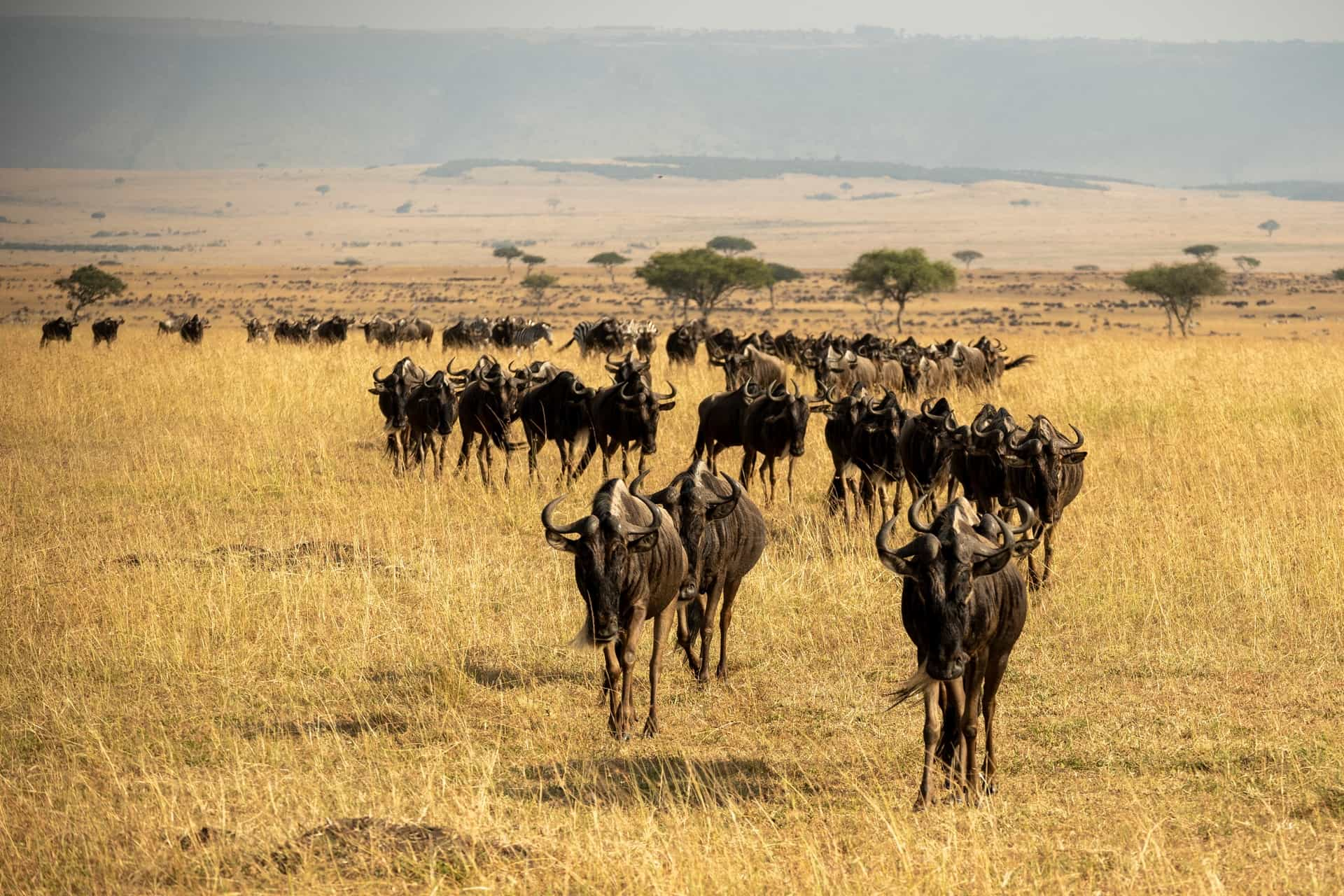
Tips for travelling in Tanzania in December on Tanzania wildlife safari tour, December in Tanzania offers fantastic wildlife viewing, particularly the start of the Great Migration calving season in the Southern Serengeti and lush green landscapes, though it is a warmer, humid month with occasional short rains. Focus on packing waterproof gear, neutral-colored clothing to avoid tsetse flies, and prepare for a mix of hot days and cool mornings
8-days-great-mara-river-crossing-hadzabe-tribe-and-optional-hot-air-balloon-tanzania-safari
7-days-best-great-wildebeest-migration-safari-in-tanzania
6-days-ndutu-migration-and-tanzania-safari-itinerary
5-days-ultimate-ndutu-migration-calving-season-safari-to-tanzania
4-days-central-serengeti-safari-tour-and-mara-river-crossing-in-northern-serengeti
3-days-southern-serengeti-safari-tour-and-ngorongoro-crater-calving-season-package
Top Tips for a December Tanzania Safari
1. Witnessing the Great Migration in South Serengeti
The Southern Serengeti and the Ngorongoro Conservation Area (specifically the Ndutu plains) become the epicenter of the Tanzania wildlife safari in December. This is the start of the calving season. Millions of wildebeest and zebras congregate here to feast on the nutrient-rich grasses fueled by the rains.
For a safari enthusiast, this offers two distinct spectacles:
- The Nursery: Thousands of calves are born daily, providing heartwarming sightings of young animals finding their feet.
- The Hunt: This concentration of vulnerable young attracts high densities of apex predators. You are likely to witness cheetahs using the flat plains for high-speed chases, while lions and leopards wait in the acacia thickets.
2. Navigating the "Short Rains"
December falls during the vuli (short rains). Unlike the heavy monsoons of April, these rains are typically intermittent, afternoon thundershowers that clear quickly.
The impact on your Tanzania wildlife safari is largely positive for photography. The rains wash the dust from the air, resulting in crystal-clear visibility and vibrant, saturated greens in your photos. While the thicket can make spotting smaller animals slightly harder than in the dry season, the dramatic sky backgrounds and the lack of dust more than compensate for the challenge.
3. Essential Packing: Gear and Colors
Preparation for the Southern Circuit requires a tactical approach to clothing.
- The "Fly" Factor: Avoid dark blue and black clothing at all costs; these colors are magnets for tsetse flies, which have a painful bite. Stick to khaki, olive, and tan.
- Layering: Despite the warm afternoons, early morning game drives in an open-top vehicle can be surprisingly chilly. A light fleece or "soft shell" jacket is a must.
- Waterproofing: High-quality, breathable rain gear is essential. A lightweight poncho or rain shell allows you to keep your camera gear dry while you wait for a sighting to resume after a quick downpour.
4. Peak Season Logistics
December is a "Goldilocks" month—the weather is good and the wildlife is plentiful—which means it is high season.
- Lead Times: The best "Gold Standard" camps in the Ndutu and Seronera regions often book out 10–12 months in advance for the weeks around Christmas and New Year.
- The Experience: Expect higher vehicle concentrations at major sightings. To mitigate this, prioritize booking with "mobile" luxury tented camps that follow the herds, or stay in private concessions where off-roading is permitted.
5. Health and Safety Precautions
A Tanzania wildlife safari involves travel through malarial zones.
- Prophylaxis: Consult a travel clinic for medications like Malarone or Doxycycline.
- Physical Barriers: While the "short rains" aren't as buggy as the long rains, the standing water does increase mosquito activity. Use a repellent with 20–30% DEET and wear long sleeves during "sundowner" hours. Most luxury camps provide mosquito netting and "peace of mind" sprays in the rooms.
6. The Zanzibar Connection
After a week of 5:00 AM wake-up calls and dusty trails, the "Bush-to-Beach" transition is the classic Tanzanian finale.
- Climate: In December, Zanzibar is hot and sunny, with sea temperatures hovering around 29°C (84°F). It’s the perfect window for snorkeling at Mnemba Atoll or exploring the spice markets of Stone Town.
- Logistics: Frequent bush flights connect the Serengeti (Seronera or Ndutu airstrips) directly to Zanzibar (Abeid Amani Karume International), making the transition effortless.
7. Vehicle and Guide Expertise
The rains can turn the volcanic soils of the Serengeti into "black cotton" mud, which is notoriously slick.
- The Rig: Ensure your operator uses a modified 4x4 Land Cruiser with high clearance and a winch.
- The Guide: An experienced guide is your most valuable asset. They don't just find the animals; they understand the terrain well enough to know which tracks stay firm after a rain and which will bog down a vehicle. A bogged vehicle can cost you hours of prime viewing time.
1. What is the weather like in December?
In December, Tanzania transitions into the "short rains" season, known locally as the vuli. This period is characterized by a shift from the dusty, dry heat of October and November to a more humid and vibrant atmosphere. While the term "rainy season" might sound daunting, it is actually one of the most beautiful times to be in East Africa. The showers are typically localized and short-lived, often occurring as dramatic afternoon or evening thunderstorms that clear quickly, leaving the air refreshed and the dust settled.
Temperature-wise, December is quite warm. In the northern safari circuit, you can expect daytime highs between 28°C and 30°C (82°F to 86°F). Because of the moisture in the air, the humidity can make it feel slightly warmer than the thermometer suggests, particularly in lower-lying areas or along the coast. Evenings and early mornings remain comfortably mild, hovering around 15°C to 18°C (59°F to 64°F), which is ideal for sleep.
The true highlight of December’s weather is the transformation of the landscape. The parched brown plains turn a vivid, emerald green almost overnight. For a Tanzania wildlife safari, this creates a stunning backdrop for photography. The air is remarkably clear because the rain washes away the haze, allowing for crisp, long-distance views of mountains like Kilimanjaro or the distant walls of the Ngorongoro Crater. While you should expect to get damp at least once during your trip, the rains rarely interfere with the logistics of a game drive, provided you are prepared with a light waterproof shell.
2. Is December a good time for a safari?
Absolutely. December is considered a "hidden gem" month for a Tanzania wildlife safari, offering a unique blend of high-action wildlife viewing and stunning natural beauty. It marks the beginning of the "Green Season," a time of abundance that draws animals out in a different way than the dry season. While animals are more dispersed because water is readily available in many puddles rather than just a few waterholes, the sheer volume of life is staggering.
Two specific factors make December exceptional:
- The Calving Season: In the southern Serengeti and Ndutu areas, the Great Migration herds arrive to give birth. Witnessing thousands of newborn wildebeest and zebras taking their first steps is a profound experience. This abundance of "easy prey" also triggers intense predator activity, as lions, cheetahs, and hyenas take advantage of the nursery.
- Avian Life: For birdwatchers, December is arguably the best month of the year. Migratory birds from Europe and Northern Africa have arrived, joining the resident species. Many birds are in their bright breeding plumage and are actively nesting or performing courtship displays, making for spectacular sightings.
Furthermore, because the rains keep the dust down, your safari experience is much "cleaner." You won't return to your lodge covered in a fine layer of red silt, and your camera equipment will thank you for the lack of grit in the air. While it is a popular time for holiday travelers, the vastness of the parks means you can still find pockets of solitude, especially if you work with a guide who knows the quieter routes.
3. Where is the best wildlife viewing in December?
To maximize your Tanzania wildlife safari in December, you should focus your itinerary on the Northern Circuit. While the entire region is productive, the strategic "sweet spot" is the southern reaches of the Serengeti ecosystem.
- The Ndutu Plains (South Serengeti/Ngorongoro): This is the place to be in December. The wildebeest migration is typically settled here, attracted by the highly nutritious, short-grass plains that are rich in phosphorus and magnesium—essential for lactating mothers and growing calves. You will see herds stretching to the horizon.
- The Ngorongoro Crater: The "Eighth Wonder of the World" is spectacular year-round, but in December, the crater floor is a lush garden. The permanent residents, including the endangered Black Rhino, are easily spotted against the green grass. The soda lake in the center often hosts large flocks of flamingos during this time.
- Tarangire National Park: While Tarangire is famous for dry-season elephant huddles, December sees the park transform into a birding paradise. The baobab trees are in leaf, and the landscape is incredibly photogenic.
- Lake Manyara: This park is excellent in December for seeing tree-climbing lions and hippos. The rising water levels in the lake bring life right to the edge of the forest tracks.
By targeting these areas, you position yourself in the heart of the action. The southern Serengeti, in particular, offers a raw look at the circle of life that you simply cannot find elsewhere in the world during this specific window of time.
4. What should I wear on safari?
Dressing for a Tanzania wildlife safari requires a balance of cultural respect, practical protection, and comfort. The golden rule is layering. Because temperatures swing from cool mornings to hot mid-days, you need to be able to shed or add clothing easily.
- Colors Matter: Stick to neutral, earthy tones. Khaki, tan, beige, and olive green are the industry standards for a reason. They blend into the bush, making you less conspicuous to the wildlife.
- The "No-Go" Colors: Avoid bright white, as it reflects light and can startle animals (plus it gets dirty instantly). Most importantly, avoid dark blue and black. These colors are scientifically proven to attract tsetse flies, which have a painful bite and are more active in the wooded areas of parks like Tarangire or parts of the Serengeti. Camouflage patterns are also discouraged, as they are often associated with military personnel in East Africa.
- Fabric Choices: Choose lightweight, breathable, and moisture-wicking fabrics. Cotton is okay, but modern "safari tech" fabrics that dry quickly and offer UV protection are even better. Long-sleeved shirts and long trousers are preferable; they protect you from the sun during the day and from mosquitoes during the "golden hour" at dusk.
A typical daily outfit might include a pair of zip-off cargo pants, a breathable t-shirt, and a long-sleeved button-down shirt over the top. Don't forget a wide-brimmed hat with a chin strap to prevent it from blowing off while the vehicle is moving.
5. What specialized clothing or gear do I need for December?
Since December is the "short rains" season, your gear list needs a few specific additions that a July traveler might skip. The goal is to stay dry and keep your expensive optics protected from moisture.
- Rain Protection: A high-quality, lightweight waterproof rain jacket is non-negotiable. Look for something breathable (like GORE-TEX) so you don't overheat in the humidity. A compact travel umbrella can also be handy for walking between your tent and the dining area at night.
- Footwear: You don't necessarily need heavy hiking boots unless you are doing a walking safari. However, sturdy, closed-toe walking shoes or trail runners are essential. They protect your feet from thorns, insects, and the occasional muddy patch.
- Optics: A Tanzania wildlife safari is significantly enhanced by good binoculars. Do not rely solely on your guide’s pair; having your own (8x42 is the standard recommendation) allows you to scan the horizon at your own pace.
- Photography Gear: If you are a photographer, bring a "dry bag" or a rain cover for your camera. A zoom lens of at least 200mm to 400mm is necessary for those close-up shots of predators or birds.
- Power: December is warm, and you'll likely be taking a lot of photos. Bring a high-capacity power bank and an international plug adapter (Type G, the British-style three-pin, is most common in Tanzania).
Packing these specialized items ensures that a sudden afternoon downpour becomes a fun part of the adventure rather than a reason to hide in the vehicle.
6. Do I need malaria medication?
Yes, taking malaria prophylaxis is strongly recommended for anyone embarking on a Tanzania wildlife safari. Tanzania is a malaria-endemic country, and the conditions in December—warm, humid, and wet—are the ideal breeding environment for the Anopheles mosquito, which carries the parasite.
Malaria is a serious but preventable disease. You should consult a travel clinic or your primary physician at least 4–6 weeks before your departure. They will typically recommend one of three common types of prophylaxis:
- Atovaquone/Proguanil (Malarone): Taken daily, with few side effects for most people.
- Doxycycline: An antibiotic taken daily; it’s effective but can make you more sensitive to the sun (which is intense in Tanzania).
- Mefloquine: Taken weekly; it is effective but sometimes has neurological side effects.
In addition to medication, the best defense is preventing bites altogether. Mosquitoes that carry malaria are most active between dusk and dawn. During these times, wear long sleeves and trousers, apply a high-DEET insect repellent to exposed skin, and always sleep under the mosquito nets provided by your lodge. Most luxury camps also perform a "turndown service" where they spray the room with insecticide while you are at dinner. By combining medication with these physical barriers, you can enjoy your safari with peace of mind.
7. Is a Yellow Fever vaccination required?
The rules regarding Yellow Fever can be a bit confusing, so it is important to understand the specific requirements for your route. Generally, Tanzania does not require a Yellow Fever vaccination certificate if you are arriving directly from a non-endemic country (like the USA, UK, or most of Europe).
However, the requirement becomes mandatory if you are arriving from—or have had a transit of more than 12 hours in—a country with a risk of Yellow Fever transmission. This includes neighboring countries like Kenya, Uganda, and Ethiopia. If your Tanzania wildlife safari is part of a multi-country East African trip, you must have your "Yellow Card" (International Certificate of Vaccination or Prophylaxis) ready to show at immigration.
Even if not strictly required for entry, some doctors recommend the vaccine for personal protection if you will be spending significant time in forested or remote areas. It is a "one-and-done" vaccine that now provides lifetime immunity. Always check the official Tanzania Immigration Department website or your local embassy's travel advisory shortly before you leave, as these health regulations can change based on global outbreaks. Keeping a digital copy of your vaccination records on your phone is also a smart backup strategy.
8. Will the rains cause my safari to be canceled?
It is extremely rare for a Tanzania wildlife safari to be canceled due to rain in December. The "short rains" are not the sustained, heavy deluges seen in the "long rains" of April and May. Instead, they are usually "refreshing" breaks in the heat.
However, the rain does change the logistics of the trip. The main impact is on the roads. Many of the tracks in the Serengeti and Tarangire are unpaved and made of volcanic soil or "black cotton" mud, which becomes incredibly slippery when wet. This is why having a 4x4 vehicle and an experienced driver-guide is essential. A skilled guide knows which roads to avoid after a storm and how to navigate the mud without getting bogged down.
If a heavy storm hits while you are out on a game drive, your guide will simply pull over and close the pop-up roof. You’ll wait 20 minutes for the storm to pass, often while enjoying a coffee from the vehicle’s thermos. In fact, many animals become more active just after a rain, as the cooling effect encourages them to move. While a specific bush dinner or a walking safari might be moved to a sheltered area for comfort, the core of your wildlife viewing will proceed as planned, often with better light and more dramatic atmosphere than on a dry day.
9. What is the accommodation situation like?
Accommodation in Tanzania ranges from rustic "adventure" camps to some of the most luxurious lodges in the world. In December, because it is peak season, you need to be very strategic about your bookings.
- Permanent Luxury Lodges: These are solid structures with all the amenities of a five-star hotel—swimming pools, gyms, and fine dining. They offer the most protection from the elements during the rainy season.
- Tented Camps: Do not let the word "tent" fool you. Luxury tented camps feature hardwood floors, en-suite bathrooms with flushing toilets and hot showers, and proper beds. They allow you to hear the sounds of the Serengeti at night, providing a truly immersive experience.
- Mobile Camps: These camps move seasonally to follow the migration. In December, many are located in the Ndutu/Southern Serengeti area, putting you right in the middle of the calving action.
Because December (especially the weeks around Christmas and New Year) is incredibly popular, the best-located lodges often book out 6 to 12 months in advance. Using platforms like SafariBookings is excellent for comparing operators and reading recent reviews to see how lodges handle the wet season. If you are looking for a more intimate experience, consider "boutique" camps with only 6–10 tents, which provide a much more personalized level of service during the busy holiday period.
10. Are there many bugs on safari in December?
The presence of insects is a reality of the African bush, and the wet conditions of December do lead to an increase in activity. However, it is easily managed with the right preparation.
- Mosquitoes: These are more prevalent near water sources and at dawn and dusk. Most lodges are located on ridges to catch the breeze, which helps keep them away, and all reputable accommodations provide high-quality mosquito netting around beds.
- Tsetse Flies: These are found in specific "belts," usually in wooded or brushy areas. They are day-hunters and are attracted to movement and dark colors (blue/black). They have a sharp bite that can pierce thin clothing. The best defense is wearing thick, light-colored khaki clothing and using a repellent specifically formulated for biting flies.
- Other Insects: You may see colorful butterflies, beetles, and the occasional termite hatch after a heavy rain. These are harmless and are actually a vital part of the ecosystem, providing food for the many migratory birds.
The most important tool in your kit is a high-DEET insect repellent (20–30%). Apply it to your ankles, wrists, and neck. Many people also find that taking Vitamin B1 or wearing "bug-off" permethrin-treated clothing provides an extra layer of protection. While the "bugs" are part of the environment, they rarely distract from the majesty of the wildlife sightings.
11. Can I use my credit card or US dollars?
Handling money on a Tanzania wildlife safari requires a bit of "old school" planning. While the world is moving toward digital payments, the Tanzanian bush still runs largely on cash.
- US Dollars: These are the "unofficial" second currency of Tanzania. They are widely accepted for park fees, at curio shops, and in all lodges. Crucial Tip: Your US bills must be in pristine condition—no tears, marks, or heavy creases—and they must be issued after 2006. Many banks and businesses in East Africa will flatly refuse older "small head" bills due to past issues with counterfeiting.
- Tanzanian Shillings (TZS): These are useful for small purchases in local markets or tips in smaller establishments. You can withdraw Shillings from ATMs in major cities like Arusha or Dar es Salaam.
- Credit Cards: Visa and Mastercard are accepted at large hotels and high-end lodges, but be prepared for a 3% to 5% surcharge to cover processing fees. Cards are almost never accepted for tipping or in remote village markets.
Always carry a mix. Use your card for the big lodge bills, but keep a stash of small-denomination US dollars ($1, $5, $10) for tipping and buying souvenirs. Having a "hidden" emergency stash of cash in a separate bag is also a wise travel practice.
12. How much should I tip my safari crew?
Tipping is a significant part of the tourism economy in Tanzania. It is not just a "bonus" but a vital way to show appreciation for the intense, 24/7 service provided by your crew.
- Your Driver-Guide: This is the most important person on your safari. They are your navigator, wildlife spotter, mechanic, and teacher. A standard tip is $35 to $60 USD per day, per vehicle (not per person). If you are a group of four, this works out to about $10–$15 per person per day.
- Lodge Staff: Most lodges have a "General Tip Box" in the lobby. Tips placed here are shared among the behind-the-scenes staff—housekeepers, chefs, and maintenance workers. A good rule of thumb is $10 to $20 USD per guest, per day.
- Specialty Staff: If your safari includes a private chef (common on camping safaris) or specific walking guides/porters, an additional $10 to $15 USD per day is appropriate.
Tips are usually given at the very end of your stay at a lodge or at the end of the entire safari for your driver. It is best to give tips in cash (US Dollars are preferred by staff). While it may seem like a lot, remember that these crews often work for weeks at a time away from their families to ensure your Tanzania wildlife safari is perfect.
13. What are the luggage restrictions on small flights?
If your itinerary involves "bush flights" (small Cessna-style aircraft that hop between airstrips in the Serengeti or to Zanzibar), you must pack light. These aircraft have very strict weight and space limitations for safety reasons.
- The Weight Limit: The standard limit is 15 kg (33 lbs) per person, which includes your carry-on/camera bag.
- The Bag Type: This is even more important than the weight. You must use soft-sided duffel bags. These aircraft have small, unusually shaped cargo pods. Rigid, hard-shell suitcases with wheels often simply won't fit, and the pilots may refuse to board them. A soft bag can be squished into the available space.
- What to do with "City" Clothes: If you have extra luggage for a beach holiday later or business clothes you don't need in the bush, most safari operators in Arusha offer secure luggage storage. You can leave your big suitcase at their office and take only your "safari duffel" into the parks.
By packing efficiently and focusing on lightweight, multi-purpose clothing, you’ll find that 15 kg is actually quite generous for a week in the bush. Most lodges also offer laundry services (often for a small fee), meaning you only really need about three or four days' worth of clothes.
14. Should I carry bottled water?
Hydration is critical during a Tanzania wildlife safari, but how you get your water matters for both your health and the environment.
- Do Not Drink Tap Water: Even in high-end lodges, the tap water is generally not treated for drinking. It is fine for showering, but use bottled or filtered water for brushing your teeth and drinking.
- The "Safari Fridge": Almost all reputable safari vehicles are equipped with a small fridge or cooler box stocked with complimentary bottled water. Your guide will encourage you to drink constantly to combat the dry air and heat.
- Reducing Plastic Waste: Tanzania is very environmentally conscious and has strict bans on plastic bags. Many lodges now use large 20-liter "glass carboys" or sophisticated filtration systems to provide safe drinking water in common areas.
- The Pro Move: Bring a high-quality, insulated reusable water bottle (like a Hydro Flask or Yeti). You can fill it up at the lodge in the morning. It will keep your water ice-cold for hours in the hot vehicle, and it significantly reduces the number of single-use plastic bottles used during your trip.
Having your own bottle also means you can add electrolyte tablets if you are feeling a bit worn out by the sun—a common occurrence during long, exciting game drives.
15. Can I visit local Maasai villages?
Yes, cultural interaction is a profound part of the East African experience. Many itineraries include a visit to a Maasai Boma (homestead). This is a great way to learn about the semi-nomadic lifestyle, traditional medicine, and the iconic "adumu" jumping dance.
However, it is important to approach these visits with respect and clear expectations:
- Photography: Always ask your guide first. In some villages, photography is included in the entry fee; in others, it is more personal. Never take photos of people outside of a planned visit without their explicit permission.
- Dress Modestly: While you are on safari, modesty is appreciated. Avoid very short shorts or revealing tops when entering a community area.
- Supporting the Local Economy: Maasai women are world-renowned for their intricate beadwork. Each color and pattern has a specific meaning. Buying a bracelet or a necklace directly from the person who made it is the best way to ensure your tourism dollars go directly into the community.
- Managing Expectations: Some villages near the main park gates are very used to tourists and can feel a bit "commercial." If you want a more authentic, "off-the-beaten-path" cultural experience, talk to your tour operator about visiting communities further away from the main tourist transit routes.
Booking Tanzania wildlife safari tour with us Roads of Adventure safaris
Booking a Tanzania wildlife safari with Roads of Adventure Safaris offers tailored, seamless travel planning. They handle all logistics—from airport transfers and 4x4 transport to park permits and luxury or budget lodge accommodations
