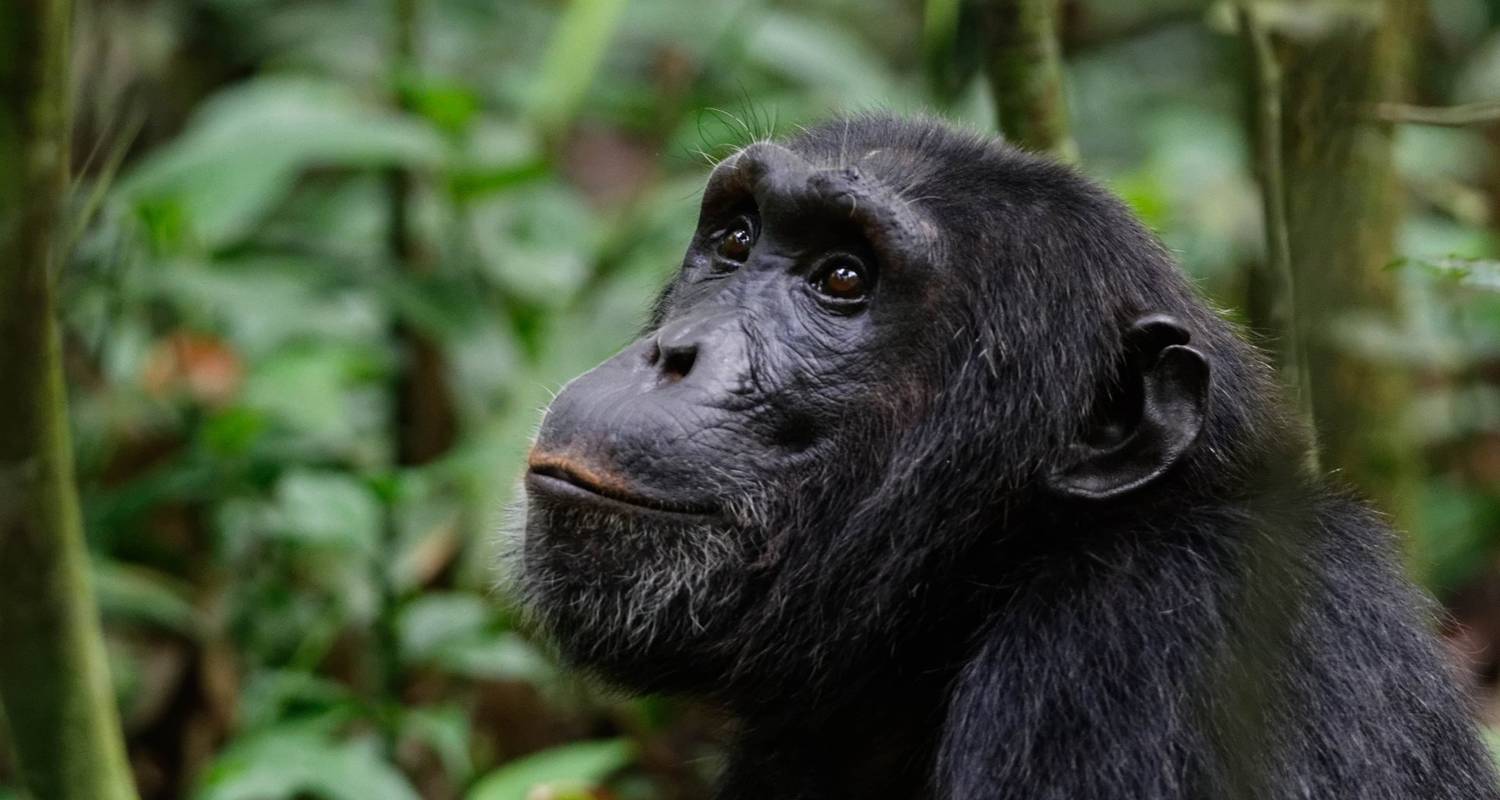
Experience a thrilling 3 Days Affordable budget gorilla trekking in Ruhija sector of Bwindi. This compact, budget-friendly Ugandan itinerary takes you to the pristine eastern edge of Bwindi Impenetrable National Park. You will encounter magnificent mountain gorillas in their natural habitat, providing an unforgettable wildlife encounter.
Tour highlights for 3 days gorilla trekking in Ruhija sector
Scenic equator stop
Beautiful rolling hills
Budget lodge stay
Expert ranger briefing
Dense rainforest hike
Gorilla family encounter
One magical hour
Official tracking certificate
Local souvenir shopping
Entebbe airport dropoff
Day by day gorilla trekking in Ruhija sector
Day 1: Kampala to Ruhija Sector
Your journey begins with an early 7:00 AM pickup from your hotel in Kampala or Entebbe. You will travel south through scenic Ugandan landscapes toward Bwindi Impenetrable National Park. En route, you will make a memorable stop at the Uganda Equator line for photography and a stretch. Continuing the drive, you will stop in Mbarara for a delicious hot lunch. From there, the road winds through lush, green hills and terraced farmlands until you finally arrive at the Ruhija sector in the late afternoon. Check into a comfortable, budget-friendly accommodation like Broadbill Forest Camp or Ruhija Community Rest Camp. Here, you will enjoy a hearty dinner, rest up, and prepare for your exciting trek the following morning.
Day 2: Gorilla Trekking in Ruhija
Wake up early for a filling breakfast and meet your driver for a short transfer to the Ruhija Park Headquarters. At 8:00 AM, you will join an informative briefing session led by Uganda Wildlife Authority (UWA) ranger guides, who will cover trekking rules and assign you to a specific habituated gorilla family like Bitukura or Oruzogo. The trek involves hiking through dense, steep tropical rainforest for two to six hours, depending on where the gorillas are feeding. Once the family is located, you will spend an intimate, exhilarating one hour observing these gentle giants grooming, playing, and resting up close. Afterward, you will trek back out to the starting point, receive your official gorilla tracking certificate, and return to your lodge for a relaxing evening and dinner.
Day 3: Departure from Ruhija
After enjoying an early morning breakfast, you will check out of your Ruhija lodge. You will then embark on the scenic return drive to Kampala or Entebbe, taking in the picturesque sights of southwestern Uganda's rolling hills. You will pause midway for lunch and grab any last-minute local crafts or souvenirs. Your driver will drop you off at your hotel in the city or directly at Entebbe International Airport for your evening departure flight. This marks the end of an incredible, cost-effective adventure, leaving you with lasting memories of your extraordinary close encounters with endangered mountain gorillas in their indigenous forest home
1. What is the official cost of a gorilla permit for Ruhija in 2026?
The cost of a gorilla trekking permit is set by the Uganda Wildlife Authority (UWA) and is uniform across all sectors of Bwindi Impenetrable National Park, including Ruhija. For the 2024–2026 tariff period, the pricing depends directly on your residency status. Foreign non-residents pay USD 800 per person, Foreign Residents with a valid African work permit pay USD 700 per person, citizens from the Rest of Africa pay USD 500 per person, and East African Community (EAC) citizens pay UGX 300,000 per person.
This permit fee is the most critical element of your budget, as it is a fixed conservation tariff that cannot be discounted by budget tour operators. The fee covers your park entrance, the services of armed UWA ranger guides who lead you into the forest, and trailing trackers who locate the gorilla family before you arrive. It also guarantees exactly one magical hour of direct observation once you encounter the gorillas.
When booking an affordable budget safari, it is vital to know that the permit price goes directly toward mountain gorilla conservation, anti-poaching patrols, and community development projects around Bwindi. Twenty percent of the park entry fees are shared with local communities to build schools and health centers. Because permits are strictly limited to eight visitors per gorilla family each day to minimize human impact, you must secure your permit through a registered operator or directly through UWA three to six months in advance.
2. Which habituated gorilla families live in the Ruhija sector?
The Ruhija sector is renowned for hosting several fascinating and fully habituated mountain gorilla families. There are five fully habituated families in Ruhija available for daily tourism: the Bitukura family, the Oruzogo family, the Mukiza family, the Kyaguliro family, and the Happy family. Each family offers unique group dynamics, varying numbers of silverbacks, blackbacks, adult females, and playful juveniles.
The Bitukura family is highly favored by budget travelers because they are historically known to be peaceful and often forage closer to the park headquarters, making the trek less physically demanding. This group was named after the local river where they were first sighted during their 15-month habituation process. The Oruzogo family is one of the larger groups in Ruhija and is incredibly popular due to a high number of energetic infants that provide entertaining spectacles for trackers. The Mukiza family was formed after a split from the Kyaguliro group, which was originally reserved strictly for scientific research by Max Planck Institute but is now open for limited tourism.
During your morning briefing on Day 2, park rangers will assign you to one of these groups. This allocation is based on your physical fitness level and the known location of the gorillas. Because Ruhija sits at a higher elevation of 2,500 meters, understanding these groups helps you prepare for different trekking durations.
3. What affordable budget accommodation options exist in Ruhija?
Ruhija features multiple eco-friendly, budget-conscious lodging facilities that cater beautifully to price-sensitive travelers. The top recommended choices for this itinerary include Broadbill Forest Camp and Ruhija Community Rest Camp. These properties specialize in offering clean, comfortable, and authentic African wilderness experiences without the luxury price tags.
Broadbill Forest Camp is situated directly on the edge of the Bwindi forest, providing excellent birding opportunities right from your tent balcony. It features permanent tents set on raised wooden platforms with en-suite bathrooms, hot showers, and flushing toilets. This makes it an exceptional budget value. On the other hand, Ruhija Community Rest Camp is an excellent community-run initiative located close to the UWA briefing headquarters. It offers basic safari tents, traditional cabins (bandas), and a dedicated camping ground for travelers carrying their own gear.
Staying at community-run camps ensures your money directly benefits local families living adjacent to the park boundaries. Both lodges provide warm bedding, hot water for showering after long treks, and an on-site restaurant serving hearty local and international three-course meals. These meals are included in your budget tour price. They also feature central lounge areas with fireplaces where travelers gather in the evening to share stories and stay warm in Ruhija's cold climate.
4. Why is Ruhija preferred over other Bwindi sectors for budget trips?
Bwindi Impenetrable National Park is divided into four distinct trekking sectors: Buhoma, Rushaga, Nkuringo, and Ruhija. Ruhija stands out as a premier choice for affordable budget gorilla trekking for several distinct reasons. First, its unique geographical positioning on the eastern side of the park makes it much more accessible by road from Kampala or Entebbe compared to southwestern sectors like Nkuringo or Rushaga. This significantly reduces your overall fuel costs and travel times.
Second, Ruhija has a lower concentration of luxury lodges and a higher density of locally-owned, budget-friendly camps and community homestays. This structural landscape keeps accommodation rates highly competitive, allowing tour operators to offer lower package prices. Additionally, because Ruhija sits at the highest altitude of the park (up to 2,650 meters), the surrounding temperatures are much cooler. This reduces the presence of mosquitoes and makes for a more comfortable stay without requiring expensive luxury climate control.
Furthermore, Ruhija is less crowded than Buhoma, which was the first sector opened for tourism. With fewer crowds, you get a highly authentic, peaceful wilderness experience at a fraction of the cost. The terrain in Ruhija, while steep, features well-maintained community trails that often allow for shorter trekking times. This saves energy and makes it an ideal option for budget-conscious hikers.
5. What should I pack for a budget trek in Bwindi's rainforest?
Packing correctly for a budget trek is essential because purchasing forgotten gear near the park can be incredibly expensive or impossible due to the remote location. Your packing list must prioritize utility, protection from wild insects, and adaptation to sudden tropical downpours.
- Footwear: Sturdy, waterproof hiking boots with excellent ankle support and deep traction are mandatory for navigating slippery slopes.
- Clothing: Pack lightweight, long-sleeved shirts and long trousers to protect your skin from stinging nettles, sharp branches, and insects. You must tuck your trousers into your long socks to prevent safari ants from crawling up your legs.
- Rain Gear: A high-quality, lightweight waterproof rain jacket or poncho is indispensable, as it can rain heavily at any time in Bwindi.
- Protection: Bring heavy-duty gardening gloves to help you grab onto branches and vines along steep paths. Pack a wide-brimmed hat, UV-protection sunglasses, and insect repellent containing DEET.
- Gear: A waterproof backpack cover is necessary to protect your camera gear and documents.
As this is a budget tour, packing reusable water bottles and energy bars from Kampala will save you money on road stops. Do not forget your camera, but ensure the flash is completely turned off, as flash photography is strictly prohibited and can agitate the mountain gorillas.
6. How difficult is the gorilla trek in the Ruhija sector?
The gorilla trek in Ruhija is considered moderately challenging to difficult, largely dictated by the sector’s high altitude. Ruhija towers between 2,100 and 2,650 meters above sea level, making it the highest and coldest tracking region in Bwindi. The thin air means hikers will tire more quickly than at sea level, requiring a sensible pace and good hydration.
The physical terrain consists of deep valleys, steep ridges, and thick undergrowth with no formal paved pathways. Rangers must use machetes to clear trails through the dense foliage. The duration of the trek is highly unpredictable; it can take anywhere from two to six hours to locate the gorillas, depending entirely on where the family nested the previous night.
To manage this difficulty on a budget, travelers are highly encouraged to hire a local porter at the trailhead for roughly USD 20 to 30. Porters carry your heavy daypack and provide physical assistance, pushing or pulling you up slippery mud slopes. Hiring a porter is not only a fantastic safety measure, but it serves as a direct community support mechanism. Many porters are residents or former poachers who now protect the forest through sustainable tourism income.
7. What happens during the Day 2 morning ranger briefing?
The morning briefing on Day 2 is a mandatory safety and educational session that begins promptly at 7:30 AM to 8:00 AM at the Ruhija Park Headquarters. All trekkers must present their original passports and valid gorilla permits to the park registration desk before the session begins. Once registered, you will gather in an open-air pavilion where senior UWA rangers introduce the history and ecology of Bwindi.
The rangers will clearly outline the strict conservation rules and behavioural guidelines required to safeguard both humans and gorillas. These rules include keeping a minimum distance of 7 to 10 meters from the gorillas, keeping your voice low, never eating or drinking near the primates, and avoiding flash photography.
Following the rules presentation, travelers are divided into small groups of a maximum of eight people per habituated gorilla family. Rangers evaluate the age, physical fitness, and health preferences of the tourists to match them with an appropriate family. If you have mobility challenges, this briefing is the correct time to notify the lead ranger so they can assign you a closer gorilla group or arrange for a traditional sedan chair porter service.
8. Is it safe to trek mountain gorillas in Uganda?
Yes, gorilla trekking in the Ruhija sector of Bwindi is highly secure and exceptionally safe. The Government of Uganda, through the Uganda Wildlife Authority and the specialized Tourism Police force, takes visitor safety with utmost seriousness. Every single trekking group that enters the Bwindi forest is accompanied by at least two armed, highly trained park rangers. One ranger leads the front of the line to clear paths, while the second guards the rear to ensure no traveler falls behind.
The firearms carried by rangers are primarily a precautionary measure to scare away wild, unhabituated forest elephants or buffaloes by firing shots into the air if an animal charges. The habituated mountain gorillas themselves pose virtually no threat to humans. Decades of daily habituation training mean these primates view human groups as neutral, non-threatening parts of their environment.
Furthermore, the park boundaries are heavily patrolled daily by anti-poaching units to eliminate illegal traps and ensure the forest remains entirely safe for international eco-tourists. Travelers are safely insulated throughout their trip, provided they follow the simple instructions of their guide, maintain the mandatory 7-meter viewing distance, and avoid making sudden movements or direct, aggressive eye contact with the dominant silverback.
9. What is the best time of year for a budget trek in Ruhija?
While gorilla trekking can be successfully done year-round, the absolute best time for a budget trek in Ruhija is during the dry seasons. These fall from June to September and December to February. During these dry months, rainfall is minimal, meaning the steep forest trails are significantly less muddy, less slippery, and easier to navigate. Furthermore, the roads from Kampala to Ruhija are dry and passable, minimizing the risk of vehicle delays or getting stuck.
However, for ultra-budget-conscious travelers, the wet low-season months of March to May and October to November present distinct cost advantages. While trekking is physically tougher due to muddy slopes and heavy downpours, budget lodges often slash their accommodation rates significantly to attract guests.
The forest is also lush, green, and bursting with food during the wet season. This often causes the gorilla families to stay at lower altitudes, feeding on abundant bamboo shoots. This can result in shorter, easier hikes from the park headquarters. However, because UWA gorilla permit prices remain completely fixed at USD 800 year-round, low-season savings apply strictly to your lodge and transport costs.
10. How long is the drive from Kampala to Ruhija, and what are the stops?
The drive from Kampala or Entebbe to the Ruhija sector of Bwindi is a long but incredibly scenic road journey covering approximately 480 to 500 kilometers. It takes roughly 8 to 9 hours of driving time, depending on traffic exiting Kampala and prevailing road conditions. Because of this distance, Day 1 and Day 3 are dedicated primarily to transit.
To break up this long trip comfortably, your budget itinerary includes two iconic stops on Day 1. The first stop occurs about 80 kilometers outside Kampala at the Uganda Equator line in Kayabwe. Here, you will spend 30 minutes taking photos across the northern and southern hemispheres, watching water flow demonstration experiments, and enjoying a morning coffee.
The second major stop is in Mbarara City, the urban hub of western Uganda, where you will stop at a local restaurant for a hot lunch. Following lunch, the drive transitions from smooth highways into winding, terraced tarmac roads climbing through Kigezi highlands, affectionately nicknamed the "Switzerland of Africa." The final stretch into Ruhija involves a bumpy but beautiful dirt road climbing through mountain gaps, offering panoramic views of valleys and distant active volcanoes.
11. Can I see other wildlife in Ruhija besides mountain gorillas?
Yes! Bwindi Impenetrable National Park is a highly diverse UNESCO World Heritage site, and the Ruhija sector is globally celebrated as a haven for biodiversity. While mountain gorillas are the primary headline attraction, trekking through this prehistoric, dense canopy exposes you to an array of exotic wildlife.
Ruhija is recognized as the prime bird-watching sector within Bwindi. It provides access to the famous Mubwindi Swamp, where lucky birders can spot rare Albertine Rift Endemics. The forest holds over 350 distinct bird species, including the African Green Broadbill, Grauer's Warbler, and the Regal Sunbird.
As you trek through the dense forest jungle, you are highly likely to encounter other primates. These include L'Hoest's monkeys, black-and-white colobus monkeys, red-tailed monkeys, baboons, and blue monkeys. The sector is also home to forest duikers (small antelopes), bush pigs, giant forest hogs, and over 200 species of colorful butterflies. While wild forest elephants live within the Ruhija zone, they are highly reclusive and rarely seen, though you will frequently cross paths with their large footprints and fresh trail clearings.
12. What are the strict rules for observing gorillas up close?
To ensure the long-term survival of mountain gorillas and protect them from human diseases, UWA enforces strict behavioral rules during your one-hour encounter. Mountain gorillas share roughly 98% of their DNA with humans, making them highly susceptible to human respiratory infections like the common cold, flu, and Covid-19.
- Health Restrictions: If you are feeling sick, coughing, or have a flu-like illness on the morning of the trek, you are legally required to volunteer this information. You will be disqualified from trekking to protect the primates.
- Distance: You must maintain a strict distance of 7 to 10 meters (around 23 feet) from the gorillas at all times. If a curious juvenile approaches you, you must step back slowly without panicking.
- Photography: Flash photography is completely banned. The bright, sudden burst of a flash can startle a silverback, causing him to charge defensively to protect his family.
- Behavior: Keep your voice at a low whisper. Do not smoke, eat, or drink within 20 meters of the gorillas, as dropping food crumbs can introduce dangerous bacteria into their habitat.
If you need to cough or sneeze, turn your head away and cover your mouth securely to prevent airborne transmission.
13. How does booking through a tour operator optimize a budget trip?
While some independent travelers attempt to self-book a gorilla trip, using a reputable local tour operator is highly recommended to optimize a budget safari. First, local operators have direct, real-time access to the UWA permit reservation system. Because permits sell out fast, operators can instantly lock down a Ruhija permit the moment you pay your deposit, saving you from navigating bureaucratic payment channels from abroad.
Second, operators secure heavily discounted "operator rates" at budget lodges like Broadbill Forest Camp. These savings are passed directly onto you in the package price. Logistics are also a major factor. A tour operator provides a customized 4x4 safari vehicle driven by an expert local guide who knows the complex terrain. Navigating the steep, rocky, unpaved roads leading to Ruhija requires professional mountain driving experience.
If you rent a standard car independently and break down in the remote wilderness, your costs will skyrocket instantly. Furthermore, your driver acts as a cultural translator and intermediate coordinator at the park headquarters. They ensure you are placed in a trekking group that matches your physical capabilities, maximizing your overall success rate.
14. What cultural experiences can be added to a budget Ruhija trek?
Integrating a cultural encounter into your 3-day itinerary is an affordable and impactful way to enrich your Ugandan experience. The areas surrounding Ruhija are inhabited by both the Bakiga agricultural communities and the indigenous Batwa pygmy people. The Batwa are the original hunter-gatherer inhabitants of the Bwindi forest. They lived in perfect harmony with the mountain gorillas for thousands of years before the forest was gazetted as a national park in 1991.
On the evening of Day 2, you can take an affordable community walk organized by the local tourism council. This walk takes you through the Ruhija village to visit a traditional healer, observe local banana beer brewing processes, and tour a community primary school.
Alternatively, you can watch a traditional music and dance performance performed by Batwa community members near your lodge. The performance showcases their ancient forest hunting songs and folklore. These cultural additions typically cost between USD 15 to 30 per person. This money goes entirely to community development funds, providing direct financial support to families who lost forest access due to conservation initiatives.
15. What are the passport and health entry requirements for Uganda?
To successfully execute your 3-day budget gorilla trek, you must meet all legal entry and health requirements before landing at Entebbe International Airport. First, your passport must be valid for at least six months beyond your planned date of departure from Uganda, and it must contain at least two blank pages for immigration stamps.
Uganda requires almost all international tourists to apply and pay for their visas online via the official Uganda Electronic Visa Application Portal prior to arrival. A standard single-entry tourist visa costs USD 50. Alternatively, if you plan to visit neighboring Kenya or Rwanda on the same trip, you can apply for the East Africa Tourist Visa for USD 100, which allows multi-entry travel across all three nations.
Regarding medical health mandates, a valid Yellow Fever Vaccination Certificate is a compulsory entry requirement for all travelers entering Uganda. Immigration officers check for this certificate at Entebbe Airport. Additionally, because Bwindi is located in a tropical zone, taking malaria prophylaxis pills (such as Malarone or Doxycycline) is strongly advised. You should consult your home physician at least two weeks before your trip departure.
Booking 3 Days Affordable budget gorilla trekking with us Roads of Adventure safaris
Book your 3-day budget gorilla trekking tour to Bwindi Impenetrable National Park with Roads of Adventure Safaris. Packages range between ($900) and ($1,300) per person, which includes your ($800) gorilla permit, private 4x4 transport from Kampala or Kigali, budget lodge accommodations, and all meals
