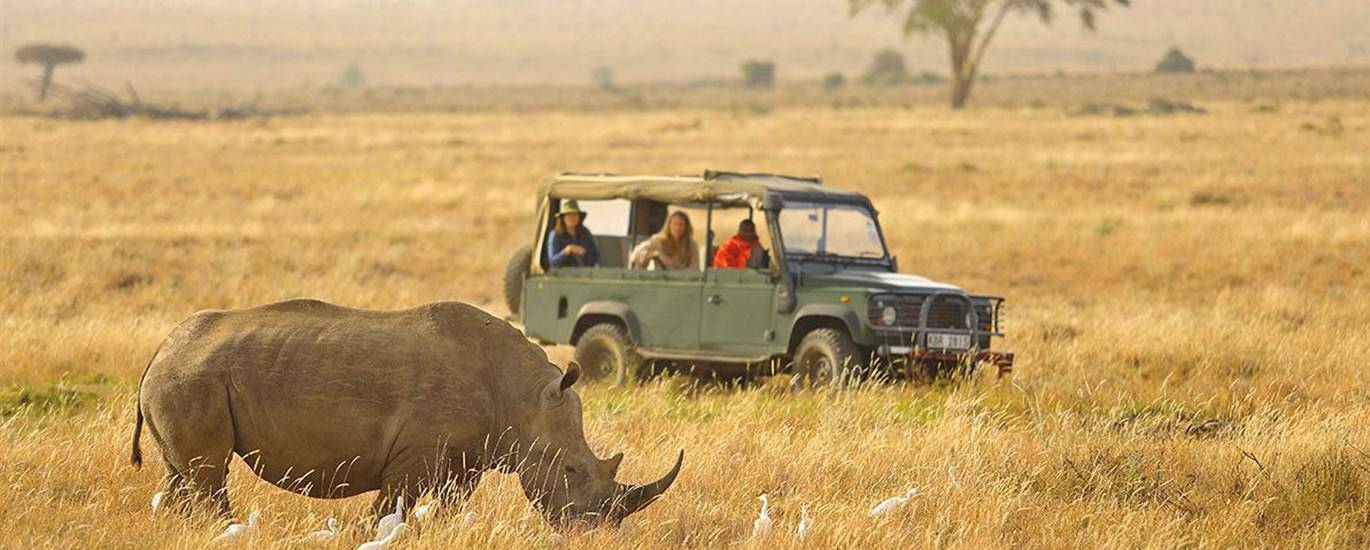
A 5-day Kenya wildlife safari typically focuses on iconic locations like the Maasai Mara, Lake Nakuru, and Lake Naivasha to maximize sightings of the "Big Five" (lion, leopard, rhino, elephant, buffalo). Key activities include thrilling game drives, boat safaris to see hippos, bird watching, walking safaris in Hell’s Gate, and cultural visits to Maasai villages
6-days-ultimate-budget-tanzania-safari-tour-holiday-vacation
6-days-lake-manyara-ngorongoro-crater-and-serengeti-tour-package
6-days-perfect-zanzibar-beach-holiday-tour-package-itinerary
6-days-zanzibar-beach-holiday-to-mnemba-island-spice-tour-safari-blue-and-mikumi-national-park
6-days-best-northern-circuit-tanzania-safari-to-best-tanzania-safari-parks
6-days-best-northern-circuit-tanzania-safari-to-best-tanzania-safari-parks
6-days-fly-in-safari-from-zanzibar-tarangire-serengeti-ngorongoro-crater-and-lake-manyara
6-days-best-of-tanzania-safari-to-nyerere-mikumi-and-udzungwa-mountains
6-days-ultimate-kilimanjaro-climb-via-machame-route
6-days-kilimanjaro-climb-via-umbwe-route
6-days-best-kilimanjaro-climb-via-marangu-route
6-days-ndutu-migration-and-tanzania-safari-itinerary
Top Activities & Experiences
Game Drives in the Maasai Mara
The Maasai Mara National Reserve is the crown jewel of African wilderness, offering a theater of wildlife that is unmatched globally. Spanning over 1,500 square kilometers, the reserve is characterized by rolling grasslands, iconic acacia trees, and the Mara River. The primary draw is the opportunity to see the "Big Five": lion, leopard, elephant, buffalo, and rhino. Game drives are typically conducted in the early morning or late afternoon when temperatures are cooler and predators are most active. During a morning drive, you might witness a pride of lions finishing a night’s hunt or a leopard draped over a tree limb, camouflaged against the bark.
The Mara’s open plains make it an ideal environment for photography, providing clear sightlines of cheetahs sprinting across the savanna or massive herds of elephants moving toward watering holes. Beyond the Big Five, the ecosystem supports a staggering diversity of life, from hyenas and giraffes to over 450 species of birds. Professional guides use their expert tracking skills to find rare sightings and explain the intricate behaviors of the animals, ensuring that every drive feels like a new chapter in a nature documentary. Whether it’s the golden light of a sunrise hitting a lion’s mane or the dramatic silhouettes of giraffes against a sunset, a game drive here is the definitive safari experience.
Witnessing the Great Migration
Often described as the "Eighth Wonder of the World," the Great Migration is a breathtaking display of raw survival and natural instinct. Between July and October, over 1.5 million wildebeest, accompanied by hundreds of thousands of zebras and gazelles, arrive in the Maasai Mara from the Serengeti in search of greener pastures. The journey is fraught with peril, but the most legendary moments occur during the Mara River crossings. Here, the herds gather on the banks, hesitant and nervous, until a few brave individuals plunge into the water, triggering a chaotic and thunderous surge.
The drama unfolds as the animals battle strong currents and avoid the jaws of massive Nile crocodiles lying in wait. On the shores, lions and other large predators congregate, taking advantage of the abundance of prey. This event is not merely a sight to behold; it is a fundamental ecological process that sustains the entire ecosystem. For visitors, witnessing a crossing is a visceral experience—the sounds of thousands of hooves, the dust clouds rising from the banks, and the sheer scale of the herds stretching to the horizon create a memory that lasts a lifetime. It is a powerful reminder of the relentless cycle of life and death in the wild.
Rhino Spotting at Lake Nakuru National Park
Lake Nakuru National Park is a sanctuary of immense biological importance, best known for its successful conservation of the rhinoceros. While rhinos are increasingly rare across the continent, Nakuru provides one of the best opportunities in East Africa to see both black and white rhinoceroses in their natural habitat. The white rhinos are often found grazing in the open grasslands near the lake’s edge, while the more elusive black rhinos tend to favor the thicker acacia woodlands. Seeing these prehistoric-looking creatures against the backdrop of the shimmering lake is a highlight for any wildlife enthusiast.
The lake itself is a soda lake, famous for attracting massive flocks of lesser and greater flamingos that fringe the shore in a vibrant pink ribbon. While the flamingo populations fluctuate based on water levels and algae availability, the park remains a premier bird-watching destination with over 400 species. The landscape is incredibly diverse, ranging from steep rocky escarpments to dense forests and expansive plains. Visitors can also spot the rare Rothschild’s giraffe, Cape buffalo, and even tree-climbing lions. A trip to Nakuru offers a more compact and concentrated safari experience, where the juxtaposition of the pink-hued water and the rugged presence of the rhinos creates a stunning visual contrast.
Boat Safaris & Birding on Lake Naivasha
Lake Naivasha, located at the highest point of the Great Rift Valley, offers a refreshing aquatic perspective on the Kenyan safari. A boat safari on this freshwater lake is the best way to get close to the resident pods of hippos that spend their days submerged in the cool waters. As you glide past the papyrus reeds, you’ll encounter an extraordinary array of birdlife; Naivasha is a world-class birding site, home to African fish eagles—often seen diving for prey—pelicans, kingfishers, and herons. The tranquility of the water combined with the calls of the birds provides a serene contrast to the ruggedness of the savanna.
Most boat trips include a stop at Crescent Island Game Sanctuary, a private island that served as a filming location for Out of Africa. Because there are no large predators on the island, it is one of the few places where you can enjoy a "walking safari" among the animals. Walking through the yellow-fever acacia trees, you can stand just meters away from giraffes, zebras, waterbucks, and wildebeests. The experience of being on foot, without the barrier of a vehicle, allows for a deeper connection with the environment and a greater appreciation for the subtle details of the flora and fauna. It is a gentle yet immersive adventure that highlights the peaceful side of the Rift Valley.
Walking/Biking Safari in Hell’s Gate National Park
Hell’s Gate National Park offers a unique departure from the traditional vehicle-based safari. Named for the intense geothermal activity within its boundaries, the park is characterized by dramatic scenery, including towering obsidian cliffs, deep gorges, and jagged volcanic rock towers like Fischer’s Tower. Because the park lacks dangerous predators, it is one of the only places in Kenya where visitors are encouraged to explore on foot or by bicycle. Cycling through the park provides an exhilarating sense of freedom as you pedal past herds of grazing zebras, gazelles, and elands.
The hike through the lower Ol Njorowa Gorge is a highlight, featuring hot springs and narrow sandstone walls shaped by millennia of water erosion. The park’s unique landscape was a primary inspiration for the scenery in Disney’s The Lion King, and standing beneath the massive cliffs, it’s easy to see why. For the more adventurous, Hell’s Gate is also a premier destination for rock climbing and abseiling. Whether you are trekking to the "Devil’s Bedroom" or cycling toward the steam plumes of the geothermal station, the park offers an active, hands-on way to experience the geology and wildlife of the Rift Valley. It is a place where the earth’s internal fires meet the beauty of the African wild.
Cultural Maasai Village Tour
To visit Kenya without engaging with the Maasai people is to miss the heartbeat of the land. The Maasai are one of the few tribes that have successfully maintained their traditional way of life despite the encroachment of the modern world. A visit to a local Boma (village) offers a profound insight into their culture, which is deeply intertwined with their cattle and the natural environment. You are typically welcomed with vibrant songs and the famous Adumu dance, where warriors demonstrate their strength by jumping high into the air.
Inside the village, you can explore the Manyattas—traditional houses built from mud, sticks, and cow dung—and learn about the roles of men and women within the community. The Maasai are master craftsmen, and you will have the chance to see their intricate beadwork, where every color holds a specific symbolic meaning. Beyond the aesthetics, these tours provide a chance to discuss their history, their co-existence with wildlife, and their pastoralist traditions. Supporting these community visits helps fund local schools and water projects, ensuring that the Maasai can continue to protect their heritage. It is an exchange of stories and smiles that adds a rich, human layer to the safari experience.
Hot Air Balloon Safari
For the ultimate "bucket list" experience, nothing compares to drifting silently over the Maasai Mara in a hot air balloon at dawn. The adventure begins in the pre-dawn chill as you watch the massive envelopes inflate under the glow of the burners. As you lift off, the ground falls away, and you are treated to a 360-degree panoramic view of the savanna as the first rays of the sun turn the plains into a sea of gold. From this aerial vantage point, you can appreciate the true scale of the Mara and spot wildlife that might be hidden from ground-level view.
You might see a pride of lions playing in the long grass, a solitary cheetah on the hunt, or massive herds of wildebeest creating intricate patterns as they move across the plains. The silence of the flight, broken only by the occasional roar of the burner, creates a sense of peace that is impossible to find elsewhere. After an hour of flight, the balloon gently touches down in the heart of the wilderness, where a traditional "bush breakfast" awaits. Complete with chilled champagne, freshly cooked eggs, and a full spread, this meal in the middle of the wild is the perfect conclusion to a magical morning. It is a perspective of Africa that few get to see and none ever forget.
Great Rift Valley Scenic Viewpoints
The Great Rift Valley is one of the most significant geological features on Earth, a massive trench that stretches about 6,000 kilometers from the Middle East to Mozambique. In Kenya, the valley is at its most spectacular, and a stop at one of the many viewpoints along the escarpment is a mandatory part of any safari heading west from Nairobi. Standing at the edge of the cliff, you are presented with a staggering view of the valley floor thousands of feet below. The landscape is a mosaic of dormant volcanoes, shimmering lakes, and vast plains that seem to stretch into infinity.
From these viewpoints, you can see the distinctive shapes of Mount Longonot and Mount Suswa rising from the valley floor. The sheer scale of the rift is a humbling reminder of the tectonic forces that continue to pull the African continent apart. These stops also provide an opportunity to interact with local vendors selling unique Kenyan handicrafts and curios. Photographically, the viewpoints are best visited in the early morning when the air is clear or at sunset when the valley is bathed in a purple and orange glow. It is the perfect place to pause, breathe in the cool mountain air, and reflect on the immense natural beauty of the land you are about to explore.
5-day Kenya wildlife safari
Embarking on a 5-day Kenya wildlife safari is an invitation to witness nature’s most raw and spectacular theater. Kenya remains the quintessential safari destination, offering a diverse tapestry of landscapes that range from the shimmering waters of the Great Rift Valley lakes to the iconic, golden savannahs of the Maasai Mara. This curated journey is designed for travelers who want to maximize their time, balancing the thrill of tracking the "Big Five" with the serene beauty of Kenya’s bird-rich wetlands. Whether you are watching a pride of lions stalk through the tall grass, marveling at the prehistoric silhouettes of rhinos in a protected sanctuary, or gliding past pods of hippos on a freshwater lake, every hour brings a new discovery. This 5 days itinerary blends adventure, conservation, and breathtaking scenery, providing a comprehensive snapshot of East Africa’s wild heart. It is more than just a tour; it is a profound connection to the natural world.
Day 1: Nairobi to Lake Nakuru National Park
Your adventure begins with a scenic drive from Nairobi into the heart of the Great Rift Valley, arriving at Lake Nakuru National Park in time for lunch. Once famous primarily for its vast flamingo populations, the park has evolved into one of Kenya’s premier rhino sanctuaries. The afternoon game drive offers a high probability of spotting both endangered black and white rhinos grazing along the shoreline. As you traverse the yellow-fever acacia woodlands, keep a sharp eye out for the rare Rothschild’s giraffe and the elusive leopard, which often rests in the park's leafy canopies. The park’s compact size ensures dense wildlife sightings against the backdrop of the shimmering alkaline lake. As the sun sets, the landscape transforms into a palette of deep oranges and purples, providing a dramatic end to your first day in the Kenyan wilderness before retreating to your lodge.
Day 2: Lake Nakuru to Lake Naivasha
After a final morning game drive in Nakuru, a short journey takes you to Lake Naivasha, the highest and purest of the Rift Valley lakes. This day focuses on a change of pace, swapping the bumpy trails for the tranquility of the water. An afternoon boat safari allows you to drift inches away from massive pods of grunting hippos and observe majestic African fish eagles diving for prey. The highlight for many is a walking safari on Crescent Island, a private sanctuary where you can literally walk alongside giraffes, zebras, and wildebeests. Because there are no predators on the island, it offers a rare, peaceful opportunity to experience wildlife on foot without the confines of a vehicle. The lush, green surroundings and the gentle breeze off the lake provide a refreshing contrast to the arid plains you will encounter later in the trip.
Day 3: Lake Naivasha to Maasai Mara
Today, you head toward the crown jewel of African wildlife: the Maasai Mara National Reserve. The drive takes you through the dramatic Loita Plains, where the sight of Maasai herdsmen in their vibrant red shukas signals your arrival in ancestral lands. You will reach the Mara in time for an afternoon game drive, your first introduction to this vast ecosystem. The Mara is world-renowned for its exceptional population of big cats, and it doesn't take long to find lions lounging under lone acacia trees or cheetahs scanning the horizon from termite mounds. The sheer scale of the landscape, with its rolling hills and endless horizons, is awe-inspiring. As evening falls, the sounds of the African bush—the distant roar of a lion or the laugh of a hyena—begin to fill the air, setting the stage for an unforgettable stay in the wild.
Day 4: Full Day in the Maasai Mara
This day is dedicated to deep exploration. With a picnic lunch packed, you will spend the entire day traversing the different sectors of the reserve, from the Sand River to the Talek. If you are visiting between July and October, your guide will head toward the Mara River, the site of the dramatic Great Migration crossings where hundreds of thousands of wildebeests brave crocodile-infested waters. Even outside of migration season, the Mara is teeming with life; you’ll encounter massive herds of elephants, buffaloes, and various antelope species. You might also choose to visit a traditional Maasai village to learn about their ancient customs and harmonious coexistence with wildlife. Whether you spend the day tracking a leopard or watching a family of elephants at a watering hole, the Mara never fails to deliver the "National Geographic" moments every safari traveler dreams of.
Day 5: Maasai Mara to Nairobi
The final day begins with a "sunrise" game drive, perhaps the most magical time in the bush. This is when predators are most active, finishing their nightly hunts before the heat of the day sets in. The golden morning light provides the perfect conditions for photography, capturing the silhouettes of giraffes against the rising sun. After a hearty bush breakfast, you bid farewell to the plains and begin the drive back to Nairobi. As you climb the escarpment of the Rift Valley, you’ll have one last chance to stop at panoramic viewpoints for photos of the valley floor below. You will arrive back in the capital by late afternoon, carrying with you a camera full of photos and a lifetime of memories. The journey ends with a transfer to the airport or your hotel, concluding five days of extraordinary immersion in Kenya's natural heritage.
1. Must-Do Activities: Game Drives, Balloons, and Culture
The pulse of a 5-day safari is found in the game drive. Most tours offer two per day: a pre-dawn departure to catch predators while they are still active, and a late afternoon drive that transitions into a "sundowner" session. In the Maasai Mara, these drives are about more than just seeing animals; they are about understanding the ecosystem. You’ll spend hours with a professional guide who can track a leopard by the alarm call of a baboon or predict a cheetah’s hunt by the way an impala stands still.
For those wanting to elevate the experience, a hot air balloon safari is the ultimate addition. Rising before the sun, you’ll watch the ground crew ignite the burners in the darkness. As you lift off, the silence of the savannah is only broken by the occasional roar of the flame. From 500 feet up, the Mara looks like a vast green tapestry woven with animal trails. You might see a lion pride from above or a herd of elephants crossing a stream. The flight ends with a "bush breakfast"—a full English breakfast served in the middle of the wilderness with chilled champagne.
Finally, cultural visits provide the human context. Visiting a Maasai Manyatta (village) allows you to step into a different world. You aren't just a spectator; you are invited into their homes, shown how to make fire with sticks, and taught about the medicinal uses of local plants. The warriors often perform the Adumu (jumping dance), and the women showcase intricate beadwork. This interaction supports the local community and ensures that tourism directly benefits the people who have coexisted with these wild animals for centuries.
2. Can I see the "Big Five" in five days?
Seeing the "Big Five" (lion, leopard, elephant, buffalo, and rhino) is the goal for most first-time visitors, and a 5-day itinerary is perfectly timed to achieve this. The Maasai Mara is the powerhouse for four of the five. Lions are everywhere; it is common to see several prides in a single day. Elephants and buffalo are even more numerous, often seen in herds of hundreds. The leopard is the "ghost" of the Mara—shy and perfectly camouflaged—but a skilled guide knows the specific riverine trees where they like to cache their kills.
The rhino is the most difficult to spot in the Mara because they are solitary and prefer thick brush. This is why a well-planned 5-day trip usually includes a stop at Lake Nakuru National Park or Ol Pejeta Conservancy. Lake Nakuru is a world-renowned rhino sanctuary where sightings of both the white and the rarer black rhino are almost guaranteed. White rhinos are grazers and often seen in open clearings, while black rhinos are browsers, usually found peeking out from the acacia forests.
While the "Big Five" are the celebrities, five days also allow you to see the "Special Six" of the north if you head toward Samburu, or the "Big Nine" which includes the cheetah, hippo, and giraffe. The key to seeing them all is the timing of your drives. Animals are most visible when they move to water holes or hunt during the cooler hours. By visiting two distinct ecosystems—the open plains of the Mara and the forested lake region—you diversify your sightings and significantly increase your chances of completing the checklist.
3. Water-Based Activities: Boat Safaris and Island Walks
A 5-day safari doesn't have to be entirely land-based. If your itinerary includes Lake Naivasha, you can trade the 4x4 for a motorized boat. A boat safari on Naivasha is a serene, cooling break from the dusty roads. You’ll glide past "rafts" of hippos—groups of 20 or 30—submerged with only their eyes and ears visible. These animals are surprisingly vocal, and hearing their deep, guttural "laughs" from the water is a highlight for many.
The lake is also a birdwatcher’s paradise. You can expect to see African fish eagles perched on dead trees, plunging into the water with incredible precision to snag a tilapia. Malachite kingfishers, giant herons, and pelicans are also common. Many boat trips include a stop at Crescent Island Game Sanctuary. Because there are no resident predators (no lions or hyenas) on this peninsula, it is one of the few places in Kenya where you can walk freely among giraffes, waterbucks, and wildebeests.
This "walking safari" on Crescent Island offers a unique perspective. Without the barrier of a vehicle, you notice the smaller details: the texture of the soil, the tracks of a hippo that walked through the mud the night before, and the smell of the wild sage. It is an excellent activity for families with children who might be tired of sitting in a car. This mix of water and walking activities provides a much-needed physical change of pace, ensuring that your 5-day tour feels like a diverse adventure rather than just a long drive.
4. What is a hot air balloon safari like?
The hot air balloon experience is often described as the most peaceful way to see Africa. Your day begins very early—usually a 4:30 AM pick-up from your lodge. You arrive at the launch site in the pitch black, watching the massive colorful envelopes inflate as the pilots test the burners. There is a sense of excitement and hushed anticipation among the passengers as you climb into the wicker basket.
As the sun begins to peek over the horizon, the balloon lifts off. There is no sensation of movement; you simply feel the ground falling away. For the next hour, you drift wherever the wind takes you. You’ll fly low over the Mara River, where you might see hippos returning to the water, and then rise high enough to see the curvature of the earth and the endless sea of grass. The perspective is incredible; you see the "logic" of the wilderness—how the herds follow the greenest grass and how the predators position themselves.
Upon landing, the adventure isn't over. Following a long-standing tradition from the early days of ballooning in France, you are greeted with a glass of champagne. From the landing site, you are driven a short distance to a beautifully set table under a "lone tree" in the middle of the savannah. Here, chefs prepare a full breakfast to order. Eating eggs and bacon while looking out over the plains you just flew over is a memory that stays with travelers forever. While it is an additional cost (usually $450–$500 per person), most consider it the highlight of their 5-day trip.
5. Is a Maasai village visit worth it?
A common question for travelers is whether the Maasai village visit is "authentic" or just for tourists. While these visits are structured, they are a vital part of the local economy and a legitimate way to learn about an ancient culture. The Maasai are one of the few tribes in the world that have successfully resisted many aspects of Westernization, maintaining their semi-nomadic lifestyle and deep connection to the land.
When you arrive, you are met by the village spokesperson, usually a younger man who speaks excellent English and acts as a bridge between cultures. You will see the Boma—a circular fence made of thorn bushes designed to keep lions and hyenas away from the livestock at night. You’ll be invited into a Manyatta, a house made of mud, sticks, and cow dung. Inside, it is cool and dark, with a small hearth in the center. Learning how they manage to live comfortably in such a simple, sustainable way is often a humbling experience.
Beyond the aesthetics, the visit is a chance to ask questions. You can learn about their diet (historically meat, milk, and blood), their rite-of-passage ceremonies, and their views on wildlife conservation. Most villages have a small market area where the women sell handmade jewelry. While there is a bit of "salesmanship" involved, buying a beaded bracelet or a carved wooden stick directly supports the village's school and water projects. If you go with an open mind and a spirit of curiosity, the cultural visit adds a layer of depth to your safari that wildlife alone cannot provide.
6. Planning and Timing: The Best Months to Visit
Choosing when to go is the most important decision for a 5-day tour. Kenya has two distinct dry seasons which are the peak times for safaris. The first is from late June to October. This is "Migration Season." Because the grass is short and water is scarce, animals congregate around permanent water sources, making them very easy to find. This is also when the weather is most pleasant—sunny days and cool, mosquito-free nights.
The second dry season is from January to March. This is a fantastic time for birdwatching and for seeing baby animals. Many species, like the wildebeest and various antelopes, give birth during this window to take advantage of the remaining green grass. The weather is hotter and drier than in the winter months, which makes the water-based activities at Lake Naivasha particularly refreshing.
The "Green Season" (April to May and November to early December) brings the rains. While some lodges close down, this is actually a secret favorite for photographers. The dust is washed away, the air is crystal clear, and the savannah turns a brilliant, emerald green. It is also the "budget" time to visit; luxury lodges that cost $800 a night in August might drop to $300. While you might have to deal with a daily afternoon rain shower and some muddy roads, you’ll have the parks almost entirely to yourself, offering a much more private and intimate wildlife experience.
7. When can I see the Great Migration?
The Great Wildebeest Migration is a year-round cycle, but it is only in Kenya’s Maasai Mara for a specific window, typically from July to October. During this time, over 1.5 million wildebeests, joined by hundreds of thousands of zebras and gazelles, pour into the Mara from the Serengeti in search of fresher grass. This isn't just a move; it’s an epic struggle for survival.
The most sought-after sight is the river crossing. The herds must cross the Mara River, where the banks are steep and the water is filled with massive Nile crocodiles. The animals gather by the thousands on the banks, hesitant to jump. The tension builds for hours until one animal finally takes the leap, and the rest follow in a chaotic, thundering rush. It is a raw, heart-pounding display of nature.
For a 5-day tour, seeing the migration requires staying in the heart of the Maasai Mara. Because the herds move based on the rain, their exact location can change, so having a mobile guide who can track the movement is key. During these months, the Mara is busy, and "traffic jams" of safari vehicles can occur at river crossings. However, the sheer volume of wildlife is so overwhelming that it remains one of the most spectacular sights on Earth. If you plan to visit during this time, you should book your tour at least 8 months in advance to secure a lodge near the main crossing points.
8. Is five days enough time for a safari?
A 5-day safari is often called the "Sweet Spot" for travelers. It is long enough to cover the "Greatest Hits" of Kenya without the "safari fatigue" that can set in on 10 or 14-day trips. On a 5-day itinerary, you typically spend one night in the Rift Valley (Nakuru or Naivasha) and three nights in the Maasai Mara. This rhythm works well because it gives you a variety of landscapes and ample time in the Mara to find the big cats.
Three nights in the Mara is the magic number. It gives you six game drives in the reserve. Wildlife is unpredictable; you might have a "quiet" morning where you only see zebras, followed by an afternoon where you see a leopard hunt and a lion pride on a kill. Having those three days ensures that even if you have a slow start, you have plenty of time for the "big moments" to happen.
From a logistical standpoint, 5 days also fits perfectly into a standard one-week vacation once you account for international travel days. You can arrive in Nairobi on a Sunday, start your safari Monday, and be back in the city by Friday evening for a final dinner at the famous Carnivore Restaurant before flying home. It provides a dense, action-packed experience that leaves you feeling like you’ve truly "seen" Kenya without the pace feeling like a frantic race.
9. Should I choose a group or private tour?
Choosing between a group joining safari and a private tour depends on your budget and your personality. A group safari is the most economical choice. You’ll be in a van or cruiser with 4 to 6 other travelers. This is a great way to meet people from all over the world, and it significantly lowers the cost of the vehicle and the guide. However, you are on a fixed schedule. If the group wants to move on but you want to stay and watch a lion for another hour, you have to compromise.
A private tour is the luxury option. You have the vehicle and guide all to yourself. This is highly recommended for photographers, families, or couples on a honeymoon. You can decide to start your game drive at 5:30 AM or 9:00 AM. If you are interested in birds, your guide can focus on that; if you only want to see cheetahs, that becomes the mission. You also have more space in the vehicle to move around and get the best camera angles.
For a 5-day trip, the price difference is usually around 20-30%. In a private tour, your relationship with the guide becomes much deeper. They become your teacher and friend over the five days, sharing stories about their life in Kenya and their knowledge of the bush. For many, the ability to control the pace of the day and have a personalized experience makes the private tour worth the extra investment.
10. How much does a 5-day safari cost?
Budgeting for a safari can be confusing because the price range is so wide. For a 5-day tour, you can expect to pay anywhere from $750 to $4,000+ per person. This cost typically includes your transport, guide, park fees (which are quite high in Kenya), all meals, and accommodation.
Budget Safaris ($750 - $1,200): You’ll likely stay in "permanent tented camps" just outside the park gates. These are large walk-in tents with real beds and en-suite bathrooms, but they are simpler and don't have the luxury trimmings. Your transport will likely be a safari minivan with a pop-up roof.
Mid-Range Safaris ($1,500 - $2,500): This is the most popular choice. You’ll stay in beautiful lodges or tented camps inside the park or in a private conservancy. These often have swimming pools, gourmet meals, and stunning views. You’ll travel in a 4x4 Land Cruiser, which is more comfortable on the bumpy "African massage" roads.
Luxury Safaris ($3,000+): These tours focus on "boutique" camps that host only 10-12 guests. You’ll have high-end amenities like outdoor bathtubs, private decks, and butler service. Often, these tours involve "flying safaris," where you take a small plane directly into the Mara's bush airstrip, saving you 6 hours of driving time. Regardless of your budget, the wildlife you see is the same—the difference lies in how you sleep, what you eat, and how you get there.
11. Logistics: What should I pack?
Packing for a safari is an exercise in "less is more." Most safari vehicles and small planes have strict weight limits (usually 15kg in a soft-sided bag). The most important rule is neutral colors. Khaki, tan, grey, and olive green are the standard. Avoid camouflage (which is reserved for the military in many African countries), and avoid dark blue or black, which attract the biting Tsetse flies.
Layering is vital. Even in the summer, a 6:00 AM game drive in an open-top vehicle is freezing. You’ll want a warm fleece or a light down jacket, a scarf, and even a beanie. By 10:00 AM, you’ll be stripping down to a t-shirt as the sun gets stronger. A wide-brimmed hat with a chin strap is essential so it doesn't blow off when the vehicle is moving.
Don't forget the "Bush Essentials." High-SPF sunscreen and insect repellent with DEET are mandatory. For gear, a pair of binoculars is the most underrated item; while your guide has a pair, having your own allows you to spot birds and distant animals without waiting. For your camera, bring more memory cards than you think you need. You will likely take 500 photos a day. Finally, a pair of comfortable, closed-toe walking shoes is better than heavy hiking boots, unless you are doing a specific long-distance bush walk.
12. Do I need a visa?
As of 2024, Kenya has transitioned from a traditional visa system to an Electronic Travel Authorization (eTA). This must be applied for online via the official government portal before you board your flight. The process is relatively straightforward but requires you to upload a photo of your passport, a selfie, and your flight/lodging confirmations. It typically takes 3 to 7 days to process, so don't leave it until the last minute.
Your passport must be valid for at least six months beyond your date of entry and have at least two blank pages. The eTA is generally valid for a single entry. If you are planning to visit neighboring countries like Tanzania or Uganda as part of a larger trip and then return to Kenya, you may need to apply for a multiple-entry permit or the East Africa Tourist Visa.
It is highly recommended to print out a hard copy of your eTA approval to show at the immigration desk in Nairobi (JKIA). While the system is digital, having the paper backup can save time if the local systems are slow. Always ensure you are using the official government website, as there are many third-party "scam" sites that charge double or triple the actual $30 USD fee.
13. Health: Vaccines and Malaria
Health is a major concern for safari travelers, but with basic precautions, it is very manageable. The most important conversation to have is with your doctor about Malaria Prophylaxis. Most of Kenya’s top safari destinations, including the Maasai Mara and the Rift Valley lakes, are in malaria zones. You’ll likely be prescribed a daily pill (like Malarone) or a weekly one. The best defense, however, is preventing bites: wear long sleeves in the evenings and use repellent.
A Yellow Fever vaccination certificate is required if you are arriving from a country with a risk of Yellow Fever transmission (this includes many neighboring African and South American countries). Even if you aren't, it is a "lifetime" vaccine that is good to have for any future African travel. You should also be up to date on your routine shots like Tetanus, Typhoid, and Hepatitis A.
While on safari, the most common health issue is "Traveler’s Tummy." Stick to bottled or filtered water (even for brushing your teeth), and avoid ice in your drinks unless you are at a high-end lodge that uses purified water. Most lodges provide plenty of safe drinking water in your room and in the safari vehicle. The food at safari lodges is generally of a very high standard, often using fresh produce from local farms, so you can eat well with confidence.
14. Is it safe to be that close to animals?
It can be unnerving the first time a 6-ton elephant walks past your vehicle or a lioness uses the shade of your car to hide during a hunt. However, safaris are incredibly safe as long as you follow the golden rule: Stay in the vehicle. To the animals, a safari vehicle is seen as a single, large, non-threatening object. They don't associate the "smell" of the car or the "shape" of it with food or a threat.
The danger begins if you stand up, wave your arms, or step out of the car. This breaks the silhouette of the vehicle, and the animal suddenly realizes there is a human inside. Your guide is a trained professional who understands animal behavior; they can read the subtle signs of "mock charges" or agitation. If the guide tells you to be quiet or to sit down, it is for your safety.
Safety also extends to the lodges. Many camps in the Maasai Mara are "unfenced," meaning animals can walk through the camp at night. This is why you are always escorted to and from your tent after dark by a Maasai guard (called an Askari). They are experts at spotting eyes in the dark and ensuring you have a clear path. By respecting the animals’ space and following the professional advice of your guides, a safari is one of the safest ways to experience the raw power of nature.
15. Is there Wi-Fi in the bush?
Many people go on safari to "disconnect," but in the modern world, staying in touch is often necessary. Most permanent lodges and luxury tented camps now offer Wi-Fi, usually in the main lounge or dining area rather than inside the individual guest tents. The connection is typically via satellite or a 4G router, so while it's fine for sending WhatsApp messages or checking emails, it's rarely fast enough for streaming Netflix or large video calls.
If you need a more consistent connection, the best option is to get a local SIM card or eSIM (Safaricom is the most reliable provider in Kenya). You can buy these at the airport upon arrival. Surprisingly, much of the Maasai Mara has decent 4G coverage because the flat landscape allows signals to travel far. You might find yourself in the middle of a herd of zebras with full bars on your phone!
However, remember the "Safari Etiquette." It is considered impolite to take loud phone calls or play videos while on a game drive or in the communal dining areas. Most travelers find that after the first day, they stop checking their phones anyway, as the "live show" happening outside the vehicle is far more captivating than anything on a screen.
Booking 6 days Kenya safari with us Roads of Adventure safaris
Booking a 6-day Kenya safari with Roads of Adventure Safaris offers a personalized, and immersive experience focusing on Kenya's top wildlife destinations. Known for their expert, friendly guides and 4x4 land cruisers, this team provides memorable adventures across the savanna.
