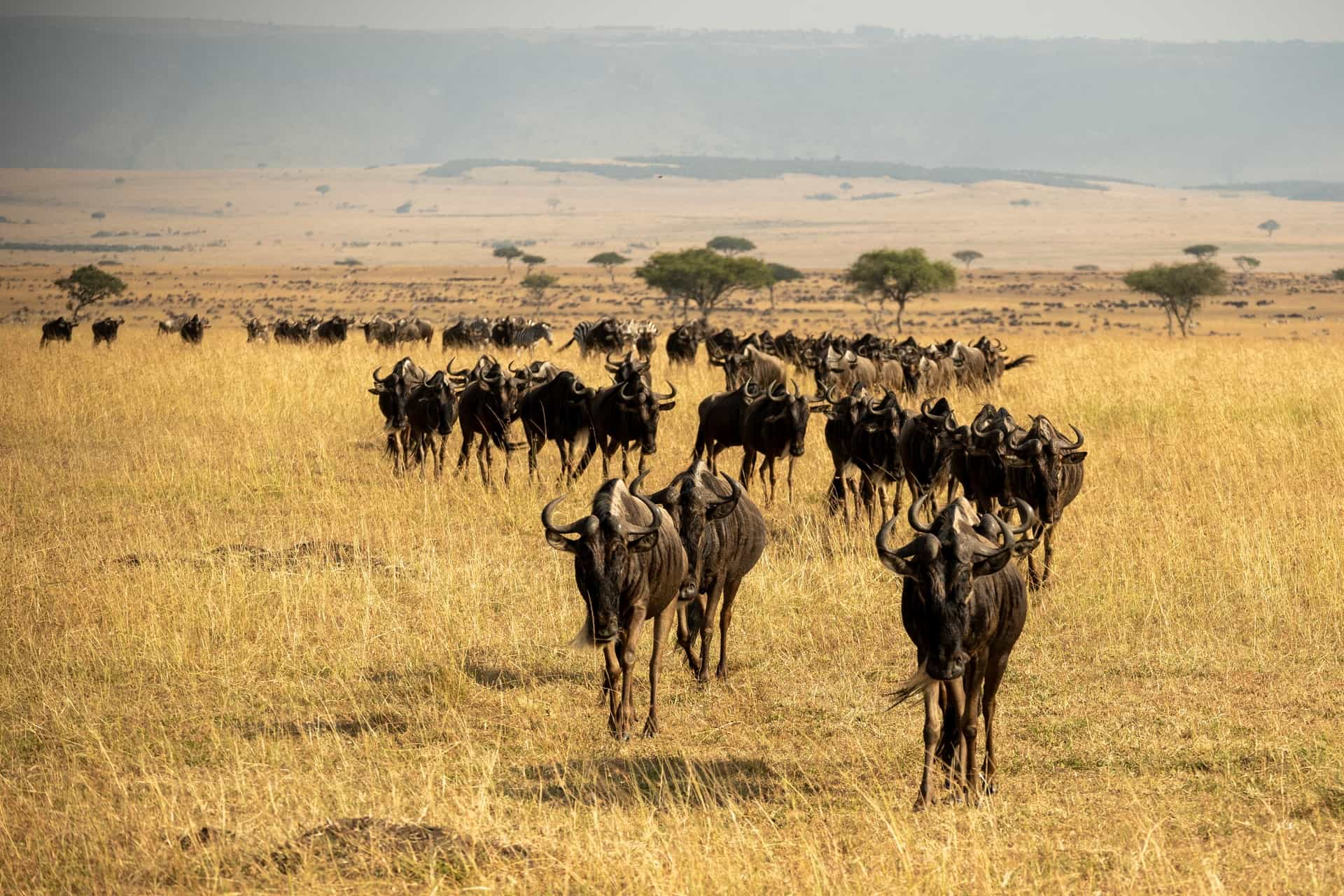
Should I drive or fly for Serengeti safari in Tanzania, Fly if you want to maximize your time viewing wildlife, as the drive from Arusha takes 6 to 9 hours. Drive if you have a larger budget, want to experience a broader multi-park itinerary (like adding Tarangire or Ngorongoro), or consider the overland journey across Tanzania’s landscapes part of the adventure
Popular 3 days Serengeti safari tour packages
3-days-serengeti-safari-fly-in-ngorongoro-big-five-safari-from-zanzibar-island
3-days-best-of-central-serengeti-safari-begive-spotting-and-game-watching
3-days-ndutu-and-ngorongoro-crater-safari-in-tanzania
3-budget-tanzania-to-safari-serengeti-and-ngorongoro
3-days-southern-serengeti-safari-tour-and-ngorongoro-crater-calving-season-package
3-days-amazing-serengeti-safari-to-ngorongoro-crater-tanzania-tour
✈️ Fly-in Safaris
VIP Efficiency: Maximizing Time on Fly-In Safaris
In the world of high-end travel, time is the ultimate luxury. Choosing a fly-in safari to the Serengeti completely transforms the rhythm of your East African vacation by prioritizing swift, seamless transit. When opting for a traditional overland route from Arusha, travelers must commit to a grueling, full-day drive that can easily swallow eight to ten hours of their itinerary before they even pass through the park gates. A fly-in safari completely erases this logistical hurdle. By boarding a scheduled or private charter flight from Arusha Airport (ARK) or Kilimanjaro International Airport (JRO), you are propelled into the heart of the wilderness—landing at key bush runways like Seronera, Kogatende, or Grumeti Airstrips in just about one hour.
This dramatic reduction in travel time fundamentally reshapes your vacation. Instead of spending your first and last days of safari trapped inside a vehicle watching the highway pass by, those hours are directly converted into high-value wildlife viewing. You can comfortably enjoy a relaxed gourmet breakfast in Arusha, take a scenic mid-morning flight over the Great Rift Valley, and be out on an active afternoon game drive tracking lions by 2:00 PM. For travelers working with tight schedules, or those combining a safari with a beach getaway in Zanzibar, this efficiency ensures that every single day of your trip is packed with meaningful wildlife encounters rather than exhausting highway transit. It is a highly strategic approach to luxury travel that respects your timeline, maximizes your investment, and ensures that your precious time in Africa is spent in front of wildlife, not traffic.
The Financial Investment: Understanding Aviation Costs
Embracing the convenience of a fly-in safari requires a clear understanding of the financial investment involved, as bush aviation operates on premium pricing structures. For standard, scheduled commercial bush flights within Tanzania’s northern circuit, travelers can generally expect to pay between $200 and $250 for a one-way ticket, or roughly $300 to $450 for a round-trip itinerary. It is important to note that these figures represent the baseline seat rates directly from regional airlines like Coastal Aviation or Auric Air, and they typically exclude the standard administrative markups, ground handling fees, or booking commissions applied by luxury tour operators.
When budgeting for a fly-in experience, the financial calculation extends far beyond the price of the plane ticket itself. Because your primary safari vehicle stays behind in Arusha, your luxury lodge or tented camp in the Serengeti must provide a "game package." This means the lodge supplies a custom 4x4 open-sided vehicle and an internal guide to handle your daily excursions. Game packages naturally command a higher nightly rate than standard full-board stays. Furthermore, light aircraft enforce strict luggage restrictions—usually limiting passengers to 15 kilograms (around 33 pounds) in soft-sided bags to accommodate the plane's strict weight and balance limits. If you are traveling with heavy professional camera gear, you may need to purchase an additional freight seat to accommodate your equipment. While the upfront costs are undeniably higher, discerning travelers view this expenditure not as a mere transit cost, but as a premium paid to buy back valuable vacation hours and secure unparalleled comfort.
The Advantages: Elevating Comfort and Visual Perspective
The advantages of a fly-in safari extend far beyond simple time-saving, offering profound benefits for your physical well-being and visual appreciation of East Africa. The most immediate benefit is the total elimination of physical fatigue. The overland route to the Serengeti requires navigating long, heavily corrugated, and incredibly dusty dirt roads—affectionately known by guides as the "African massage." Hours of bouncing around in a closed vehicle can leave travelers arriving at their camps feeling stiff, dehydrated, and thoroughly exhausted. Flying allows you to glide effortlessly above the rough terrain, arriving at your luxury tented camp feeling completely refreshed, energized, and ready to immerse yourself in the wilderness.
Furthermore, the flight itself acts as a spectacular, high-altitude aerial safari. As your aircraft ascends, the panoramic windows offer breathtaking views of Tanzania’s dramatic topography that land travelers will never experience. You will gaze down at the stark, majestic walls of the Great Rift Valley, spot the shimmering surfaces of volcanic crater lakes, and watch the dense mountain forests flatten out into the endless plains. During the Great Migration seasons, flying provides a surreal, god-like perspective of the landscape, allowing you to witness massive, sweeping columns of millions of wildebeests and zebras carving ancient paths across the savannah below. This bird's-eye view offers an invaluable geographical context to the ecosystem, transforming a standard transit flight into an unforgettable, scenic highlight of your entire African adventure.
The Trade-offs: Evaluating Cultural Nuance and Guiding Dynamics
While a fly-in safari offers undeniable luxury and comfort, it does require a few conscious compromises regarding cultural depth and interpersonal consistency. The most significant trade-off is the loss of rural landscape exposure and spontaneous cultural interactions. When you bypass the overland drive, you miss the opportunity to pass through bustling Tanzanian villages, witness colorful roadside markets, and observe the daily lives of local communities. The overland journey provides a vivid, human context to the country, offering a window into how the local people coexist with the surrounding wilderness. Flying creates an isolated, bubble-to-bubble transit that whisks you straight from a modern airport directly into an exclusive wildlife sanctuary, filtering out the vibrant, complex realities of rural African life.
The second major consideration involves a shift in your guiding dynamics. On a traditional overland safari, you are paired with a dedicated private guide and vehicle who stay with you for your entire journey, from arrival to departure. This prolonged time together allows you to build a deep, personal bond, and your guide quickly learns your specific tracking preferences, humor, and photographic style. Conversely, on a fly-in safari, you bid farewell to your city escort at the airstrip. Upon landing in the Serengeti, you are met by a new driver-guide provided directly by your specific lodge or camp. While these camp guides possess exceptional, highly specialized knowledge of their immediate resident wildlife territories, you may find yourself sharing game drives with other lodge guests unless you pay a premium to secure a completely private vehicle package, shifting the social dynamic of your daily explorations.
🚙 Driving Safaris
The Overland Journey: Embracing the True Pacing of East Africa
An overland driving safari across Tanzania’s northern circuit offers a raw, unfiltered immersion into the physical vastness of the East African landscape. Choosing to drive is a commitment to a slow-travel philosophy, where the transition from urban civilization to untamed wilderness becomes an integral part of the adventure. The epic journey begins in Arusha, moving west along paved highways before transitioning into the rugged dirt tracks of the Ngorongoro Conservation Area, and finally descending onto the endless plains through the Serengeti’s Naabi Hill Gate. This journey typically demands between six and nine hours of driving, heavily influenced by seasonal road conditions, weather, and spontaneous wildlife encounters along the transit route.
Rather than viewing this lengthy time commitment as wasted hours, seasoned travelers view it as a rolling canvas of African life. The hours fly by as you watch the terrain shift dramatically outside your window. You leave behind the bustling markets and coffee plantations of Arusha, climbing into the cool, mist-shrouded volcanic highlands of Ngorongoro, where Maasai herders clad in vibrant red shúkàs tend to their cattle alongside wild zebras. By the time you drop down into the sun-bleached, open savannah of the Serengeti, you have gained a profound geographical understanding of the ecosystem. This deliberate pace forces you to decompress, adjust your internal clock to the rhythm of the bush, and truly earn your first wildlife sightings, creating a deep sense of anticipation that a swift flight simply cannot replicate.
Financial Dynamics: Budget Flexibility and Group Value
From a financial perspective, a driving safari represents the gold standard for budget flexibility, especially when traveling with family, a partner, or a small group of friends. The economic architecture of a driving safari relies on shared costs. When you hire a private 4x4 safari vehicle—typically a rugged, custom-outfitted Toyota Land Cruiser—alongside a professional driver-guide, the baseline daily operational cost of that vehicle and driver remains fixed, whether there is a single passenger inside or a full group of six. When split among multiple travelers, the per-person cost of transit drops dramatically compared to fly-in safaris, where every single individual must purchase a premium, non-negotiable airplane ticket for every leg of the journey.
This inherent cost-efficiency frees up significant capital within your overall travel budget, allowing you to reallocate funds toward other high-value aspects of your vacation. You can use the savings to upgrade to more luxurious, exclusive tented camps inside the parks, extend the total duration of your safari by a few days, or indulge in premium bucket-list activities like a sunrise hot air balloon flight over the migration. It is important to remember that driving does not exempt you from fixed overhead costs; conservation fees, vehicle entry permits, and Ngorongoro transit fees still apply and must be carefully factored into the budget. However, for groups seeking to maximize the purchasing power of their money without compromising on the privacy of having their own dedicated vehicle, the driving route offers unmatched financial logic.
The Advantages: Unmatched Continuity and Route Continuity
The advantages of an overland driving safari center around personal connection, route flexibility, and unbroken continuity of care. The defining highlight of this approach is the deep, enduring relationship you build with your dedicated personal driver-guide. From the moment they greet you at your hotel in Arusha until they drop you off at the end of your trip, this expert is your constant companion, protector, and teacher. Over days of shared driving, your guide learns your exact preferences—whether you are a birding enthusiast, a professional photographer needing specific lighting angles, or a family wanting frequent stretch breaks. This creates a highly personalized, fluid tracking experience that camp-based guides simply cannot match in a short stay.
Furthermore, driving unlocks a seamless, multi-destination itinerary that allows you to stitch together Tanzania's most iconic parks into a single, cohesive narrative. As you travel toward the Serengeti, your route naturally cuts through other world-class conservation areas. You can effortlessly break up the long drive by spending a day exploring the floor of the legendary Ngorongoro Crater, a self-contained volcanic caldera teeming with over 25,000 large mammals, including Africa's densest population of lions and rare black rhinos. You can also easily add stops at Lake Manyara or Tarangire National Park. This overland flexibility transforms a simple point-to-point transfer into a rich, evolving expedition where the landscape, tribes, and wildlife species change daily before your eyes.
The Physical Reality: Navigating the Trade-offs of the Road
Despite its rich rewards, a driving safari demands a clear-eyed understanding of its physical tolls and structural trade-offs. The most prominent challenge is navigating the notorious transit roads that cut through the Ngorongoro highlands down to the Serengeti plains. These unpaved dirt roads are heavily corrugated, featuring a relentless "washboard" texture that subjects passengers to hours of intense bouncing and vibration—a bumpy ride affectionately known as the "African massage." During the dry seasons, the vehicles kick up plumes of fine, powdery dust that can coat your clothing and camera gear; during the wet seasons, the same tracks can dissolve into deep, slippery mud that tests the limits of 4x4 engineering and can result in delays.
This demanding terrain means that driving is a physically tiring endeavor that may not be suitable for travelers with back issues, motion sickness, or very young children. Additionally, the sheer geography of the route means you must willingly sacrifice one to two full days of your vacation purely to highway transit—one day driving in, and another day driving all the way back out to Arusha. This backtracking can feel repetitive, as you traverse the exact same roads twice. For travelers with limited time, spending 15 to 18 hours of their brief vacation inside a closed vehicle can feel like a significant compromise, making it essential to weigh your physical stamina against your desire for immersive overland exploration.
1. How does my total vacation timeline dictate whether I should drive or fly to the Serengeti?
Your available time is the most absolute deciding factor when choosing between an overland or aviation-based Serengeti safari. If your total trip duration is short—spanning roughly three to five days—driving is logistically impractical. A drive from the safari gateway city of Arusha to the central Serengeti takes between seven and nine hours of intense road travel each way, effectively consuming two full days of your vacation purely in highway transit. In this scenario, flying is essential; a one-hour flight from Arusha Airport (ARK) directly to a bush airstrip like Seronera saves you nearly sixteen hours of grueling road time, immediately converting transit days into active wildlife-viewing opportunities.
Conversely, if you have a relaxed timeline of seven to ten days or more, driving becomes an attractive and highly rewarding option. A longer itinerary allows you to break up the vast overland distance by weaving a progressive loop through Tanzania's famous Northern Circuit. You can comfortably drive two hours to Tarangire National Park for a night, continue to Lake Manyara, spend a day exploring the floor of the Ngorongoro Crater, and gradually arrive at the Serengeti plains without ever feeling trapped in a vehicle for a single, exhausting stretch. For extended trips, driving offers a natural, unhurried pace that lets you absorb the changing geography at a human scale.
2. What is the difference in financial cost between driving and flying for a solo traveler versus a group?
The economic logic of driving versus flying shifts dramatically based on the size of your traveling party. For a solo traveler or a couple, a fly-in safari can often be surprisingly cost-competitive with driving. When you drive, you must absorb the fixed daily cost of hiring a private 4x4 safari vehicle, fuel, and a professional driver-guide—which typically ranges from $200 to $400 per day—entirely on your own. When you factor in mandatory multi-day park vehicle fees and transit fees through the Ngorongoro Conservation Area, flying a solo passenger for $200 to $250 one-way is financially sensible and highly efficient.
However, for families or small groups of four to six friends, driving offers unmatched financial value. The daily cost of the vehicle, fuel, and guide remains entirely fixed whether there is one passenger or six inside the cabin. By splitting these overhead expenses across a group, the per-person cost of an overland transfer drops significantly below the price of purchasing individual, non-negotiable plane tickets for every member of the party. For groups, the substantial savings generated by driving can be reallocated toward upgrading to more luxurious lodges or booking exclusive bucket-list experiences, making driving the gold standard for group budget flexibility.
3. How does the choice of transit affect the type of safari vehicle I will use for game drives?
Choosing between an overland drive or a regional flight fundamentally alters the structural style of the vehicle you will use to view wildlife inside the Serengeti. If you opt for a driving safari, your entire trip is conducted in a closed-sided 4x4 safari vehicle, typically a rugged Toyota Land Cruiser. These vehicles are designed with reinforced steel frames, glass windows, and a pop-up roof hatch. The closed design is legally mandatory for traveling on public highways and navigating the high-altitude, dusty mountain passes between Arusha and the park gates, keeping you shielded from highway wind, debris, and elements.
If you choose a fly-in safari, you leave the highway vehicles behind entirely. Upon landing at a bush airstrip, you are met by a vehicle owned and operated directly by your specific luxury lodge or tented camp. Because these vehicles never leave the park boundaries to travel on public roads, they are completely open-sided, featuring roll-up canvas covers instead of solid doors and glass windows. For avid photographers and wildlife enthusiasts, these open-sided 4x4s offer the absolute highest tier of unobstructed visibility, allowing you to track predators and capture low-angle images with total freedom, though they expose you more directly to early-morning wind and dust.
4. What is the physical toll of the "African Massage" on an overland driving route?
The physical demand of Tanzania’s wilderness roads is a critical health and comfort consideration when deciding whether to drive or fly. The unpaved dirt tracks connecting the Ngorongoro highlands to the Serengeti plains are notoriously rough, heavily corrugated, and characterized by a relentless "washboard" texture. Driving over these roads for several consecutive hours subjects passengers to constant vibration, swaying, and intense bouncing—a bumpy ride affectionately referred to by local guides as the "African massage."
While an adventurous spirit can handle this rough terrain, it poses genuine physical challenges. The long, uneven drives can cause significant discomfort and exhaustion, making them highly unsuitable for pregnant travelers, elderly individuals, young children, or anyone suffering from chronic back, neck, or joint issues. Additionally, during the dry season, the tires kick up thick clouds of fine, powdery dust that can penetrate the vehicle cabin, aggravating respiratory conditions or allergies. Flying completely bypasses this physical endurance test. By gliding smoothly over the rough terrain in a light aircraft, you arrive at your destination in under an hour, completely fresh, clean, and physically energized for your evening game drive.
5. How do luggage restrictions vary between a driving safari and a fly-in safari?
Packing logistics reveal a stark contrast between these two travel styles, driven by strict aviation safety protocols. If you opt for a fly-in safari, you are bound by the unyielding luggage allowances of light aircraft operating on bush airstrips, such as Cessna Caravans. These regional airlines enforce a strict weight limit of 15 kilograms (around 33 pounds) per passenger, which must include all carry-on items and camera gear. Furthermore, hard-shell suitcases with wheels are strictly forbidden; all luggage must be packed in soft-sided, flexible duffel bags that can be physically compressed into the aircraft's compact, irregularly shaped belly cargo holds.
Driving safaris, by contrast, offer total luggage flexibility. Because your private 4x4 Land Cruiser features an expansive rear cargo area and roof racks, there are no official weight limits or rigid structural restrictions on your baggage. You can comfortably pack large, hard-shell suitcases, multiple changes of footwear, heavy layers for cold nights, and extensive medical or personal supplies. For professional or enthusiast photographers traveling with multiple heavy camera bodies, large telephoto lenses, sturdy tripods, and extensive charging stations, a driving safari removes the constant anxiety of weight limits and ensures your expensive creative gear remains safely within your possession.
6. What kind of relationship do I build with my guide on a drive safari versus a fly-in safari?
The human element of your safari changes profoundly based on how you choose to travel between destinations. On an overland driving safari, you are paired with a dedicated private driver-guide who remains your constant companion, teacher, and guardian for the entire duration of your trip, from your initial pickup in Arusha to your final drop-off. Over days of driving together, your guide develops a deep understanding of your personal rhythm, learning whether you prefer quiet sunrises, detailed bird identification, or specific camera angles. This continuous bond fosters deep trust and results in a highly customized, fluid journey tailored precisely to your personality.
On a fly-in safari, this dynamic becomes fragmented. When you fly between different regions or parks, you say goodbye to your previous escort at the airstrip. Upon landing at your new camp, you are assigned to a resident lodge guide. While these local guides possess exceptional, highly precise knowledge of the immediate resident wildlife territories and current lion pride movements around their property, you must rebuild your rapport, communication, and expectations from scratch at each new lodge. Furthermore, unless you pay a premium to secure a private vehicle package at the lodge, your game drives in a fly-in itinerary are often shared with other camp guests, meaning daily schedules must accommodate a group dynamic.
7. How does the scenic view from a bush plane compare to the view from the highway?
Both flying and driving offer spectacular, yet radically different visual perspectives of Tanzania's stunning geography. A fly-in safari delivers a thrilling, high-altitude aerial perspective that ground travelers will never experience. Flying in a low-altitude light aircraft turns your transit into a scenic flight, offering panoramic views of the dramatic, plunging walls of the Great Rift Valley, shimmering volcanic lakes, and the majestic contours of the Ngorongoro Crater from above. During the Great Migration, looking down to see massive, dark ribbons of millions of wildebeests carving ancient paths across the endless golden grass plains provides a profound, god-like appreciation of the ecosystem's immense scale.
Driving offers an intimate, ground-level visual richness that is deeply grounded in human and ecological reality. As you travel overland, you witness the gradual, beautiful transition of the landscape as it unfolds kilometer by kilometer. You watch coffee plantations turn into dense, mist-shrouded mountain forests, which eventually flatten out into the sun-bleached savannah. Driving allows you to spot subtle environmental details, notice sudden shifts in soil color, and enjoy spontaneous wildlife sightings along the transit roads outside the official park boundaries, offering an authentic, slow-paced appreciation of the physical landscape.
8. What cultural exposure do I lose if I choose to fly rather than drive?
Choosing to fly completely bypasses the rich human landscape of Tanzania, filtering out the vibrant cultural realities of the country. A fly-in safari creates an exclusive, bubble-to-bubble transit; you are whisked from a modern airport tarmac directly to an isolated, high-end wilderness sanctuary, seeing the country entirely from an insulated perspective. While this maximizes comfort, it removes the vital human context of how local communities live alongside Africa's apex predators.
Driving introduces an immersive cultural layer to your journey. The long road trip cuts directly through bustling Tanzanian towns, rural farming villages, and vibrant roadside markets stacked high with fresh produce. You will witness the daily rhythms of local life—children in crisp uniforms walking to school, women carrying colorful market baskets, and Maasai herders wrapped in brilliant red shúkàs tending their cattle on the open plains alongside wild zebras. Driving grants you the flexibility to make spontaneous stops to purchase local handicrafts, converse with villagers, or visit an authentic Maasai boma. This human connection adds immense depth, empathy, and holistic context to your vacation, reminding you that Tanzania is not just a wildlife theme park, but a living, breathing nation.
9. How do seasonal weather patterns affect the reliability of driving versus flying?
Tanzania’s equatorial weather patterns can significantly impact the logistics of both road and air travel, making seasonal awareness essential. During the long rainy season (March to May) and short rains (November to December), driving can become an unpredictable adventure. Heavy downpours can quickly transform dry, dusty dirt roads into treacherous, slippery mud tracks. Rivers can swell, bridges can experience delays, and even the most capable 4x4 Land Cruisers can become bogged down in deep black cotton soil, requiring skilled winch maneuvers and potentially disrupting your travel schedule.
Aviation, however, faces its own distinct seasonal vulnerabilities. While bush planes easily bypass muddy roads, light aircraft operate under strict visual flight rules (VFR). During the rainy seasons, heavy morning mist, low-hanging cloud cover, and severe tropical thunderstorms can lead to sudden flight delays or cancellations as pilots wait for safe visibility clearances. Airstrips in remote sectors of the Serengeti are often unpaved dirt or gravel tracks; prolonged, heavy rain can soften the runway surface, making landing or takeoff temporarily impossible and forcing aircraft to divert, meaning neither option is entirely immune to the forces of nature.
10. Can I combine both flying and driving into a single Serengeti safari itinerary?
Absolutely, and doing so is widely considered by safari experts to be the "best of both worlds" compromise for discerning travelers. You do not have to choose exclusively one travel method; instead, you can design a hybrid itinerary that perfectly balances time efficiency, cost control, cultural depth, and physical comfort. This approach eliminates the redundant backtracking of a traditional driving trip while retaining its richest benefits.
A highly popular configuration is the "Drive-In, Fly-Out" itinerary. You begin your trip in Arusha with a private 4x4 vehicle and a dedicated personal guide, driving progressively through Tarangire, Lake Manyara, and the Ngorongoro Crater over several days. This allows you to build a great relationship with your guide, enjoy flexible group pricing, and experience the cultural landscapes on the way in. Once you reach the Serengeti and conclude your wildlife viewing, you bid farewell to your driver at a local airstrip and board a brief, comfortable flight directly back to Arusha or onward to the beaches of Zanzibar. This eliminates the exhausting, nine-hour return drive over roads you have already traveled, ending your African adventure on a luxurious, stress-free note.
11. How does my specific tracking destination within the Serengeti affect this decision?
The Serengeti National Park is massive, covering nearly 15,000 square kilometers, and your specific tracking destination within this vast ecosystem heavily influences whether driving or flying makes sense. The park is divided into distinct zones: Central (Seronera), Western Corridor, Southern Plains, and the remote Northern Serengeti (Kogatende). If your primary focus is the Central Serengeti, driving from Arusha is a manageable multi-day journey, as the roads are well-traveled and centrally located.
However, if you are traveling between July and October with the specific goal of witnessing the dramatic Great Migration river crossings in the remote Northern Serengeti, driving all the way from Arusha becomes an exhausting endurance test. The drive to the far north can easily take two full days of rugged, non-stop overland travel each way, leaving you fatigued before you even see a wildebeest. For remote sectors like Kogatende or the Western Corridor, flying is highly recommended. Hopping on a bush plane allows you to land directly inside the action, ensuring your energy and vacation days are spent watching epic crocodile encounters rather than staring at a dusty dashboard.
12. What are the differences in schedule flexibility between driving and flying?
Schedule flexibility is a major differentiator that shapes the daily freedom of your safari experience. A driving safari offers ultimate, unrestricted autonomy. Because you have hired a private vehicle and guide exclusively for your group, your daily schedule is entirely your own. If you encounter a leopard protecting a kill and wish to sit quietly for three hours to capture the perfect photograph, your guide will simply adjust the day's plans. There are no rigid departure times, no boarding calls, and you can change your route on a whim based on real-time wildlife reports from other drivers.
Flights operate on rigid, non-negotiable commercial schedules. Regional bush airlines run like a bus service in the sky, stopping at multiple airstrips to drop off and pick up passengers along a fixed route. You must structure your morning game drives around strict checkout and boarding times, ensuring you are at the airstrip well in advance. If you are tracking a rare rhino family but your flight departs at 11:00 AM, you must leave the sighting to catch your plane. Flying requires a willingness to surrender control of your daily schedule to aviation timetables, making it less ideal for travelers who thrive on spontaneity.
13. How does motion sickness or health conditions impact the choice between road and air?
Your personal health profile and susceptibility to motion sickness should play a primary role in deciding whether to drive or fly across Tanzania. The overland route requires navigating hours of deeply rutted, uneven dirt roads that cause constant, multi-directional motion inside the vehicle. For individuals prone to severe motion sickness, vertigo, or labyrinthitis, this prolonged bouncing and swaying can trigger intense nausea and physical distress, casting a shadow over the early stages of the vacation.
While flying avoids rough roads, light aircraft travel introduces its own physical sensations. The planes used for bush transfers are small, typically seating between 12 and 20 passengers, and they fly at lower altitudes where thermal heat currents rising from the warm savannah can cause significant turbulence. These flights can feel quite bumpy, especially during afternoon departures when the ground is hottest, which can easily trigger anxiety or motion sickness in nervous flyers. If you have severe aviophobia or a strong aversion to small planes, driving in a heavy, stable 4x4 Land Cruiser with a professional driver provides a grounded sense of security and control that air travel cannot offer.
14. How does traveling with young children alter the drive-versus-fly dynamic?
Embarking on a safari with young children introduces distinct logistical and behavioral dynamics that heavily favor certain travel methods. Children naturally struggle with prolonged periods of confinement, and forcing a young family to endure a seven-to-nine-hour overland drive across hot, dusty, and bumpy roads can easily lead to restlessness, irritability, and exhaustion for both parents and kids. Furthermore, remote transit roads lack modern, hygienic restroom facilities, making emergency stops complicated.
For families with young children, flying drastically reduces transit times, keeping travel days short, predictable, and exciting. A swift, 45-minute flight turns a potentially grueling travel day into a thrilling aviation adventure that fits comfortably within a child's attention span and nap schedule. However, parents must remember that flying introduces strict luggage weight limits, which can be challenging when traveling with diapers, specialized formula, toys, and strollers. If your children are slightly older and enjoy road-trip adventures, driving offers the flexibility to stop frequently for snacks, stretch your legs, and bathroom breaks, making a hybrid itinerary an excellent solution for family comfort.
15. What are the environmental and conservation impacts of my choice?
Conscious travelers frequently consider the carbon footprint and conservation ethics of their transport choices when planning an African safari. Flying in light aircraft carries a significantly higher carbon footprint per passenger kilometer than sharing an overland vehicle. These small aviation engines burn conventional fossil fuels at a high rate relative to their passenger capacity. If environmental sustainability is a core priority for your travel philosophy, choosing to drive a single 4x4 vehicle—especially when sharing the cabin with a group—represents a more eco-friendly approach to exploring the Northern Circuit.
However, the conservation impact of driving introduces its own subtle ecological pressures. The heavy volume of overland safari vehicles traversing the unpaved transit roads between Ngorongoro and the Serengeti contributes to intense road erosion, generates massive plumes of dust that coat roadside vegetation, and can disrupt wildlife corridors that cross public tracks. Conversely, fly-in safaris support regional aviation infrastructure that leaves the ground completely untouched between destinations. Furthermore, the premium "game packages" associated with fly-in luxury lodges directly finance localized, high-end low-impact eco-tourism models that provide robust funding for counter-poaching patrols and community conservation initiatives, making both methods part of a complex ecological equation.
Booking Serengeti safari in Tanzania with us Roads of Adventure safari’s
Booking a Serengeti safari in Tanzania with Roads of Adventure Safaris offers tailored itineraries, private 4x4 vehicles, and expert guides. Their packages range from 3-day short excursions to 7-day luxury lodge tours, covering the Great Migration and the Big Five
