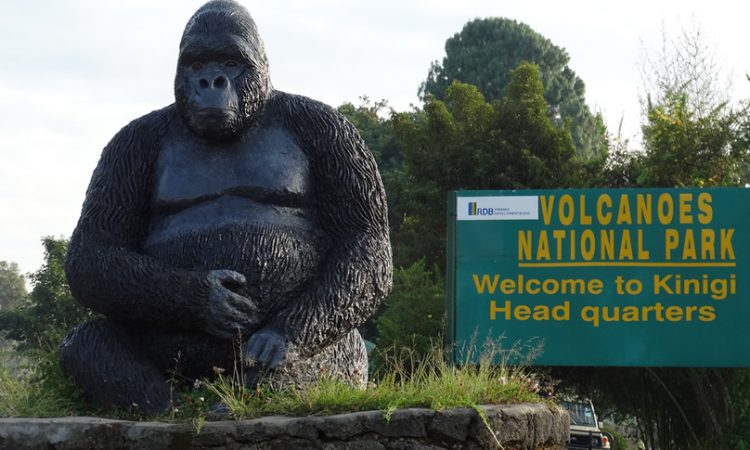
Rwanda gorilla tours offer premier, high-end, and accessible mountain gorilla trekking in Volcanoes National Park, located just 3 hours from Kigali. With permits at $1,500 per person, tours feature 1- to 4-day, all-inclusive itineraries often paired with golden monkey tracking or luxury lodges. Key, safe, and regulated, these experiences provide one hour with the endangered gorillas.
18-days-rwanda-uganda-birding-safari-and-primate-experience
14-days-rwanda-uganda-birding-safari-extravaganza-focused-on-the-albertine-endemics
16-days-ultimate-uganda-safari-to-rwanda-safari-tour-package-combo
13-days-rwanda-gorilla-tracking-uganda-safari-and-zanzibar-beach-vacation
12-days-classic-rwanda-uganda-africa-safari-tour-package-combo
12-days-best-uganda-rwanda-primate-safaris-and-akagera-big-five-safaris
12-days-rwanda-uganda-safari-and-rwenzori-climb-and-hiking
11-days-best-of-rwanda-uganda-gorilla-trekking-safari-tour
11-days-rwanda-safari-tour-and-uganda-safari-vacation
8-days-best-of-rwanda-safari-tour-uganda-and-ending-in-kigali
5-days-rwanda-uganda-safari-combined-volcanoes-to-queen-elizabeth-national-park
8-days-uganda-and-rwanda-cultural-and-city-life-experience
How Much Does a Rwanda Gorilla Tour Permit Cost?
A permit for Rwanda gorilla tours costs $1,500 USD per person, applicable to all nationalities seeking to participate in this extraordinary wildlife experience. This fee grants access to the iconic mountain gorillas dwelling in Volcanoes National Park, a world-renowned destination for gorilla trekking. The cost of the permit also plays a vital role in supporting conservation efforts and local communities engaged in wildlife preservation.
This fee allows for precisely one hour of observation with the gorillas, once trekkers locate a group. Though the $1,500 price may appear steep, it reflects the significant expenses associated with protecting these endangered animals, funding park management, and supporting local economies.
Booking a gorilla tour often involves securing these permits well in advance. Due to the limited number of permits issued daily—only 88 for gorilla trekking—it’s crucial for travelers to plan their trip early. This not only guarantees a spot but also offers peace of mind as participants prepare for this once-in-a-lifetime adventure.
Travelers are encouraged to view this expense as an investment in wildlife conservation, as the fees directly contribute to the ongoing protection of these magnificent creatures. By participating in a Rwanda gorilla tour, guests are actively supporting the efforts to preserve the gorilla populations and their habitat, all while enjoying an unforgettable trekking experience.
How Far in Advance Should I Book Rwanda Gorilla Tours?
It is strongly recommended to book Rwanda gorilla tours at least 3 to 6 months in advance, particularly due to the high demand for permits and the limited availability. The unique opportunity to trek with mountain gorillas has become increasingly popular, attracting nature enthusiasts and travelers from around the globe. Given that only a fixed number of permits are available each day—specifically 88—early booking is essential for securing your spot.
Booking in advance helps ensure that you can choose your desired travel dates, as availability can dwindle rapidly during peak travel seasons, which typically include the dry months of June to September and December to February. These periods are favored for trekking because the trails are less muddy and easier to navigate.
Additionally, early reservations allow for better itinerary planning, giving travelers the chance to integrate other activities, such as cultural experiences or visits to other natural attractions in Rwanda. Some tour operators may also offer customized packages that include additional experiences or accommodations tailored to individual preferences.
In summary, proactive planning is key when considering Rwanda gorilla tours. By securing your permits well in advance, you can better enjoy the anticipation of this once-in-a-lifetime adventure while contributing to the vital conservation efforts protecting the mountain gorillas.
Where Can I Buy Permits for Rwanda Gorilla Tours?
Permits for Rwanda gorilla tours can be conveniently purchased through two main avenues: the Rwanda Development Board (RDB) and trusted tour operators. The RDB, which manages the permits and overall tourism experience in the country, provides a secure and direct way to obtain your gorilla trekking permit.
The RDB’s official website offers information on the permit purchasing process, including payment options and any necessary documentation. Purchasing directly from the RDB ensures that you are getting the most current information regarding availability and pricing, which is critical given the popularity of gorilla trekking.
Alternatively, many reputable tour operators offer comprehensive packages that include gorilla permits as part of their itineraries. These operators can manage the logistics of your trip, helping to streamline the booking process and ensure that all necessary arrangements are made in a timely manner. Working with a trusted operator can also enhance your experience by providing additional services, such as transportation, accommodations, and expert guides.
Regardless of where you choose to purchase your permits, it is crucial to ensure the reliability of the source to avoid potential issues. Confirming that the chosen operator is licensed and recognized by the RDB will safeguard your investment and ensure a smooth gorilla trekking experience. In essence, both options offer a reliable way to secure your permit, but working with a tour operator can add layers of convenience and efficiency to your journey.
Is the Rwanda Gorilla Tour Permit Fee Refundable?
The permit fee for Rwanda gorilla tours generally comes with strict cancellation policies, making it essential for travelers to understand the terms before purchasing. The fee of $1,500 USD is primarily non-refundable, reflecting the limited availability of permits and the high demand. This policy underscores the importance of planning your trip carefully and ensuring that your travel dates are set before committing to a permit purchase.
However, some exceptions may apply, particularly in large group bookings or under special circumstances, such as illness. In such cases, the Rwanda Development Board (RDB) may consider partial refunds or rescheduling options, but this is not guaranteed. It is crucial to inquire about these policies when booking your permits, especially if you anticipate any circumstances that may affect your trip.
Given the high stakes of gorilla trekking permits, travelers are encouraged to take out travel insurance that covers trip cancellations and emergencies. This coverage can provide peace of mind while protecting against unforeseen events that could interfere with travel plans.
Ultimately, being informed about the non-refundable nature of the permit fee and planning accordingly can help ensure a smooth and enjoyable gorilla trekking experience in Rwanda. Awareness of these policies empowers travelers to make well-informed decisions regarding their gorilla tour plans.
Where Do Rwanda Gorilla Tours Take Place?
Rwanda gorilla tours take place exclusively in Volcanoes National Park, located in the northern region of the country. This majestic park is part of the Virunga Mountain Range, which is home to a significant population of the endangered mountain gorillas. The exceptional biodiversity and stunning landscapes of Volcanoes National Park make it one of the premier destinations for gorilla trekking in the world.
Covering approximately 160 square kilometers, the park features lush forested hills, bamboo groves, and rugged volcanic terrain. The mountainous landscape adds to the adventure, providing travelers with varying levels of hiking challenges and opportunities for breathtaking views. As trekkers navigate through the dense forests, they are not only on the lookout for gorillas but can also spot an array of other wildlife, including golden monkeys and various bird species.
The concentration of gorilla families within the park allows for unique experiences, as trekkers can choose to visit different groups, each with its own dynamics and behaviors. The park is managed with a strong emphasis on conservation, ensuring that the mountain gorilla population is protected while providing visitors with a memorable encounter.
Moreover, the proximity of high-end lodges nearby enhances the overall experience by ensuring comfortable accommodations and easy access to the park’s entrances. Visitors can immerse themselves in nature while enjoying the luxury of well-appointed lodges, making it a remarkable destination for travelers seeking adventure, beauty, and wildlife conservation.
Is It Safe to Go on Rwanda Gorilla Tours?
Yes, it is very safe to go on Rwanda gorilla tours, thanks to rigorous safety measures and the presence of trained armed rangers and guides throughout the trekking experience. The safety protocols established by the Rwanda Development Board (RDB) and local authorities focus on protecting both visitors and the vulnerable mountain gorilla populations.
Before embarking on a gorilla trek, travelers undergo a thorough briefing with experienced guides who equip them with essential information on safety guidelines and gorilla behavior. These guidelines emphasize maintaining a safe distance from the gorillas to prevent disease transmission, as well as ensuring respectful behavior during interactions.
Each trekking group is accompanied by skilled rangers who monitor the environment, lead groups through the dense forest, and ensure that visitors adhere to safety protocols. Their expertise in navigating the sometimes rugged terrain also enhances the overall safety of the experience.
Additionally, the political stability and commitment to conservation in Rwanda contribute to the safety of gorilla trekking. The Rwandan government actively supports wildlife tourism as a means of conservation and community development, resulting in a well-managed and secure environment for both travelers and the gorillas.
In summary, the combination of trained rangers, strict safety protocols, and the commitment to wildlife conservation makes Rwanda gorilla tours not only safe but also an enriching adventure. Travelers can immerse themselves in the thrilling experience of observing mountain gorillas in their natural habitat with confidence and security.
How Long Do Rwanda Gorilla Tours Take?
Rwanda gorilla tours can vary significantly in duration, typically lasting between 2 to 8 hours in total, including the time spent trekking and observing the gorillas. The actual duration depends on several factors, including the location of the gorilla family being visited, the terrain, and the group's pace.
Once trekkers are briefed and assigned to a group, they set off into the lush forests of Volcanoes National Park in search of the gorillas. The trek can take anywhere from a couple of hours to several hours, as the distance to the gorilla groups can vary each day based on their movements. Some days, the gorillas may be located relatively close to the trailhead, while on other days, hikers may need to cover greater distances through challenging terrain.
Upon reaching the designated gorilla group, participants are allowed a maximum of one hour to observe and interact with the gorillas. This hour is limited to minimize human impact on these endangered animals and to ensure their wellbeing. Observers are encouraged to maintain a respectful distance, allowing the gorillas to move freely and exhibit their natural behaviors.
Overall, while the trekking experience can demand physical exertion, the reward of encountering the mountain gorillas in such an intimate setting makes it a profoundly enriching adventure. Travelers should prepare for varying trek lengths, possibly requiring a good level of fitness and a spirit of adventure.
Are Rwanda Gorilla Tours Suitable for Children?
No, Rwanda gorilla tours are not suitable for children under the age of 15. This age restriction is implemented for several reasons, primarily focusing on the safety of both the young trekkers and the mountain gorillas themselves.
Gorilla trekking involves navigating through dense forests and potentially challenging terrains, which may pose risks for younger children. The physical demands and unpredictability of encountering wildlife require a level of maturity and understanding, which is generally not present in younger individuals.
Additionally, the conservation protocols established by the Rwanda Development Board (RDB) emphasize the need for minimal human impact on the gorillas and their habitats. Given that mountain gorillas are susceptible to human-borne diseases, it is vital to ensure that only individuals who can adhere to safety guidelines participate in gorilla trekking.
For families with younger children, many luxury lodges and tour operators provide alternative activities that allow for engagement with Rwandan culture and nature. Options may include cultural visits to local communities, educational experiences, or guided nature walks that do not involve trekking to see gorillas.
In summary, while children aged 15 and older can participate in Rwanda gorilla tours, younger children must be excluded to maintain the safety of both travelers and the endangered gorillas. Encouraging responsible wildlife tourism allows adults and older teens to experience the wonders of gorilla trekking in a manner that respects conservation efforts.
Do I Need a Visa for Rwanda Gorilla Tours?
Yes, most nationalities require a visa to participate in Rwanda gorilla tours. Travelers can acquire a visa either online or upon arrival at Kigali International Airport. The online visa application process is generally straightforward, allowing visitors to complete their applications in advance of their trips, which can help ensure a smooth arrival in Rwanda.
The type of visa required typically depends on the traveler's nationality and purpose of the visit. For tourism, a single-entry visa is usually sufficient. Visitors are encouraged to check the specific visa requirements based on their country of origin, as regulations may vary.
Obtaining a visa upon arrival is available for many travelers but may involve some wait times, so pre-arrival arrangements are often recommended to expedite the process. Online applications usually yield faster processing and can be completed from the comfort of your home.
In addition to securing a visa, travelers should ensure that their passports are valid for at least six months beyond their intended stay in Rwanda, as this is a common requirement for international travel.
In summary, obtaining a visa is a necessary step for most tourists planning to engage in Rwanda gorilla tours. By ensuring all documentation is in order before arriving in the country, travelers can focus on enjoying their wildlife adventures without additional stress.
What Is the Best Time for Rwanda Gorilla Tours?
The best time for Rwanda gorilla tours is during the dry seasons, which occur from June to September and December to February. These months are particularly favorable for trekking, as the weather tends to be drier and more stable, resulting in firmer trails that make for easier hiking and navigation through the dense forests of Volcanoes National Park.
During the dry season, the likelihood of encountering good weather conditions increases, enhancing overall trekking experiences. Visitors can expect pleasant temperatures and reduced chances of rain, making the journey more comfortable and enjoyable. Comparing this to the wet seasons—March to May and October to November—trekkers may face muddy pathways, which can increase the physical challenges of hiking.
Additionally, the dry season is an excellent time for wildlife viewing, as many animals tend to be more active, and vegetation is less dense. This increased visibility allows for better observation of the mountain gorillas and surrounding wildlife, contributing to a richer experience overall.
While the dry months are the most sought after for gorilla trekking, it’s worth noting that the unique ecosystems of Rwanda offer beauty year-round. Some adventurers may prefer the lush landscapes seen during the wet season. However, for those specifically focused on gorilla trekking, the dry seasons provide optimal conditions for an unforgettable journey into the heart of the Rwandan wilderness.
How Difficult Are Rwanda Gorilla Tours?
The difficulty level of Rwanda gorilla tours can vary significantly based on several factors, including the specific gorilla family being trekked and the terrain involved. Treks can range from moderate to strenuous, necessitating a reasonable level of fitness for participants.
Some gorilla families may be located relatively close to the trailhead, making treks easier and more accessible. In these cases, guests may enjoy a comfortable hiking experience with manageable slopes and well-maintained paths. Conversely, other groups may require longer hikes through more challenging terrain, including steep ascents, dense vegetation, or muddy conditions, which could demand greater physical exertion and stamina.
Most travelers planning to participate in gorilla trekking should prepare for hikes lasting anywhere from two to eight hours, including the time spent observing the gorillas. Considering the unpredictable nature of wildlife movements, it is essential to be adaptable and ready for varying conditions.
Given these factors, trekkers are advised to maintain a level of fitness compatible with the demands of the trek. Engaging in regular exercise and preparing for hiking in hilly or uneven terrains can significantly enhance the experience, making it more enjoyable and rewarding.
What Should I Pack for Rwanda Gorilla Tours?
Packing for a Rwanda gorilla tour requires thoughtful consideration to ensure an enjoyable and comfortable experience in the rugged terrain of Volcanoes National Park. Essential items include sturdy hiking boots, long trousers, a waterproof jacket, and insect repellent. These essentials will help manage the unpredictable weather and challenging conditions that can arise while trekking through dense forests.
Hiking Boots: Comfortable, waterproof hiking boots are crucial for navigating the uneven and often muddy paths. Opt for boots with good ankle support to prevent injuries, especially when traversing steep inclines or rocky areas.
Long Trousers: Wearing long trousers not only offers protection against scratches from dense vegetation but also helps shield your skin from insects and thorny plants. Lightweight, moisture-wicking fabric is ideal for keeping you comfortable during longer treks.
Waterproof Jacket: Weather in Rwanda can change rapidly, making a waterproof jacket an essential item. A breathable, lightweight jacket will keep you dry without overheating, ensuring you remain comfortable throughout the day.
Insect Repellent: Mosquitoes and other insects can be prevalent in the area, particularly in the warmer months. Applying effective insect repellent will guard against bites and potential diseases, enhancing your trekking experience.
Additionally, a small daypack can be helpful to carry water, snacks, a camera, and other personal items without being cumbersome. Overall, being well-prepared with the right gear will allow you to focus on the wonder of observing mountain gorillas in their natural habitat, making your Rwanda gorilla tour a memorable adventure.
Do I Need Special Shoes for Rwanda Gorilla Tours?
Yes, it is essential to have the right footwear when going on Rwanda gorilla tours. Comfortable, waterproof hiking boots with good ankle support are a must due to the uneven and often challenging terrain encountered in Volcanoes National Park. Regular sneakers or casual shoes are not suitable for this type of trekking, as they may lack the necessary grip and stability needed for navigating rocky paths and muddy areas.
Comfort and Support: Hiking boots should be well-fitted to ensure comfort, especially during the long treks that can last several hours. A proper fit helps prevent blisters and discomfort that can detract from the experience. Look for boots that offer good cushioning and arch support, which will contribute to overall comfort on the trails.
Waterproof Features: Since the weather can be unpredictable in Rwanda, investing in waterproof boots will keep your feet dry during unexpected rain or muddy conditions. This is vital for maintaining comfort throughout the trek and ensuring safety on wet surfaces.
Traction: The soles of hiking boots should provide good traction to help you navigate tricky areas safely. A sturdy grip is essential for preventing slips and falls, particularly when trekking uphill or downhill.
In summary, investing in high-quality, supportive hiking boots is crucial for a successful and enjoyable gorilla trekking experience in Rwanda. Proper footwear can enhance safety, comfort, and overall satisfaction during this incredible adventure.
Are There Snakes on Rwanda Gorilla Tours?
While snakes do exist in Rwanda, particularly in varied habitats like Volcanoes National Park, they are rarely seen during gorilla tours. Snakes typically avoid the noisy paths frequented by trekkers, making encounters quite uncommon. The dense forest environment they inhabit tends to be less disturbed by human activity, further reducing the likelihood of seeing them during your trekking experience.
Most snakes in Rwanda are non-venomous and pose little threat to humans. However, travelers should remain cautious and aware of their surroundings when trekking in any natural environment. Guides and rangers accompanying groups are trained to manage wildlife encounters safely and can offer insights on local wildlife, including snakes.
It's also worth noting that the focus during gorilla trekking is primarily on the majestic mountain gorillas and their habitat. Guides emphasize maintaining a safe distance from these animals to minimize human impact on their behavior and wellbeing, which in turn keeps the group's attention directed toward the gorillas rather than potential snake encounters.
In summary, while snakes are part of the ecosystem, the likelihood of seeing them while trekking is low. The safety protocols and trained guides ensure that the emphasis remains on the breathtaking experience of interacting with the mountain gorillas while navigating the beautiful, albeit occasionally wild, terrain of Rwanda.
How Close Can I Get to the Gorillas on Rwanda Gorilla Tours?
When participating in Rwanda gorilla tours, visitors are required to maintain a safe distance of at least 7 meters (approximately 23 feet) from the gorillas. This regulation is crucial for protecting both the mountain gorillas and trekkers, as gorillas are highly susceptible to human-borne diseases. By keeping this distance, trekkers minimize potential health risks to the gorillas, ensuring that these endangered creatures remain safe and healthy.
This mandated distance allows for observation while also respecting the animals' natural behavior and habitat. Trekkers will have the opportunity to witness the gorillas in their natural environment, observing their social interactions, nurturing behaviors, and unique characteristics without causing them undue stress.
Guides and rangers closely monitor the distance during the trek, educating participants on proper etiquette and behavior around the gorillas. Those leading the expedition are trained in wildlife interactions and rush to ensure that visitors adhere to safety protocols. This conscientious approach is part of a broader strategy to promote responsible tourism practices that safeguard both human visitors and wildlife.
The one-hour observation window begins once trekkers reach the gorilla group. Although it may seem brief, this time is typically filled with awe-inspiring moments as participants get to observe the gorillas up close while still respecting the necessary guidelines for safe interaction.
In summary, maintaining a distance of at least 7 meters allows for a responsible yet intimate connection with the mountain gorillas during memorable Rwanda gorilla tours.
What Happens If I Am Sick on the Day of Rwanda Gorilla Tours?
If you are feeling ill on the day of your scheduled Rwanda gorilla tour, you will not be allowed to trek. This policy is in place primarily to prevent the transmission of illnesses to the mountain gorillas, who are highly vulnerable to human diseases. The safety and wellbeing of both the trekkers and the gorillas are paramount, and these strict measures are essential for conservation efforts.
Travelers showing symptoms of cold, flu, or any other illness are advised to stay back for the protection of the gorillas. Upon arrival for the trek, you may undergo health checks where your condition will be assessed. If you are symptomatic, guides and park rangers will inform you that you cannot join the trek, as they take the health protocols very seriously.
In such cases, it’s crucial to have travel insurance that covers trip cancellations or provides options for rescheduling. Many reputable tour operators may allow for rebooking based on compassionate grounds, especially if you inform them of your illness as soon as possible.
While it can be disappointing to miss out on such a remarkable experience, the precautionary measures are in place for good reason. Being mindful of health conditions contributes to the collective effort to preserve these endangered species. Ensuring that only healthy individuals participate helps protect the sensitive ecosystem surrounding the gorillas, ultimately benefiting the entire trekking community.
How Many People Are Allowed on a Rwanda Gorilla Tour?
On Rwanda gorilla tours, a maximum of 8 people are allowed in each group that visits a habituated gorilla family per day. This limited group size is intentional, designed to minimize human impact on the gorillas and their environment while creating a more intimate and enriching experience for those involved.
By restricting group sizes to 8, the Rwanda Development Board (RDB) aims to ensure that each participant receives adequate attention from the guides and can fully engage in the experience. Smaller groups also allow for better interactions with the guides, who can tailor their insights and information based on the group's interests and questions.
Moreover, this group size is crucial for the conservation efforts surrounding gorilla trekking. Limited visitor numbers reduce the stress placed on the gorillas, allowing them to behave naturally and engage in their social structures without feeling threatened by human presence. This respectful approach promotes the wellbeing of the animals while also enhancing the overall trekking experience for participants.
Earlier bookings are essential due to the high demand for permits and the limited number available. Many travelers seek to engage closely with these incredible creatures, making it vital to secure permits well in advance.
In summary, the maximum group size of 8 people on Rwanda gorilla tours creates an exclusive, respectful experience, benefiting both the travelers and the mountain gorillas they come to observe in their natural habitat.
What Is the Success Rate of Seeing Gorillas on Rwanda Gorilla Tours?
The success rate of seeing gorillas on Rwanda gorilla tours is an impressive 99%. This high percentage can be attributed to the expert trackers who work diligently to locate the gorilla families before trekkers arrive. These trackers have an intimate knowledge of the gorillas' movements and behaviors, which significantly enhances the likelihood of a successful encounter.
The dedicated teams of rangers and trackers spend considerable time monitoring the gorillas, collecting data on their locations, and ensuring that guests have the best chance of a rewarding experience. Their expertise, combined with the current health of the gorilla population in Volcanoes National Park, contributes to this remarkable success rate.
Once trekkers are briefed and equipped, they set out on a guided adventure into the forest. With the help of these skilled trackers, groups are usually able to locate the gorillas within a few hours, depending on various factors such as terrain and weather conditions. On arrival, trekkers are allowed one hour to observe the gorillas, making the trek not only rewarding but also efficient.
The combination of experienced guides, careful planning, and the continuous monitoring of gorilla groups ensures that most visitors come away from their trek with unforgettable memories of close encounters with these magnificent creatures.
In summary, the 99% success rate of seeing gorillas on Rwanda tours, facilitated by expert trackers, underscores the effectiveness of conservation efforts and makes for a profoundly enriching experience for all participants.
Can I Bring a Camera on Rwanda Gorilla Tours?
Yes, you can bring a camera on Rwanda gorilla tours, but there are important guidelines to follow. Cameras are an integral part of the experience, allowing travelers to document their incredible encounters with the mountain gorillas in their natural habitat. Capturing these moments is often a highlight for many participants as they can reminisce about the unforgettable experience.
However, it's crucial to note that flash photography is strictly prohibited during gorilla interactions. This rule is in place to protect the gorillas from potential stress and to ensure their comfort in the presence of human visitors. The bright flash can startle the animals, disrupting their normal behavior and potentially posing risks to their wellbeing.
When packing your camera, consider bringing extra batteries and memory cards, as the one-hour observation period is often filled with stunning visuals that you will want to capture. A zoom lens can also be beneficial, allowing for high-quality shots without having to infringe on the required distance from the gorillas.
Guides typically provide instructions and tips about photography during the trek, helping you capture the best moments while adhering to safety protocols.
Booking Rwanda gorilla tour with us Roads of Adventure safaris
Book your unforgettable Rwanda gorilla trekking adventure with Roads of Adventure Safaris. We specialize in premier, tailored gorilla tours in Volcanoes National Park, featuring expert guides and 4x4 transportation. Our packages include secure, early-booked permits and luxury to budget accommodation options for a seamless experience. Enjoy personalized service, from Kigali transfers to intimate encounters with endangered gorillas, ensuring a safe and memorable journey. Secure your spot today for the ultimate primate encounter.
