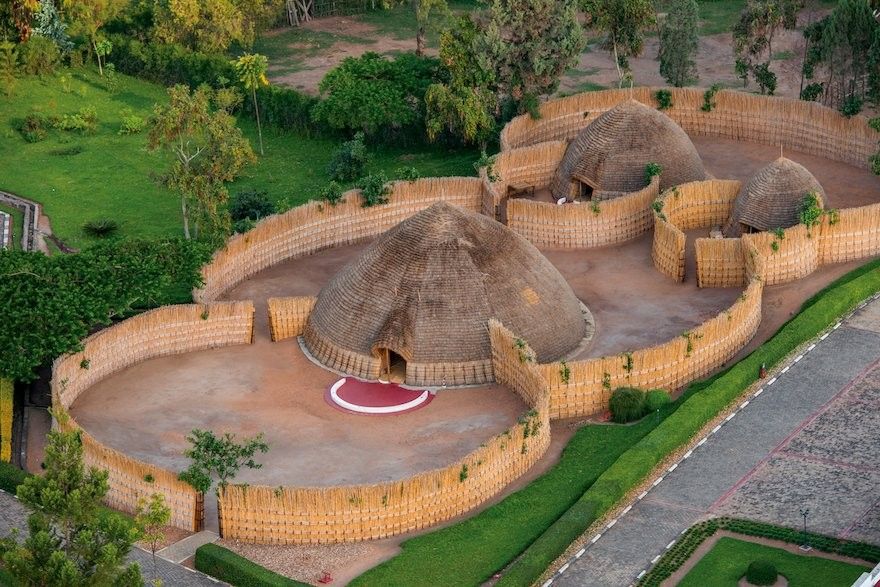
A Rwanda cultural safari immerses you in the nation's rich heritage, moving beyond wildlife to explore traditions, history, and community life through activities like visiting the Kigali Genocide Memorial, experiencing traditional dance at the Iby'Iwacu Cultural Village, exploring museums (Ethnographic, King's Palace), engaging in crafts (basket weaving, pottery), meeting locals, learning about daily life, and enjoying cultural sites like Lake Kivu, offering insights into Rwanda's resilience and unity. These tours often combine with gorilla trekking, chimpanzee tracking, or wildlife viewing for a holistic Rwandan experience.
2-days-chimpanzee-tracking-in-nyungwe-and-kings-palace-cultural-tour
2-days-nyungwe-chimpanzee-tracking-and-canopy-walk
2-days-nyungwe-luxury-fly-in-to-trek-with-chimpanzee
2-days-chimpanzee-tracking-in-nyungwe-rwanda-vacation
3-days-nyungwe-chimpanzee-tracking-and-lake-kivu-relaxation
3-day-chimpanzee-trekking-tour-package-canopy-and-lake-kivu
3-days-budget-chimpanzee-tracking-in-nyungwe-forest-park
3-days-best-rwanda-canopy-walk-and-nyungwe-chimpanzee-tracking-adventure
4-days-nyungwe-chimpanzee-trekking-canopy-walk-and-lake-kivu-relaxation
6-days-akagera-safari-and-volcanoes-gorilla-trekking-and-ibi-wacu-cultural-village
9-days-best-family-rwanda-safari-holiday-big-five-canopy-walk-and-chimpanzee
9-days-best-family-rwanda-safari-holiday-big-five-canopy-walk-and-chimpanzee
What makes a Rwanda Cultural Safari unique?
A Rwanda Cultural Safari is unique for its seamless blending of wildlife experiences with rich cultural heritage. This remarkable country stands out for its stunning landscapes, encompassing lush hills and mountain ranges, which provide a striking backdrop for its vibrant culture and history. One of the primary draws is the unforgettable opportunity to trek with mountain gorillas in Volcanoes National Park. Yet, beyond this iconic wildlife experience, Rwanda offers a profound exploration of its cultural narrative.
Visitors can engage with historical sites that speak volumes about the Rwandan experience, including poignant genocide memorials that honor the victims of the 1994 tragedy. These memorials not only provide a sobering reminder of the past but also showcase the resilience and determination of the Rwandan people moving forward. As you reflect on the challenges that the nation has overcome, you also experience the vibrant pulse of modern Rwandan life.
Moreover, traditional dance performances and local arts flourish in Rwanda, providing visitors with a diverse array of cultural experiences. The countrysides teem with vibrant markets that brim with local crafts, textiles, and food offerings, allowing tourists to immerse themselves in everyday life and promote sustainable economic growth for local artisans.
In summary, Rwanda offers a unique safari experience that goes beyond the typical wildlife encounter. It combines the thrill of adventure with rich historical context, artistic expression, and a deep sense of connection to the local culture—all within the lush, safe, and green landscapes that define the heart of this remarkable nation.
What are key cultural activities on a Rwanda Cultural Safari?
A Rwanda Cultural Safari is rich in activities that delve into the nation’s heritage, providing visitors a comprehensive exploration of Rwandan culture. Key activities typically include a visit to the Kigali Genocide Memorial, which serves as a profound educational experience that documents the tragic events of 1994. The site honors the memory of the victims and offers insight into Rwanda's journey toward healing and reconciliation.
Another significant cultural stop is the Ethnographic Museum located in Huye. This museum showcases Rwanda’s diverse cultural heritage, with exhibits that cover everything from traditional crafts to historical documents that illustrate the evolution of Rwandan society. It is an invaluable resource for understanding the myriad cultures in the country.
Visiting the Nyanza Royal Palace adds a historical dimension, where you can learn about the monarchy that once governed Rwanda. The palace grounds and displays provide insight into the regal customs and traditions that shaped Rwandan identity.
Participation in traditional dance performances allows visitors to witness the vibrancy of Rwandan cultural expressions, often accompanied by local music that echoes the rhythms of the community’s spirit. Exploring local markets offers a peek into everyday life, where you can engage with artisans and sample local foods.
Additionally, craft centers like Inema Arts provide opportunities to appreciate and purchase local art, further enriching your cultural immersion. Together, these activities create a multi-faceted experience that deeply connects visitors to Rwanda's rich cultural tapestry.
What other wildlife can I see on a Rwanda Cultural Safari?
While gorilla trekking in Volcanoes National Park often steals the spotlight, a Rwanda Cultural Safari offers numerous opportunities to encounter a diverse array of wildlife across the country’s rich ecosystems.
In Nyungwe Forest, visitors can track playful troops of chimpanzees in their natural habitat. Known for its vast biodiversity, Nyungwe is also home to over 300 bird species, making it a top destination for bird enthusiasts. The forest can be explored through a series of scenic hiking trails, allowing for exciting wildlife viewing amid stunning scenery.
Another highlight is a visit to Akagera National Park, the only savanna park in Rwanda, where the Big Five await. Here, visitors can see lions, elephants, leopards, rhinos, and buffalo in their natural habitats. The park provides classic African safari experiences with its varied landscapes, including savanna, wetlands, and lakes, making it ideal for game drives and boat cruises.
Additionally, the golden monkeys, a species endemic to the region, can also be observed in Volcanoes National Park. These playful primates, known for their striking golden fur and agile movements, present an exciting alternative to gorilla trekking.
In summary, Rwanda’s wildlife viewing is rich and varied, featuring gorillas, chimpanzees, the Big Five, and unique species like the golden monkeys. A cultural safari allows visitors to immerse themselves in both the natural world and the local culture, creating unforgettable memories in this beautiful destination.
What's the best time for a Rwanda Cultural Safari?
Timing plays a significant role in the success of a Rwanda Cultural Safari. The best time to visit is during the dry seasons, which run from June to September and December to February. These months are characterized by clear skies and less rainfall, making travel more comfortable and accessible for trekking activities like gorilla and chimpanzee tracking.
During the dry months, the trails in Volcanoes National Park, Nyungwe Forest, and Akagera National Park tend to be less muddy, which helps facilitate easier movement and enhances wildlife visibility. The pleasant weather conditions generally result in more wildlife activity, increasing the chances of memorable encounters.
Conversely, the wet seasons (March to May and October to November) bring lush landscapes, vibrant scenery, and fewer tourists. This is an excellent time for birdwatching, as migratory species are present during these months. While rain can make some travel routes more challenging, the stunning greenery provides a beautiful backdrop for cultural experiences. Many locals are also more available for cultural activities, as agricultural practices dictate their schedules.
In summary, while the best time for a Rwanda Cultural Safari typically aligns with the dry seasons for ease of movement and wildlife viewing, the wet seasons also offer unique advantages. Ultimately, travelers can choose the timing that best fits their interests and travel preferences, ensuring a rewarding and enriching experience in Rwanda.
How long should a Rwanda Cultural Safari be?
The duration of a Rwanda Cultural Safari can vary greatly depending on your interests and travel plans, with 7 to 10 days being an ideal timeframe for most travelers. This duration allows for a well-rounded experience that encompasses both gorilla trekking and various cultural and wildlife explorations across the country.
A typical 7-day safari might kick off in Kigali, where travelers can explore vital cultural sites, including the Kigali Genocide Memorial and the Ethnographic Museum. From there, you can travel to Volcanoes National Park for an unforgettable gorilla trekking experience. This not only provides an opportunity to see the majestic mountain gorillas but also to understand the efforts made in their conservation.
Adding a visit to Nyungwe Forest is highly recommended to experience the unique chimps and the stunning canopy walk that offers breathtaking views of the forest. Finally, a trip to Akagera National Park to observe the Big Five rounds out the wildlife experience, allowing travelers to engage in classic safari activities.
If you opt for a longer 10 to 15-day safari, you have the flexibility to visit additional cultural sites, explore off-the-beaten-path destinations, and engage more deeply with local communities. This extended itinerary can include visits to the Nyanza Royal Palace, participation in traditional festivals, and further explorations of local markets and craft centers.
Overall, customizing your safari to suit your interests and desired pace ensures a rewarding experience, showcasing the depth and beauty of Rwanda's wildlife and culture.
Do I need a visa for a Rwanda Cultural Safari?
Yes, a visa is typically required for travelers visiting Rwanda for a cultural safari, but the process is relatively straightforward. Rwanda offers a visa-on-arrival option, which is available for many nationalities, making it easy for tourists to obtain their visas upon arrival at Kigali International Airport. This option simplifies travel logistics and allows for spontaneous itineraries.
Alternatively, travelers can also apply for an East Africa Tourist Visa, which enables access to three countries: Rwanda, Uganda, and Kenya. This visa is especially advantageous for tourists planning to visit multiple destinations in the region, saving time and money.
It is essential to check the current visa requirements based on your nationality before traveling, as regulations can change. Some nationalities may require an e-visa, which can be applied for online prior to arrival, making sure all documents are in order before your trip.
In summary, while you will need a visa for a Rwanda Cultural Safari, the process is user-friendly. The availability of visa-on-arrival and the option for an East Africa Tourist Visa makes it convenient for travelers, allowing for a smooth start to their journeys in Rwanda.
What should I pack for a Rwanda Cultural Safari?
When preparing for a Rwanda Cultural Safari, thoughtful packing is key to ensuring a comfortable and enjoyable experience. Begin with layers of clothing, as temperatures can vary throughout the day. Lightweight, breathable clothes are perfect for warmer daytime temperatures, while a light jacket or sweater is advisable for cooler evenings, especially in the highland regions.
Rain gear is essential, particularly when visiting during wet seasons (March to May). A quality waterproof jacket and compact umbrella will help keep you dry during occasional downpours, as well as preserve the joy of outdoor excursions.
Good hiking boots are crucial for trekking in the mountainous terrain, especially when gorilla trekking. Opt for sturdy, comfortable footwear with good grip, as the trails may be steep and muddy.
It’s advisable to pack insect repellent to ward off mosquitoes, especially in forested areas. Similarly, include sun protection such as a wide-brimmed hat, sunglasses, and sunscreen to protect yourself from UV exposure during daytime activities.
For capturing memories, bring a good camera and extra batteries, particularly important for wildlife and cultural activities. This ensures you won't miss any special moments, whether you are photographing majestic gorillas or vibrant dances.
Finally, consider your cultural visits by packing modest clothing for certain sites. Wearing respectful attire is especially important when visiting local communities and memorial sites.
In summary, packing for a Rwanda Cultural Safari involves a thoughtful selection of clothing and supplies that prioritize comfort, practicality, and respect for local customs, ensuring a fantastic safari experience.
Is tipping expected on a Rwanda Cultural Safari?
Yes, tipping is customary and appreciated during a Rwanda Cultural Safari. It is considered a gesture of appreciation for the services provided, whether from guides, drivers, or cultural performers who help make your experience memorable.
Tour guides and drivers play an essential role in enhancing your journey. They provide insights into local culture, history, wildlife, and navigate the terrain with expertise. A standard tip for guides usually ranges from $10 to $20 per day, depending on the quality of service and your own budget. If you have a private driver, consider tipping in a similar range, acknowledging their efforts to ensure a smooth and enjoyable experience.
For cultural performances, it is also customary to tip dancers and artists if you enjoyed their presentations. This can range from a small amount, such as a few thousand Rwandan Francs, to something more substantial, depending on the scale of the performance and your level of enjoyment.
When tipping, it’s advisable to give cash in the local currency—Rwandan Francs—as it minimizes conversion issues and is more readily accepted by locals.
In summary, while tipping is not mandatory, it is definitely appreciated in Rwanda. By considering tipping as part of your safari budget, you contribute to the livelihoods of those who share their culture and expertise, enhancing the overall experience of your cultural adventure.
How do I get around for a Rwanda Cultural Safari?
Getting around during a Rwanda Cultural Safari is best accomplished with the assistance of private drivers and guides. Rwanda's terrain can vary greatly, and private transport ensures both convenience and local knowledge, allowing you to make the most of your cultural and wildlife experiences. Drivers familiar with the routes can navigate the winding roads of hilly terrain while ensuring safety and comfort in transit.
Booking a safari package usually includes private transportation, where guides can offer insights about the landscapes and people you encounter along the way. This personal approach enhances cultural immersion, as drivers may share stories and details about local customs, making your journey more enriching.
While public transport is available, it is typically less convenient for tourists. Buses and matatus (shared taxis) can be crowded and may not run on fixed schedules, which can affect your itinerary. Moreover, they are less likely to reach cultural sites, particularly those in remote areas.
In summary, hiring a private driver or guide is highly recommended for getting around during a Rwanda Cultural Safari. This approach ensures ease of travel, enhances safety, and allows for a deeper connection to the culture and landscapes of Rwanda, making for an unforgettable adventure.
What's the local currency for a Rwanda Cultural Safari?
The local currency for a Rwanda Cultural Safari is the Rwandan Franc (RWF). While the Franc is the primary medium for transactions, it's essential to be aware that US dollars are widely accepted in many tourist-related services, including hotels, restaurants, and tour companies. However, for local markets and smaller establishments, having Rwandan Francs is crucial.
When traveling in Rwanda, visitors may find it convenient to exchange currency at banks or authorized exchange bureaus. ATMs are also available in cities like Kigali, providing an accessible way to withdraw local currency. It’s advisable to inform your bank of your travel plans to avoid issues with using your cards abroad.
For a well-rounded experience, travelers should ensure they have some Francs on hand to engage with local vendors at markets, purchase handmade crafts, or tip guides and performers, as smaller denominations are often required for such transactions.
In summary, while Rwandan Francs are the local currency, US dollars can also facilitate transactions in many tourist contexts. Understanding the currency dynamics helps in planning your financial transactions and enhances your overall experience while engaging with the vibrant culture of Rwanda during your safari.
Can I learn some Kinyarwanda during my Rwanda Cultural Safari?
Yes, learning a few basic phrases in Kinyarwanda can greatly enhance your experience during a Rwanda Cultural Safari. Engaging with locals in their native language fosters connections and demonstrates respect for their culture. While many Rwandans speak English, especially in tourist areas, using Kinyarwanda phrases can create a warm rapport.
Starting with simple greetings is an excellent way to connect. For example, "Muraho" means "Hello," and "Mwaramutse" translates to "Good morning." These greetings can be warmly received and are likely to elicit smiles from locals, encouraging interactions.
Other useful phrases include “Urakoze” (Thank you) and “Ndagukunda” (I love you), inviting positive exchanges. Knowing how to ask simple questions, such as “Ni iyihe?” (What is this?), can enhance your understanding of local crafts or foods you encounter in markets.
Travel guides or local language apps can be handy resources to learn useful terms before your trip. Moreover, many tour guides also provide brief language lessons, helping you grasp some essential phrases during your cultural engagements.
What cultural etiquette should I know?
When embarking on a Rwanda Cultural Safari, understanding and adhering to local cultural etiquette is crucial for fostering respectful interactions and enriching your experience. One of the most important aspects is to be respectful at memorials, particularly the Kigali Genocide Memorial. Here, it is vital to observe a somber demeanor, speak softly, and refrain from taking photographs without permission. These sites are places of remembrance and mourning, and showing respect is essential.
Another key point of etiquette is to ask for permission before taking photos, especially of individuals. While many locals are open to being photographed, doing so without asking can be considered rude. This practice not only respects personal boundaries but also deepens the connection between visitors and the people they meet.
Additionally, showing mindfulness towards elders is an important aspect of Rwandan culture. In local communities, elders are respected figures, and simple gestures like standing when they enter a room or addressing them first can go a long way in demonstrating respect.
Lastly, it is advisable to avoid pointing with a single finger, as this gesture can be perceived as rude. Instead, use your whole hand to point or gesture. Learning a few local phrases in Kinyarwanda can also enhance your cultural interactions, as it shows respect and effort in engaging with the community.
In summary, practicing these cultural etiquettes during your Rwanda cultural safari—being respectful at memorials, asking permission for photographs, honoring elders, and using appropriate gestures—will contribute to a more meaningful and respectful experience in the country.
How much does a Rwanda Cultural Safari cost?
The cost of a Rwanda Cultural Safari can vary significantly based on several factors, including accommodations, transport, guides, food, and specific activities planned. On average, travelers can expect to spend anywhere from $1,500 to $5,000 or more for a well-rounded safari experience, depending on the level of luxury desired and the duration of the trip.
One of the primary expenses is the park fees associated with wildlife activities, particularly gorilla permits, which can exceed $1,500 per person. This fee is necessary for tracking and observing the mountain gorillas in Volcanoes National Park and must be booked well in advance due to high demand. This expense can significantly influence the overall cost of your safari.
In addition to gorilla permits, other costs include accommodation ranging from budget lodgings to luxury hotels, along with meal expenses. The choice of transport—whether you opt for private drivers or join a group tour—will also impact your budget. Hiring guides can provide invaluable insights and improve your safari experience, but it also adds to the total fees.
In summary, while the costs of a Rwanda Cultural Safari can be considerable, they are largely influenced by the choices you make regarding accommodation, activities, and transportation. Be sure to plan and budget accordingly to enjoy a memorable experience without unexpected financial strain.
Are gorilla permits included in Rwanda Cultural Safari costs?
Generally, gorilla permits are not included in the overall package costs of a Rwanda Cultural Safari. These permits, which average $1,500+ USD per person, are purchased separately due to their high demand and significant role in wildlife conservation efforts. Each permit grants you the opportunity to spend one magical hour with the endangered mountain gorillas in their natural habitat, making it one of the most sought-after wildlife experiences in the world.
Since the permits are not included in safari pricing, travelers need to account for this additional cost when planning their budgets. It is essential to book gorilla permits well in advance, as availability can fluctuate and peak seasons see higher demand.
To ensure a smooth experience, it’s advisable to book your gorilla permit as soon as your travel dates are confirmed. Many tour operators can assist you in acquiring permits as part of your itinerary, which simplifies the process.
Moreover, the funds generated from these permits play a critical role in conservation initiatives. The revenue supports park management, local communities, and ongoing efforts to protect the mountain gorillas and their habitats.
In summary, while gorilla permits are a significant expense not included in Rwanda cultural safari costs, they are essential for the unforgettable experience of interacting with these majestic animals. Planning and booking these permits early can enhance your trip while contributing positively to conservation efforts.
Can I do a Rwanda Cultural Safari on a budget?
Absolutely! It is possible to enjoy a Rwanda Cultural Safari on a budget, particularly when choosing to travel during the low season, which generally runs from March to May and October to early December. Visiting during this time can yield lower overall costs, as accommodation prices often drop, and there are fewer tourists.
Selecting budget accommodations such as hostels or guesthouses can significantly reduce your expenses. Many of these options still provide comfort and essential amenities, allowing you to enjoy your safari without overspending. Meal costs can also be managed by opting for local eateries instead of upscale restaurants, offering delicious local cuisine at a fraction of the price.
However, some crucial expenses, such as gorilla permits and park fees, remain high. These permits are essential for experiencing the mountain gorillas in Volcanoes National Park and can cost over $1,500 per person regardless of the season. Nonetheless, travelers can strategically plan to balance gorilla trekking with other low-cost, enriching activities that Rwandan culture offers.
Additionally, consider joining group tours, which can spread the costs of guides and transportation across participants. This option can make it easier to explore cultural sites, markets, and memorials while keeping expenses manageable.
In summary, while key activities such as gorilla trekking may have fixed costs, budget-conscious travelers can still find ways to enjoy a fulfilling Rwanda Cultural Safari by choosing the right season, accommodation, local dining options, and engaging in group experiences.
What cultural sites are free on a Rwanda Cultural Safari?
During a Rwanda Cultural Safari, there are several cultural sites that visitors can explore for free or at minimal cost, offering enriching experiences without significantly impacting your budget.
One of the key highlights is visiting local markets in towns like Kigali and Musanze. These vibrant marketplaces offer a glimpse into everyday Rwandan life and are excellent for sampling local produce, foods, and crafts. Wandering through the stalls allows travelers to engage with local vendors and craftsmen, fostering authentic cultural exchanges.
Additionally, traditional dance performances are often held at cultural villages or during special events, and many of these performances are free for visitors, though donations are typically encouraged. These lively displays provide insight into Rwanda's heritage and community spirit, making them a highlight of cultural interactions.
Memorial sites, such as the Kigali Genocide Memorial, may have an entry fee, but many accept donations instead of a fixed admission charge. This allows visitors the opportunity to contribute financially while still encouraging attendance and education about Rwanda's history. Other smaller memorials, such as those in various communities, may be accessible at no charge, providing profound insights into the nation’s resilience and healing process.
Booking Rwanda Cultural safari with us Roads of Adventure safaris
Book your unforgettable Rwanda Cultural Safari with Roads of Adventure Safaris to experience the "Land of a Thousand Hills" in unparalleled depth. We curate authentic, immersive journeys, including visits to the Iby’Iwacu Cultural Village to engage with ex-poachers turned conservationists, the historic King’s Palace Museum to see the Inyambo sacred cattle, and vibrant Rwandan dance performances. Our tailored itineraries seamlessly combine these rich cultural encounters with iconic primate trekking in Volcanoes and Nyungwe National Parks. Trust our expert local knowledge for a meaningful journey that blends heritage, warm hospitality, and stunning landscapes, ensuring memories that last a lifetime. Book with us today.
