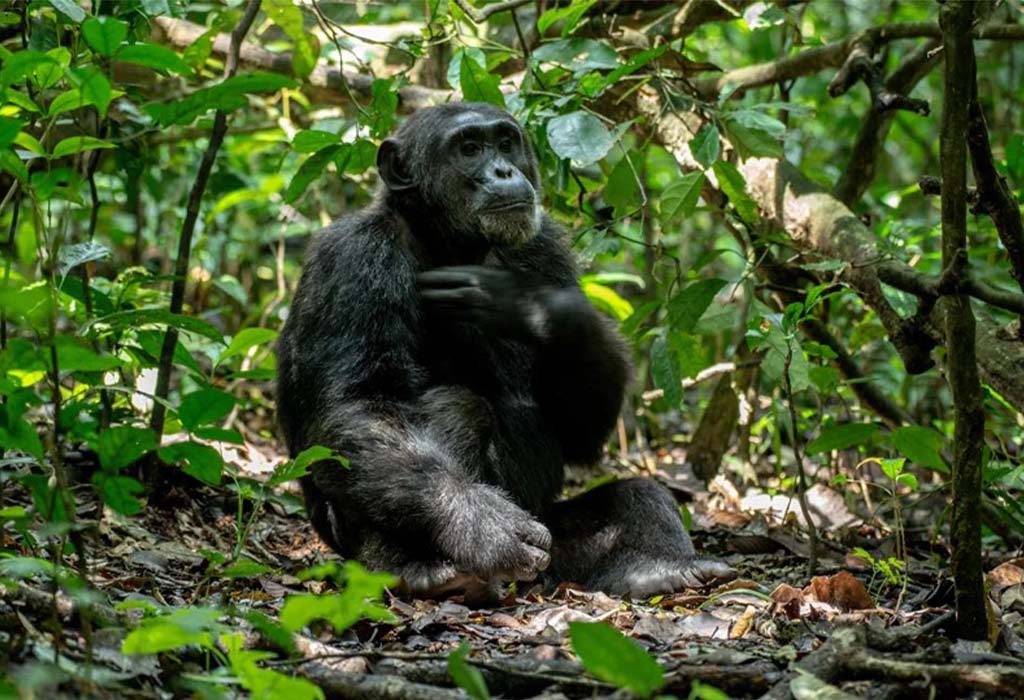
Morning chimpanzee tracking in Kibale National Park is an unforgettable primate experience. Departing from the Kanyanchu Visitor Centre at 8:00 AM, the trek lasts 2–4 hours. You will spend a strict, magical hour observing habituated chimpanzees feed, play, and interact in the lush rainforest before returning
2-days-best-chimpanzee-tracking-in-kibale-forest-park-tour-package
3-days-trips-to-queen-elizabeth-national-park-for-chimpanzee-tracking-in-kyambura-gorge
3-days-chimpanzee-tracking-to-kibale-forest-national-park
4-days-queen-elizabeth-national-park-and-kyambura-gorge-chimpanzee-tracking
4-days-kibale-forest-chimpanzee-tracking-and-queen-elizabeth-national-park
4-days-chimpanzee-tracking-in-lake-mburo-national-park-and-lake-mburo-safari
4-days-kibale-forest-chimpanzee-tracking-and-queen-elizabeth-national-park
4-days-murchison-falls-and-chimpanzee-tracking-in-budongo-forest
5-days-uganda-big-five-safari-and-chimpanzee-tracking-in-kibale-forest-park
6-days-jinja-white-water-rafting-gorilla-trekking-and-chimpanzee-tracking-adventure
6-days-budget-uganda-safari-and-gorilla-trekking
7-days-perfect-uganda-primate-safari-itinerary
8-days-exclusive-gorilla-trekking-chimpanzee-and-big-five
9-days-luxury-gorilla-and-uganda-safari-tour-package
Why Morning Chimpanzee tracking in Kibale
Morning chimpanzee tracking in Kibale National Park is highly recommended because chimpanzees are significantly more active at the start of the day. During the morning, they are noisier, feed more vigorously on the forest floor, and are easier to spot before they retreat to the high canopies to rest in the afternoon
High Activity Levels
Opting for the morning chimpanzee tracking session places you in the forest at the most dynamic moment of the primates' day. Just as the first rays of sunlight pierce the dense canopy of Kibale National Park, the chimpanzees begin to stir and leave the overnight nests they painstakingly constructed the evening before. This waking period triggers a burst of intense energy across the entire community. Hungry after a long night of rest, the chimps are highly motivated to find food, making their behavior remarkably kinetic.
During these early hours, you are much more likely to witness the full spectrum of their complex social lives. You will see agile juveniles leaping daringly between branches, mothers organizing their young, and dominant males coordinating the troop's movement. Because they are actively foraging for fresh wild figs, leaves, and colobus monkeys, their interactions are fast-paced and fascinating to watch. Witnessing this morning rush offers a raw, unedited glimpse into their survival instincts. Waiting until the afternoon often means encountering a troop that has already eaten its fill, resulting in primates that spend most of their time napping or quietly grooming on the ground rather than displaying their impressive arboreal acrobatics.
Noisy and Locatable
One of the greatest logistical advantages of the morning session is that the forest itself helps you find the chimpanzees. As the troop wakes up and prepares to move out for breakfast, they communicate through a spectacular, echoing symphony of vocalizations known as "pant-hoots." These loud, booming calls start as low grunts and build into piercing screams that carry for miles through the thick tropical jungle. The chimps use these vocalizations to rally the family, re-establish social hierarchies, and announce the discovery of rich fruiting trees.
For your ranger guides and trackers, this morning noise is an invaluable roadmap. Locating a quiet group of primates in a vast, multi-layered rainforest can feel like searching for a needle in a haystack. However, the boisterous morning calls act as a natural acoustic beacon, allowing the expert guides to pinpoint the troop's exact coordinates from great distances. By listening to the pitch, direction, and intensity of the pant-hoots, your group can navigate directly toward the action with minimal guesswork. This significantly increases your chances of a swift, successful encounter, ensuring you spend less time wandering blindly through dense undergrowth and more time enjoying your face-to-face interaction.
Better Lighting
For photographers and wildlife enthusiasts, the morning session offers an unparalleled visual advantage due to the quality of the equatorial light. Early in the day, the sun sits low on the horizon, casting soft, angled light that gently filters through the thick forest canopy. This diffused illumination reduces the harsh, direct glares and deep, impenetrable shadows that typically plague rainforest photography during the middle of the day. The resulting light provides beautiful contrast and brings out the rich texture of the chimpanzees' dark fur against the vibrant green foliage.
Photographing wildlife inside a dense jungle is notoriously difficult because the canopy acts as a heavy umbrella, blocking out much of the available light. In the morning, however, the golden hour provides a gentle glow that illuminates the forest floor without overexposing the background. This makes it much easier to capture the soulful expressions in a chimpanzee’s eyes or the intricate details of their hands and feet. As the day progresses toward noon, the sun moves directly overhead, creating high-contrast patches of bright light and dark shadows that can easily trick your camera's sensor and wash out your shots.
Cooler Temperatures
Trekking through the lush, equatorial jungle of Kibale is a physically demanding activity that is made vastly more comfortable by the cool air of the early morning. Before the intense African sun has a chance to heat up the atmosphere, the forest retains the crisp, refreshing coolness of the night. Hiking along the undulating terrain, climbing over fallen logs, and pushing through thick vines requires significant physical exertion, and doing so in the early morning prevents your body from overheating.
As the day transitions into the afternoon, the combination of equatorial heat and the natural humidity of the rainforest creates a heavy, stifling environment. Trekking in these later hours can quickly lead to exhaustion, heavy sweating, and dehydration, which detracts from the magic of the experience. The morning humidity, by contrast, feels like a refreshing mist rather than a sauna. Starting at 7:00 AM allows you to complete the bulk of your active hiking while the temperatures remain perfectly pleasant. By the time the afternoon heat settles over the park, you will already be heading back to the visitor center or relaxing at your lodge with your tracking memories secured.
How much does a chimpanzee tracking permit cost in Kibale?
Securing a chimpanzee tracking permit in Kibale National Park is your official gateway to an unforgettable primate encounter, but keeping up with current pricing is essential for accurate budget planning. While historical guides frequently reference a rate of $200 for foreign non-residents, $150 for foreign residents, and 150,000 UGX for East African citizens, the Uganda Wildlife Authority (UWA) implemented a revised tariff structure.
Currently, the standard peak-season chimpanzee tracking permit is priced at $250 for foreign non-residents, $200 for foreign residents, and 180,000 UGX for East African citizens. Additionally, UWA introduced promotional low-season rates during April, May, and November, which temporarily reduce the foreign non-resident price back down to $200. These fees are quite comprehensive; they cover the mandatory park entry fees, the expert tracking services of armed park rangers, and a direct financial contribution to community development projects surrounding the park boundaries. By distributing a portion of the permit revenue back to local communities, the park incentivizes conservation and creates a sustainable ecosystem where both the wildlife and local people can thrive. When booking your trek, keep in mind that under the latest 2026 UWA operational rules, permits require immediate, full payment upon reservation to be locked in, making early financial planning critical to securing your preferred date on the calendar.
What is the difference between standard tracking and the Habituation Experience?
The fundamental difference between standard chimpanzee tracking and the Chimpanzee Habituation Experience (CHEX) comes down to time, proximity, and the social behavior of the primates you are visiting. A standard tracking permit grants your group a tightly controlled, one-hour window with a fully habituated chimpanzee family. These specific communities have undergone a rigorous, years-long process of getting used to human presence, meaning they will casually go about their daily routines—grooming, playing, and nursing—without paying much attention to your camera lenses. It is a highly efficient, high-success-rate option perfect for standard vacation itineraries.
In contrast, the Habituation Experience is an immersive adventure tailored for researchers, photographers, and hardcore wildlife enthusiasts. Instead of an hour, CHEX allows a small group to spend up to four hours in the presence of a semi-habituated chimpanzee family that is still actively learning to tolerate humans. Your day begins before dawn as you trek out with researchers to find the chimps before they even wake up and leave their nests. Because these primates are far more unpredictable and easily startled, you will actively follow them as they move through the dense canopy, observing raw, unedited primate behavior. Reflecting the intense resource demands of this research-driven excursion, CHEX permits are priced higher, sitting at $300 for foreign non-residents.
What time do morning tracking shifts begin?
The morning chimpanzee tracking shift kicks off with a mandatory, highly structured briefing at the Kanyanchu Visitor Centre precisely at 7:00 AM. Arriving on time is not merely a suggestion; it is a strict operational requirement enforced by the Uganda Wildlife Authority to ensure the smooth coordination of all daily excursions into the forest. The atmosphere at the visitor center at dawn is vibrant, charged with the early morning sounds of the rainforest and the shared excitement of travelers gathering from all corners of the globe.
During this critical morning meeting, park rangers will review your permits, verify your identification documents, and organize all trekkers into intimate groups of no more than six to eight people per chimpanzee family. This small group size is strictly maintained to minimize the environmental footprint and prevent overwhelming the primates. The rangers utilize the briefing to outline safety protocols, explain forest etiquette, and teach you how to interpret basic chimpanzee vocalizations and body language. You will learn what to do if a chimpanzee moves rapidly toward your group or how to navigate unexpected terrain changes safely. Because the various tracking groups depart for their designated trailheads immediately following the presentation, missing the 7:00 AM briefing can result in your permit being canceled for the day without a refund.
How long is the morning chimpanzee trek?
Stepping into the ancient canopy of Kibale National Park means embracing the inherent unpredictability of a wild ecosystem. A typical morning chimpanzee trek can last anywhere from 3 to 5 hours, depending entirely on the movement patterns of the primates. Because this is an authentic wilderness experience rather than a controlled sanctuary, there is no fixed trail or designated viewing platform where the chimpanzees wait for visitors.
The length and physical demand of your hike are determined by where the chimpanzees built their nests the previous evening and how far they have traveled since waking up at daybreak in search of food. On particularly fortunate mornings, your group might hear the booming, echoic pant-hoots of a nearby community within a brief 30-minute walk from the forest edge. On more challenging days, the chimpanzees may be on the move, leading you on an active, multi-hour trek deep into the undulating valleys and thick undergrowth of the forest. Your lead ranger guide will carefully pace the hike to accommodate the physical fitness levels of everyone in the group, stopping periodically to point out exotic bird species, medicinal plants, and signs of other forest residents like forest elephants or rare colobus monkeys, making the journey itself an incredible educational experience.
How long can visitors stay with the chimpanzees once found?
Once your ranger guide successfully tracks down the chimpanzee community, the countdown begins, and standard trek groups are permitted exactly one hour of direct observation. This strict 60-minute time limit is a non-negotiable regulation established by conservation scientists and rigidly enforced by the Uganda Wildlife Authority. The primary goal of this restriction is primate welfare; limiting human exposure minimizes stress levels for the chimpanzees and prevents our presence from disrupting their essential daily routines of foraging, mating, and resting.
During this golden hour, you are given a front-row seat to the intricate social dynamics of our closest living relatives. You will watch mothers tenderly caring for infants, juveniles roughhousing in the low branches, and high-ranking males asserting their dominance by aggressively drumming on the massive buttress roots of ancient fig trees. The time passes incredibly fast, which is why park rangers frequently encourage visitors to periodically put down their cameras and smartphones. Stepping out from behind the lens allows you to truly process the sights, smells, and powerful vocalizations of the rainforest. Once the hour concludes, the rangers will quietly signal the group to gather gear and retreat, leaving the forest sanctuary exactly as you found it.
How close can you get to the chimpanzees?
To ensure a safe environment for both humans and wildlife, trekkers must maintain a strict minimum distance of 8 meters (about 26 feet) from the chimpanzees at all times. This boundary is not just about physical safety; it is a critical bio-security measure. Because chimpanzees share roughly 98% of their DNA with humans, they are highly vulnerable to human-borne illnesses. Common respiratory pathogens, human colds, or flu strains can easily pass from a tourist to a primate, potentially triggering a catastrophic epidemic within a wild population that lacks natural immunity.
Keeping this distance requires active awareness throughout the encounter. While you must never intentionally approach the animals, wild chimpanzees do not always abide by human regulations. It is quite common for an energetic youngster to swing down near your path or a dominant adult male to stroll directly down the foot trail where your group is standing. In these dynamic moments, your ranger guide will quickly instruct you to stand still, avoid direct eye contact, and slowly step backward to re-establish the required 8-meter safety buffer. Adhering to this boundary keeps the chimpanzees completely relaxed, allowing you to witness authentic, undistorted behaviors while fulfilling your responsibility as an ethical eco-tourist.
Are there age limits for tracking?
Yes, the Uganda Wildlife Authority enforces a strict minimum age limit of 12 years old for anyone wishing to participate in chimpanzee tracking within Kibale National Park. This age restriction is verified during the morning check-in process, where park officials examine passport details before permitting travelers to join the briefing groups. The rule is strictly upheld to ensure the safety of the visitors and the protection of the endangered primates.
The rationale behind the age limit focuses heavily on physical capability and emotional maturity. Tracking wild chimpanzees is a demanding activity that involves hiking through dense vegetation, navigating slippery mud slopes, and walking for hours in a humid environment—conditions that can easily exhaust younger children. Furthermore, encountering a vocalizing group of wild primates can be intense. Chimpanzees are powerful, fast-moving animals that frequently engage in loud, chaotic dominance displays, screaming and dropping swiftly from the high canopy. A successful trek requires participants to follow instructions instantly, remain perfectly calm, speak in whispers, and avoid sudden, erratic movements. A child under the age of 12 is much more likely to panic, cry, or run when startled, behaviors that wild chimpanzees could easily misinterpret as a threat or a challenge, potentially compromising the safety of the entire tracking group.
What should I wear for a morning trek?
Dressing appropriately for a morning trek in Kibale National Park is essential for protecting your skin and ensuring your comfort throughout hours of hiking in a tropical rainforest. The interior of the forest is a dense, highly humid environment filled with stinging nettles, thick thorns, and sharp undergrowth. To guard against these elements, you should always wear a lightweight, breathable, long-sleeved shirt paired with durable, full-length trousers. For an effective defense against ground-dwelling safari ants, a standard insider trick used by guides is to tuck your trouser legs directly into your long hiking socks.
Your choice of footwear can make or break your excursion. Leave standard running shoes at your lodge and opt for broken-in, waterproof hiking boots that offer strong ankle support and deep traction to navigate slick clay paths and muddy terrain. A high-quality, lightweight rain jacket must always be packed in your daypack, as tropical downpours can materialize rapidly, even during the dry season. Additionally, bring a wide-brimmed hat to shield your face from falling debris and intense sunlight, and pack a small waterproof bag to protect your camera gear and keep insect repellent handy. Wearing neutral, earthy tones like khaki, green, or brown helps you blend into the natural environment and prevents agitating the primates.
What happens if I get sick on the day of the trek?
Because chimpanzees share approximately 98% of their genetic blueprint with humans, they are profoundly susceptible to human diseases. Minor ailments that our immune systems handle easily—such as the common cold, the flu, or mild respiratory infections—can easily jump the species barrier. Once introduced into a wild primate population, these pathogens can rapidly mutate and turn fatal, threatening the survival of an entire habituated community.
Consequently, the park enforces a strict health screening policy at the visitor center. If you show obvious signs of a contagious airborne illness, such as persistent coughing, sneezing, or a fever on the morning of your trek, you will not be permitted to enter the forest. While missing out on an adventure you have planned for months is incredibly disappointing, protecting these endangered primates remains the absolute priority of eco-tourism. To manage this risk, travelers are encouraged to practice strict personal hygiene leading up to their safari, consider wearing a mask during the encounter if requested by the park staff, and purchase comprehensive travel insurance policies that specifically cover activity cancellations due to sudden medical conditions, ensuring you are financially protected while keeping the forest safe.
How far in advance should I book my permit?
Securing a chimpanzee tracking permit is an administrative step that should be handled early in your travel planning process. Because the Uganda Wildlife Authority strictly limits the number of daily visitors to protect the primates from environmental stress, the availability of permits is remarkably finite. During the peak dry seasons—running from June to August and December to February—permits sell out rapidly, making last-minute bookings at the park gates nearly impossible.
To guarantee your spot, it is highly recommended to book your permit at least 2 to 4 months in advance if you are traveling during the shoulder months, and up to 6 months ahead if your dates fall squarely within the high season. Waiting until you arrive in Uganda is a massive gamble that frequently results in altered itineraries or complete disappointment. You can secure these permits directly through the official Uganda Wildlife Authority reservation office or by partnering with a licensed local tour operator who can track daily availability, navigate the booking system, and seamlessly integrate the permit into your broader safari schedule. Booking early provides peace of mind and locks in your encounter with Kibale's famous primates well before you step onto the plane.
Booking chimpanzee tracking in Kibale with us Roads of Adventure safaris
Booking chimpanzee tracking in Kibale with us Roads of Adventure safaris
Booking your chimpanzee tracking safari in Kibale Forest National Park with Roads of Adventure Safaris ensures a comprehensive, fully managed primate experience. The company handles everything from acquiring the correct permits to arranging transportation and specialized local guides.
