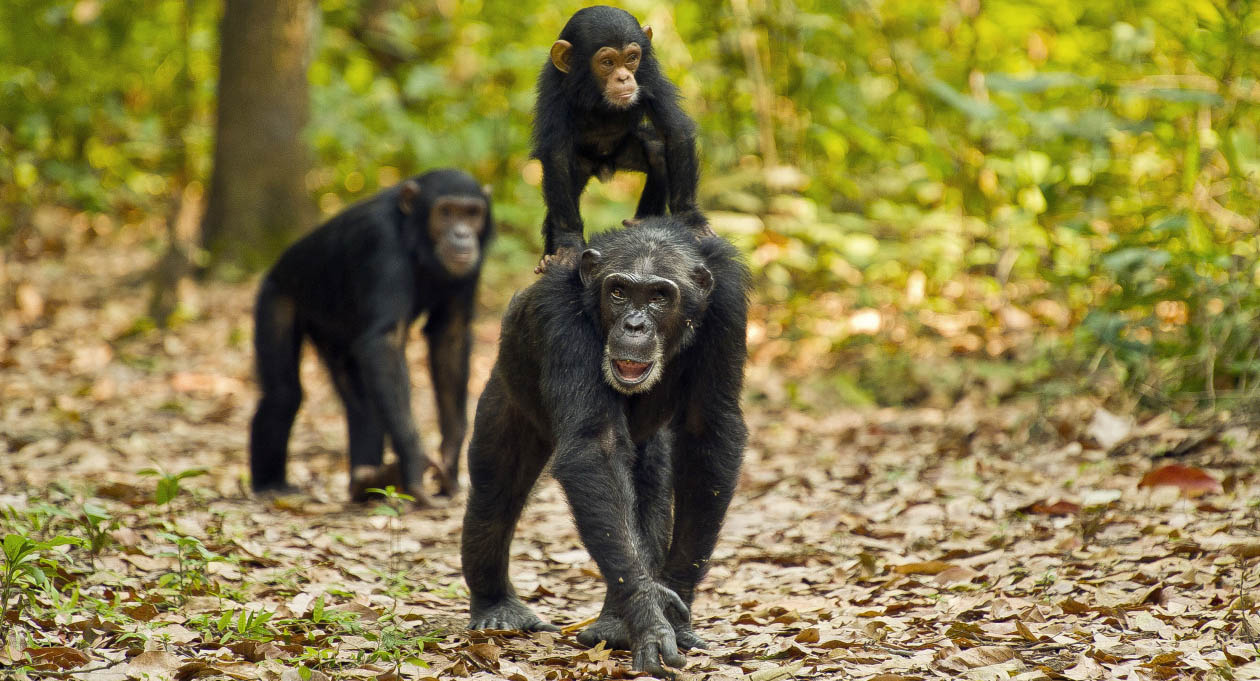
Chimpanzee trekking in Uganda offers incredible encounters with wild chimps, primarily in Kibale Forest National Park, known as the world's chimpanzee capital with a 90%+ sighting success rate, though other locations like Budongo Forest and Kyambura Gorge also host treks. Treks involve guided hikes (2-5 hrs) to find habituated groups, allowing one hour for observation of their complex social lives, with permits essential and booking in advance required for this popular, limited-capacity activity.
2-days-best-chimpanzee-tracking-in-kibale-forest-park-tour-package
3-days-trips-to-queen-elizabeth-national-park-for-chimpanzee-tracking-in-kyambura-gorge
3-days-chimpanzee-tracking-to-kibale-forest-national-park
4-days-queen-elizabeth-national-park-and-kyambura-gorge-chimpanzee-tracking
4-days-kibale-forest-chimpanzee-tracking-and-queen-elizabeth-national-park
4-days-chimpanzee-tracking-in-lake-mburo-national-park-and-lake-mburo-safari
4-days-kibale-forest-chimpanzee-tracking-and-queen-elizabeth-national-park
4-days-murchison-falls-and-chimpanzee-tracking-in-budongo-forest
5-days-uganda-big-five-safari-and-chimpanzee-tracking-in-kibale-forest-park
6-days-jinja-white-water-rafting-gorilla-trekking-and-chimpanzee-tracking-adventure
6-days-budget-uganda-safari-and-gorilla-trekking
7-days-perfect-uganda-primate-safari-itinerary
8-days-exclusive-gorilla-trekking-chimpanzee-and-big-five
9-days-luxury-gorilla-and-uganda-safari-tour-package
Where are the best places to go for chimpanzee tracking in Uganda?
The top destination for chimpanzee tracking in Uganda is Kibale National Park, often dubbed the "Primate Capital of the World." This biodiverse sanctuary is home to an incredible variety of primates, including more than 1,400 chimpanzees, making it a must-visit for enthusiasts. The park features lush rainforest, providing an ideal habitat for these fascinating creatures and offering a compelling environment for tracking.
In addition to Kibale, other notable spots for chimpanzee tracking include Budongo Forest, where chimps can be seen in their natural setting, and Kyambura Gorge, known for its spectacular landscapes and the chance to observe these primates against a stunning backdrop. Kalinzu Forest is another viable option, with relatively easy access and a rich diversity of wildlife. Here, visitors can enjoy the thrill of spotting chimpanzees along with various bird species and other primates.
Each location offers unique experiences and varied terrains, which can enhance your tracking adventure. With knowledgeable guides leading the way, travelers can enjoy not just the thrill of discovering chimpanzees but also the opportunity to learn about their behavior and conservation efforts. Depending on your interests and travel itinerary, you can choose the destination that best aligns with your desires for experiencing these remarkable primates in their natural habitat. Ultimately, Uganda provides excellent options for chimpanzee viewing, ensuring a rewarding experience for all visitors.
How much does a chimpanzee tracking permit cost in 2026?
In 2026, the cost of a chimpanzee tracking permit varies by location in Uganda. For Kibale National Park, you can expect to pay USD $250 for foreign non-residents. This fee grants you access to one of the best places in the world for chimpanzee tracking, allowing you to engage in a memorable experience observing these intelligent animals in their natural habitat.
Conversely, chimpanzee tracking in Kyambura Gorge is more budget-friendly, with permits priced at USD $100. While the experience may differ slightly from that in Kibale, Kyambura Gorge offers another fantastic opportunity to observe the incredible behavior of chimps within the backdrop of stunning landscapes.
Ultimately, these permit fees contribute not only to an unforgettable experience but also to essential conservation programs aimed at protecting these primates and their habitats. Purchasing a permit allows you to participate in vital efforts that support ecological sustainability in the region, helping to ensure that future generations can also enjoy these extraordinary encounters.
Travelers should ensure they secure their permits well in advance, particularly for Kibale National Park, where demand is often high during peak seasons. Obtaining permits early is crucial for a smooth planning process, helping you to fully immerse yourself in the remarkable world of Uganda's chimpanzees.
What is the minimum age for chimpanzee tracking in Uganda?
When planning your chimpanzee tracking adventure in Uganda, it’s crucial to know the minimum age requirement for participants. Generally, the standard minimum age for chimpanzee tracking is 15 years old, ensuring that trekkers have the maturity and physical ability to navigate potentially challenging terrains while respecting the wildlife and local guidelines.
However, some locations, like Kalinzu Forest, may have more lenient age policies, allowing children as young as 12 to participate in tracking experiences. This flexibility makes it possible for families with younger children to partake in the adventure of observing these remarkable primates in their natural habitat.
It's essential for parents to consider the physical fitness and adaptability of their children before embarking on such excursions. Young participants should be prepared for moderate physical activity, as chimpanzee tracking involves hiking through dense forests on sometimes challenging terrains.
By understanding the age requirements, families can plan accordingly and ensure that everyone is ready to engage in the adventure. Chimpanzee tracking is a fantastic way to create lifelong memories and foster a sense of environmental awareness, making it a worthwhile endeavor for travelers of all ages, as long as they meet the minimum age requirements.
When is the best time of year for chimpanzee tracking in Uganda?
The optimal time for chimpanzee tracking in Uganda is during the dry seasons, which run from June to September and December to February. These months offer the best conditions for hiking through the forest, as trails are typically less slippery and easier to navigate.
Tracking during the dry seasons not only enhances comfort but also increases your chances of successfully spotting chimpanzees. During these times, primates are more active and often seen socializing, feeding, and moving around, providing excellent opportunities for observation. The dry seasons also coincide with clearer skies, allowing for better visibility and more enjoyable overall experiences during your safari.
While tracking can technically occur year-round, embarking on your trip during these peak months will ensure a higher likelihood of success. Booking your chimpanzee tracking permits in advance for these sought-after times is advisable, as they fill up quickly due to increased demand from both tourists and conservation initiatives.
Ultimately, timing your visit to coincide with these dry seasons can transform your chimpanzee tracking adventure into an exceptional experience, making the exploration of Uganda’s lush forests and its incredible primate inhabitants unforgettable.
How long does a typical chimpanzee tracking excursion take?
A typical chimpanzee tracking excursion in Uganda generally lasts between 2 to 5 hours. The duration largely depends on several factors, including the efficiency of the guides and how quickly the scouts can locate the primate groups. As you embark on your tracking, be prepared for an exciting journey through lush forests and varied terrains as scouts engage their knowledge to track the chimps.
Once the group is located, you’ll spend a valuable hour with the chimps, observing their behavior and interactions. This time allows for a rich experience, wherein you can watch them grooming, playing, and foraging within their natural habitat. The wait might require some patience, but the thrill of finally seeing these fascinating creatures is well worth the effort.
It's essential to arrive prepared for a moderate hike, as this excursion entails walking briskly at times to keep up with the mobile chimpanzee groups. Being physically fit and wearing appropriate gear will significantly enhance your experience.
In short, while the total duration of a chimpanzee tracking event may vary, the combination of the search, the rewarding encounter, and the overall adventure makes it a fulfilling investment of time. Each excursion offers a unique opportunity to deepen your understanding of these remarkable primates and their ecosystems.
How much time do I get to spend with the primates during chimpanzee tracking?
During a chimpanzee tracking experience in Uganda, once the group has been located, you are permitted to spend a maximum of one hour observing the primates. This designated time is carefully regulated to ensure that both the visitor and the chimpanzees have a respectful experience together, minimizing stress on the animals while maximizing the quality of your encounter.
Within that hour, you will have the opportunity to witness the chimps engaged in their typical behaviors—grooming, communicating, and interacting with one another. This fleeting window provides invaluable moments for connection and reflection, allowing you to appreciate these fascinating creatures up close in their natural environment.
The limited time with the chimps reinforces the importance of conservation and responsible tourism, ensuring that human impact on their habitat is minimal. Guides are trained to facilitate these interactions in a way that prioritizes the well-being of the animals.
Although the one-hour limit may seem brief, the experience is rich with unforgettable memories and is often cited as one of the highlights of a trip to Uganda. Travelers should aim to make the most of this special time, engaging with the chimps while respecting the guidelines established to protect these endangered species.
Is chimpanzee tracking in Uganda safe for tourists?
Yes, chimpanzee tracking in Uganda is considered very safe for tourists. Safety is a top priority, and all tracking excursions are led by experienced, knowledgeable guides and armed rangers who are well-versed in the behavior of habituated chimpanzee groups. These trained professionals ensure that visitors can safely observe these magnificent creatures while minimizing risks associated with wildlife interactions.
The guides are adept at interpreting the chimps' behaviors, allowing them to navigate safely during encounters and positioning visitors at a respectful distance to avoid causing stress to the animals. Regular safety briefings are conducted before treks to educate tourists on proper behavior and protocols during their encounters with chimps.
Although chimpanzees are generally non-aggressive, they are still wild animals, and maintaining a safe distance is crucial. Rangers enforce guidelines, such as keeping an 8-meter distance from the primates, to protect both tourists and the chimpanzees from potential harm. Additionally, all visitors are screened for health issues to ensure that they do not pose a risk of transmitting diseases to the primates.
Overall, the combination of professional guiding and enforced safety measures ensures that chimpanzee tracking is a secure and enriching experience for all tourists. By following established protocols, you can safely enjoy the thrill of interacting with one of our closest relatives in the animal kingdom.
What is the difference between chimpanzee tracking and the habituation experience?
Chimpanzee tracking and the habituation experience (CHEX) offer distinct opportunities for adventure seekers in Uganda, allowing travelers to engage with chimpanzees in varying degrees of depth and length. Chimpanzee tracking involves visiting groups of already "habituated" chimps, allowing for a one-hour experience observing them in their natural habitat. This option is ideal for those looking for a shorter excursion while still enjoying an unforgettable wildlife encounter.
On the other hand, the chimpanzee habituation experience offers an extended opportunity to witness the behaviors of a group of chimps that are still undergoing the habituation process. During the CHEX, participants can spend up to four hours with the chimps, providing a more immersive experience. This longer duration allows for a deeper understanding of the chimps' social dynamics and behaviors, including how they interact with one another and their environment.
Engaging in the habituation experience is especially rewarding for avid primate enthusiasts and wildlife researchers, as it provides a unique opportunity to learn about the ongoing efforts to adapt these wild animals to human presence.
Ultimately, your choice between chimpanzee tracking and the habituation experience will depend on your personal interests, time constraints, and eagerness to engage closely with these remarkable creatures. Both options promise enriching experiences, highlighting the unique attributes of Ugandan wildlife.
What should I pack for a chimpanzee tracking safari?
Packing correctly for a chimpanzee tracking safari in Uganda is crucial to ensure a safe and enjoyable experience. Essential items to bring include sturdy hiking boots that provide traction and comfort for navigating varied terrain. Long-sleeved shirts are recommended to protect against sun exposure and insect bites, while lightweight fabric allows for breathability.
Insect repellent is essential for keeping mosquitoes and other insects at bay, helping you stay comfortable during your excursion. A rain jacket is also highly advisable, as rain can occur unexpectedly, especially in tropical regions. Additionally, carrying at least two liters of drinking water is vital to stay hydrated during your trek.
Other useful items include a good daypack for carrying your essentials, a camera for capturing memorable moments, and binoculars to enhance your wildlife observation experience. Keep in mind that flash photography is not permitted, as it can disturb the animals.
Lastly, don’t forget to pack any personal medications you might need and a small first-aid kit for any minor injuries that may occur during your tracking adventure. By coming prepared with the right gear, you enhance your chances of having a smooth, enjoyable experience while connecting with Uganda's fascinating chimpanzees.
How difficult is the hike for chimpanzee tracking?
The hike involved in chimpanzee tracking is generally rated as moderate, making it accessible for individuals with an average level of fitness. The terrain is typically less steep than that encountered during gorilla trekking, but trekkers will still face challenges, including hiking through dense forest and navigating muddy trails.
Participants should be prepared for varying conditions, which can change rapidly based on weather and the specific location of the chimpanzees. While some paths may be well-maintained, others could require more effort as you maneuver through vegetation and potentially uneven ground.
A good level of physical fitness is recommended, as you may need to walk briskly to keep pace with the mobile chimpanzee groups. Comfortable hiking boots, properly fitted clothing, and a willingness to engage with the environment all contribute to a satisfying tracking experience.
Overall, while the hike may present challenges, the sense of adventure and the opportunity to encounter chimpanzees in their natural habitat makes it well worth the physical effort. Understanding the hike’s moderate difficulty will help you adequately prepare and set realistic expectations for a rewarding chimpanzee tracking experience in Uganda.
Are chimpanzee tracking permits in high demand?
Yes, chimpanzee tracking permits, particularly for Kibale National Park, are indeed in high demand. Kibale is celebrated for its high density of chimpanzees and diverse ecosystems, attracting numerous tourists each year. This popularity often results in permits selling out several months in advance, especially during peak travel seasons from June to September and December to February.
Due to the limited number of permits issued, travelers are strongly encouraged to secure their permits as early as possible to avoid disappointment. This proactive approach not only ensures your spot but also allows you to plan other activities around your chimpanzee tracking experience.
In contrast, while locations such as Kyambura Gorge and Kalinzu Forest may not see the same volume of visitors, it’s still wise to book permits early to guarantee availability.
Understanding the demand for chimpanzee tracking permits is vital when planning your trip to Uganda. Taking these necessary steps will help facilitate a smooth experience, allowing you to fully enjoy the thrill of encountering these incredible primates in their natural habitat.
What are the main rules for chimpanzee tracking?
When engaging in chimpanzee tracking in Uganda, adhering to specific rules is crucial for the safety of both the travelers and the primates. Key guidelines include maintaining an 8-meter distance from the chimpanzees to minimize stress on the animals and ensure their well-being. This distance allows for observation without intruding on their natural behavior.
Another important rule is the prohibition of flash photography. Flash can disrupt the chimps’ activities and can be distressing for them, so visitors are urged to capture moments with care. Additionally, maintaining silence while near the chimps is essential. Loud noises can startle the animals, potentially causing them to flee and hindering your ability to observe their behaviors.
Visitors are also discouraged from eating or drinking near the chimps, as leftover food could harm them if ingested. To protect the primates from diseases, travelers with cold or flu-like symptoms are not permitted to participate in tracking.
By following these established rules, you contribute positively to conservation efforts and help protect both the chimpanzees and their natural habitat. Respectful behavior during tracking experiences enhances your adventure while ensuring the ongoing safety and health of these magnificent animals.
Can I go chimpanzee tracking if I have a cold or flu?
No, travelers who have a cold or flu are not allowed to participate in chimpanzee tracking in Uganda. This precaution is vital to protect the health of the primates, as they are susceptible to human diseases, which can pose severe risks to their populations. The similar genetic makeup shared between chimpanzees and humans means that illnesses like the flu can be transmitted and have devastating effects on these endangered animals.
To ensure the safety of both visitors and chimpanzees, health screenings are often conducted before tracking excursions. Tour operators and park officials are diligent about enforcing this policy to maintain the integrity of conservation efforts.
If you are feeling unwell in the days leading up to your tracking experience, it is advisable to reconsider your plans, focus on recovery, and potentially reschedule your chimpanzee tracking adventure for a time when you are fully healthy. This approach ensures that you can engage with the wildlife in a positive, responsible manner, while also protecting the well-being of the chimpanzee populations.
Ultimately, keeping both your health and the health of the chimps in mind allows for a more rewarding experience during your Uganda chimpanzee tracking safari, ensuring a unique opportunity to connect with these incredible primates in their natural habitat.
Is it better to go chimpanzee tracking in the morning or afternoon?
The timing of your chimpanzee tracking excursion can significantly affect your overall experience. Morning tracking is often regarded as preferable, as it typically features higher activity levels and vocalizations among the chimpanzee groups. In the early hours, chimps are usually more energetic, engaging in social interactions, foraging, and displaying their playful behaviors, providing an excellent opportunity for lively observation.
Morning excursions can yield vibrant and dynamic encounters, making them particularly rewarding for wildlife photographers and enthusiasts. Additionally, the cooler temperatures during the morning can enhance the comfort of your trek through the forest.
On the other hand, afternoon sessions may provide a quieter atmosphere, where you might witness more intimate scenes, such as grooming among chimps or mothers caring for their young. As the day progresses, chimps will often settle down for resting, which can create unique observational moments, although activity levels typically decrease.
Ultimately, both morning and afternoon tracking experiences have their unique advantages. Choosing the best time will depend on your preferences for interaction, photographic opportunities, and overall wildlife viewing. Either way, chimpanzee tracking in Uganda promises to deliver unforgettable memories, capturing the rich behaviors of these remarkable primates.
How many people are allowed in a chimpanzee tracking group?
For chimpanzee tracking in Uganda, group sizes are typically capped at 6 to 8 individuals per ranger. This limitation aims to minimize disturbance to the animals while allowing for a more intimate and enjoyable experience. Smaller groups facilitate better communication among participants and the ranger, enhancing the overall quality of the tracking experience.
Restricting group sizes is essential for ensuring that the chimps are not overwhelmed or stressed by human presence. It allows for more meaningful interactions between trekkers and primates, as visitors can more easily observe the chimps’ behaviors without causing undue stress.
Additionally, having fewer people in each group makes it easier for the ranger to manage and guide your experience, providing personalized insights and enhancing safety practices. The intimate setting encourages a more engaged observation, allowing participants to connect deeply with the environment and each other.
This thoughtful approach to group sizes enriches the overall chimpanzee tracking experience, ensuring that both the chimps and the visitors benefit. As you embark on this unique adventure, the structured group limitations contribute to a rewarding, memorable adventure that emphasizes responsible wildlife tourism in Uganda.
Can I use my phone to take photos during chimpanzee tracking?
Yes, you are allowed to use your phone to take photos during chimpanzee tracking in Uganda, but it is crucial to ensure that the flash is turned off. Flash photography can disturb and stress the chimpanzees, potentially disrupting their natural behaviors and interactions. To protect these majestic creatures, following this guideline is essential for responsible wildlife observation.
Using your phone to capture photos allows you to document your extraordinary experiences with these fascinating primates. Whether you're observing them grooming, playing, or interacting in their natural habitat, having a camera on hand ensures you can cherish these moments long after your trip.
While it’s perfectly acceptable to take photos, it's essential to maintain a respectful distance, keeping in mind the 8-meter rule established for chimpanzee tracking. This distance enables you to capture candid shots while minimizing any disturbance or stress on the animals.
Additionally, be mindful of the time you spend photographing. There’s a balance to strike between enjoying the moment and capturing memories. Engaging directly with the chimps while also appreciating their presence without distractions adds depth to your experience.
Following these guidelines ensures a respectful and rewarding chimpanzee tracking adventure, allowing you to create lasting memories while prioritizing the welfare of the remarkable creatures you encounter.
What happens if we don't find any chimps during chimpanzee tracking?
While chimpanzee tracking in Uganda, particularly in Kibale National Park, is highly successful with a sighting rate exceeding 95%, nature remains unpredictable. There may be instances where trackers cannot locate the chimpanzee groups despite diligent searching. Such an occurrence can be disheartening, especially for those eagerly anticipating a close encounter with these remarkable primates.
If the group is not found, the experienced guides will typically engage participants by sharing valuable insights about chimpanzee behavior, ecology, and conservation efforts. This educational aspect can help enrich your experience, even if you do not see the chimps. Additionally, the overall hike through the lush landscape offers its own rewards, such as observing other wildlife, including various bird species, butterflies, and even other primate species like colobus monkeys or baboons.
Most tour operators understand the challenges associated with wildlife viewing and aim to ensure each participant leaves with a memorable experience. Depending on the specific policies of the tour, some may provide a partial refund or allow rescheduling for another chance at tracking, although this varies by operator.
Ultimately, while the thrill of a chimpanzee sighting is a highlight of the adventure, the journey itself—encompassing the forest trails, engaging guides, and the chance to connect with Africa's natural beauty—remains a valuable component of the chimps’ experience. Embracing the unpredictability of wildlife encounters fosters a deeper appreciation for the fragile ecosystems and the need for conservation.
Are there porters available for hire during chimpanzee tracking?
During chimpanzee tracking in Uganda, the availability of porters is less common than in gorilla trekking. Unlike the more mountainous terrain where porters play a crucial logistical role, chimpanzee tracking typically takes place in less strenuous environments. However, for those requiring additional support, arrangements can sometimes be made for hiring porters at certain park headquarters.
Porters can be invaluable for individuals who may struggle with carrying heavier bags or navigating challenging terrains. They help transport your personal items, allowing you to focus more on the experience of tracking and observing the chimps without the burden of extra weight. This assistance can enhance your comfort, especially during longer excursions.
If you find yourself in need of a porter, it’s advisable to inquire at the park headquarters well in advance of your tracking date. The local guides are knowledgeable about the terrain and can provide recommendations on securing a porter. Engaging their services not only makes your trek easier but also supports the local economy by providing livelihoods to community members.
While not a standard component of chimpanzee tracking, the option for porters does exist and can be arranged on a case-by-case basis. This flexibility allows visitors to tailor their experience to their specific needs, ensuring that every participant can enjoy the adventure with ease and comfort.
Do I need to be physically fit for chimpanzee tracking?
Chimpanzee tracking in Uganda is primarily rated as a moderate activity, making it accessible to individuals with an average level of fitness. While the hike may not be as strenuous as gorilla trekking, it is still important to come prepared for moderate physical activity. The terrain can vary significantly, with uneven paths, muddy trails, and dense forest requiring some agility and stamina.
Visitors should be prepared to walk briskly at times to keep pace with the mobile chimpanzee groups. The experience often requires navigating through lush vegetation, which can challenge those who are less physically active. Therefore, engaging in regular physical exercise in the weeks leading up to your tracking experience can help improve your endurance and overall comfort during the hike.
Fortunately, those with different fitness levels can still participate. It’s recommended to communicate with your tour operator about any concerns regarding fitness so that appropriate arrangements can be made. The guides are well-trained and can tailor the experience to the group’s collective physical capacity.
Ultimately, while a moderate level of fitness is beneficial, the adventure is designed to be enjoyable for a broad range of participants. The opportunity to observe these wildlife wonders and connect with nature is well worth the effort—even for those who may not consider themselves fitness enthusiasts. Preparing adequately will enhance your enjoyment and allow you to make the most of this incredible experience.
Can I combine chimpanzee tracking with other activities in Uganda?
Absolutely! Combining chimpanzee tracking with other activities in Uganda creates a rich and diverse travel itinerary filled with unique wildlife encounters and cultural experiences. Many travelers opt for a combination of chimpanzee tracking and gorilla trekking in Bwindi Impenetrable Forest. This pairing allows you to experience the thrill of observing both chimpanzees and the famous mountain gorillas, two of the world's most fascinating primate species.
Additionally, many travelers engage in wildlife safaris in Queen Elizabeth National Park after their chimpanzee tracking adventure. This renowned park boasts a variety of ecosystems—from savannahs to wetlands—offering opportunities to see lions, elephants, hippos, and a multitude of bird species, including the striking Shoebill stork.
For those interested in cultural immersion, consider adding visits to local communities or engaging in guided nature walks to learn about traditional practices and conservation efforts. Many tour operators in Uganda provide tailored itineraries that allow you to optimize your time and experience a variety of attractions seamlessly.
This combination of activities not only enriches your understanding of Uganda’s diverse ecosystems but also enhances the overall travel experience, crafting lasting memories of adventure. There's little doubt that each tracked moment allows you to appreciate the country’s natural beauty while engaging closely with its vibrant wildlife and rich cultural heritage.
Booking Chimpanzee tracking in Uganda with us Roads of Adventure safaris
Experience the thrill of chimpanzee tracking in Uganda with Roads of Adventure Safaris! Our expertly guided tours take you to premier locations like Kibale National Park, where you can observe these incredible primates in their natural habitat. Enjoy personalized service, comfortable accommodations, and seamless logistics as you embark on this unforgettable journey. Whether you’re a wildlife enthusiast or seeking adventure, booking your chimpanzee tracking experience with us ensures a memorable and enriching trip. Join us today and explore Uganda’s rich biodiversity!
