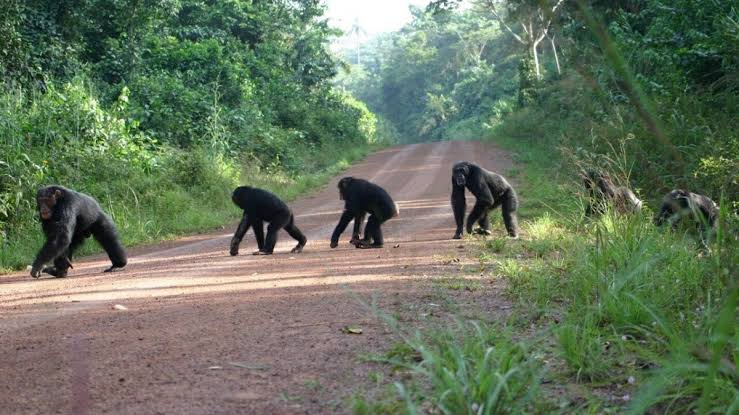
When you’re planning an African safari, deciding between chimpanzee tracking and mountain gorilla trekking usually comes down to one big question: which one will leave your legs burning more? At first glance, you might think trailing the massive, mountain-dwelling gorillas is the tougher challenge. However, the reality on the ground often surprises travelers. Both adventures take you deep into dense, untamed rainforests without paved paths, but they demand very different types of physical effort. While one relies on slow, steep endurance, the other turns into a fast-paced game of catch-up through the thick undergrowth. Understanding how these two unforgettable wildlife experiences compare physically can help you prepare your boots—and your fitness levels—for the wild journey ahead.
2-days-best-chimpanzee-tracking-in-kibale-forest-park-tour-package
3-days-trips-to-queen-elizabeth-national-park-for-chimpanzee-tracking-in-kyambura-gorge
3-days-chimpanzee-tracking-to-kibale-forest-national-park
4-days-queen-elizabeth-national-park-and-kyambura-gorge-chimpanzee-tracking
4-days-kibale-forest-chimpanzee-tracking-and-queen-elizabeth-national-park
4-days-chimpanzee-tracking-in-lake-mburo-national-park-and-lake-mburo-safari
4-days-kibale-forest-chimpanzee-tracking-and-queen-elizabeth-national-park
4-days-murchison-falls-and-chimpanzee-tracking-in-budongo-forest
5-days-uganda-big-five-safari-and-chimpanzee-tracking-in-kibale-forest-park
6-days-jinja-white-water-rafting-gorilla-trekking-and-chimpanzee-tracking-adventure
6-days-budget-uganda-safari-and-gorilla-trekking
7-days-perfect-uganda-primate-safari-itinerary
8-days-exclusive-gorilla-trekking-chimpanzee-and-big-five
9-days-luxury-gorilla-and-uganda-safari-tour-package
What physical fitness level is required for gorilla trekking vs. chimpanzee tracking?
Gorilla trekking typically demands higher endurance and cardiovascular stamina because it involves ascending steep, elevation-heavy terrain across rainforest slopes. Chimpanzee tracking requires shorter bursts of agility and fast-paced walking across flatter or gently rolling forest floors. For gorillas, training with incline hikes and leg strength exercises pays off. For chimps, agility, quick footwork, and general active mobility are usually sufficient for a comfortable trek.
Why is mountain gorilla trekking often considered more terrain-challenging?
Gorilla trekking takes place in high-altitude volcanic regions and rugged, mountainous landscapes like Bwindi Impenetrable Forest and the Virunga Massif. Trekkers navigate thick roots, loose soil, non-existent trails, and steep inclines ranging from 1,100 to over 3,000 meters above sea level. The combined impact of elevation, dense jungle undergrowth, and slippery slopes makes gorilla trekking a more sustained physical climb.
How does the movement speed of chimpanzees impact the physical difficulty of tracking them?
Chimpanzees move rapidly through the high canopy and along the forest floor, often traveling at a brisk pace when foraging or patroling territory. Unlike gorillas, who spend hours calmly resting and feeding in one area, chimps force tracking groups to keep up with swift, sudden movements through dense vegetation. This fast-paced, unpredictable movement turns chimp tracking into an active, dynamic hike.
How do high altitudes affect physical exhaustion during gorilla trekking?
High altitudes mean thinner air and lower oxygen levels, which accelerates fatigue and increases exertion during steep climbs. Trekkers ascending high-elevation slopes in Bwindi or Volcanoes National Park often experience faster breathing and earlier muscle fatigue. Chimpanzee tracking usually occurs at lower elevations, meaning altitude sickness and oxygen depletion are rarely factors, leaving physical energy focused strictly on hiking speed.
What are the main differences in trail terrain between gorilla and chimp habitats?
Gorilla habitats feature steep ridges, muddy ravines, and thick bamboo zones with unpredictable inclines and high drops. Chimpanzee habitats—such as Kibale Forest, Budongo Forest, or Nyungwe National Park—generally feature flatter, gentler forest floors. While chimp trails still present tangled roots, fallen logs, and muddy patches, they lack the relentless, sharp vertical climbs characteristic of gorilla territory.
How does weather impact the physical difficulty of chimp and gorilla treks?
Rain transforms forest soils into slick, heavy mud, doubling the physical effort needed for both treks. Rain in high-altitude gorilla parks makes steep climbs treacherous, requiring strong balance and extra leg power. In chimp forests, heavy downpours obscure ground trails and make fast-paced pursuit through slippery roots and wet leaves more challenging, though without the severe cliffside hazards of gorilla slopes.
How long do gorilla trekking and chimpanzee tracking sessions usually last?
Gorilla treks vary wildly, taking anywhere from 2 to 8 hours depending on where the habituated family moved overnight. Chimpanzee tracking sessions are typically more predictable, usually lasting between 2 to 4 hours. Because chimps are tracked from known morning nest sites, finding them is often faster, though following their quick movements through the trees keeps the activity energetic.
Can beginners or seniors handle chimpanzee tracking or gorilla trekking?
Beginners and seniors can enjoy both experiences with proper preparation and realistic planning. Chimpanzee tracking is generally easier for older travelers or beginners due to lower altitudes and gentler slopes. For gorilla trekking, travelers with limited mobility or lower fitness can request shorter, nearer gorilla families at park briefings and hire local porters to assist along tricky sections.
What essential gear helps reduce physical strain on these primate treks?
Sturdy, waterproof hiking boots with excellent ankle support and deep tread prevent slips on muddy forest floors. Adjustable trekking poles provide crucial stability when navigating steep descents or uneven root systems. Gaiters keep mud and biting ants out of boots, while long, breathable trousers and lightweight rain jackets protect arms and legs from thorn scrapes and unexpected forest showers.
How does tracking in dense undergrowth compare to walking on established park trails?
Walking on established trails offers predictable footing, consistent pacing, and easy footing. Off-trail tracking requires ducking under thorny vines, stepping over thick root networks, and cutting through dense foliage behind park rangers. Navigating off-trail terrain engages core stabilizer muscles, balance, and quick reflexes, making tracking significantly more physically engaging than standard leisure hiking.
What role do local porters play in lightening the physical load during treks?
Local porters carry heavy daypacks containing water, camera equipment, and rain gear, freeing trekkers to focus entirely on balance and foot placement. Beyond carrying gear, porters offer a steady hand over slippery riverbeds, muddy slopes, and steep inclines. Hiring a porter dramatically reduces physical fatigue while directly supporting local community livelihoods and conservation efforts surrounding the national parks.
How does the one-hour viewing limit impact the overall pacing of the excursion?
Once rangers locate the gorilla family or chimp community, a strict one-hour clock begins to minimize wildlife stress. On gorilla treks, this hour is typically calm, static, and spent observing from a safe distance. On chimp tracking excursions, chimps may move swiftly during that hour, requiring visitors to walk briskly alongside them through the forest to keep view.
Which trek is more demanding for photographers carrying heavy camera gear?
Gorilla trekking is often more demanding due to the combination of steep vertical climbs and heavy camera bags. However, photographing swift, canopy-dwelling chimpanzees requires holding heavy telephoto lenses up toward the high branches for extended periods. Carrying photography equipment on either trek increases fatigue, making lightweight harness systems or hiring a porter essential for serious photographers.
How does tracking habituated chimpanzees differ physically from chimpanzee habituation experiences?
Standard chimpanzee tracking lasts 2 to 4 hours and targets established, fully habituated groups near ranger post boundaries. Chimpanzee Habituation Experiences (CHEX) last full days, starting at dawn before chimps leave their nests and following them until evening nest-building. CHEX requires sustained all-day stamina, continuous forest walking, and rapid responses across long distances as chimps move through their home range.
What are the mental and physical demands of tracking chimps in Kyambura Gorge?
Kyambura Gorge, known as the "Valley of Apes," presents a unique physical challenge within Queen Elizabeth National Park. Trekkers start with a steep descent down the gorge walls into a dense tropical riverine forest, followed by hiking along humid riverbanks. The climb back up out of the deep gorge at the end tests leg strength and cardiovascular stamina.
How does humidity and tropical forest climate affect physical energy levels?
High humidity levels in dense tropical rainforests impair the body's natural cooling mechanisms, leading to increased sweating, rapid fluid loss, and faster fatigue. Even on flatter terrain, high humidity makes continuous physical movement feel significantly more exertion-heavy. Staying well-hydrated with water and electrolyte solutions is critical to maintaining energy throughout both chimp and gorilla excursions.
Is chimpanzee tracking in Nyungwe National Park harder than in Kibale?
Chimpanzee tracking in Nyungwe National Park, Rwanda, is generally more physically demanding than in Kibale National Park, Uganda. Nyungwe features steeper mountain terrain, higher elevations, and denser vegetation, requiring more uphill climbing and physical stamina. Kibale's forest floor is flatter and more accessible, making it the easier physical choice for most travelers seeking chimp encounters.
How should travelers physically prepare in the weeks leading up to their safari?
To prepare for primate tracking, focus on cardiovascular training, leg strength, and balance exercises 4 to 6 weeks before departure. Practice walking or hiking on natural trails with uneven surfaces while wearing your fully broken-in hiking boots. Incline treadmill walks, stair climbing, lunges, and core stability exercises build the exact muscle groups required for navigating rainforest slopes and muddy trails.
Can visitors with joint pain or knee issues comfortably complete chimpanzee tracking?
Visitors with joint or knee concerns can complete chimpanzee tracking comfortably with proper precautions. Choosing flatter tracking locations like Kibale or Budongo reduces high-impact strain on knees compared to steep gorilla slopes. Using two trekking poles reduces joint impact on uneven surfaces, while wearing supportive knee braces and hiring a porter provides additional security and stability throughout the trek.
How can I book a tailor-made gorilla and chimpanzee tracking itinerary with Roads of Adventure Safaris?
You can easily book a seamless, fully customized primate safari by reaching out directly to the travel experts at Roads of Adventure Safaris. Our team handles every ground detail, from securing official gorilla and chimpanzee tracking permits to arranging 4x4 safari transportation, luxury or mid-range lodge bookings, and expert local driver-guides. Whether you want to trek mountain gorillas in Bwindi, track chimpanzees in Kibale, or combine both with classic savannah game drives, we design tailored itineraries matched to your physical fitness, preferred travel style, and budget. Contact Roads of Adventure Safaris today to start planning your dream East African adventure.
