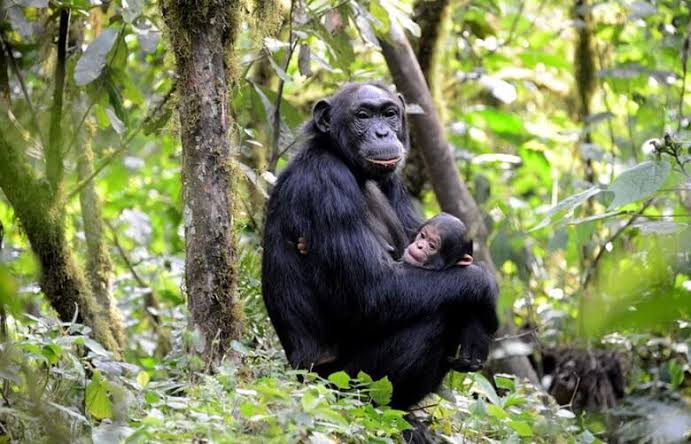
Standard Chimpanzee Tracking and the Chimpanzee Habituation Experience (CHEX) offer two completely different ways to encounter our closest living relatives in the wild. While both activities take you deep into the rainforest, they differ significantly in time spent with the primates, group sizes, overall costs, and the nature of the encounter. Tracking is a curated, shorter visit to a group of chimpanzees already accustomed to humans. Habituation, on the other hand, is an immersive, full-day educational adventure where you assist researchers in training wild chimpanzees to tolerate human presence. Choosing between them depends on your budget, fitness level, and how deeply you want to connect with nature.
Difference between Standard Chimpanzee Tracking and the Habituation Experience
Here is a direct comparison to help you decide which experience fits your travel style:
Feature
Standard Chimpanzee Tracking
Habituation Experience (CHEX)
Time with Chimpanzees
Strictly 1 hour
Up to 4 hours (or full day)
Chimpanzee Behavior
Calm, relaxed, and used to humans
Unpredictable, shy, or highly active
Group Size
Up to 8 tourists per group
Maximum of 4 tourists per group
Total Trek Duration
2 to 3 hours total
Full day (from sunrise to nest-building)
Permit Cost
Considerably less expensive
Significantly pricier due to the extended time
3-days-chimpanzee-tracking-to-kibale-forest-national-park
3-days-gorilla-trekking-safari-and-lake-bunyonyi-relaxation-itinerary
3-days-gorilla-habituation-in-bwindi-impenetrable-forest-park
4-days-gorilla-trekking-and-gorilla-habituation-experience
What is the fundamental difference between standard chimpanzee tracking and CHEX?
Think of standard tracking as a planned social visit and CHEX as a day in the life of a field researcher. Standard tracking takes you to a fully habituated chimpanzee group—primates that have spent years getting used to human presence. They go about their daily routines of grooming, feeding, and resting while completely ignoring their human guests. The activity is structured, predictable, and lasts for a focused hour once you locate the group.
On the other hand, the Chimpanzee Habituation Experience (CHEX) puts you alongside wildlife researchers and trackers who are actively teaching wilder chimpanzee troops to feel safe around humans. These chimps aren't fully relaxed yet; they might be vocal, wary, constantly on the move, or curious. Instead of a quick, polite visit, you spend extended hours observing these subtle behavioral transitions. Standard tracking offers a quick, reliable window into their world, while CHEX gives you a front-row seat to wild primate research and behavior in real time.
How much time do I actually get to spend with the chimpanzees in each activity?
Time with the primates is where these two experiences diverge most dramatically. With standard chimpanzee tracking, strict conservation rules limit your face-to-face contact to exactly one hour. Once your ranger guide locates the group, the clock starts ticking. This brief window ensures minimal stress on the habituated troop while still giving visitors plenty of time to capture stunning photographs and observe family dynamics up close.
With CHEX, your time with the chimpanzees is vastly expanded—you get up to four full hours, or in some instances, a full day from dawn until dusk. You might meet them early in the morning as they leave their sleeping nests, follow them through dense forest canopies as they forage, watch them vocalize and communicate, and stay right up until they construct new nests for the evening. If you want an unhurried, deeply immersive encounter that lets you quietly absorb the subtle rhythm of a wild chimpanzee community, CHEX provides four times the magic of a standard trek.
How do chimpanzee behaviors differ between the two experiences?
The behavior of the chimpanzees you encounter will feel completely different depending on which option you choose. During standard tracking, you visit a community that has undergone years of habituation. Because they view humans as non-threatening neutral presences, they remain remarkably calm and relaxed. You’ll see mothers casually nursing infants, dominant males resting on the forest floor, and juveniles swinging gently nearby without batting an eye.
During CHEX, you encounter semi-habituated chimpanzees whose behavior is far more raw, dynamic, and unpredictable. These chimps are still learning to trust humans, meaning they are much more active, alert, and potentially shy. They might crash through the thick canopy, move rapidly across long distances, or call out with loud "pant-hoots" to coordinate with group members. Watching them react to your presence and adjust as the hours pass offers a rare, thrilling glimpse into wild animal psychology that standard tracking simply cannot replicate.
Why are tourist group sizes much smaller for the Habituation Experience?
Group size is intentionally kept smaller for CHEX due to the delicate nature of habituating wild animals. Standard tracking permits up to eight tourists per assigned chimpanzee group. Because these chimps are already accustomed to human visitors, a group of eight people led by UWA rangers causes negligible stress to the troop.
In contrast, CHEX restricts visitors to a maximum of just four tourists per group. Because semi-habituated chimpanzees are still sensitive to human intrusion, larger crowds can easily startle or agitate them, causing the troop to scatter into dense brush. Keeping group sizes small ensures a much quieter, less invasive presence in the forest. For visitors, this translates into an intimate, personalized atmosphere where you can easily speak with researchers, ask questions without feeling rushed, and secure unobstructed vantage points for photography without jockeying for position among a larger crowd of travelers.
How does the total duration of the trek compare between tracking and CHEX?
The total time spent on foot in the forest varies significantly between the two activities. Standard chimpanzee tracking usually takes around two to three hours total. This includes an early briefing at the ranger station, walking through the forest to locate the troop, spending your allocated one hour with them, and returning back to the trailhead. It’s an efficient, accessible excursion that fits comfortably into a busy safari itinerary.
Conversely, CHEX is an intensive, full-day commitment. Your journey often begins before dawn—around 6:00 AM—so you can arrive near the nesting site before the chimps wake up. You will then track and follow the troop as they move across terrain throughout the day, concluding in the late afternoon when they build their night nests. Because you are matching the movements of wild animals all day long, you need stamina, plenty of water, and snacks. It’s a rewarding test of endurance compared to standard tracking.
Why is there a significant price difference between the standard tracking permit and CHEX?
When you look at UWA permit rates, the Habituation Experience commands a higher permit price than standard tracking. This price gap directly reflects the exclusive nature, extended duration, and specialized expert guidance involved in habituation work. Standard tracking grants you a one-hour window with a maximum group of eight people, spreading conservation costs across more participants per habituated group.
CHEX, on the other hand, grants up to four hours of direct viewing time for a tiny group of just four guests. You are essentially booking full-day access alongside senior UWA researchers and habituators whose daily job is scientific monitoring. The higher fee helps cover the intensive operational costs of year-round habituation efforts, field research equipment, and conservation patrols needed to safeguard wild troops. You aren't just paying for extra time in the forest—you are directly funding the vital, long-term conservation process that makes sustainable primate tourism possible.
How physically demanding is standard tracking compared to the Habituation Experience?
Physical fitness demands differ noticeably between these two adventures. Standard chimpanzee tracking is generally considered moderately easy to moderate. Ranger search parties often locate habituated groups relatively quickly based on where they nested the previous night. The paths taken are generally established trails, and because you only spend an hour with the relaxed chimps, total walking distance rarely exceeds a few kilometers. Most travelers with average physical fitness manage standard tracking with ease.
CHEX demands a much higher level of physical endurance and agility. Semi-habituated chimpanzees move fast, travel long distances, and rarely stick to designated hiking trails. You will find yourself pushing through thick underbrush, scrambling over fallen logs, navigating muddy slopes, and maintaining a brisk pace to keep up with a troop on the move. Spending six to eight hours on your feet in tropical heat and humidity requires good cardiovascular stamina, sturdy ankles, and a willingness to embrace a tough jungle trek.
Which option is better for professional or enthusiastic wildlife photographers?
Both experiences offer fantastic photography opportunities, but they cater to very different photography styles. Standard tracking is ideal if you prefer clear, stable shots of calm animals. Because habituated chimps linger on low branches or on the ground right near you, you can take your time adjusting exposure, swapping lenses, and framing portrait-style shots without worrying about the animals suddenly bolting into the brush.
However, CHEX offers unparalleled action, storytelling, and behavioral photography. Over the course of four full hours, you get diverse light conditions, dynamic natural behaviors, and authentic interaction scenes—from early morning canopy silhouettes to raw feeding frenzies. The trade-off is difficulty: semi-habituated chimps move quickly and often stay higher in dense foliage, requiring fast shutter speeds, long zoom lenses, and sharp reflexes. If you are a patient photographer looking for unique, dramatic shots that tell a real story, CHEX is worth the extra effort.
What unique insights do you gain from researchers during a Habituation Experience?
One of the greatest hidden perks of choosing CHEX is the access you get to the field researchers and habituators guiding your trek. During standard tracking, ranger guides provide excellent safety oversight and general natural history facts. But during CHEX, you spend hours walking alongside experts who know individual chimpanzees by name, personality, and life history.
These researchers will explain the subtle body language, vocalizations, and social hierarchies playing out right before your eyes. You’ll learn how researchers earn a wild troop's trust over years using non-threatening gestures, how they identify individuals by unique facial features, and how they record daily data on diet, grooming partners, and territorial boundaries. It transforms your trek into an interactive masterclass in primatology. You aren't just an observer; you are learning directly from the scientists dedicated to understanding and preserving these remarkable creatures.
Is the Habituation Experience suitable for first-time safari travelers?
While first-time safari travelers can certainly enjoy CHEX, standard chimpanzee tracking is often the better recommendation for first-timers unless they possess high fitness levels and a deep passion for wildlife. First-time visitors are often juggling jam-packed travel schedules, long driving days, and high expectations for guaranteed, easy wildlife sightings. Standard tracking offers a quick, reliable, and comfortable Primate encounter that leaves plenty of energy for afternoon game drives or relaxation.
CHEX can feel overwhelming if you aren't prepared for dense, off-trail bushwhacking, unpredictable animal movements, and long hours on your feet. However, if you are a first-time traveler who loves challenging hikes, craves raw immersion, and hates feeling like a typical tourist in a group, CHEX will deliver an unforgettable high point for your trip. It comes down to knowing your personal travel style, physical limits, and expectation levels before deciding.
How does seasonal weather impact tracking versus habituation?
Weather plays a key role in both activities, but its impact is felt much more intensely during CHEX. Uganda's dry seasons (June to August and December to February) offer easier walking conditions, clearer skies, and firmer trails for both options. Standard tracking during wet months (April, May, and November) can mean slippery trails, but because the trek is shorter, a rain shower is easily managed with standard rain gear.
During CHEX, heavy rain can turn an already grueling, full-day off-trail hike into a muddy, challenging trek. Chimpanzees often climb high into tree canopies or seek shelter during heavy downpours, making them harder to follow through wet vegetation. However, wet seasons also mean abundant fruit, keeping chimp troops from dispersing as far in search of food. If you book CHEX during wetter months, top-tier waterproof gear, gaiters, and high physical resilience are absolute must-haves.
What specific rules must be followed during each type of encounter?
While basic primate safety rules apply to both experiences—such as maintaining distance, refraining from eating near wildlife, and avoiding flash photography—CHEX requires even stricter adherence to guide instructions. During standard tracking, habituated chimps are used to seeing humans, so maintaining an 8-meter distance and keeping voices low is usually enough to keep the interaction safe and calm.
During CHEX, because the chimpanzees are still becoming accustomed to humans, your behavior directly influences the success of the habituation process. You must move in sync with your ranger guides, make no sudden gestures, and avoid breaking into loud talking. If a dominant chimp decides to display by drumming on tree buttresses or bluff-charging to test boundaries, you must remain calm, lower your gaze, and back away slowly as directed. Following these instructions guarantees safety while helping the researchers build positive, non-threatening associations with the troop.
How does the choice between standard tracking and CHEX affect my safari itinerary planning?
Choosing between these two activities reshapes how your safari itinerary is built. Standard tracking only takes up a half-day window (either morning or afternoon). This allows you to combine your tracking session with other nearby activities on the very same day—such as a guided nature walk in Bigodi Wetland Sanctuary, a community cultural visit, or a scenic transfer to Queen Elizabeth National Park.
CHEX, however, commands your entire day. Because you depart early in the morning and return late in the afternoon, you cannot schedule secondary excursions on that same day. You will need to build your itinerary around a full day dedicated entirely to Kibale Forest, ensuring you have comfortable accommodation reserved for both the night before and the night after your trek. If you want a fast-paced safari packed with multiple destinations, standard tracking fits easier; if you prefer slow, immersive travel, CHEX is the ultimate choice.
Are sighting success rates different between standard tracking and CHEX?
Sightings are never 100% guaranteed with wild animals, but standard tracking in Kibale National Park boasts a remarkable success rate of over 95%. Early morning advance trackers locate the habituated troops and radio their coordinates directly to your guide, making successful sightings almost certain.
With CHEX, while researchers track troops daily, sighting dynamics are slightly more fluid. Because semi-habituated chimpanzees are easily startled, they move quickly through dense forest sections where human paths don't exist. You will almost certainly find and follow the troop, but your view may occasionally be obscured by high canopy foliage or thick brush as they move away. The reward isn't just a guaranteed close-up portrait; it’s the thrill of active tracking, listening to pant-hoots echo through the trees, and keeping pace with a wild troop in motion.
What gear or clothing upgrades do I need for CHEX compared to standard tracking?
For standard chimpanzee tracking, general safari trail gear works fine: light hiking trousers, a long-sleeved shirt, lightweight boots, insect repellent, and a rain jacket. You’ll only carry a small daypack with a bottle of water and your camera.
For CHEX, your gear needs to stand up to a full day in rugged jungle terrain. You’ll need heavy-duty, waterproof hiking boots with deep tread, thick long socks to tuck your trousers into (stopping biting ants), and durable gaiters. Bring tough gardening gloves to protect your hands when pulling yourself up muddy slopes or pushing past thorny vines. A comfortable 20–30L backpack with a hydration bladder, energy-dense snacks, a full packed lunch, lens cleaning cloths, and a heavy-duty waterproof rain cover for your gear are essential for surviving a full day off-path.
How do both activities contribute to chimpanzee conservation in Uganda?
Every permit purchased for either standard tracking or CHEX directly funds wildlife conservation, but they serve complementary roles. Standard tracking permits generate sustainable, high-volume tourism revenue that funds daily park management, anti-poaching ranger patrols, veterinary care, and community benefit-sharing programs (where 20% of entrance fees support local infrastructure like schools and clinics).
CHEX directly funds the ongoing scientific research and delicate habituation pipeline. Habituating a wild chimpanzee troop takes anywhere from two to five years of continuous daily tracking by skilled field teams. By purchasing a CHEX permit, you directly subsidize the wages of these dedicated field researchers and help expand protected home ranges for chimpanzees. This habituation work expands sustainable tourism capacity over time, ensuring local communities see tangible economic value in keeping wild forests standing instead of converting them into farmland.
Can I combine both standard tracking and CHEX in a single safari trip?
Yes, combining both activities in a single itinerary is one of the ultimate ways to experience Uganda’s primates! Doing both gives you the absolute best of both worlds. Many passionate Primate enthusiasts book standard tracking on their first full day to secure guaranteed, relaxed, close-up photo opportunities and get comfortable with the forest environment.
On the second day, they gear up for CHEX with a newfound appreciation for chimp behavior. Having already seen calm, fully habituated chimps up close, they can spend their second day focusing entirely on the thrilling dynamics of active tracking, observing wilder behaviors, and chatting with researchers without feeling pressured to capture perfect close-up photos. If your budget and schedule allow for two days in Kibale, pairing standard tracking with CHEX delivers a complete, deeply satisfying primatology journey.
Which option offers a better experience for younger family members or older travelers?
For families traveling with teenagers (keeping in mind the 12-year age limit) or older active travelers, standard chimpanzee tracking is almost always the recommended choice. The predictable distance, well-maintained trails, shorter overall time frame (2–3 hours), and moderate physical pace ensure an enjoyable, low-stress adventure without risking exhaustion or physical strain.
CHEX can quickly become overwhelming for travelers who aren't used to strenuous, off-trail hiking in humid, warm jungle conditions. The steep terrain, dense vegetation, fast walking pace, and full-day duration require solid physical stamina and agility. Unless every member of your group is an experienced, fit trekker who actively enjoys grueling wilderness challenges, standard tracking provides a much safer, more comfortable, and thoroughly memorable Primate encounter for multi-generational travel groups.
How far in advance should I secure my permits for each activity?
Because permit availability is strictly regulated by the Uganda Wildlife Authority to protect primate health, early planning is vital for both options—though CHEX requires even extra foresight due to tiny group limits.
Standard tracking permits have higher daily availability because multiple groups of eight are dispatched per day across morning and afternoon sessions. However, during peak travel seasons (June–August and December–February), these permits sell out months in advance.
CHEX permits are far more scarce, with only a small handful issued each day due to the strict 4-tourist per group limit. Because availability is so tiny, CHEX permits often book out 6 to 9 months ahead of time. To lock in your preferred dates without altering your travel schedule, securing your permits as early as possible through a licensed tour operator is essential.
How can I book my Chimpanzee Tracking or CHEX permits with Roads of Adventure Safaris?
Booking your primate adventure with Roads of Adventure Safaris is seamless, hassle-free, and personal. As a premier, locally-based East African safari specialist, we handle every detail of your permit acquisition directly with the Uganda Wildlife Authority (UWA), guaranteeing that your tracking or CHEX permits are secured safely for your exact travel dates.
When you reach out to our team, we discuss your travel preferences, physical fitness levels, and budget to help you choose between Standard Tracking, CHEX, or a combined itinerary. From there, we build a seamless tailor-made safari package that includes your UWA permits, private 4x4 land cruiser transport, expert local guide-drivers, and hand-picked eco-lodges near Kibale National Park.
Contact Roads of Adventure Safaris today through our website, email, or direct phone channels to begin crafting your custom Ugandan primate journey!
