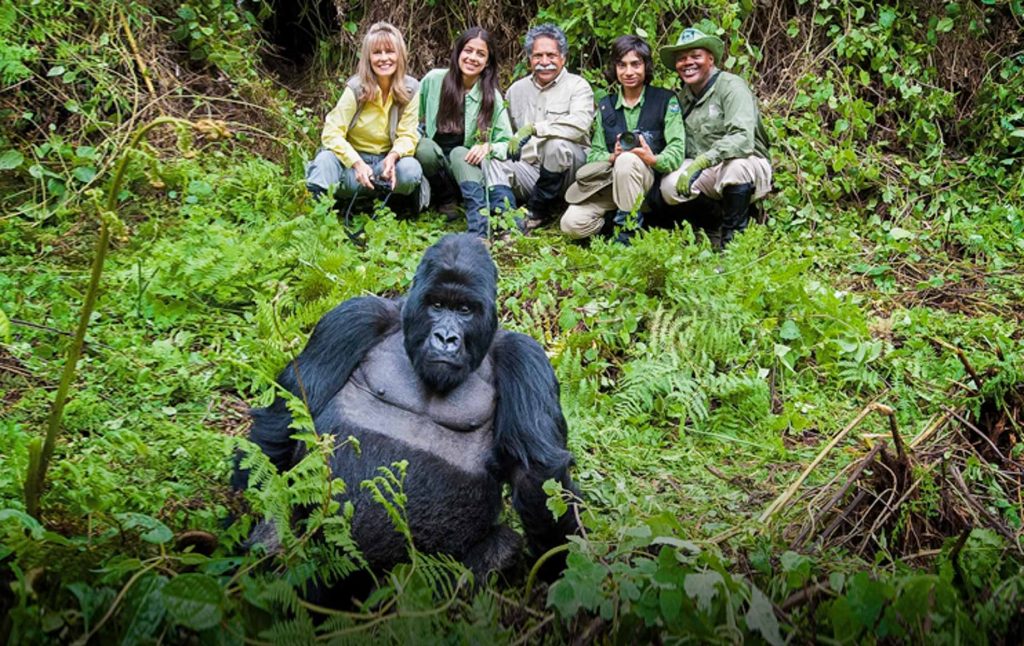
To travel on a budget for a 14-day Rwanda safari, focus on joining group tours, staying in budget guesthouses or campsites, and traveling during the low season (April, May, November). Combine Rwanda with Uganda for cheaper gorilla permits (approx. vs.) and utilize local tour operators for better rates. Group tours typically cost daily, covering transport, guides, and accommodation.
14-days-luxury-rwanda-primate-safari-and-uganda-safari-tour-combo
14-days-magical-rwanda-photography-safari
14-days-uganda-and-rwanda-safari-tour-itinerary
14-days-of-rwanda-uganda-gorilla-safari-and-zanzibar-beach-holidays
Travel During Low Season
The most effective way to lower the cost of a 14-day trip is to travel during the low season months of April, May, and November. In 2026, Rwanda continues to offer a significant 30% discount on gorilla permits during these months, dropping the price from $1,500 to $1,050. To qualify for this rate, you typically must show proof of spending at least two nights in other national parks like Akagera or Nyungwe, which a 14-day itinerary naturally accommodates.
Beyond the permit, low-season travel unlocks "Green Season" rates at many lodges. High-end accommodations that normally charge $1,500 per night may drop their rates to $800, and mid-range options become even more competitive. While these months coincide with the rainy season, the rain often comes in short, heavy bursts followed by sunshine. For a 14-day traveler, the occasional downpour is a small price to pay for the "private safari" feel of having the parks to yourself and the dramatic, lush scenery that makes for incredible photography.
Join Group Tours
Shared logistics are the "budget backbone" of a long-term safari. A private 4x4 Land Cruiser with a professional guide in 2026 costs between $200 and $300 per day. On a 14-day trip, that totals over $3,500 in transport alone for a solo traveler or a couple. By joining a small group tour (typically 4 to 6 people), these fixed costs are divided, instantly reducing your transport and guide expenses by 60% to 75%.
Group tours also offer the benefit of shared knowledge and "built-in" camaraderie, which is particularly valuable on a two-week journey. Many operators offer "scheduled departures" for 14-day circuits that cover all three national parks. These packages often include group discounts at lodges that individual travelers cannot access. If you prefer flexibility but still want to save, consider "joining-in" for the transport and guide portion of the trip while booking your own budget guesthouses along the route.
Accommodation Choices
To avoid the "luxury trap" in Rwanda, look toward community rest camps, guesthouses, and eco-tents. While Rwanda is famous for its $3,000-a-night lodges, there is a burgeoning sector of high-quality budget stays. In Musanze (Volcanoes National Park), the historical Hotel Muhabura or La Locanda offer clean, comfortable rooms for a fraction of the cost of luxury brands. Near Akagera, options like Akagera Rhino Lodge or the Lake Shakani Campsite allow you to stay close to the wildlife for as little as $35 to $80 per night.
Staying in town centers rather than inside the parks can also save hundreds of dollars. For example, staying in Musanze town instead of on the park boundary allows you to eat at local restaurants where a meal costs $10, compared to a $60 lodge dinner. Many of these budget lodges are community-owned, meaning your stay directly supports the local economy. For a 14-day trip, mixing a few nights of "splurge" luxury with consistent budget stays is the best way to maintain comfort while keeping the total bill manageable.
Alternative Gorilla Tracking
If the $1,500 (or $1,050 low-season) permit fee is the primary barrier, consider a "multi-country" approach by tracking gorillas in Uganda’s Bwindi Impenetrable National Park. In 2026, a Uganda gorilla permit costs $800—nearly half the price of a standard Rwanda permit. Since Bwindi is only a few hours’ drive from the Rwandan border (Cyanika or Katuna), it is easy to incorporate a 3-day Uganda "side-trip" into your 14-day Rwandan itinerary.
By tracking in Uganda, a couple can save $1,400 on permits alone. Additionally, mid-range accommodation in the Bwindi region is generally more affordable than in Rwanda’s Volcanoes National Park. This "cross-border" strategy allows you to enjoy the cleanliness and infrastructure of Rwanda for 11 days while taking advantage of Uganda’s lower primate fees. Just ensure you have the East African Tourist Visa ($100), which allows multiple entries between Rwanda and Uganda, making this budget-saving maneuver seamless.
Local Transport
While a private 4x4 is the standard for safaris, savvy travelers can use public transport and local apps for the "non-safari" legs of the trip. For the journey between Kigali and Musanze (Volcanoes), the Volcano Express bus is a reliable, safe, and incredibly cheap alternative to a private transfer. Within Kigali, using the "Yego Moto" app for motorcycle taxis or "Tap&Go" cards for the public bus system can save you $50 a day compared to using private airport-style taxis.
For the national parks, you can "bridge" the transport gap by taking a public coach to the nearest town (like Musanze or Kayonza) and then hiring a local 4x4 for just the 1 or 2 days you are actually inside the park. This prevents you from paying for a vehicle and driver to "sit" at your hotel during your rest days. On a 14-day trip, these "small" savings on daily transport add up to a significant portion of your budget, freeing up funds for more unique experiences like the Nyungwe Canopy Walk or a Lake Kivu coffee tour.
14 Days Budget Rwanda safari holiday vacation
Exploring Rwanda on a 14-day budget holiday allows for deep immersion into the country's diverse landscapes without the luxury price tag. This two-week itinerary prioritizes affordability by utilizing guesthouses, public transport segments, and shared group activities. You will traverse the entire country, from the savanna plains of the east to the ancient rainforests and volcanic peaks of the west. By pacing the journey over 14 days, you avoid the high costs of rushed logistics and gain access to low-season permit discounts and community-based tourism. This is a journey for the conscious traveler, focusing on authentic cultural connections, diverse wildlife encounters, and the raw beauty of the "Land of a Thousand Hills." From tracking primates to relaxing on the shores of Lake Kivu, this budget-friendly expedition proves that Rwanda’s most profound experiences are accessible to everyone, regardless of their budget.
Day 1: Arrival in Kigali and Budget Orientation
Upon arrival at Kigali International Airport, you will take a regulated airport taxi or a pre-arranged shuttle to a budget guesthouse in the city center, such as Chez Lando or Okapi Hotel. After checking in, your first afternoon is spent exploring the city’s clean, walkable streets. You can visit the Kigali Genocide Memorial, which is free to enter (donations are encouraged), to understand the nation’s history. For dinner, skip the hotel restaurants and head to the Nyamirambo neighborhood for a "Big Fish" or local brochettes, which offer a delicious and inexpensive introduction to Rwandan cuisine. This day is about acclimatizing to the local rhythm and preparing for the cross-country journey ahead.
Day 2: Kigali Cultural Walk and Local Markets
Spend your second day in the vibrant Nyamirambo district. Join a walking tour led by the Nyamirambo Women’s Center, an affordable community initiative that takes you through local markets, hair salons, and tailors. This is the best way to see the "real" Kigali while supporting local vocational training. In the afternoon, explore the Kimironko Market, where you can buy fresh fruit and snacks for your upcoming road trips at local prices. Engaging with artisans and small-scale vendors provides an authentic cultural experience that luxury tours often miss. You’ll end the day with a deeper understanding of the urban Rwandan lifestyle, all while keeping your expenses low.
Day 3: Public Coach to Musanze
On day three, you will head to the Nyabugogo Bus Park to catch a public coach, like the Volcano Express, to Musanze (Ruhengeri). The bus is safe, reliable, and costs only a few dollars, offering a scenic 2.5-hour ride through the "thousand hills." Upon arrival in Musanze, check into a budget-friendly option like Hotel Muhabura or a local hostel. Spend the afternoon exploring the town on foot or hire a bicycle to ride toward the base of the volcanoes. This transition from the capital to the northern highlands introduces you to the rugged, volcanic scenery that will be your home for the next several days.
Day 4: Golden Monkey Tracking
Today you enter Volcanoes National Park for your first primate encounter. Golden Monkey tracking is one of the most affordable primate activities in the park (around $100). These active, orange-furred monkeys live in the bamboo forests at the base of the volcanoes, making the trek less strenuous and more affordable than gorilla trekking. You will spend an hour watching them forage and play. In the afternoon, visit the Ellen DeGeneres Campus of the Dian Fossey Gorilla Fund, which offers free or low-cost interactive exhibits about gorilla conservation. This day balances high-value wildlife viewing with educational immersion, staying well within a budget framework.
Day 5: Musanze Caves and Twin Lakes
Explore the geological wonders of the north by visiting the Musanze Caves. Formed by ancient volcanic activity, these caves are a low-cost attraction that provides insight into the region's volcanic history. In the afternoon, take a local taxi or moto to the Twin Lakes, Burera and Ruhondo. Instead of an expensive private boat tour, you can often find local fishermen willing to take you across for a small fee, or simply hike the ridge between the lakes for spectacular views of the Virunga chain. This day is about independent exploration and enjoying the natural scenery without the need for expensive park permits.
Day 6: Gorilla Guardians Village and Community Life
Dedicate day six to cultural immersion at the Iby’iwacu Cultural Village (Gorilla Guardians). For a modest entrance fee, you can watch traditional dances, learn about herbal medicine, and see how a community of former poachers has transitioned into conservation. This visit is a powerful example of how tourism can transform local lives. In the afternoon, engage in a community walk through the nearby villages, perhaps visiting a local school or a basket-weaving cooperative. These grassroots interactions are the heart of a budget safari, offering genuine connections with the people who live on the edges of the Great Ape sanctuaries.
Day 7: Cross-Border to Uganda (Optional Budget Gorilla Trek)
For many budget travelers, the $1,500 Rwanda gorilla permit is out of reach. On day seven, you can use your East African Tourist Visa to cross the border at Cyanika into Uganda. A short 1-2 hour drive takes you to the Bwindi Impenetrable National Park region, where gorilla permits are significantly cheaper (around $800). Stay at a budget camp like Buhoma Community Rest Camp or a local hostel. By basing yourself here for two nights, you can achieve the "bucket list" gorilla encounter for nearly half the price of doing it in Rwanda, while still following the Rwandan circuit.
Day 8: The Gorilla Trek (Uganda or Rwanda Low Season)
This is the big day. If you crossed into Uganda, you will trek in Bwindi; if you stayed in Rwanda and are traveling in the low season (May/November), you may be using a discounted $1,050 permit. You will hike through the dense forest until you find a family of mountain gorillas. Standing in their presence for one hour is a life-altering experience. After the trek, return to your budget lodge for a quiet afternoon of reflection. The physical exertion of the trek is rewarded by the sheer gravity of the encounter, and by choosing the budget route, you have made this world-class experience financially sustainable.
Day 9: Return to Rwanda and Lake Kivu
On day nine, you head back into Rwanda and travel to the shores of Lake Kivu, specifically the town of Gisenyi (Rubavu). This town has a tropical, relaxed feel with many affordable guesthouses like Palm Garden Resort or local hostels. After a week of trekking and travel, the afternoon is spent relaxing on the public beaches or walking along the waterfront. Gisenyi is a great place to find inexpensive "lake fish" dinners at local stalls. This is the beginning of your mid-trip relaxation phase, where the cost of activities drops significantly as you enjoy the natural beauty of the lake.
Day 10: Lake Kivu Coffee Tour and Kayaking
Instead of expensive motorized boat tours, opt for a kayaking session or a guided coffee tour. Many local cooperatives along Lake Kivu offer "bean-to-cup" experiences where you can learn how Rwanda’s world-class coffee is grown and processed for a small fee. In the afternoon, you can hike a small portion of the Congo Nile Trail, which runs along the lake. The trail is free to walk and offers some of the best views in the country. This day focuses on "slow tourism," allowing you to engage with the landscape and local industry at a very low cost.
Day 11: Transfer to Nyungwe via Kibuye
Travel south along the lake to Kibuye (Karongi), often cited as the most beautiful town on Lake Kivu. You can take the public ferry (if scheduled) or a local bus for a few dollars. Kibuye is known for its steep hills and turquoise water. Check into a budget guesthouse like Home Saint Jean, which offers spectacular views for a very low price. Spend the afternoon taking a short hike to one of the nearby hilltops for a sunset view over the islands. This leg of the journey is about enjoying the scenic "Congo Nile" landscape without the need for a private driver.
Day 12: Journey to Nyungwe National Park
From Kibuye, continue south to the ancient Nyungwe Forest National Park. This is a long but beautiful drive through tea plantations and mountain vistas. Upon arrival, check into a budget accommodation outside the park, such as the Gisakura Guest House. Being based just outside the park boundary significantly reduces your accommodation costs compared to the luxury lodges inside. In the late afternoon, you can walk through the surrounding tea estates for free, watching the pickers at work and enjoying the emerald-green scenery that characterizes this high-altitude rainforest region.
Day 13: Canopy Walk and Birding
Your final major park activity is the Nyungwe Canopy Walk. At approximately $60, it is a high-value experience that takes you 70 meters above the forest floor on a suspension bridge. It is one of the best ways to see the rainforest’s biodiversity without the high cost of a primate permit. For the rest of the day, enjoy the numerous free or low-cost birding trails around the Gisakura area. Nyungwe is home to over 300 bird species, and even a casual walk along the road can yield sightings of Great Blue Turacos and Hornbills. This is a day of immersive nature that keeps your daily spend to a minimum.
Day 14: Return to Kigali and Departure
On your final day, take a public bus or a shared transfer back to Kigali (about 5-6 hours). The drive takes you through the southern highlands and the cultural town of Huye. Upon arrival in Kigali, you can visit the Caplaki Craft Village for last-minute souvenirs, using your bargaining skills to get the best prices. Enjoy a final Rwandan meal at a local "buffet" restaurant, which offers a wide variety of local food for a fixed, low price. Your guide or a local taxi will then transfer you to the airport for your flight home. You leave with a full heart and a wealth of memories, having seen the best of Rwanda on a true budget.
What is the best way to reduce costs on a 14-day safari?
The single most effective way to slash your budget is to join a small group tour (4–6 people). On a 14-day itinerary, the most significant fixed costs are the 4x4 safari vehicle, the professional driver-guide, and fuel. In 2026, renting a high-quality Land Cruiser with a guide can cost upwards of $250 per day. For a solo traveler or a couple, this is a massive burden; however, when split among six people, the cost per person drops by 40% to 60%.
This shared model also applies to accommodation, as many lodges offer better rates for group bookings. Additionally, sharing a guide means sharing the cost of their park entry fees and accommodation. Beyond the financial savings, traveling in a small group provides a built-in social network and shared expertise, which can be invaluable when navigating the logistics of a multi-week trip through varied ecosystems like Akagera and Nyungwe.
When is the cheapest time to visit Rwanda?
The low/wet seasons (March to May and October to November) are the "budget sweet spots" for Rwanda. During these months, many luxury and mid-range lodges drop their rates significantly—sometimes by as much as 30% to 50%—to fill rooms. If you are planning a 14-day trip, these savings can amount to thousands of dollars.
Furthermore, Rwanda has historically offered a discounted gorilla permit rate of $1,050 (instead of $1,500) during the low season for travelers who spend at least two nights in other national parks like Akagera or Nyungwe. Since a 14-day trip naturally includes these parks, you are perfectly positioned to take advantage of this $450-per-person saving. While it will rain, the showers are often followed by clear skies, and the lush, green landscapes are at their most photogenic during these months.
Are gorilla permits cheaper for budget travelers?
No, gorilla permits are fixed at a high cost regardless of your travel style. In Rwanda, the permit remains a premium $1,500 (or $1,050 in the low season). For a budget-conscious traveler, the strategy is not to find a "cheap" permit, but to balance that one massive expense with lower-cost activities.
For example, instead of doing two gorilla treks, you can do one and spend the other days doing Golden Monkey tracking ($100) or a nature hike in Nyungwe ($40–$60). A 14-day itinerary allows you to "dilute" the high cost of the gorilla permit by filling the other 13 days with affordable community walks, birding, and self-guided exploration. This way, the "average" cost per day becomes much more manageable while still allowing you to experience the country’s most famous wildlife encounter.
What are the best budget accommodation options?
Rwanda has a growing selection of high-quality budget stays that offer safety and comfort without the "eco-luxury" price tag. In Kigali, the Discover Rwanda Youth Hostel is a legendary hub for backpackers and budget travelers, offering both dorms and private rooms. When you move toward the national parks, look for established guesthouses like the Muhabura Hotel or Kinigi Guesthouse near Volcanoes National Park.
In the Akagera region, the Akagera Rhino Lodge offers spectacular views at a fraction of the price of the high-end lodges inside the park. For a 14-day trip, consider using religious guesthouses (often called Centres d'Accueil), which are clean, secure, and very affordable. Staying in these local spots not only saves you money but also puts you closer to the local community, providing a more authentic Rwandan experience than a secluded luxury resort.
Should I use a local tour operator?
Yes, booking with a local operator is almost always cheaper than using an international travel agency. International agents often add a significant markup (sometimes 20% or more) and lack the real-time local knowledge required to find the best budget deals. Local operators have direct relationships with lodge managers and can often negotiate "last-minute" or "resident-style" rates that aren't available online.
Furthermore, a local operator understands the nuances of Rwandan logistics—like which roads are currently under construction or which community guides are the most knowledgeable. By supporting a local company, more of your money stays within the Rwandan economy, supporting the very conservation and community projects you are visiting. For a 14-day trip, having a local contact who can pivot your plans if weather or logistics change is a vital safety net.
Is self-drive cheaper than hiring a driver?
Self-drive is technically cheaper, with vehicle rentals ranging from $60 to $90 per day for a Rav4 or a small 4x4. Hiring a professional driver-guide adds roughly $40 to $50 per day plus their meals and accommodation. However, for a 14-day trip, the "hidden" costs of self-driving can add up. You will be responsible for navigating steep, winding mountain roads and handling any mechanical issues or local police checkpoints yourself.
While you save on the daily driver fee, you lose the expert knowledge that a guide brings—such as their ability to spot a camouflaged leopard in Akagera or explain the history of a specific village. For absolute budget-seekers, self-driving is a viable option, but many find that the $40/day for a guide is the best money they spend, as it transforms a stressful drive into an educational and relaxed safari experience.
How much should I expect to pay per day on a budget?
A budget traveler in Rwanda can expect to spend between $50 and $150 per night on accommodation and food. If you are staying in hostels and eating at local "buffet" restaurants, you can even get this down to $30–$40 per day for your basic needs. However, the total "safari" cost must include park fees and transport.
Excluding the $1,500 gorilla permit, a 14-day budget safari can be done for roughly $150–$200 per day all-inclusive (transport, mid-range guesthouses, and entry fees). Some ultra-budget travelers use public buses and stay in community campsites for as low as $19/day for the "overhead," only splurging when they reach the park gates. Having 14 days allows you to "save up" on the cheap days in Kigali or Lake Kivu to pay for the more expensive wildlife days in the national parks.
Can I find budget-friendly food in Rwanda?
Absolutely. To save money, you should avoid eating every meal at your lodge. Tourist lodges often charge "European prices" for meals ($30–$50). Instead, head into the local towns like Musanze, Kibuye, or Kayonza. Look for restaurants serving a "Melange" (Rwandan buffet). For about $3–$5, you can get a massive plate of local staples like matooke (green bananas), beans, rice, sweet potatoes, and fresh avocado.
Street food is also a great budget option; try "brochettes" (grilled meat skewers) and "Akabenz" (roasted pork), which are delicious and very cheap. In Kigali, the Nyamirambo neighborhood is famous for its "Big Fish"—a giant grilled tilapia meant to be shared by 2–3 people for about $10. Eating locally is not only a budget-saver but also the best way to experience the incredible flavors of Rwandan agriculture.
Are there free or cheap activities in Kigali?
Kigali is a city that rewards the budget explorer. Many of its most impactful sites are very affordable. The Kigali Genocide Memorial is free to visit, though a donation of $10–$20 for the audio guide is highly recommended to fully understand the site. Wandering through the Kimironko Market is a free sensory experience where you can see the hustle and bustle of local trade and buy fresh fruit for pennies.
You can also take a self-guided walking tour of the Nyamirambo district or hike up Mount Kigali for a panoramic view of the city—both of which cost nothing but your time. The city’s numerous art galleries, like Inema Arts Center, are often free to enter and frequently host live music or community events in the evenings. These low-cost urban days are essential for balancing the high costs of the national parks later in your 14-day itinerary.
How can I save on transport between national parks?
The most effective way to save on transit is to use the public bus system. Rwanda has an excellent network of "mini-buses" and coaches (like Volcano Express or Ritco) that connect Kigali to every major town near the parks. A trip from Kigali to Musanze or Huye costs only a few dollars.
While these buses don't go inside the parks, you can take the bus to the nearest town and then hire a local taxi or moto-taxi for the final "last mile" to your lodge. For the actual game drives in Akagera, you will still need a 4x4, but you can save money by only renting the vehicle for the days you are actually in the park, rather than paying for it to sit in a hotel parking lot during your "rest days" in Kigali or at Lake Kivu.
Should I tip in Rwanda?
Yes, tipping is expected for good service, but it should be kept within a reasonable budget. For a professional safari guide, a standard tip is $10–$15 per day from the group. For trackers and rangers during a gorilla or chimp trek, a tip of $5–$10 per person is appreciated. In local restaurants, rounding up the bill or leaving $1–$2 is sufficient.
On a 14-day trip, these small amounts can add up, so it is wise to factor a "tipping fund" of about $150–$200 into your total budget. However, tipping is always at your discretion and should reflect the quality of the service you received. Most lodges have a "communal tip box" for the back-of-house staff (chefs, cleaners, and gardeners), which is a fair way to ensure everyone who made your stay comfortable is rewarded.
What should I pack to avoid extra costs?
To avoid high rental fees or emergency purchases at tourist shops, you must pack your own essential gear. Renting items like gaiters, waterproof trousers, or even a walking stick can cost $10–$20 per trek. Over 14 days, this adds up quickly.
Bring your own well-broken-in hiking boots, a high-quality rain jacket, and gardening gloves for the forest treks. Also, pack a basic first-aid kit (including rehydration salts and blister plasters) and a reusable water bottle. Buying these items in a "safari boutique" in Kinigi will cost three times what they do at home. Additionally, bring a universal power adapter and extra camera batteries, as specialty electronics are very expensive to buy locally if you lose or forget yours.
Are there discounts for children?
Yes, many lodges and national parks in Rwanda offer discounted rates for children. Children under the age of 5 often stay for free, and those between 5 and 12 typically pay 50% of the adult rate for accommodation and some park entry fees.
It is important to note, however, that there are no discounts for gorilla permits; the $1,500 fee is the same for everyone (minimum age 15). For a 14-day family trip, these child discounts on accommodation and savanna park fees can make a significant difference. Always ask your tour operator or lodge manager about "family room" rates or "triple share" options, which are much more cost-effective than booking separate rooms for the kids.
Is it cheaper to do a 14-day safari than a shorter one?
While the total cost of a 14-day safari is obviously higher, it often offers better "value per day." Short 3-day trips are incredibly expensive because the high fixed costs of airport transfers and permits are squeezed into a short window. On a 14-day trip, you can spread the cost of your 4x4 rental and guide over a longer period.
Additionally, a longer stay allows you to use cheaper transport (like buses) for some legs of the trip and stay in budget guesthouses for several nights to "offset" the price of the gorilla trek. You also avoid the "premium" charged for rushed, high-intensity logistics. In short, 14 days allows you to "pace" your spending, making the average daily cost much lower than a high-speed, 3-day luxury dash.
What is the best way to pack for 14 Days Budget Rwanda safari holiday vacation?
For a 14-day budget trip, the key is versatility and durability. Use a soft-sided duffel bag or a sturdy backpack rather than a hard suitcase, as these fit better into small safari vehicles and public buses. Follow a strict packing list to ensure you have everything you need, avoiding the "tourist tax" of buying gear in-country.
Focus on "quick-dry" fabrics that can be easily hand-washed in a sink; this allows you to pack only 4–5 days' worth of clothes for a 14-day trip, saving on luggage fees and space. Most budget guesthouses offer very cheap laundry services, often charging by the piece. By packing light and choosing multi-purpose items (like a sarong that can be a towel, a scarf, or a beach wrap), you keep your logistics simple and your costs low throughout the two-week journey.
Booking budget Rwanda safari with us Roads of Adventure safaris
Book a budget Rwanda safari with Roads of Adventure Safaris to explore gorillas, chimps, and wildlife in Volcanoes and Nyungwe National Parks. Custom packages often include Gorilla trekking ($450-$490+), Akagera National Park wildlife tours, and cultural experiences, usually departing from Kigali.
